Ma'Roots

Michelin Plate
Our verdict
The kitchen works within a seasonal-cuisine format at the €€€ price point, drawing on the agricultural character of the Bavarian countryside rather than the urban fine-dining circuit. For those willing to leave Munich, the detour carries weight.

Pearl is the En Primeur Club membership app, where members save venues, book tables and use the concierge.
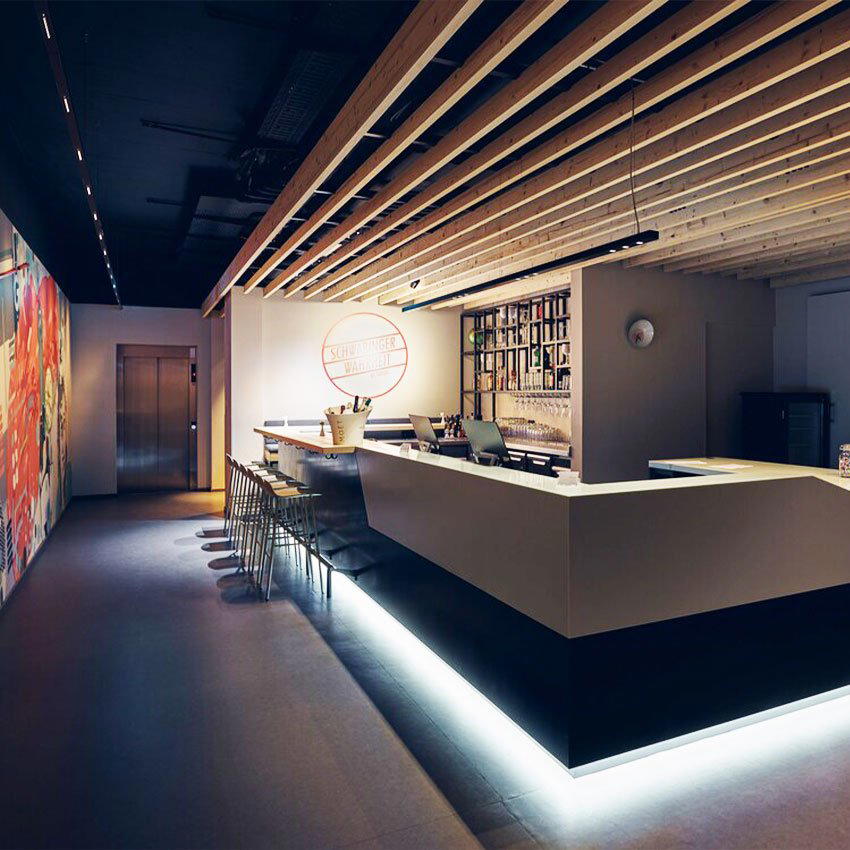
A Village Address with a Seasonal Discipline
Sonnengasse 14A is not an address that announces itself. Forstinning sits east of Munich in the Ebersberg district, a stretch of Bavaria defined more by working farms, forest edges, and the quiet rhythms of small-market towns than by restaurant tourism. That geography is not incidental to what Ma'Roots does. In the broader conversation about where seasonal cuisine in Germany finds its most honest expression, this kind of rural address often matters more than proximity to a city's reviewing infrastructure. The ingredients that define a seasonal kitchen are, by definition, closer here.
Across Germany's more discussed seasonal and fine-dining rooms, from JAN in Munich to ES:SENZ in Grassau, the sourcing conversation tends to centre on named producers and supply chains that run from farm to pass. What distinguishes the kitchens operating in genuinely rural settings is that the supply chain is shorter in practice, not just in rhetoric. Forstinning's position within Bavarian agricultural country means the window between harvest and plate is narrower, and the seasonal menu format reflects that constraint rather than working around it.
What the Michelin Plate Signals
Ma'Roots received a Michelin Plate in the 2025 Michelin Guide, a designation that sits below the star tier but indicates that inspectors found the cooking worth noting: good ingredients handled with care and a clear kitchen point of view. In the context of a village restaurant operating at the €€€ price point, that recognition carries a specific meaning. It places the kitchen in a different competitive frame than the starred rooms at Schwarzwaldstube in Baiersbronn, Aqua in Wolfsburg, or Vendôme in Bergisch Gladbach, but it does position Ma'Roots as a serious address within its tier and geography.
It also implies a consistency that single-visit inspector judgements can miss. The combination of Michelin recognition and sustained public ratings at that level is a trust signal worth taking seriously, particularly for a €€€ kitchen where value-per-course matters as much as ambition.
Sourcing as the Kitchen's Operating Logic
Seasonal cuisine as a category covers a wide range of actual practice. At one end, it functions as a marketing frame: menus rotate quarterly and the language of seasonality appears on the website without materially changing what arrives on the plate. At the other end, it operates as a genuine constraint that forces the kitchen to work with what is available, not what is convenient. Restaurants in rural Bavaria, with direct access to the agricultural calendar of the Alpenvorland, have the conditions to practice the latter version.
The Ebersberg district and the broader corridor between Munich and the Inn valley produce a specific seasonal larder: freshwater fish from the rivers and lakes of the region, game from the surrounding forests during autumn, brassicas and root vegetables from the market gardens of the plain, and dairy products from the Alpine foothills. A kitchen that calls itself Ma'Roots and holds a Michelin Plate in this geography is making an implicit argument about where its materials come from and why that matters. The name itself is a statement of intent about provenance and connection to place, even if the specific sourcing relationships are not on public record.
Compare this to the sourcing models of Kirchenwirt in Leogang or Mesnerhaus in Mauterndorf, two other Alpine-adjacent seasonal kitchens operating in rural settings with strong local-produce frameworks. The pattern across all three is that distance from urban supply chains tends to produce menus with a tighter seasonal logic, because the workarounds that city kitchens rely on, air-freighted produce, year-round hothouse herbs, importing from warmer climates, are less available and less aligned with the kitchen's own stated identity.
Forstinning in the Munich Dining Orbit
Munich's serious dining scene has expanded significantly over the past decade, but the orbit of that scene now extends beyond the Mittlerer Ring and into the surrounding municipalities. Forstinning is roughly 30 kilometres east of the city centre, accessible by road in under 40 minutes in most traffic conditions, or by S-Bahn to the eastern commuter belt. For Munich-based diners willing to make the drive, it represents a different kind of evening than the urban fine-dining circuit: quieter, more spatially relaxed, and grounded in a different relationship to the surrounding countryside.
Within Forstinning itself, the dining options are limited, which concentrates attention on the handful of serious addresses in the area. Zum Vaas, which works within the traditional cuisine register, represents the other end of the local culinary spectrum. Between them, they suggest a village that punches above its weight for a place of its size. For those planning a broader regional trip, the full Forstinning restaurants guide maps the complete picture. Overnight options are covered in the Forstinning hotels guide, with additional coverage of bars, wineries, and experiences in the area.
Planning a Visit
Ma'Roots operates at Sonnengasse 14A, 85661 Forstinning. The €€€ price positioning places it in a tier where a full meal with drinks will run meaningfully below the starred rooms at Restaurant Haerlin in Hamburg, Schanz in Piesport, Waldhotel Sonnora in Dreis, Victor's Fine Dining by Christian Bau in Perl, or CODA Dessert Dining in Berlin, but operates with the same underlying seriousness about sourcing and seasonal discipline. Given the Michelin Plate recognition and the volume and consistency of its public ratings, booking ahead is advisable, particularly for weekend sittings when demand from the Munich day-trip circuit is highest.
Frequently asked questions
What does dinner at Ma'Roots typically cost?
Pricing at Ma'Roots is listed as €€€.
What part of town is Ma'Roots in?
Ma'Roots is located at Sonnengasse 14A, 85661 Forstinning, Germany, Forstinning.
Fast Comparison
Comparable venues nearby, for context on price, style, and recognition.
| Venue | Cuisine | Price | Awards | Notes |
|---|---|---|---|---|
| Ma'RootsThis venue (the venue you are viewing) | Modern Bavarian Seasonal | Not listed | Michelin Plate | Not listed |
| Zum Vaas | Modern Bavarian Alpine Cuisine | $30–50 | Michelin Bib Gourmand · Star Wine List | Forstinning |
| Kirschner Stuben | Bavarian Regional with International Influences | Not listed | Michelin Plate | Rottach-Egern |
| Brasserie Cuvilliés | Modern Bavarian-Alpine Brasserie | Not listed | Michelin Plate | Lehel |
| Freisinger Hof | Bavarian-Austrian Classics | $50–100 | Michelin Plate · Star Wine List | Oberföhring |
| Forsthaus Ilkahöhe | Modern Bavarian Fine Dining | $50–100 | Michelin Plate | Tutzing |
Recognition history
Dated appearances from independent guides and award organizations, with the underlying list record or original source where available.
Michelin Plate
Michelin
Continue exploring
More in Forstinning
Restaurants in Forstinning
All restaurants in Forstinning →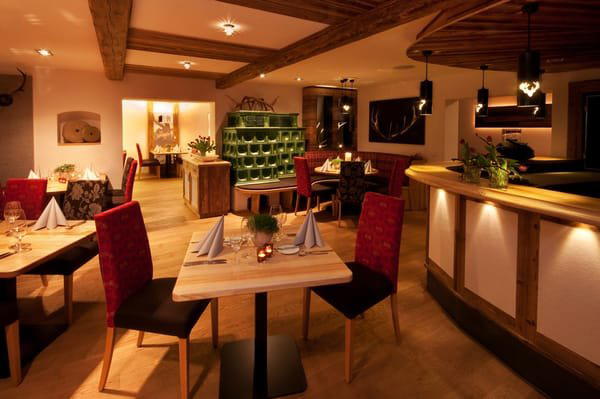
Bars in Forstinning
Browse all →
Details
- Cozy
- Rustic
- Intimate
- Elegant
- Date Night
- Special Occasion
- Historic Building
- Extensive Wine List
- Local Sourcing
- Tasting Menu
- Vegetarian Friendly
Current opening hours
- Monday
- Closed
- Tuesday
- Closed
- Wednesday
- 5–10 PM
- Thursday
- Closed
- Friday
- Closed
- Saturday
- Closed
- Sunday
- Closed
Hours can change for holidays and private events. Last verified .
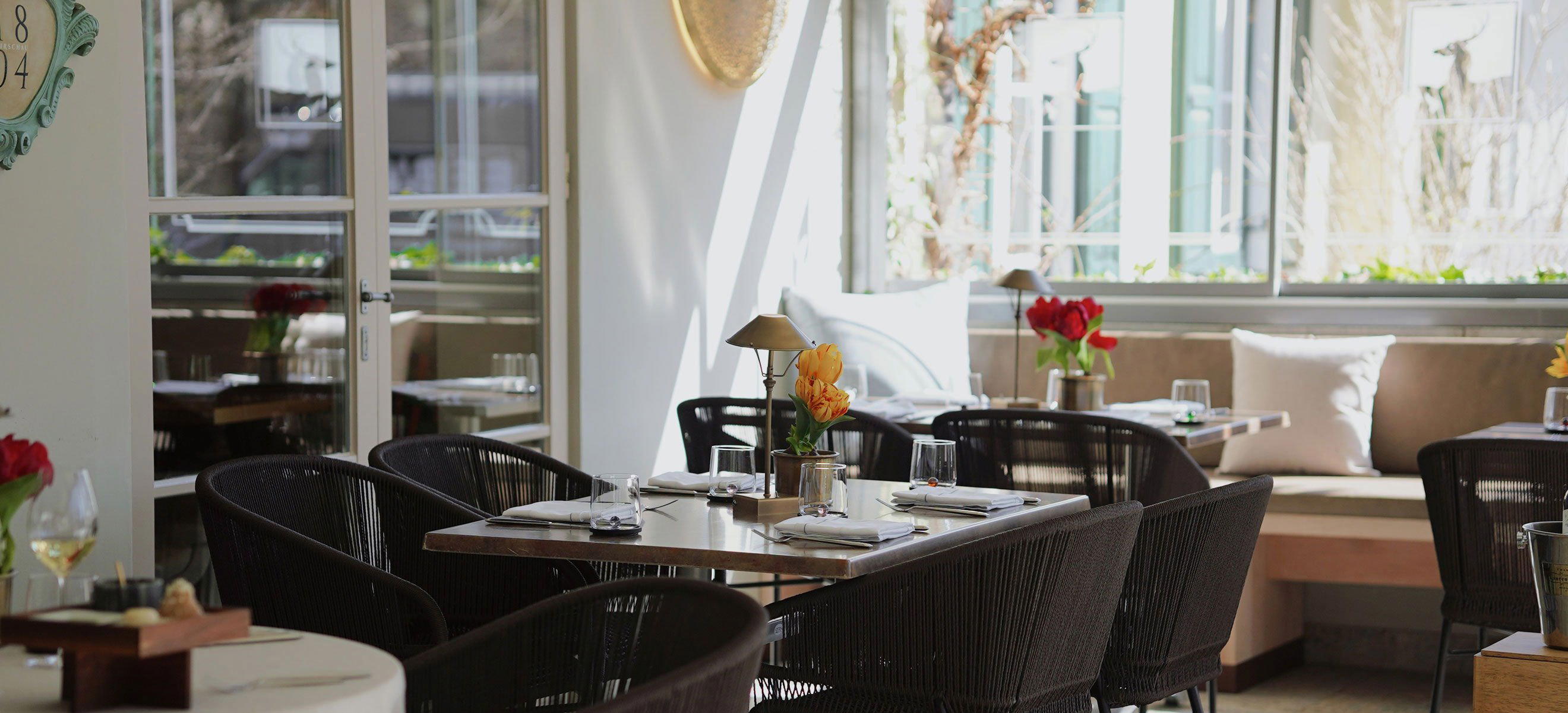
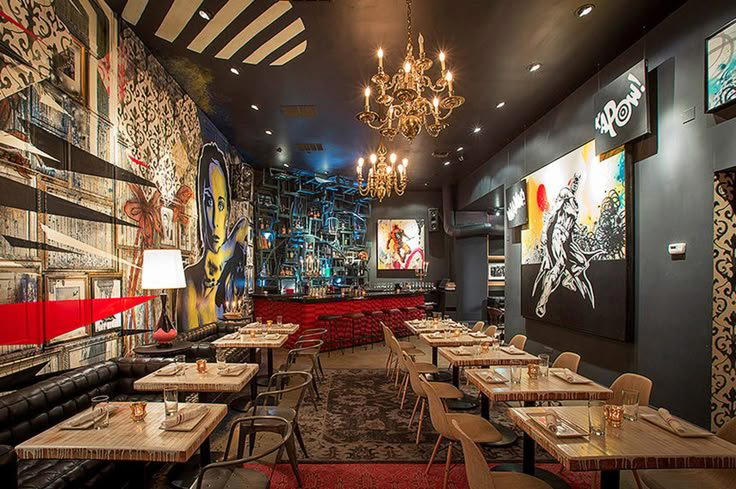
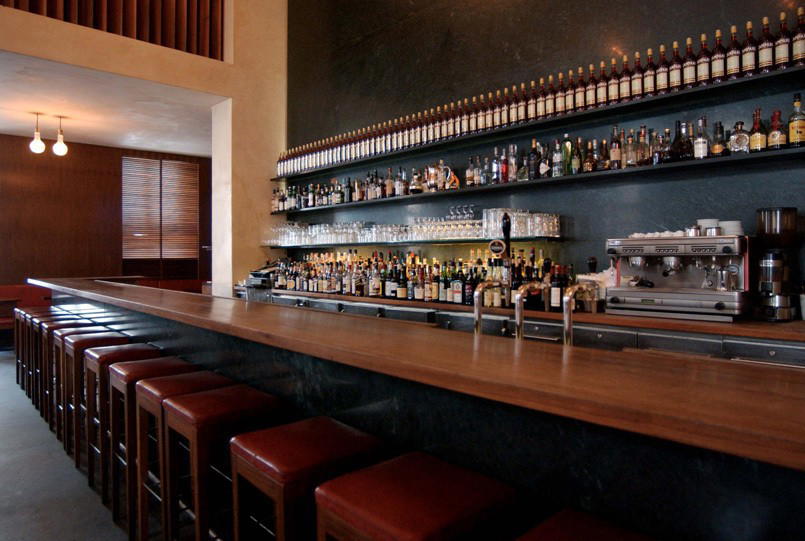
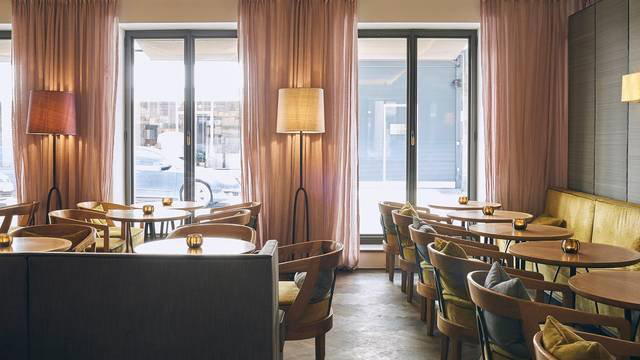
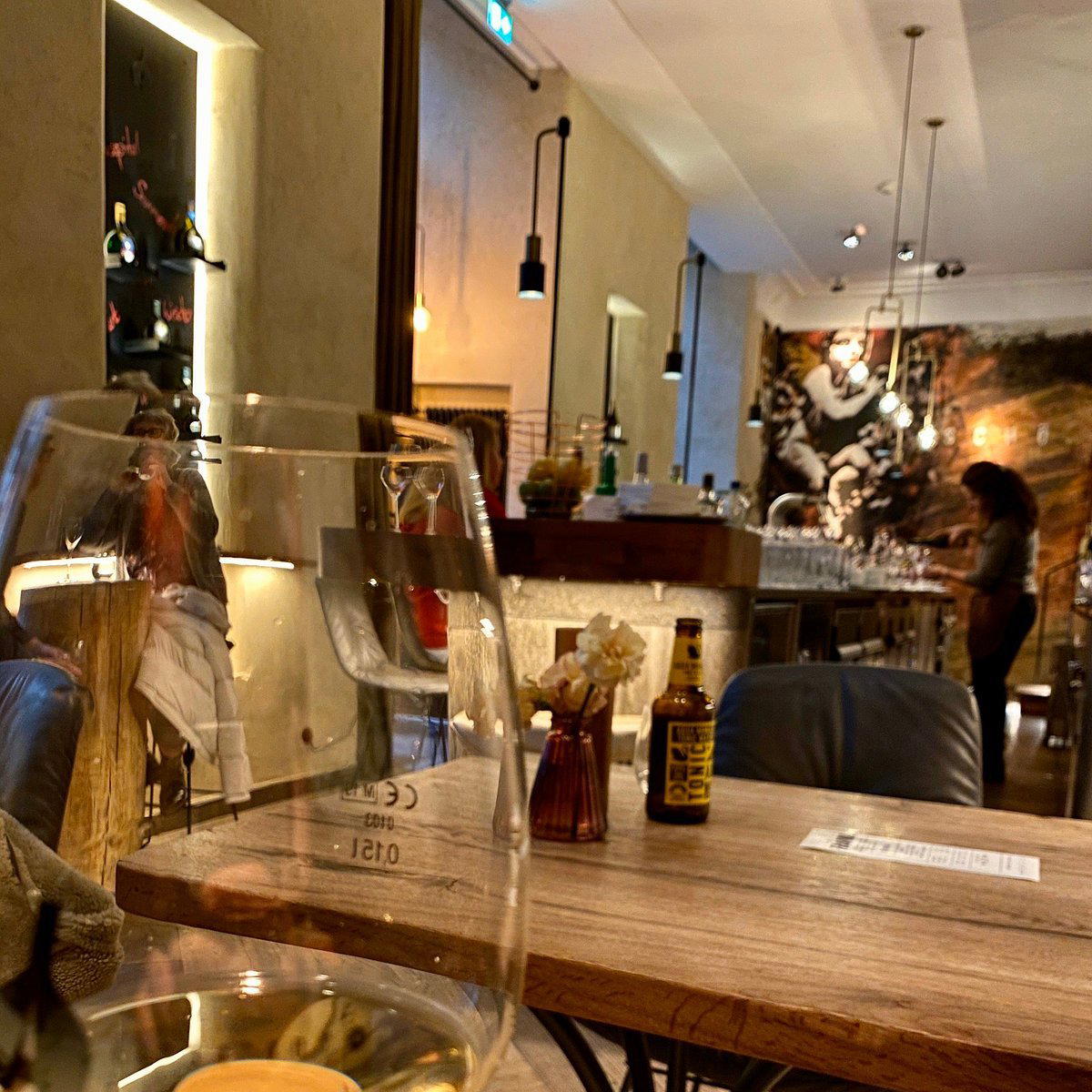
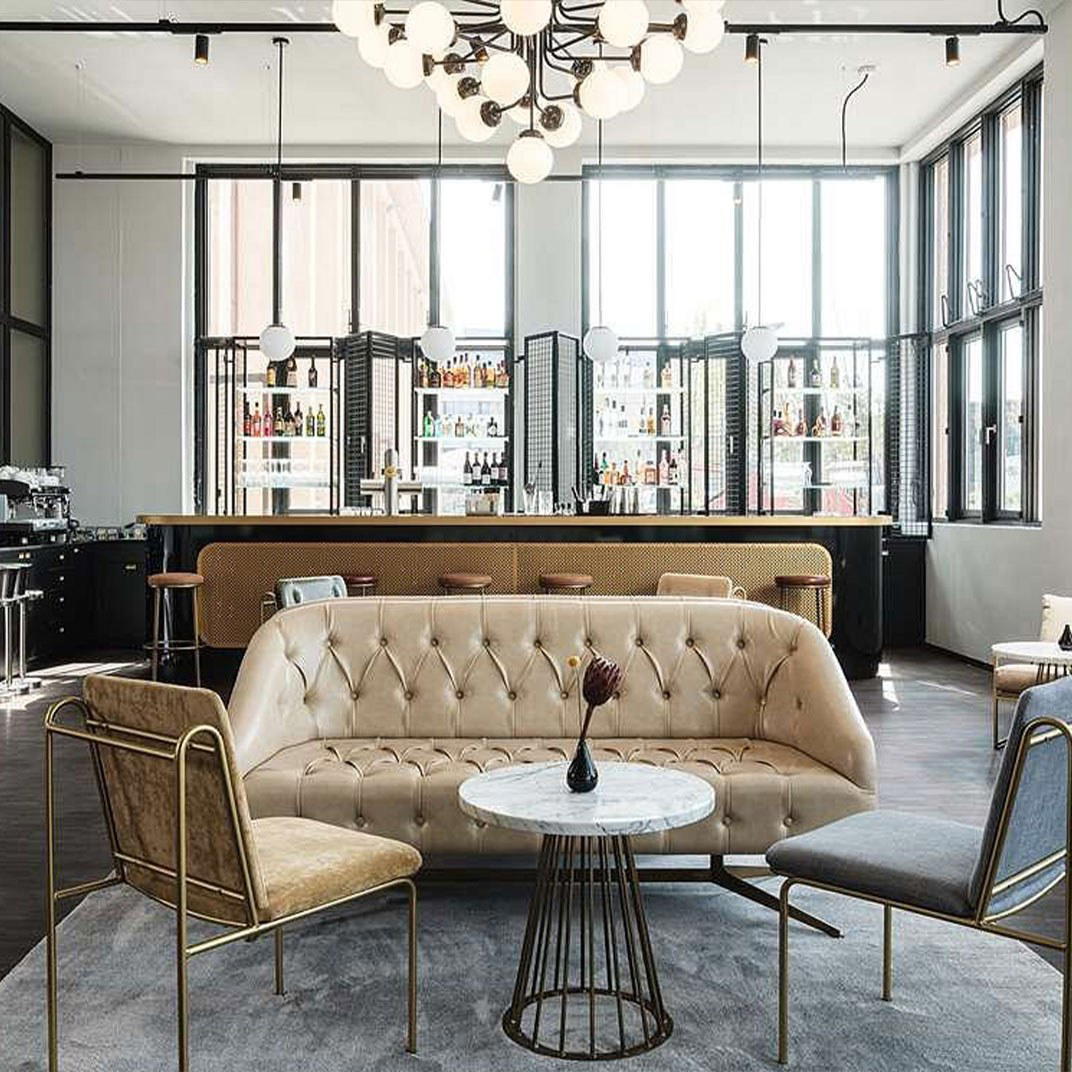
Cozy timbered interior with honeyed wood, candlelight, and shelves of preserved produce, creating a rustic yet refined pastoral luxury.