

1 Michelin Star · Falstaff Restaurant - 93 Falstaff Points
Our verdict
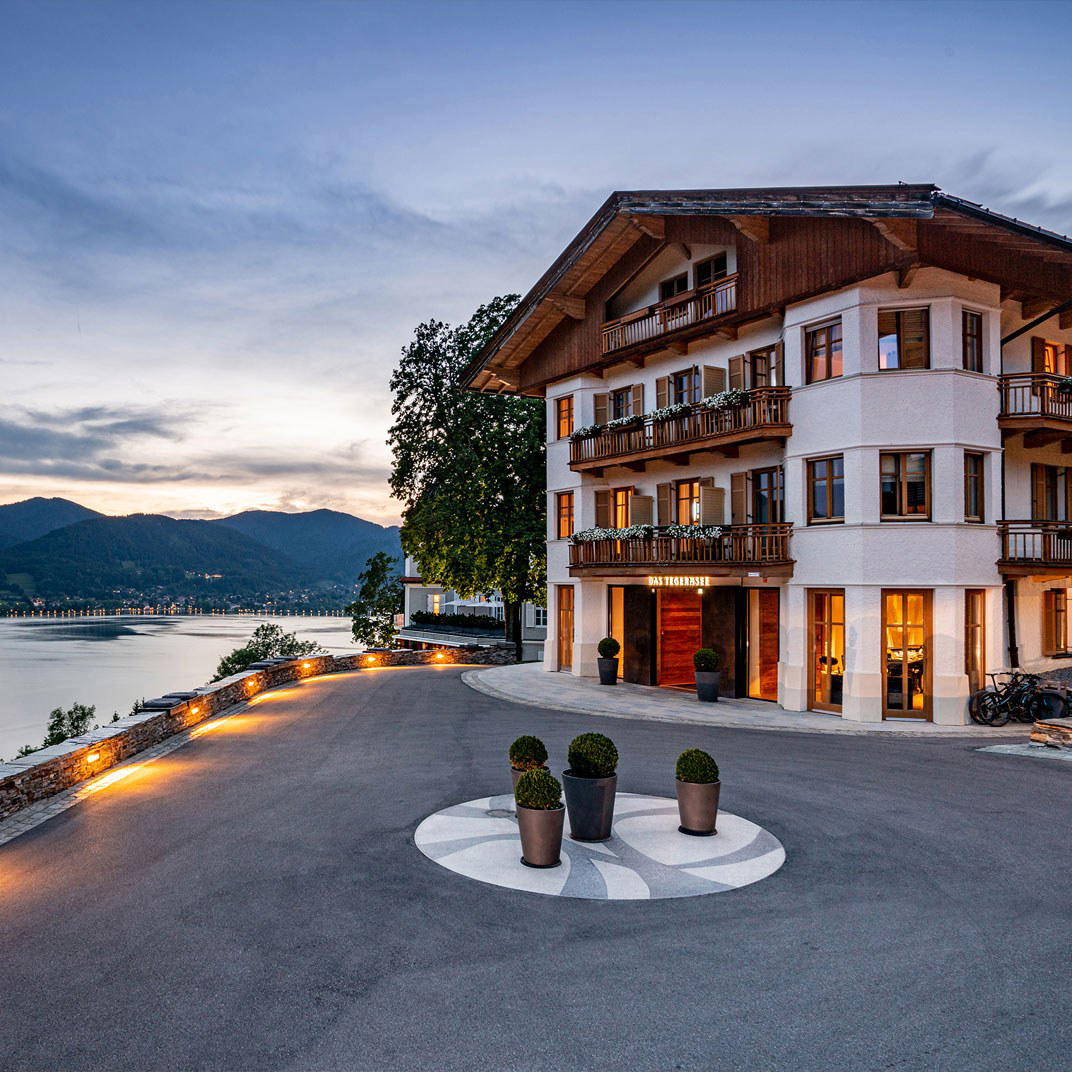
A Michelin-starred table operating from a centuries-old Gasthof in the Bavarian village of Kirchdorf, Christian's Restaurant holds one star for 2024 and 2025 under chef Christian F. Grainer.

Pearl is the En Primeur Club membership app, where members save venues, book tables and use the concierge.
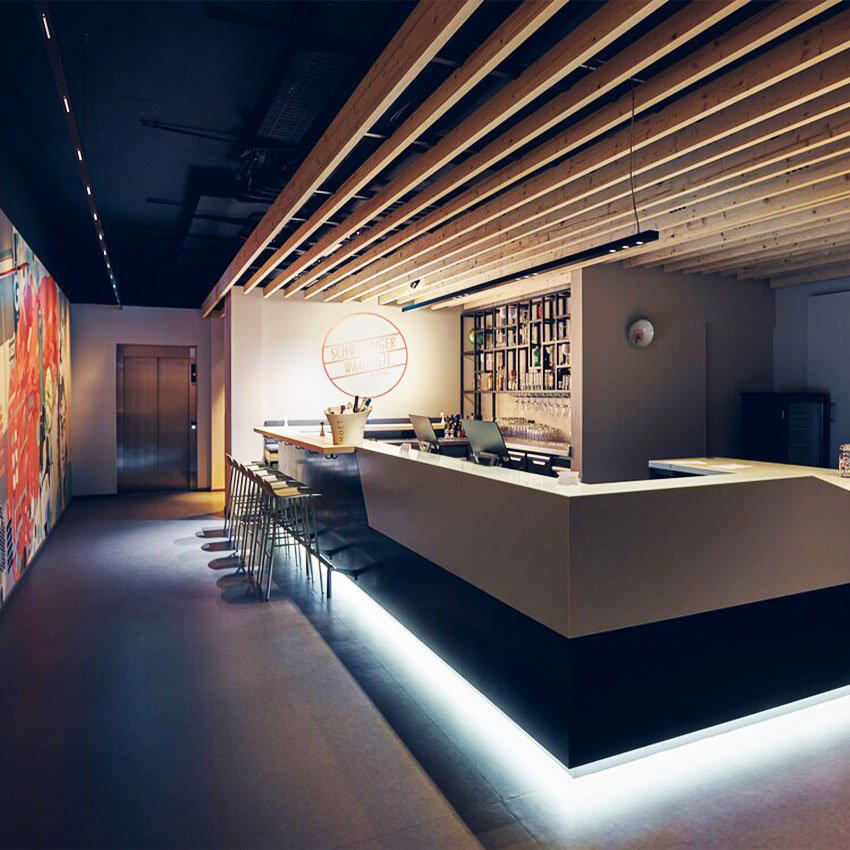
A Village Address, A Serious Kitchen
Rural Bavaria has a long tradition of channelling serious culinary ambition through inherited building stock. The Gasthof, that particular Central European institution combining inn, restaurant, and community gathering point under one roof, has always been a more honest vehicle for regional cooking than the purpose-built fine dining box. When Michelin awards a star to a Gasthof, it is recognising something specific: that a kitchen has found precision and coherence within the constraints and character of a form that existed long before the guide did. Christian's Restaurant at Gasthof Grainer in Kirchdorf sits squarely inside that tradition, and the two consecutive stars it earned in 2024 and 2025 confirm that the kitchen is not an accident of geography.
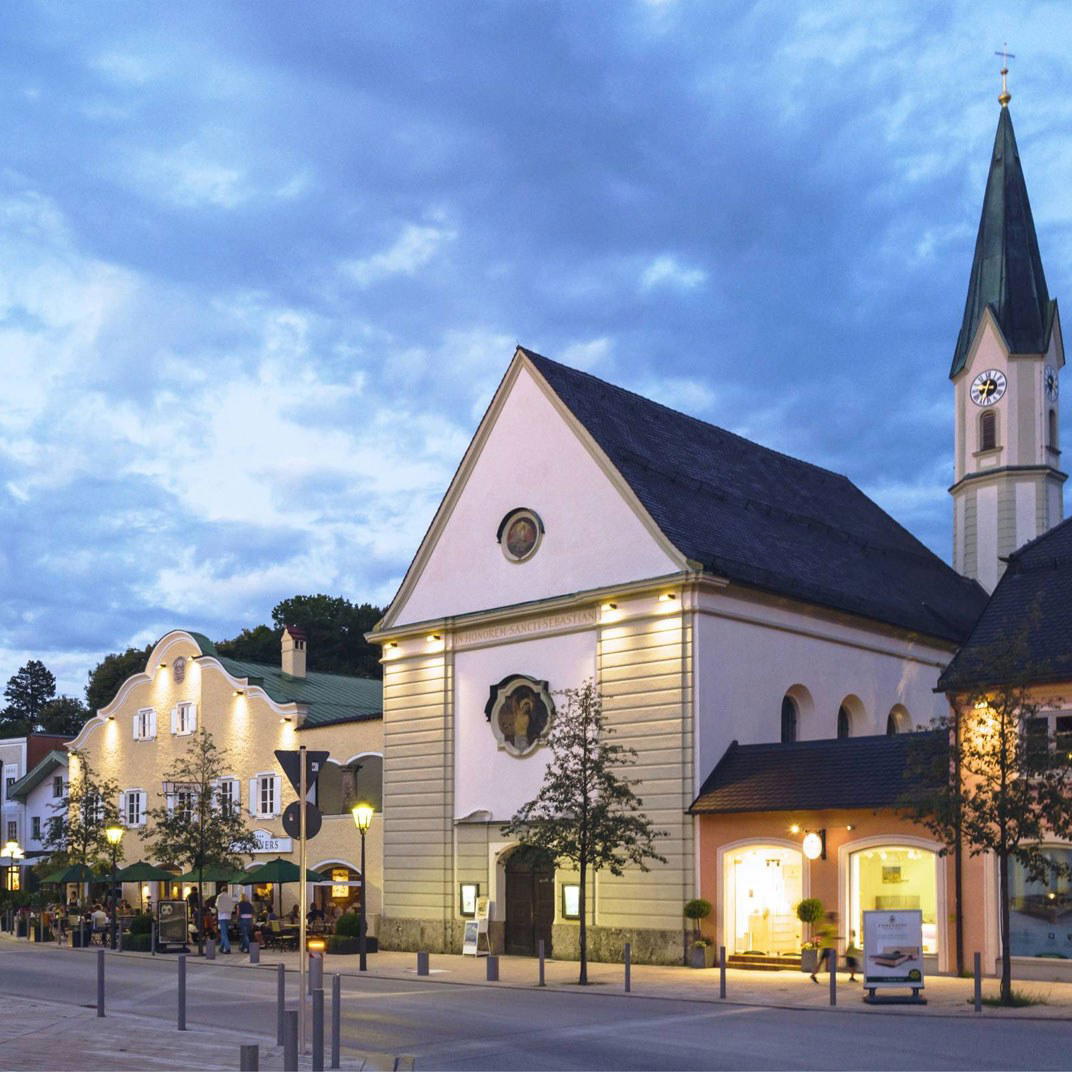
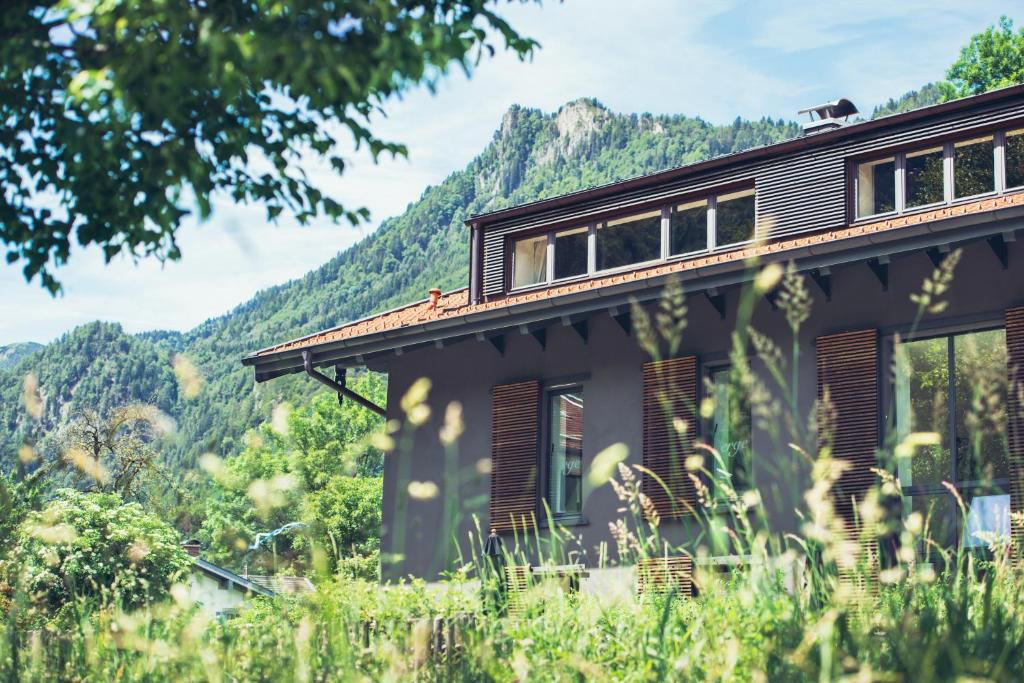
Kirchdorf itself sits in the Chiemgau region of Upper Bavaria, a landscape defined more by farmland and foothills than by any particular culinary reputation. That positioning matters for understanding what the restaurant represents. This is not a city destination restaurant that happens to carry a German address, nor is it part of the saturated Munich fine dining circuit. It is a rural Michelin table, the kind that requires a committed drive from the nearest urban centre, and that commitment filters the room toward guests who have made a decision rather than simply walked past. For a broader sense of what dining in this part of Bavaria looks like, our full Kirchdorf restaurants guide maps the range.
Classic Cuisine in Its Proper Frame
The kitchen works within classic cuisine, a designation that carries more precision than it is sometimes given credit for. In the German Michelin context, classic cuisine signals a kitchen committed to established technique and disciplined execution over conceptual novelty. It is a different competitive set from the creative tasting menu restaurants that dominate Germany's higher star counts: venues like Aqua in Wolfsburg, CODA Dessert Dining in Berlin, or Vendôme in Bergisch Gladbach, which operate in a register of invention and formal sequence that places technique in the service of concept. Classic cuisine, by contrast, asks whether the cooking is technically sound, seasonally grounded, and coherent on the plate. The star here is an endorsement of those fundamentals.
That framing also connects the restaurant to a broader European tradition of embedded regional cooking. The great French classic tables, from Maison Rostang in Paris to the enduring Schwarzwaldstube in Baiersbronn, have long demonstrated that classical discipline applied to regional product is a viable and sometimes more compelling route to recognition than conceptual novelty. Christian F. Grainer's kitchen at Kirchdorf is operating within that same logic, scaled to a Bavarian village rather than a French city.
The Chef's Position in the Room
The editorial angle for understanding Gasthof Grainer runs through the chef rather than the building. Christian F. Grainer occupies a position that is less common than it should be in German fine dining: a chef whose name is attached to both the family property and the starred kitchen, carrying responsibility for both the gastronomic ambition and the institutional continuity of the Gasthof. That dual weight shapes the style of the cooking in ways that a stand-alone restaurant does not.
The fact that the kitchen has held its star across two consecutive cycles suggests Grainer has resolved that tension effectively. A single star awarded and then withdrawn is a common enough occurrence in regional German dining; a star confirmed for a second year is evidence of consistency and ongoing standards rather than a single strong performance in an inspection year. That alignment is not a given at this price tier or in this format.
What the Price Point Signals
€€€ price positioning places Gasthof Grainer in an interesting middle band. It is priced above the everyday Gasthof experience and clearly signals a considered dining occasion, but it sits below the €€€€ tier occupied by most of Germany's two- and three-star tables. For comparison, the creative fine dining format at venues like Schanz in Piesport or Waldhotel Sonnora in Dreis operate in the highest price bracket in German regional dining. Gasthof Grainer's positioning suggests the kitchen is not trying to compete with that tier on price spectacle, but rather on value within the classic cuisine register. A Michelin star at €€€ in a Bavarian village Gasthof is, from a pure cost-to-recognition ratio, one of the more efficient propositions in Bavarian fine dining.
That efficiency matters for the type of traveller who plans around this kind of table. The Chiemgau region draws visitors for the Chiemsee, the Baroque architecture of the Herrenchiemsee palace, and the broader Alpine foothills character of the area. Adding a starred dinner at Gasthof Grainer to that kind of trip adds culinary depth without requiring the budget recalibration that a full €€€€ tasting menu demands. For travellers planning their time in the region more broadly, our Kirchdorf hotels guide, bars guide, and experiences guide cover the full picture.
The Regional Context
Upper Bavaria has a concentrated cluster of serious cooking relative to its population density, partly because the tourism economy supports it and partly because the region's agricultural depth provides the product base that classic cuisine requires. KOMU in Munich operates a classic cuisine format in the city itself, while Kirchdorf represents the rural equivalent: classic technique applied to local product in a setting with direct access to Bavarian dairy, meat, and seasonal produce at their source. That proximity to ingredient origin is not a marketing point so much as a structural advantage; kitchens this close to farms and suppliers can adjust menus to seasonal availability at a pace that city restaurants often cannot match.
The German starred kitchen scene has also become more geographically distributed over the past decade. Stars have moved steadily out of the major cities and into smaller towns and rural addresses, reflecting both a shift in how inspectors weight travel-worthy destinations and a broader cultural revaluation of regional cooking. Victor's Fine Dining in Perl and Bagatelle in Trier represent analogous cases in western Germany, where serious kitchens operate in settings that require a deliberate journey. Restaurant Haerlin in Hamburg anchors the urban end of that spectrum. Kirchdorf fits the rural end, and the star there is part of this larger pattern of Michelin's growing willingness to recognise destination kitchens that are not embedded in major metropolitan infrastructure.
Planning a Visit
The restaurant is located at Dorfstraße 1, 83527 Kirchdorf, within the Gasthof Grainer property on the village's main street. Given the rural address and starred profile, reservations are advisable well in advance, particularly on weekends and during the summer tourist season when the Chiemgau region sees significantly higher visitor volumes. The €€€ price tier suggests an evening occasion rather than a casual lunch stop. No booking method is publicly listed in available data, so the most direct approach is to check the restaurant's own channels. Travellers combining this with broader regional exploration should consult our Kirchdorf wineries guide for cellar visits that complement a starred dinner itinerary.
Frequently asked questions
Can I bring kids to Christian's Restaurant?
At €€€ pricing and with a Michelin-starred kitchen, this is a considered dining occasion rather than a family-casual setting; younger children are likely to find the format and pacing a mismatch, though Kirchdorf as a village destination is otherwise family-friendly.
How would you describe the vibe?
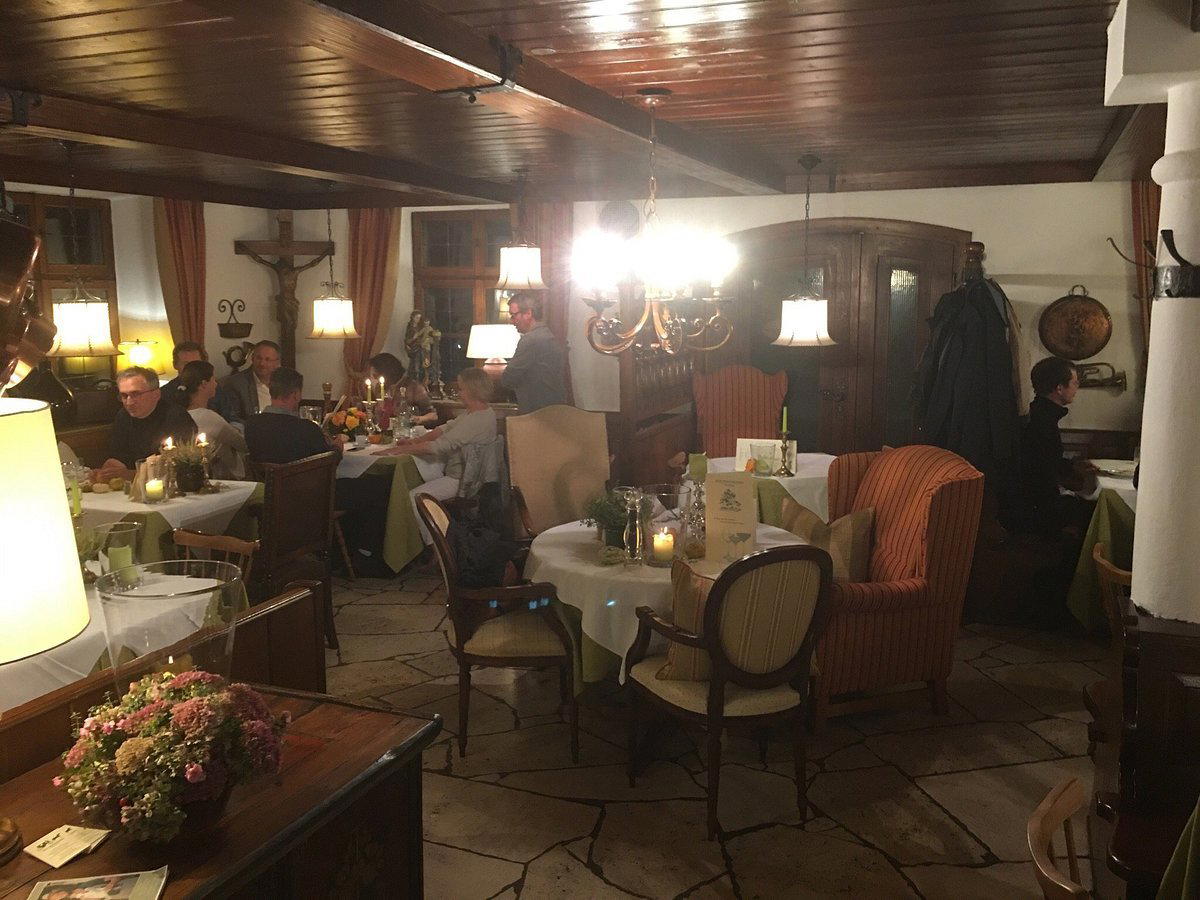
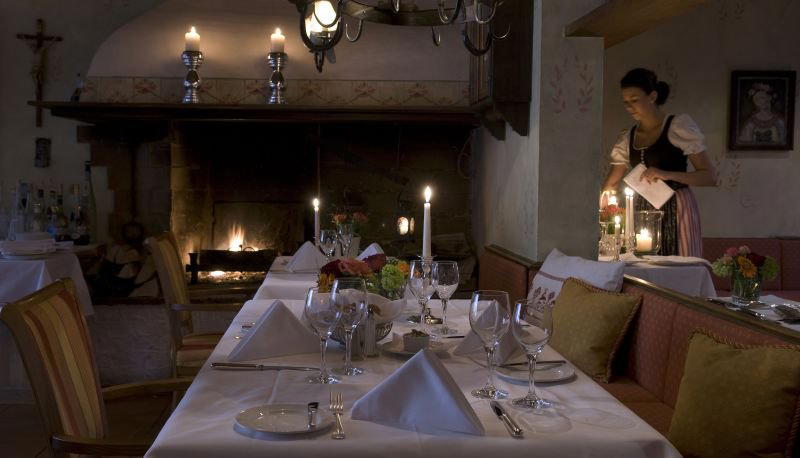
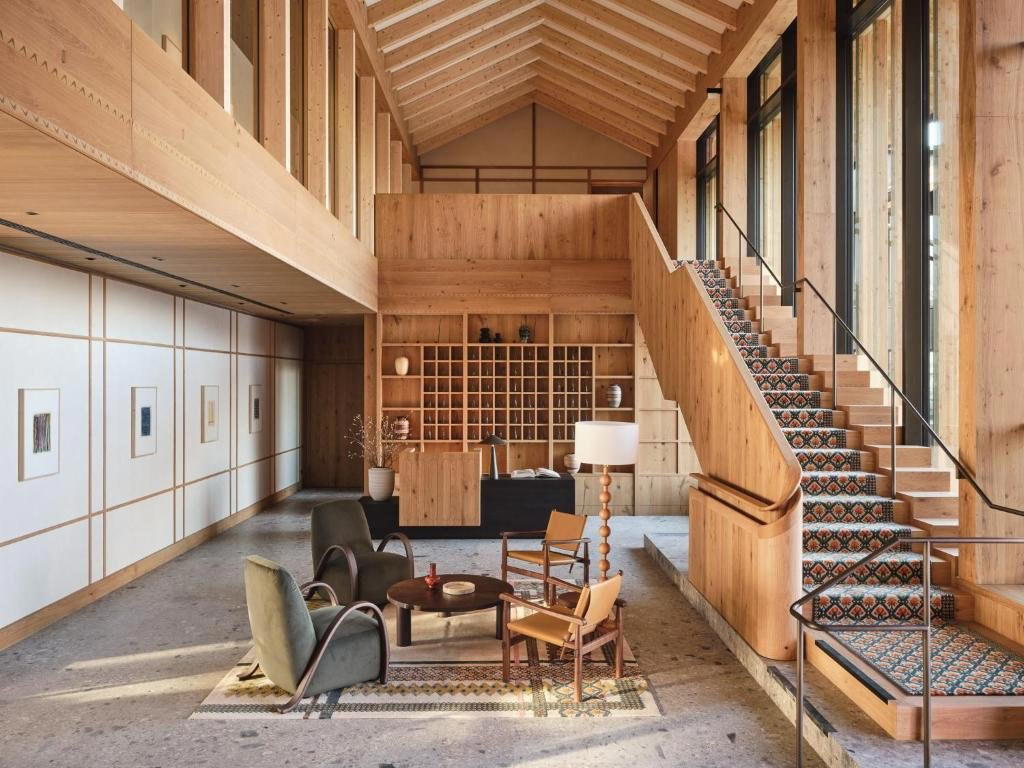
Kirchdorf's Gasthof Grainer operates in a register that is specific to the starred regional Gasthof: serious cooking in a room that retains the warmth and physical character of an inn rather than the clinical formality of a city fine dining box. At €€€ in a Bavarian village with consecutive Michelin recognition, the atmosphere is closer to focused and convivial than to austere.
What do regulars order?
The Michelin recognition across 2024 and 2025 points to consistent performance across the menu rather than a single signature. Guests who have followed Chef Grainer's cooking over multiple visits are likely returning for the kitchen's treatment of Bavarian seasonal produce rather than any single dish.
Comparison Snapshot
| Venue | Cuisine | Price | Awards | Notes |
|---|---|---|---|---|
| Christian's Restaurant - Gasthof GrainerThis venue (the venue you are viewing) | Michelin-Starred Classical French-Inspired German Fine Dining | $50–100 | 1 Michelin Star · Falstaff Restaurant - 93 Falstaff Points | Not listed |
| Schwarzwaldstube | Modern French Fine Dining | $150–200 | 3 Michelin Stars · World's 50 Best #47 | French, Classic French |
| Aqua | Contemporary German, Italian/Japanese, Creative | Not listed | Michelin 3 Star | Not listed |
| CODA Dessert Dining | Dessert-Inspired Fine Dining | $200–300 | 2 Michelin Stars · World's 50 Best #79 | Creative |
| Tantris | Modern French, French Contemporary | Not listed | Michelin 2 Star | Not listed |
| Vendôme | Modern German Haute Cuisine | $200–300 | 2 Michelin Stars · World's 50 Best #47 | Modern European, Creative |
Recognition history
Dated appearances from independent guides and award organizations, with the underlying list record or original source where available.
Michelin 1 Star
Michelin
Falstaff Restaurant - 93 Falstaff Points
Falstaff
Full recognition history (4 entries)
Michelin 1 Star
Michelin
Michelin 1 Star
Michelin
Continue exploring
More in Kirchdorf
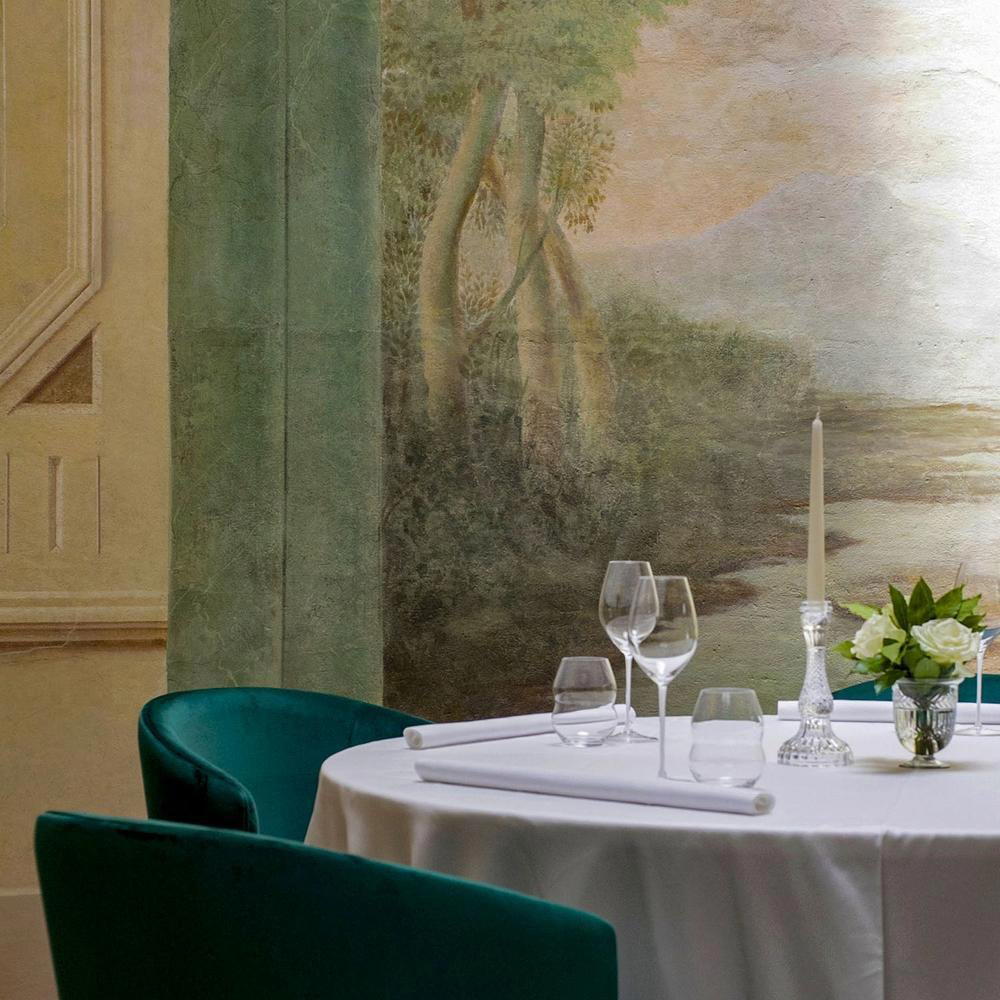
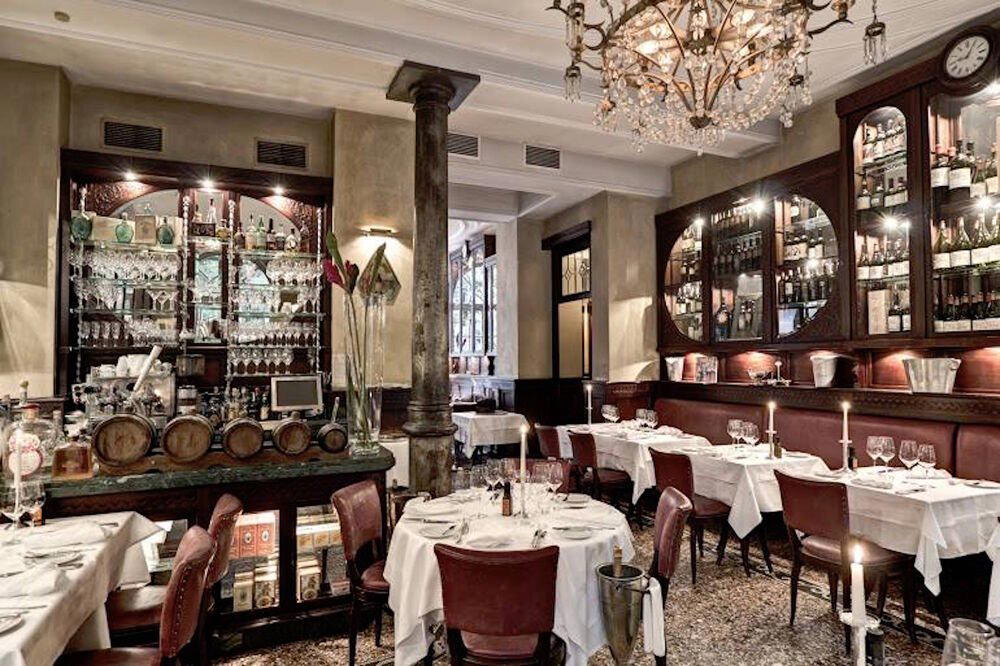
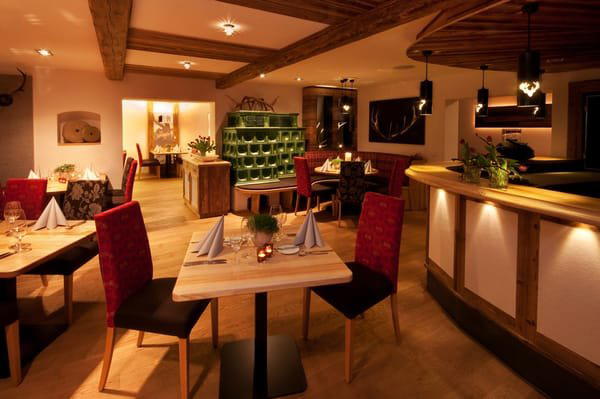
Christian's Restaurant - Gasthof Grainer
The wine
- Wine program
- Deep wine list
- Extensive wine list
- Sommelier-led
Details
- Elegant
- Cozy
- Rustic
- Classic
- Intimate
- Special Occasion
- Date Night
- Business Dinner
- Celebration
- Historic Building
- Extensive Wine List
- Sommelier Led
- Vegetarian Friendly
Current opening hours
- Monday
- Closed
- Tuesday
- Closed
- Wednesday
- Closed
- Thursday
- 6 PM–12 AM
- Friday
- 6 PM–12 AM
- Saturday
- 6 PM–12 AM
- Sunday
- 12–7 PM
Hours can change for holidays and private events. Last verified .
Stately historical inn with upscale, tastefully designed space blending classic style and understated modern accents, cozy and stylish furnishings, warm and professional service.