Marinero Bistro occupies a first-floor perch inside Mercado Antón Martín, one of Madrid's most characterful covered markets in the Lavapiés-adjacent Centro district. The address places it inside a broader shift in how the city's mid-tier dining scene is evolving: away from street-level restaurant rows and into repurposed market architecture that gives kitchens a built-in sense of place and daily produce rhythms.
Pearl is the En Primeur Club membership app — saves, bookings, and concierge access live there. Same editors, same standards.
- Address
- Mercado Antón Martín, C. de Sta. Isabel, 5, 1°Planta, Centro, 28012 Madrid, Spain
- Phone
- +34912590310
- Website
- marinerorestaurante.com
- Directions
- Get directions
 Saves & bookings on Pearl
A Market Floor, Reframed
Madrid's covered markets have followed a familiar trajectory over the past two decades: wholesale function gives way to mixed retail, then gastronomy moves in, and the building's bones, iron columns, tiled floors, high ceilings, become the actual selling point. Marinero Bistro is a Mediterranean fusion bistro with natural wines in Mercado Antón Martín, at C. de Sta. Isabel, 5, 1°Planta, Centro, Madrid. Mercado de San Miguel commodified that formula for tourists. Mercado de Vallehermoso went more local and specialist. Mercado Antón Martín, on Calle de Santa Isabel in the Centro district, sits at a different register: still a functioning neighbourhood market on its lower level, with a more intimate restaurant tier above it. Marinero Bistro operates on that first floor, which means the physical container it inhabits is less curated design statement and more honest architecture, a space shaped by what the building was before anyone thought to put a bistro in it.
The first-floor position creates a particular kind of light and ambient sound that street-level restaurants in this part of Centro rarely get: the murmur of market activity below, natural light coming in at an angle, and a sense of being refined from the street without being separated from the neighbourhood. For a venue with “marinero” in its name, a word that carries connotations of port towns, fishing culture, and the direct preparation of good seafood, that grounded, unshowy setting is appropriate.
Antón Martín and What the Address Signals
The Antón Martín neighbourhood, centred on the metro stop of the same name and bounded roughly by Lavapiés to the south and Huertas to the north, has been one of Madrid's more genuinely mixed dining zones for years. It draws students from the nearby arts schools, long-term residents from the surrounding streets, and a younger creative crowd that gravitates toward the area's independent cinema, the Filmoteca Española, and the cluster of independent bars along Calle del Doctor Fourquet. It is not, in the way that Salamanca or Chamberí have become, a destination for expense-account dining or trophy restaurants.
That context shapes what works here. The €€€€ tier occupied by Madrid's Michelin-starred rooms, places like DiverXO, Coque, Deessa, DSTAgE, and Paco Roncero, requires a different relationship between venue and diner: long menus, formal pacing, booking windows measured in weeks. A bistro inside a working market operates on a different clock entirely, one that's closer to the rhythms of the vendors below than to the tasting menu cadence of Madrid's fine dining circuit. That proximity to a functioning market is not incidental; it's an organisational logic, and in coastal-inflected kitchens it often shapes what's cooked that day.
The Physical Space as Editorial Argument
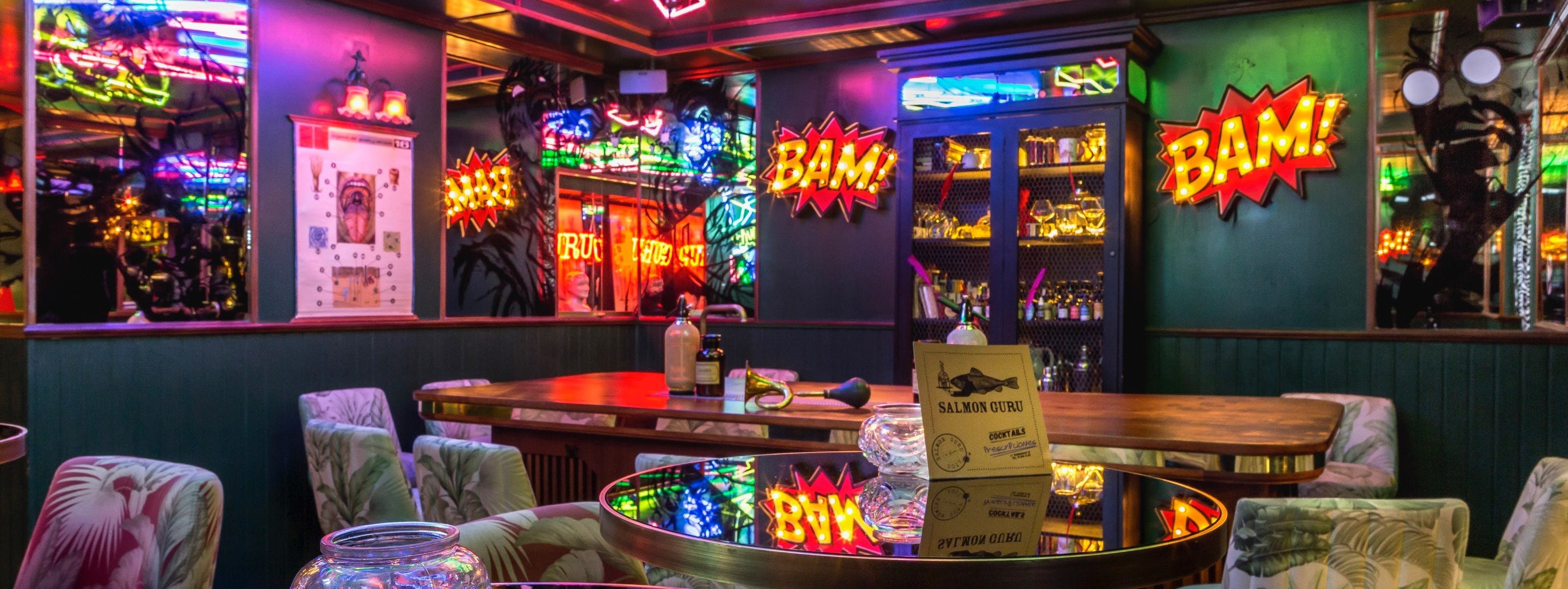
Across A bistro above a market is making a claim, consciously or not, about what dining should feel like: accessible rather than ceremonial, embedded in the city rather than refined above it. The Antón Martín market building, a 1940s structure that has been updated without being gutted, makes that argument through its materials alone. Exposed structural elements, the particular quality of light on the upper floor, and the acoustic bleed from the market below combine to create an atmosphere that no amount of interior design budget can entirely replicate.
Spain's most discussed restaurant spaces tend to be purpose-built or dramatically renovated: Cocina Hermanos Torres in Barcelona converted a former factory into a glass-roofed dining room; El Celler de Can Roca in Girona has a custom-built complex that functions almost as a campus. At the other end of the architectural ambition spectrum, the inherited space, the room that was something else first, carries its own kind of authority. You can feel the building's previous life in the proportions of the room, and that history does work that a decorator cannot.
Seafood Bistro Logic in a Landlocked Capital
Madrid is 330 kilometres from the nearest coastline, yet the city's appetite for seafood has always run ahead of its geography. The marisquerías of the centro, the bacalao preparations in traditional tabernas, the Galician-inflected restaurants along Gran Vía, all reflect a long-standing pattern: landlocked capitals often develop particularly exacting seafood cultures precisely because supply requires intention. A venue that foregrounds a maritime identity in this context is positioning itself within a tradition that Madrid diners understand and, at the right price and quality tier, actively seek out.
That tradition extends across Spain's coastal regions and into the country's highest-regarded kitchens. Aponiente in El Puerto de Santa María has taken tidal-zone cooking to three Michelin stars. Quique Dacosta in Dénia has made the Mediterranean coast's produce into a fine dining vocabulary. Arzak in San Sebastián, Azurmendi in Larrabetzu, Martin Berasategui in Lasarte-Oria, and Mugaritz in Errenteria all sit in the Basque Country, where Atlantic product and technical ambition converge. Ricard Camarena in València and Atrio in Cáceres show how Spain's restaurant excellence extends well beyond its coastal ports. A bistro-format venue in Madrid that channels coastal cooking is not competing with those rooms; it's drawing on the same cultural appetite at a different scale and register.
Internationally, the model of pairing serious seafood technique with an unfussy room has produced particularly enduring dining institutions: Le Bernardin in New York City built its reputation on exactly that contrast between product rigour and relatively spare presentation. Atomix in New York City demonstrates a different angle on this, where the counter format and tasting progression become the room's architecture. Neither model translates directly to a first-floor market bistro in Lavapiés, but they illustrate the range of ways that product-first cooking can be housed and framed.
Accolades, Compared
Comparable venues nearby, for context on price, style, and recognition.
| Venue | Cuisine | Price | Notes |
|---|---|---|---|
| Marinero BistroThis venue — the venue you are viewing | Mediterranean Fusion Bistro with Natural Wines | $$ | Not listed |
| CASA NEUTRALE | Mediterranean Café | $$ | El Viso |
| Anica Waksman | Modern Mediterranean Tapas | $$ | Hispanoamerica |
| La Botillería | Modern Mediterranean Gastrobar | $$$ | Palacio |
| Bar Tomate | Mediterranean with Spanish Influences | $$ | Almagro |
| Roostiq | Modern Farm-to-Table Steakhouse | $$$ | Chueca |
At a Glance
- Lively
- Bohemian
- Cozy
- Casual Hangout
- Group Dining
- After Work
- Open Kitchen
- Standalone
- Natural Wine
- Beer Program
- Natural Wine
- Local Sourcing
Current opening hours
- Monday
- Closed
- Tuesday
- 1–4 PM, 7:30–11 PM
- Wednesday
- 1–4 PM, 7:30–11 PM
- Thursday
- 1–4 PM, 7:30–11 PM
- Friday
- 1–4 PM, 7:30–11 PM
- Saturday
- 1–4 PM, 7:30–11 PM
- Sunday
- Closed
Hours can change for holidays and private events. Last verified .
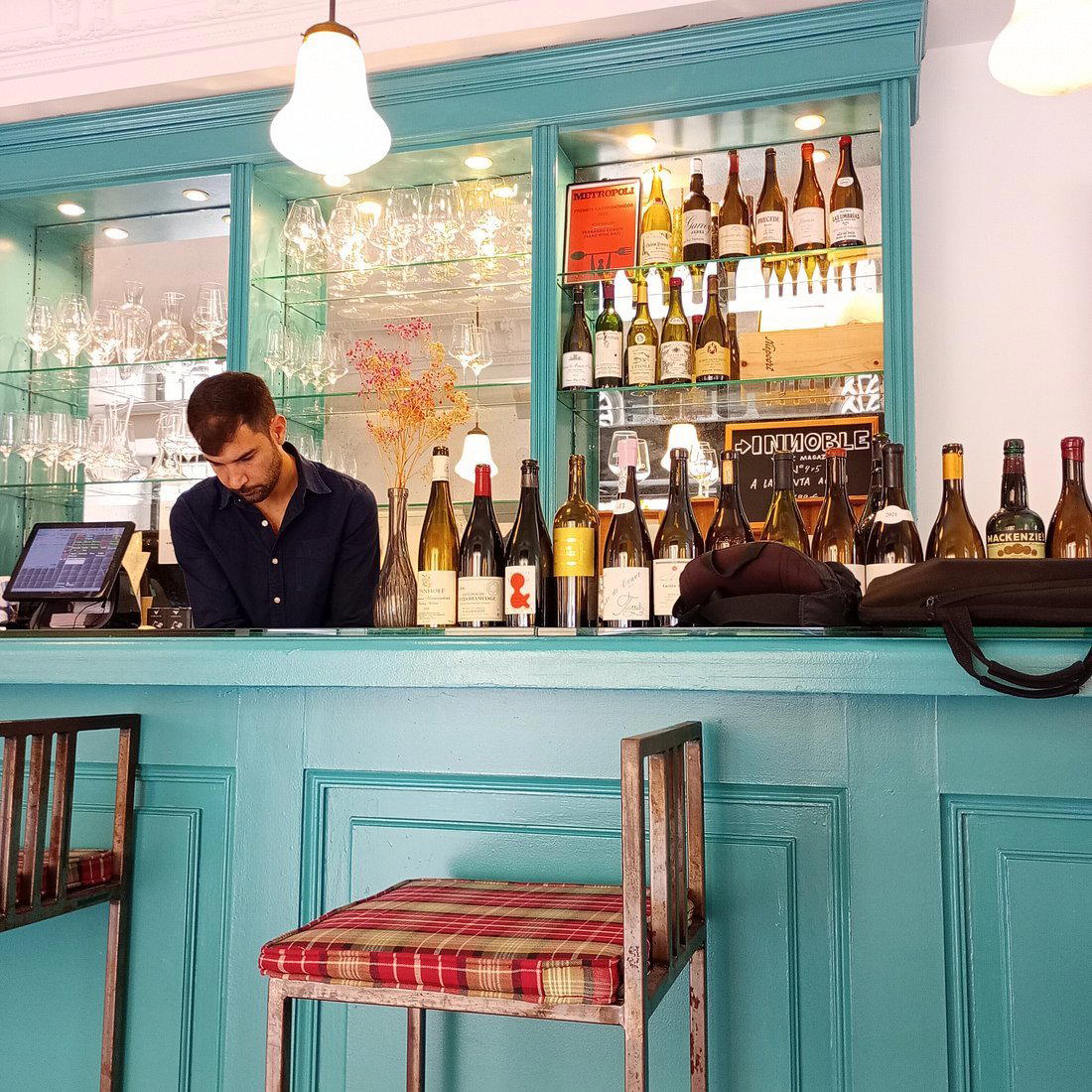
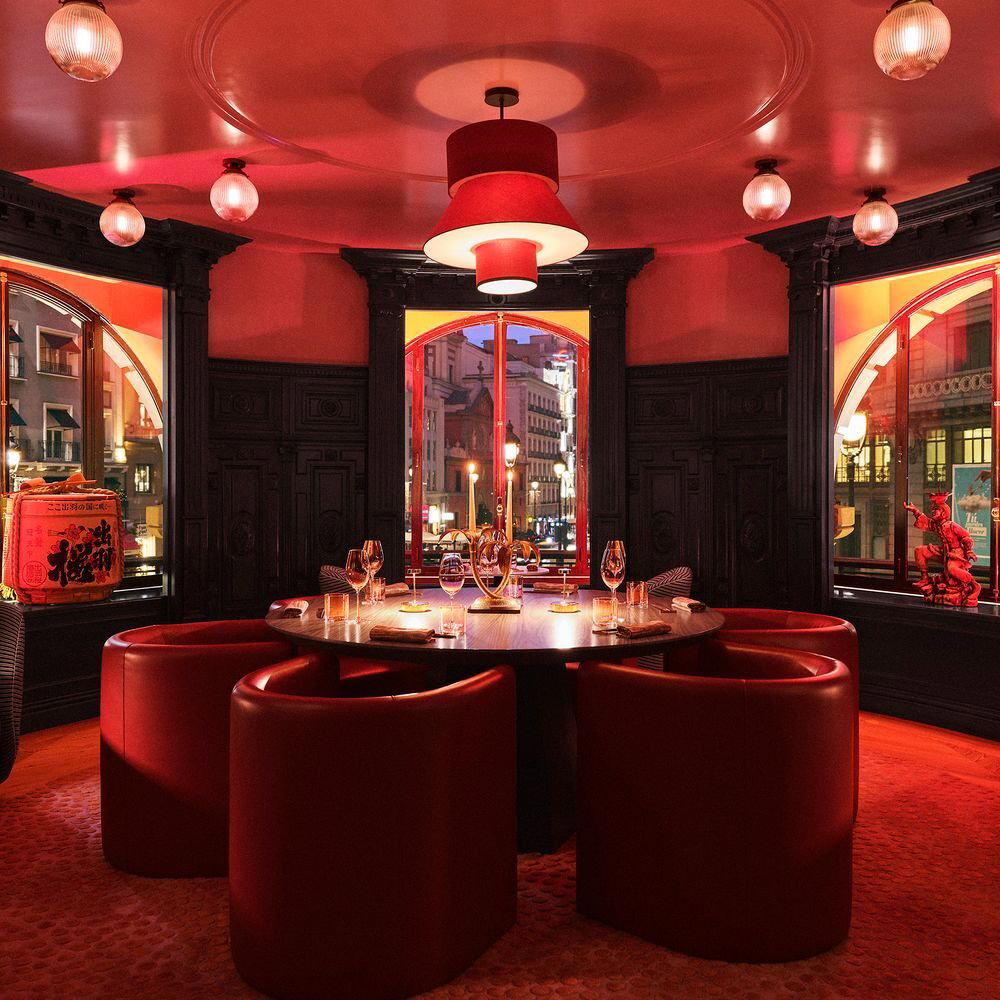
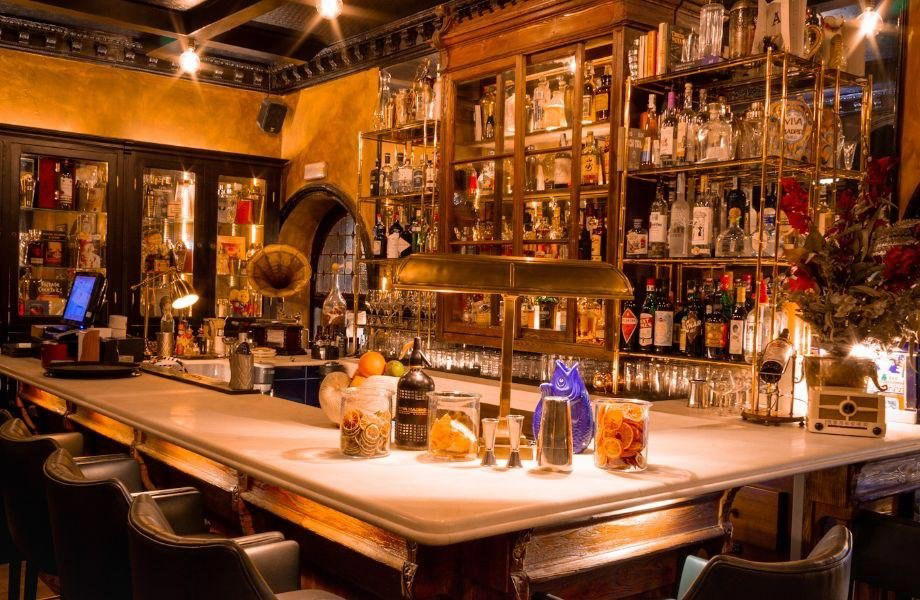
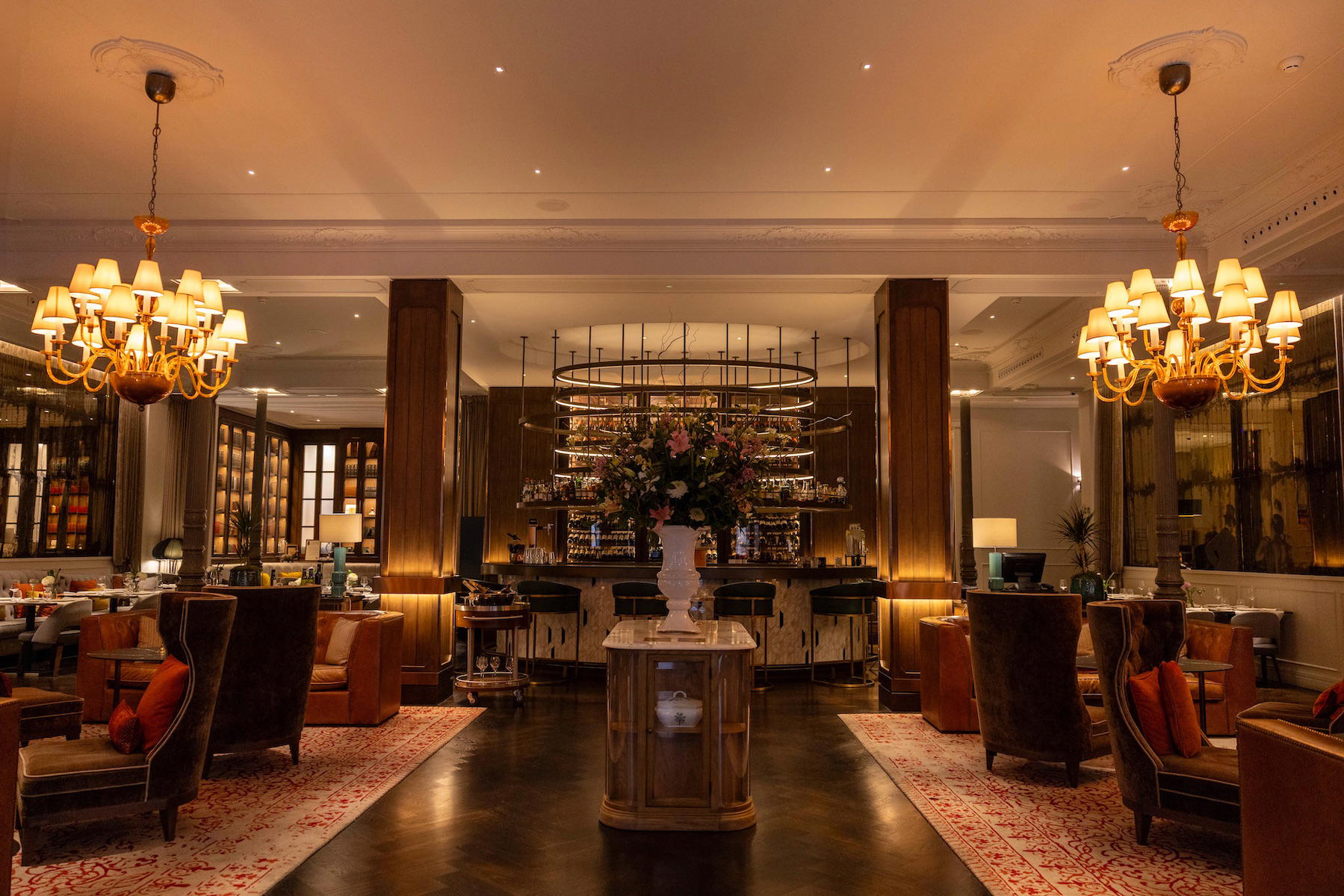
Bright, bustling bar atmosphere with relaxed, honest cooking vibes; located inside a market setting creating a lively neighborhood gathering space.