On Danziger Strasse in Prenzlauer Berg, Maria Bonita draws a loyal neighbourhood crowd with the kind of consistency that earns regulars rather than one-time visitors. The kitchen operates in a corner of Berlin's dining scene that sits well apart from the Michelin-chasing formality of the city's high-end tier, offering a more direct relationship between kitchen and table. For those who return often, the draw is less novelty than reliability.
Pearl is the En Primeur Club membership app — saves, bookings, and concierge access live there. Same editors, same standards.
- Address
- Danziger Str. 33, 10435 Berlin, Germany
- Phone
- +4917636526955
- Website
- mariabonita.de
- Directions
- Get directions
 Saves & bookings on Pearl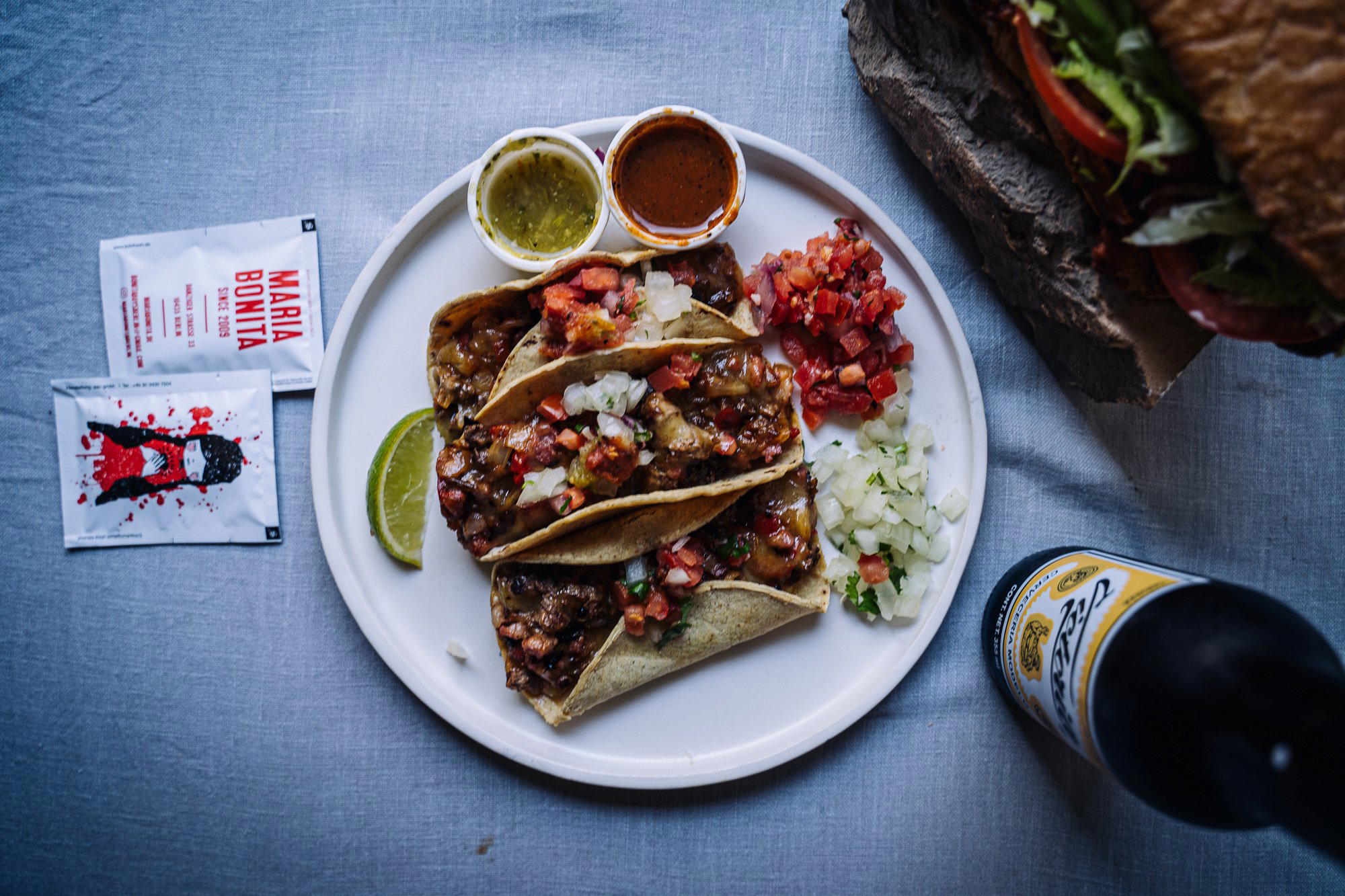
What Keeps People Coming Back to Danziger Strasse
Prenzlauer Berg has spent the better part of two decades cycling through waves of gentrification, each one bringing a new tier of restaurants that arrive loudly and occasionally disappear quietly. The neighbourhood's most durable addresses tend not to announce themselves. They build a clientele through repetition, through the kind of meal that doesn't demand to be photographed or recounted to friends as a discovery. Maria Bonita, at Danziger Str. 33, is an Authentic Mexican Taqueria in Berlin, with a price point of about $15 per person. It operates in that register. It is a neighbourhood address in the truest sense: oriented toward the people who live nearby and return because the alternative, finding somewhere equally dependable, requires more effort than it is worth.
Maria Bonita does not belong to that conversation, and the regulars who have made it part of their weekly or monthly rotation would not want it to. The appeal is precisely the absence of that register.
The Regulars' Logic
In most cities, the restaurants that develop a genuinely loyal local following share certain structural qualities. They are not the cheapest option on the street, but they are not priced in a way that turns a Tuesday dinner into a calculated event. They are consistent enough that a regular knows what they are getting, but not so rigid that there is never anything new to notice. They have a physical presence that reads as settled, as if the room has been broken in by the people who use it regularly rather than designed to impress first-time visitors.
The loyal clientele at addresses like this one tend to move through the menu with a confidence that visitors don't have access to on a first visit. They know which dishes reward repeat ordering and which are better suited to the occasion when you want something lighter or heavier than usual. This accumulated knowledge is a form of insider fluency that develops over months and years, not from a single visit. It is also, from an editorial standpoint, the clearest signal that a restaurant is doing something structurally right: the people most familiar with it choose to keep returning rather than cycling on to the next opening.
For comparison, Berlin's most talked-about new openings, including the kind of creative tasting-menu formats represented by Restaurant Tim Raue, draw visitors who are specifically there for the experience of going. The loyalty loop that sustains a neighbourhood address like Maria Bonita is different in kind, not just in degree. It is built on something closer to habit than aspiration.
Prenzlauer Berg as Dining Context
The neighbourhood around Danziger Strasse is one of the more well-supplied parts of Berlin for casual to mid-range dining, with a density of options that gives regulars genuine alternatives and therefore makes loyalty a meaningful signal. That restaurant has built a returning clientele in this environment suggests that the basics, food quality, consistency, and a room that works for how people actually want to spend an evening, are in order.
Prenzlauer Berg sits at a particular position in Berlin's broader geography: close enough to Mitte and Friedrichshain to draw visitors who are staying in those areas, but residential enough that the majority of trade comes from people who live within walking or cycling distance. This matters for how a restaurant operates. The crowd at a Prenzlauer Berg neighbourhood address on a Wednesday evening is structurally different from the crowd at a destination restaurant in the same city on the same night. The former is made up of people who have already decided where they like to go; the latter is made up of people assembling an itinerary. Both models work, but they produce different rooms.
Germany's broader regional dining scene offers a useful reference point for understanding how local neighbourhood restaurants fit into the national picture. While celebrated destinations like Schanz in Piesport, Restaurant Haerlin in Hamburg, JAN in Munich, Schwarzwaldstube in Baiersbronn, ES:SENZ in Grassau, Vendôme in Bergisch Gladbach, and Bagatelle in Trier anchor the country's fine dining map, the vast majority of meals eaten by people who care about food happen at addresses that never appear in those rankings. The neighbourhood restaurant, at its leading, is where culinary preferences are actually formed and sustained over time.
Know Before You Go
Address: Danziger Str. 33, 10435 Berlin, Germany
Neighbourhood: Prenzlauer Berg
Phone: Not available
Website: Not available
Price range: About $15 per person
Reservations: Walk-in friendly
Note: Open daily from 12:00 PM to 9:30 PM.
Credentials Lens
Comparable venues nearby, for context on price, style, and recognition.
| Venue | Cuisine | Price | Notes |
|---|---|---|---|
| Maria BonitaThis venue — the venue you are viewing | Authentic Mexican Taqueria | $$ | Not listed |
| Knödelwirtschaft NORD | German Knödel Dumplings | $$ | Prenzlauer Berg |
| Café Krone | Cozy Café Brunch | $$ | Prenzlauer Berg |
| Restauration 1840 | Traditional German Cuisine | $$ | Mitte |
| Georgbraeu | Traditional German Brewery | $$ | Mitte |
| SHINJU Restaurant | Modern Japanese with Izakaya-Style Small Plates | $$ | Mitte |
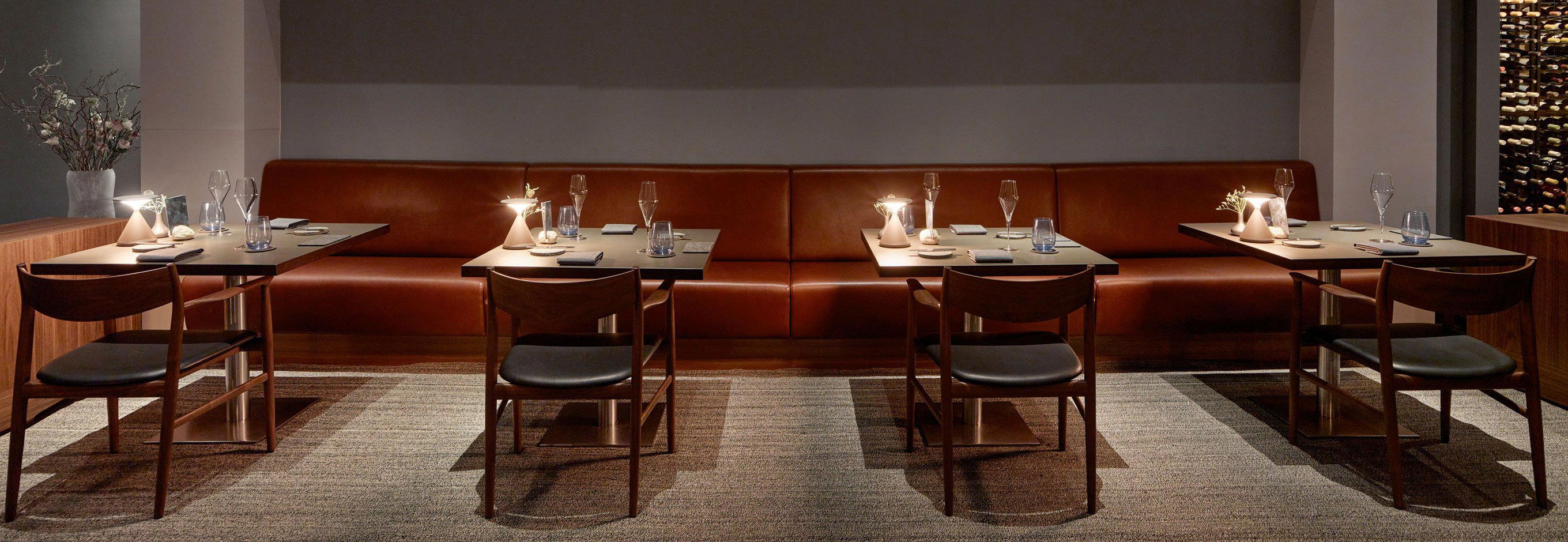
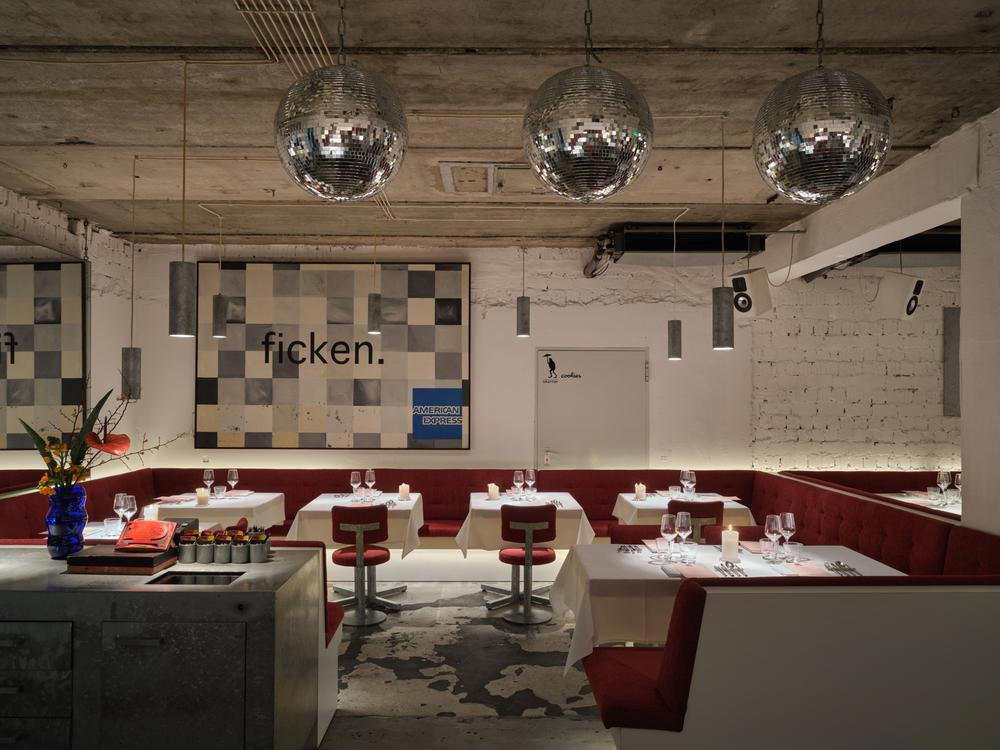
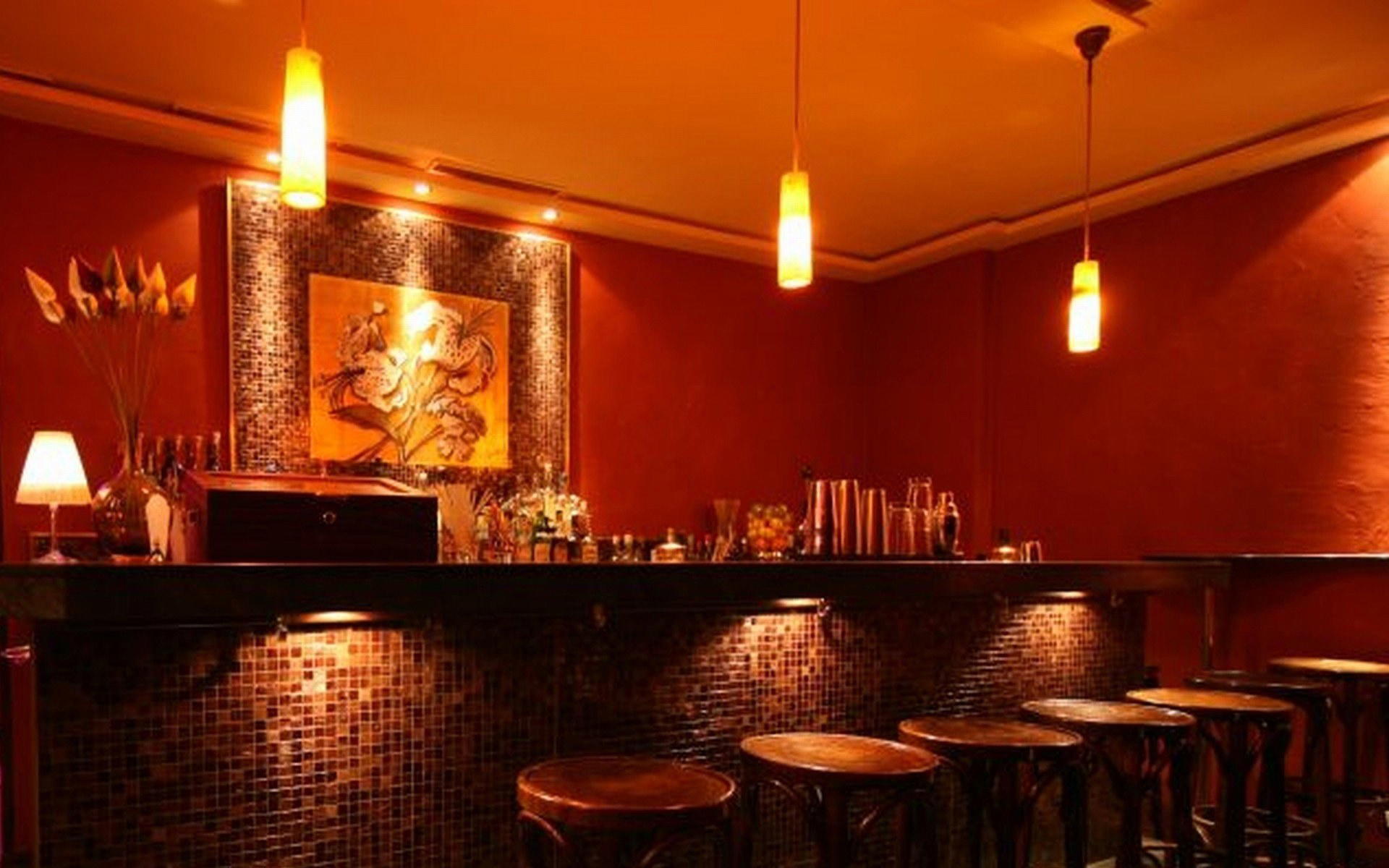
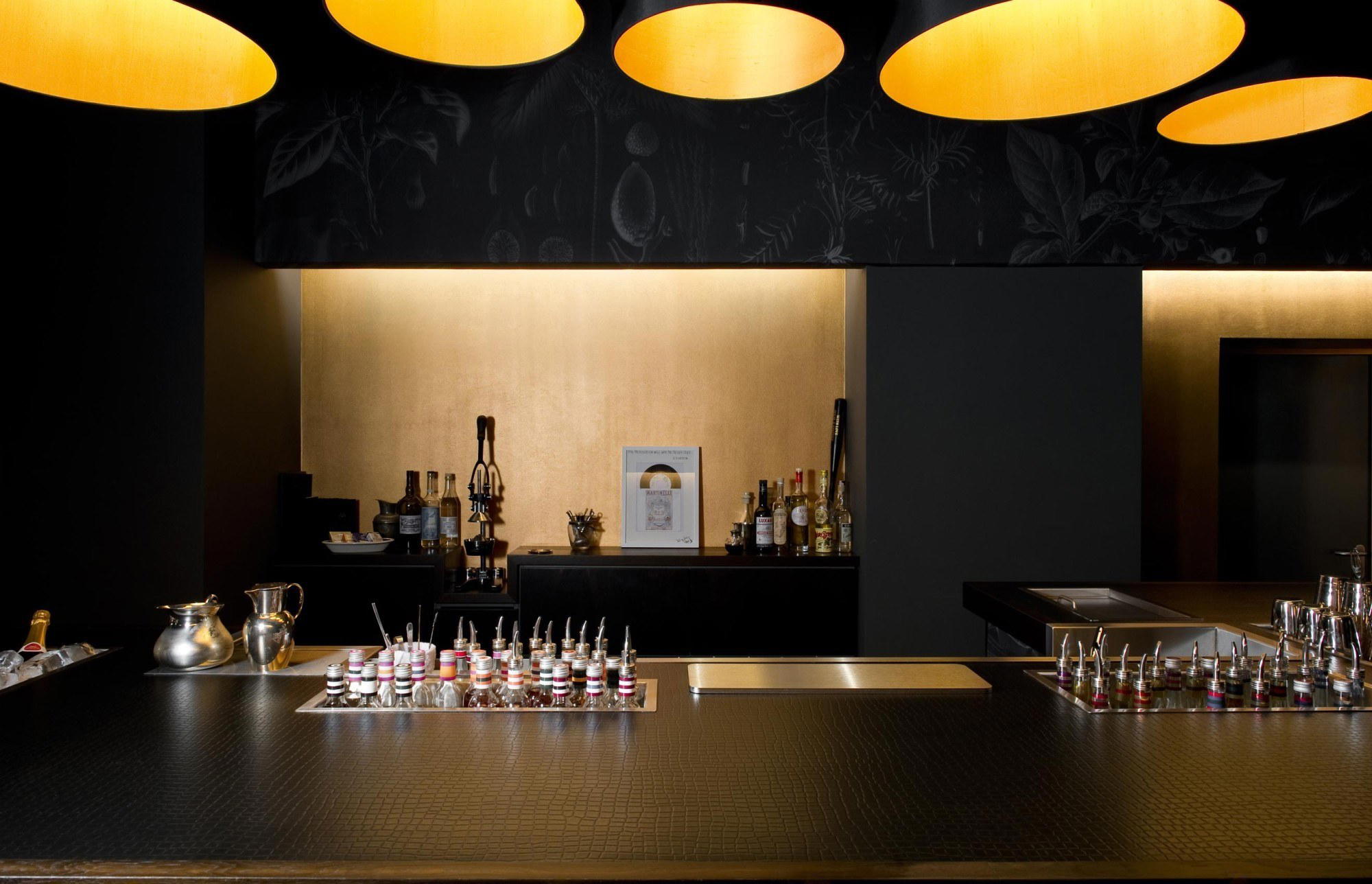
At a Glance
- Lively
- Cozy
- Trendy
- Casual Hangout
- Late Night
- Open Kitchen
- Craft Cocktails
Current opening hours
- Monday
- 12–9:30 PM
- Tuesday
- 12–9:30 PM
- Wednesday
- 12–9:30 PM
- Thursday
- 12–9:30 PM
- Friday
- 12–9:30 PM
- Saturday
- 12–9:30 PM
- Sunday
- 12–9:30 PM
Hours can change for holidays and private events. Last verified .
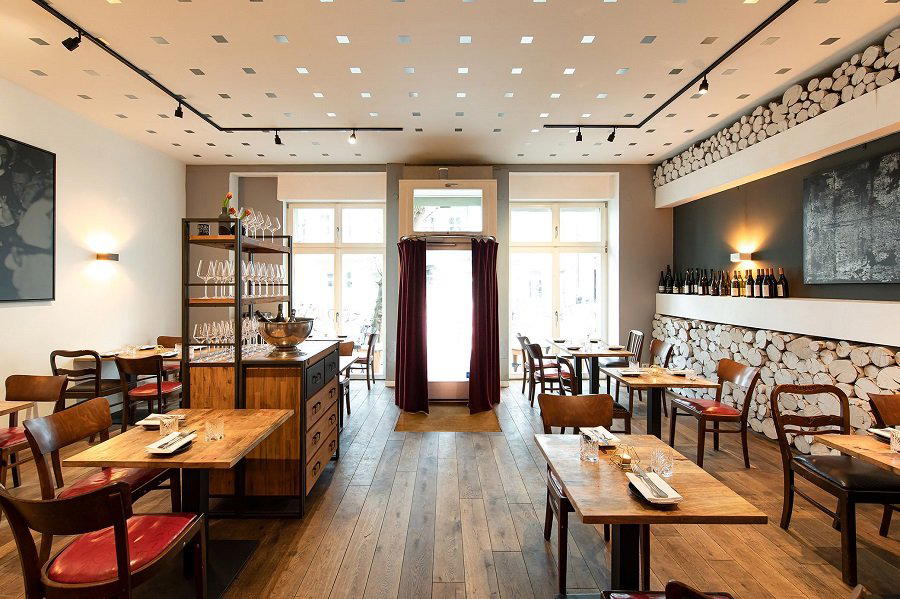
Colorful and lively atmosphere with rustic enamelware and plastic cups evoking authentic Mexican street food.