Marengo
Our verdict
On Novi Vinodolski's seafront promenade, Marengo occupies a position that the Kvarner coast's dining scene increasingly rewards: a waterfront address where the sourcing logic of the Adriatic informs what reaches the table. For visitors exploring Croatia's northern Dalmatian edge beyond the better-known Istrian and Dalmatian circuits, Marengo is a reference point worth understanding before you book.

Pearl is the En Primeur Club membership app, where members save venues, book tables and use the concierge.
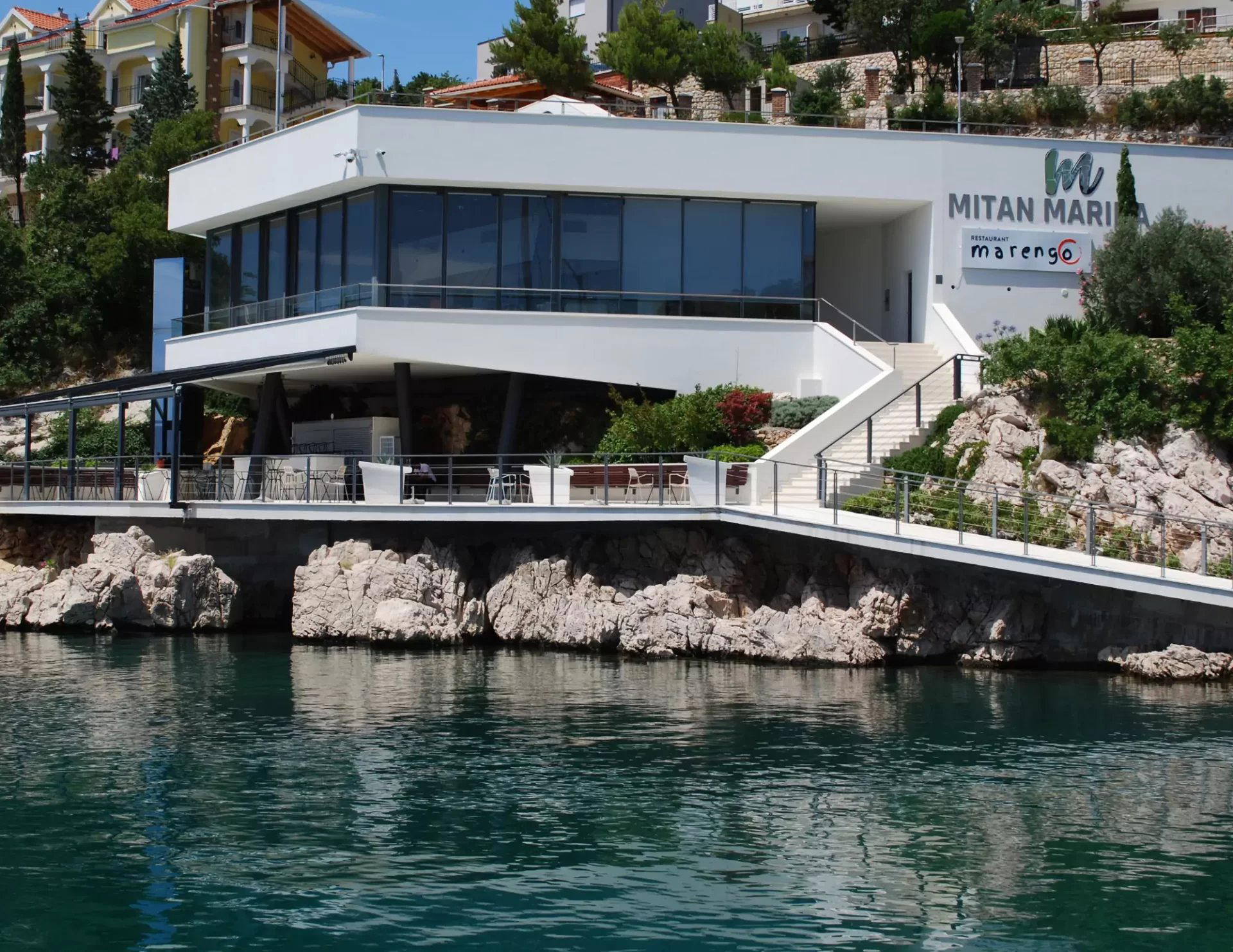
Where the Kvarner Shore Sets the Table
The promenade at Novi Vinodolski runs close enough to the water that the distinction between dining room and sea feels deliberate rather than incidental. Restaurants along Obala Doktora Josipa Sokolića face a bay that channels Kvarner winds off the open Adriatic, and the physical proximity to that water is not decorative. It frames a sourcing geography. What the boats bring in from this stretch of the Croatian coast, bream, sea bass, scampi, the bivalves of the northern Adriatic, arrives at waterfront kitchens within a tight radius, and that compression of distance between catch and plate is what separates Kvarner coastal cooking from its inland or tourist-resort counterparts.
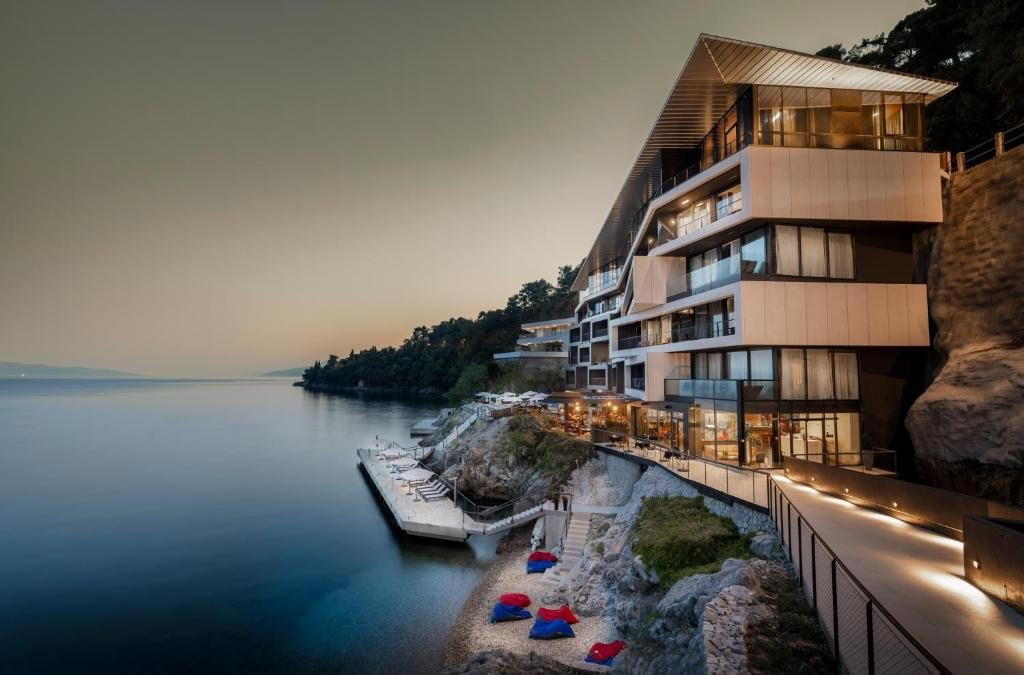
Marengo sits at that address, at Obala Doktora Josipa Sokolića 1, as close to the waterline as a building can reasonably be. Approaching from the town centre, the view opens across the bay before the restaurant comes into focus, which is a useful orientation: the view is not a backdrop but a context. This part of the Kvarner riviera receives visitors who come specifically for the water, not for a city dining scene, and the restaurants that hold local credibility tend to be those that treat the sea as a supply chain, not just a view.
Kvarner Sourcing and Why It Matters Here
Croatia's premium dining conversation is dominated by a handful of better-known addresses: Pelegrini in Sibenik, Restaurant 360 in Dubrovnik, Agli Amici Rovinj in Rovinj. These operate in well-trafficked tourist cities with international visibility and pricing to match, typically at the €€€€ tier. The Kvarner region, by contrast, produces serious cooking in smaller, less publicised towns, often at a price point that reflects local economics rather than destination-restaurant positioning.
The sourcing logic in this region is distinct from Dalmatia to the south and Istria to the northwest. Kvarner scampi, particularly from around the Kvarner bay, carry a reputation among Croatian fish buyers that the region's restaurant marketing rarely bothers to articulate. The cold, deep water between the islands of Lošinj, Cres, and Krk creates conditions that favour shellfish and crustaceans of specific character. For a waterfront restaurant in Novi Vinodolski, access to that supply is structural, not aspirational. It is simply a function of geography.
This matters when placing Marengo relative to Croatian coastal restaurants more broadly. Where Boskinac in Novalja on Pag island operates as a wine-forward estate restaurant drawing on the island's own lamb and cheese traditions, or where Alfred Keller in Mali Lošinj positions itself within an upscale wellness resort context, Marengo's waterfront promenade address places it squarely in the category of restaurants whose authority derives from immediate coastal access rather than from vertical estate integration or resort infrastructure.
The Novi Vinodolski Context
Novi Vinodolski is a small coastal town on the Primorje-Gorski Kotar county stretch of the Croatian Adriatic, roughly 30 kilometres south of Rijeka. It sits outside the primary tourist circuit that connects Opatija, Rijeka, and the Kvarner islands, which means it receives a mix of domestic Croatian summer visitors and a smaller, more deliberate international audience. The town has a harbour, a modest beach promenade, and a historic old town above the waterfront. Dining here has never competed on the same visibility axis as Rijeka, where Nebo by Deni Srdoč has built a profile on modern Croatian technique, but the promenade restaurants hold a local authority that guidebook coverage has been slow to catch.
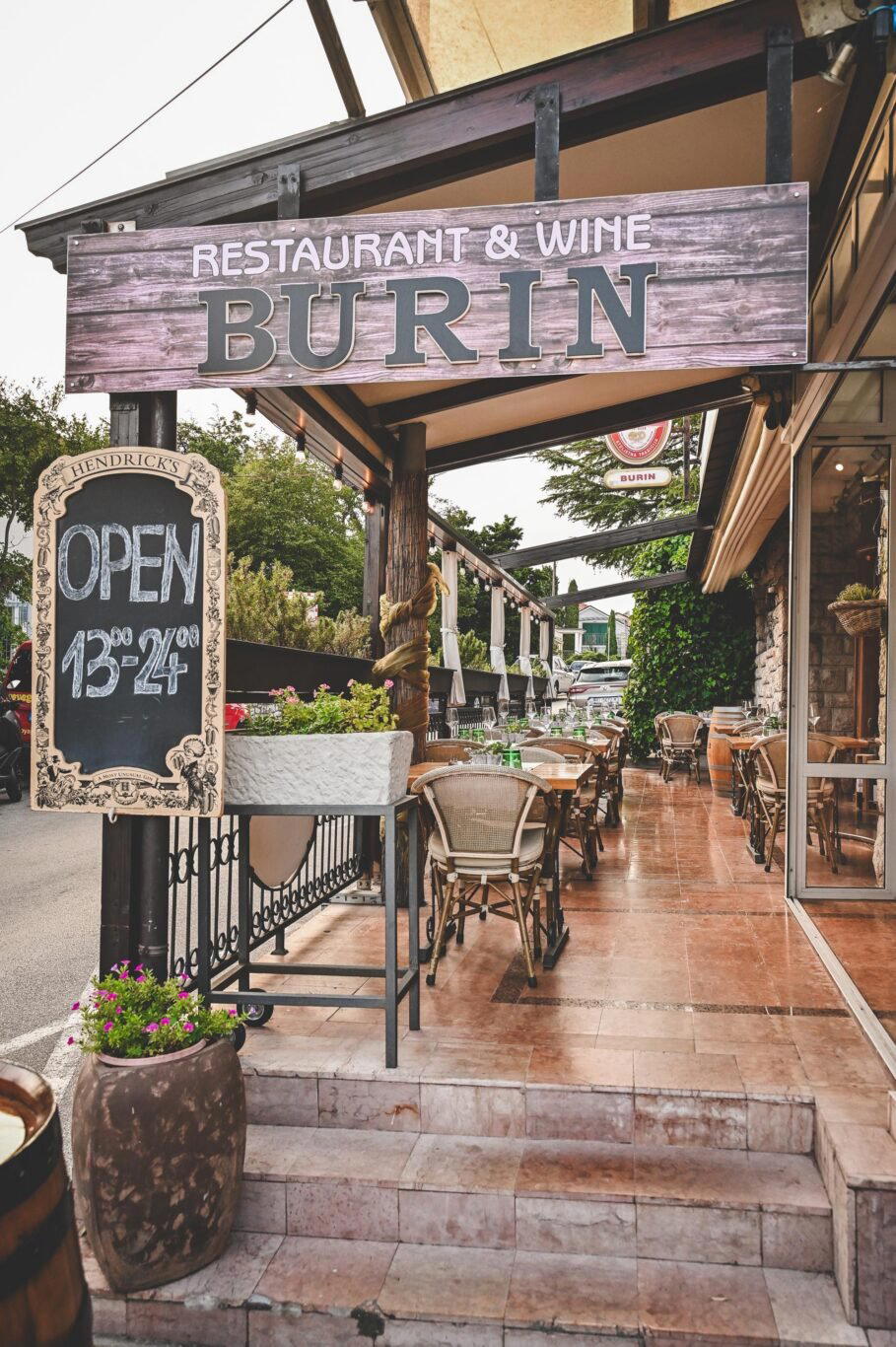
For visitors arriving by car from Zagreb, the drive south along the E65 takes approximately 90 minutes under normal summer traffic conditions, making Novi Vinodolski a realistic day trip or overnight stop. The town is also reachable from the Rijeka bus terminal, and ferry connections from nearby Crikvenica extend the coastal access. Burin in Crikvenica, a few kilometres north, is a useful comparison point for the restaurant standard in this immediate sub-region.
Where Marengo Sits in the Local Dining Picture
Within Novi Vinodolski specifically, the dining options along the promenade cluster around a similar format: seafood-forward menus, outdoor terrace seating oriented toward the water, and a seasonal rhythm that tightens considerably outside the June-to-September window. Admiral occupies the same promenade stretch and represents the closest point of comparison in terms of setting and likely menu emphasis.
The distinction among promenade restaurants in towns of this size usually comes down to sourcing specificity, kitchen execution, and the degree to which local fish and shellfish are treated as the primary subject of the menu rather than an accompaniment to pasta or grilled meat. Croatia's broader coastal tradition defaults toward simply prepared fish, grilled, with olive oil, lemon, and local herbs, and at the better end of that tradition, the quality of the ingredient is the argument. Elaborate preparation is not the point. This is a philosophy that operates at the opposite end of the spectrum from, say, Le Bernardin in New York City or Atomix, where technique is the primary editorial subject. On the Kvarner promenade, the fish is.
For a broader picture of how Novi Vinodolski fits into Croatia's coastal dining hierarchy, our full Novi Vinodolski restaurants guide maps the town's options alongside the regional context. Visitors building a longer Croatian itinerary should also consider LD Restaurant in Korčula, Krug in Split, or Dubravkin Put in Zagreb for inland contrast. Those planning a wine-anchored route through inland Croatia might add Korak in Jastrebarsko or Cantilly Garden Restaurant in Samobor. For sourcing-driven coastal cooking elsewhere in the country, BioMania Bistro Bol in Bol and Bodulo in Pag represent two different approaches to ingredient-led coastal menus.
Planning Your Visit
Marengo's waterfront address is at Obala Doktora Josipa Sokolića 1, 51250, Novi Vinodolski. As with most Croatian promenade restaurants operating at this latitude, the season peaks between late June and early September, and arriving outside that window may mean reduced hours or partial menus. Summer evenings along this stretch fill quickly with both domestic and visiting diners, so early arrival or advance enquiry is advisable during peak season.
Frequently asked questions
Is Marengo child-friendly?
Promenade dining in Novi Vinodolski is predominantly open-air and relaxed in pace, which suits families with children better than a formal indoor setting would. The waterfront address at Obala Doktora Josipa Sokolića 1 puts you directly on the seafront, where the casual rhythm of a small Croatian coastal town sets the tone. Summer evenings here are a community activity as much as a meal, and that context tends to be accommodating rather than restrictive.
What is the atmosphere like at Marengo?
Marengo operates in the mode of a Croatian Adriatic promenade restaurant: outdoor terrace seating, proximity to the water, and a pace shaped by the town of Novi Vinodolski rather than by a metropolitan dining circuit. This is not a high-production fine-dining environment; the draw is the setting and the catch, not choreographed service. Expect the kind of atmosphere where the sea is a fixture of the meal rather than a backdrop to it.
How far is Marengo from Rijeka, and is it worth the trip from the city?
Novi Vinodolski sits roughly 30 kilometres south of Rijeka along the Primorje-Gorski Kotar coast, making Marengo a practical option for a half-day or evening excursion from the city. The waterfront address at Obala Doktora Josipa Sokolića 1 places you directly on the Adriatic promenade, which Rijeka's urban dining scene cannot replicate. For anyone based in Rijeka wanting a coastal promenade meal with local Kvarner seafood, the distance is manageable.
What do regulars order at Marengo?
On the Kvarner promenade, the consistent logic is to order toward whatever the local boats landed that day, fresh fish and shellfish from the Kvarner bay, which produces scampi, sea bass, and bream that appear consistently on menus along this stretch of coast. At a waterfront address like Obala Doktora Josipa Sokolića 1 in Novi Vinodolski, daily catch rather than a fixed menu is the more reliable guide to what to eat.
Where exactly is Marengo?
Marengo is located at Obala Doktora Josipa Sokolića 1, 51250, Novi Vinodolski, Croatia, Novi Vinodolski.
Side-by-Side Snapshot
| Venue | Cuisine | Price | Awards | Notes |
|---|---|---|---|---|
| MarengoThis venue (the venue you are viewing) | Modern Mediterranean Seafood | Not listed | Not listed | Not listed |
| Pelegrini | Modern Dalmatian Fine Dining | $100–150 | 1 Michelin Star · La Liste Top Restaurants | Mediterranean, Modern Cuisine |
| Restaurant 360 | Modern Mediterranean with Asian and French Influences | $200–300 | 1 Michelin Star · La Liste Top Restaurants | International, Modern Cuisine |
| Foša | Modern Seafood | $50–100 | Michelin Plate | Croatian, Classic Cuisine |
| Nautika | Traditional Mediterranean Seafood | $100–150 | Michelin Plate · Star Wine List | Modern European, Classic Cuisine |
| Agli Amici Rovinj | Modern Mediterranean Fine Dining | $200–300 | 2 Michelin Stars · La Liste Top Restaurants | Italian Contemporary |
Continue exploring
More in Novi Vinodolski
Restaurants in Novi Vinodolski
All restaurants in Novi Vinodolski →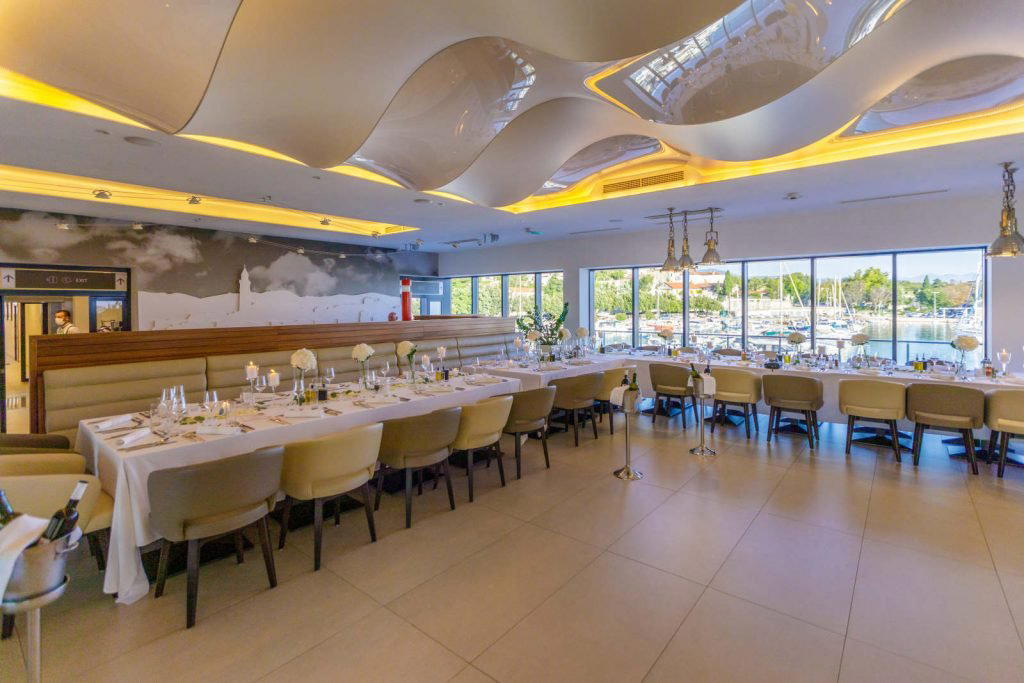
Hotels in Novi Vinodolski
Browse all →
Wineries in Novi Vinodolski
All wineries in Novi Vinodolski →
Details
- Elegant
- Modern
- Scenic
- Sophisticated
- Date Night
- Special Occasion
- Waterfront
- Terrace
- Extensive Wine List
- Local Sourcing
- Waterfront
- A La Carte
- Tasting Menu
- Gluten Free Options
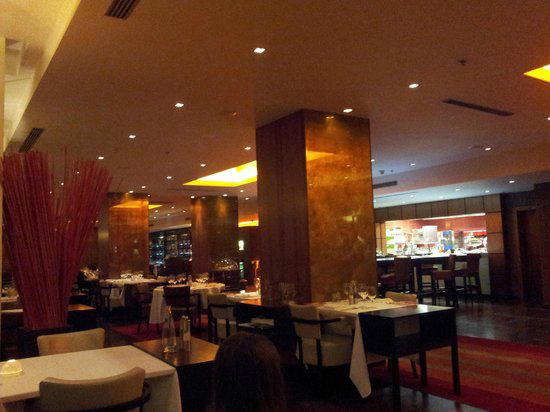
Sleek modern interior with floor-to-ceiling windows and outdoor terrace offering spectacular waterfront views, creating a comfortable and scenic atmosphere.