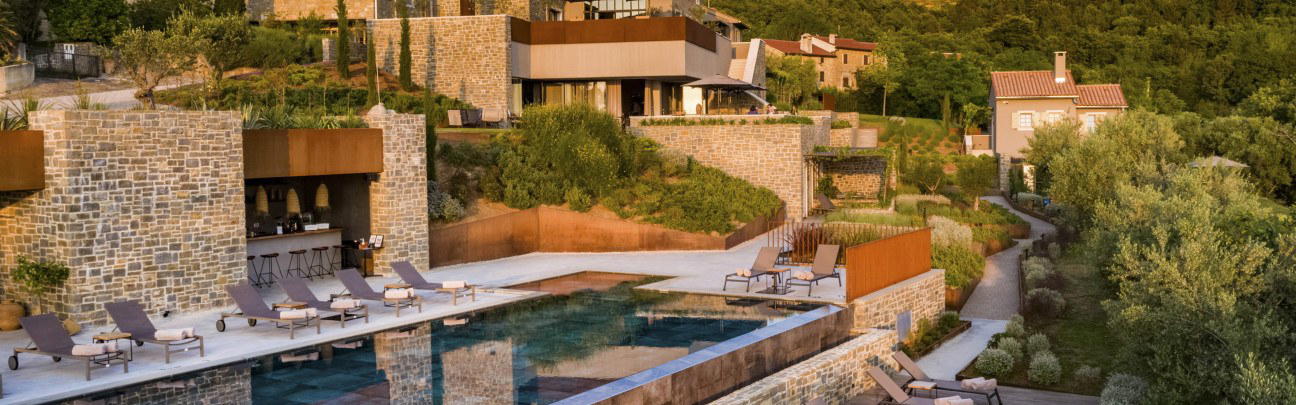
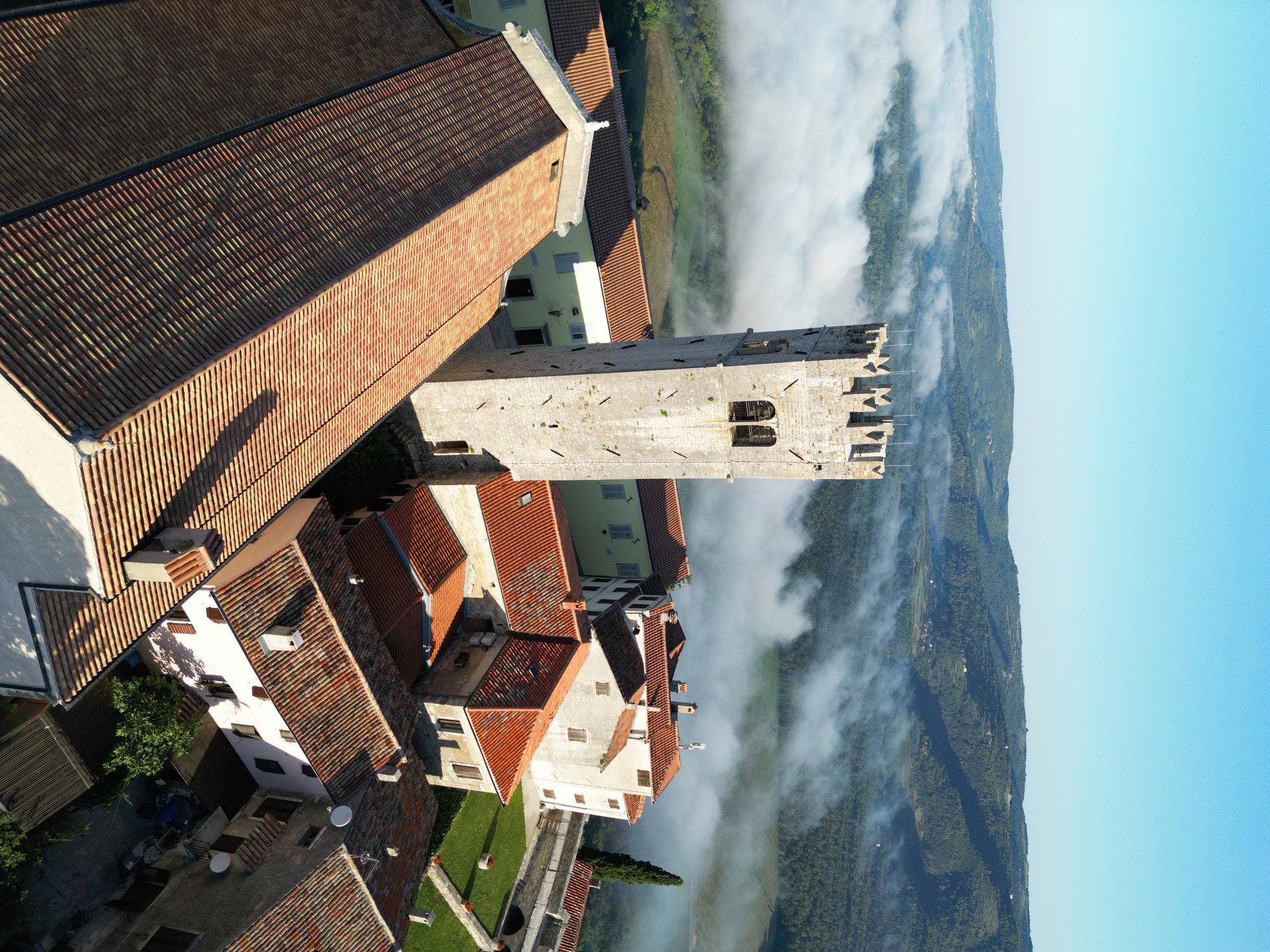
Stara škola occupies a converted schoolhouse in Krasica, a hamlet in the Istrian hills above Buje. The setting pulls the meal into a slower register, stone walls, rural quiet, and the kind of pacing that treats lunch as the centrepiece of an afternoon rather than a transaction. It sits within the wider constellation of Buje dining, where konoba tradition and regional produce define the table.
Pearl is the En Primeur Club membership app — saves, bookings, and concierge access live there. Same editors, same standards.
- Address
- Krasica 35, Krasica, 52460, Buje, Croatia
- Phone
- +38552770870
- Website
- staraskola.hr
- Directions
- Get directions
 Saves & bookings on Pearl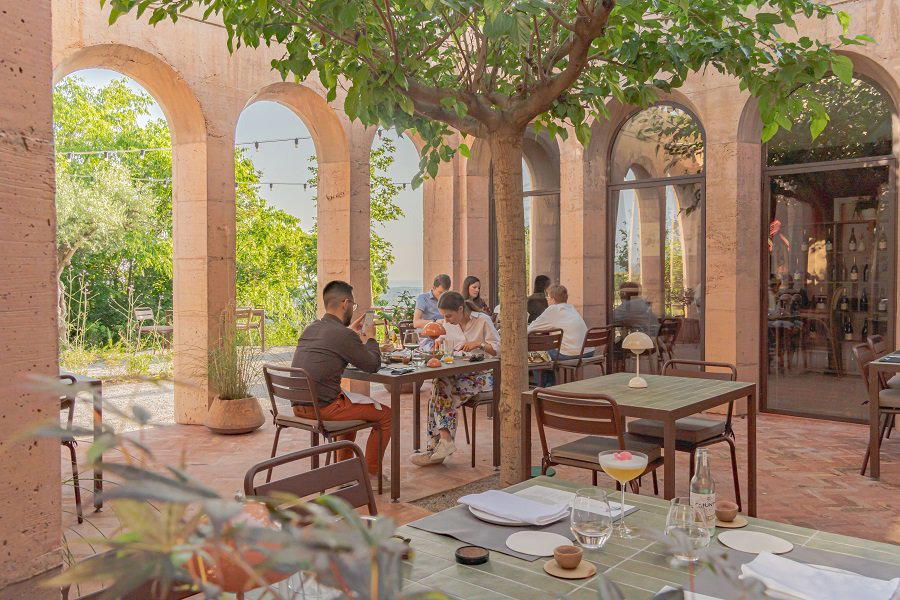
A Schoolhouse, a Village, and the Rhythm of an Istrian Meal
Stara škola is a restaurant in Krasica, Buje, serving Contemporary Istrian & Mediterranean food at about $60 per person. The road to Krasica is the kind that encourages you to slow down before you arrive. Buje sits on a hilltop ridge in northern Istria, and the hamlets that fan out beneath it, including Krasica, at number 35, belong to a working agricultural landscape where truffle oak groves, olive terraces, and small family vineyards share the same few kilometres. Stara škola, which translates directly as "the old school," takes its name from the building it occupies: a former village schoolhouse repurposed into a dining room. That repurposing is worth noting because it sets the physical grammar of the meal before any food arrives. Stone construction, a building designed for a community function, a village address rather than a town one, these details signal a specific category of Istrian dining, one that is less about theatrical presentation and more about rootedness in place.
Across Istria, durable dining traditions sit not in the coastal resort towns but in the interior, where the influence of both Croatian and Venetian-era Istrian cooking has had centuries to consolidate. The konoba format, a dining room attached to or adjacent to a family property, often with its own wine and olive oil production, remains the dominant cultural model for how a meal is structured in this part of Croatia. Stara škola operates within that tradition by geography if not always by label. A converted schoolhouse in a hamlet of this size functions socially in the same way a konoba does: the host-guest relationship is direct, the sourcing radius is short, and the pace of service follows the kitchen rather than the clock. For the comparison, Konoba Malo Selo in Buje represents the more explicitly labelled end of that same tradition, while Luciano tilts toward Mediterranean framing at a higher price tier.
The Dining Ritual in Practice
How a meal unfolds at a rural Istrian address like this one matters as much as what appears on the plate. In the interior hill towns, the sequence of a proper sit-down meal tends to be deliberate: something preserved or cured to open, a pasta course built around local ingredients (pljukanci, fuži, or hand-rolled shapes with truffle or game), then a meat course, then cheese or dessert, then grappa. The pacing between courses is not rushed. This is not a system designed for a 75-minute turnaround. A meal that takes two and a half hours here is not a slow meal, it is a correctly paced one.
That ritual has a geographic logic to it. Istrian black and white truffles come from this exact terrain, foraged from the forests around Motovun and the Mirna river valley and from the oak woodland that threads through the hills between Buje and the coast. The proximity of the restaurant to these foraging zones means that when truffle appears on the table in northern Istria, it is not a luxury import, it is the local pantry. The same applies to the olive oils pressed in this municipality, to the Malvazija and Teran grapes grown within a short radius, and to the game that features in autumn and winter preparations across the region. Dining in this corner of Croatia is in large part an exercise in understanding what the land around you actually produces, and a village address like Krasica 35 compresses that understanding considerably.
Croatia's wider dining scene has developed a more internationally legible fine-dining tier in recent years, venues like Agli Amici Rovinj in Rovinj, Pelegrini in Sibenik, and Restaurant 360 in Dubrovnik operate with recognisable tasting-menu formats and award recognition. Further north, Nebo by Deni Srdoč in Rijeka and Boskinac in Novalja represent the more destination-driven end of Croatian regional cooking. The restaurant sits in a different register entirely, closer to the informal, land-anchored model that those venues draw their ingredients and inspiration from, but without the tasting-menu architecture or urban address. For a reader navigating that distinction, it is worth understanding that both tiers belong to the same tradition: one codifies it for an international audience, the other simply continues it.
The Village Address and What It Requires
Arriving at a hamlet address in the Istrian hills requires a car. Krasica is not served by public transport, and while Buje is the nearest town of any size, the distance between them means that a meal at the restaurant is an occasion that requires planning rather than spontaneity. The upside of that planning is that the drive itself, through the low wooded hills and vineyard patches of the Buje municipality, functions as a kind of decompression before the meal. Visitors arriving from the Istrian coast, particularly from Umag or Novigrad, are roughly 20 to 30 minutes out. Those coming from Poreč or Rovinj should factor in an hour.
Other Buje-area addresses worth considering in the same visit include Rino and San Servolo Steakhouse for different points in the meal spectrum, though neither occupies quite the same rural-village position as the restaurant. Further afield in Istria, Alfred Keller in Mali Lošinj and LD Restaurant in Korčula represent the island-based end of Croatian coastal dining, a useful contrast to the interior hill-town experience that defines this address. For those building a broader Croatian itinerary, Dubravkin Put in Zagreb, Krug in Split, and Korak in Jastrebarsko offer regional benchmarks from different parts of the country. And for plant-forward coastal dining closer to Dalmatia, BioMania Bistro Bol in Bol offers a different angle on Croatian seasonal sourcing.
Style and Standing
Comparable venues nearby, for context on price, style, and recognition.
| Venue | Cuisine | Price | Awards | Notes |
|---|---|---|---|---|
| Stara školaThis venue — the venue you are viewing | Contemporary Istrian & Mediterranean | $$$ | Not listed | Not listed |
| San Servolo Steakhouse | Istrian Steakhouse | $$$ | Not listed | Buje |
| Rino | Traditional Istrian | $$ | Not listed | Momjan |
| Luciano | Modern Istrian | $$$$ | Michelin Plate | Buje |
| Konoba Malo Selo | Authentic Istrian Grill | $$ | Bib Gourmand | Kaldanija |
| Navis | Modern Mediterranean Seafood | $$$ | Not listed | Opatija |
Continue exploring
More in Buje
Restaurants in Buje
Browse all →

At a Glance
- Elegant
- Rustic
- Romantic
- Sophisticated
- Date Night
- Special Occasion
- Celebration
- Rooftop
- Terrace
- Wine Cellar
- Historic Building
- Standalone
- Panoramic View
- Extensive Wine List
- Sommelier Led
- Local Sourcing
- Farm To Table
- Organic
- Vineyard
Current opening hours
- Monday
- 6 PM–12 AM
- Tuesday
- Closed
- Wednesday
- Closed
- Thursday
- 6 PM–12 AM
- Friday
- 6 PM–12 AM
- Saturday
- 1 PM–12 AM
- Sunday
- 1 PM–12 AM
Hours can change for holidays and private events. Last verified .
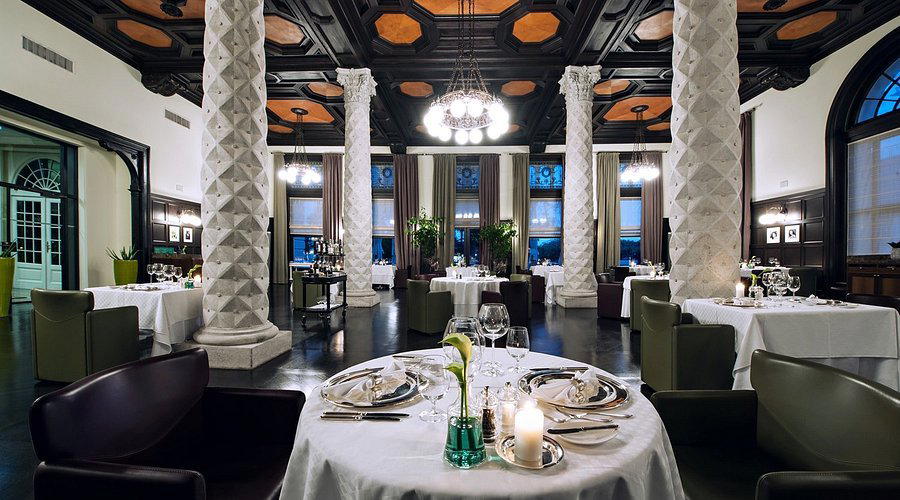
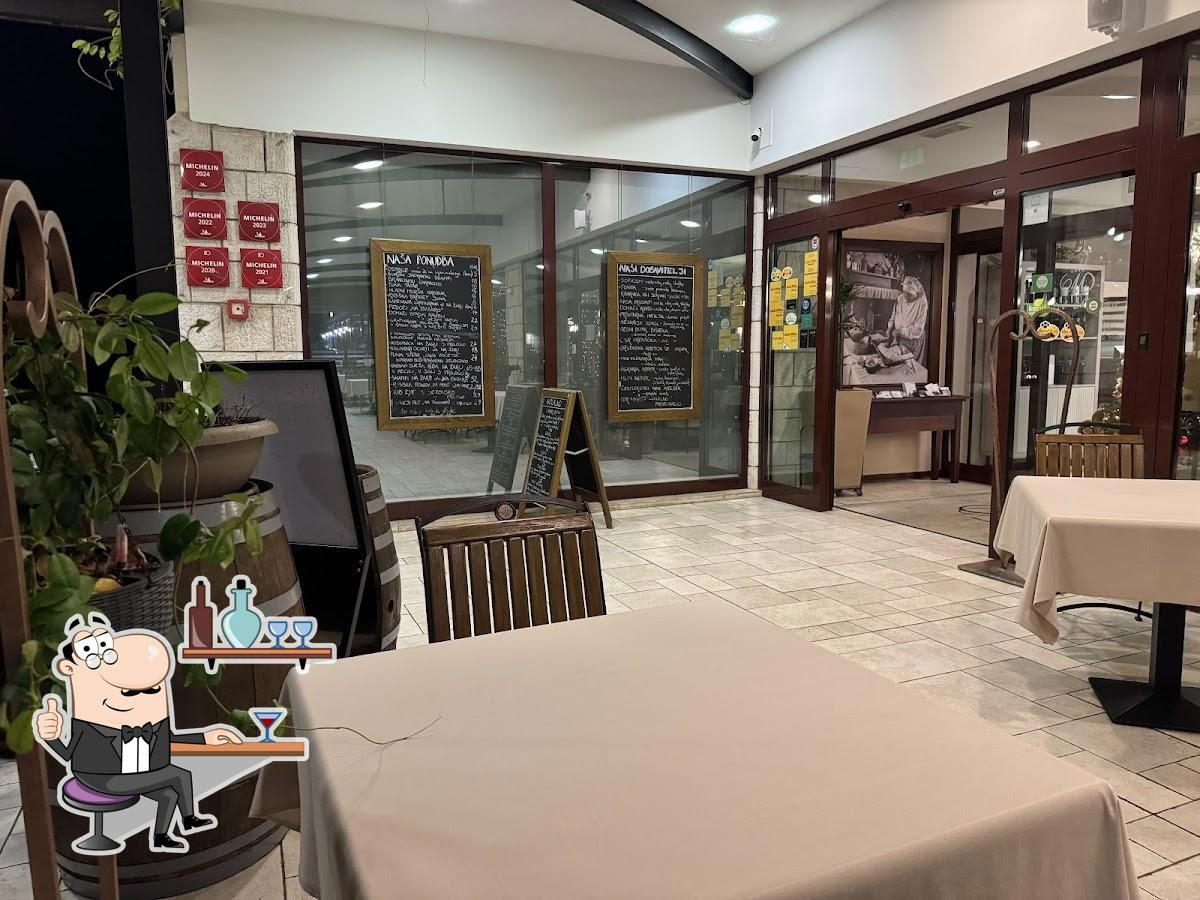
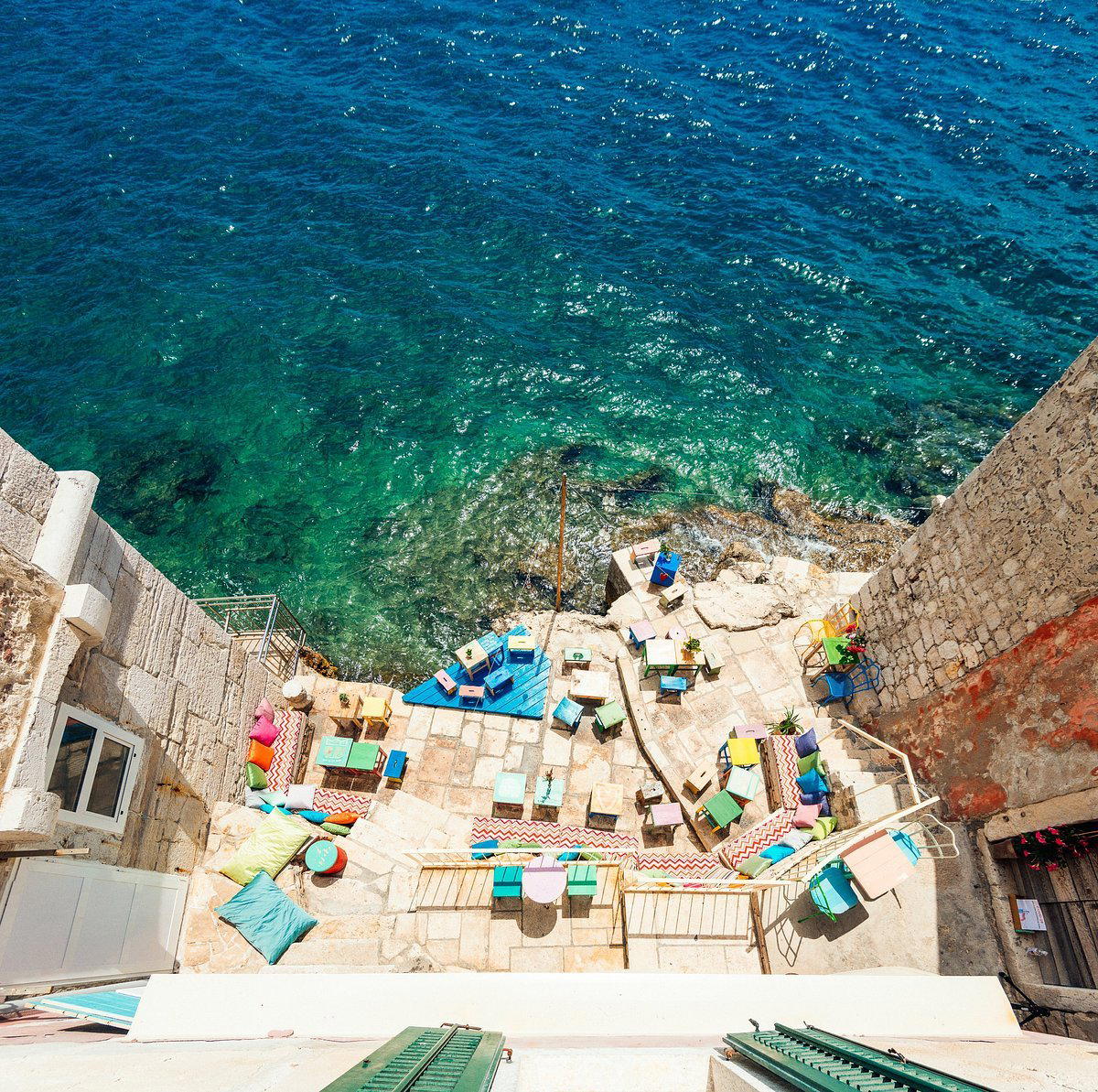
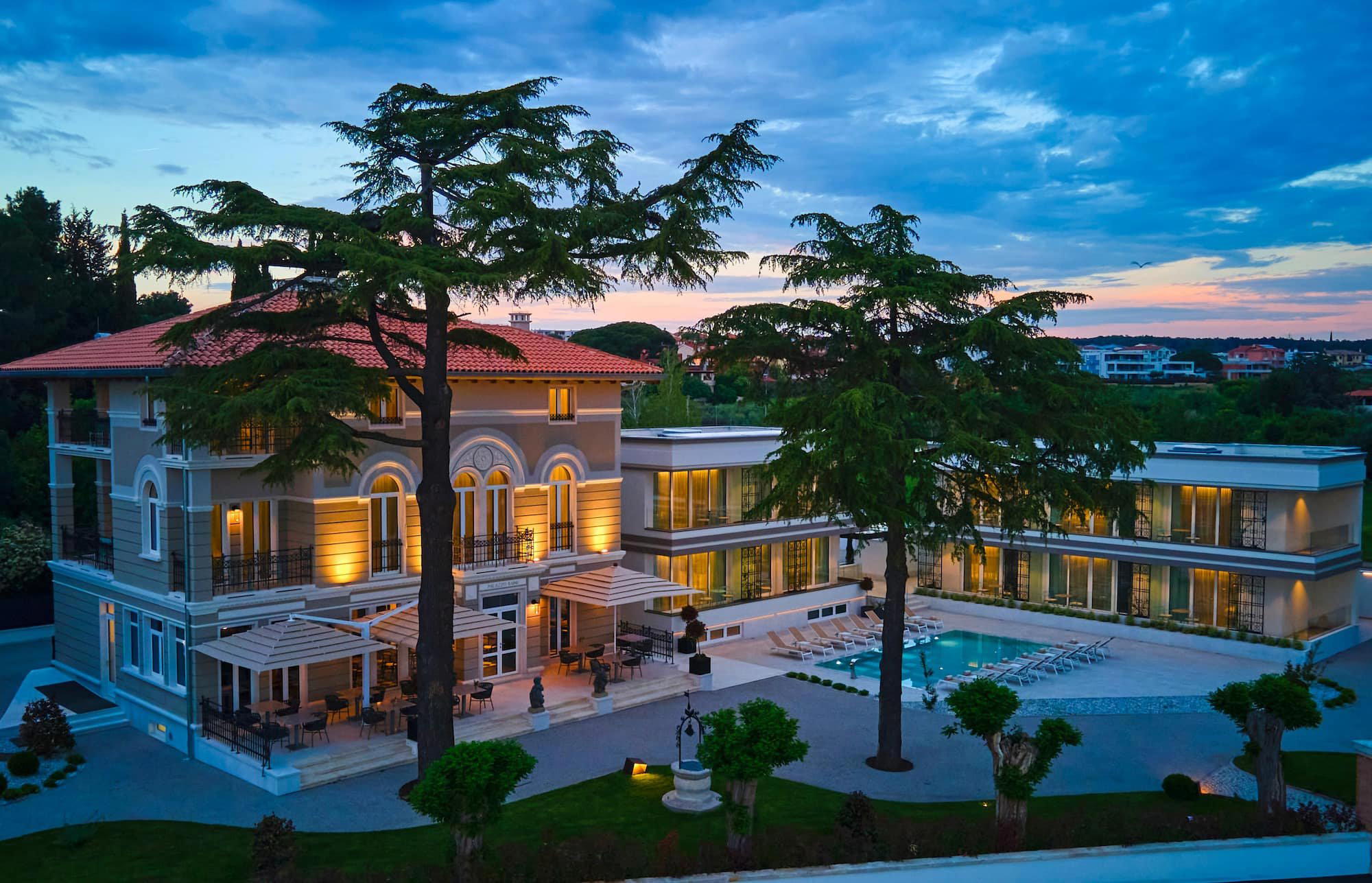
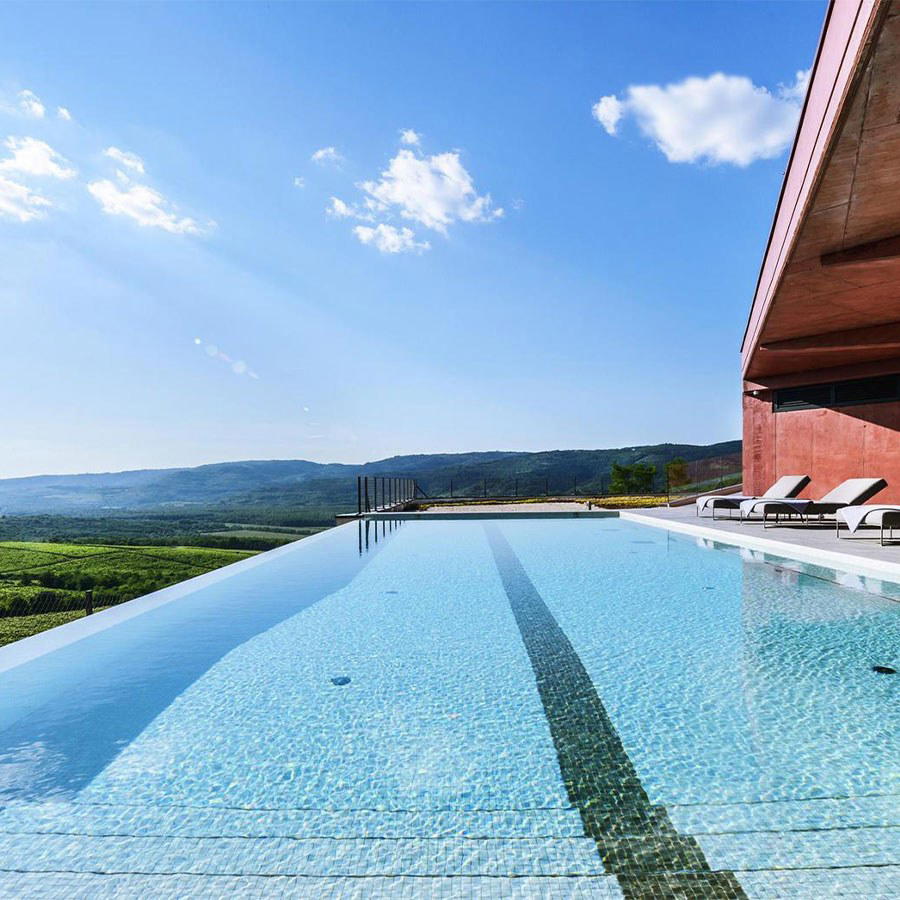
Warm, unpretentious atmosphere with rustic authenticity blended with modern furnishings; Mediterranean ambiance with rock-top terrace overlooking vineyards; intimate classroom-style dining spaces preserving the building's historic character.