Farina Duraznos
Positioned in the residential weight of Bosque de las Lomas, Farina Duraznos occupies a neighbourhood where Mexico City's dining scene intersects with everyday life rather than tourist circuits. The address places it among a tier of local restaurants that serve a regular clientele rather than a rotating audience, making it a useful reference point for understanding how the city eats beyond its headline venues.
Pearl is the En Primeur Club membership app — saves, bookings, and concierge access live there. Same editors, same standards.
- Address
- Bosque de Duraznos 39, Bosque de las Lomas, Miguel Hidalgo, 11700 Ciudad de México, CDMX, Mexico
- Phone
- +525591316154
- Website
- farinarest.com
- Directions
- Get directions
 Saves & bookings on Pearl
Bosque de las Lomas and the Residential Dining Circuit
Mexico City's most-discussed restaurants tend to cluster in Polanco, Roma, and Condesa, where international press attention and a dense visitor economy sustain tasting menus and high-ticket wine programs. Pujol and Quintonil operate at the upper end of that circuit, drawing a global audience and pricing accordingly. But the city's residential districts tell a different story about how chilangos actually eat on a Tuesday evening. Bosque de las Lomas, the address where Farina Duraznos sits on Bosque de Duraznos 39, is that kind of neighbourhood: affluent, low-traffic by tourist standards, and populated by restaurants that answer to a local clientele rather than a visiting one. That distinction matters when you are trying to read a city's food culture rather than just its food press.
The Miguel Hidalgo borough, which contains Bosque de las Lomas, covers the western residential corridor that stretches from Polanco toward Santa Fe. It is quieter than the Roma-Condesa axis and carries a different register of dining expectation: consistency over theatre, familiarity over novelty. Restaurants that survive in this zone tend to do so because regulars return, not because a new review cycle drives covers. That structural condition shapes what a venue like Farina Duraznos represents in the broader Mexico City picture.
The Cultural Weight of Flour in Mexican Cooking
The word farina points toward a wheat-flour tradition that runs through Mexican cooking alongside, and sometimes in tension with, the corn-based canon. While masa and nixtamalization dominate the international narrative around Mexican food, flour tortillas, pan dulce, and bread-based preparations carry their own regional and historical depth, rooted in the northern states and in the colonial-era introduction of wheat cultivation. Mexico City sits at the crossroads of these traditions: a capital that absorbs regional cooking from across the country and rearranges it within an urban context.
This is the cultural frame that venues anchored in baked or flour-based cooking inhabit in the city. It is a less-discussed register than the mole programs at Em or the vegetable-forward modernism at Sud 777, but it connects to a genuine strand of Mexican culinary identity. Across Mexico, you can trace parallel flour traditions from Sonoran flour tortillas to the Italian-inflected bread culture that settled in parts of Puebla and Veracruz. Rosetta in Roma is the most visible example of how European bread and pastry culture has been absorbed and reframed within a Mexican creative context, earning sustained critical attention for its approach to fermentation and local grain sourcing. Farina Duraznos occupies a different point on the same general spectrum, serving a residential rather than destination audience.
What the Address Tells You
The specific intersection of Bosque de Duraznos places the restaurant in a corridor of low-rise commercial frontage set against the tree-lined residential streets that give the neighbourhood its name. Bosque de las Lomas translates loosely as Forest of the Hills, and the area retains more green space per block than the denser colonias to the east. Foot traffic is lower, parking is easier, and the pace of a meal tends to reflect that. This is not a neighbourhood where you are competing with a queue for the table behind you.
For context within Mexico's broader dining geography, the residential-affluent dining tier visible in Bosque de las Lomas has parallels in other Mexican cities: the established local institutions in San Pedro Garza García that anchor Pangea's neighbourhood, or the quieter side of Guadalajara that frames Alcalde against its surrounding streets. The common thread is a dining culture that prizes reliability and serves a community rather than an occasion.
Mexico City's Wider Dining Range
Placing Farina Duraznos in the city's full picture requires acknowledging how wide that picture is. At the upper tier, venues like Pujol and Quintonil operate with long lead times on reservations and tasting formats that run to multiple courses. The mid-range creative tier, represented by venues like Em at the $$$ level, offers a more accessible entry into serious cooking. Below that sits a dense layer of neighbourhood restaurants where price, regularity of visit, and relationship with a local clientele define the offer more than format ambition does.
Mexico City's dining scene extends well beyond its capital. The country's regional restaurant culture is increasingly documented: Levadura de Olla in Oaxaca anchors indigenous grain and fermentation traditions; Le Chique in Puerto Morelos represents the technically ambitious end of the Yucatán Peninsula; Animalón in Valle de Guadalupe is part of Baja's wine-country dining identity. Arca in Tulum and HA' in Playa del Carmen have drawn international attention to the Caribbean coast's ingredient-driven cooking. KOLI Cocina de Origen in Monterrey and Olivea Farm to Table in Ensenada round out a picture of a national dining culture with genuine regional differentiation. Lunario in El Porvenir places wine-country dining on the map in a different register again. For visitors building a longer understanding of Mexican cooking, these regional anchors are as instructive as the capital's headline addresses. Our full Mexico City restaurants guide maps the city's full range across neighbourhoods and price points.
For international reference, Mexico City's top tier now competes for the same diner attention as serious restaurants in New York and San Francisco. Le Bernardin in New York and Lazy Bear in San Francisco represent the kind of format discipline and critical credibility that the city's upper-tier venues now benchmark against.
Planning Your Visit
The venue database for Farina Duraznos does not currently include confirmed hours, pricing, or booking details. Address: Bosque de Duraznos 39, Bosque de las Lomas, Miguel Hidalgo, 11700 Ciudad de México. Getting there: The Bosque de las Lomas area is most practically reached by car or rideshare from central Mexico City; public transit options are limited in this residential corridor. Dress: No dress code on record; the residential-affluent character of the area suggests smart-casual is appropriate.
Continue exploring
More in Mexico City
Restaurants in Mexico City
Browse all →
Bars in Mexico City
Browse all →
At a Glance
- Cozy
- Casual
- Classic
- Casual Hangout
- Family
- Date Night
- Open Kitchen
- Craft Cocktails
- Local Sourcing
Current opening hours
- Monday
- 1–11 PM
- Tuesday
- 1–11 PM
- Wednesday
- 1–11 PM
- Thursday
- 1–11 PM
- Friday
- 1–11 PM
- Saturday
- 1–11 PM
- Sunday
- 1–10 PM
Hours can change for holidays and private events. Last verified .
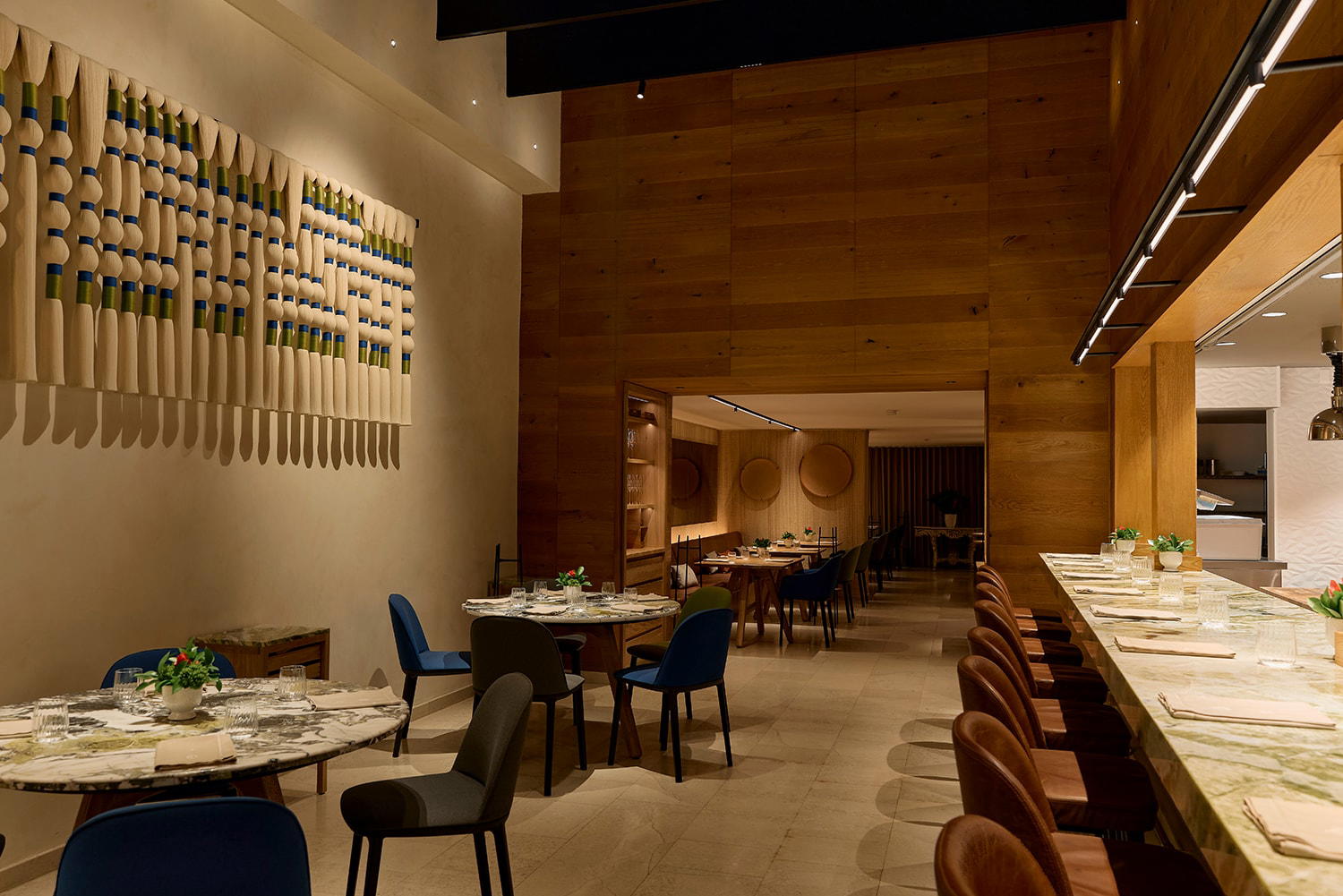
Warm and welcoming with a cozy fire and lively yet conversational atmosphere.
Know Before You Go
- Getting there
- Bosque de Duraznos 39, Bosque de las Lomas, Miguel Hidalgo, 11700 Ciudad de México, CDMX, Mexico