Habana Vieja
Habana Vieja sits at 2475 SW 37th Ave in Miami's Coral Way corridor, a stretch that has long anchored the city's Cuban dining traditions. The address places it inside a neighborhood where the ritual of a long, unhurried Cuban meal still carries social weight. For Miami's Cuban-American community and curious visitors alike, this is a room where the food and the pacing matter equally.
Pearl is the En Primeur Club membership app — saves, bookings, and concierge access live there. Same editors, same standards.
- Address
- 2475 SW 37th Ave, Miami, FL 33145
- Phone
- +13054486660
- Website
- habanaviejarestaurant.net
- Directions
- Get directions
 Saves & bookings on Pearl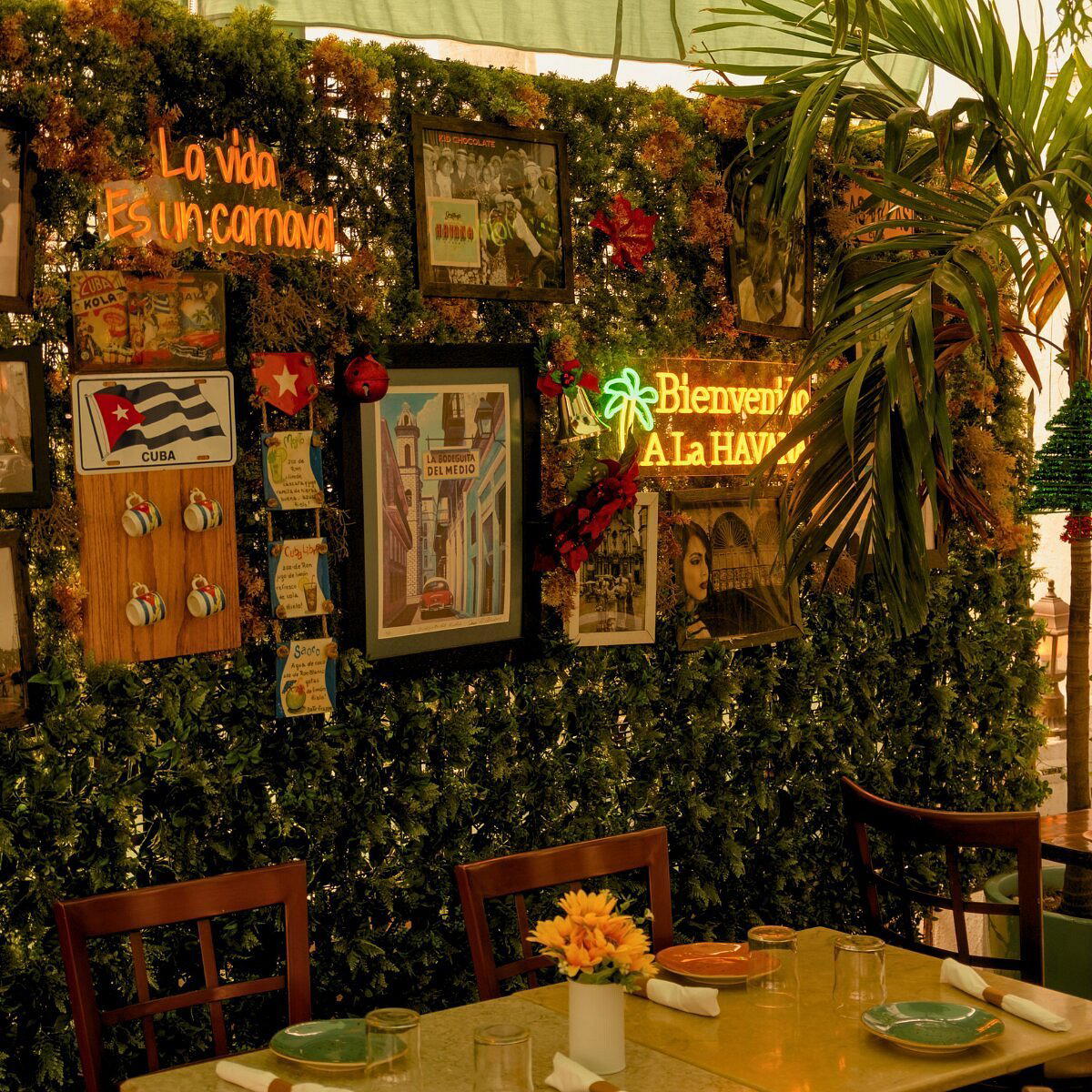
Where Coral Way's Cuban Dining Tradition Still Sets the Terms
Miami's relationship with Cuban cuisine is older and more layered than most food cities' relationships with their defining traditions. Coral Way and the surrounding neighborhoods south and west of Brickell have functioned for decades as the residential and culinary spine of Miami's Cuban-American community — a place where the logic of the meal itself is shaped by cultural expectation rather than trend. Habana Vieja, at 2475 SW 37th Ave, sits inside that geography. The address is not incidental. This part of the city operates on its own rhythm: lunch stretches, conversations run long, and the pressure to turn tables that defines much of Miami's dining scene is less present here.
That pacing is, in many ways, the point. Cuban dining tradition is structured around ritual and repetition. The café cubano arrives early, strong, and without ceremony. The meal that follows tends to involve proteins slow-cooked beyond what most modern restaurant kitchens would consider efficient — lechón, ropa vieja, oxtail, dishes that require time as an ingredient. The dining room at this address on SW 37th Ave belongs to a cohort of Miami restaurants that have not repackaged these traditions for a broader audience but have instead maintained them for the community that built them.
The Dining Ritual: Pacing, Custom, and What the Room Expects
To eat at a place like Habana Vieja is to participate in a meal structure that predates contemporary Miami's dining scene by several generations. The Cuban restaurant meal has its own grammar: a soup or caldo often opens, rice and black beans arrive as a matter of course rather than as an ordering decision, and the central protein is rarely rushed. The pace is conversational, not transactional. In a city where restaurants in the Brickell and Wynwood corridors have oriented themselves around reservation systems, prix-fixe progression, and social-media visibility, the Cuban dining tradition of Coral Way operates differently. Time at the table is not managed, it is offered.
This matters for readers thinking about how to fit the meal into a Miami visit. Coral Way addresses of this type reward an unhurried afternoon or a long weekday lunch over a compressed dinner slot between other bookings. Come with a clear two hours and no agenda for what follows, and the meal will make sense on its own terms. Come treating it as a quick stop, and you will misread what the room is doing.
For context, Miami's broader restaurant scene has moved sharply toward the kind of technical, format-driven dining represented by venues like ITAMAE for Peruvian-Japanese precision or L'Atelier de Joël Robuchon Miami for French counter-service formality. Ariete in Coconut Grove represents a further evolution: a chef-driven restaurant that openly borrows from Cuban culinary heritage but reframes it in a contemporary American idiom. Boia De and Cote Miami occupy different genre territory entirely. Habana Vieja is not in conversation with any of these rooms. It belongs to an older, less mediated tradition, one that those restaurants sometimes reference but rarely replicate.
The Food: Cuban Classics and What They Require
Cuban cuisine in Miami is not monolithic. There are fast-service ventanita counters serving café and croquetas, family-run lunch spots built around daily specials, and full sit-down restaurants where the menu covers the canonical range of the tradition. Habana Vieja occupies the full sit-down register. The dishes that define this type of restaurant, picadillo, masas de cerdo, palomilla steak with onions and lime, are not complicated in their construction but are demanding in their execution. The fat-rendered pork, the properly hydrated black beans, the rice cooked without shortcuts: these are judgment calls made by cooks who know the tradition from the inside, not from cookbooks.
Across the American dining scene, Cuban cuisine has attracted comparatively little of the critical attention applied to, say, Peruvian or Korean cooking. Restaurants with formal recognition at the level of Le Bernardin in New York City, Alinea in Chicago, or The French Laundry in Napa define the upper bracket of American fine dining, but that bracket has rarely incorporated Cuban cooking into its vocabulary. What that means, practically, is that the leading Cuban restaurants in Miami tend to operate outside formal award structures, their authority comes from community standing and repeat custom rather than from guides. That positioning is neither a weakness nor a gap; it is simply a different kind of credibility.
Coral Way and What the Neighborhood Contributes
SW 37th Ave runs through a stretch of Miami that has resisted the kind of rapid commercial transformation visible in Wynwood and the Design District. The tree-lined median, the mid-century commercial buildings, and the density of Spanish-language signage along this corridor give it a legibility that newer Miami neighborhoods lack. A meal on this block arrives with neighborhood context: the cafe next door, the Cuban bakery two doors down, the park where dominoes are played in the late afternoon. That context is part of what a meal at Habana Vieja includes, whether or not the visitor registers it consciously.
For readers building a Miami itinerary, this area pairs logically with Coconut Grove and the Miracle Mile corridor rather than with South Beach or Brickell. The dining decisions are different here: less about spectacle, more about the substance of the food itself. See our full Miami restaurants guide for a broader map of how these neighborhoods relate to each other and how to sequence them across a multi-day visit.
Planning Your Visit
Habana Vieja is located at 2475 SW 37th Ave, Miami, FL 33145, in the Coral Way neighborhood. The address is accessible by car with street parking typically available on the surrounding blocks, and it sits within reasonable distance of Coconut Grove and the Miracle Mile, making it a logical anchor for a Coral Way afternoon. Dress expectations at this type of room are casual; the formality is in the food and the conversation, not the attire.
At a Glance
- Classic
- Cozy
- Well Known
- Casual Hangout
- Family
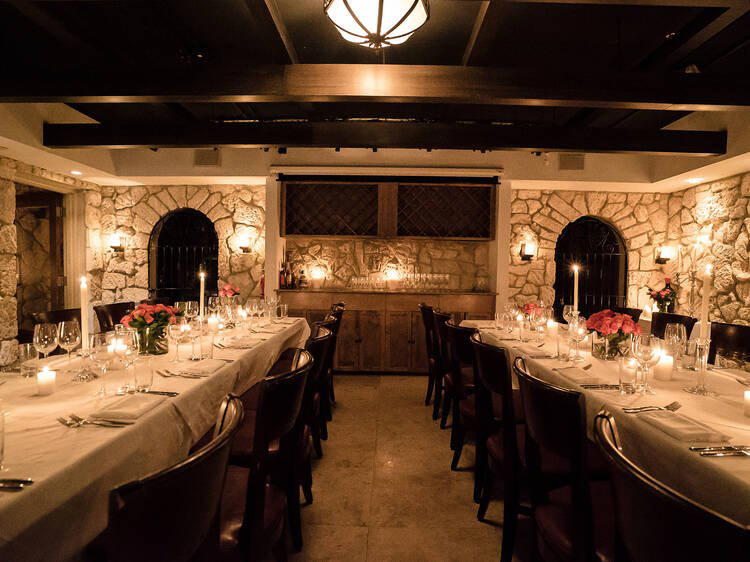
- Group Dining
- Standalone
Current opening hours
- Monday
- 12–9 PM
- Tuesday
- 12–9 PM
- Wednesday
- 12–9 PM
- Thursday
- 12–9 PM
- Friday
- 12–10 PM
- Saturday
- 12–10 PM
- Sunday
- 12–9:30 PM
Hours can change for holidays and private events. Last verified .
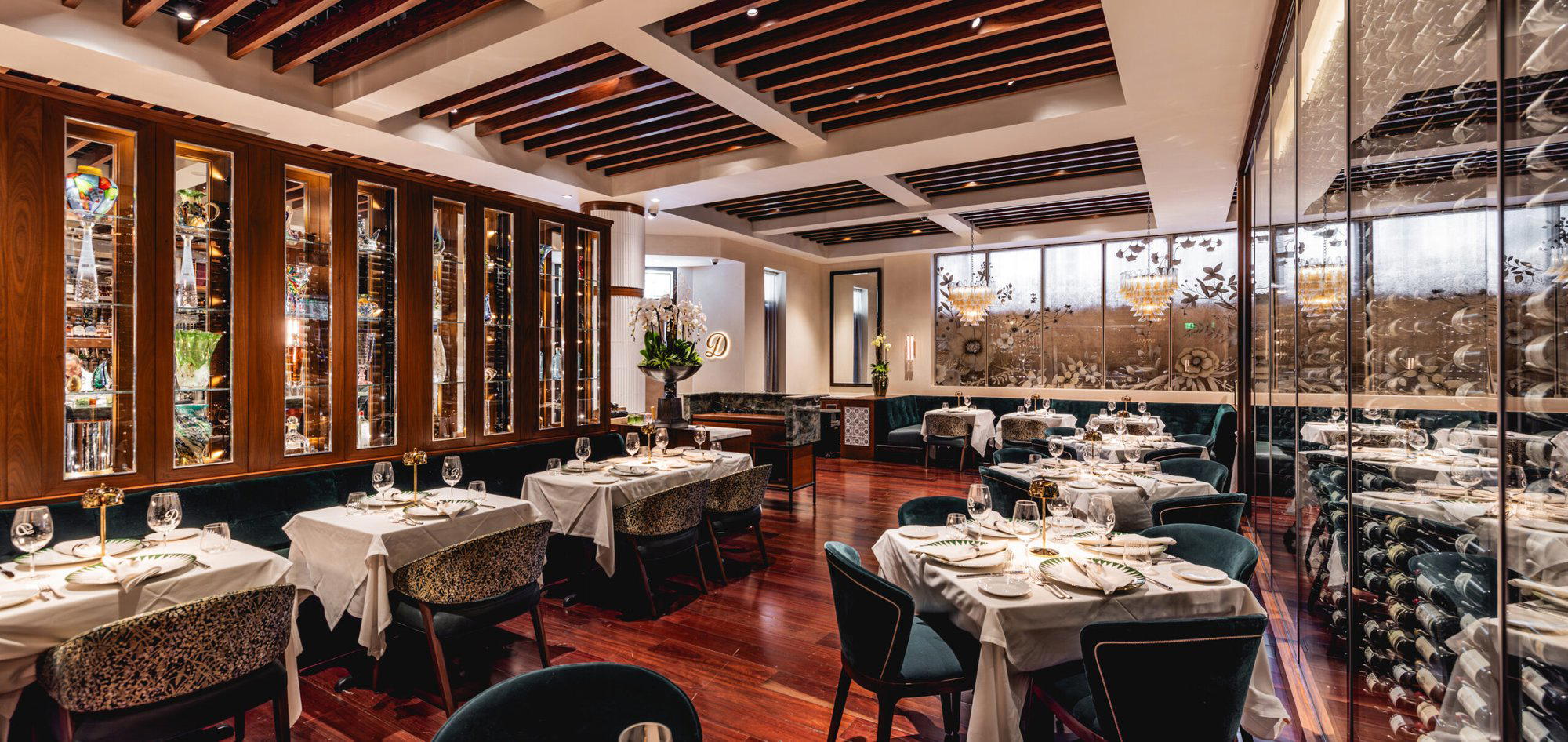
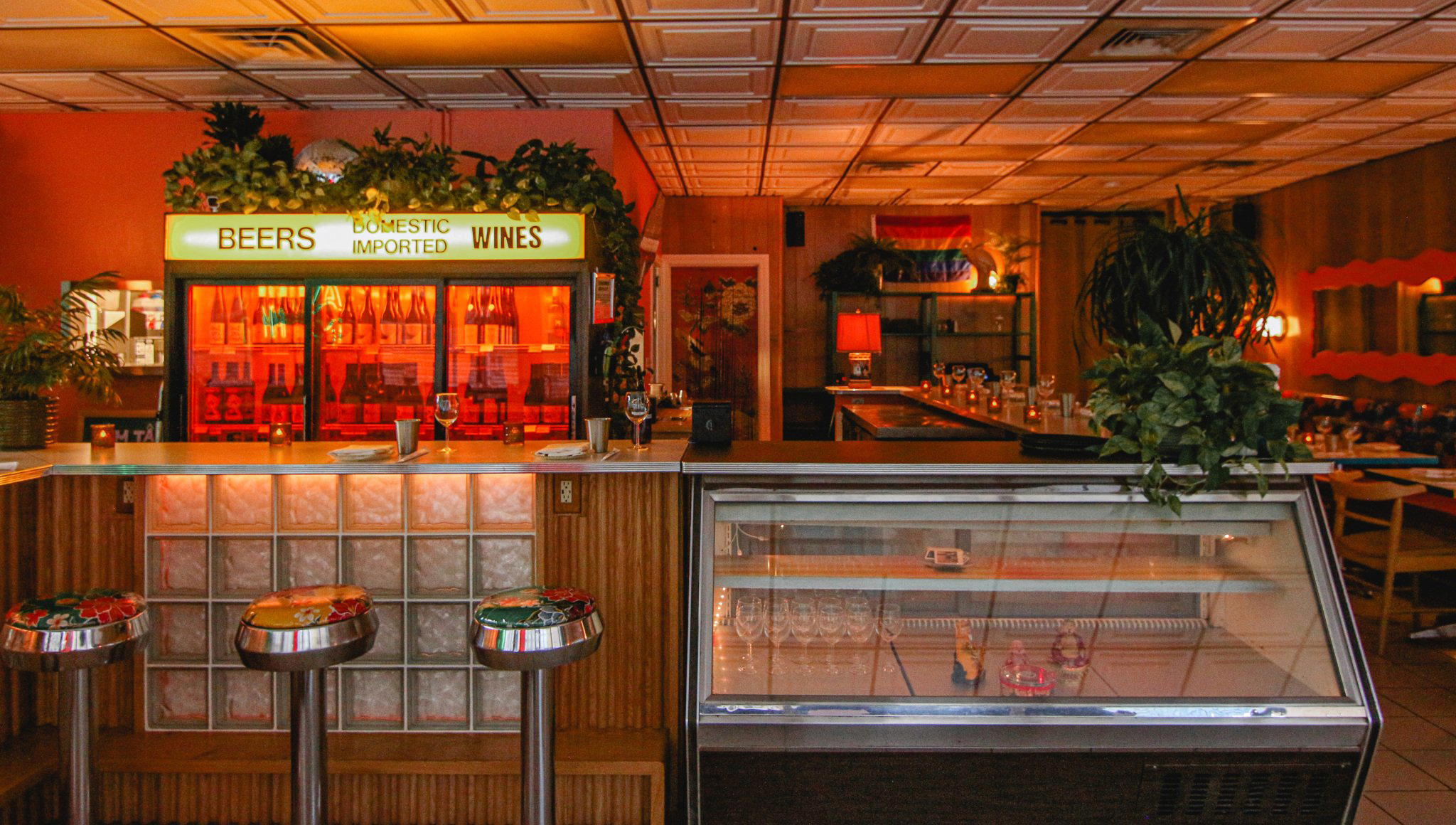
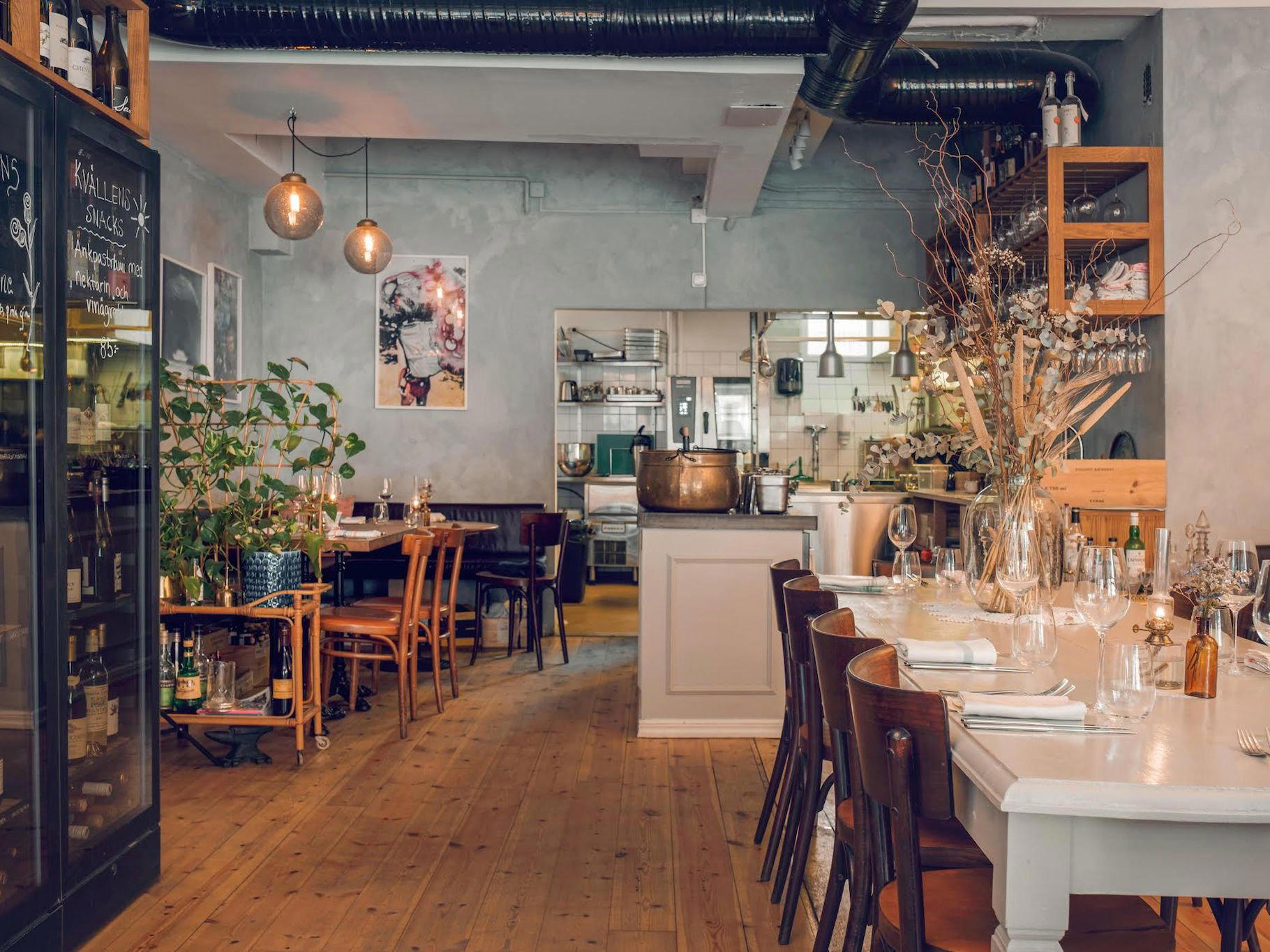
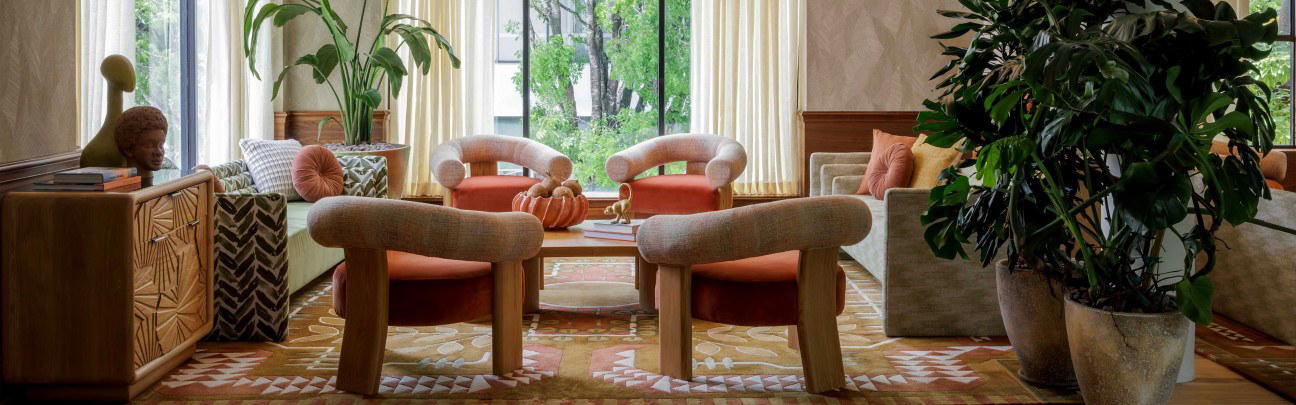
Warm and friendly setting with traditional Cuban decor, creating a nostalgic and comfortable dining experience.
Know Before You Go
- Getting there
- 2475 SW 37th Ave, Miami, FL 33145