

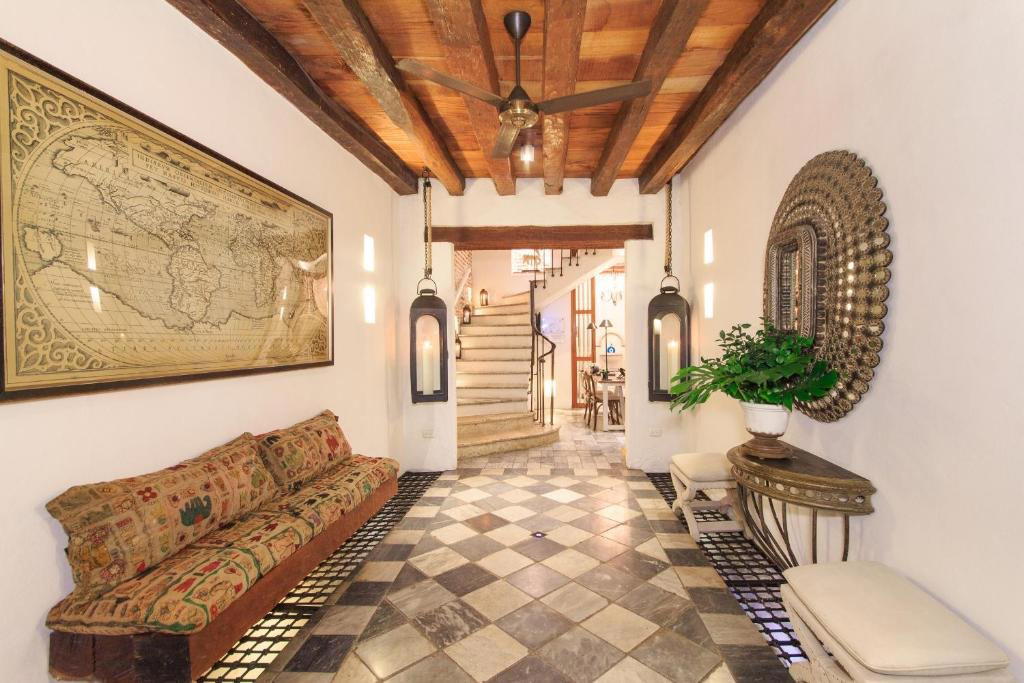
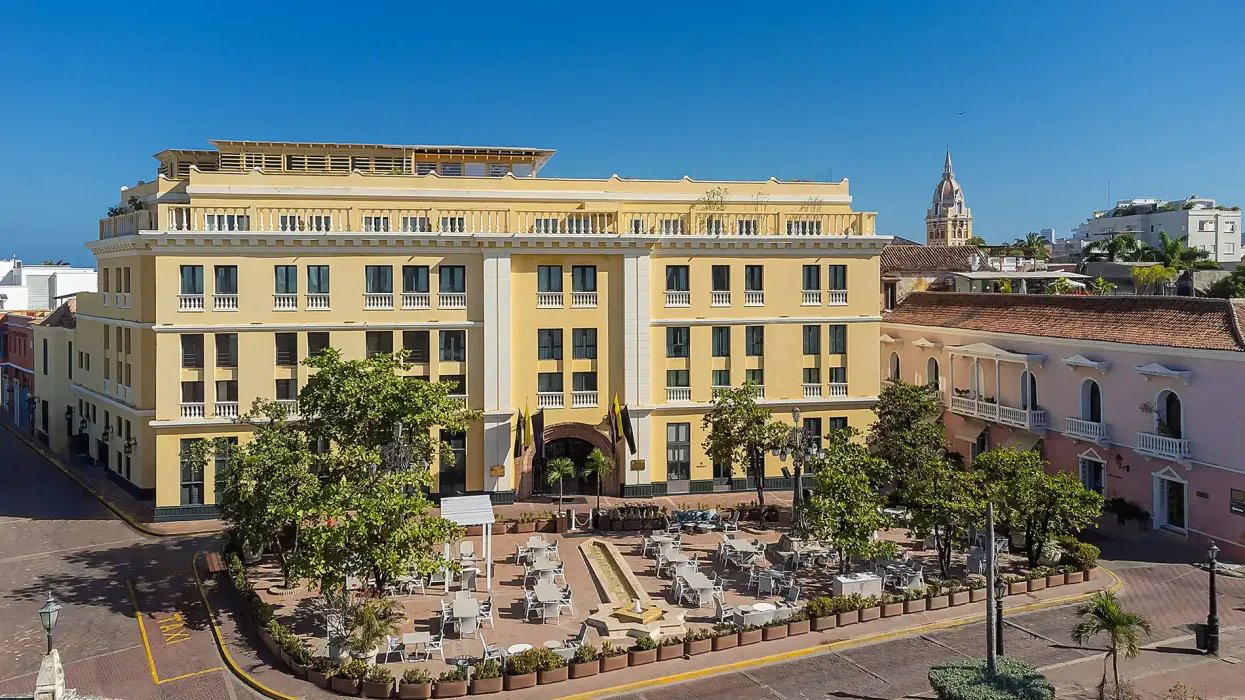
Occupying a colonial building on Calle de Vélez Danies in Cartagena's walled city, Movich Hotel Cartagena de Indias places guests inside the historic centre's most architecturally dense quarter. The property combines preserved colonial structure with contemporary interiors, and its restaurant draws on the coastal Costeño traditions that define Cartagena's table. For travellers who want proximity to the city's core without sacrificing comfort, the address does the heavy lifting.
Pearl is the En Primeur Club membership app — saves, bookings, and concierge access live there. Same editors, same standards.
- Address
- Calle de Vélez Danies, Centro Histórico, No. 4 – 39, El Centro, Cartagena de Indias, Bolívar
- Phone
- +57 605 6545276
- Website
- movichhotels.com
- Directions
- Get directions
 Saves & bookings on Pearl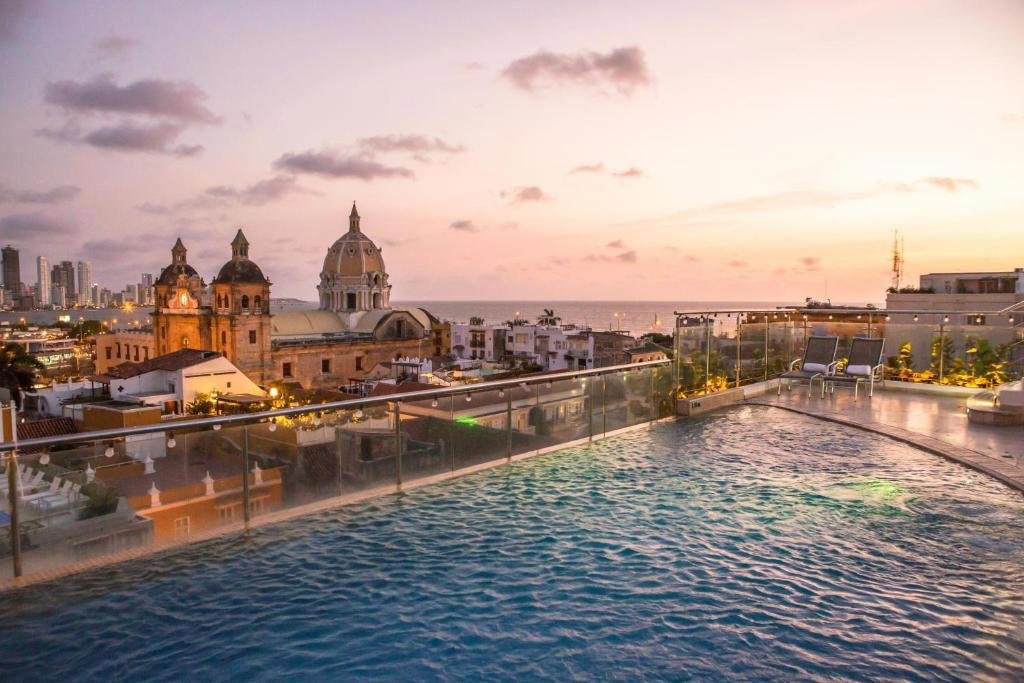
Inside the Walls: What Colonial Hospitality Looks Like in Practice
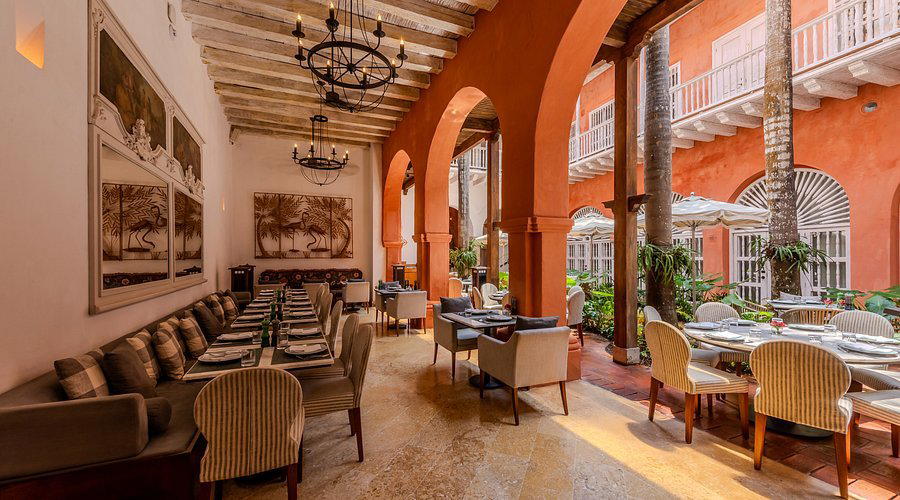
Arriving at Calle de Vélez Danies in Cartagena's Centro Histórico means stepping into among the more architecturally coherent streetscapes in the Caribbean. The walled city's centro is a UNESCO World Heritage Site, and the density of preserved colonial stonework, bougainvillea-draped balconies, and ochre-painted facades makes almost any address here a statement of location before a statement of hospitality. Movich Hotel Cartagena de Indias occupies a colonial-era building within this zone, at number 4 to 39 on the calle, placing it inside the quarter that historically functioned as the administrative and commercial heart of the Spanish colonial port. The physical approach, narrow cobbled street, heavy wooden doorway, transition from equatorial heat into shade and cool stone, sets a particular kind of expectation. The service culture inside is measured against that architectural promise.
Service Architecture in a City That Rewards Attentiveness
Cartagena's premium hospitality segment has expanded considerably over the past decade. Properties like the Four Seasons Hotel and Residences Cartagena and Hotel Las Islas occupy one end of the market, where international brand infrastructure and resort-scale amenities drive the guest proposition. The Sofitel Barú Cartagena Beach Resort sits in a different tier again, positioned outside the walls on the peninsula. Movich operates in a more embedded register: a mid-scale branded property that is physically within the historic centre rather than adjacent to or outside it. That positioning carries its own service logic. Guests who choose an in-walls address are, in most cases, choosing proximity and atmosphere over resort infrastructure. The staff culture at properties in this category tends to orient around local knowledge, logistical fluency with the neighbourhood, and the kind of small-scale attentiveness that larger resort footprints can struggle to deliver.
Colombia's hotel culture, particularly in its older cities, draws on a tradition of personalised host-guest relationships that predates the international chain model. In Cartagena specifically, where a significant portion of visitors arrive with a clear itinerary of cultural sites, the horse-drawn calesa rides, the nearby Islas del Rosario, the evening paseo around the Plaza de Bolívar, the valuable service a walled-city hotel can offer is informed orientation. A front-desk team that can place a guest accurately within the city's geography, advise on timing for the San Felipe de Barajas fortress visit, or explain which local restaurants are drawing Costeño coastal cooking with genuine fidelity to regional ingredients is providing something that matters more than a rooftop pool.
The Cartagena Table: What Costeño Cooking Means for a Hotel Restaurant
The venue's available description references the typical food of Cartagena, and that phrase carries more substance than it might initially suggest. Costeño cuisine, the cooking of Colombia's Caribbean coast, is a distinct culinary tradition from the Andean cooking that defines Bogotá or Medellín. It draws heavily on African, Indigenous, and Spanish influences, with seafood, coconut rice, plantain, and slow-braised preparations forming the structural backbone of the table. Dishes like sancocho de pescado, a fish stew built on slow stock and root vegetables, or arroz con coco, coconut rice cooked to a particular nuttiness that is specific to Caribbean Colombia, represent the kind of regional specificity that a hotel restaurant in this city should be able to speak to with authority.
For hotel restaurants in the historic centre, the challenge is offering Costeño cooking that reads as genuinely regional rather than tourist-facing approximation. The leading examples in the city source locally, price against a Colombian rather than an international reference point, and staff their kitchens with cooks who have a relationship to the tradition. The editorial point is that the tradition it draws from is specific and substantive, not generic Ibero-Caribbean. For travellers who want to explore that tradition more broadly, our full Cartagena de Indias restaurants guide maps the city's dining scene across price points and neighbourhood contexts.
The Colonial-Contemporary Calibration
Across Colombia's premium hospitality sector, the tension between preserved heritage fabric and contemporary guest expectations produces a spectrum of outcomes. Properties like Hotel boutique y restaurante vegetal Casa Lėlytė in Bogota or Hotel Casa Don Sancho By Mustique in Cartagena have pursued the boutique model, with limited room counts and design-forward interventions that treat the colonial structure as a canvas rather than a constraint. Movich represents a different approach: a branded mid-tier property that applies consistent service standards across its Colombian portfolio to a building with significant historic character. The trade-off is predictability versus a more idiosyncratic experience from a fully independent boutique.
Elsewhere in Colombia's hotel scene, the range is wide. Hotel el Prado in Barranquilla occupies its own historic-building niche on the Caribbean coast, while properties like Elcielo Hotel and Restaurant in Medellín, B.O.G. Hotel in Bogotá, and Cannúa Lodge in Marinilla demonstrate how varied the country's premium accommodation proposition has become. For those focused on the Caribbean coast specifically, Hilton Santa Marta represents the international-flag comparison point two hours up the coast. Against that reference set, Movich Cartagena's defining variable is its address: inside the walled city, on a street that has been significant since the sixteenth century.
Planning a Stay: Logistics and Timing
Cartagena's high season runs from December through March, when the Caribbean dry season produces reliable heat and low humidity. The walled city during this period fills quickly with Colombian and international visitors, and rooms in the historic centre at any price point book ahead. The shoulder months, April through June, offer thinner crowds before the heavier rains of July. Visitors arriving in the dry season should expect the calles to be active from early morning through late evening. The hotel's address in the Centro Histórico puts guests within walking distance of most of the walled city's principal sites, which reduces the dependency on taxis or tuk-tuks for daily movement.
Cartagena also functions as a base within a broader Colombian itinerary. The city also functions as a gateway for day excursions to the Islas del Rosario by boat from the Muelle de los Pegasos. Those seeking a wider reference set for planning, including how Cartagena compares to other regional and international hotel destinations, can explore properties as varied as Amangiri in Canyon Point, Castello di Reschio in Lisciano Niccone, Cheval Blanc Paris, Aman Venice, Badrutt's Palace Hotel in St. Moritz, Bvlgari Hotel Tokyo, Hotel Bel-Air in Los Angeles, Hôtel de Paris Monte-Carlo, Aman New York, and The Fifth Avenue Hotel in New York City through the EP Club platform. Closer to home in Colombia's interior, Hotel Spiwak in Cali, BOSKO HOTEL in Guatapé, and Bio Habitat Hotel, AKEN Soul in Quindio round out a picture of how the country's accommodation sector is broadening its offer beyond the major city centres.
What It’s Closest To
Comparable venues nearby, for context on price, style, and recognition.
| Venue | Cuisine | Price | Awards | Notes |
|---|---|---|---|---|
| Movich Hotel Cartagena de IndiasThis venue — the venue you are viewing | Contemporary luxury boutique hotel seamlessly blending 17th-century colonial architecture with sleek modern design in the heart of Cartagena's historic walled city. | $$$$ | 4-Star | Not listed |
| Sofitel Barú Cartagena Beach Resort | Contemporary French luxury integrated with tropical island nature | $$$$ | 5-Star | Baru Island |
| Hotel Las Islas | Eco-luxury beach resort with bungalows integrated into nature | $$$$ | 5-Star | Barú |
| Four Seasons Hotel and Residences Cartagena | Colonial heritage reimagined as contemporary luxury, honoring Cartagena's Spanish colonial past while incorporating modern design and technology. | $$$$ | 5-Star | Getsemaní |
| Hotel San Pedro Suite | Colonial-style boutique hotel emphasizing intimate luxury and historic authenticity in Cartagena's San Diego neighborhood. | $$$ | 4-Star | San Diego (Centro Histórico) |
| Hilton Santa Marta | Contemporary luxury beachfront resort with modern amenities and locally-inspired design elements. | $$$$ | 4-Star | Bello Horizonte |
Recognition history
Dated appearances from independent guides and award organizations, with the underlying list record or original source where available.
Michelin Selected
Michelin
Small Luxury Hotels of the World Member
Small Luxury Hotels of the World
At a Glance
- Elegant
- Romantic
- Sophisticated
- Modern
- Romantic Getaway
- Anniversary
- Weekend Escape
- Destination Wedding
- Rooftop Pool
- Historic Building
- Design Destination
- Panoramic View
- Terrace
- Destination Spa
- Wi Fi
- Pool
- Spa
- Fitness Center
- Room Service
- Concierge
- Business Center
- Restaurant
- Bar
- Hot Tub
- Street Scene
- Skyline
- Wi Fi
- Pool
- Spa
- Fitness Center
- Room Service
- Concierge
- Business Center
- Restaurant
- Bar
- Hot Tub
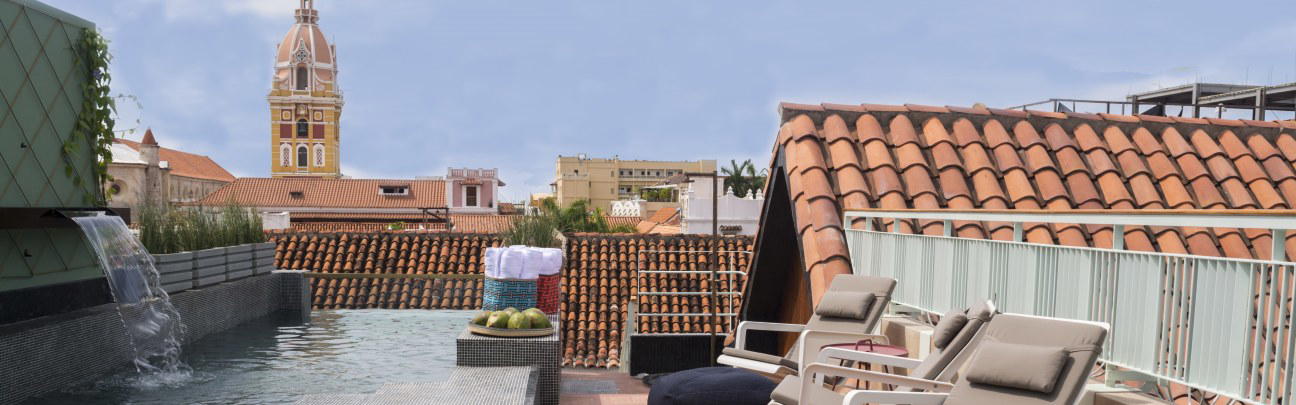
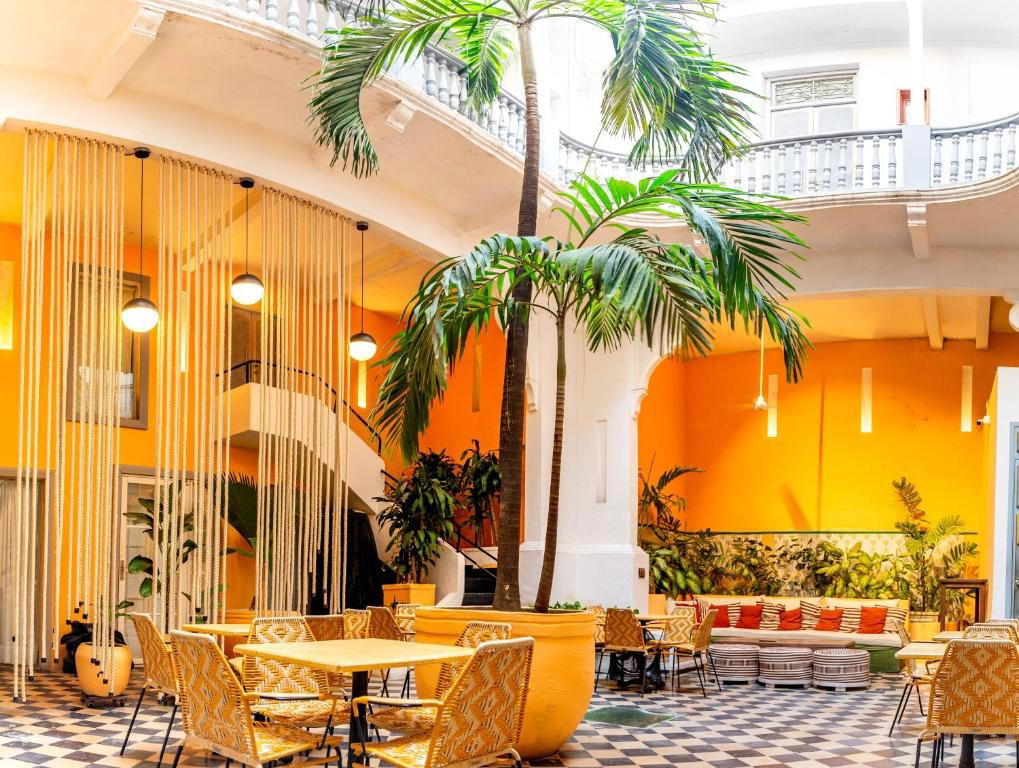
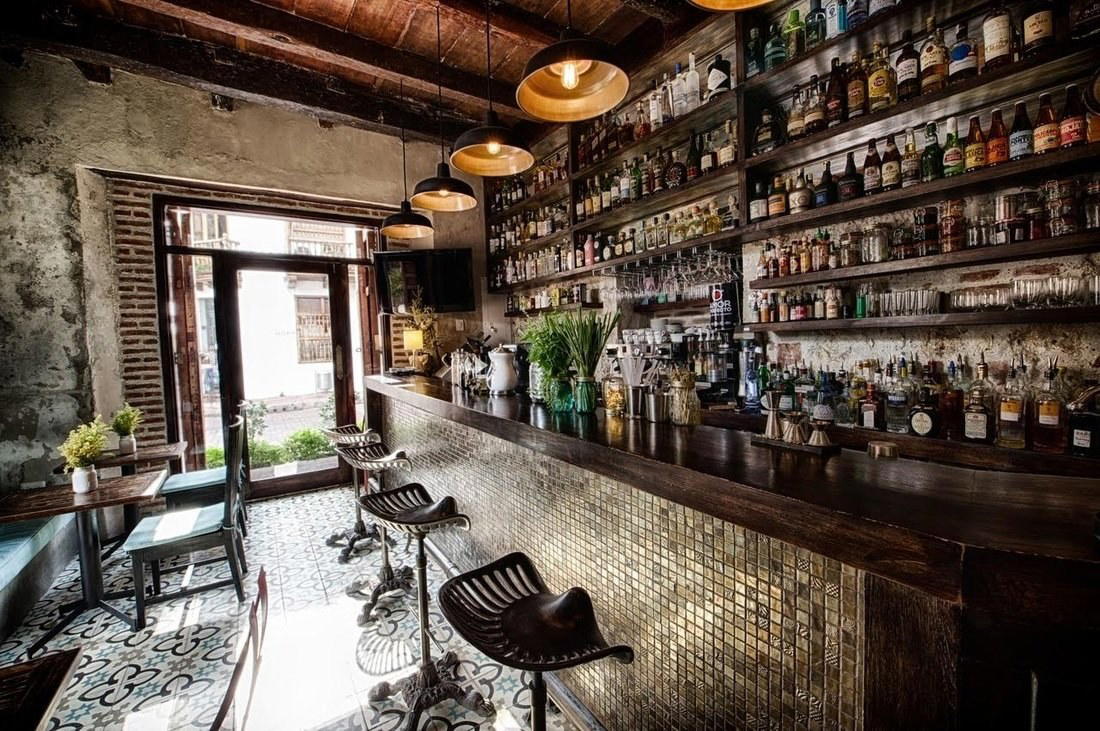
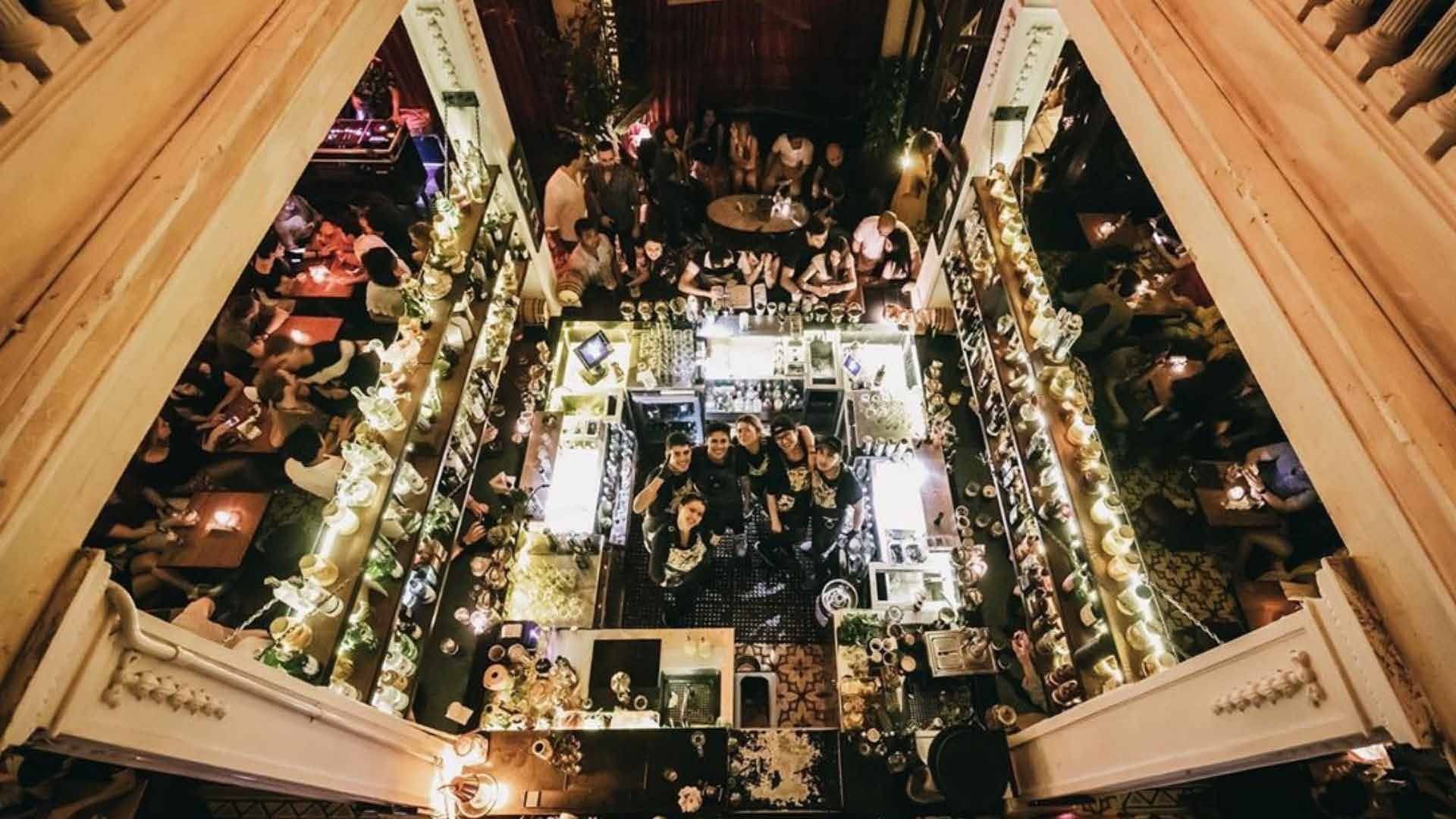
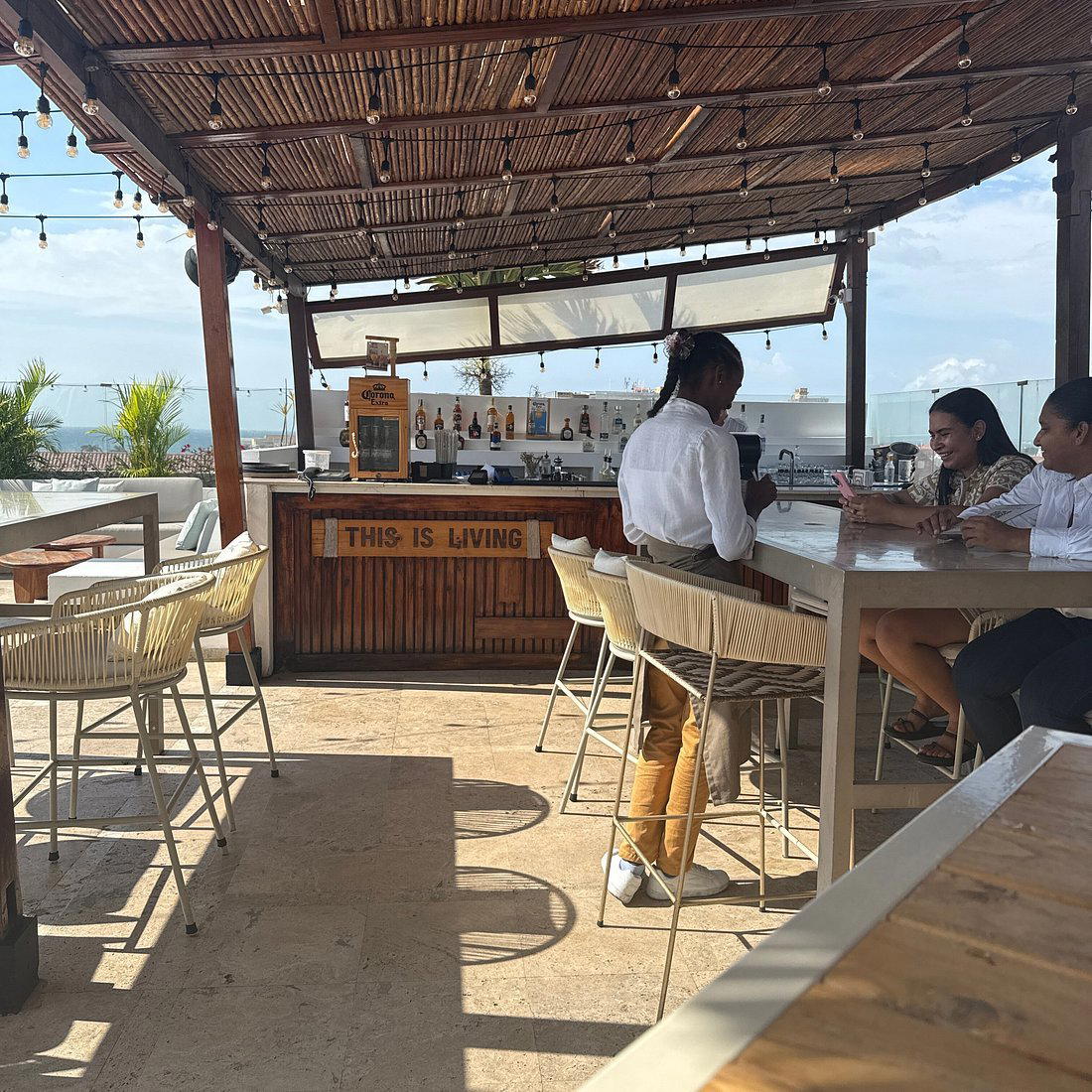
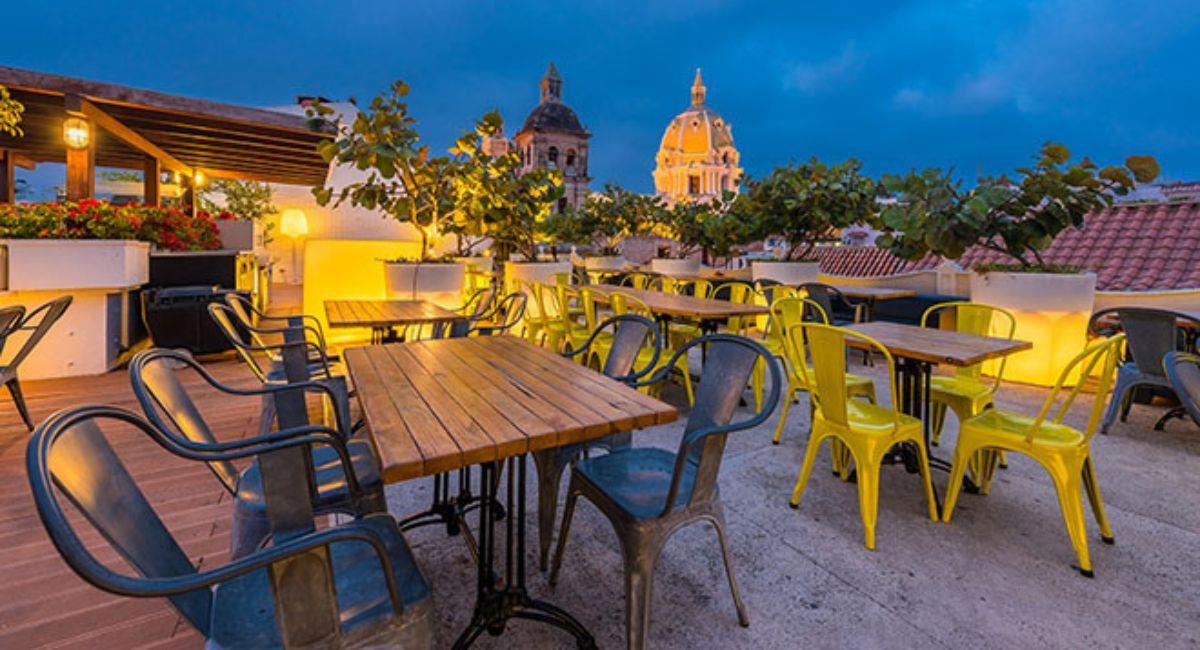
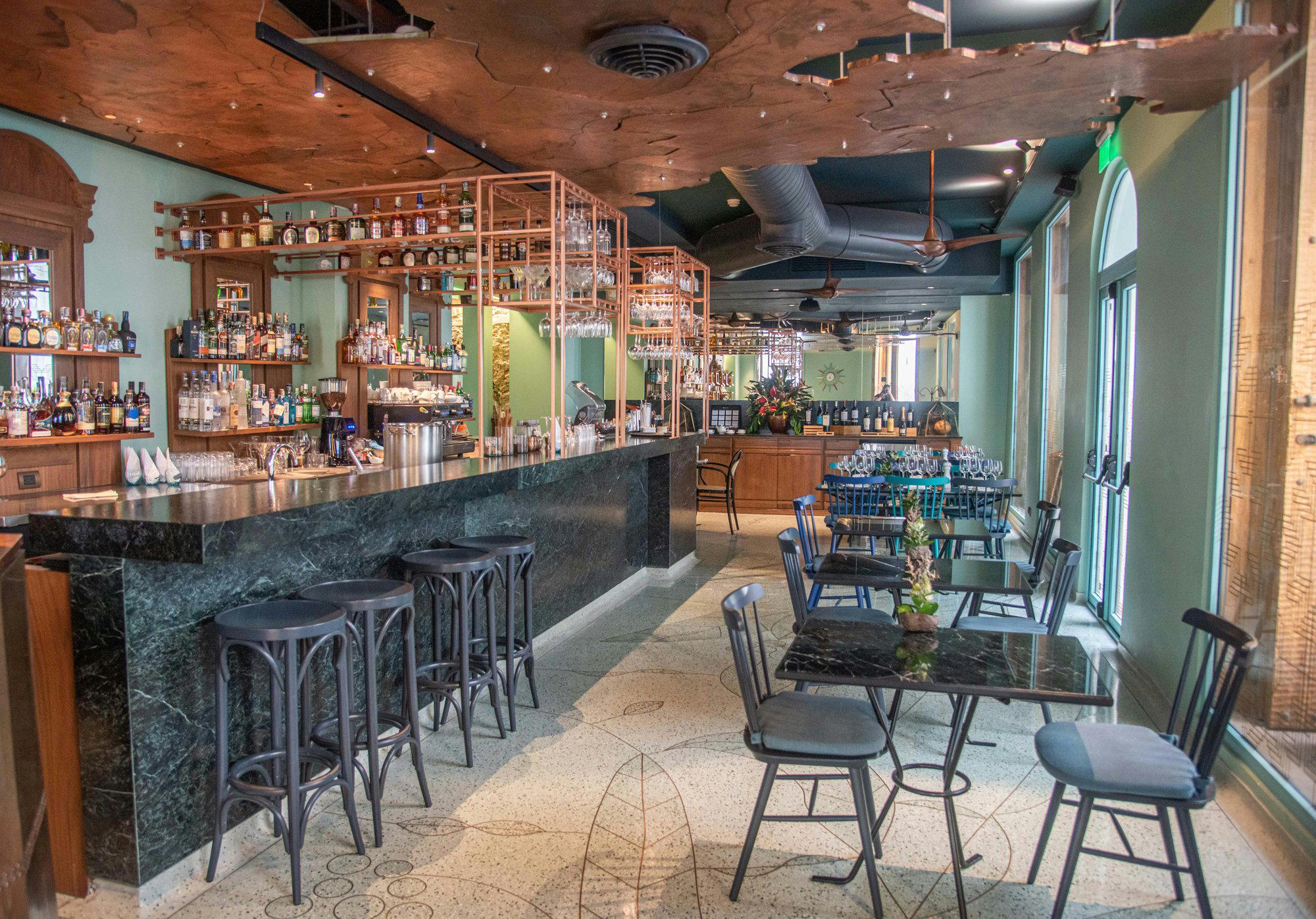
Bright, airy spaces with warm lighting and pops of color; the rooftop terrace offers a low-key social atmosphere with Caribbean views and natural light throughout guest rooms.