Manzoku
On Avenue Dix Septembre in Luxembourg City, Manzoku occupies a residential stretch that sits at a remove from the capital's busier dining corridors. The name itself, Japanese for 'satisfaction' or 'contentment', signals an orientation toward Eastern culinary tradition in a city where European fine dining has historically dominated. For visitors exploring Luxembourg's broader restaurant scene, Manzoku represents a distinct thread in an increasingly varied dining picture.
Pearl is the En Primeur Club membership app — saves, bookings, and concierge access live there. Same editors, same standards.
- Address
- 153 Avenue Dix Septembre, 2551 Lëtzebuerg
- Website
- manzoku.lu
 Saves & bookings on Pearl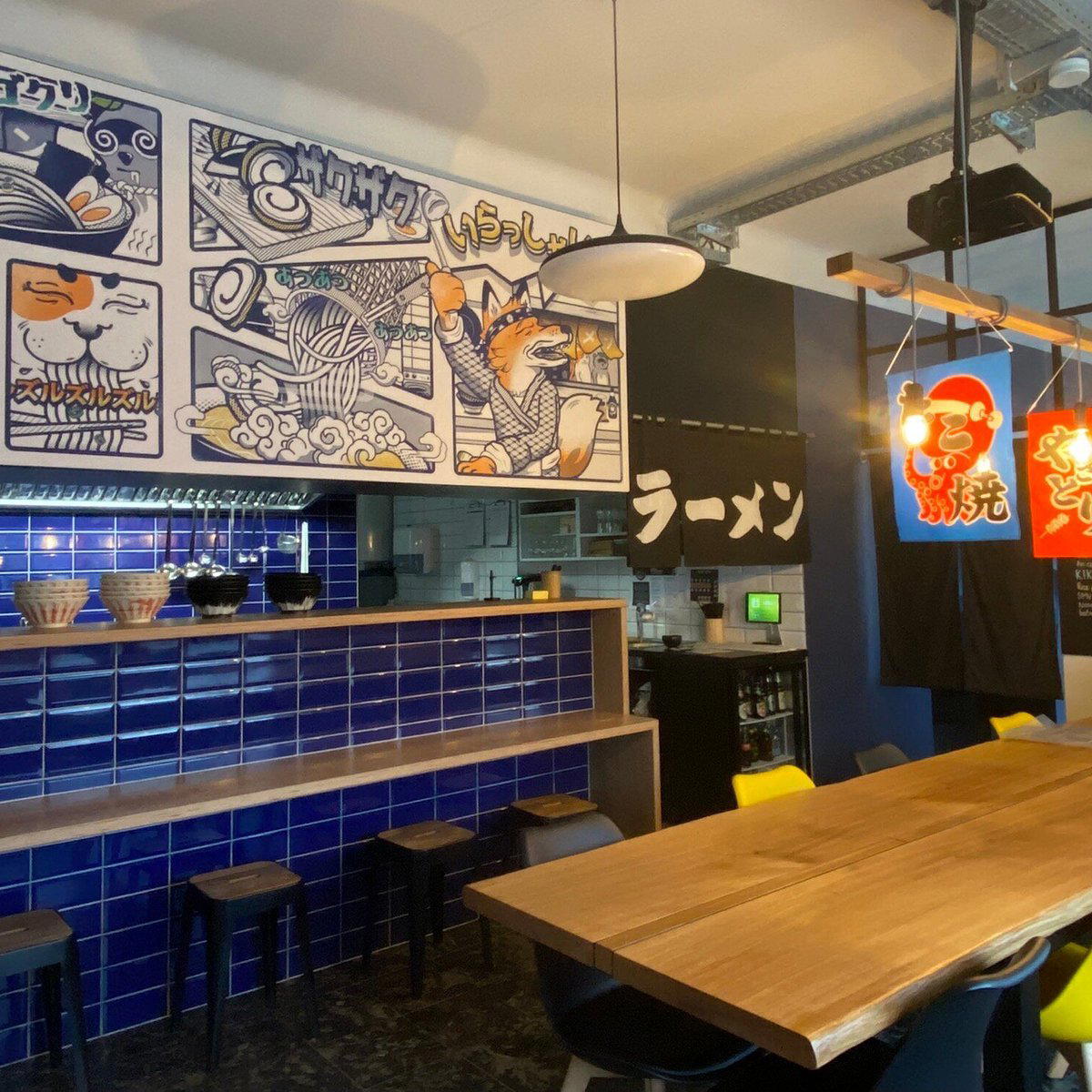
Manzoku in Luxembourg City: Avenue Dix Septembre and Authentic Japanese Ramen
Manzoku is an authentic Japanese ramen restaurant at 153 Avenue Dix Septembre in Luxembourg City. The Michelin-starred tier, represented by restaurants like Léa Linster in Luxembourg, sits squarely within that European fine-dining tradition, and the country's broader restaurant culture has followed suit. What makes the current moment interesting is the gradual emergence of a parallel track: Asian and Asian-influenced restaurants carving out serious positions in a market where that category was, until recently, largely entry-level or mid-market. Manzoku, at 153 Avenue Dix Septembre in the 2551 postal district, is part of that shift.
The address itself is instructive. Avenue Dix Septembre runs through a quieter, predominantly residential part of the capital, away from the Place d'Armes cluster that draws most of the city's culinary tourism. Restaurants that choose this kind of location typically do so with a local clientele in mind, regulars who return by habit rather than visitors navigating a highlights reel. That geography tends to produce a different kind of dining atmosphere: less performative, more settled.
What the Name Carries
Japanese has several words that approximate contentment or fulfilment, and 'manzoku' (満足) lands closer to satisfaction in the sense of a need properly met, not ecstatic pleasure but the specific quietness of having eaten well and completely. It is a word with domestic weight, the kind used at the end of a family meal. For a restaurant to adopt it as a name is to make a particular kind of promise: not spectacle, but sufficiency. That framing matters when reading the venue against Luxembourg's broader Asian dining segment, where the range runs from quick-service formats to more considered, mid-to-upper tier experiences.
Luxembourg's Asian restaurant scene has historically clustered around Chinese and Southeast Asian formats, with Japanese cuisine arriving later and more unevenly. The city now supports a spectrum from casual ramen bars to more composed Japanese and pan-Asian dining. Within that spectrum, venues like Bo Zai Fan and Restaurant Indigo represent different approaches to Asian cuisine in the capital, each occupying distinct format and price positions. Manzoku's Avenue Dix Septembre location places it in a neighbourhood register that typically signals a focused, regular-driven operation.
The Cultural Weight of Japanese Dining Outside Japan
Japanese cuisine travels with particular freight. Of all the world's major culinary traditions, it is among the more codified: preparation methods, ingredient hierarchies, and service rhythms carry specific cultural meanings that translate imperfectly when context changes. Outside Japan, the question facing any Japanese-oriented restaurant is where on the adaptation spectrum it sits, whether it prioritises authenticity of method, accessibility of format, or some negotiated middle ground shaped by local ingredient availability and diner expectations.
In smaller European capitals like Luxembourg, the calculus is different from Paris or London. The sourcing infrastructure is thinner, the diner base for highly technical Japanese formats is narrower, and the competitive set is less defined. That can work as a constraint or as a freedom, depending on how a restaurant reads it. Particularly coherent Japanese-influenced operations in cities of Luxembourg's scale tend to pick a lane, a specific regional tradition, a single protein focus, a format like izakaya or omakase, rather than attempting the full range. Whether Manzoku has made that kind of focused structural choice is something a visit will confirm more reliably than any secondary source.
For comparison, the Asian dining tradition has produced particularly analytically demanding restaurants globally. Atomix in New York City, for instance, demonstrates how Korean cuisine can hold its own at the highest tiers of fine dining when cultural specificity is treated as an asset rather than a barrier. That example is relevant not because Manzoku occupies the same tier, but because it illustrates a broader principle: the strongest Asian restaurants in Western markets tend to be those where cultural rootedness is the point, not a concession.
Luxembourg's Wider Dining Picture
Understanding where Manzoku fits requires some sense of the range operating around it. Luxembourg's fine-dining cohort is compact but serious. Léa Linster represents the country's most decorated tradition in classical French technique. At the contemporary end, venues like Côté cour in Bourglinster and Beim Bertchen in Wahlhausen show how the country's dining ambitions extend well beyond the capital.
Outside the capital, the dining culture takes on different registers: Laotse in Moutfort, Le Bistrot Gourmand in Remerschen, Domaine La Forêt in Remich, Victoria vum Berdorfer Eck in Berdorf, and La table du curé in Lasauvage all reflect how Luxembourg's food culture operates at a regional scale that belies the country's small geography.
Planning a Visit
Manzoku is located at 153 Avenue Dix Septembre, 2551 Luxembourg City, a direct address to reach by public transport or on foot from the city's western residential districts. Manzoku is walk-in friendly and priced at about $20 per person, so visits can stay direct.
Price and Positioning
Comparable venues nearby, for context on price, style, and recognition.
| Venue | Cuisine | Price | Notes |
|---|---|---|---|
| ManzokuThis venue — the venue you are viewing | Merl, Authentic Japanese Ramen | $$ | Not listed |
| Bo Zai Fan | Not listed | $$ | Limpertsberg, Hong Kong-Style Clay Pot Rice |
| Restaurant Indigo | Luxembourg City, Modern International | $$ | Not listed |
| Trattoria V'diterraneo | Elvange, Neapolitan Trattoria & Pizzeria | $$ | Not listed |
| La Table de l'Epicerie | Not listed | $$ | Mondercange, Creative French-Local Fusion |
| Fuku | Vianden center, Modern Asian Fusion | $$ | Not listed |
Continue exploring
More in Letzebuerg
Restaurants in Letzebuerg
Browse all →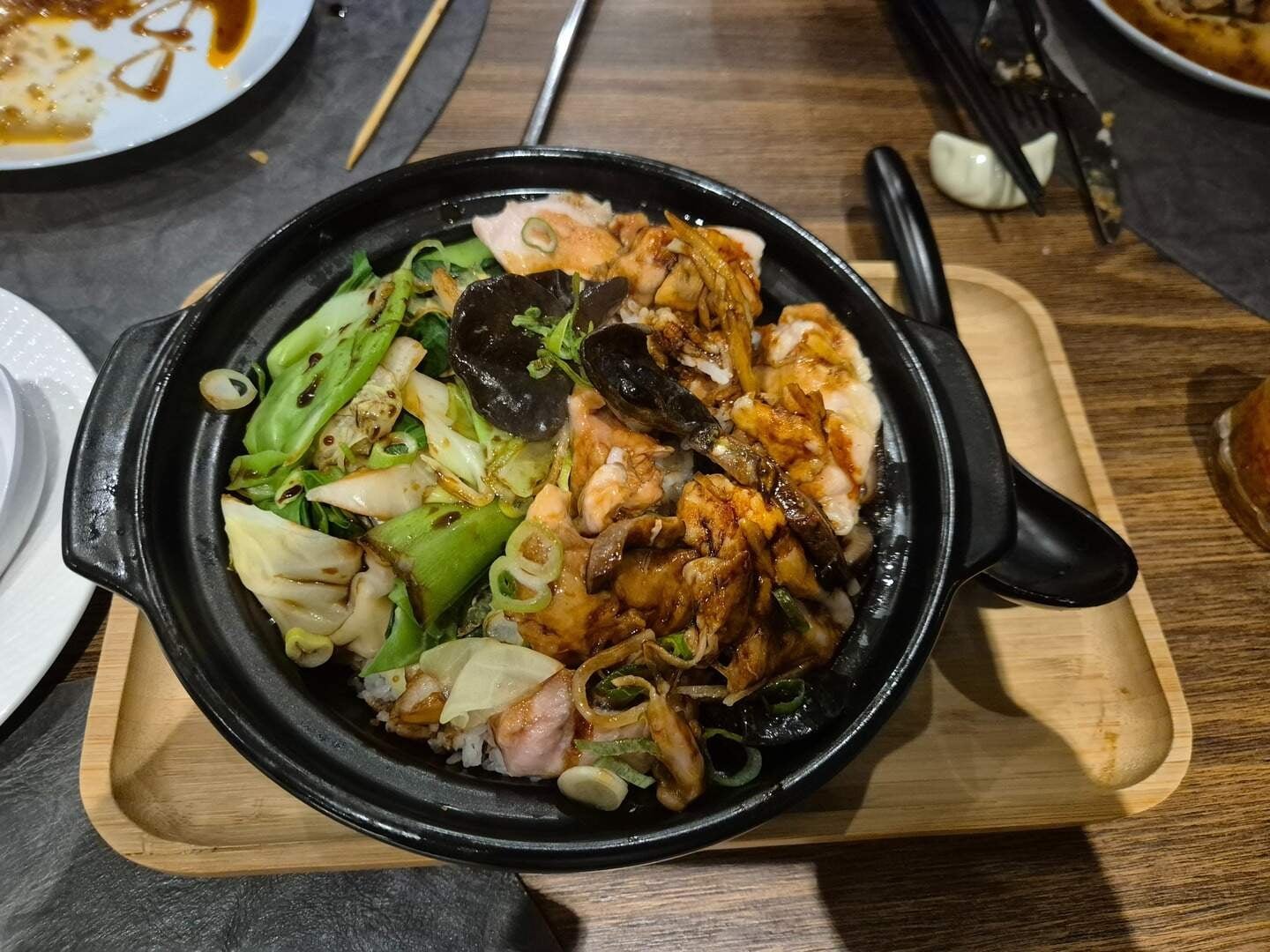
At a Glance
- Casual
- Modern
- Casual Hangout
- Solo
- Standalone
- Beer Program
- Local Sourcing
Casual ramen-bar setting centered on a Japan-like comfort-food experience.