

On Carrer de París in L'Eixample, Mantis occupies a quieter register than Barcelona's headline creative restaurants, positioning itself closer to the neighbourhood dining tradition than the spectacle tier. The address places it within walking distance of the Eixample's tightest concentration of serious kitchens, making it a practical anchor for a multi-day itinerary built around the city's current dining scene.
Pearl is the En Primeur Club membership app — saves, bookings, and concierge access live there. Same editors, same standards.
- Address
- Carrer de París, 145, L'Eixample, 08036 Barcelona, Spain
- Phone
- +34690271057
- Website
- restaurantemantis.com
- Directions
- Get directions
 Saves & bookings on Pearl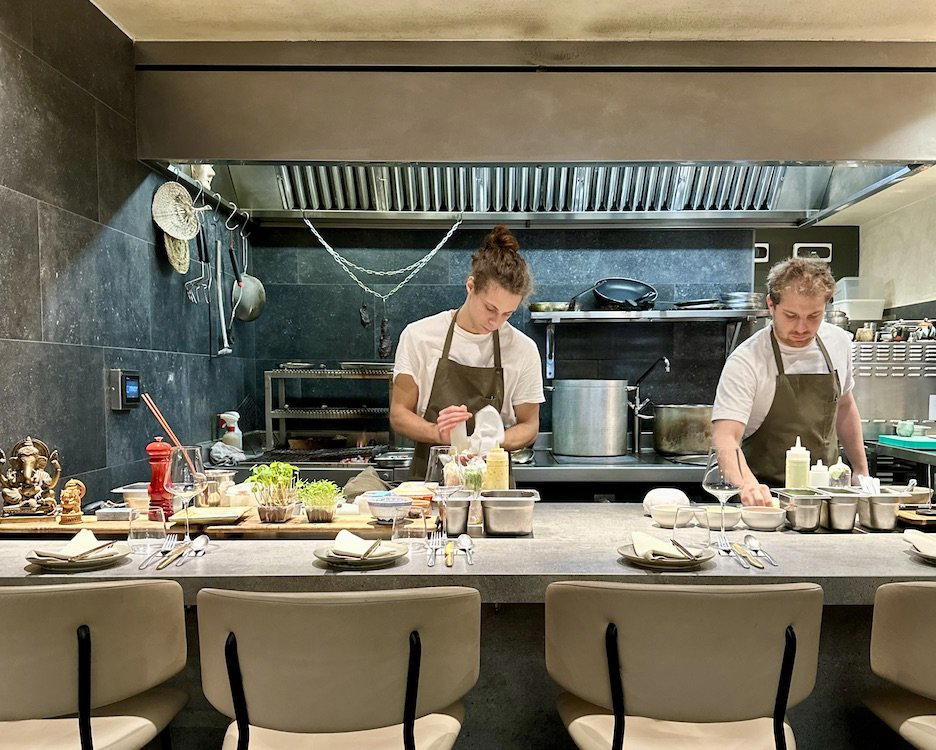
The Street, the Block, and What That Address Signals
Carrer de París runs through the upper Eixample grid at an angle that cuts across the neighbourhood's characteristic octagonal blocks, and the stretch around number 145 sits in a part of L'Eixample that has quietly accumulated serious dining addresses over the past decade. This is not the tourist-facing Passeig de Gràcia corridor, nor the self-consciously cool Gràcia boundary; it is the working middle of a residential neighbourhood that happens to contain some of Barcelona's most thoughtful kitchens. When a restaurant opens here rather than in the Born or on a prestige boulevard, it is usually making a deliberate statement about what kind of diner it is trying to attract. The neighbourhood does not deliver foot traffic, it delivers intent.
Barcelona's dining map has fractured into increasingly legible tiers over the past several years. At the leading, a cluster of multi-Michelin operations, Disfrutar, Lasarte, ABaC, Cocina Hermanos Torres, and Enigma, set the terms for what progressive Spanish cooking looks like at its most formally ambitious. Below that tier, but distinct from the casual neighbourhood trattoria, sits a band of restaurants that take their kitchens seriously without structuring the entire evening around a theatrical tasting format. Mantis, on the evidence of its address and position in the city, operates somewhere in that middle zone.
Where the Wine List Sits in Barcelona's Cellar Conversation
Barcelona has never been a wine city in the way that Madrid draws on Rioja and Ribera del Duero with almost reflexive confidence, nor in the way that San Sebastián aligns with Txakoli as a near-civic identity marker. The Catalan capital's wine culture is more eclectic: proximity to Penedès, Priorat, and Montsant gives local sommeliers a natural regional anchor, but the city's internationalism and its history of absorbing influences from across Spain and beyond means that ambitious wine programs here tend to be broader in scope than almost anywhere else in the country.
Particularly serious Barcelona cellars, those at restaurants like Enigma and ABaC, treat the list as a parallel editorial to the kitchen's creative output, with depth in natural producers from Catalonia alongside classical French and Spanish benchmarks. A wine program that takes its geography seriously will feature Clos Mogador or Cims de Porrera from Priorat, Gramona or Recaredo from Penedès, and at least a working knowledge of the smaller Conca de Barberà and Terra Alta appellations that are producing increasingly precise whites. The question for any serious Barcelona restaurant is not whether to include Catalan producers, but how deeply and how honestly it engages with them alongside the European classical canon.
For a restaurant on Carrer de París, the wine program is likely one telling signal of its ambition. A list that reads like a distributor's catalogue, reliable names, safe vintages, nothing that requires explanation, tells you the kitchen may not need the sommelier as a collaborator. A list built around producers with a point of view, or one that sequences regional appellations with the same care a kitchen applies to a tasting menu, tells you something quite different. The leading frame is the neighbourhood expectation: an Eixample address at this level carries an implicit obligation to take the glass as seriously as the plate.
The Broader Spanish Context: What Barcelona Competes Against
Any honest assessment of a Barcelona restaurant has to reckon with what Spain has built outside the city. El Celler de Can Roca in Girona is close enough to count as the city's extended creative hinterland. Mugaritz in Errenteria and Arzak in San Sebastián define what Basque creative cooking has meant for the past two decades. Further south, Aponiente in El Puerto de Santa María and Quique Dacosta in Dénia are reshaping what Mediterranean product-led cooking can look like at its most technical. Martin Berasategui in Lasarte-Oria and Azurmendi in Larrabetzu anchor the northern tier. DiverXO in Madrid occupies its own category entirely. And in the west, Atrio in Cáceres has built the extraordinary private wine cellar in Iberia, with a list that has become a destination in itself.
This national context raises the floor for any Barcelona restaurant that presents itself seriously. The city's dining scene benefits from being part of a country that, since the early 2000s, has positioned gastronomy as a form of cultural production. The competition is not just local; it is the entire creative Spanish kitchen tradition. For a restaurant on Carrer de París, that means every element of the experience is implicitly measured against demanding national and international references like Le Bernardin in New York City or Atomix in New York City in terms of what a focused, technically rigorous tasting format can look like. Ricard Camarena in València adds another data point: product fidelity and restraint, rather than technical complexity for its own sake, as a valid creative position. Mantis sits inside this conversation whether or not it is actively seeking to.
Planning a Visit
The Quick Read
Comparable venues nearby, for context on price, style, and recognition.
| Venue | Cuisine | Price | Notes |
|---|---|---|---|
| MantisThis venue — the venue you are viewing | Not listed | $$$$ | Not listed |
| CDLC Barcelona | Not listed | $$$$ | la Barceloneta, Asian-Mediterranean Fusion |
| Casa Xica | el Poble Sec, Catalan-Asian Fusion | $$$ | Not listed |
| Estimar - Rafa Zafra | Not listed | $$$$ | El Born, High-end Mediterranean seafood by Rafa Zafra |
| Carnal Steakhouse | Not listed | $$$$ | l'Antiga Esquerra de l'Eixample, Modern Wood-Fired Steakhouse with Latin & Japanese Influences |
| Pakta | Not listed | $$$$ | Poble Sec, Nikkei (Peruvian-Japanese Fusion) |
Recognition history
Dated appearances from independent guides and award organizations, with the underlying list record or original source where available.
Macarfi 7.4 Food Rating
Macarfi
Opinionated About Dining Casual in Europe Recommended
Opinionated About Dining
Opinionated About Dining Newly Added European Restaurants
Opinionated About Dining
Continue exploring
More in Barcelona
Restaurants in Barcelona
Browse all →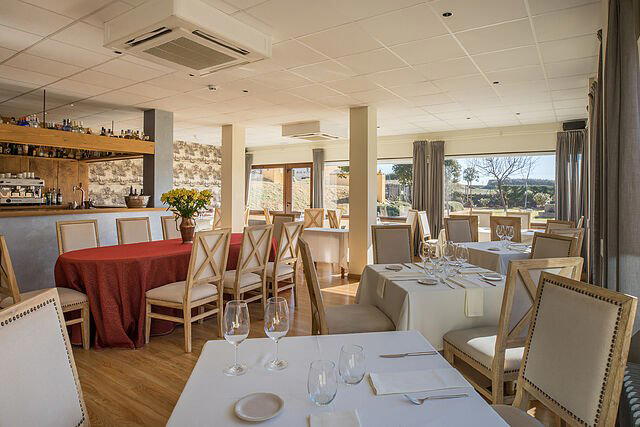
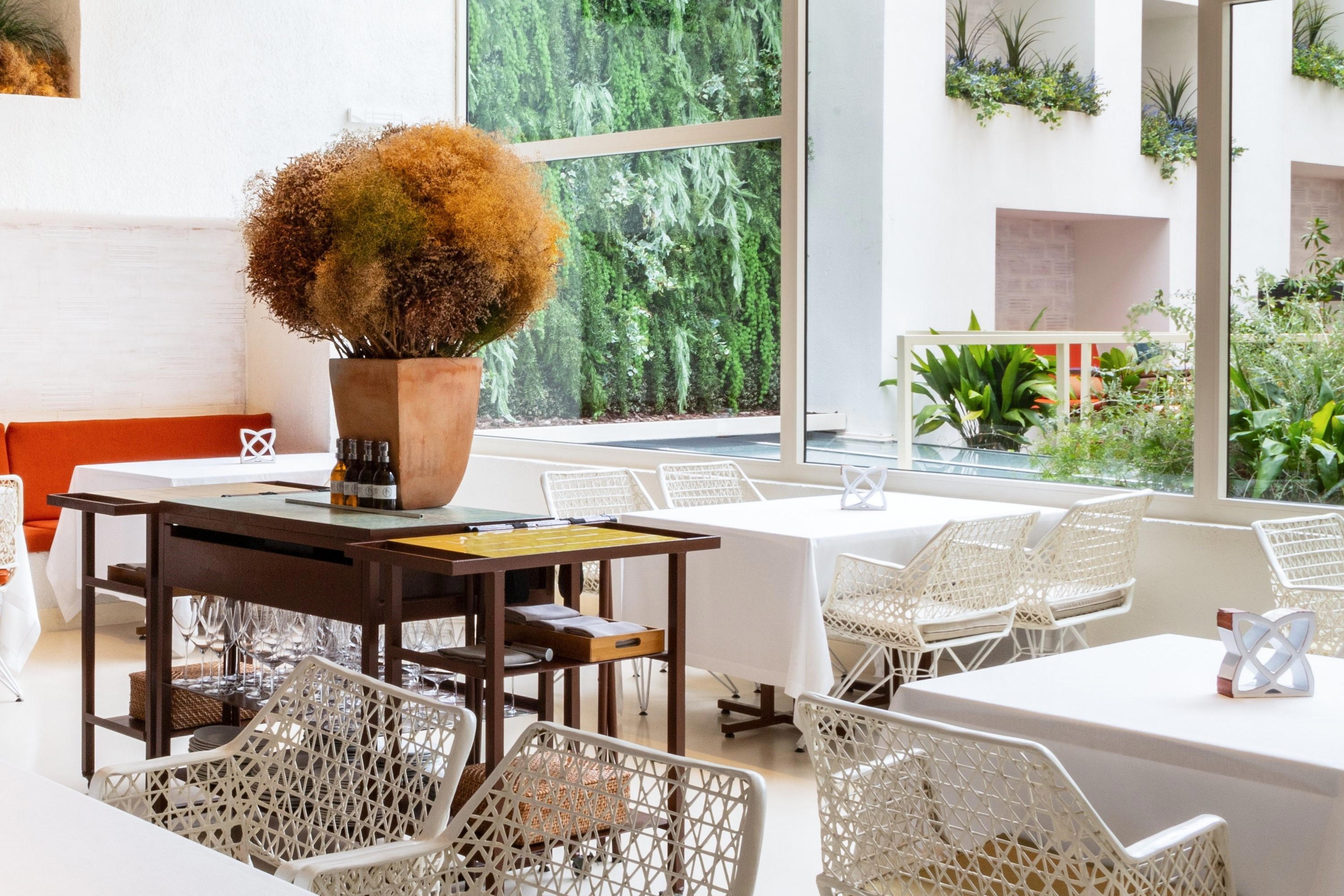
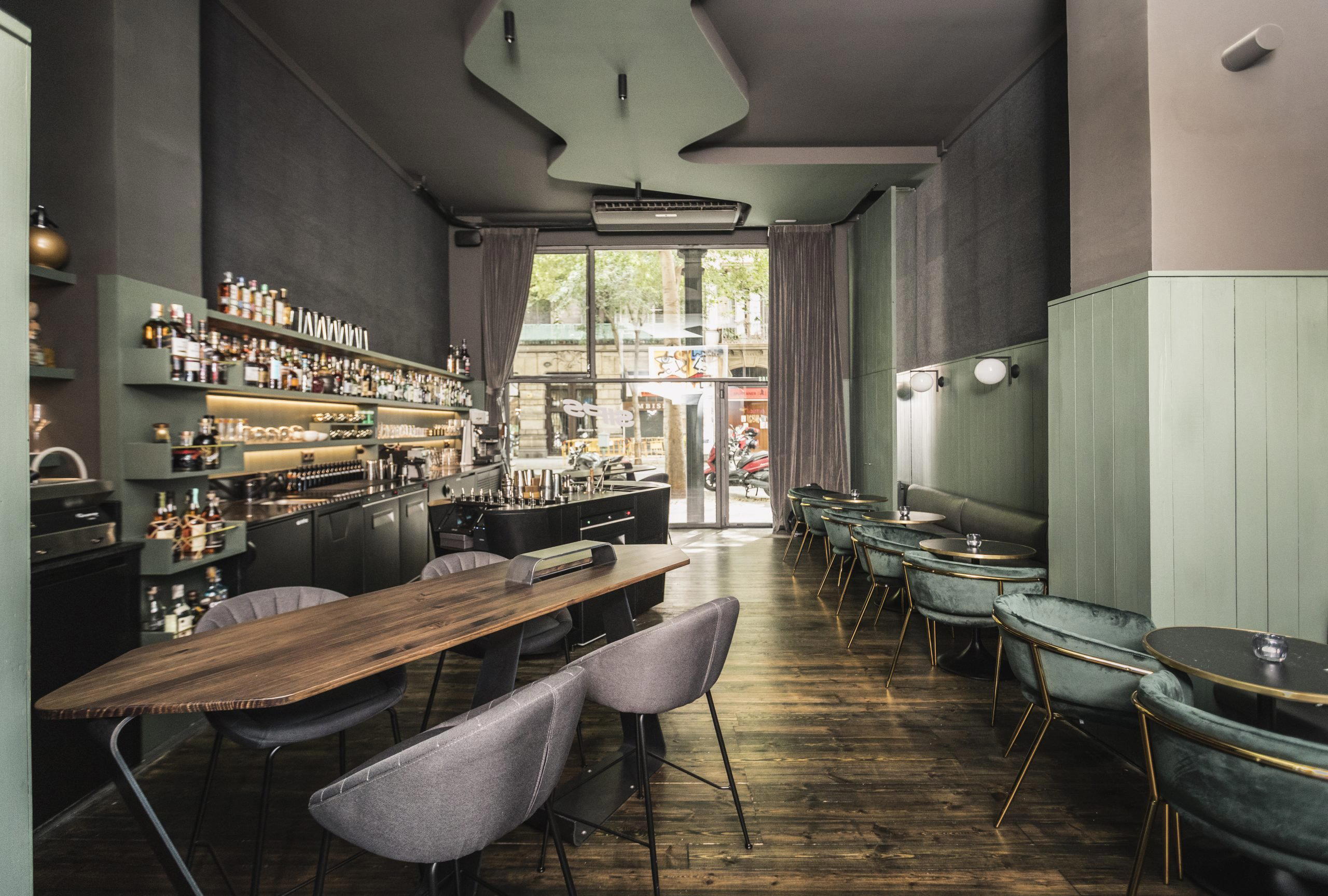
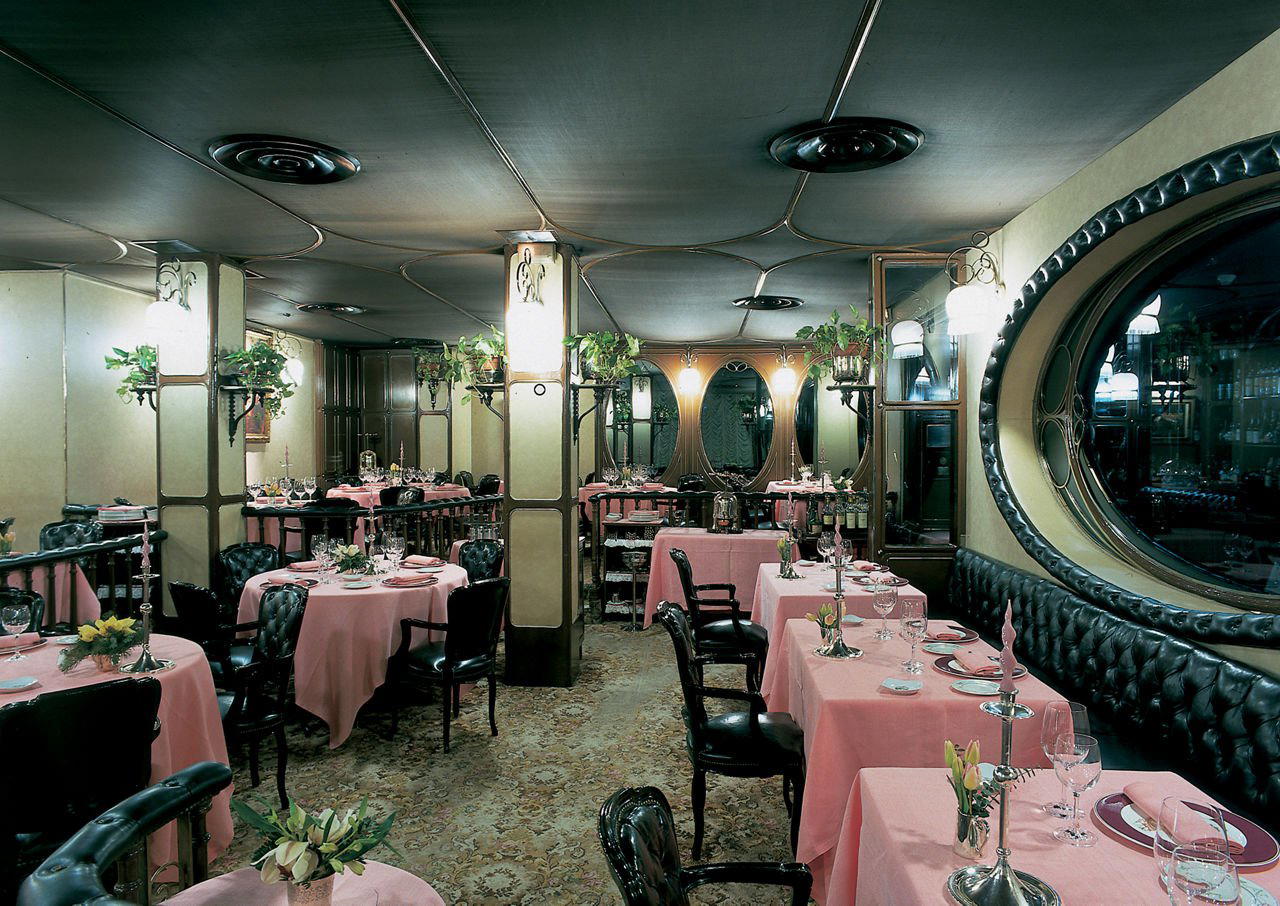
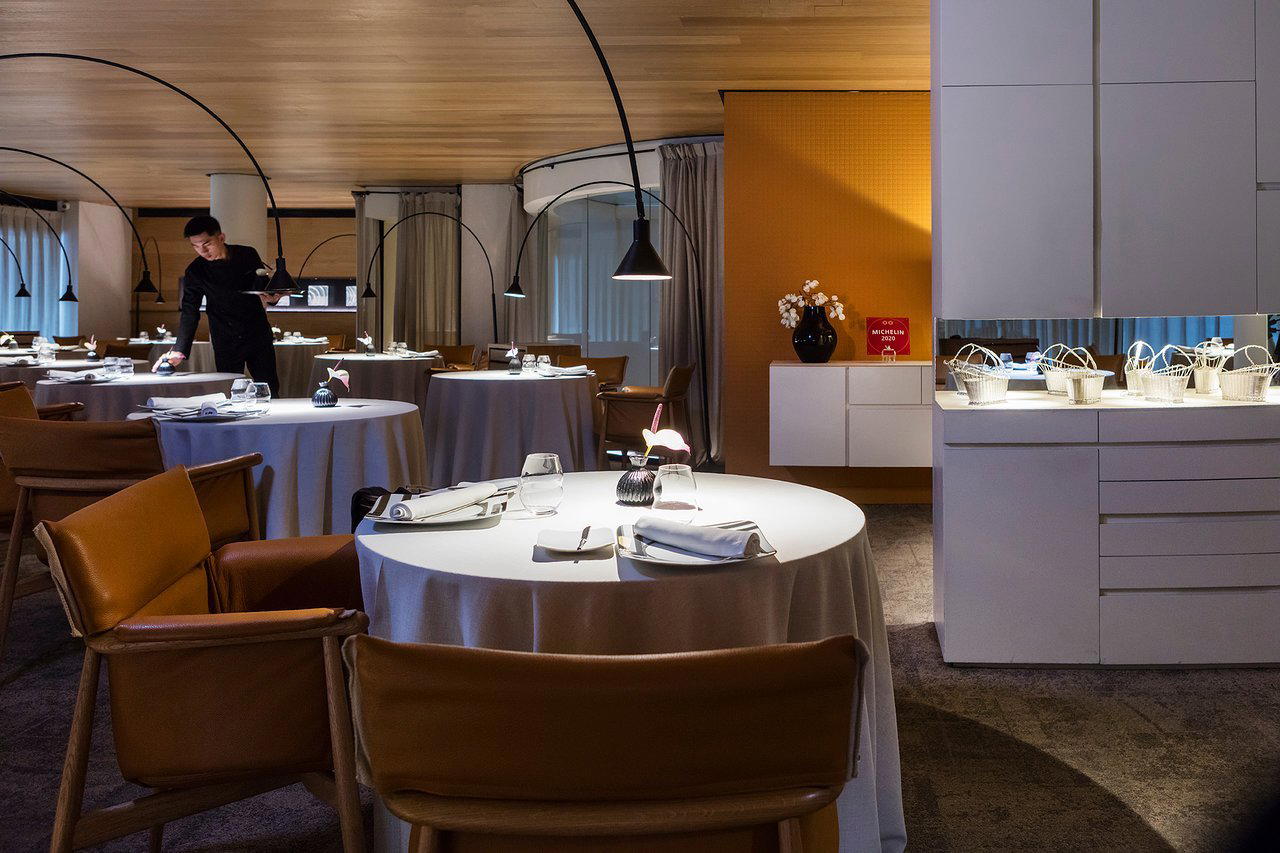
Bars in Barcelona
Browse all →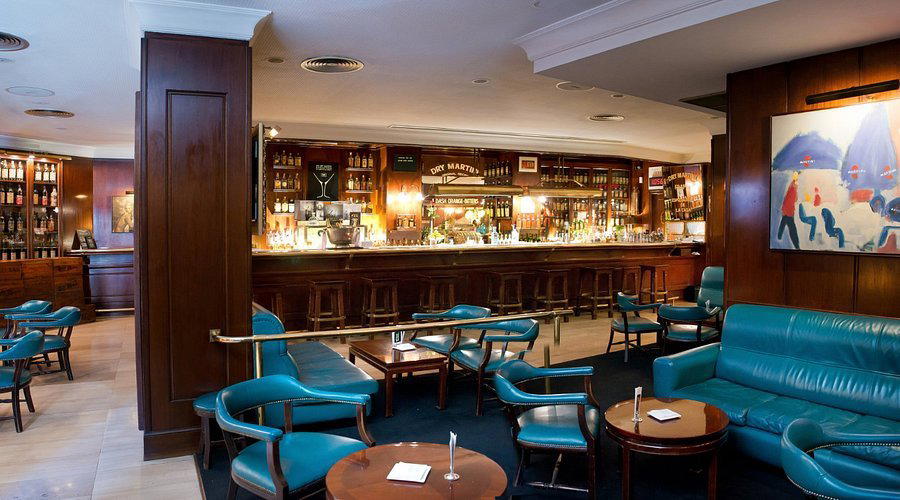
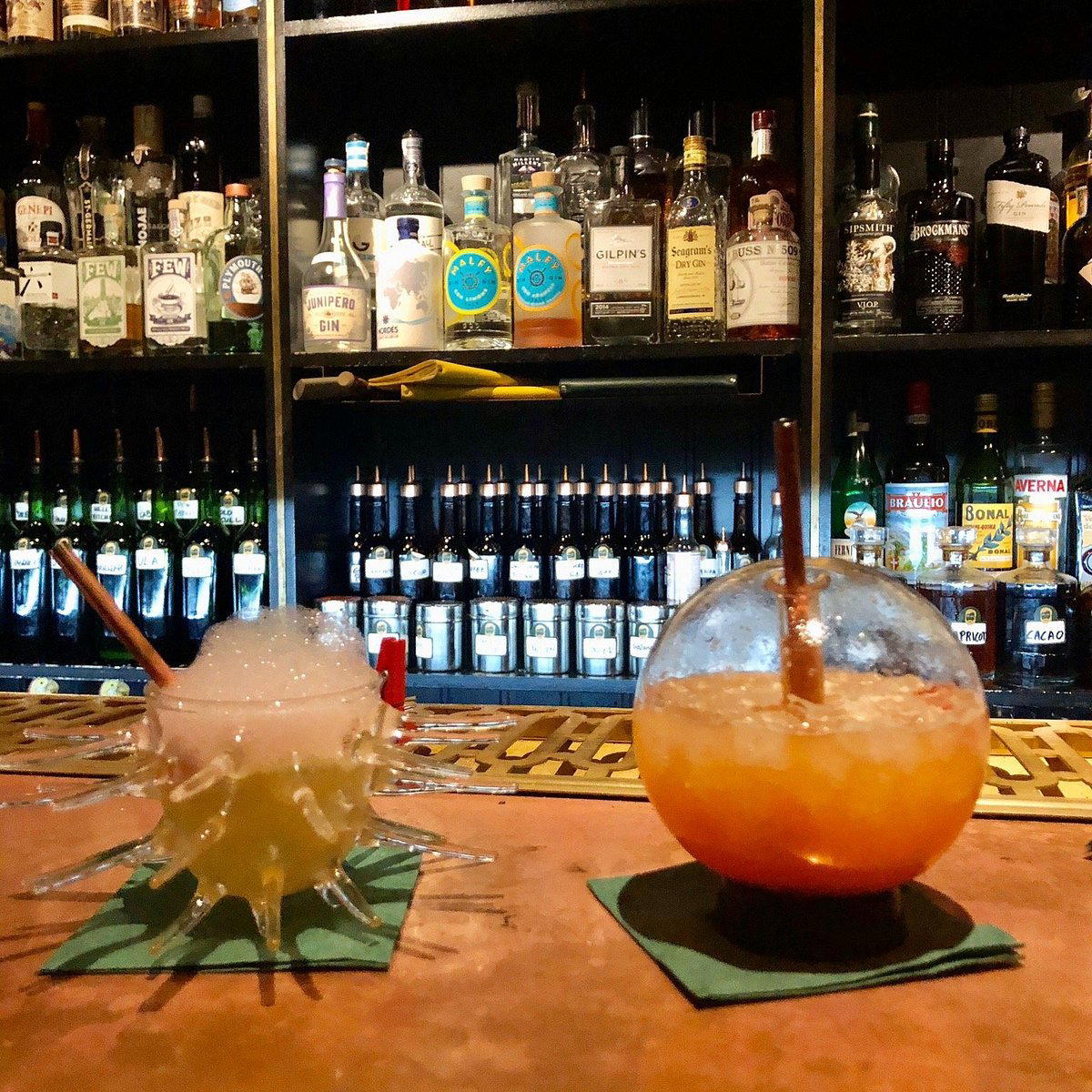
Hotels in Barcelona
Browse all →

At a Glance
- Trendy
- Modern
- Intimate
- Minimalist
- Date Night
- Group Dining
- Special Occasion
- Open Kitchen
- Extensive Wine List
Current opening hours
- Monday
- Closed
- Tuesday
- 1:30–4 PM, 8 PM–12 AM
- Wednesday
- 1:30–4 PM, 8 PM–12 AM
- Thursday
- 1:30–4 PM, 8 PM–12 AM
- Friday
- 1:30–4 PM, 8 PM–12 AM
- Saturday
- 1:30–3:30 PM, 8 PM–12 AM
- Sunday
- Closed
Hours can change for holidays and private events. Last verified .
Minimalist industrial aesthetic with warm lighting, soft background music, and an intimate, welcoming atmosphere centered around visible kitchen bars.