MANTI love brings Central Asian dumpling tradition to the heart of Hanover's pedestrian promenade, offering a focused, ingredient-led format that sits at a different register from the city's French-leaning fine dining tier. Where Hanover's creative restaurants favour multi-course tasting menus, this address builds its case around a single, historically grounded dish category executed with precision. A compact, approachable entry point into the city's broader dining circuit.
Pearl is the En Primeur Club membership app — saves, bookings, and concierge access live there. Same editors, same standards.
- Address
- Niki-de-Saint-Phalle-Promenade 21, 30159 Hannover, Germany
- Website
- mantilove.de
- Directions
- Get directions
 Saves & bookings on Pearl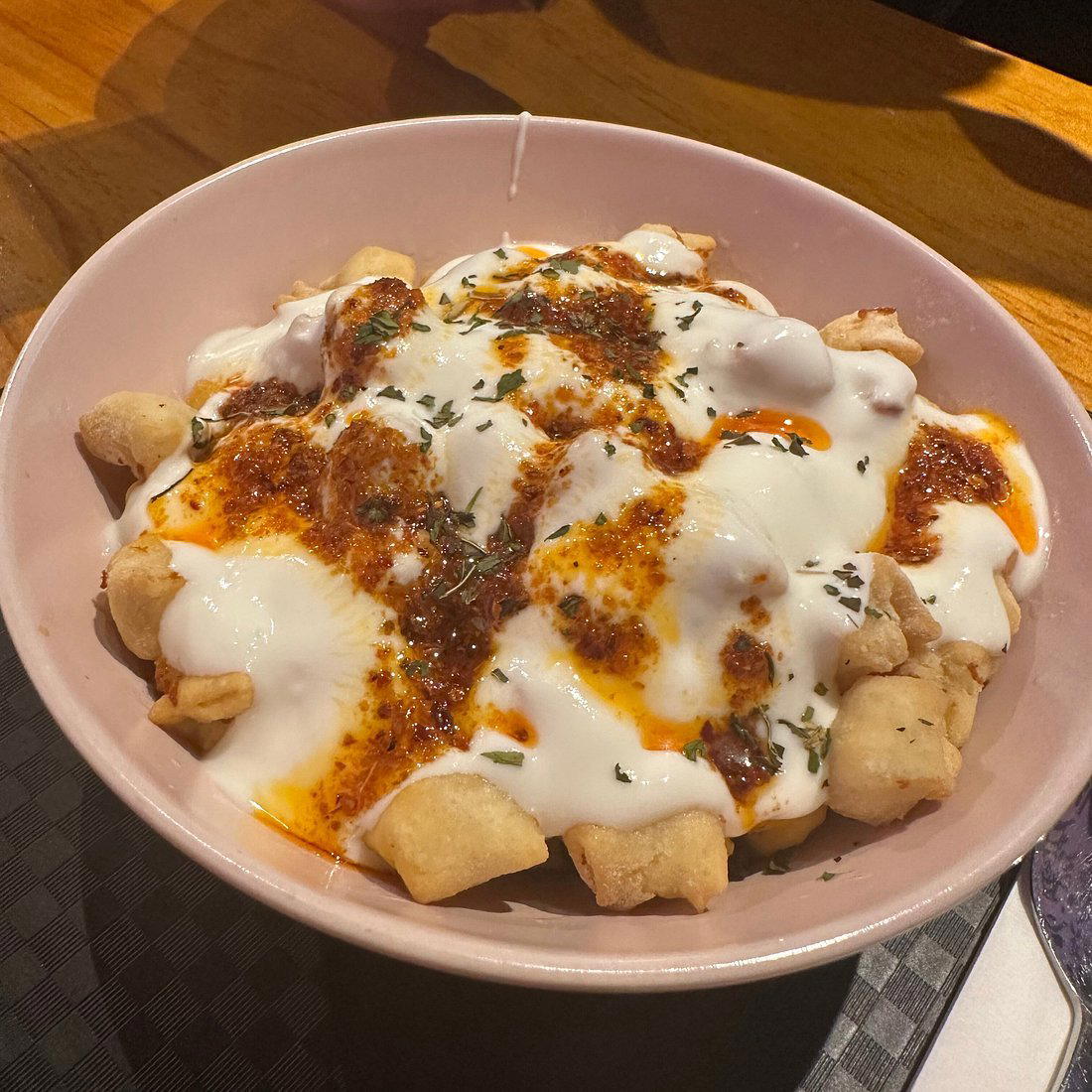
A Single Dish, Taken Seriously
Hanover's restaurant circuit has, over the past decade, organised itself around two poles: the tasting-menu format favoured by addresses like Jante (Creative) and Votum (Creative) at the upper price tier, and a broader mid-market of European bistro cooking represented by spots like Marie (French) and Handwerk (Modern Cuisine). MANTI love occupies neither of those positions. Situated on Niki-de-Saint-Phalle-Promenade, the main covered pedestrian axis through the city centre, it draws its identity from a different culinary lineage altogether: the manti, a filled dumpling form with roots stretching from Central Asia through Turkey and into the Caucasus. In a city where the dining conversation rarely ventures beyond European frameworks, that specificity is a genuine point of difference.
The Niki-de-Saint-Phalle-Promenade itself sets a particular context. It is a busy, glass-roofed passage connecting Hanover's central shopping district, frequented by a cross-section of the city rather than any single demographic. A restaurant on this strip does not trade on neighbourhood mystique the way a room tucked into the Südstadt might. It trades on visibility, accessibility, and the confidence to hold an editorial position in an environment that rewards broad appeal. MANTI love's proposition, built around a single dish category rather than a broad menu, runs counter to the logic of its location, and that tension is part of what makes it worth attention.
The Dumpling as a Narrative Arc
Manti, as a dish form, resists reduction to a single national identity. Turkish manti are typically small and tightly pinched, served under yogurt and a butter sauce spiked with dried chilli and dried mint. Central Asian versions, particularly those from Uzbekistan and Kazakhstan, tend toward larger, pleated parcels, often steamed rather than boiled, filled with lamb or beef seasoned with cumin and onion. Armenian manti take a different route still, baked until the dough crisps at the edges, the filling exposed. Each version encodes a distinct set of culinary priorities: the Turkish in its ratio of dumpling to sauce, the Central Asian in its size and the primacy of meat, the Armenian in its textural contrast between crisp and soft.
This is the kind of dish category where a restaurant's editorial stance becomes visible through sequencing and proportion rather than through headline ingredient choices. A meal built around manti has a natural arc: lighter preparations or accompaniments first, then the main dumpling forms, then the sauces and garnishes that reframe the base. Formats like this, where a single ingredient or technique anchors the entire experience, are more common in specialist dumpling houses in cities like Istanbul or Almaty than in German restaurant culture. Germany's closest parallel is probably the dumpling-focused restaurants of the Chinese-German dining scene, where a similar discipline around a single dough-and-filling form organises the menu. For comparison on what rigorous single-format discipline looks like at the other end of the price scale, CODA Dessert Dining in Berlin applies the same logic to the dessert course, building an entire tasting format around a category most kitchens treat as an afterthought.
Where MANTI love Sits in Hanover's Dining Order
Hanover does not have the density of specialist ethnic restaurants that Hamburg or Berlin sustain. Restaurant Haerlin in Hamburg anchors a city where fine dining and global cuisine coexist across dozens of neighbourhoods; Hanover's dining identity is more compact and more conservative. Within that context, a restaurant organised around a Central Asian dish form has less competition to contend with but also a smaller base of habituated customers who already understand what they are ordering. The address at Niki-de-Saint-Phalle-Promenade 21 is well-placed to catch foot traffic from visitors and locals who may be encountering the dish for the first time, and the format rewards that: manti is intuitive enough as a food experience (dumplings, filling, sauce) that it does not require lengthy explanation, even as it rewards closer reading for those already familiar with the tradition.
For context on what Hanover's broader fine dining tier looks like, the city has produced serious cooking at addresses like Albertz. alongside the tasting-menu formats already mentioned. At the other end of Germany's restaurant ambition, places like Aqua in Wolfsburg, Schwarzwaldstube in Baiersbronn, and Vendôme in Bergisch Gladbach represent the apex of the country's classical fine dining tradition. The restaurant does not compete in that register, and does not need to. It occupies a different niche: the specialist, ingredient-focused format that builds credibility through depth in a narrow category rather than breadth across a classical European repertoire. Similar logic governs addresses like ES:SENZ in Grassau and JAN in Munich, though both operate in the tasting-menu fine dining tier rather than the accessible mid-market.
For those building a broader picture of what focused, high-intention formats look like internationally, Atomix in New York City applies a similar discipline to Korean tasting cuisine, and Le Bernardin in New York City has long demonstrated what a single-category focus (seafood, in that case) can sustain at the highest level. Waldhotel Sonnora in Dreis and Victor's Fine Dining by christian bau in Perl round out the German fine dining reference points for readers mapping the country's restaurant geography. Schanz in Piesport adds further depth to that picture at the regional level.
Planning a Visit
The restaurant sits at Niki-de-Saint-Phalle-Promenade 21, 30159 Hannover, in the city's central pedestrian zone, reachable on foot from Hanover Hauptbahnhof in under ten minutes. The location on a busy covered promenade means it is easy to find and does not require advance navigation. The restaurant is open Monday through Saturday from 11 AM to 9 PM and is closed on Sunday. It is walk-in friendly.
Compact Comparison
Comparable venues nearby, for context on price, style, and recognition.
| Venue | Cuisine | Price | Notes |
|---|---|---|---|
| MANTI loveThis venue — the venue you are viewing | Not listed | $$ | Not listed |
| Aspera | Mitte, Authentic Turkish-Mediterranean | $$$ | Not listed |
| Sushi-Do | Mitte, Authentic Japanese Sushi | $$ | Not listed |
| Da Toni | List, Italian Pizza Bistro | $$ | Not listed |
| Seven Sundays | Not listed | $$ | Mitte, International All-Day Breakfast Cafe |
| Francesca & Fratelli | Oststadt, Italian Pizza | $$ | Not listed |
Continue exploring
More in Hanover
Restaurants in Hanover
Browse all →
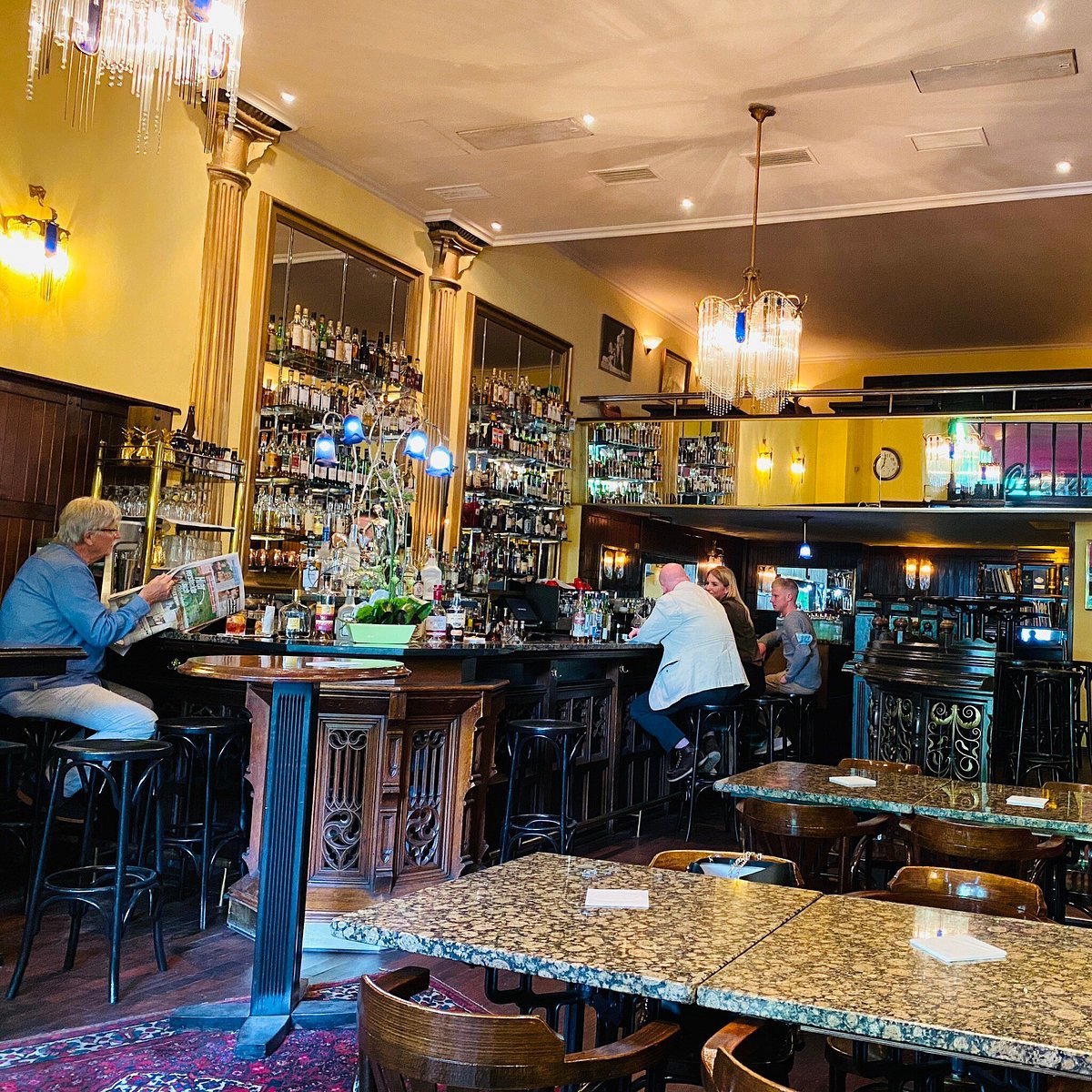
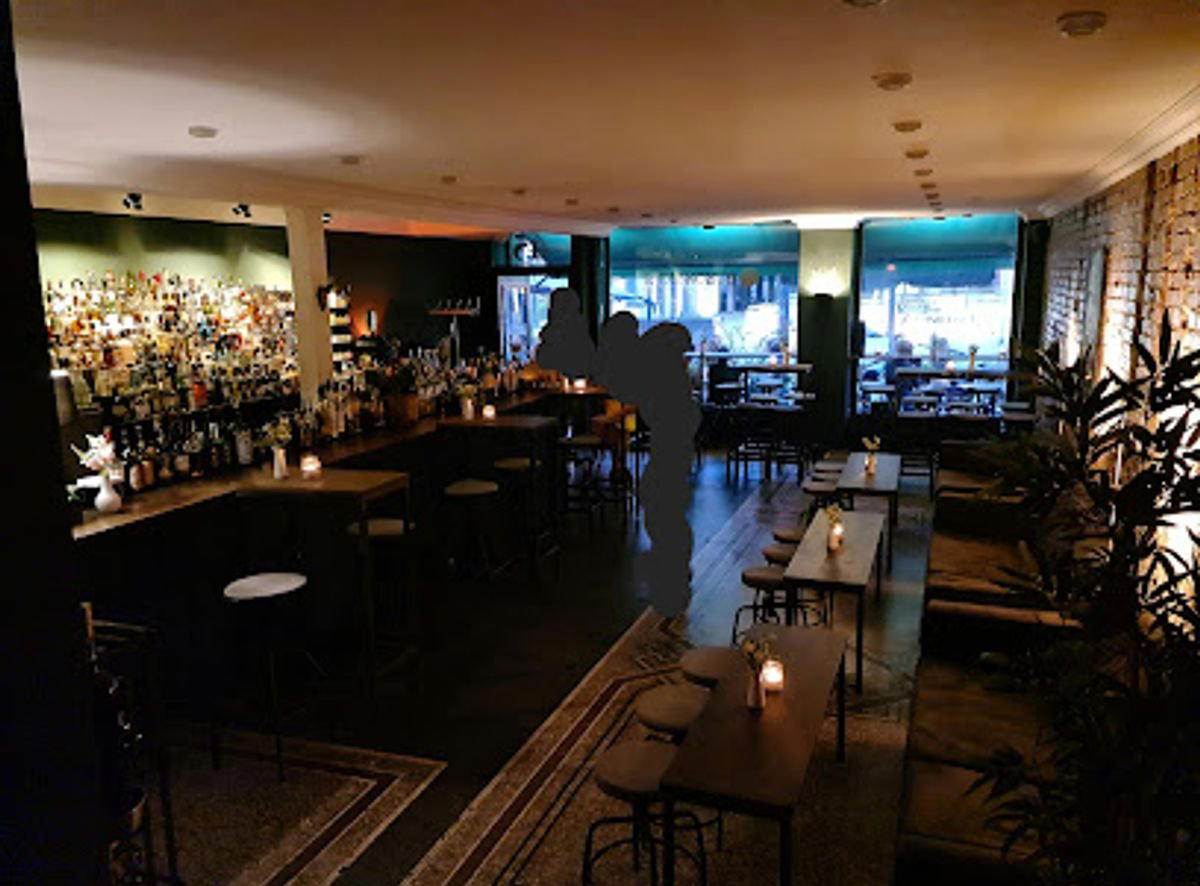
Bars in Hanover
Browse all →

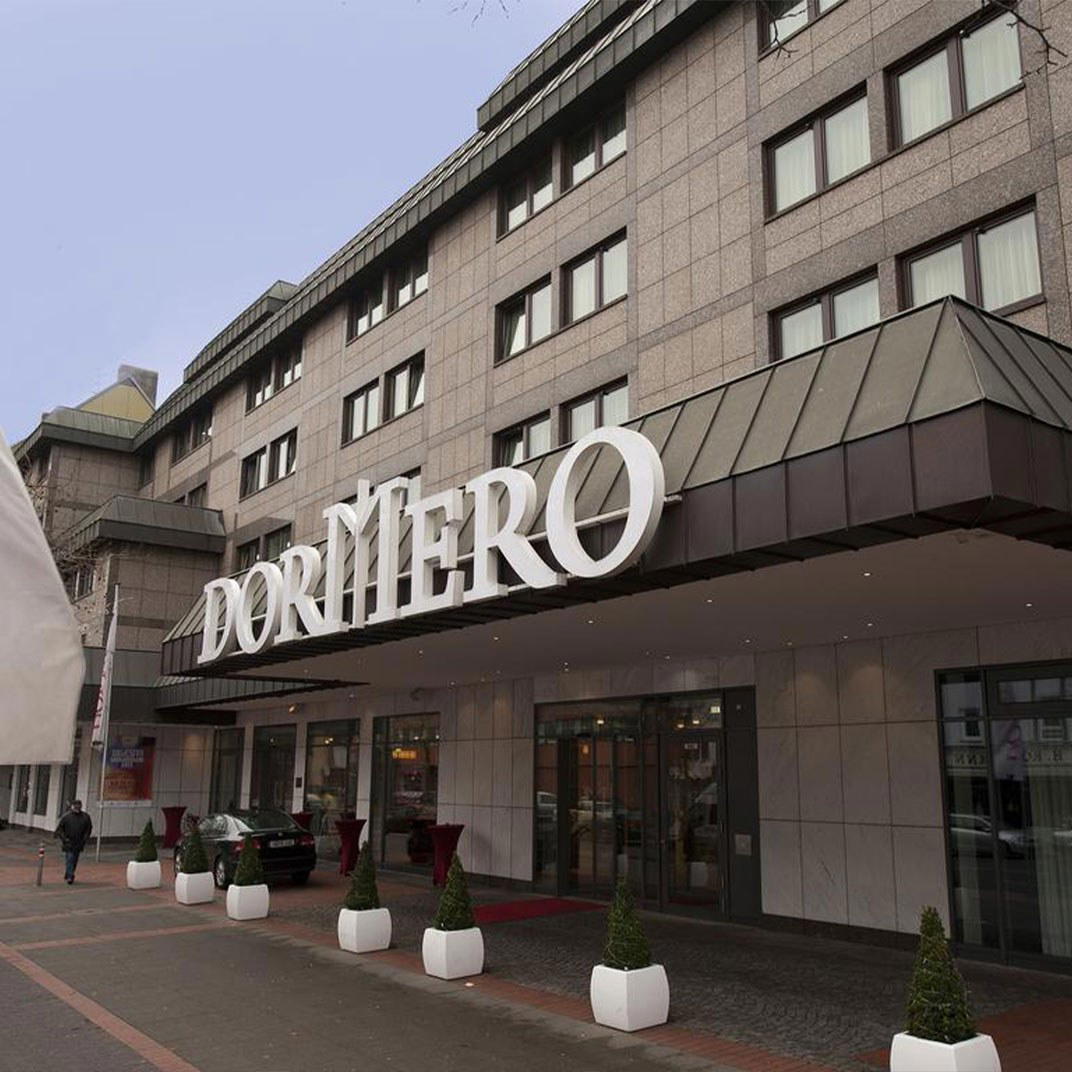
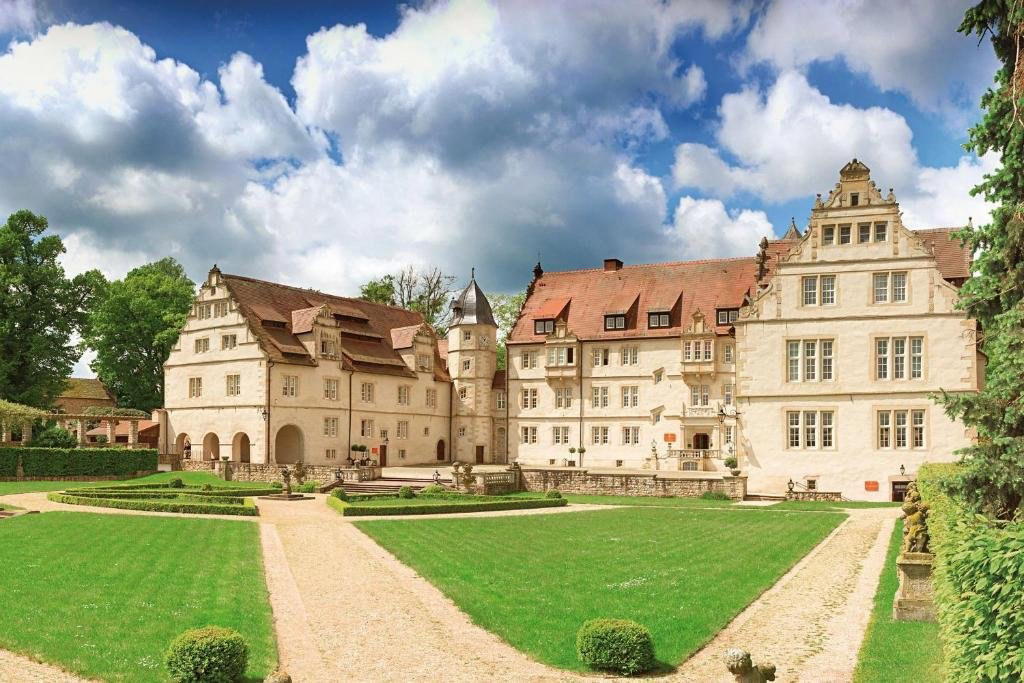
Hotels in Hanover
Browse all →



At a Glance
- Cozy
- Casual Hangout
- Street Scene
Current opening hours
- Monday
- 11 AM–9 PM
- Tuesday
- 11 AM–9 PM
- Wednesday
- 11 AM–9 PM
- Thursday
- 11 AM–9 PM
- Friday
- 11 AM–9 PM
- Saturday
- 11 AM–9 PM
- Sunday
- Closed
Hours can change for holidays and private events. Last verified .
Casual fast-food atmosphere focused on fresh, handmade Turkish dumplings.