On a quiet residential stretch of Hanover's northern districts, Da Toni represents the city's longer-standing Italian tradition at a time when the fine-dining conversation has shifted toward creative tasting menus and Nordic influence. Located at Seidelstraße 8, it occupies a different register from Hanover's newer award-chasing restaurants, drawing a neighbourhood following that values consistency and culinary roots over novelty.
Pearl is the En Primeur Club membership app — saves, bookings, and concierge access live there. Same editors, same standards.
- Address
- Seidelstraße 8, 30163 Hannover, Germany
- Phone
- +495115906990
- Website
- bringdienst-da-toni.de
- Directions
- Get directions
 Saves & bookings on Pearl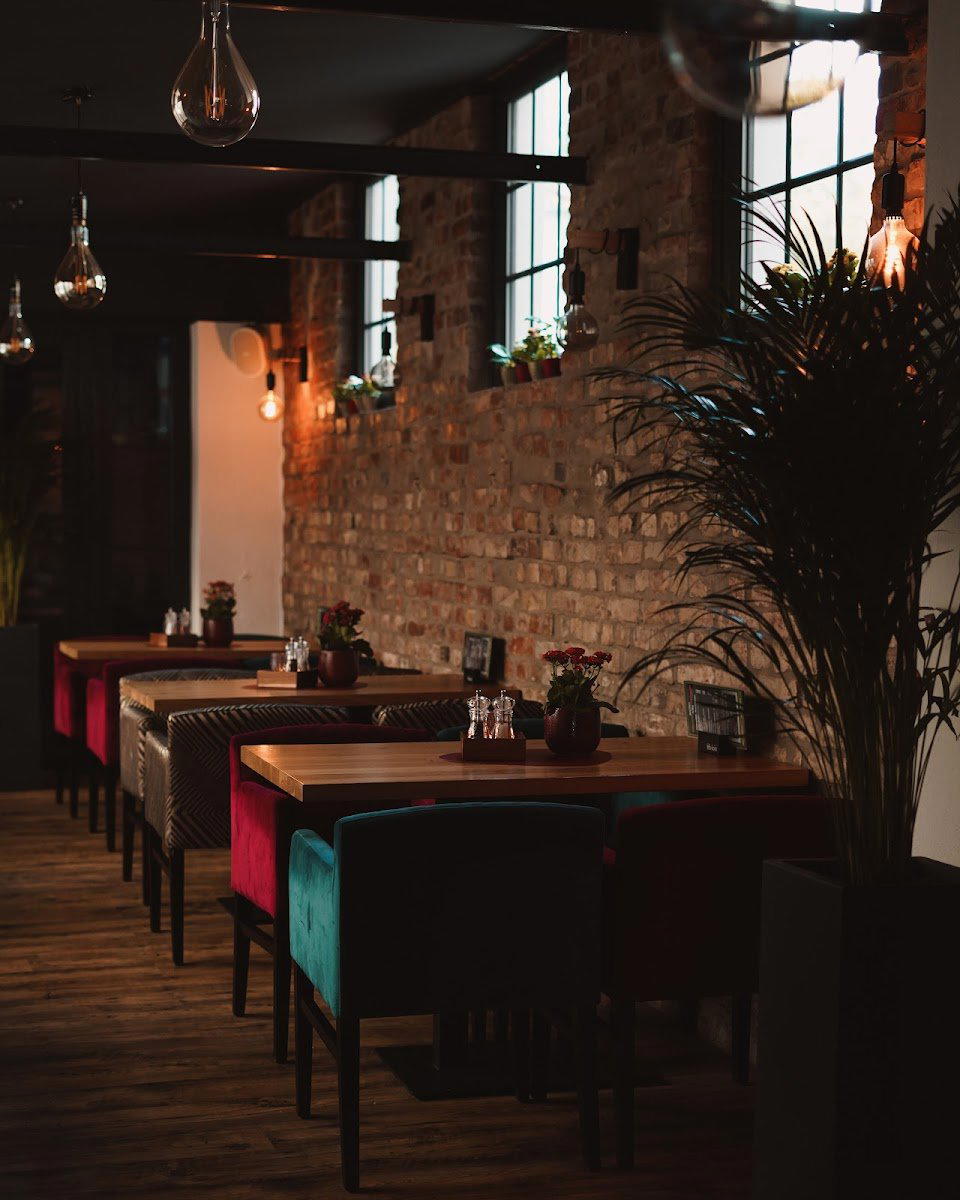
Italian Cooking in a City Rewriting Its Restaurant Identity
Hanover's dining scene has spent the better part of a decade recalibrating. The arrival of tasting-menu-led restaurants like Jante and Votum pushed the city's upper tier toward creative, often Nordic-inflected formats that compete for the same Michelin-aware audience found in Hamburg or Berlin. Handwerk and Marie occupy adjacent positions in the modern and French registers, respectively. Against this backdrop, a traditional Italian address like Da Toni, sitting at Seidelstraße 8 in the 30163 postal district, reads differently: not as a relic, but as a counterpoint. Italian cooking in Germany has always held a particular cultural weight, shaped by decades of labour migration and the slow domestication of southern European cuisine into the German everyday. What began in the postwar decades as trattoria-style restaurants serving Italian workers and their local neighbours has matured, in its better incarnations, into something considerably more considered.
The Cultural Roots of Italian Dining in German Cities
To understand where Da Toni sits, it helps to understand what Italian restaurants in German cities have historically done well and where they have often failed. The category is enormous and uneven. At the lower end, it collapses into pizza-pasta convenience. At the upper end, a smaller cohort of restaurants have maintained genuine regional fidelity, sourcing imported Italian products, building wine lists that stretch into Barolo and Vermentino, and treating pasta as a discipline rather than a commodity. That upper cohort is where the more serious Italian addresses in mid-sized German cities tend to cluster, and it is that peer group that contextualises a restaurant like Da Toni.
The address itself, on a quieter residential street in northern Hanover, follows a pattern common to long-running Italian restaurants in German cities: they often establish themselves away from the tourist-facing centre, building loyalty through repeat custom rather than passing trade. This is a different commercial logic from the positioning favoured by Albertz. or the city-centre dining clusters, and it tends to produce a different kind of room, one oriented toward regulars rather than first-timers.
What the Scene Around Da Toni Tells You
Hanover is not a city with a dense concentration of multi-starred restaurants. For that tier of ambition, the German dining public tends to travel: to Schwarzwaldstube in Baiersbronn, to Aqua in Wolfsburg (a short drive from Hanover), or further afield to Vendôme in Bergisch Gladbach, Victor's Fine Dining by christian bau in Perl, or Waldhotel Sonnora in Dreis. Within the city, the creative and modern tasting-menu format now receives critical attention. But that concentration of interest at the progressive end of the market leaves room for restaurants operating in more classical modes, particularly those serving cuisines, like Italian, with deep community roots in the city.
Italian food in this context is not simply a cuisine category. It carries the social history of guest worker communities who shaped entire neighbourhoods in cities like Hanover, Frankfurt, and Munich through the 1950s and 1960s. The leading Italian restaurants in German cities bear some trace of that history, whether in their clientele, their menu structure, or the specific regional traditions they draw from. It is worth noting that Germany's most discussed fine-dining destinations increasingly skew toward French-influenced technique or Scandinavian minimalism; you find that in JAN in Munich, in the dessert-focused innovation of CODA Dessert Dining in Berlin, or in the tightly controlled formats of ES:SENZ in Grassau and Schanz in Piesport. Italian cooking in its more traditional form sits outside that conversation by design.
Approaching Da Toni: Practical Considerations
Seidelstraße 8 is in Hanover's northern residential districts, accessible from the city centre by tram or a short taxi ride. The address places it in a neighbourhood where restaurants tend to attract a local, returning audience. For visitors to Hanover unfamiliar with the city's geography, it is worth treating the journey as intentional, a decision to step away from the central dining cluster and into a quieter part of the city. That shift in setting tends to calibrate expectations appropriately. Booking ahead is advisable, particularly on weekend evenings when neighbourhood regulars fill the room.
For those building a broader itinerary around serious eating in northern Germany, the restaurant fits into a different day-part or evening register from the tasting-menu experiences at Jante or the French-leaning precision at Marie. The comparison worth making internationally is less to a technically ambitious counter like Le Bernardin in New York City or the communal format of Lazy Bear in San Francisco, and more to the kind of neighbourhood Italian that has long anchored European city dining: consistent, rooted in tradition, and valued precisely because it is not chasing a different kind of recognition. Hamburg's Restaurant Haerlin represents the northern German formal dining register at its most decorated. The restaurant represents something structurally different, a category that serves a distinct function in the city's overall dining ecosystem.
What to Expect
The restaurant serves Italian Pizza Bistro cooking at a casual address in Hanover's northern residential quarter, with reservations recommended. What the address and neighbourhood context suggest is a restaurant that operates in the established Italian tradition within Hanover, serving a community that has decided it does not need the validation of awards or press coverage to sustain loyalty. In German cities, that kind of restaurant often outlasts its more celebrated peers precisely because its audience is self-selecting and consistent. The questions worth asking on arrival are the ones you would apply to any serious Italian restaurant: where is the pasta made, what regions does the wine list draw from, and how is the kitchen handling seasonal produce. The answers to those questions will tell you more about what the restaurant actually is than any formal category could.
Comparable Venues
Comparable venues nearby, for context on price, style, and recognition.
| Venue | Cuisine | Price | Notes |
|---|---|---|---|
| Da ToniThis venue — the venue you are viewing | Italian Pizza Bistro | $$ | Not listed |
| Va Bene | Authentic Italian with Pizza and Pasta | $$ | List |
| Ombra | Italian Bistro & Pizzeria with Sourdough | $$ | Limmerstraße |
| Restaurant Tropeano Di-Vino GmbH | Northern Italian in Historic Setting | $$$ | Kirchrode |
| Reimanns Eck | Traditional German Regional Cuisine | $$ | Oststadt |
| BoBo | Modern Healthy Fusion Café | $$ | Centre |
Continue exploring
More in Hanover
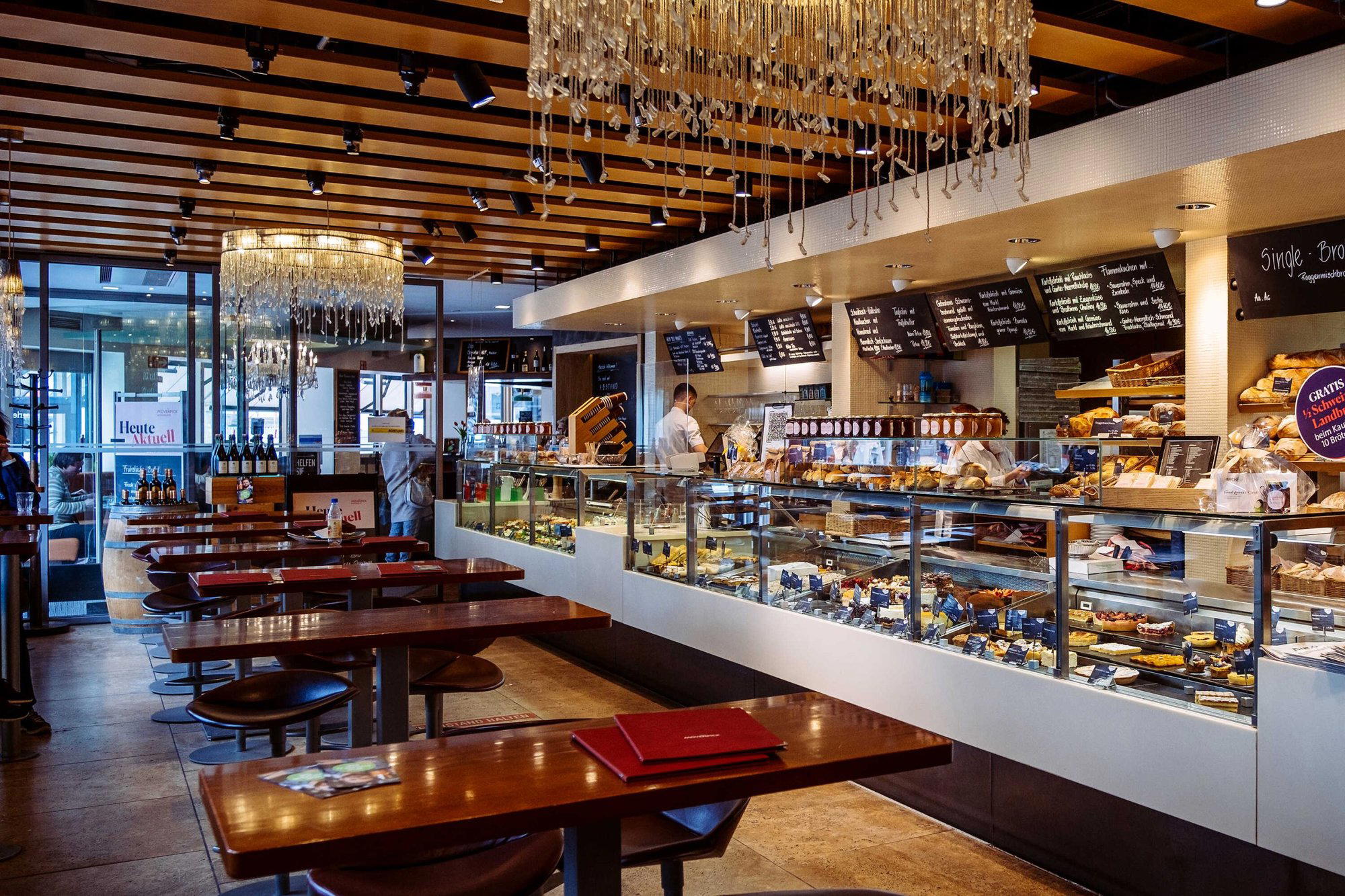
Restaurants in Hanover
Browse all →
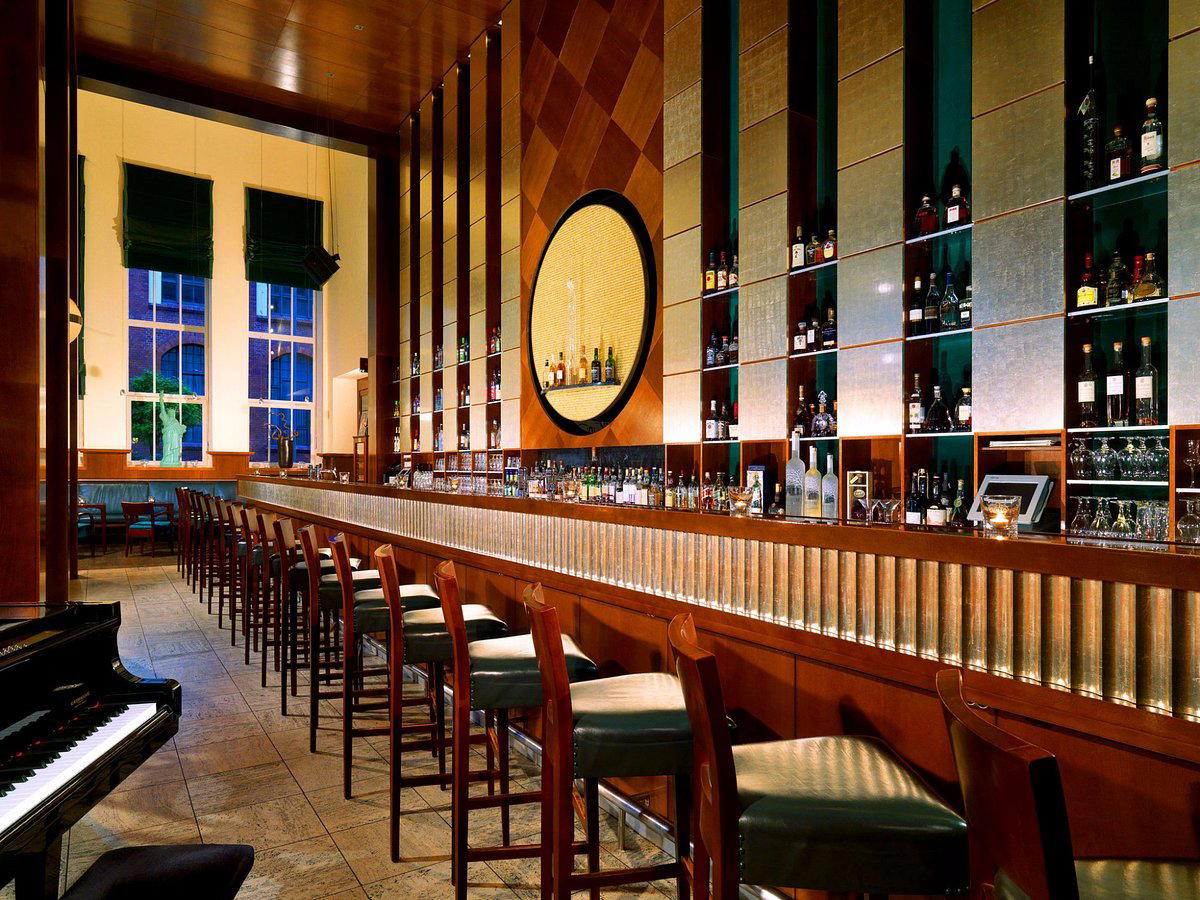
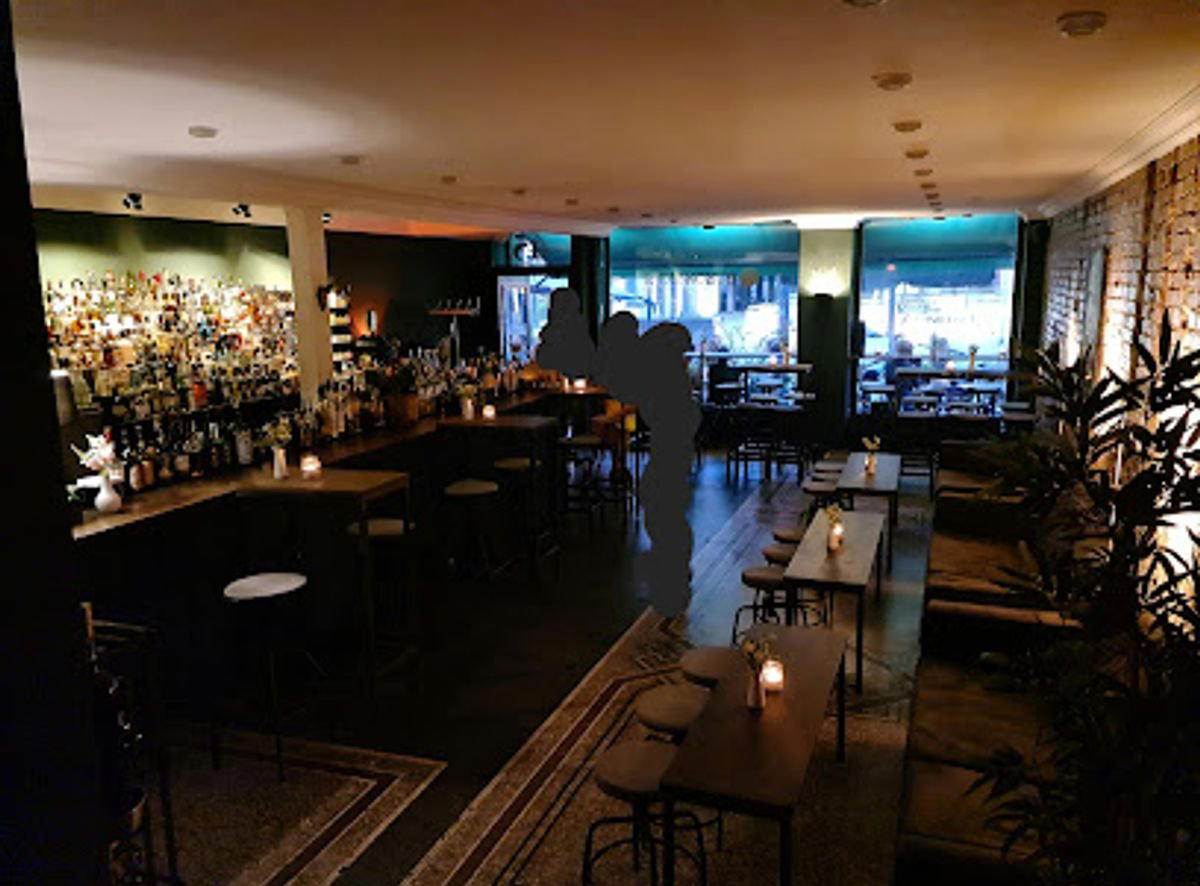
Bars in Hanover
Browse all →
Hotels in Hanover
Browse all →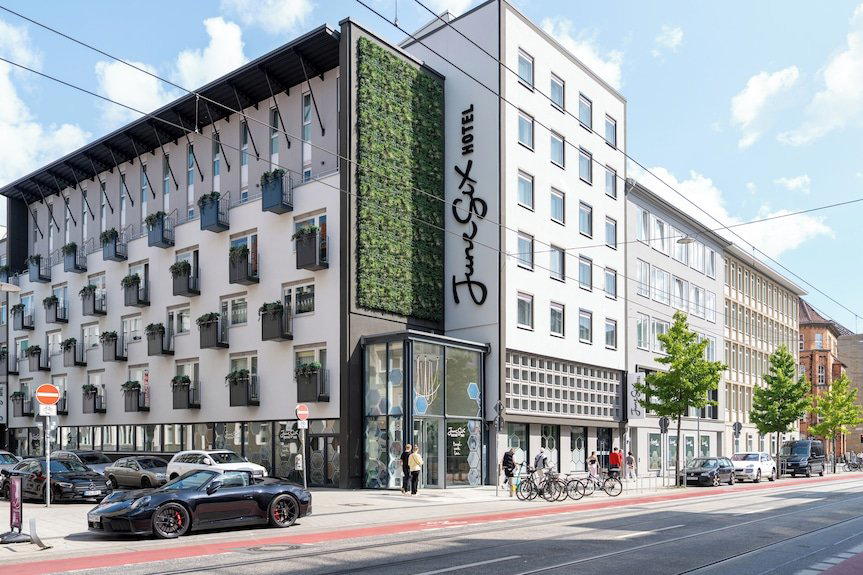

At a Glance
- Cozy
- Casual
- Casual Hangout
- Date Night
- Standalone
Inviting and cozy with a welcoming, homey feel that makes diners feel instantly at ease.