Sushi-Do occupies a central address at Thielenplatz 3 in the heart of Hanover, placing it within easy reach of the city's compact fine-dining corridor. The restaurant operates in a city where Japanese cuisine sits at a noticeable remove from the Tokyo-trained omakase circuits of Hamburg or Berlin, making its local positioning worth understanding before you book.
Pearl is the En Primeur Club membership app — saves, bookings, and concierge access live there. Same editors, same standards.
- Address
- Thielenpl. 3, 30159 Hannover, Germany
- Phone
- +495112203572
- Website
- sushi-do.de
- Directions
- Get directions
 Saves & bookings on Pearl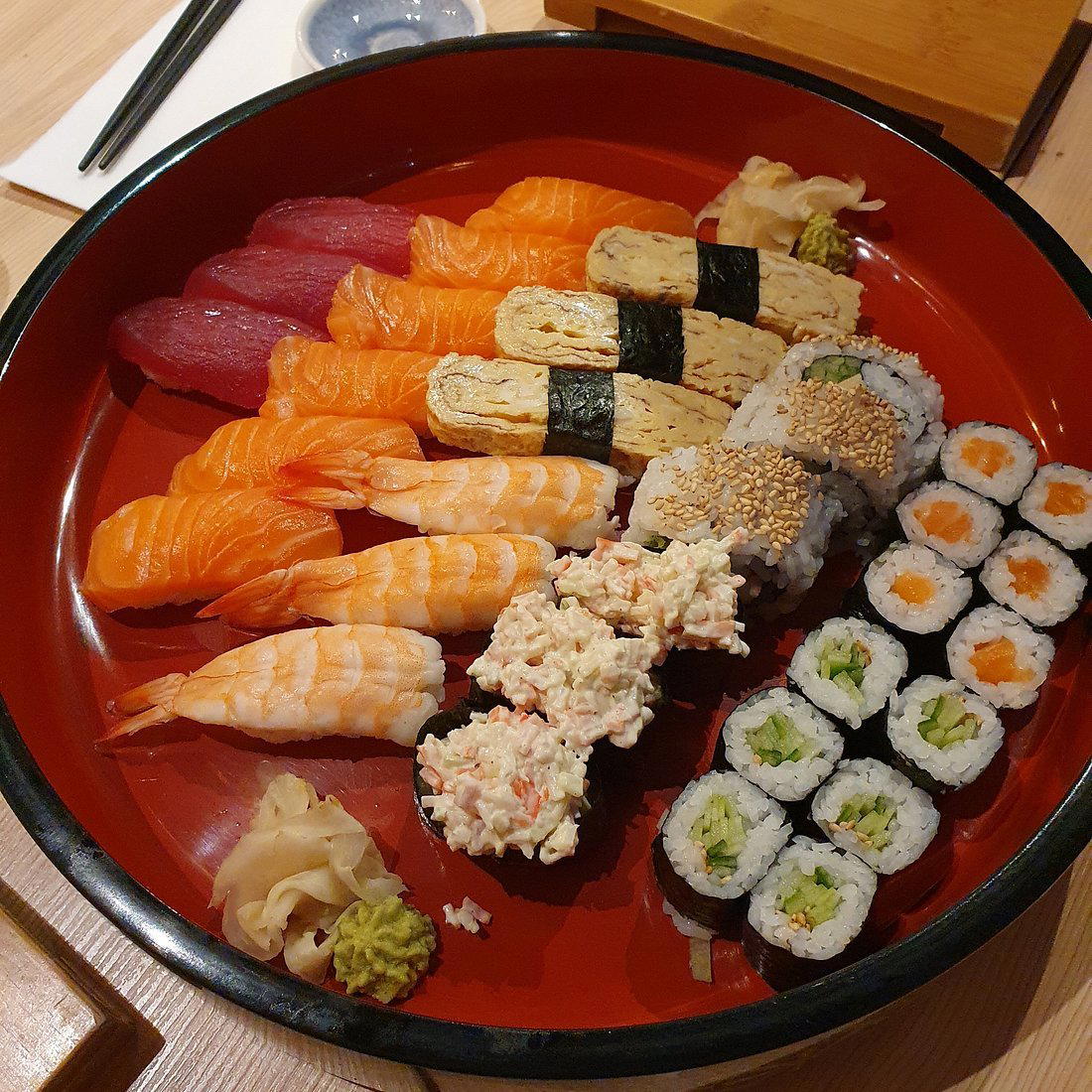
Japanese Dining in a City That Moves at Its Own Pace
Hanover's restaurant scene has never competed for the same headlines as Hamburg or Munich, and that restraint shapes what survives here. The city's fine dining is built around a small number of committed operators: creative tasting-menu houses like Jante and Votum, modernist kitchens like Handwerk, and classically framed French addresses such as Marie. Against that backdrop, a Japanese restaurant operating near Thielenplatz occupies a specific gap: a cuisine with deep sourcing obligations and technical protocols that most mid-sized German cities struggle to sustain at any meaningful level.
Sushi-Do sits at Thielenpl. 3, 30159 Hannover, a central address that places it within walking distance of the main train station and the pedestrianised retail core. For a city that relies heavily on passing trade from trade fair visitors and business travellers, location at that proximity to the city centre carries practical weight. The surrounding blocks hold a mix of all-day cafes, brasserie-style German restaurants, and the occasional pan-Asian operator, which means the competitive context is less about peer-level Japanese craft and more about what the broader Hanover dining public expects from the category.
The Sourcing Question That Japanese Cuisine Always Raises
Across Germany's secondary cities, the sustainability credentials of Japanese restaurants vary enormously, and the variance is rarely visible from the menu. Fish provenance is the pressure point: the gap between operators sourcing from certified sustainable fisheries and those working through undifferentiated wholesale channels is significant, but rarely disclosed in public-facing materials. This matters more for Japanese cuisine than for almost any other format, because the cuisine's identity is built on the quality of raw material. A kitchen that cannot account for where its fish originates is working against the discipline it claims to follow.
Addresses like Le Bernardin in New York City and Atomix in New York City operate in cities where media scrutiny and customer expectation have pushed sustainability to the front of the conversation. In Germany's Michelin-tracked restaurants, the same shift is underway: Aqua in Wolfsburg, Schwarzwaldstube in Baiersbronn, and Vendôme in Bergisch Gladbach all operate at a tier where sourcing decisions are scrutinised as part of kitchen identity.
What a guest can reasonably expect from a Japanese restaurant in this price tier and location is an approach to rice preparation, fish handling, and knife technique that reflects some grounding in the genre's basics.
Hanover's Position in the German Dining Map
Understanding where Sushi-Do sits means understanding what Hanover is not. It is not Hamburg, where Restaurant Haerlin anchors a dense fine-dining district with generational depth. It is not Munich, where JAN operates inside a city with multiple Michelin-starred Japanese and Japanese-influenced kitchens. Hanover's restaurant infrastructure is closer to what you find in a capable regional capital: a handful of serious operators, a broader tier of competent mid-market restaurants, and a dependency on local repeat business rather than destination dining traffic.
That context is relevant because it sets realistic expectations. The comparable set for Sushi-Do in Hanover is not the omakase counters of Ginza or even the Japanese-inflected tasting menus at CODA Dessert Dining in Berlin. The comparable set is the range of Japanese dining options available in a city of roughly 540,000 people, most of whom do not travel to eat. Within that frame, the address at Thielenplatz positions it as a central, accessible option rather than a destination restaurant requiring advance planning from another city.
For guests arriving from outside Hanover, the more instructive comparison is what the city's own committed operators offer. Albertz. and the addresses listed in our full Hanover restaurants guide give a clearer sense of what the local dining standard looks like at its upper end. Japanese cuisine in a city at this scale is, by structural necessity, serving a different function than it would in a city with a Japanese expatriate community large enough to sustain critical sourcing infrastructure.
Practical Considerations Before You Book
The address at Thielenpl. 3 is in central Hanover, reachable on foot from the Kröpcke U-Bahn interchange in under five minutes. For visitors attending the trade fair calendar, including the major Hannover Messe dates in spring, central restaurants at this location tend to run at capacity on weekday evenings, so advance contact is advisable during those periods.
Allergy requirements and dietary accommodations are standard questions for any Japanese kitchen, where soy, sesame, and shellfish appear across multiple components of a meal.
ES:SENZ in Grassau, Schanz in Piesport, Victor's Fine Dining by Christian Bau in Perl, or Waldhotel Sonnora in Dreis for contrast with what Hanover's own scene currently offers. Within the city, the tasting-menu operators and the French-trained kitchens represent one documented upper tier, while Japanese dining remains a less mapped part of the local offer.
Cost and Credentials
Comparable venues nearby, for context on price, style, and recognition.
| Venue | Cuisine | Price |
|---|---|---|
| Sushi-DoThis venue — the venue you are viewing | Mitte, Authentic Japanese Sushi | $$ |
| KAZUMI Sushi Manufaktur | Oststadt, Modern Sushi | $$ |
| Oishi | List, Authentic Japanese Sushi | $$ |
| BoBo | Centre, Modern Healthy Fusion Café | $$ |
| MA'LOA | Klagesmarkt, Hawaiian Poke Bowls | $$ |
| DOLI | Mitte, Authentic Georgian | $$ |
Continue exploring
More in Hanover
Restaurants in Hanover
Browse all →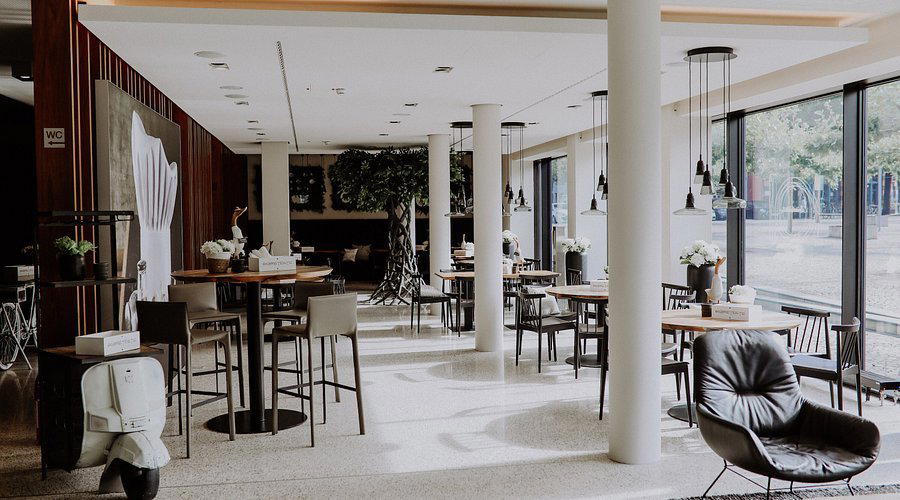
Bars in Hanover
Browse all →

Hotels in Hanover
Browse all →

At a Glance
- Modern
- Trendy
- Casual Hangout
Current opening hours
- Monday
- Closed
- Tuesday
- 12:30–9 PM
- Wednesday
- 12:30–9 PM
- Thursday
- 12:30–9 PM
- Friday
- 12:30–9 PM
- Saturday
- 5–9 PM
- Sunday
- Closed
Hours can change for holidays and private events. Last verified .
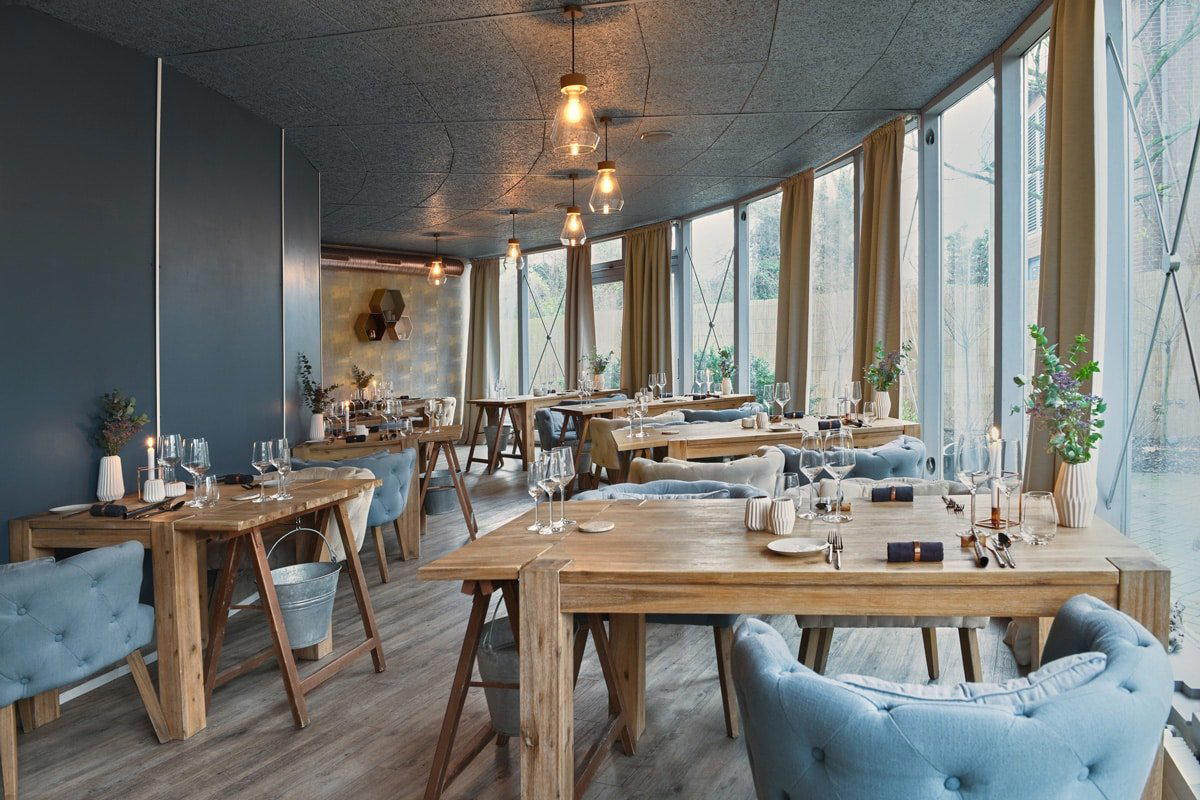
Bright, streamlined space with a casual, efficient atmosphere.