Mano De Santo occupies the Alameda de Hércules, one of Seville's oldest and most animated public promenades, placing it at the intersection of neighbourhood life and the city's evolving restaurant scene. The address situates it within Casco Antiguo, where traditional Andalusian cooking and contemporary ambition increasingly share the same streets. Visitors planning a table should check availability directly, as Alameda venues operate across a range of formats and booking windows.
Pearl is the En Primeur Club membership app — saves, bookings, and concierge access live there. Same editors, same standards.
- Address
- Alameda de Hércules, 90, Casco Antiguo, 41002 Sevilla, Spain
- Website
- elmanodesanto.com
- Directions
- Get directions
 Saves & bookings on Pearl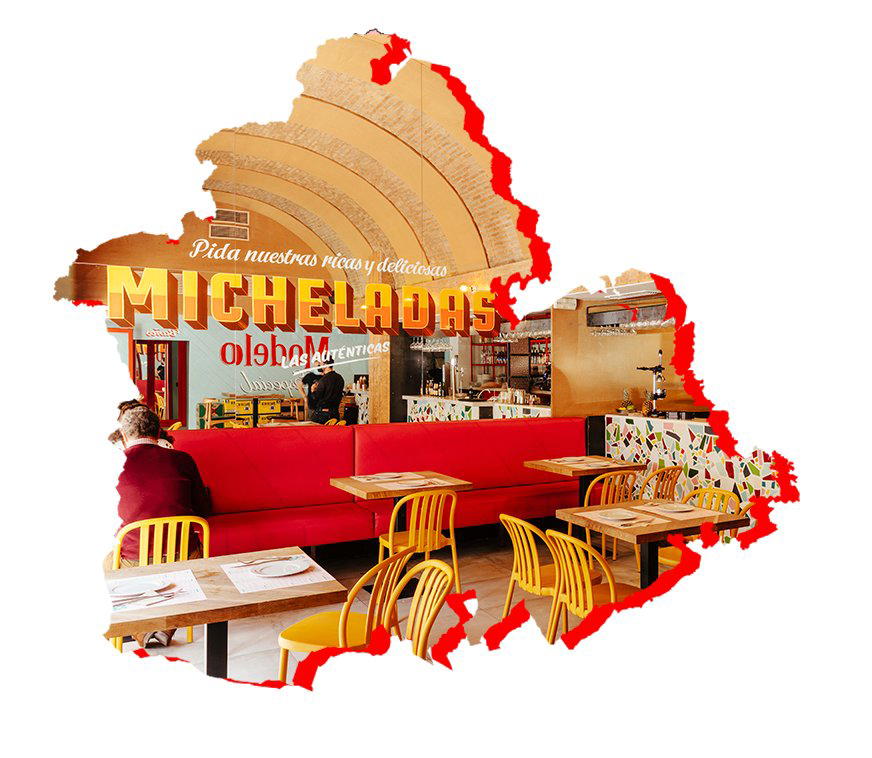
The Alameda de Hércules and What It Says About Seville's Dining Direction
The Alameda de Hércules is not a backdrop — it is an argument. One of Europe's oldest public promenades, lined with Roman columns at its northern end and populated from mid-morning to well past midnight, the Alameda functions as a kind of civic living room for Seville's Casco Antiguo. Restaurants and bars that open here are making a specific choice: they are planting themselves in the social and cultural current of the neighbourhood rather than in the more tourist-concentrated zones around the Cathedral or Santa Cruz. Mano De Santo, at number 90 on this promenade, sits within that current.
That address matters more than it might first appear. The Alameda has undergone a sustained shift over the past decade, moving from a neighbourhood bar strip with a countercultural reputation toward a mixed dining environment where serious kitchens now operate alongside traditional tapas bars and vermouth spots. The street retains its local character — this is not a sanitised restaurant quarter, but the ambition of what is being cooked and served has risen. Mano De Santo is part of that upward movement.
Andalusian Cooking and the Cultural Weight It Carries
To understand any restaurant on the Alameda, it helps to understand what Andalusian cuisine actually represents in the wider Spanish food conversation. The country's most decorated kitchens, Quique Dacosta in Dénia, Arzak in San Sebastián, Azurmendi in Larrabetzu, Martin Berasategui in Lasarte-Oria, Mugaritz in Errenteria, El Celler de Can Roca in Girona, DiverXO in Madrid, Cocina Hermanos Torres in Barcelona, Ricard Camarena in València, are disproportionately concentrated in the Basque Country, Catalonia, and Valencia. Andalusia, despite producing notable raw ingredients (Jabugo jamón, Cádiz tuna, Huelva prawns, Córdoba olive oil), has historically contributed less to the international fine-dining conversation than its pantry would suggest.
That gap is narrowing. Aponiente in El Puerto de Santa María, Ángel León's three-Michelin-star operation, has become the clearest proof that Andalusia can produce food at the level of the country's most technically ambitious restaurants. In Seville specifically, Abantal holds the city's only Michelin star and represents the modern Spanish creative tier at a price point (€€€€) that places it in a distinct bracket. Below that level, a cluster of addresses, including Cañabota for serious seafood, Az-Zait for contemporary work, and Balbuena y Huertas, is building a mid-market that takes Andalusian ingredients seriously without operating at tasting-menu price points.
Mano De Santo enters this context on the Alameda, a promenade that has historically served neighbourhood eating rather than destination dining. That positioning is itself an editorial statement about who the kitchen is cooking for and what kind of experience it is trying to deliver.
The Scene on the Ground
Approaching the Alameda from the south, the promenade opens up after the narrow streets of the Casco Antiguo, suddenly wide and tree-lined, with the Roman columns of Hercules and Julius Caesar marking the northern terminus. In the evenings, the terraces fill early by northern European standards, Seville eats late, with dinner rarely starting before 9pm and often extending past midnight in summer. The ambient noise is consistent: conversation, passing scooters, the occasional flamenco from a bar without a sign. Restaurants here do not need to manufacture atmosphere because the street itself provides it.
Number 90 sits toward the northern end of the promenade, within the denser concentration of bars and restaurants that make up the Alameda's social core. The address places it in a competitive local environment where the competition is not other fine-dining restaurants but rather the deep-rooted culture of tapas, sharing, and drinking that defines how Sevillanos actually eat out most nights.
Where Mano De Santo Fits in Seville's Current Restaurant Map
Seville's restaurant scene in the mid-2020s operates across several clearly defined tiers. At the leading, Abantal represents the city's only Michelin-recognised fine dining. The middle tier, where serious cooking meets accessible price points, has grown substantially: Almansa · Pasión & brasas works the asador format with quality product, while Cañabota has built a following for its seafood sourcing. The neighbourhood eating tier, where the Alameda primarily operates, runs on product quality, cooking confidence, and the social intelligence to read what a mixed local crowd actually wants.
Internationally, the frame of reference for this kind of positioned neighbourhood restaurant includes addresses like Lazy Bear in San Francisco and Le Bernardin in New York City, both of which operate with clear identity within their respective city dining ecosystems, though at different price points and formats. The point is not that restaurant belongs in the same conversation as three-star institutions, but that a restaurant's relationship to its neighbourhood and city context is what ultimately defines its identity.
On the Alameda, that identity is shaped by proximity to local life, by the cooking tradition of Andalusia, and by the specific social rhythm of a city that takes eating seriously without necessarily taking it formally.
Planning Your Visit
The Alameda de Hércules is walkable from most of the Casco Antiguo and from the Macarena district to the north. The area is served by several city bus lines, and the nearest car parking is limited, Seville's historic centre is heavily pedestrianised, so arriving on foot or by taxi is the practical approach for most visitors. Seville's restaurant culture runs later than many visitors expect: arriving before 9pm for dinner puts you ahead of the local rhythm, while 9:30 to 10:30pm represents peak seating across most of the city's neighbourhood restaurants.
The Alameda operates across a range of formats from informal tapas to seated dinner service, and understanding which applies here will shape how the evening unfolds. For a broader view of where the restaurant sits within the city's eating options, our full Seville restaurants guide maps the scene across neighbourhoods and price tiers.
A Pricing-First Comparison
| Venue | Cuisine | Price | Awards |
|---|---|---|---|
| Mano De SantoThis venue — the venue you are viewing | Not listed | This venue | Not listed |
| Abantal | Modern Spanish, Creative | €€€€ | Michelin 1 Star |
| Cañabota | Seafood | €€€ | Michelin 1 Star |
| Manzil | Not listed | €€€ | Contemporary Spanish, Modern Cuisine, €€€ |
| Sobretablas | Not listed | €€ | Andalusian, Contemporary, €€ |
| Almansa · Pasión & brasas | Not listed | Asador | Not listed |
At a Glance
- Lively
- Cozy
- Trendy
- Modern
- Date Night
- Casual Hangout
- Group Dining
- Terrace
- Open Kitchen
- Craft Cocktails
- Street Scene
Current opening hours
- Monday
- 1:30–4 PM, 8–11:30 PM
- Tuesday
- 1:30–4 PM, 8–11:30 PM
- Wednesday
- 1:30–4 PM, 8–11:30 PM
- Thursday
- 1:30–4 PM, 8–11:30 PM
- Friday
- 1:30–4:30 PM, 8:30 PM–12:30 AM
- Saturday
- 1:30 PM–12:30 AM
- Sunday
- 1:30–11:30 PM
Hours can change for holidays and private events. Last verified .
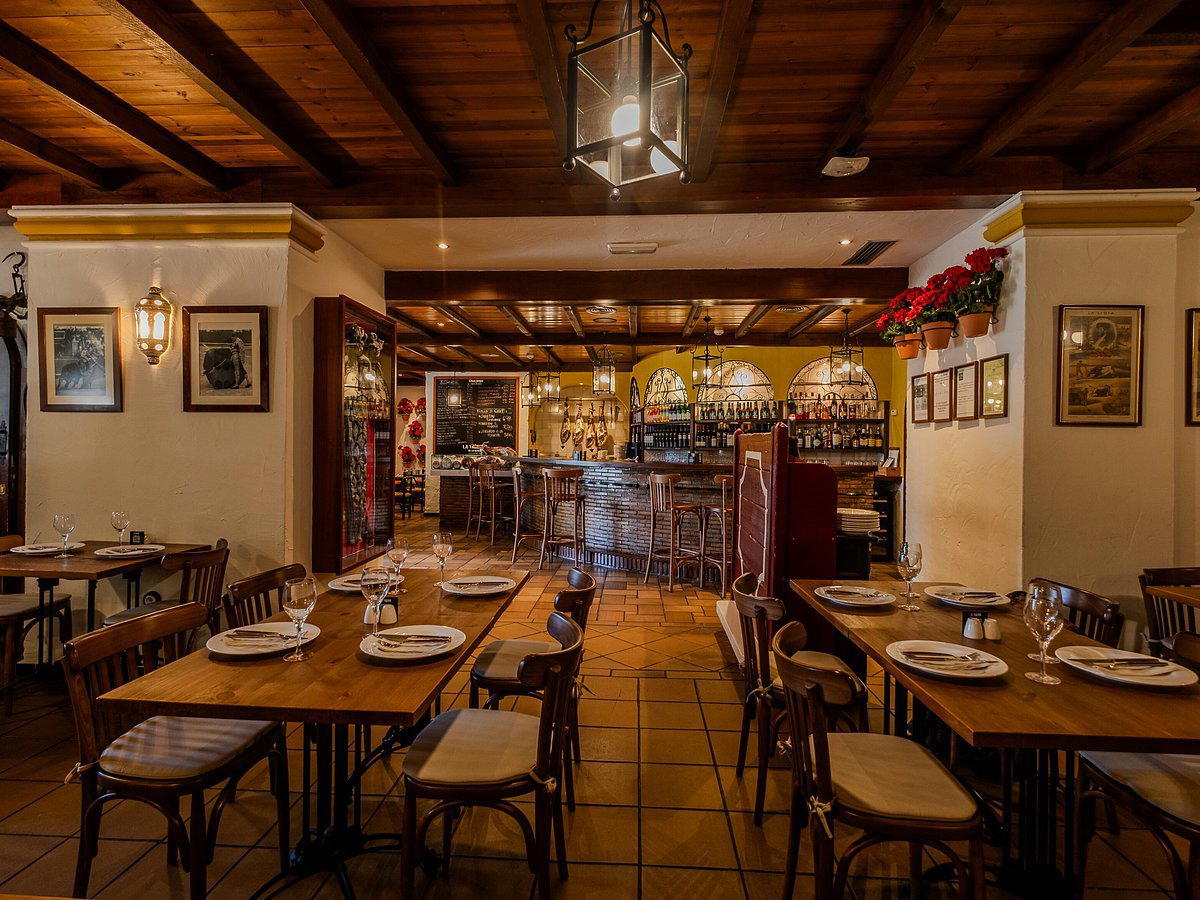
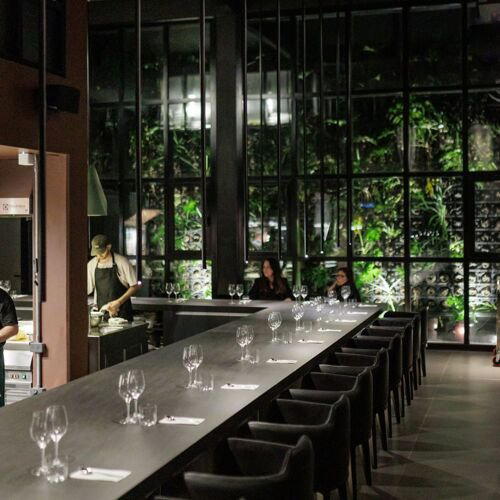
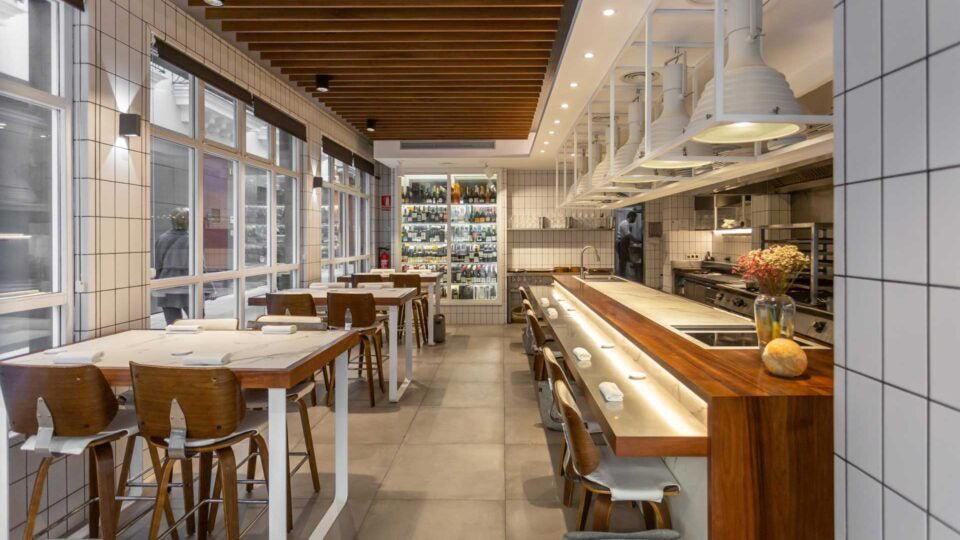
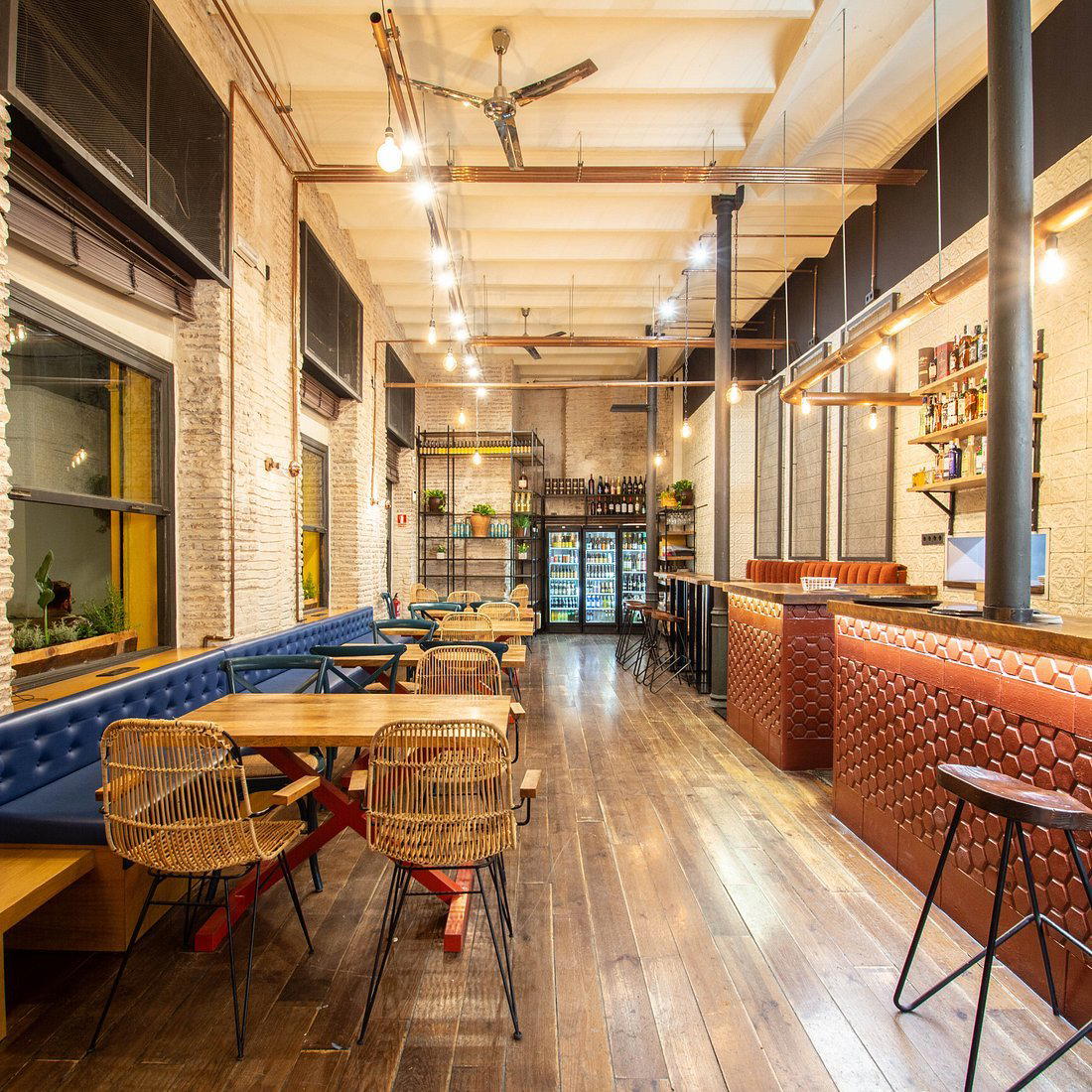
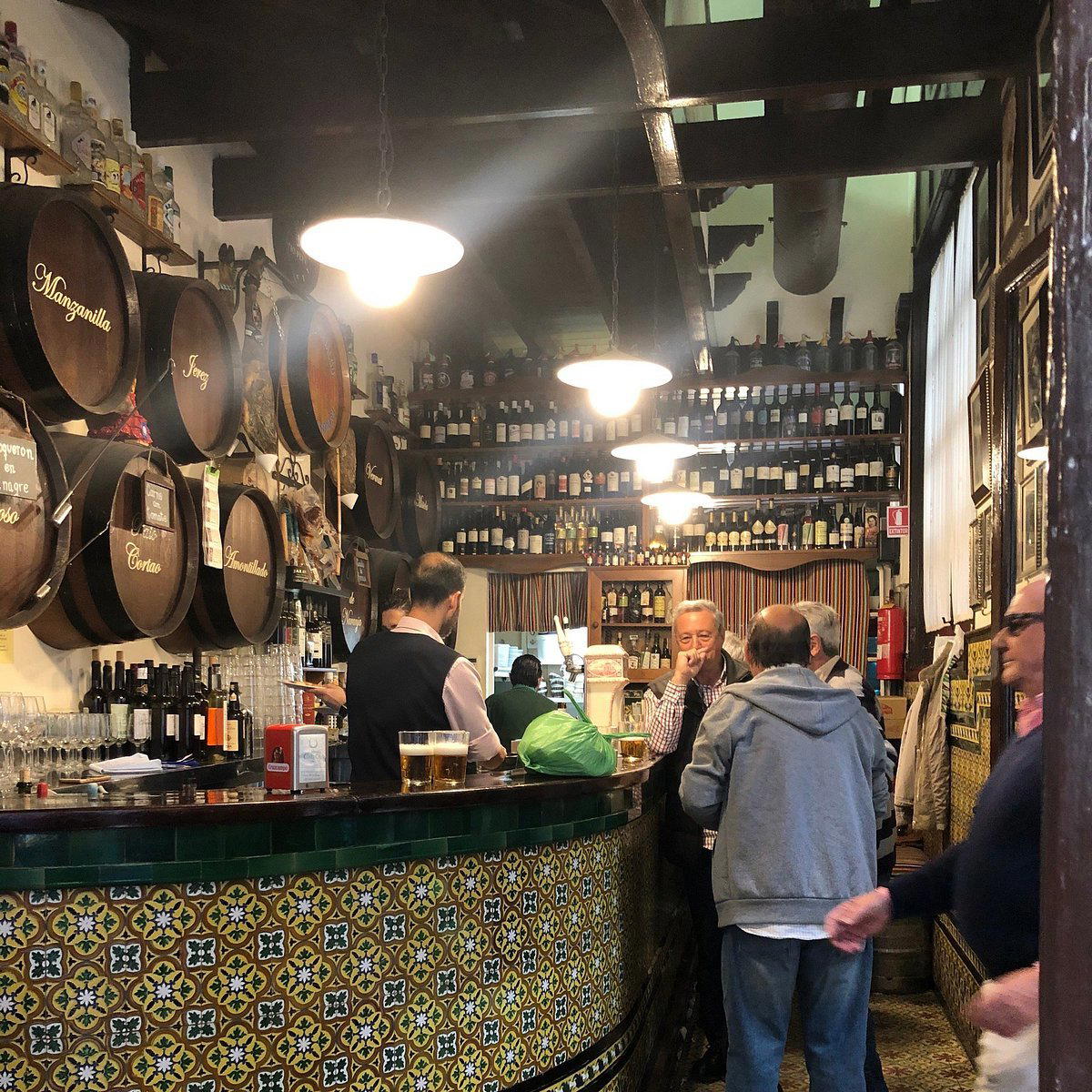
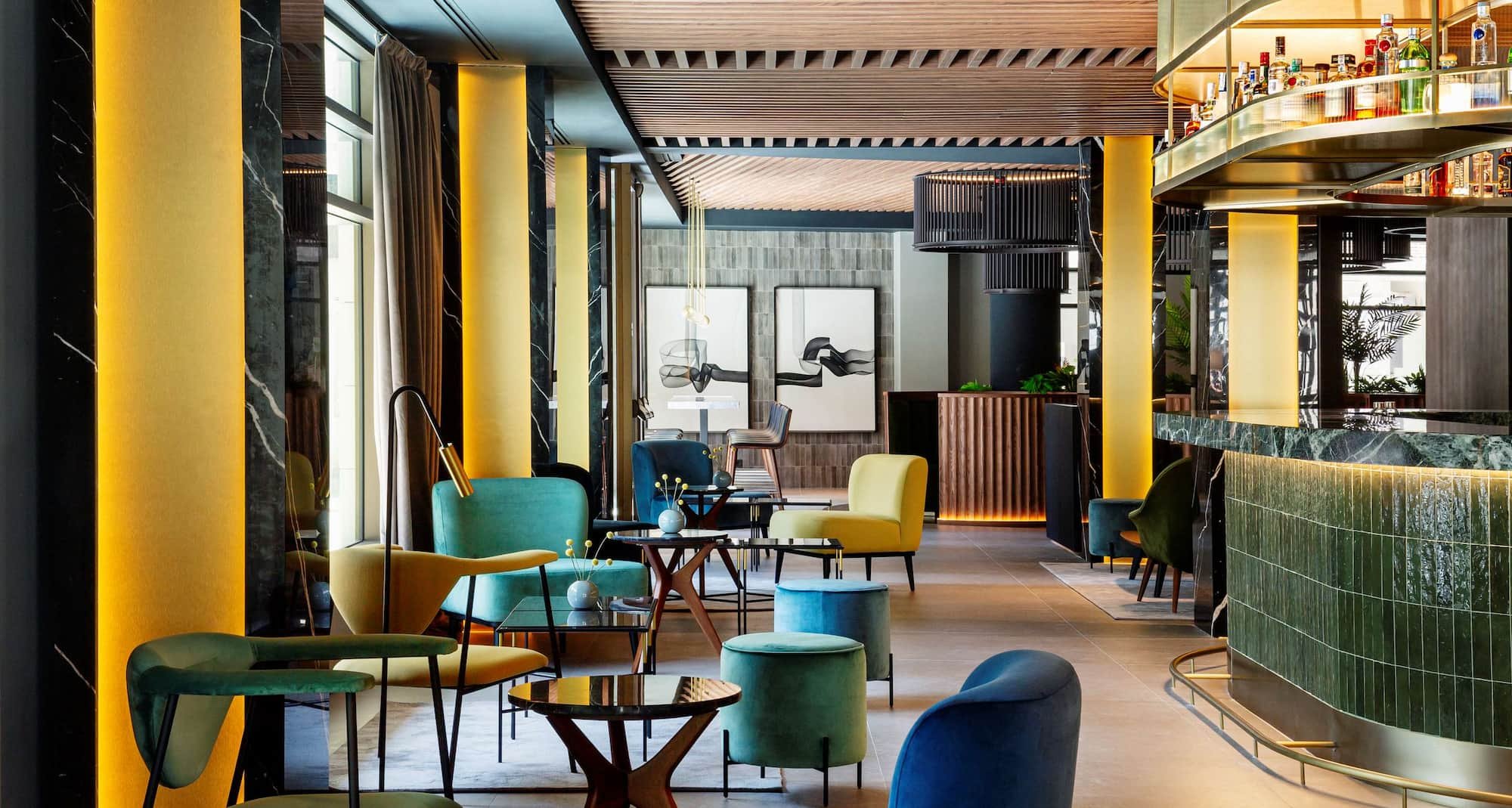
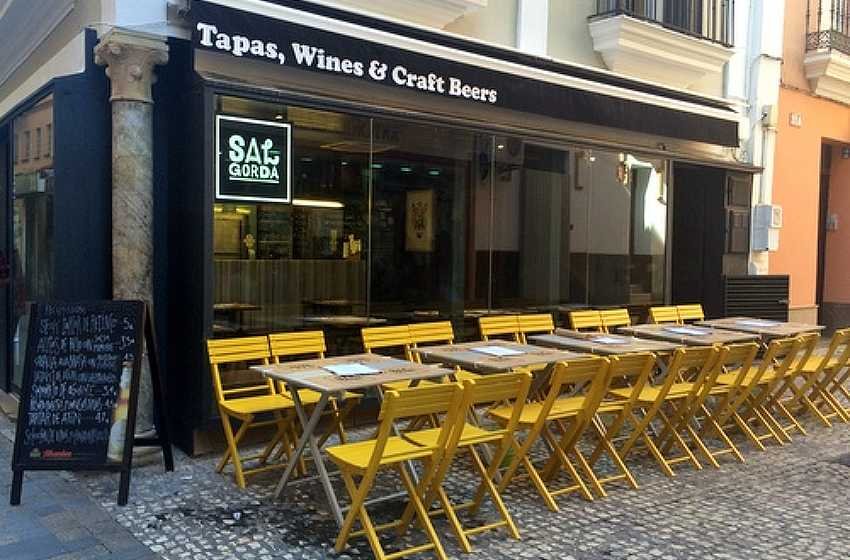
Lively and lively atmosphere with modern playful decor featuring pastel shades, bright red seating, and a busy terrace.