No-lugar the art company occupies a quietly significant address on Calle Trajano in Seville's Casco Antiguo, where the city's appetite for creative culture tends to surface in unexpected formats. Positioned at the intersection of art and experience, it sits apart from the conventional dining and entertainment venues that dominate the historic centre's main circuits. For visitors already tracking Seville's more considered cultural offerings, it warrants attention.
- Address
- C. Trajano, 16, Casco Antiguo, 41002 Sevilla, Spain
- Phone
- +34 656 65 60 74
- Website
- facebook.com
- Directions
- Get directions
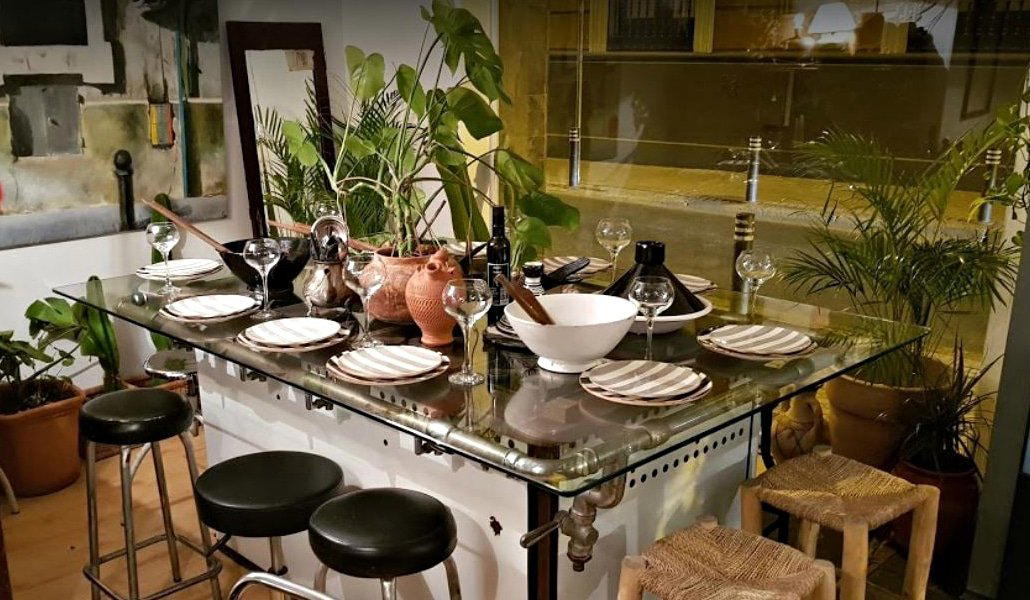
Calle Trajano and the Casco Antiguo's Creative Undercurrent
Seville's Casco Antiguo is one of Europe's more densely layered historic districts. The Roman grid beneath the Moorish palimpsest beneath the Habsburg overlay means that almost every street carries multiple centuries of competing purpose. Calle Trajano, named for the emperor born nearby in Italica, runs through a section of the old city that has long attracted independent cultural operators: smaller galleries, rehearsal spaces, and venues that don't resolve neatly into the categories of bar, restaurant, or theatre. No-lugar the art company, at C. Trajano, 16, Casco Antiguo, Sevilla, is a permanently closed restaurant in the Mediterranean Fusion Tapas style. It belongs to that particular strain of Sevillian cultural life.
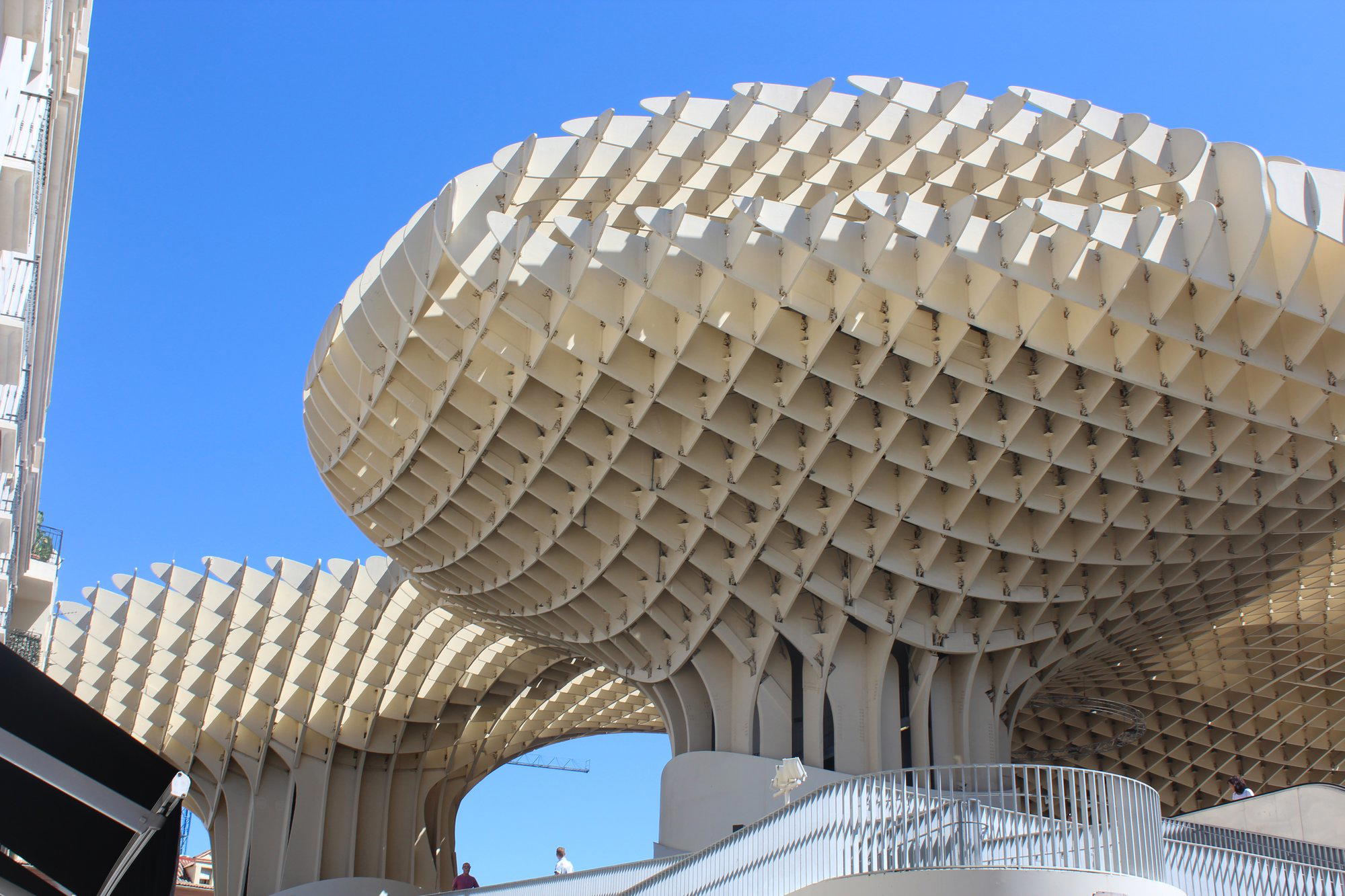
The name itself is instructive. "No-lugar" translates roughly as "non-place" or "nowhere", a deliberate inversion of the idea that a venue must anchor itself to a fixed identity. In a city where the major cultural draws are enormous and institutionally defined (the Alcázar, the Cathedral, the Metropol Parasol), a venue that positions itself as a space between categories occupies a genuinely different register. That positioning places it closer to the independent creative spaces of Triana or the Alameda de Hércules than to the heritage tourism circuit.
Where Art Venues Sit in Seville's Experience Map
Seville's premium experience tier has traditionally divided along predictable lines: flamenco tablaos aimed at visitors, private palace tours, and the kind of wine-and-tapas programming that functions as polished tourism product. A smaller cohort of venues operates differently, building programs around artistic disciplines, local cultural production, or format experimentation. No-lugar the art company, with its framing as an "art company" rather than a venue with a fixed format, fits the latter group.
This matters for how a visitor should plan around it. Venues of this type tend to run event-based programming rather than fixed daily hours, which means the experience on offer shifts depending on what is scheduled. Across Spain, particularly significant creative formats of this kind have emerged in cities with strong art-school cultures and active independent scenes: Barcelona's programme at Cocina Hermanos Torres in Barcelona has shown how even dining spaces can function as cultural stages, while the broader Basque tradition that produced Mugaritz in Errenteria and Arzak in San Sebastián treats gastronomy as a form of cultural argumentation. Seville's version of that impulse tends to be quieter and less institutionalised, which is partly what makes it interesting.
The Casco Antiguo as Context
Arriving at Calle Trajano 16, the surrounding neighbourhood does much of the contextual work. The Casco Antiguo's western reaches, between the Alameda and the river, have a different rhythm from the tourist-saturated zone around the Cathedral. Independent bookshops, small theatres, and ceramics studios share blocks with tapas bars that operate on local rather than visitor schedules. The density of non-commercial cultural activity in this part of the old city is higher than in the more photographed zones, and a venue like No-lugar fits the fabric of that area more naturally than it would, say, near the Giralda.
For visitors already oriented toward Seville's more considered restaurant programme, having tracked Abantal, which holds Seville's only Michelin star for modern Spanish cuisine, or the seafood-focused Cañabota, the Casco Antiguo's cultural texture offers a different register of engagement. The asador tradition represented by Almansa · Pasión & brasas and the contemporary Andalusian work at Az-Zait and Balbuena y Huertas all reflect a city whose dining and cultural identity is in active development.
How No-lugar Fits the Broader Spanish Creative Scene
Spain's most formally ambitious venues, from DiverXO in Madrid to El Celler de Can Roca in Girona to Quique Dacosta in Dénia, share a characteristic insistence on experience as a designed total environment, not just a product delivered across a counter. That approach has filtered through Spanish creative culture more broadly, producing venues that treat the space itself as part of the argument. Azurmendi in Larrabetzu and Ricard Camarena in València both demonstrate how this operates at the fine dining tier. Aponiente in El Puerto de Santa María, just an hour from Seville, brings that same formal seriousness to the sea ingredients of the Cádiz bay.
No-lugar operates in a different register from those three-Michelin-star addresses, but the underlying logic, that a venue can make an argument rather than simply deliver a service, is related. The "art company" designation signals that the format is the point, not incidental to it. Internationally, comparable models appear at venues like Lazy Bear in San Francisco, where the blurring of dining and cultural event is explicit in the format, and at Martin Berasategui in Lasarte - Oria, where the total environment of a meal is treated with the same seriousness as the food itself.
Planning a Visit
Because No-lugar the art company operates as an event-based creative space rather than a venue with fixed daily programming, one practical approach is to research current scheduling before arriving in Seville. The address on Calle Trajano places it within walking distance of the Alameda de Hércules and the Macarena district, making it easy to combine with the neighbourhood's independent food and drink offer. The Casco Antiguo rewards time spent off the main tourist axis, and No-lugar sits firmly in that territory. International points of comparison for calibrating what this kind of format offers, from Le Bernardin in New York City at one end of the formality spectrum to Lazy Bear's communal-event model at the other, suggest that particularly interesting creative venues resist easy categorisation almost by design.
Just the Basics
Comparable venues nearby, for context on price, style, and recognition.
| Venue | Cuisine | Price | Notes |
|---|---|---|---|
| No-lugar the art companyThis venue — the venue you are viewing | Not listed | $$ | Not listed |
| Bar Yebra | Not listed | $$ | Cruz Roja-Capuchinos, Traditional Spanish Tapas and Seafood |
| Ovejas Negras Tapas | Santa Cruz, Spanish-Asian Fusion Tapas | $$ | Not listed |
| Bodeguita Romero | Arenal, Traditional Andalusian Tapas | $$ | Not listed |
| Casa Manolo León | San Lorenzo, Modern Andalusian | $$ | Not listed |
| Lalola Taberna Gourmet | Feria, Modern Iberian Spanish Tapas | $$$ | Not listed |
At a Glance
- Trendy
- Modern
- Bohemian
- Casual Hangout
- Group Dining
- Design Destination
- Open Kitchen
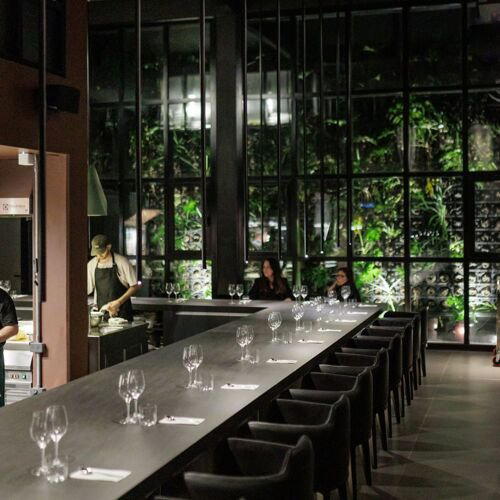
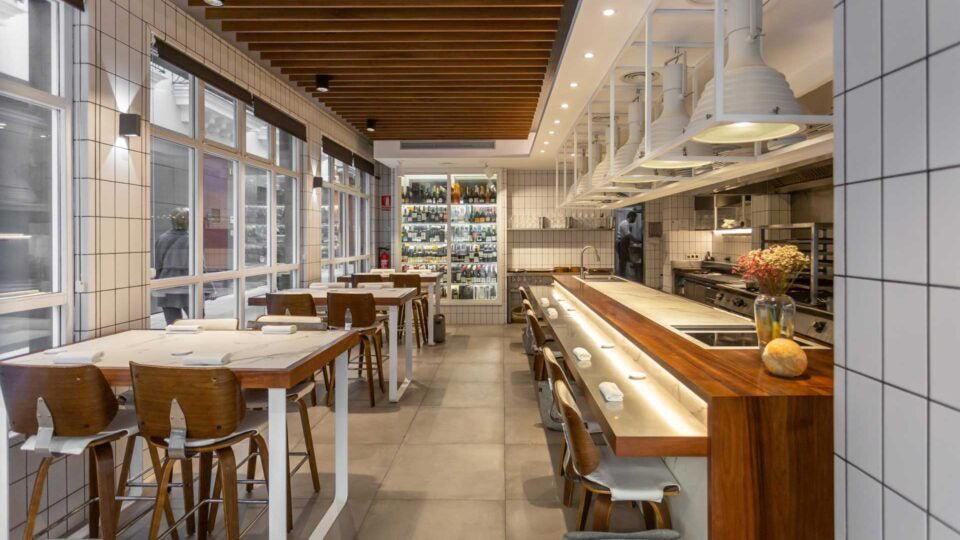
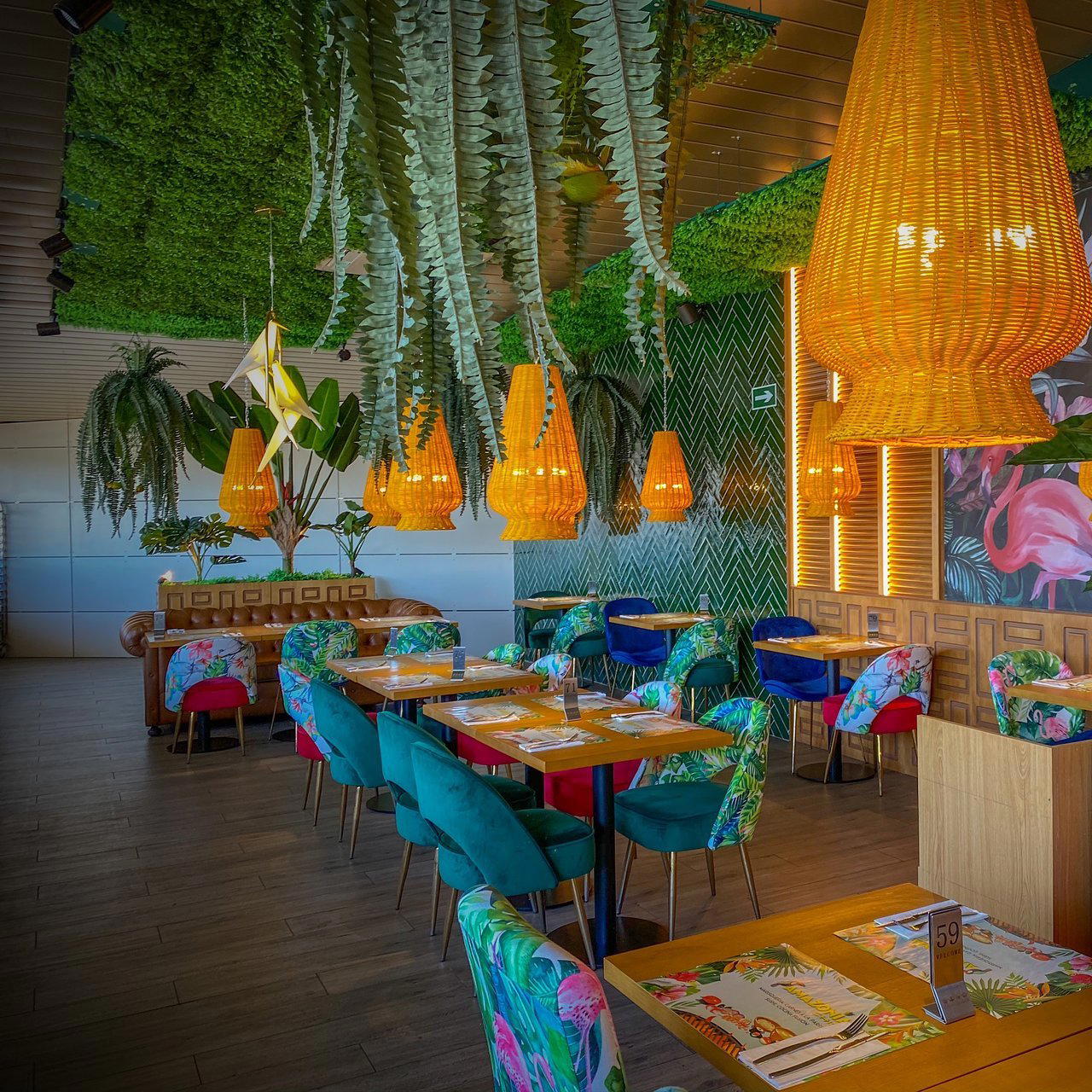
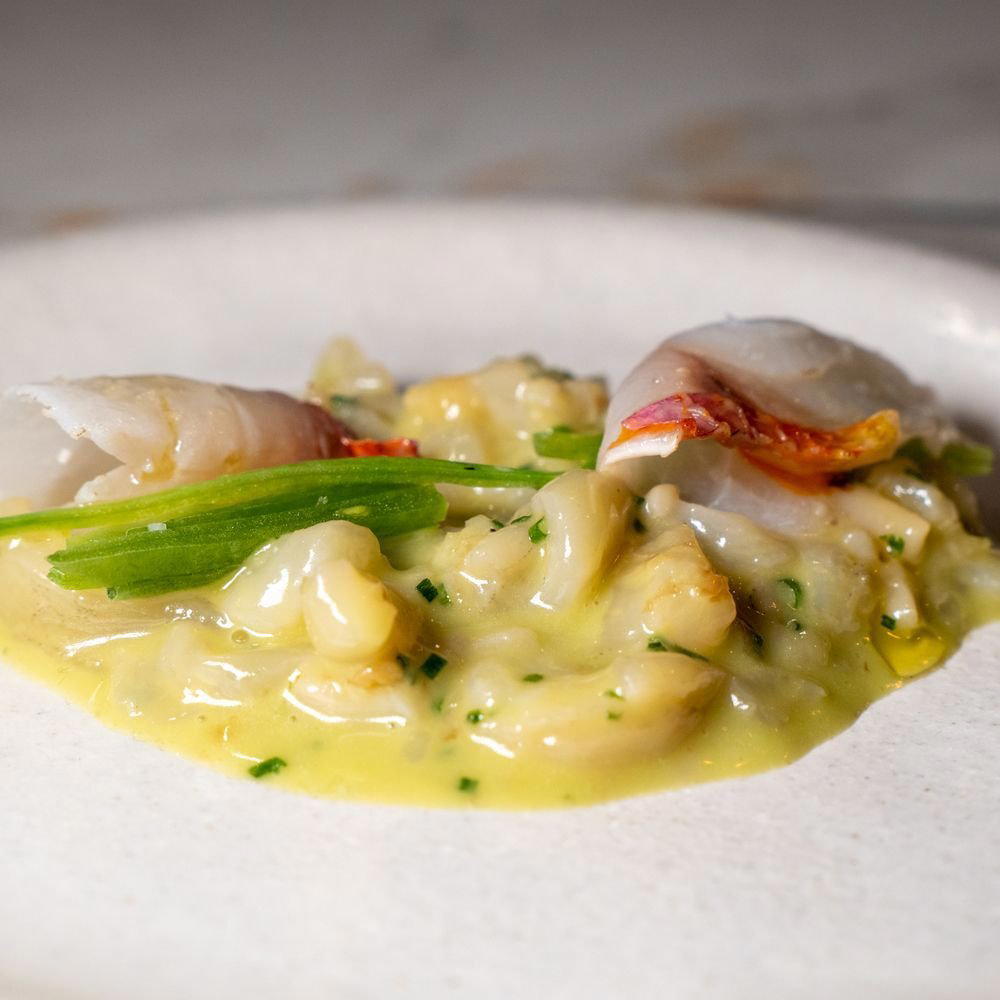
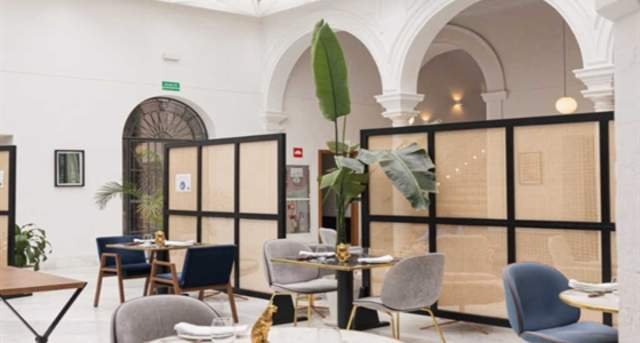
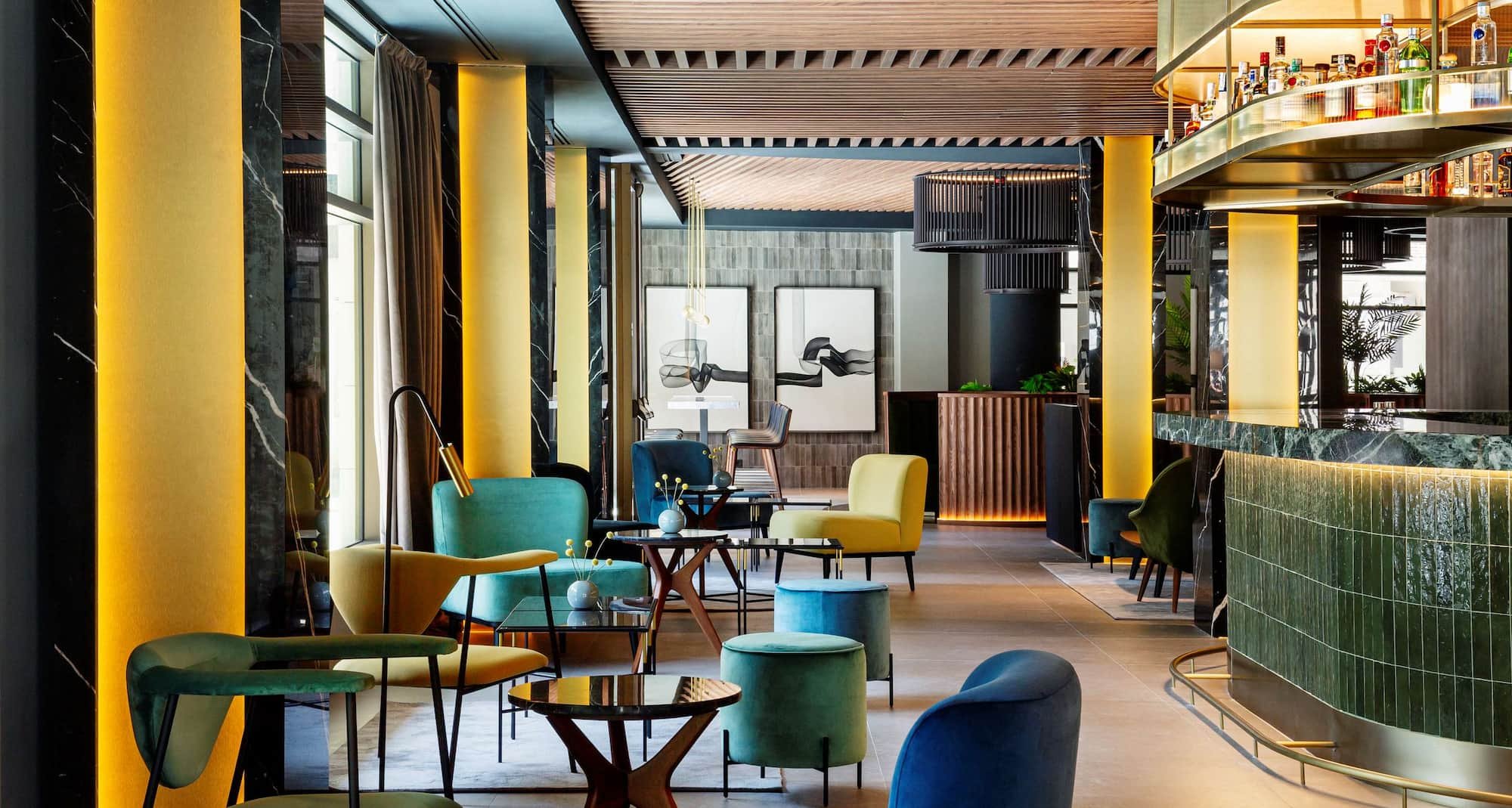
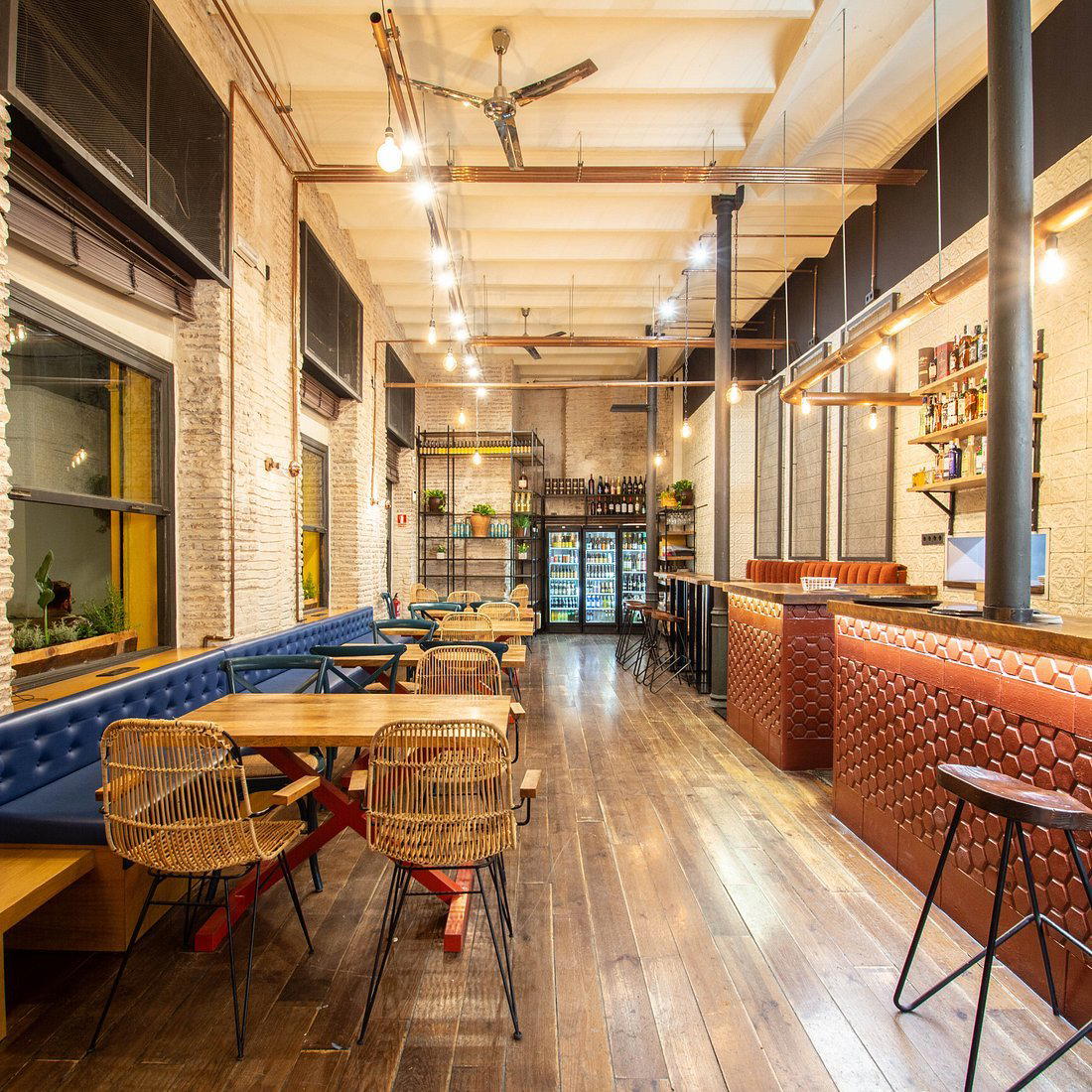
Minimalist decor with striking artwork on walls, colorful crockery, masses of greenery, and a contemporary aesthetic that blends visual art with culinary creativity.