


Michelin Selected · Conde Nast Hot List Hotels · Mr & Mrs Smith Seal of Approval
A former Neo-Mudéjar art house cinema on Calle Amor de Dios, dilapidated for two decades before a three-and-a-half-year restoration brought it back as the third Cristine Bedfor outpost, this 28-room hotel in Seville's old town arranges its guest rooms around a glass-covered central courtyard with a performance stage. Interiors by Lorenzo Castillo draw on Diego Velázquez and the Spanish Golden Age, with each room dressed in a single saturated colour. Rates from $245.

Pearl is the En Primeur Club membership app — saves, bookings, and concierge access live there. Same editors, same standards.
- Address
- C. Amor de Dios, 29, Casco Antiguo, 41002 Sevilla, Spain
- Phone
- +34 955 94 45 74
- Website
- cristinebedforhotel.com
- Directions
- Get directions
A Theater Reborn in the Old Town
Seville has accumulated several decades of experience converting historic buildings into boutique hotels, and the standard has risen sharply. The city's old town holds palaces turned into design properties, convents recast as sleek lodgings, and aristocratic mansions repositioned for a contemporary guest. What makes Cristine Bedfor Guest Houses Sevilla distinct within that pattern is not merely the age of the building, but its specific architectural lineage. The structure on Calle Amor de Dios is a work of Aníbal González, the Seville-born architect whose career defined the city's early twentieth-century public face. González is most legible to visitors through the grand semicircular Plaza de España in María Luisa Park, but his output extended to smaller Neo-Mudéjar commissions scattered across the old town. This building was one of them, functioning for much of the twentieth century as an art house theater and cinema before falling into a two-decade vacancy. Its restoration, completed after three and a half years of work, marks its third life.
The Architecture Does Most of the Work
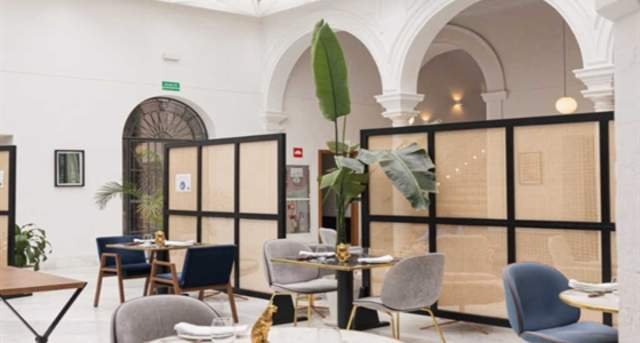
Neo-Mudéjar, the nineteenth- and early twentieth-century Spanish movement that folded Islamic Andalusian ornamental logic into contemporary construction, produced buildings that tend to feel both formal and sensuous in equal measure. González worked within that grammar with particular confidence, and the bones of the Calle Amor de Dios building carry that quality through to the present. The pivot of the interior is a glass-covered central courtyard that also functions as the hotel's main restaurant and retains a performance stage, a decision that acknowledges the building's original purpose rather than erasing it. In a city where restored historic properties often suppress their previous identity in favour of a cleaner guest-facing narrative, that retention of theatrical infrastructure says something about the ambition of the restoration.
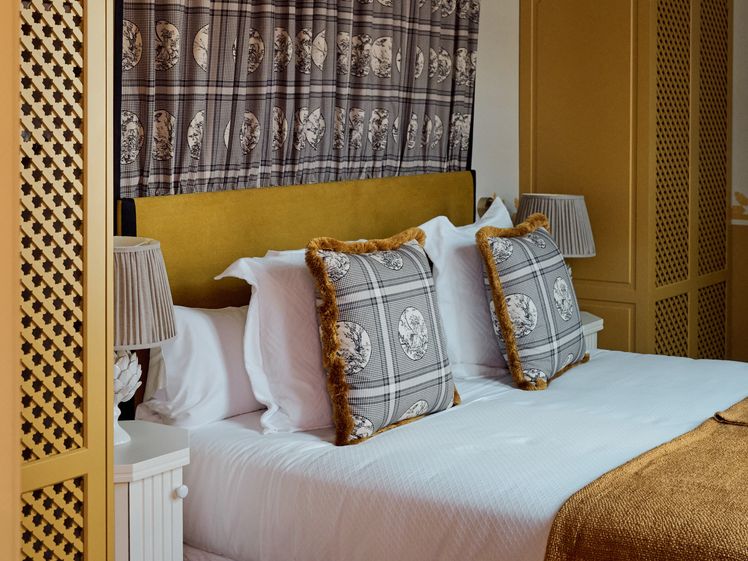
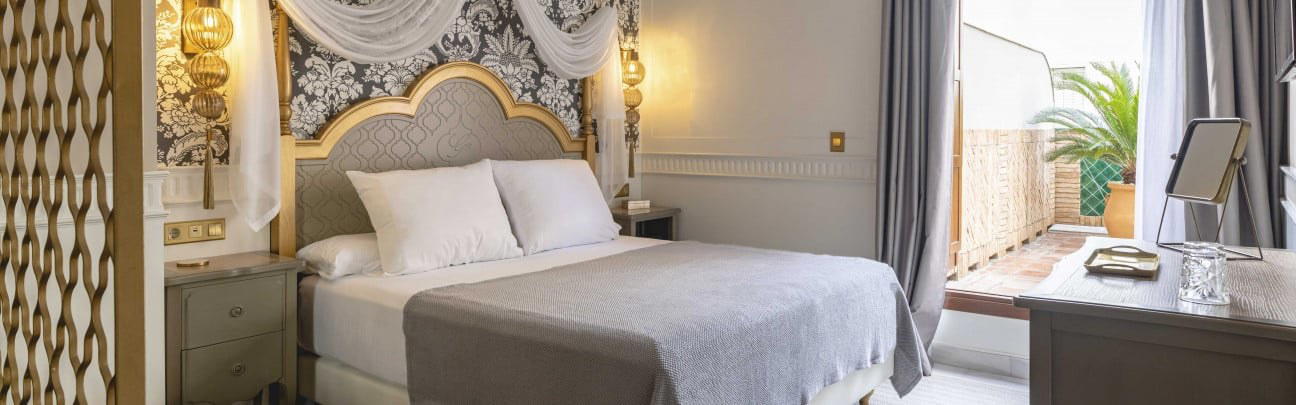
The interiors were designed by Lorenzo Castillo, whose work here takes the Spanish Golden Age and specifically the paintings of Diego Velázquez as its organising reference. That framing has produced 28 rooms, each decorated in a single saturated colour: oxblood, lapis blue, emerald, mustard. Custom-made textiles sourced from the Gastón y Daniela archive reinforce that palette at the level of upholstery and curtain. Moorish-style fretwork on wardrobe doors and hand-stencilled wall patterns read as deliberate citations of the architectural tradition the building itself belongs to, rather than decorative flourishes applied for atmospheric effect. The result sits in a different register from the stripped-back minimalism that characterises several of Seville's newer boutique openings, including Unuk, and trades more directly with properties like CoolRooms Palacio Villapanés, where period architecture and considered decorative programmes occupy the same frame.
The Courtyard, the Rooftop, and the Kitchen
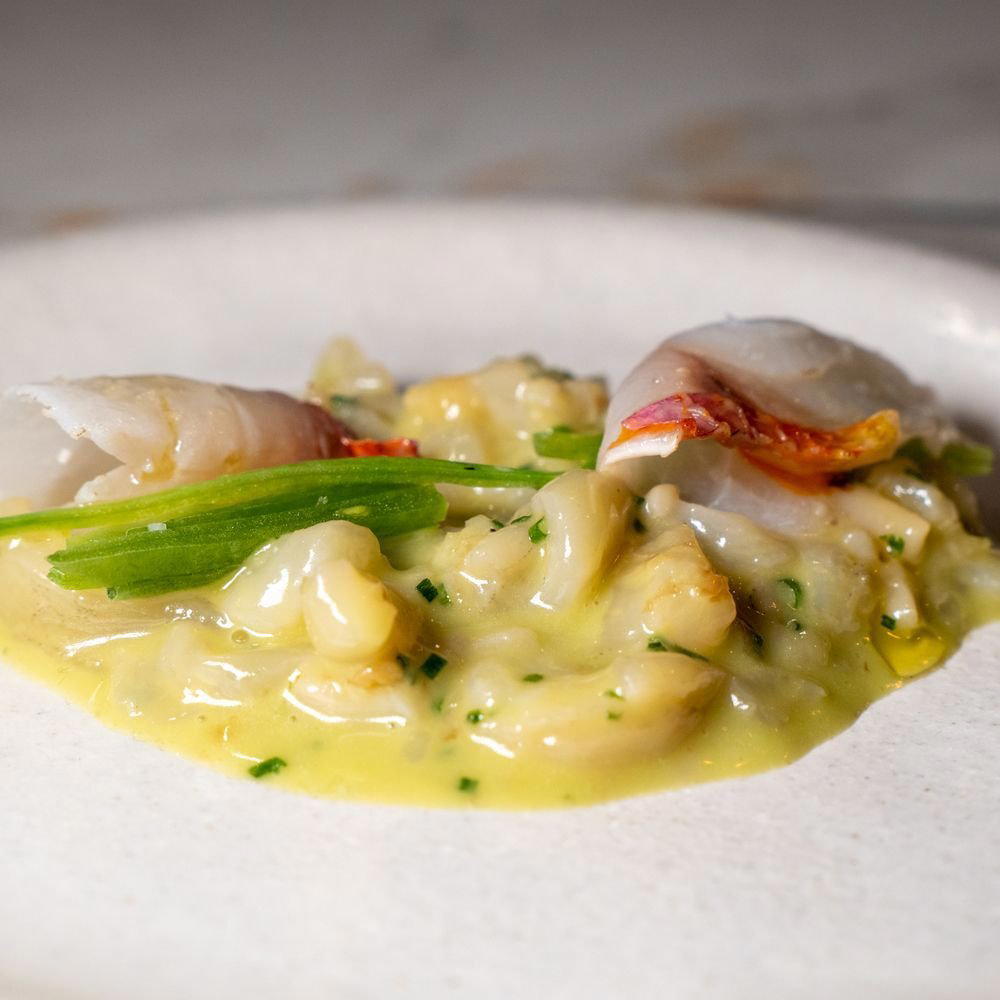
The glass-covered courtyard functions as the social centre of the hotel through the day, and the kitchen that serves it works from a Spanish-rooted brief. Prawn tartare from Huelva arrives with Málaga-style ajo blanco; Iberian pork stew and mandarin ice cream appear further down the menu. The sourcing references are geographically specific to southern Spain, and the format — a restaurant built into a performance space under a glass canopy — gives the dining room a scale and theatre that few of Seville's boutique hotel restaurants can match. Among comparable properties, Corral del Rey and Hospes Las Casas del Rey de Baeza each offer courtyard dining of their own, but neither operates around a stage.
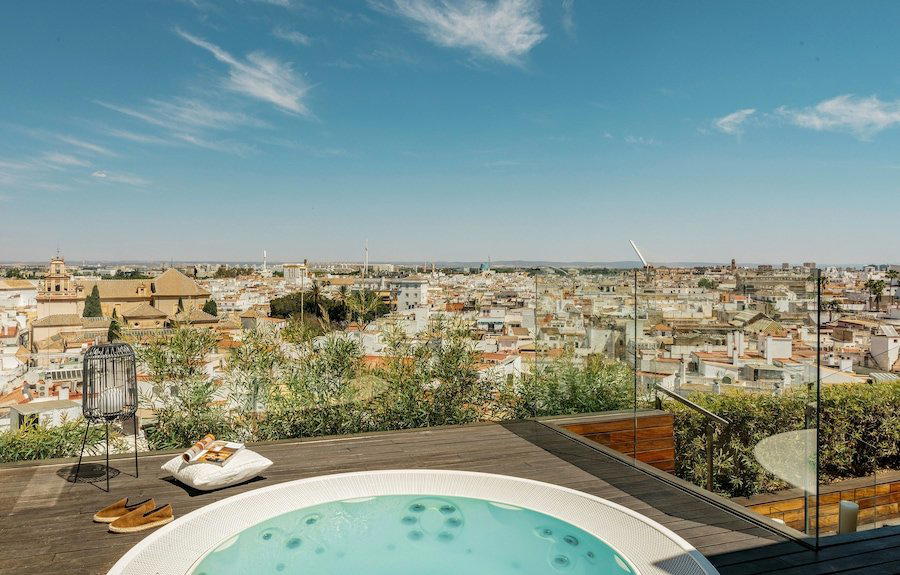
Rooftop terrace with its plunge pool and loungers functions as the afternoon and early evening destination. In a city where summer temperatures routinely exceed 38°C, a rooftop pool is a practical amenity as much as an aesthetic one, and its position above the old town places it within visual range of the surrounding Neo-Mudéjar and Baroque streetscape. Properties at the cathedral end of the city, including EME Catedral Mercer Hotel and Hotel Mercer Sevilla, work within a more monumental immediate context; the Amor de Dios address sits in the older residential grain of the city, which makes the rooftop's perspective feel more neighbourly than panoramic.
Where It Sits in the Cristine Bedfor Arc
Cristine Bedfor's original property in Menorca earned a devoted following among travellers who prioritise considered interiors and a calm, low-key format over amenity stacks. The Seville property is described by the brand as a grown-up evolution, and the framing is accurate in the sense that it operates at a different scale and register. The Menorca hotel's character is shaped by its island setting and relatively intimate proportions. The Seville building, with its theater heritage, glass courtyard, and performance stage, generates a different atmosphere, one where architecture and public space carry more weight than they do in the earlier property. The Lorenzo Castillo interiors connect the two; his hand is consistent across both, even as the Spanish Golden Age palette of the Seville rooms replaces whatever the island property required.
Within the wider Spain boutique hotel category, the Cristine Bedfor Seville entry prices from $245, which places it below the headline rates of properties like Hotel Alfonso XIII and within a more accessible band that aligns it with Hotel Colón and similar midfield options, though the design programme and restoration complexity position it differently from both. For travellers drawing comparisons across Spain's historic-building hotel stock, the benchmark properties worth considering include Atrio Restaurante Hotel in Cáceres, Abadía Retuerta LeDomaine, and, for Mediterranean island equivalents, Hotel Can Ferrereta in Santanyí and Hotel Can Cera in Palma. Those wishing to trace the broader Spanish luxury circuit beyond Seville might also consider Mandarin Oriental Ritz, Madrid or Mandarin Oriental Barcelona at the higher end, or the more design-led Atlantic coast properties like Pepe Vieira Restaurant & Hotel in Poio and Casa Beatnik Hotel in A Coruña for a different register entirely.
Planning Your Stay
The hotel is located at C. Amor de Dios, 29, in the 41002 postal district, placing it in the old town within walking distance of the main historic sites. Rates begin from $245, and given the 28-room count and the attention the property has received since opening, booking well ahead of peak spring and autumn periods is advisable. Seville's shoulder seasons in March, April, October, and November offer the most moderate temperatures for exploring on foot; July and August are hot enough to make the rooftop plunge pool a genuine necessity rather than a luxury. For a broader view of where to eat and drink around the property's neighbourhood, see our full Seville restaurants guide.
| Venue | Cuisine | Price | Awards |
|---|---|---|---|
| Cristine Bedfor Guest Houses SevillaThis venue — the venue you are viewing | This venue | Not listed | Michelin Selected · Conde Nast Hot List Hotels |
| Hotel Mercer Sevilla | Michelin 1 Key | Not listed | 1 Michelin Key |
| Unuk | Michelin 1 Key | $300–500 | 1 Michelin Key |
| CoolRooms Palacio Villapanés | Michelin 1 Key | $300–500 | 1 Michelin Key · Mr & Mrs Smith Seal of Approval |
| Hospes Las Casas del Rey de Baeza | Not listed | Not listed | Michelin Selected · Design Hotels Member |
| Hotel Colón | Not listed | $300–500 | Virtuoso Luxury Hotel Partner · Leading Hotels of World Member |
Recognition history
Dated appearances from independent guides and award organizations, with the underlying list record or original source where available.
Michelin Selected
Michelin
Conde Nast Hot List Hotels
Conde Nast
Mr & Mrs Smith Seal of Approval
Mr & Mrs Smith
Details
- Elegant
- Sophisticated
- Intimate
- Classic
- Whimsical
- Romantic Getaway
- Weekend Escape
- Anniversary
- Business Trip
- Historic Building
- Design Destination
- Terrace
- Panoramic View
- Private Dining
- Wi Fi
- Pool
- Spa
- Restaurant
- Bar
- Room Service
- Concierge
- Fitness Center
- Air Conditioning
- Laundry Service
- Valet Parking
- Street Scene
- Wheelchair Accessible
- Elevator
- Accessible Restroom
- Step Free Entrance
- Accessible Parking
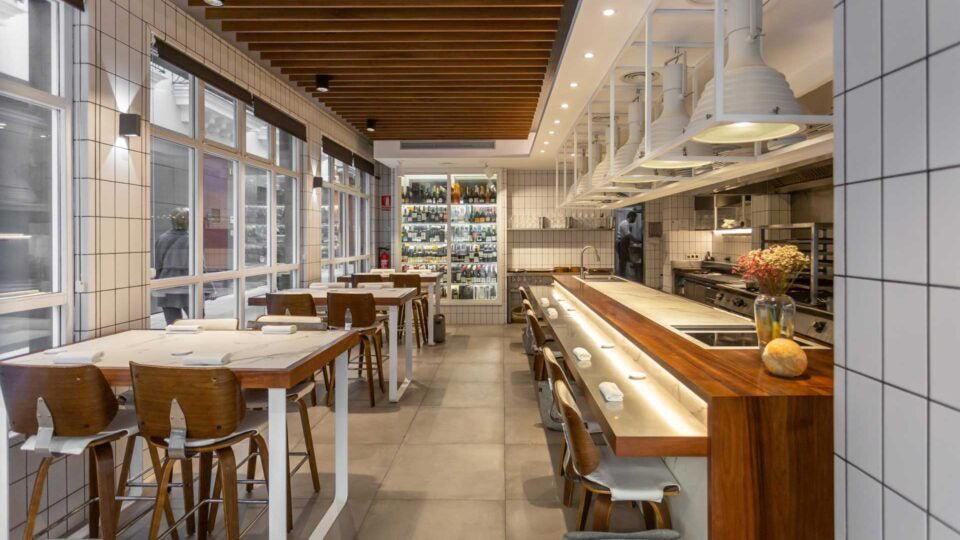
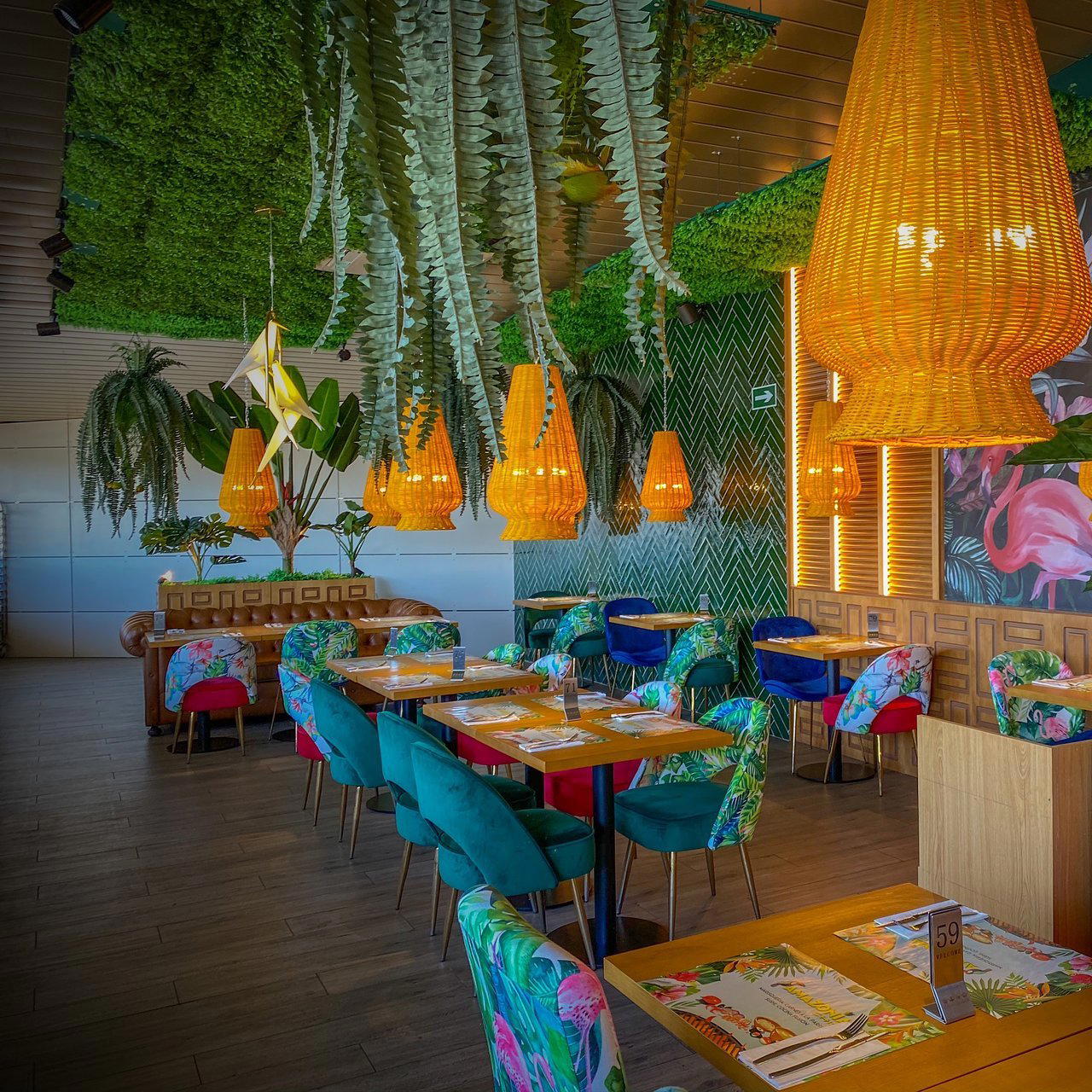
Elegant, atmospheric, and richly layered, with a bright central courtyard, abundant natural light, and a colorful mix of historic textures, patterned fabrics, and restored theatrical architecture.