

Michelin Bib Gourmand · Macarfi 7.6 Food Rating
Our verdict
A Michelin Plate-recognised Italian in Madrid's Chamberí district, Manifesto 13 pairs a bistro-industrial interior with a creative, fusion-inflected menu built around fresh handmade pasta. The open kitchen, bar-counter seating, and mix of high and low tables give it a relaxed but deliberate energy that sets it apart from the city's more formal Italian options.

Pearl is the En Primeur Club membership app — saves, bookings, and concierge access live there. Same editors, same standards.
- Address
- Calle de Hartzenbusch, 12, Chamberí, 28010 Madrid, Spain
- Phone
- +34 649 83 45 02
- Hours
- Mon–Thu 7 PM–1 AMFri–Sun 1:30–4 PM, 7 PM–1 AM
- Website
- manifesto13.es
- Directions
- Get directions
The menu
What to order
- Agnolotti with parmesan pine nuts butter and fried sage
- Capelletti with oxtail
- Red prawn tagliolini
A Room That Has Opinions
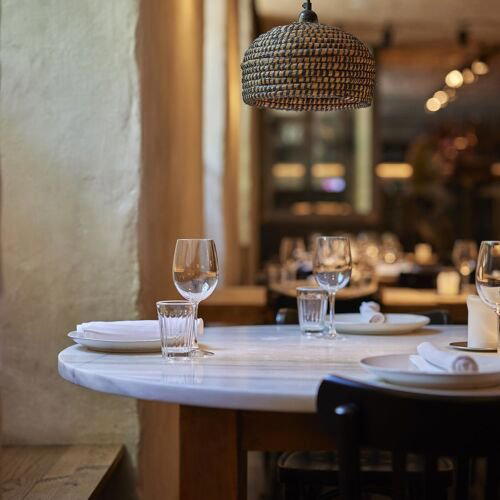
The physical character of a restaurant tells you something before a single dish arrives. At Manifesto 13, on Calle de Hartzenbusch in Madrid's Chamberí district, the room announces itself with a tension between polish and informality that is, in fact, the point. Exposed materials and industrial finishes sit alongside bistro-weight furniture; high tables alternate with low ones in a layout that resists the uniform seating grids of more conventional dining rooms. The open kitchen removes the fourth wall between cook and guest. A bar counter offers solo dining without the slight awkwardness of a table for one. The basement, housing the fresh pasta-making machine, doubles as a private space. The design sits somewhere between a Milanese aperitivo bar and a creative studio, and that friction is not accidental.
Madrid's mid-tier restaurant scene has grown increasingly comfortable with this kind of spatial layering. The city's younger dining rooms tend to reject the formal-casual binary, opting instead for interiors that hold multiple functions at once: counter seating for drop-ins, main-room tables for longer meals, and ancillary spaces that flex between private events and production. Manifesto 13 applies that logic with some consistency. The atmosphere reads as youthful without being deliberately anti-formal, which places it in a distinct position within Chamberí's neighbourhood dining offer.
Where Chamberí Fits In
Chamberí is one of Madrid's most settled residential barrios, with a dining scene that runs from traditional tabernas to well-considered neighbourhood restaurants serving an audience that eats out regularly and has expectations calibrated accordingly. The Glorieta de Bilbao end of the district, where Manifesto 13 operates, carries enough foot traffic to support a range of formats without the tourist-dependent footfall of central Madrid. Italian cooking has a visible presence across the city, from white-tablecloth trattorias in Salamanca to quick-service pasta counters in Malasaña, but the bistro-Italian format with a creative tilt occupies a narrower band. That is the territory Manifesto 13 works in.
For context on how Italian cuisine is interpreted at a higher technical register elsewhere in Madrid, Gioia, La Piperna, and Ozio Gastronómico each represent different inflections of the Italian dining tradition in the city. Manifesto 13 does not compete in that tier on price or ceremony; it competes on how it frames Italian cooking as something that can absorb outside influence without losing structural coherence.
The Menu: Italian Architecture, Creative Tolerance
The menu's organisation reflects the space's layered approach. Sections cover tapas, sharing starters, pasta, and main dishes, a structure that accommodates two guests sharing a quick pasta and a larger group working through several rounds. That flexibility is deliberate and increasingly common among Italian restaurants that want to function as neighbourhood regulars rather than occasion-only destinations.
The fusion-inflected approach is most visible in the pasta section. The agnolotti preparation with parmesan, pine nuts, homemade butter, and fried sage illustrates where the kitchen's priorities lie: classical Italian form, with textural and aromatic decisions that push past convention without abandoning it. The fresh pasta-making machine in the basement signals that this is not a gesture toward handmade craft but an operational commitment. Fresh pasta is a labour and logistics proposition; having a dedicated machine on-site means the pasta program can run with consistency at a price point that keeps the room accessible.
Fusion tag tends to raise scepticism in serious food circles, and not always unfairly. But the distinction here is that the creative influence appears to operate at the level of technique and combination rather than as a wholesale detour from Italian cooking logic. The kitchen is working within a tradition while pulling at its edges, which is a different proposition from Italian cooking as a loose theme applied to whatever is in season.
Michelin Recognition in Context
A Michelin Plate, which Manifesto 13 holds for 2025, indicates that the guide's inspectors found the cooking to meet a standard worth noting, without the full star assessment. Within Madrid, that positions the restaurant in a broad category of places Michelin considers competent and worth visiting, below the starred tier occupied by restaurants like DiverXO and Coque, but within the acknowledged tier of reliable, considered cooking.
Spain's broader restaurant conversation tends to centre on the country's top-tier avant-garde operators. Restaurants like Disfrutar in Barcelona, Arzak in San Sebastián, El Celler de Can Roca in Girona, Quique Dacosta in Dénia, Azurmendi in Larrabetzu, and Aponiente in El Puerto de Santa María define how Spain presents itself at the top of the global dining conversation. Manifesto 13 operates far below that altitude, and the comparison only matters to establish that the Michelin Plate sits in a clearly defined middle tier: good cooking, genuine intent, no pretence to a different category.
Globally, the Italian-outside-Italy genre has produced some of the most technically rigorous restaurants working today. 8½ Otto e Mezzo Bombana in Hong Kong and cenci in Kyoto illustrate how Italian cooking can absorb local context while holding formal discipline at a high level. Manifesto 13's version of that exercise is more modest in scope, but the structural question it asks of Italian cooking is similar: how much can the tradition absorb before it becomes something else?
Pricing and Format
The €€ price range places Manifesto 13 in the accessible mid-market band. For Madrid, that means a dinner per person that sits comfortably below the city's starred restaurants and at a price point where a full meal including pasta, a main, and drinks does not require a special occasion to justify.
The format suits both planned visits and more spontaneous arrivals. The bar counter, in particular, functions as a genuinely useful single-seat option for guests eating alone, a feature that is rarer in Madrid's Italian restaurants than it should be.
For a complete picture of eating and drinking in the city, see our full Madrid restaurants guide, our full Madrid bars guide, our full Madrid hotels guide, our full Madrid wineries guide, and our full Madrid experiences guide.
Know Before You Go
- Address: Calle de Hartzenbusch, 12, Chamberí, 28010 Madrid, Spain
- Neighbourhood: Chamberí, near Glorieta de Bilbao
- Price range: €€ (mid-market)
- Recognition:
- Cuisine: Italian with creative, fusion-inflected influences; fresh handmade pasta made on-site
- Seating options: Bar counter, mixed high and low dining room tables, private basement space
Frequently asked questions
What is Manifesto 13 known for?
Manifesto 13 holds a Michelin Plate for 2025 and is recognised for an Italian menu that incorporates creative, fusion-style influences within a bistro-industrial setting in Chamberí. The kitchen's commitment to fresh handmade pasta, made on-site using a dedicated pasta machine, is a consistent reference point across reviews. The open kitchen and mixed seating format are distinctive features of the room. For other Italian options in Madrid, Gioia and La Piperna offer different takes on the cuisine at varying price points.
Do they take walk-ins at Manifesto 13?
Booking details are not currently published, but the €€ price point, bar-counter seating, and neighbourhood bistro format all suggest that walk-ins are part of the operational model, particularly for solo diners or couples arriving early. Madrid's mid-market Italian segment generally accommodates some walk-in capacity, especially on weekday evenings. Checking current availability through Google or a local reservations platform before arriving is the practical approach. For broader context on Madrid's dining options across price tiers, including DiverXO at the leading end, see our full Madrid restaurants guide.
at Manifesto 13?
The pasta section is where the kitchen signals its priorities most clearly. The agnolotti with parmesan, pine nuts, homemade butter, and fried sage is the preparation most frequently cited in available descriptions, and it illustrates the kitchen's approach: classical Italian structure with carefully chosen aromatic and textural additions. The menu also covers tapas and sharing starters, which makes a multi-course approach viable at a mid-market price. For reference on how Italian cuisine operates at different registers elsewhere, Ozio Gastronómico represents a comparison point within Madrid, while cenci in Kyoto shows what Italian cooking absorbing local influence looks like at a higher technical level.
Reputation First
A short peer table to compare basics side-by-side.
| Venue | Cuisine | Price | Awards | Notes |
|---|---|---|---|---|
| Manifesto 13This venue — the venue you are viewing | Italian-Peruvian Fusion | $50–100 | Michelin Bib Gourmand · Macarfi 7.6 Food Rating | Not listed |
| DiverXO | Avant-Garde Spanish Tasting Menu | $300–500 | 3 Michelin Stars · World's 50 Best #4 | Progressive - Asian, Creative |
| Deessa | Modern Valencian Fine Dining | $150–200 | 2 Michelin Stars · La Liste Top Restaurants | Modern Spanish, Creative |
| Smoked Room | Modern Japanese Fire Omakase | $200–300 | 2 Michelin Stars · La Liste Top Restaurants | Progressive Asador, Contemporary |
| Coque | Modern Spanish Fine Dining | $300–500 | 2 Michelin Stars · La Liste Top Restaurants | Spanish, Creative |
| Paco Roncero | Avant-Garde Spanish Fine Dining | $150–200 | 2 Michelin Stars · La Liste Top Restaurants | Creative |
Recognition history
Dated appearances from independent guides and award organizations, with the underlying list record or original source where available.
Michelin Bib Gourmand
Michelin
Macarfi 7.6 Food Rating
Macarfi
Full recognition history (3 entries)
Michelin Plate
Michelin
Continue exploring
More in Madrid
Restaurants in Madrid
Browse all →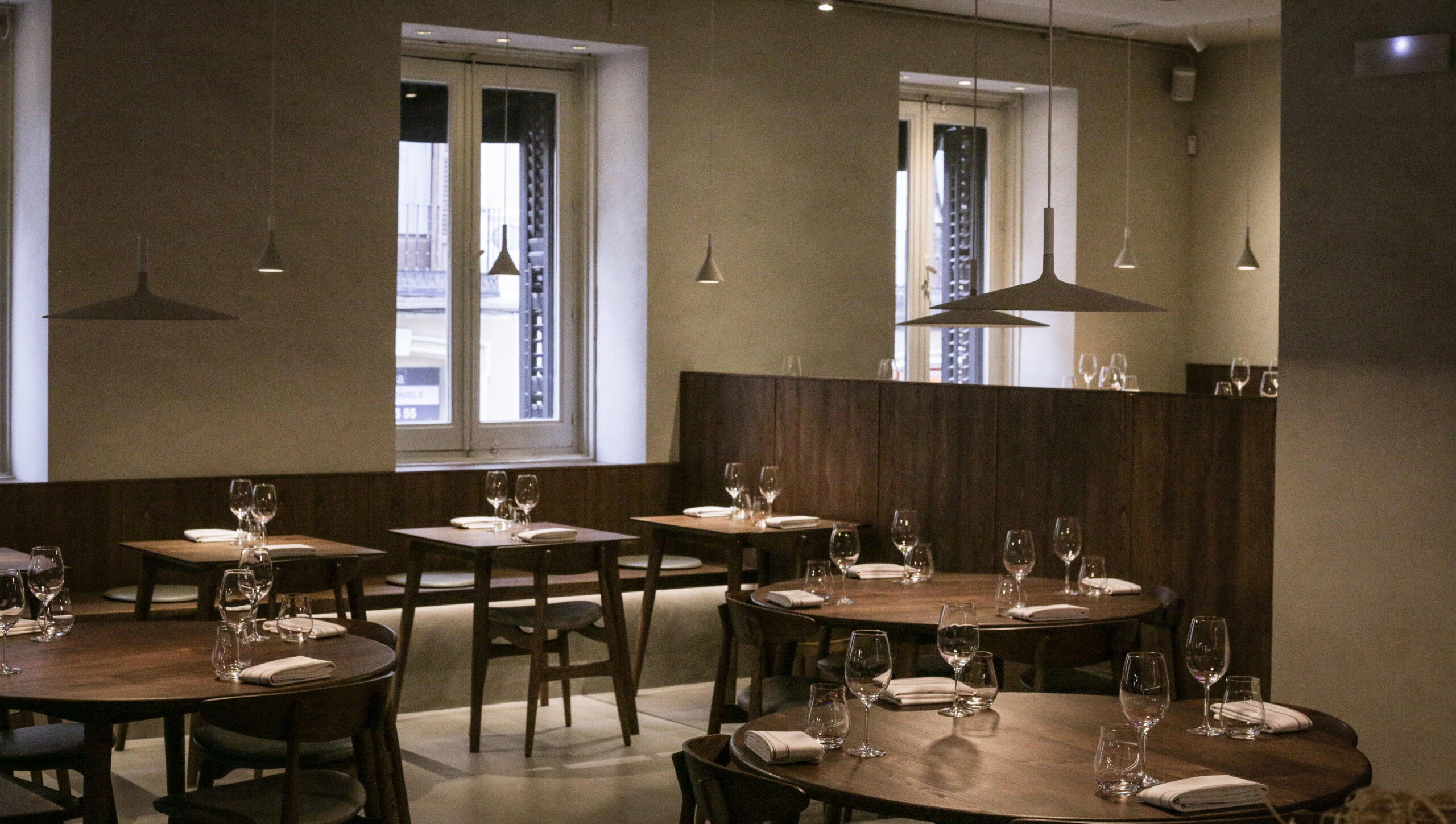
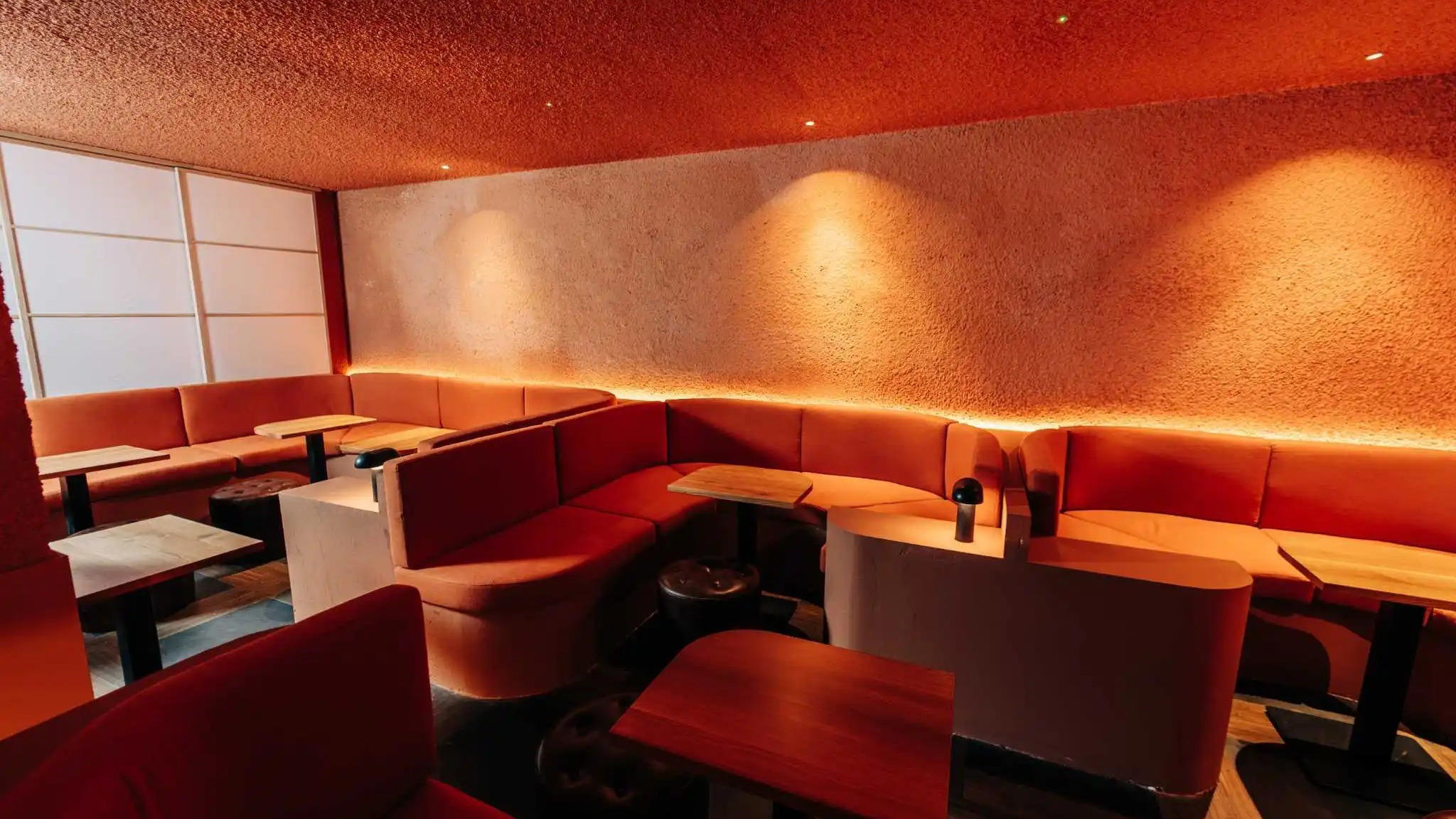
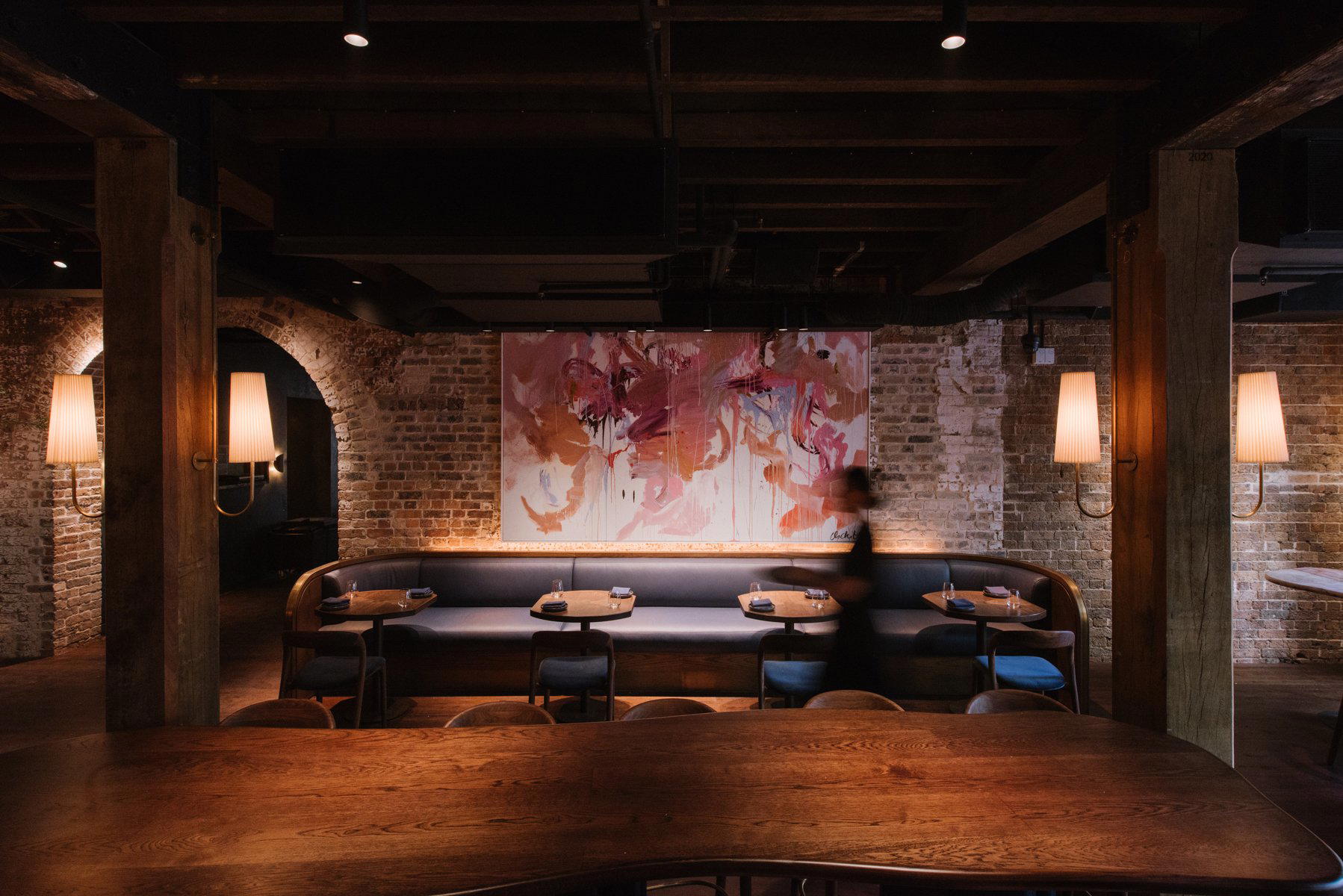
Bars in Madrid
Browse all →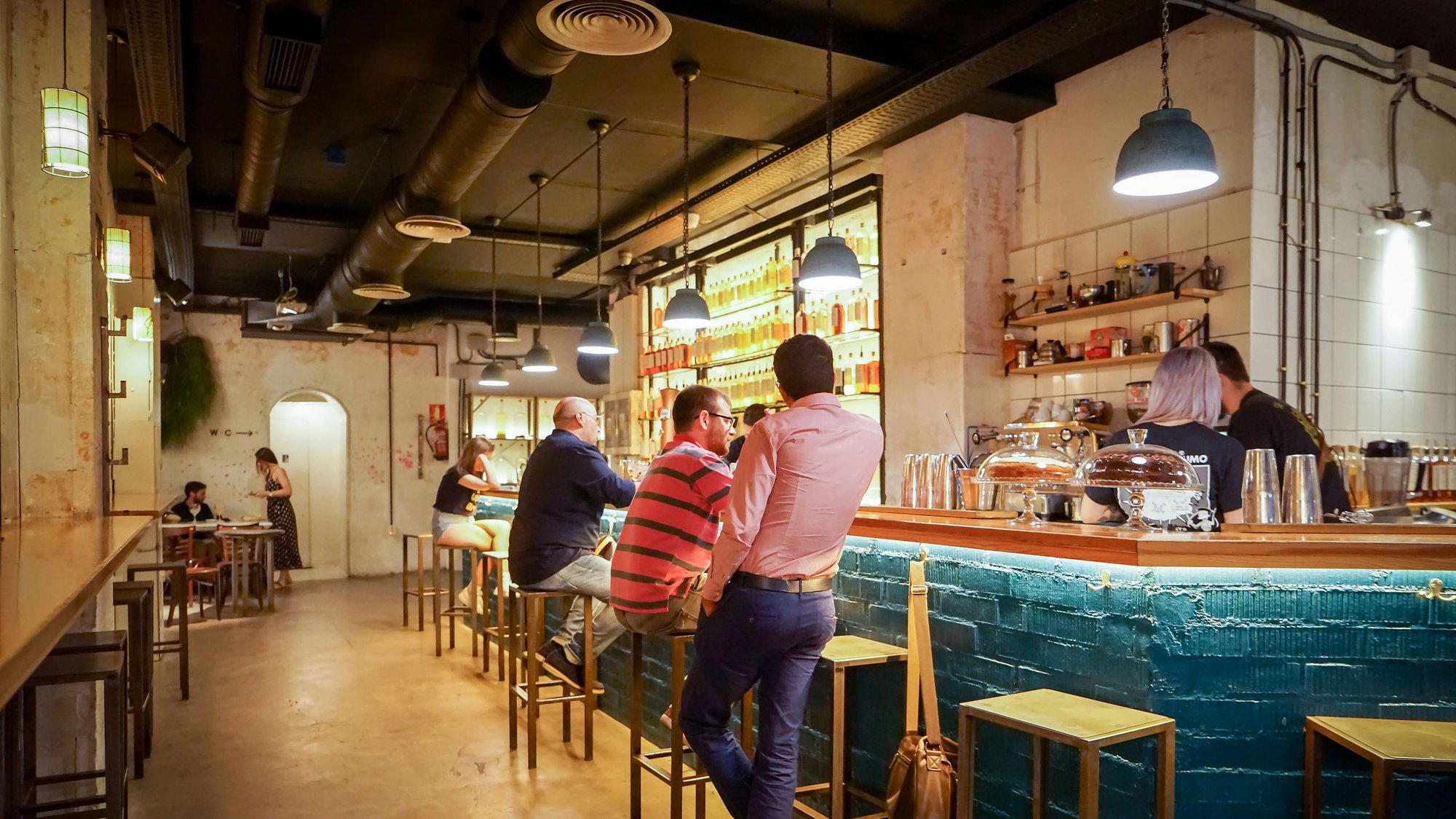
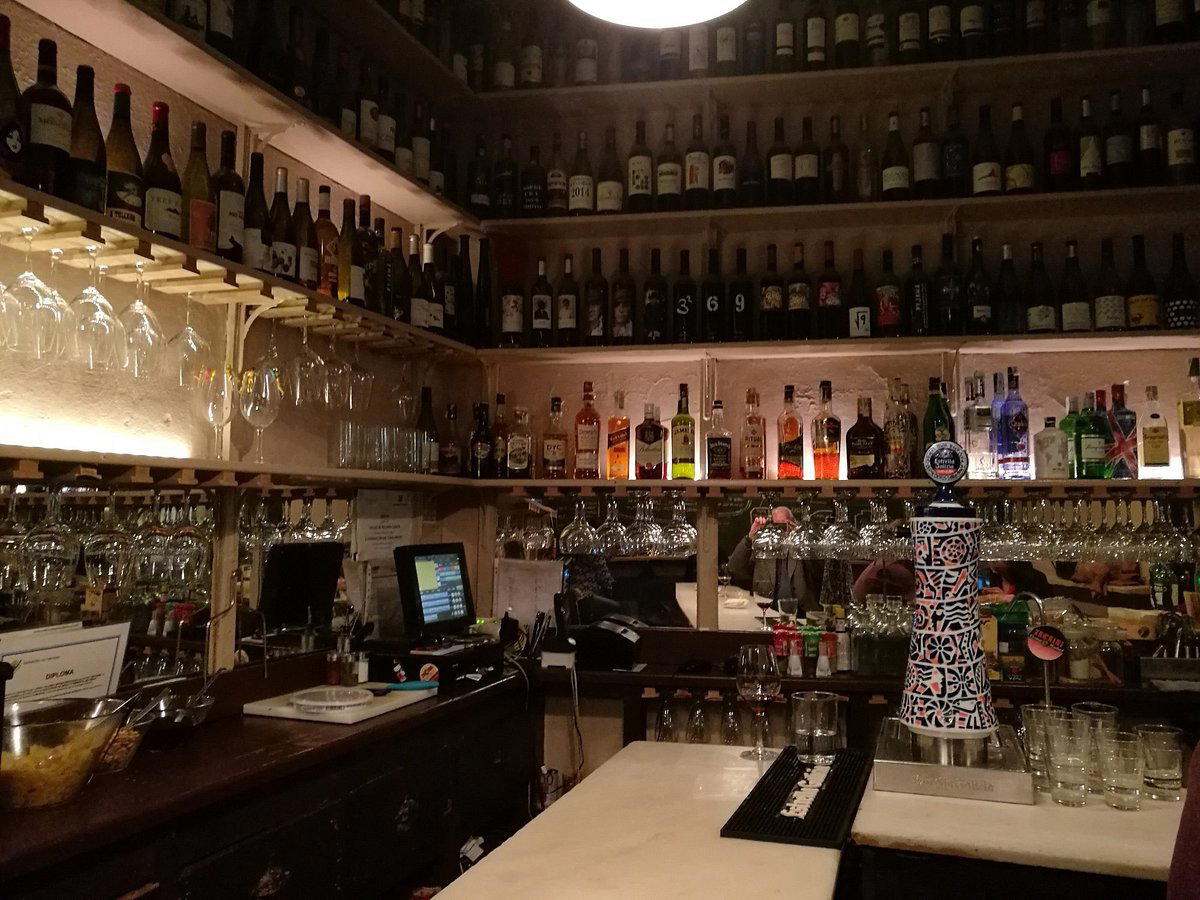
Hotels in Madrid
Browse all →

Details
- Modern
- Trendy
- Industrial
- Date Night
- Group Dining
- Open Kitchen
- Natural Wine
- Natural Wine
- Small Plates
- A La Carte
- Natural Wine
Current opening hours
- Monday
- 7 PM–1 AM
- Tuesday
- 7 PM–1 AM
- Wednesday
- 7 PM–1 AM
- Thursday
- 7 PM–1 AM
- Friday
- 1:30–4 PM, 7 PM–1 AM
- Saturday
- 1:30–4 PM, 7 PM–1 AM
- Sunday
- 1:30–4 PM, 7 PM–1 AM
Hours can change for holidays and private events. Last verified .
Youthful bistro-style with industrial-hipster decor, open kitchen, alternating high and low tables, and vinyl records.