

Gioia brings Piedmontese pasta-making to Madrid's Centro district, where a family-recipe approach to fresh pasta sits at odds with the city's predominantly Spanish dining identity. The Michelin Plate-recognised kitchen runs an à la carte alongside two tasting menus: one built around truffle, another ranging across global flavours. At the €€€ price point, it occupies a specific niche among Madrid's Italian options.
Pearl is the En Primeur Club membership app — saves, bookings, and concierge access live there. Same editors, same standards.
- Address
- C. de San Bartolomé, 23, Centro, 28004 Madrid, Spain
- Phone
- +34 915 21 55 47
- Website
- esgioia.es
- Directions
- Get directions
 Saves & bookings on Pearl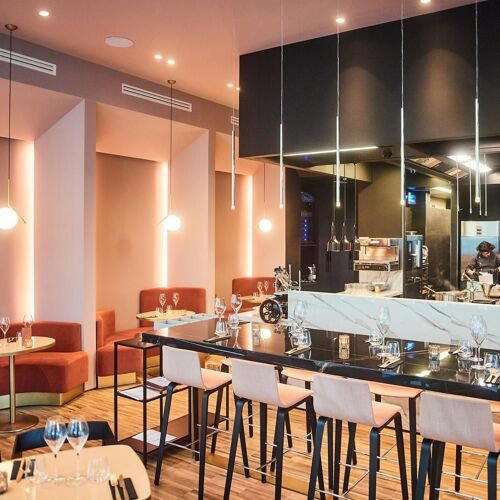
Where Piedmont Lands in Madrid
The Chueca and Centro neighbourhoods of Madrid have absorbed a generation of European restaurant imports, most of them filtered through a Spanish lens. What makes the Italian category interesting here is precisely how rarely it arrives unmediated. Spanish-Italian cooking has its own personality — olive oil heavier, tomato more prominent — and restaurants that stay true to northern Italian tradition, particularly the pasta culture of Piedmont, occupy a noticeably smaller corner of the market. Gioia, on Calle de San Bartolomé in the 28004 postal district, sits inside that corner.
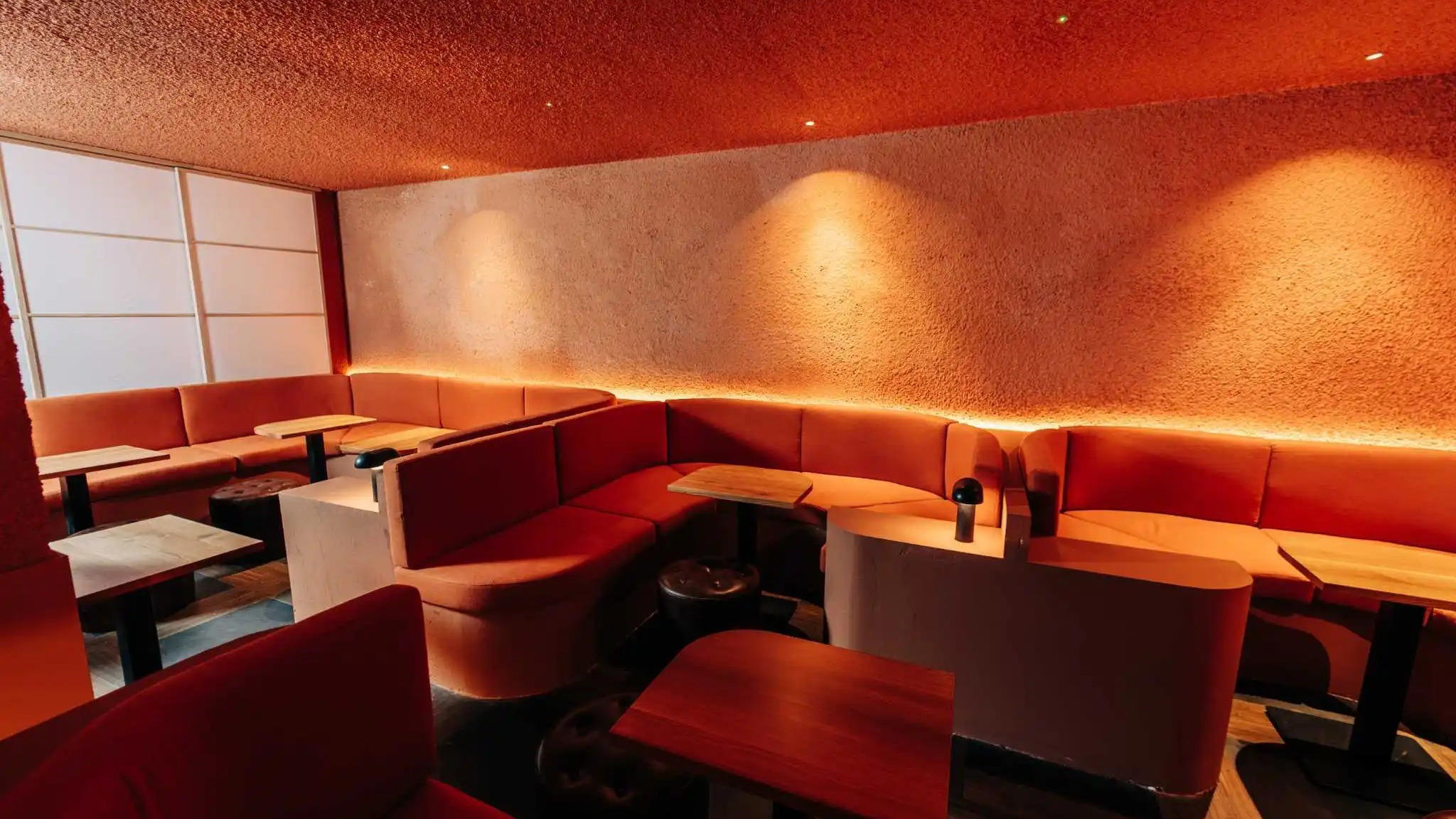
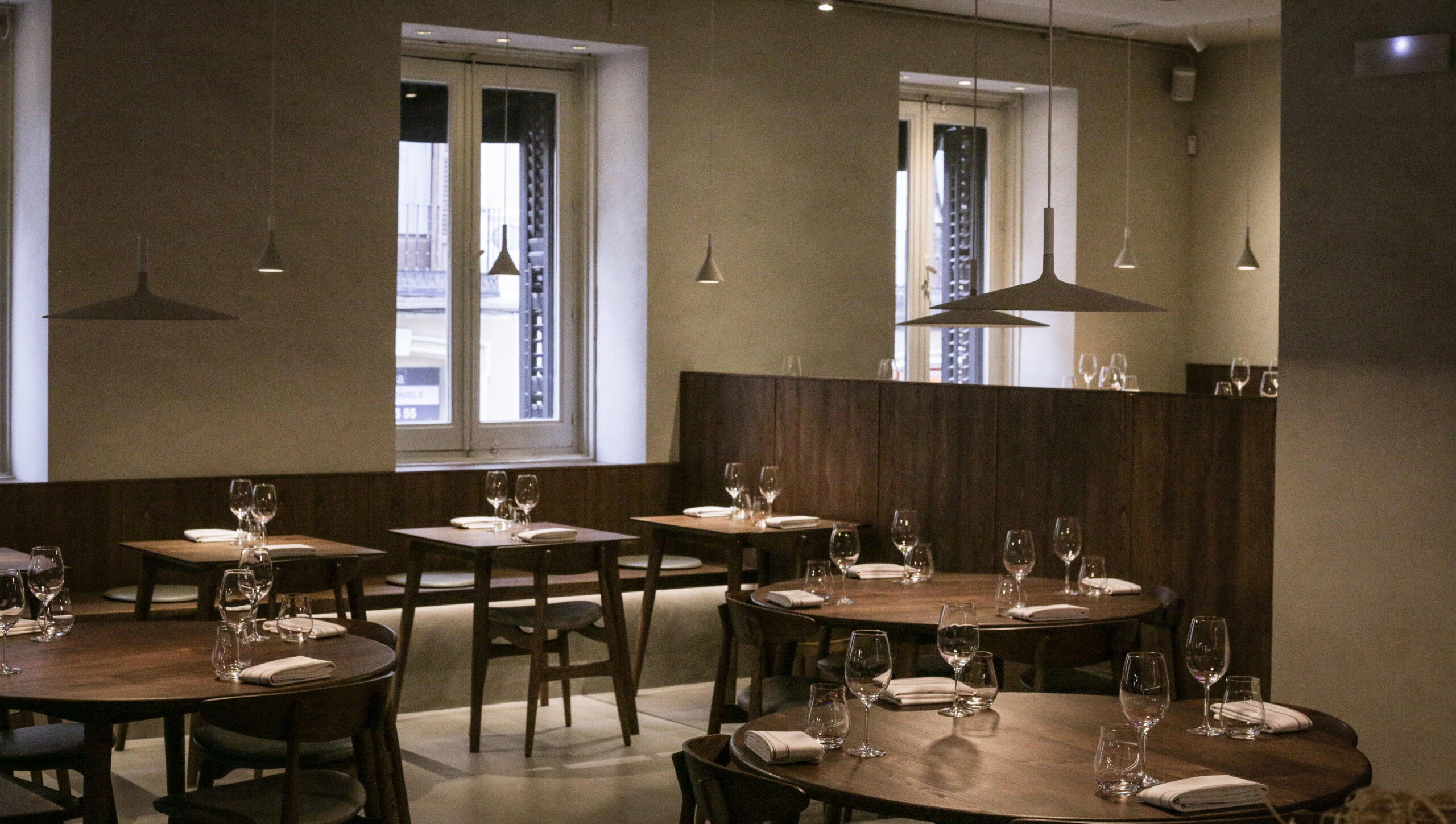
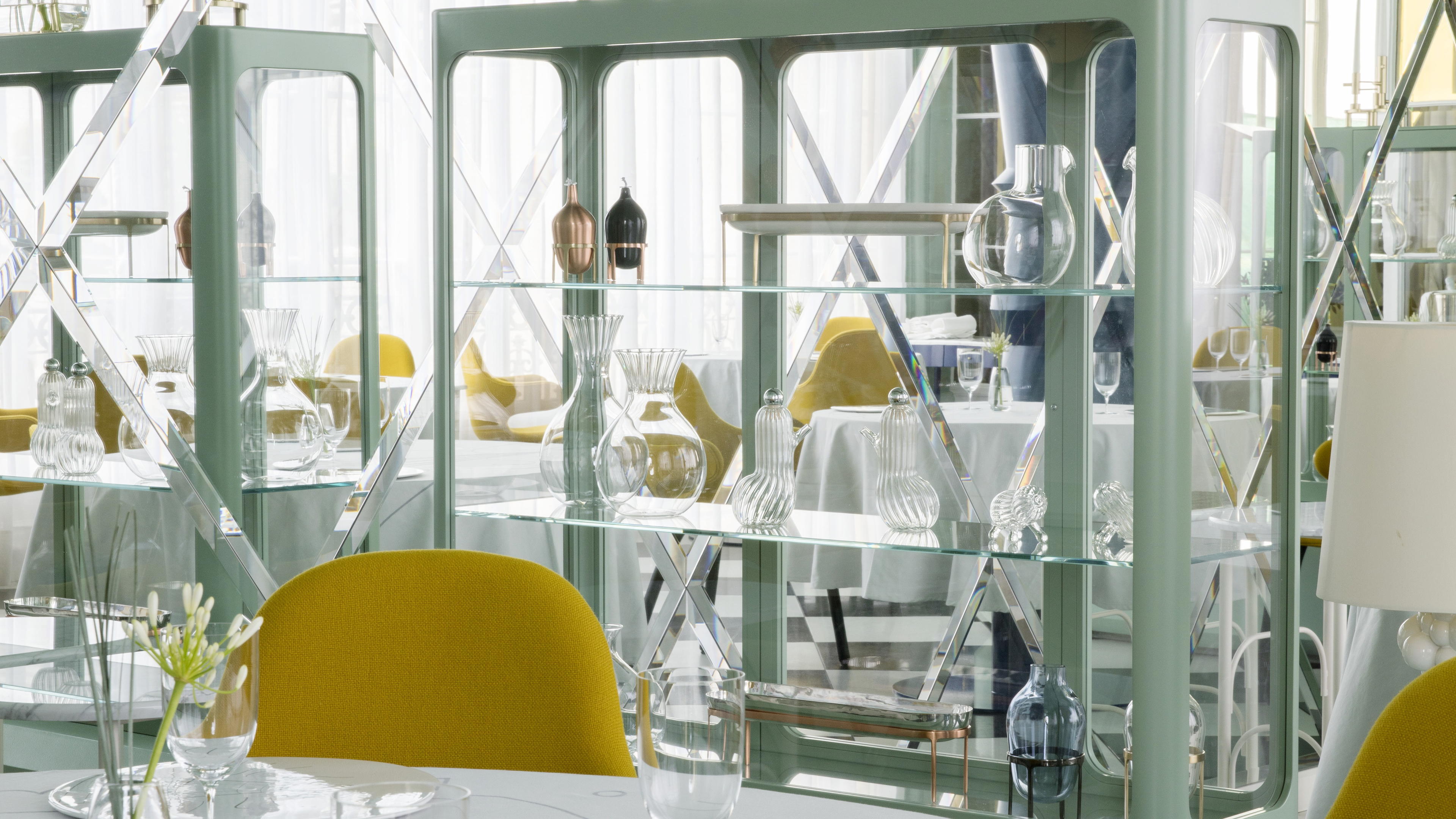
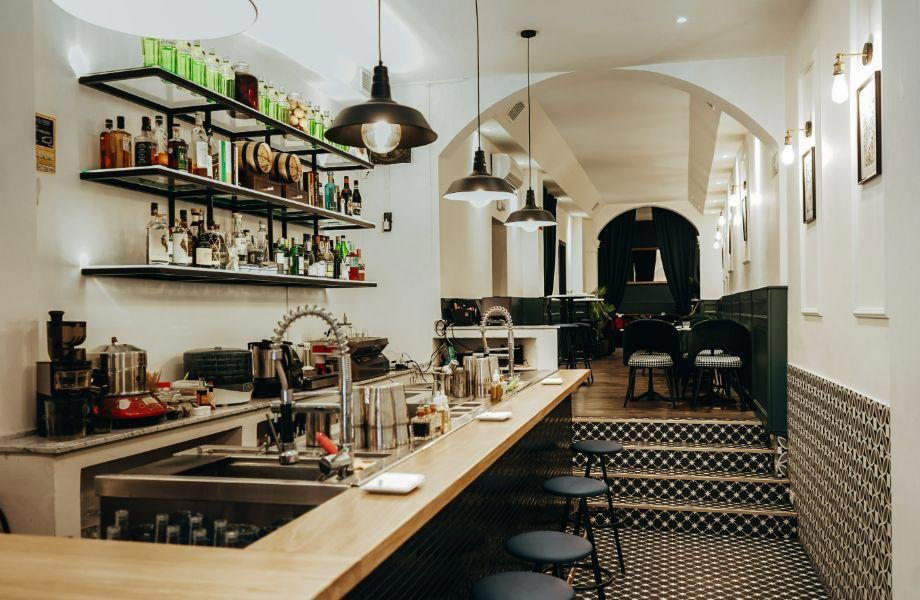
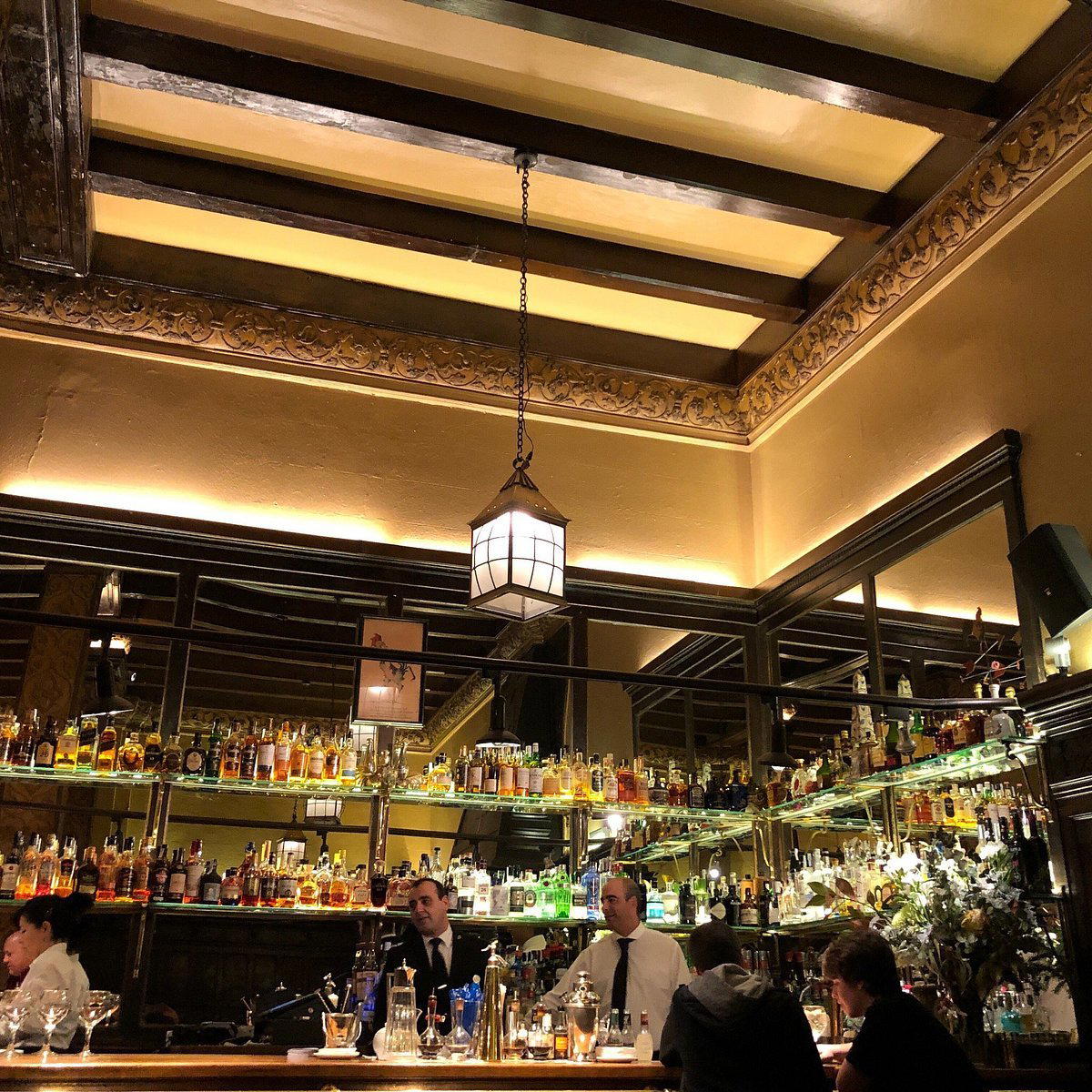
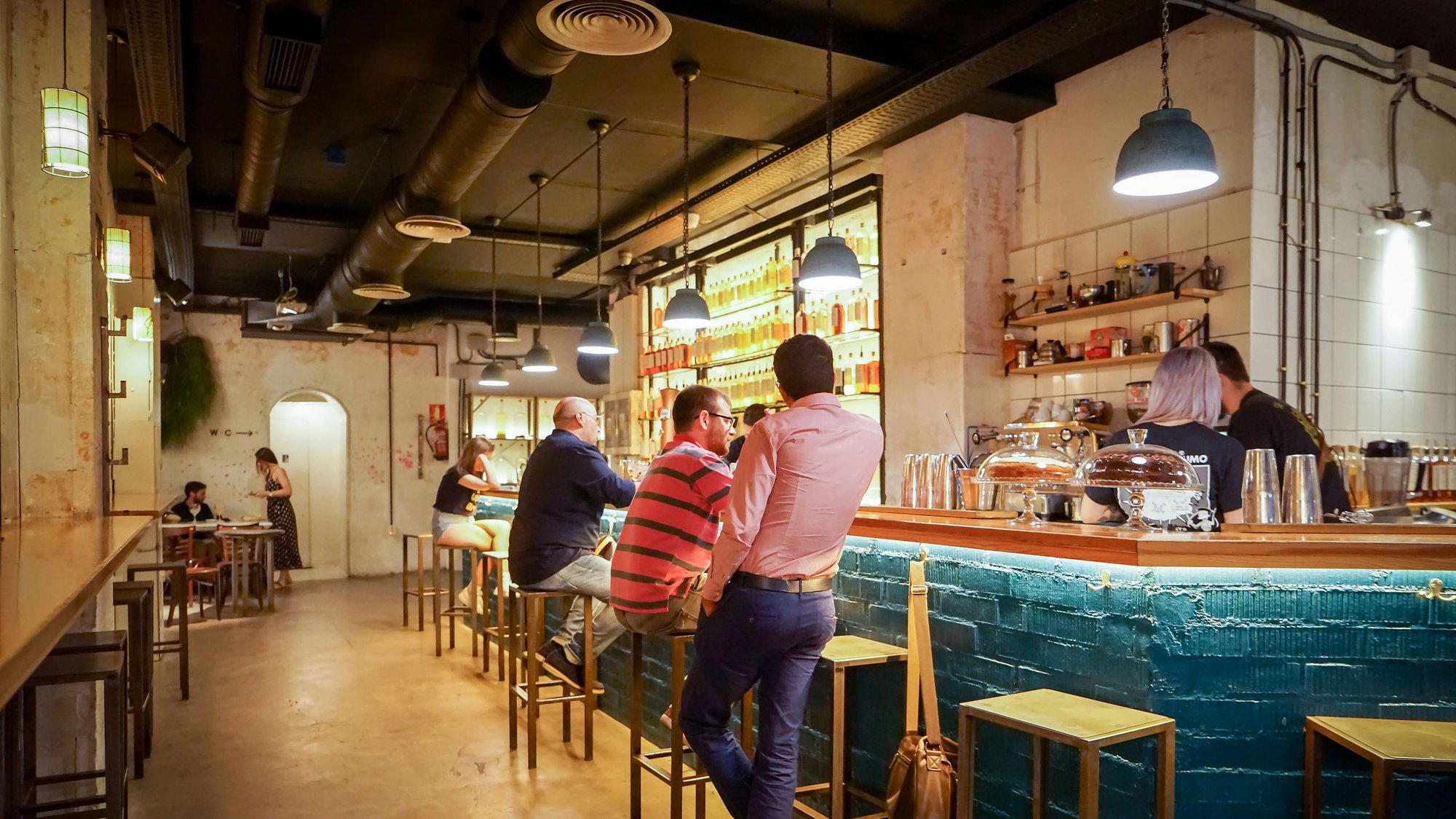
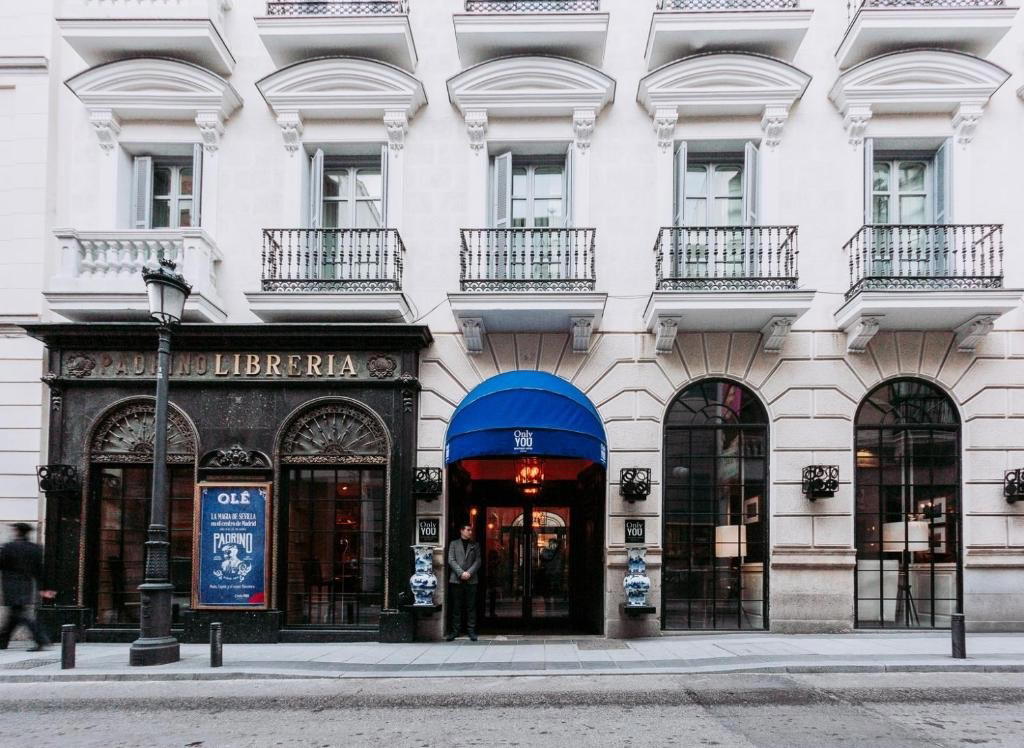
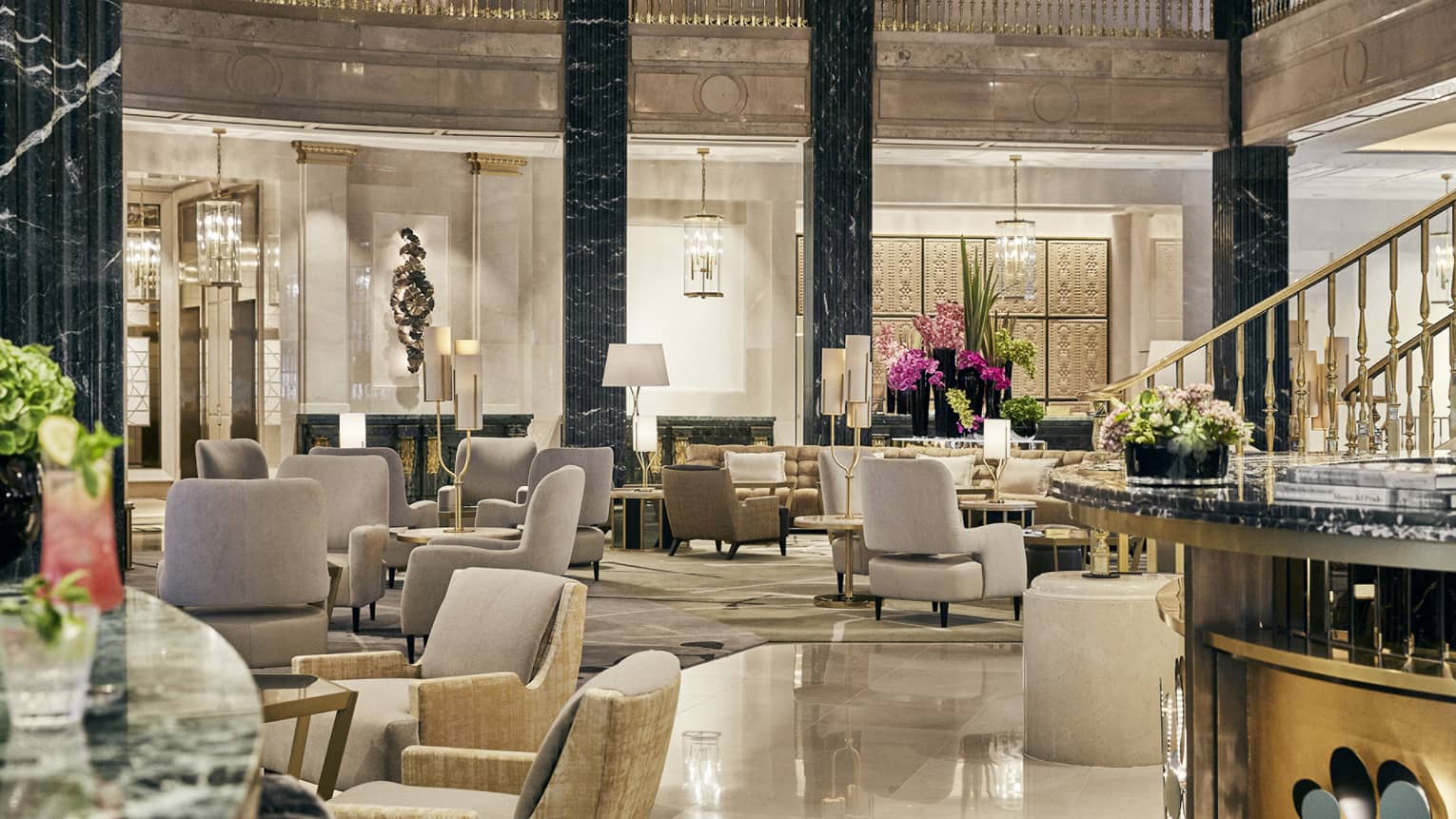
The name translates from Italian as "happiness" or "joy," and the ambience on this quiet Centro street reflects something of that register: not the formal hush of a high-end Spanish tasting-menu room, nor the communal noise of a trattoria, but something that reads as considered without being severe. The building sits on a pedestrian-scale block that feels deliberately removed from the louder currents of Malasaña to the north or the tourist-facing restaurants closer to Gran Vía.
The Piedmontese Tradition Behind the Pasta
To understand Gioia's position, it helps to understand what Piedmontese pasta culture actually means. The region sits in Italy's northwest, bordered by the Alps and Liguria, and its pasta tradition runs on egg-rich dough, hand-worked technique, and restraint in saucing. Ragù alla Piemontese differs from Bolognese in its use of Barbera or Nebbiolo wine; tajarin, the region's signature thin egg pasta, requires a yolk ratio that makes it closer to pastry than to standard dried pasta. These are not skills that transfer casually across borders.
At Gioia, the kitchen operates from a family recipe base attributed to Piedmontese chef Davide Bonato. Within Madrid's Italian restaurant tier, the claim of traditionally made pasta grounded in regional inheritance distinguishes the kitchen from Italian-adjacent operators working with commercial pasta or more generic Italian-Mediterranean formats. For diners accustomed to the difference, it functions as a meaningful credential. The Michelin Guide's 2025 Plate designation affirms that the kitchen delivers on its premise consistently.
Two Menus, Two Frames
The structure of the menu at Gioia is worth understanding before arrival. The à la carte is available for diners who prefer to move at their own pace, but the kitchen also runs two tasting menus that approach Italian and global cooking from different angles.
The first, called Tuber, is dedicated to truffle and operates as what the restaurant describes as a sensorial and interactive experience built around that single ingredient. Truffle-focused menus have proliferated across European fine dining over the past decade, but their execution varies considerably. In the Piedmontese tradition, truffle, particularly white truffle from Alba, is used with deliberate economy, shaved or grated fresh over dishes where its aromatics are the point rather than a garnish. Gioia's Tuber menu reflects that philosophy.
Second menu, named "¡Vuela!" (an exclamatory Spanish imperative meaning "fly"), takes a different direction entirely, reaching beyond Italy to explore flavours from other cultures. This kind of globally ranging menu inside an Italian restaurant is a statement of intent: the kitchen's identity is not confined to regional orthodoxy. For diners who arrive specifically for the Piedmontese pasta, the Vuela menu represents an entirely separate register. The coexistence of both signals a kitchen comfortable operating across registers.
Where Gioia Sits in Madrid's Restaurant Scene
Madrid's Michelin-recognised restaurant tier is dominated by Spanish creative cooking. DiverXO (Progressive - Asian, Creative) holds three stars; Coque (Spanish, Creative) holds two. Smoked Room, Deessa, and Paco Roncero occupy the two-star bracket. The Italian category receives far less attention at the recognition level, which makes Gioia's Plate designation is notable among the city's Italian kitchens.
For a broader sense of Italian fine dining in cities where the cuisine is operating at high intensity, 8 1/2 Otto e Mezzo Bombana in Hong Kong and cenci in Kyoto demonstrate how Italian cooking exports to markets with strong local food identities, in each case, the Italian kitchen has to justify its presence against compelling local alternatives. Madrid presents a comparable dynamic.
Within the city's Italian and European restaurant tier, La Piperna, Manifesto 13, and Ozio Gastronómico each occupy adjacent or overlapping territory. Gioia's Piedmontese specificity and its tasting menu structure place it toward the more committed end of this peer group.
Spain's broader restaurant landscape, for context, runs from temple-of-technique operations like El Celler de Can Roca in Girona and Arzak in San Sebastián to younger-generation houses like Azurmendi in Larrabetzu, Martin Berasategui in Lasarte-Oria, Aponiente in El Puerto de Santa María, and Cocina Hermanos Torres in Barcelona. Gioia doesn't compete with that tier; it occupies a quieter, more specific position as the city's most credentialed Italian kitchen with regional roots.
At that volume, the score reflects a sustained pattern rather than a bubble of early enthusiasts, and a 4.6 in a market this competitive corresponds to consistent delivery at the price point rather than occasional brilliance.
Comparison Snapshot
Comparable venues nearby, for context on price, style, and recognition.
| Venue | Cuisine | Price | Awards | Notes |
|---|---|---|---|---|
| GioiaThis venue — the venue you are viewing | Modern Italian Fusion with Truffle Specialties | $$$ | Michelin Plate | Not listed |
| Ferretería | Modern Spanish Tapas | $$$ | Michelin Plate | Barrio de las Letras |
| El Bajío | Authentic Traditional Mexican | $$$ | Michelin Plate | Castellana |
| Kyoshi Las Cortes | Japanese-Spanish Fusion Sushi | $$$ | Michelin Plate | Barrio de las Letras |
| Fratelli Figurato | Neapolitan Pizzeria | $$$ | Not listed | Vallehermoso |
| Nunuka - Bistrot Georgia | Georgian Bistro | $$$ | Michelin Plate | Chueca |
Recognition history
Dated appearances from independent guides and award organizations, with the underlying list record or original source where available.
Macarfi 7.4 Food Rating
Macarfi
Michelin Plate
Michelin
Michelin Plate
Michelin


At a Glance
- Elegant
- Intimate
- Cozy
- Sophisticated
- Date Night
- Special Occasion
- Celebration
- Open Kitchen
- Standalone
- Extensive Wine List
- Sommelier Led
- Local Sourcing
Current opening hours
- Monday
- Closed
- Tuesday
- Closed
- Wednesday
- 1:30–5 PM, 8:30 PM–12 AM
- Thursday
- 1:30–5 PM, 8:30 PM–12 AM
- Friday
- 1:30–5 PM, 8:30 PM–12 AM
- Saturday
- 1:30–5 PM, 8:30 PM–12 AM
- Sunday
- 1:30–5 PM, 8:30 PM–12 AM
Hours can change for holidays and private events. Last verified .
Classic interior with a mix of vintage and art deco elements, intimate and refined atmosphere with attentive service that creates a memorable fine dining experience.