Manfreds
Our verdict
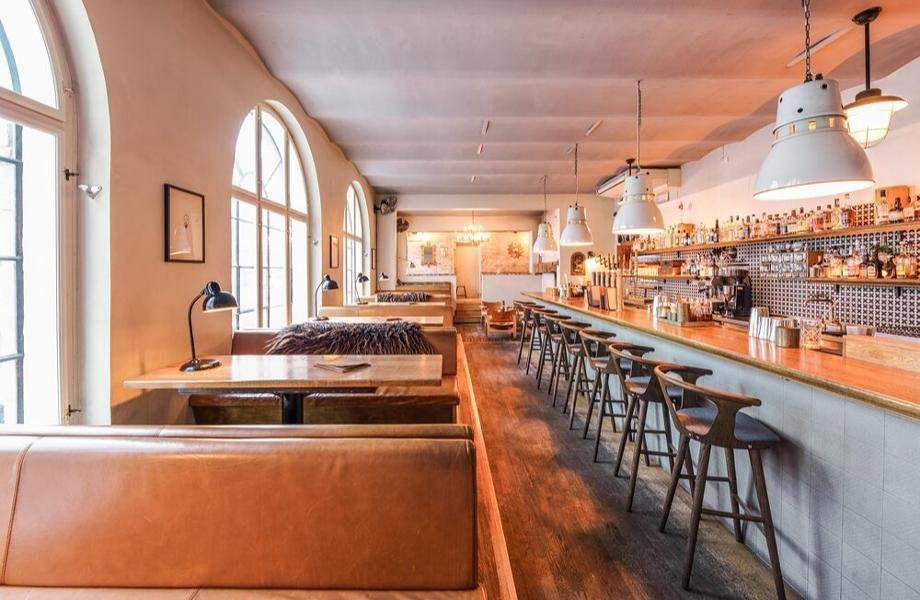
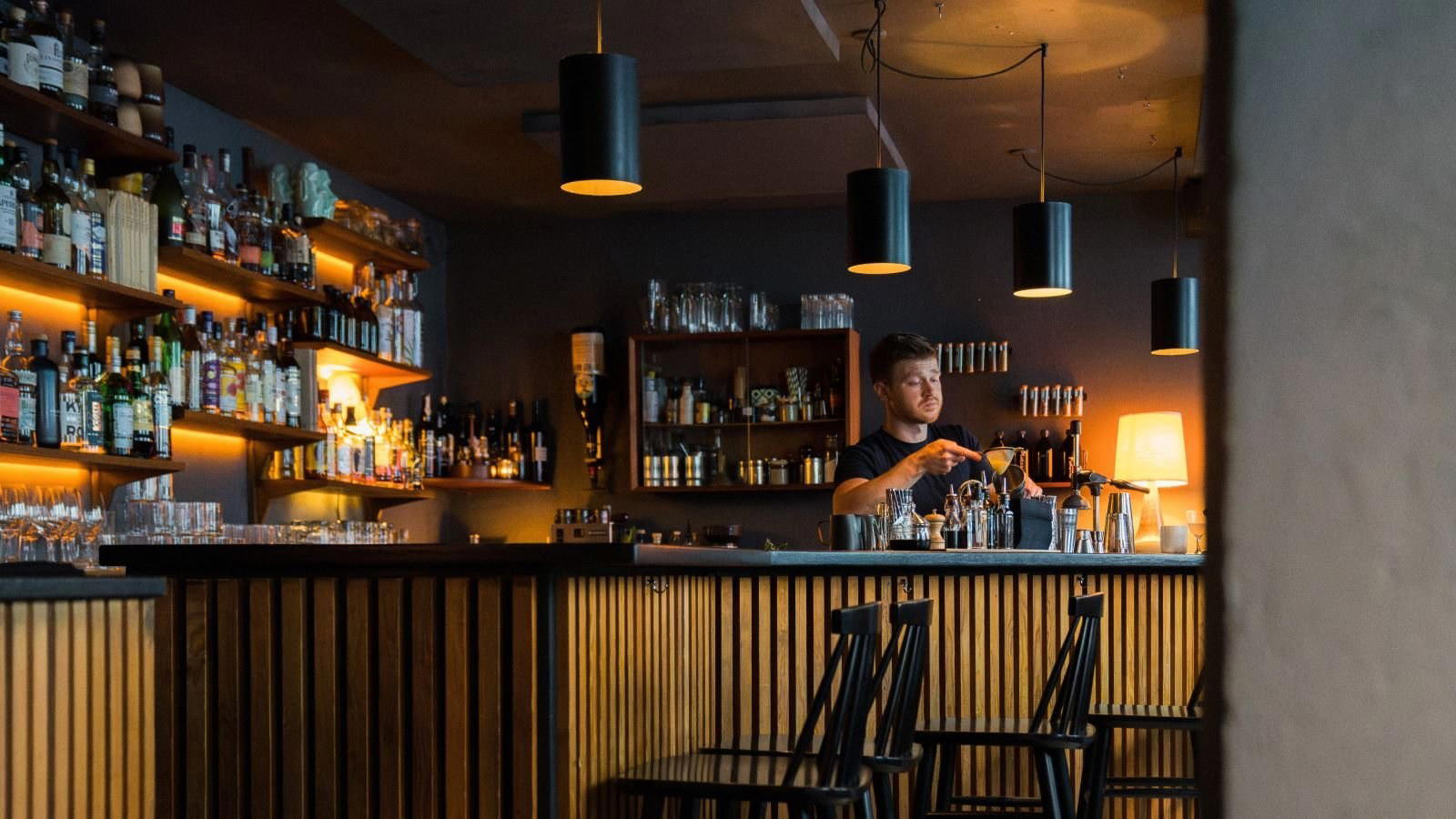
On Jægersborggade, one of Copenhagen's most food-serious streets, Manfreds operates as the informal counterpart to the city's tasting-menu circuit. The kitchen runs a vegetable-forward, wine-bar format that has shaped how the neighbourhood dines — relaxed in register, considered in execution, and worth planning around when you want something closer to how Copenhageners actually eat out.
- Address
- Jægersborggade 40, 2200 København, Denmark
- Phone
- +45 36 96 65 93
- Website
- manfreds.dk
- Directions
- Get directions
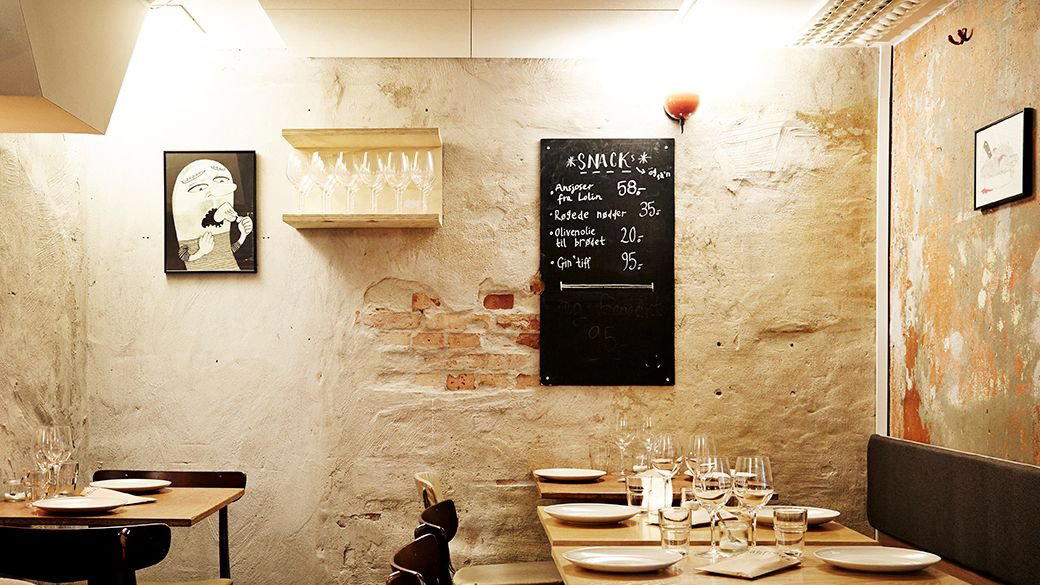
The menu
What to order
- Beef tartare with rye bread and egg cream
- Baked golden beets
- Salt baked celeriac
Jægersborggade and the Case for the Neighbourhood Restaurant
Copenhagen's dining reputation is built on its tasting-menu counters — Geranium, Noma, Alchemist, Koan — places where the meal is a structured event with a fixed price, a fixed sequence, and a booking window measured in months. But those venues tell only one version of the city. The other version lives in streets like Jægersborggade, a low-key stretch in the Nørrebro district that has accumulated more serious food businesses per block than most European cities manage per arrondissement. Manfreds, at number 40, is among the addresses that put the street on the map, and it represents the format that Copenhagen arguably does better than anywhere: the wine-bar restaurant where the cooking is taken seriously but the ceremony is not.
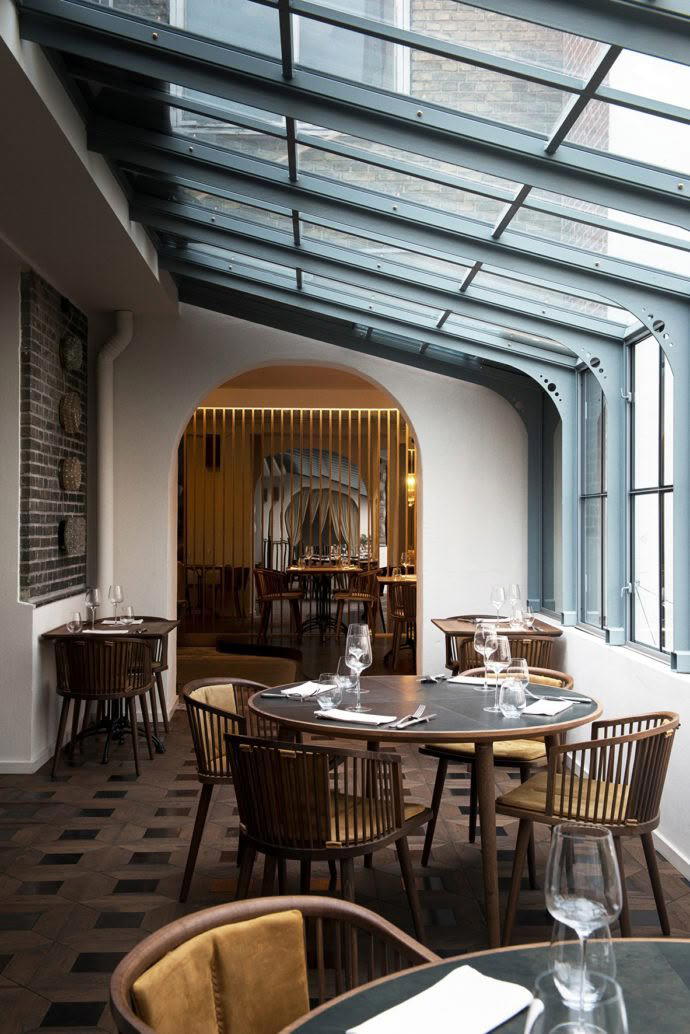
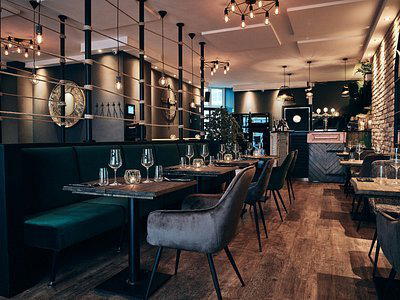
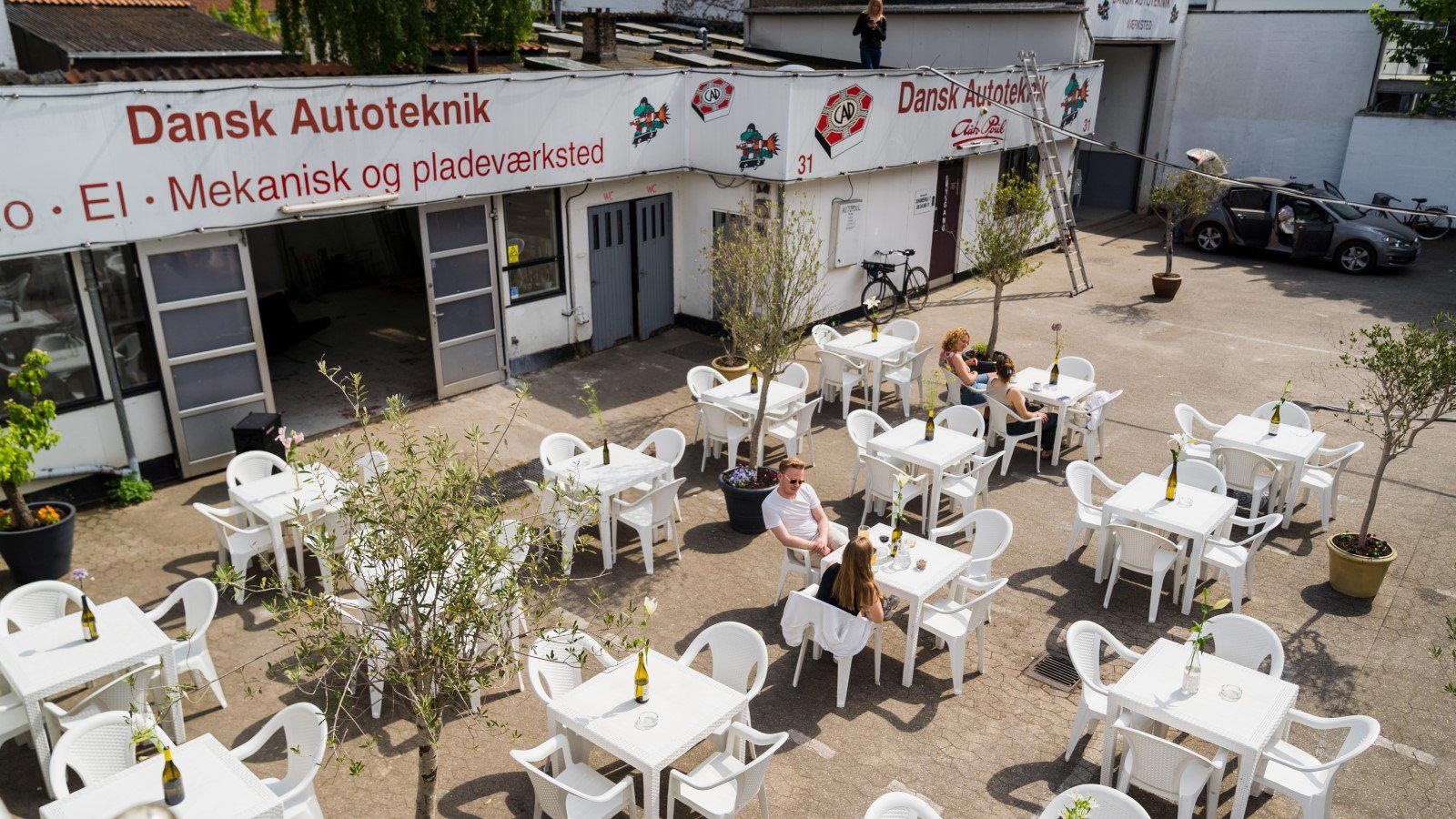
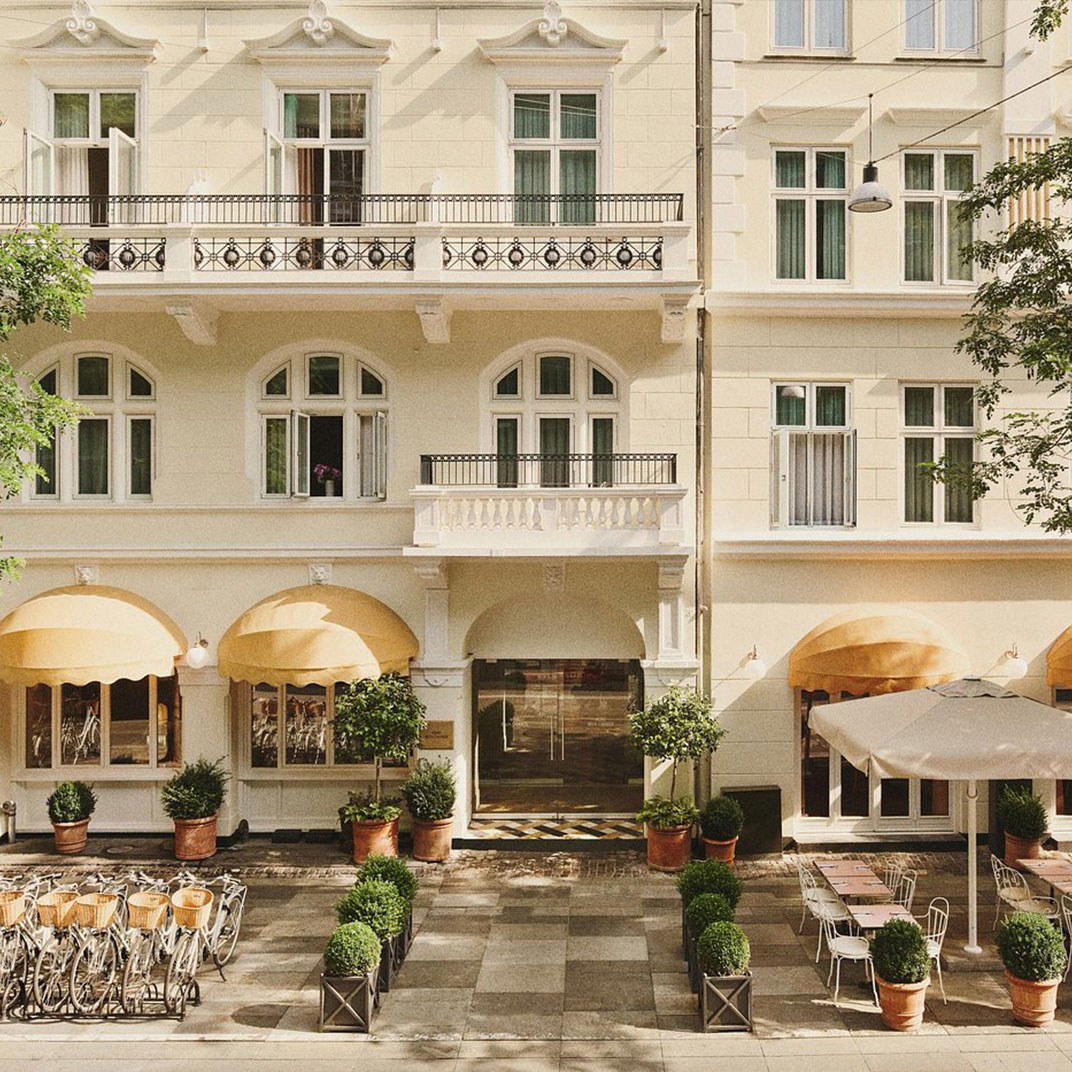
The address sits in what has become a template for Copenhagen neighbourhood dining. Nørrebro is not a tourist quarter; it is a lived-in part of the city, and Jægersborggade runs through it as a strip of independent traders, specialty coffee, and destination restaurants that draw from across Copenhagen rather than just from the immediate blocks. Arriving on foot from the Nørrebro S-tog station takes under ten minutes, and the walk through the street itself is part of understanding what Manfreds is. The surroundings are unhurried, the shopfronts are spare, and there is no visual fanfare outside the restaurant. That register, intentional, unshowy, carries through to everything inside.
The Ritual at the Table: How the Meal Works Here
The dining customs at Manfreds are worth understanding before you arrive, because they differ from both the tasting-menu formality of the city's top-tier rooms and the casualness of a standard bistro. The format is sharing-plate and wine-bar in structure, meaning that dishes arrive in a sequence directed partly by the kitchen and partly by the table's own pace. This is not the rigid choreography of a timed omakase or the freeform ordering of a tapas bar: it occupies a middle register that Scandinavian restaurants have refined into a distinct idiom.
Vegetables carry a disproportionate weight on the menu relative to most European wine bars of the same type. This reflects a broader shift in Copenhagen's cooking over the past fifteen years, where the New Nordic movement's emphasis on foraged and fermented plant matter filtered down from tasting-menu kitchens into more accessible formats. Kadeau represents one expression of that inheritance at the high end; Manfreds represents the same lineage in a mode that does not require a reservation months in advance or a three-hour commitment to the table. The wine list operates as a co-equal part of the experience, with natural and low-intervention producers given prominence in a way that has become standard in this tier of Copenhagen dining but was markedly less common when the restaurant established its format.
Pacing here is genuinely relaxed. The expectation is that tables linger, that the wine conversation extends across courses, and that the meal does not end at a predetermined moment. This is a cultural convention in Copenhagen's better neighbourhood restaurants, and visitors who arrive accustomed to the quicker turnover of London or New York wine bars may need to recalibrate. The evening is the point, not the logistics of getting through it.
Where Manfreds Sits in the Copenhagen Picture
Copenhagen's premium dining tier has expanded and stratified considerably since the early 2010s. The city now supports a range of formats at different price points and commitment levels, from the €€€€ ceremony of Geranium to the neighbourhood-anchored mid-market where Manfreds operates. The useful comparison set is not the tasting-menu rooms but the other serious wine-bar and small-plates formats that have opened along similar streets: places where the cooking credentials are real, the wine sourcing is deliberate, and the format is built around the kind of repeat visit that a three-Michelin-star room cannot realistically sustain for local diners.
Denmark's restaurant scene beyond Copenhagen also provides context. Addresses like Jordnær in Gentofte, Frederikshøj in Aarhus, Henne Kirkeby Kro, Dragsholm Slot Gourmet, and LYST in Vejle demonstrate that Michelin-recognised ambition is distributed across the country, not concentrated only in the capital. Manfreds does not compete in that register; it serves a different function. It is where you eat on the nights that are not occasions, which in a city like Copenhagen is most nights.
Internationally, the format Manfreds exemplifies has parallels: the serious wine bar that doubles as a kitchen-forward restaurant, where the drink list shapes the food ordering as much as the reverse. In the United States, this template has appeared in cities from San Francisco (see Lazy Bear for a different expression of the same communal dining instinct) to New York, where the gap between fine dining and casual has compressed significantly over the past decade. The difference in Copenhagen is that the vegetable-forward, fermentation-literate cooking that defines places like Manfreds emerged from a specific local tradition rather than as a reaction to it.
Planning Your Visit
Manfreds is located at Jægersborggade 40 in the 2200 postcode, in the Nørrebro district of Copenhagen. The street is walkable from multiple S-tog stops and accessible by metro via the Nørrebro station on the Cityringen line, which opened in 2019 and brought the neighbourhood within a single seat-change of the airport. For visitors staying in central Copenhagen, the journey takes around fifteen to twenty minutes by public transit.
The restaurant's format, wine bar with serious kitchen, means that booking behaviour differs from the tasting-menu circuit. While Geranium and Alchemist require planning months in advance, places in Manfreds' tier typically allow for shorter lead times, though weekend evenings in Copenhagen fill quickly across all formats during the spring and summer season. Checking availability a week or two ahead for a Friday or Saturday visit is sensible. For comparison with Denmark's broader restaurant options, addresses like Frederiksminde in Præstø, Ti Trin Ned in Fredericia, Tri in Agger, Pearl by Paul Proffitt in Kruså, and Syttende in Sønderborg illustrate how the country's serious dining has spread geographically, but for the specific texture of Copenhagen neighbourhood eating, Jægersborggade remains the address that most accurately reflects how the city dines on its own terms. For a fuller picture of where Manfreds fits within the capital's dining picture, see our full Copenhagen restaurants guide.
Frequently asked questions
What part of town is Manfreds in?
Manfreds is located at Jægersborggade 40, 2200 København, Denmark, Copenhagen.
How does Manfreds differ from Copenhagen's tasting-menu restaurants?
Where venues such as Geranium or Alchemist structure the meal as a fixed, sequenced event with a single price point, Manfreds on Jægersborggade 40 operates on a sharing-plate model where guests select from a changing menu and set their own pace. There is no obligatory tasting course, which makes the per-person spend more variable and the visit less formal in structure. For diners who want to engage with Copenhagen's natural wine scene without committing to a three-hour set menu, Manfreds is one of the clearest alternatives in the Nørrebro district.
What do people recommend at Manfreds?
Manfreds is known for its vegetable-forward sharing plates and natural wine list, both of which draw repeat visitors to Jægersborggade 40 in Nørrebro. Guests tend to order across multiple dishes rather than following a set sequence, which means the table builds the meal collaboratively. The wine selection is as much a draw as the food, with pours chosen to match the kitchen's produce-led approach.
What's the best way to book Manfreds?
Manfreds operates from Jægersborggade 40 in Copenhagen's Nørrebro district, and reservations are advisable, particularly for evenings and weekends when the street draws consistent foot traffic. The venue's website is the primary booking channel for most Copenhagen restaurants of this format. Walk-ins are sometimes possible at the bar, which suits solo diners or those after wine and lighter plates.
What do critics highlight about Manfreds?
Manfreds has drawn attention as a counterpoint to Copenhagen's tasting-menu dominance, positioning itself on Jægersborggade alongside a street that has become one of the city's more closely watched dining corridors. Critics have focused on the natural wine programme and the kitchen's commitment to seasonal, vegetable-led cooking as consistent strengths. The informal format, where dishes arrive as they are ready rather than in a fixed sequence, is frequently cited as deliberate and considered rather than casual by default.
Is Manfreds good for vegetarians?
Manfreds has built much of its reputation on vegetable-forward cooking, making it one of the more accommodating options in Copenhagen for guests who eat little or no meat. The sharing-plate format at Jægersborggade 40 means vegetarians can construct a full meal from the available dishes without relying on a single token option. This approach places it closer to the ethos of Copenhagen's produce-focused cooking movement than to a conventional meat-and-two-sides menu structure.
Cost and Credentials
Comparable options at a glance, pulled from our tracked venues.
| Venue | Cuisine | Price | Awards | Notes |
|---|---|---|---|---|
| ManfredsThis venue — the venue you are viewing | Nordic Vegetable-Focused Small Plates with Natural Wine | Not listed | Not listed | Not listed |
| Geranium | Modern New Nordic Pescatarian | $500+ | 3 Michelin Stars · World's 50 Best #1 | New Nordic, Creative |
| Noma | New Nordic Fine Dining | $300–500 | 3 Michelin Stars · World's 50 Best #1 | Creative |
| Alchemist | Avant-Garde Molecular Gastronomy with Social Commentary | $500+ | 2 Michelin Stars · World's 50 Best #5 | Progressive, Creative |
| Koan | Modern Korean-Nordic Fine Dining | $300–500 | 2 Michelin Stars · World's 50 Best #91 | New Nordic, Kaiseki, Creative |
| a|o|c | Modern Scandinavian Fine Dining | $300–500 | 2 Michelin Stars · La Liste Top Restaurants | New Nordic, Mediterranean Small Plates, Creative |