Restaurant 1733
Restaurant 1733 occupies a historic address on Nybrogade in Copenhagen's inner city, positioning itself within a dining scene that has spent two decades redefining what northern European cooking can mean. The address alone places it among the canal-side institutions that give the city's restaurant culture much of its architectural gravity. For visitors calibrating between Copenhagen's most ambitious tables, it warrants attention.
Pearl is the En Primeur Club membership app — saves, bookings, and concierge access live there. Same editors, same standards.
- Address
- Nybrogade 14, 1203 København K, Denmark
- Phone
- +4534121733
- Website
- 1733.dk
- Directions
- Get directions
 Saves & bookings on Pearl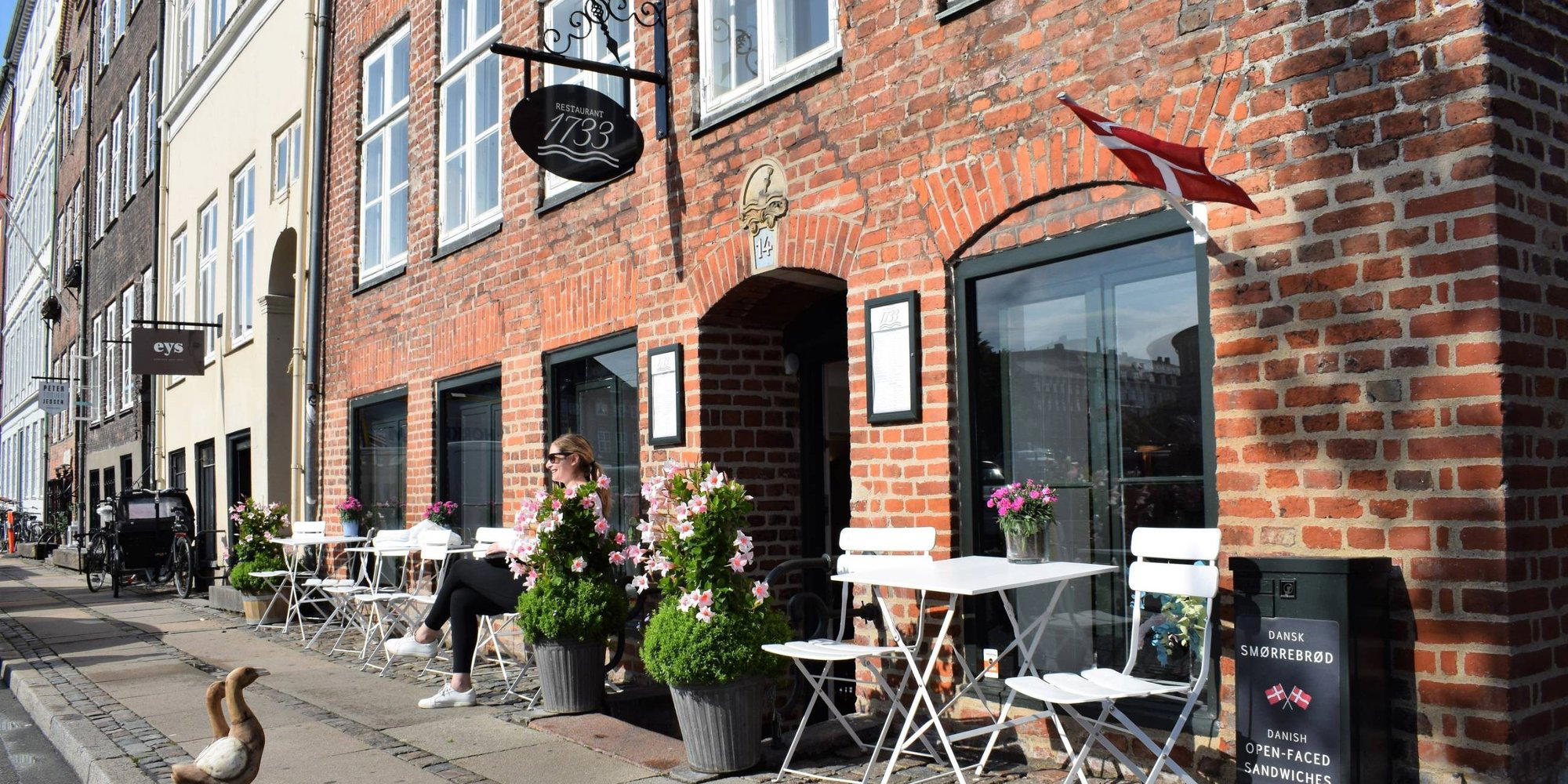
A Canal Address and What It Carries
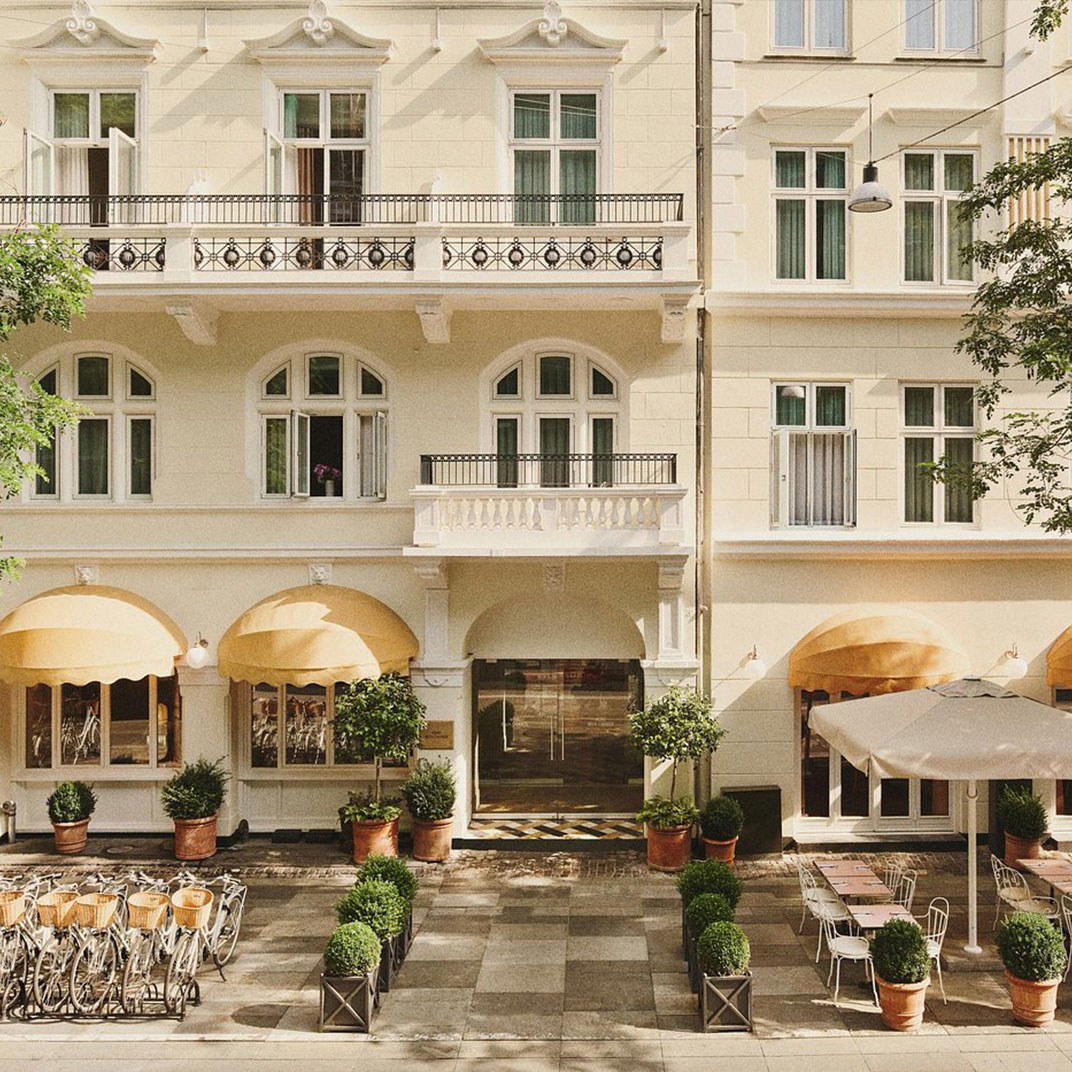
Copenhagen's inner-city canal district has a particular logic for restaurants. The buildings along Nybrogade date to the seventeenth and eighteenth centuries, and the weight of that architecture shapes what a dining room feels like before a single plate arrives. Restaurant 1733, at Nybrogade 14, takes its name from its period context — a signal that the physical container is part of the proposition, not incidental to it. In a city where the most discussed tables tend to occupy either converted industrial spaces or stark modernist rooms, a canal-fronting historic address represents a deliberate counterpoint.
This matters because Copenhagen's premium dining scene has, over the past two decades, sorted itself into recognisable tiers. At the upper end, Geranium and Alchemist operate in purpose-engineered environments — one with panoramic views from a football stadium rooftop, the other inside a theatrical industrial dome. Noma built its own compound. Below that tier, the more interesting question is which rooms have the intelligence to let their architecture speak without forcing the issue. A seventeenth-century canal building answers that question before the menu does.
What the Room Does
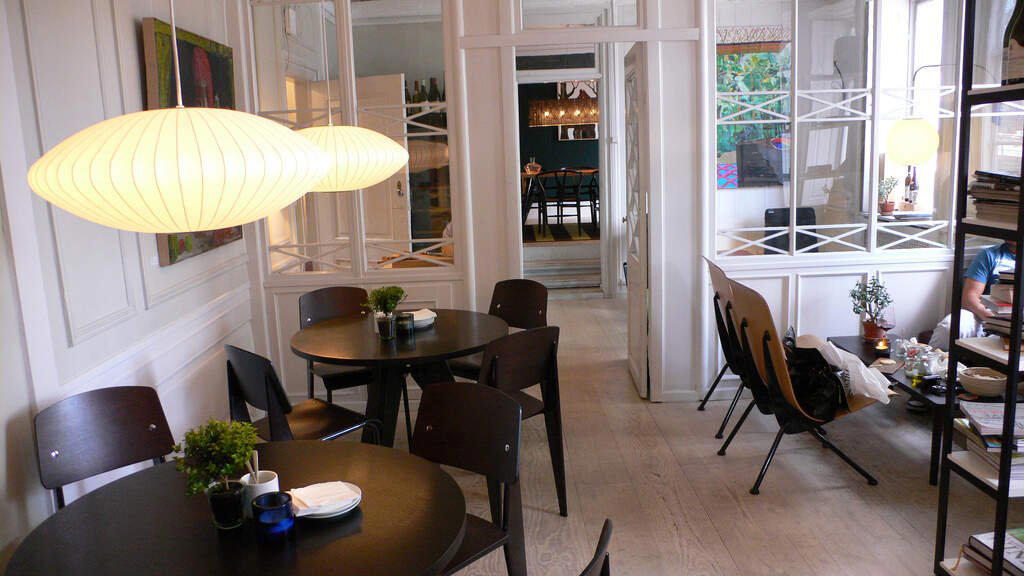
Historic interiors in Copenhagen's Indre By (inner city) tend toward one of two treatments: preservation that feels museological, or renovation that strips the building back to its bones and finishes in a contemporary Scandinavian palette. The address at Nybrogade 14 sits in a neighbourhood dense with both approaches. The canal-side position means natural light enters from the water, a quality that changes significantly across service, from the sharp afternoon clarity that characterises early dinner sittings in Danish summer to the low amber of late-evening light in shoulder seasons.
Seating arrangements in rooms like this carry inherited constraints. Load-bearing walls, ceiling heights calibrated for domestic rather than commercial use, and windows positioned for residential privacy rather than dining sightlines all push a kitchen and front-of-house team to work with the architecture rather than against it. The result, when handled well, is a room that feels proportioned to human scale in a way that purpose-built restaurant spaces rarely achieve. Copenhagen diners who have spent years eating in the aggressively minimal rooms that defined the New Nordic wave of the 2010s sometimes find this a form of relief.
Copenhagen's Dining Scene and Where 1733 Sits
Understanding Restaurant 1733's position requires some calibration against what Copenhagen has become as a dining city. The New Nordic movement, centred on foraging, fermentation, and hyper-local sourcing, has now diffused so thoroughly that it functions less as a movement and more as a baseline assumption. Tables at Kadeau and Koan represent the format's more experimental edges; neighbourhood bistros across the city apply its principles at accessible price points. What this diffusion has created is a city where the question is no longer whether a restaurant sources locally and seasonally, but what it does with that starting point.
An address with seventeenth-century roots and a canal-side orientation places a restaurant in a specific register of Copenhagen dining: one oriented toward the built city and its history rather than toward the countryside and its ingredients. That is not a lesser position, it is a different one, and for a certain kind of visitor or local, it is the more interesting proposition. Denmark's broader fine dining map stretches well beyond the capital: Jordnær in Gentofte, Frederikshøj in Aarhus, Henne Kirkeby Kro, Alimentum in Aalborg, ARO in Odense, Domæne in Herning, Dragsholm Slot Gourmet, Frederiksminde in Præstø, LYST in Vejle, and MOTA in Nykøbing Sjælland all operate at serious levels. But the Copenhagen canal district retains a gravitational pull that regional addresses rarely replicate.
For visitors triangulating between Copenhagen's major tables and the city's more mid-register dining, the inner-city canal zone represents a kind of middle ground: less institutionally freighted than a three-Michelin-star destination, more historically grounded than the stripped-back neighbourhood spots that populate Vesterbro and Nørrebro. Internationally, the template of historic-room dining at a considered price point has close analogues: Le Bernardin in New York occupies a similar register of deliberate formality in a city that also has its experimental edges, and Atomix demonstrates how a smaller, more intimate room can carry significant culinary weight without the institutional scale of a flagship destination.
Reading the Address
Nybrogade 14 sits along the northern edge of Slotsholmen canal, within walking distance of Christiansborg Palace and the Danish National Museum. The neighbourhood sees a mix of government workers, tourists oriented toward the palace island, and the kind of inner-city resident who has remained in Indre By through successive waves of the city's gentrification. It is not a restaurant-row address in the way that Vesterbro's Kødbyen or Nørrebro's Jægersborggade are: there is no cluster effect pulling diners from one table to the next. A visit to this address is a considered destination decision rather than a spontaneous neighbourhood walk.
That distinction cuts both ways. It filters toward guests who have made a deliberate choice rather than a convenient one, which tends to shape the room's atmosphere in ways that spillover crowds from adjacent venues never quite replicate. For the broader Copenhagen dining picture, see our full Copenhagen restaurants guide.
Know Before You Go
| Address | Nybrogade 14, 1203 København K, Denmark |
|---|---|
| Neighbourhood | Indre By (Inner City), canal-side, near Slotsholmen |
| Reservations | |
| Getting There | Central Copenhagen; accessible on foot from most inner-city hotels. Nearest metro: Kongens Nytorv |
| Leading Timing | Canal-side rooms read differently across seasons; summer evening light along Nybrogade is a distinct atmospheric quality |
How Restaurant 1733 Copenhagen compares with similar nearby venues.
| Venue | Cuisine | Price |
|---|---|---|
| Norrlyst | Danish | € |
| Marv & Ben | Modern Cuisine | € |
| KØBENHAVNS BAGERI | Bakery | Not listed |
Continue exploring
More in Copenhagen
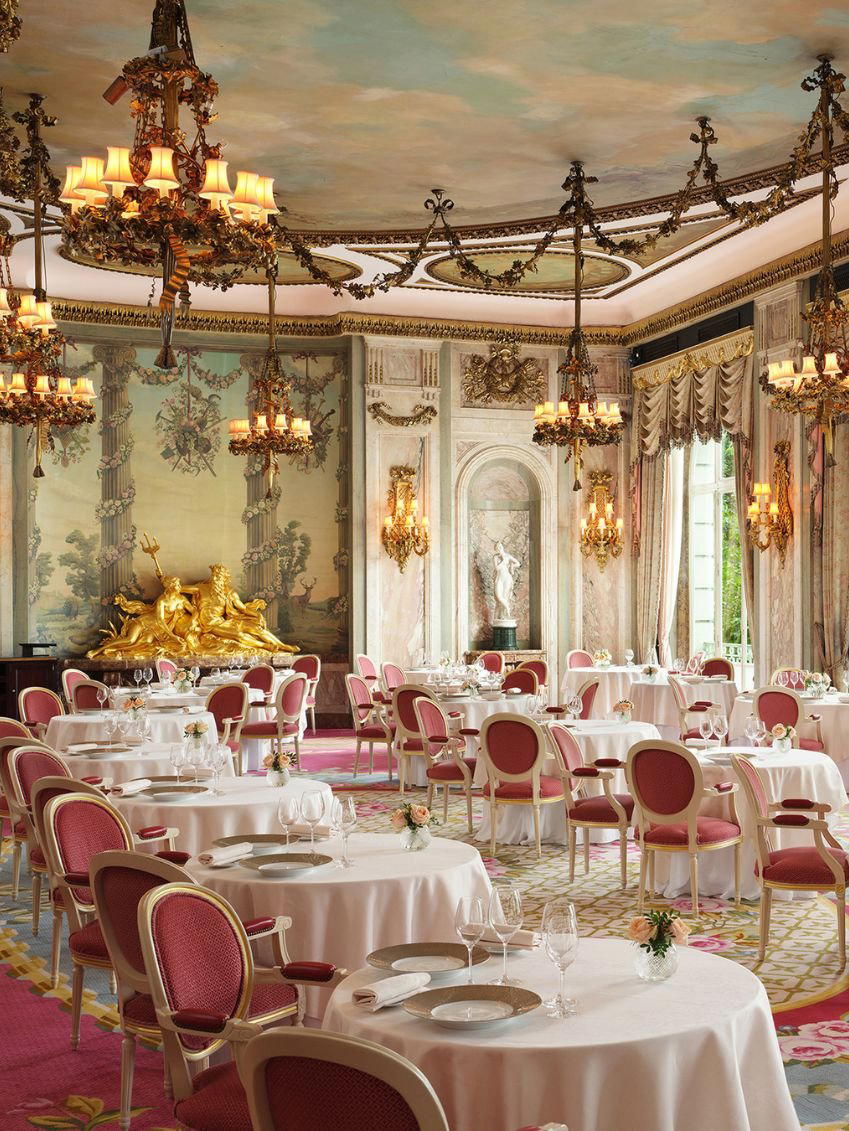
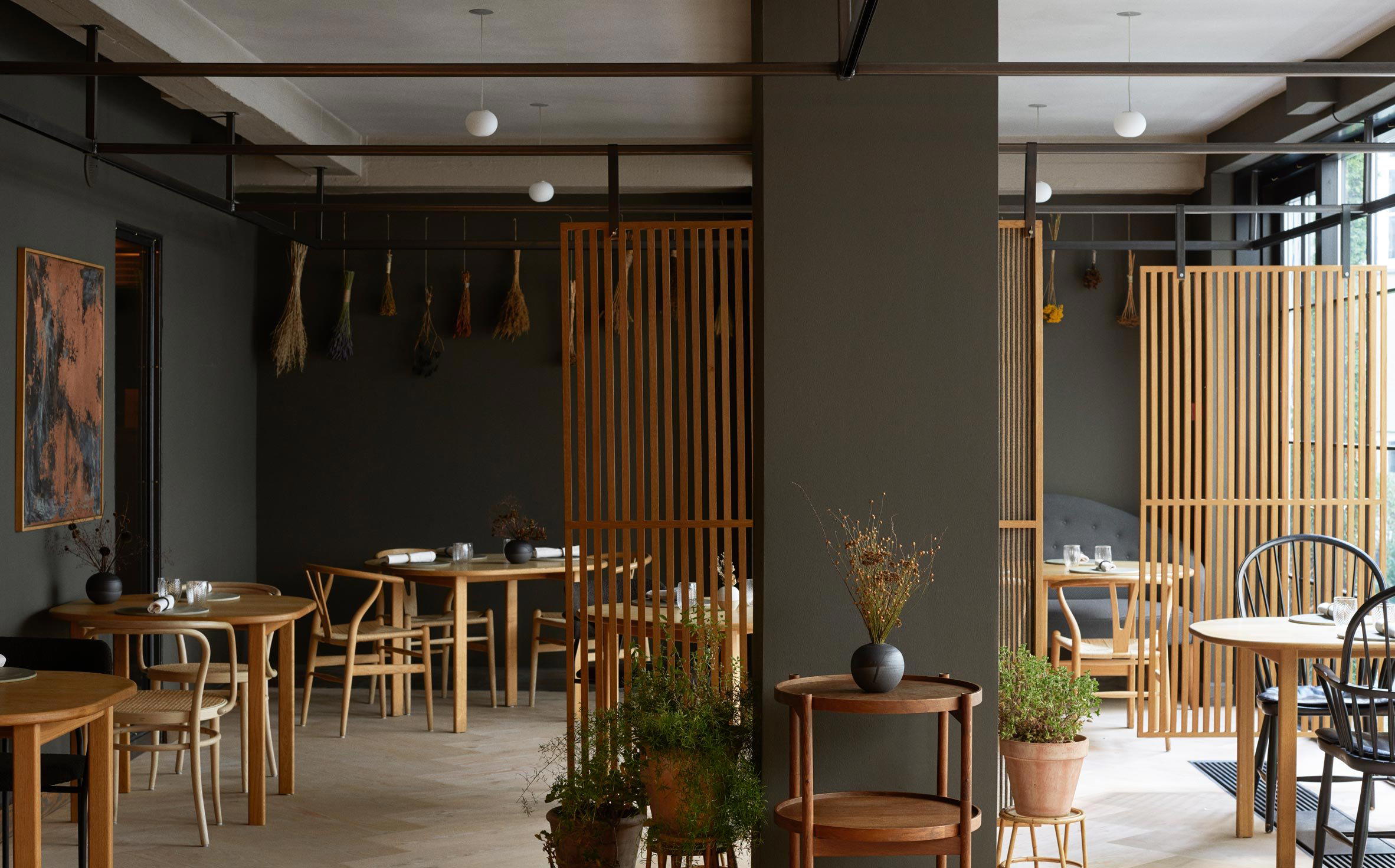
Restaurants in Copenhagen
Browse all →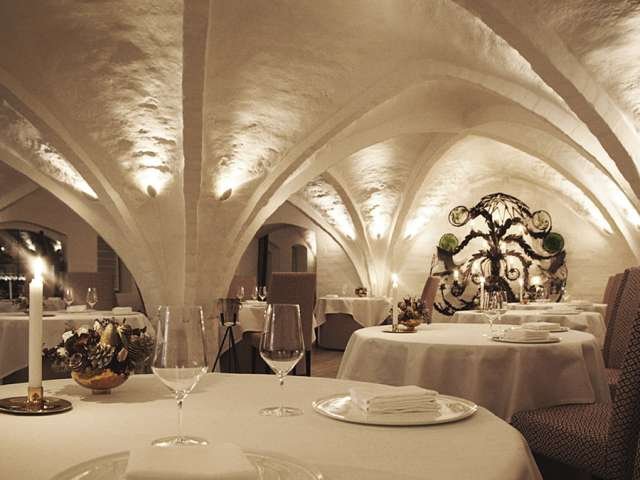
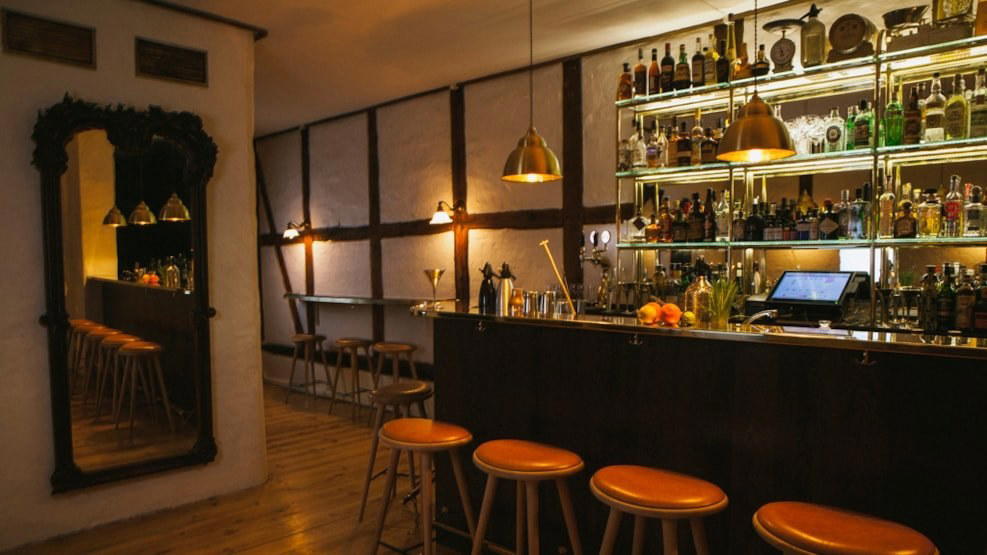
Bars in Copenhagen
Browse all →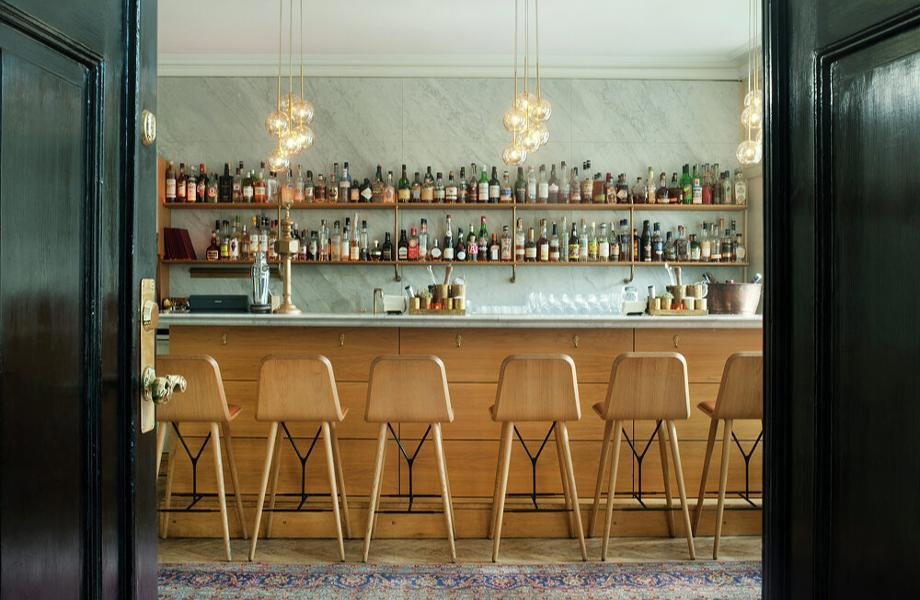
Hotels in Copenhagen
Browse all →

At a Glance
- Cozy
- Rustic
- Classic
- Casual Hangout
- Historic Building
- Local Sourcing
- Waterfront
- Street Scene
Current opening hours
- Monday
- 11:30 AM–10 PM
- Tuesday
- 11:30 AM–10 PM
- Wednesday
- 11:30 AM–10 PM
- Thursday
- 11:30 AM–10 PM
- Friday
- 11:30 AM–10 PM
- Saturday
- 11:30 AM–10 PM
- Sunday
- 11:30 AM–10 PM
Hours can change for holidays and private events. Last verified .
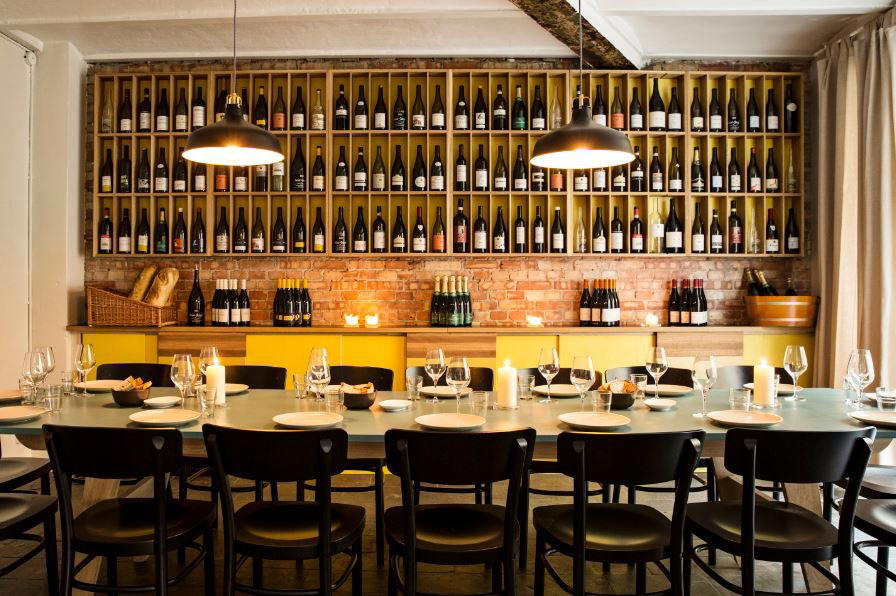
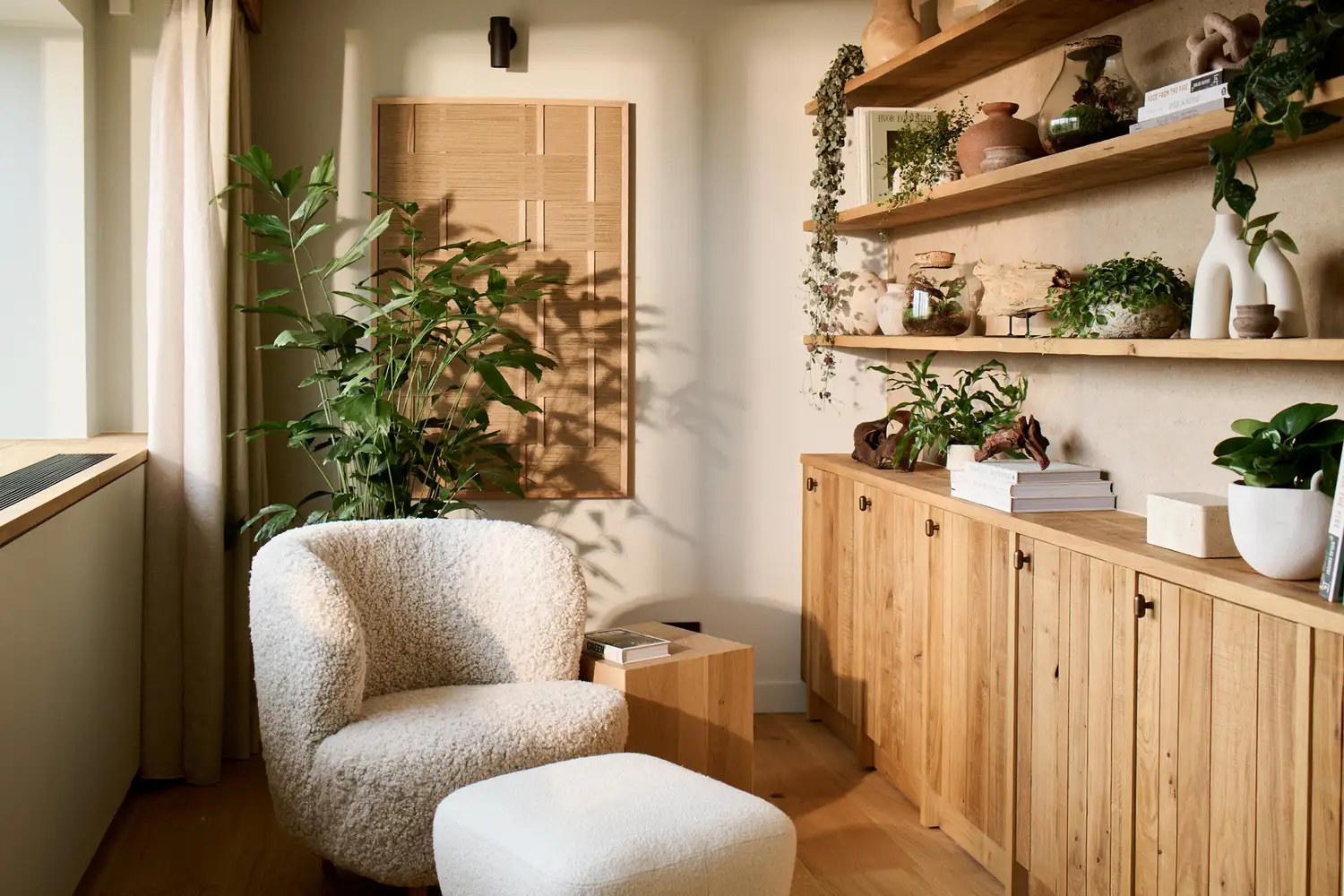
Cozy and unpretentious atmosphere with rustic decor in a historic toy workshop setting.
Know Before You Go
- Getting there
- Nybrogade 14, 1203 København K, Denmark