Our verdict
On Dawson Street in Dublin 2, Maneki sits within one of the city's most concentrated stretches of serious dining. The kitchen works at the intersection of imported culinary method and Irish produce, placing it in a growing tier of Dublin restaurants that treat local ingredients as the raw material for internationally inflected technique. Booking ahead is advisable given the address and the competition for covers on this corridor.

Pearl is the En Primeur Club membership app — saves, bookings, and concierge access live there. Same editors, same standards.
- Address
- 43 Dawson St, Dublin 2, D02 NH42, Ireland
- Phone
- +35315610889
- Hours
- Mon–Thu 12–10:30 PMFri–Sat 12–11:30 PMSun 12–10:30 PM
- Website
- maneki.ie
- Directions
- Get directions
- Booking
- Book on OpenTable
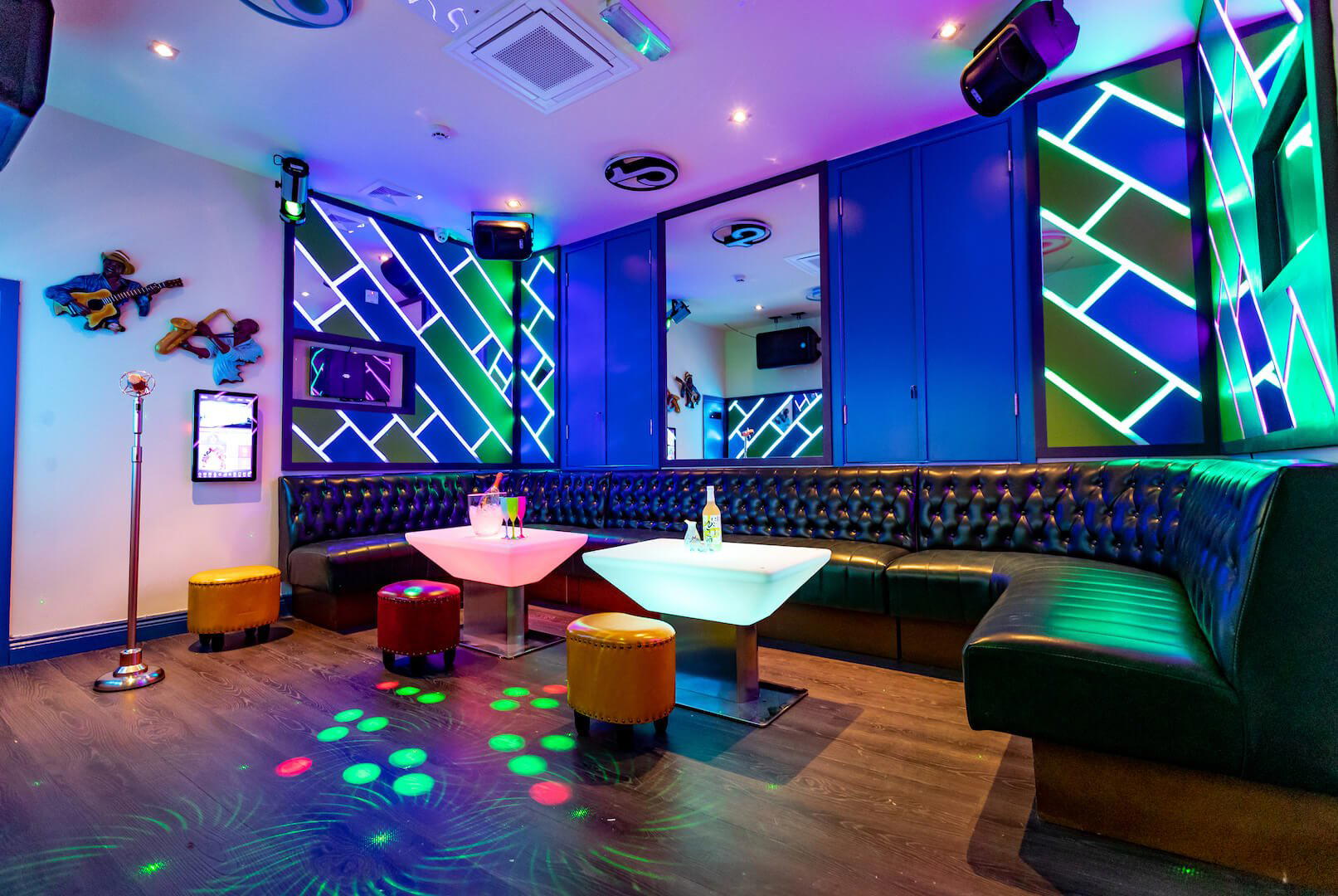
Dawson Street and the Grammar of Global Technique
Dawson Street has become one of the more interesting corridors in Dublin's dining map, not because it clusters the city's most decorated rooms, but because it sits adjacent to them and draws from the same pool of produce-driven thinking. The street runs from St Stephen's Green northward to College Green, and its restaurants occupy a middle register between the grand-occasion formality of Patrick Guilbaud and the neighbourhood-frequency ambition of places like Bastible. Maneki, at number 43, operates in that territory — a Dublin address with a kitchen grammar shaped by technique that travels.
The broader pattern in Irish dining over the past decade has been a steady reconciliation between what Irish land and sea produce and the methods used to handle it. That reconciliation has moved in two directions: some kitchens, like Aniar in Galway, have rooted themselves explicitly in local terroir and Nordic-influenced minimalism. Others have imported technique from further afield — Japanese precision, French classical structure, Korean fermentation logic, and applied it to the same indigenous larder. Maneki sits in the second camp, where the interest lies in what happens when method and material come from different traditions.
The Irish Larder Through an Imported Lens
Ireland's raw ingredient quality is genuinely formidable. The island's grass-fed beef, its cold-water seafood from Connemara to Castletownbere, its dairy traditions, and its emerging artisan produce networks provide a foundation that kitchens across the country are learning to treat with the same seriousness that French or Japanese cuisine applies to its own regional materials. What distinguishes the more technically ambitious rooms is how they choose to frame that foundation, whether through classical European discipline, as at Chapter One by Mickael Viljanen, or through forms that carry a different cultural signature.
The application of East Asian technique to Irish ingredients is a pattern visible at several points across the country. At Liath in Blackrock, the kitchen works with a precision that draws on Japanese influence while remaining grounded in Irish provenance. Further afield, Chestnut in Ballydehob and House in Ardmore demonstrate that this approach is not confined to urban centres. Maneki's position on Dawson Street places it in the Dublin expression of that broader national conversation.
For a useful international comparison point, the model of precision technique applied to local and seasonal materials is legible in rooms like Atomix in New York City, where Korean culinary logic meets a hyper-seasonal sourcing discipline, or in the rigorous seafood focus of Le Bernardin, where French classical structure treats the ingredient as the non-negotiable starting point. The principle, that imported method should serve the material, not override it, is the same regardless of the cultural direction of travel.
Where Maneki Sits in the Dublin Tier
Dublin's mid-to-upper dining tier has become more competitive in recent years, with rooms like Glovers Alley and D'Olier Street raising the ambient standard for what diners expect from a serious evening out. The Dawson Street corridor benefits from that general raising of expectations without being directly in competition with the city's most formally decorated rooms. Maneki's address places it in a zone where the diner is already primed for something considered, rather than casual.
The comparison set for a room applying global technique to Irish produce includes not just Dublin peers but restaurants across the island. Terre in Castlemartyr works within a hotel context that allows a different kind of ambition. Campagne in Kilkenny and Bastion in Kinsale demonstrate that the most interesting work is being done at varying price points and in settings that carry regional as much as metropolitan authority. Homestead Cottage in Doolin and Lady Helen in Thomastown extend that map further. The broader picture, available in our full Dublin restaurants guide, is of a dining culture that has moved well beyond its historical dependence on either pub food or French-inflected fine dining. Maneki is one data point in that shift.
For a parallel from the American South, where imported culinary logic meets a fiercely local ingredient tradition, dede in Baltimore provides a useful frame: what happens when a kitchen commits to the tension between its technical inheritance and the materials it actually has access to. That tension, managed well, is more interesting than either element in isolation.
Planning a Visit
Maneki is at 43 Dawson Street, Dublin 2, within walking distance of St Stephen's Green and the immediate city centre. The address is well-served by public transport and sits in a part of Dublin 2 where the concentration of dining options means that an evening in this part of the city rarely requires a plan B. Given the competitive nature of the Dawson Street corridor and the broader Dublin dining market, checking availability in advance is the sensible approach rather than walking in without a booking. The Dawson Street location means it is also a practical choice before or after cultural events at nearby venues.
Frequently asked questions
What should I eat at Maneki?
Is Maneki reservation-only?
What's the signature at Maneki?
How does Maneki compare to other Japanese-influenced restaurants in Dublin?
A Tight Comparison
Comparable venues nearby, for context on price, style, and recognition.
| Venue | Cuisine | Price | Notes |
|---|---|---|---|
| ManekiThis venue — the venue you are viewing | Modern Japanese Sushi & Karaoke | $50–100 | Not listed |
| Hana Izakaya | Japanese Izakaya | $30–50 | North City, Japanese Izakaya |
| Yamamori North City | Authentic Japanese Sushi & Izakaya | $30–50 | North City, Authentic Japanese Sushi & Izakaya |
| No.9 By J2Sushi | Modern Japanese Sushi & Izakaya | $30–50 | South Dock, Modern Japanese Sushi & Izakaya |
| Balfes | French-Irish Brasserie | $30–50 | Royal Exchange B, French-Irish Brasserie |
| Afternoon Tea at The Iveagh Garden Hotel | Traditional British Afternoon Tea | $50–100 | Saint Kevin'S, Traditional British Afternoon Tea |
Continue exploring
More in Dublin
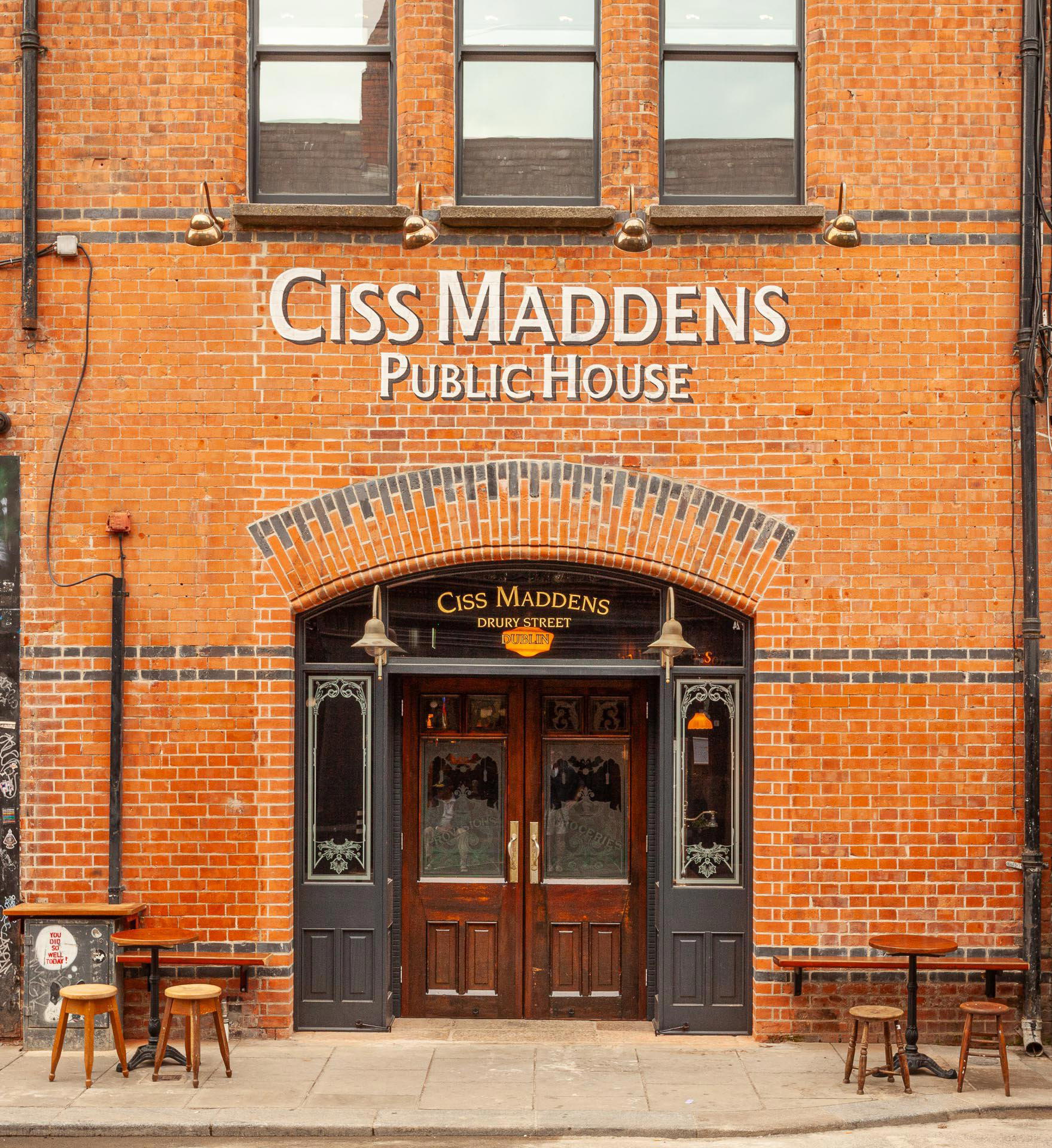
Restaurants in Dublin
Browse all →
Bars in Dublin
Browse all →

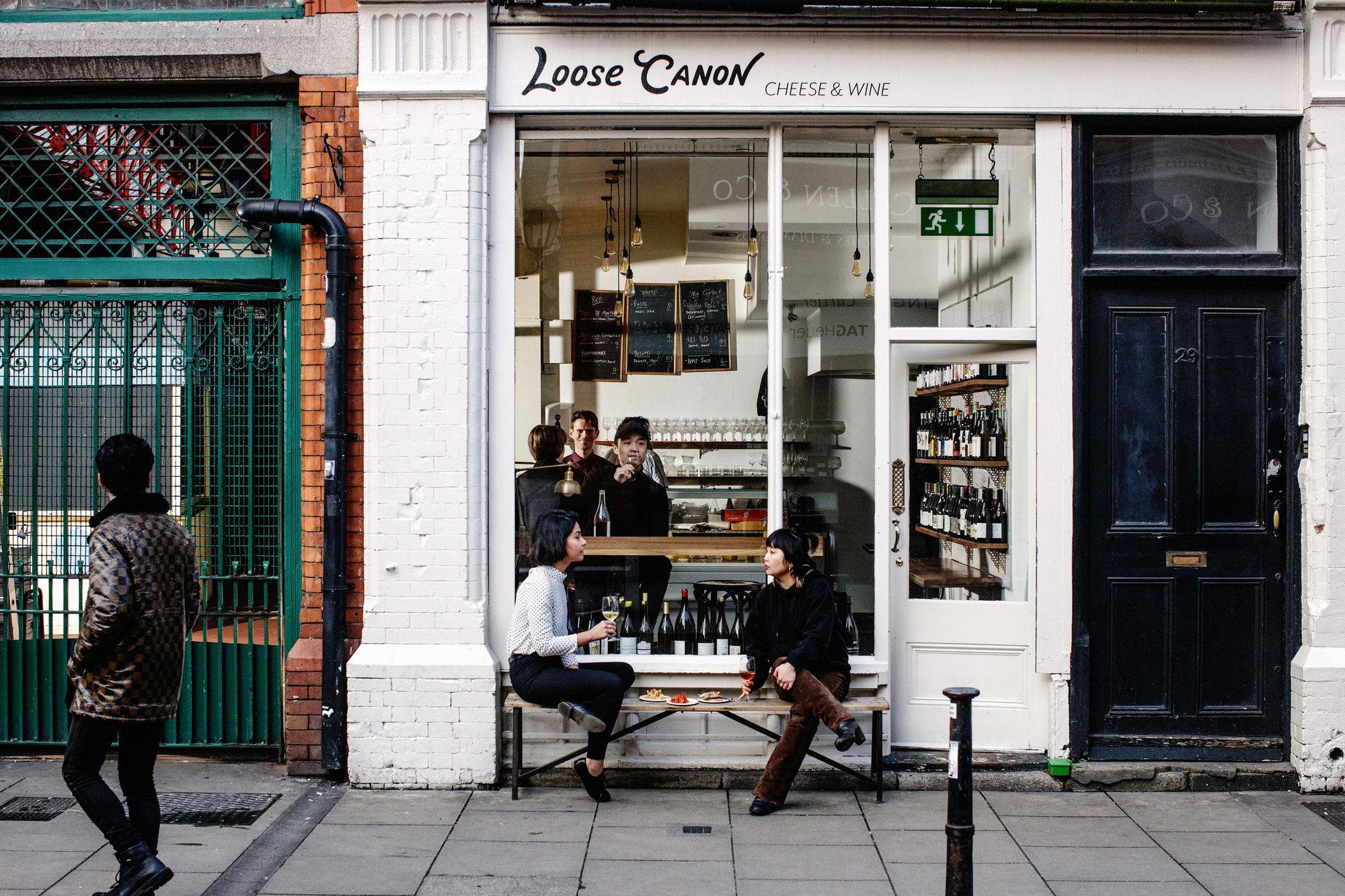
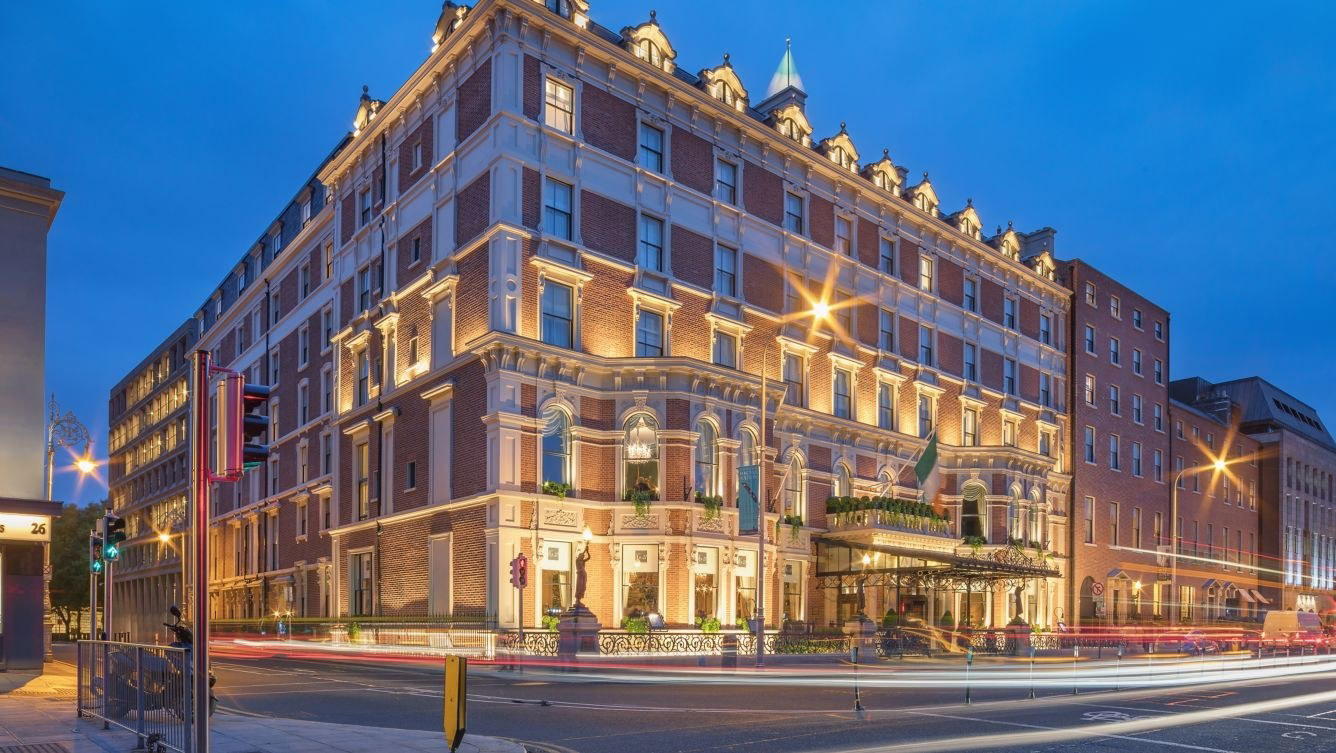
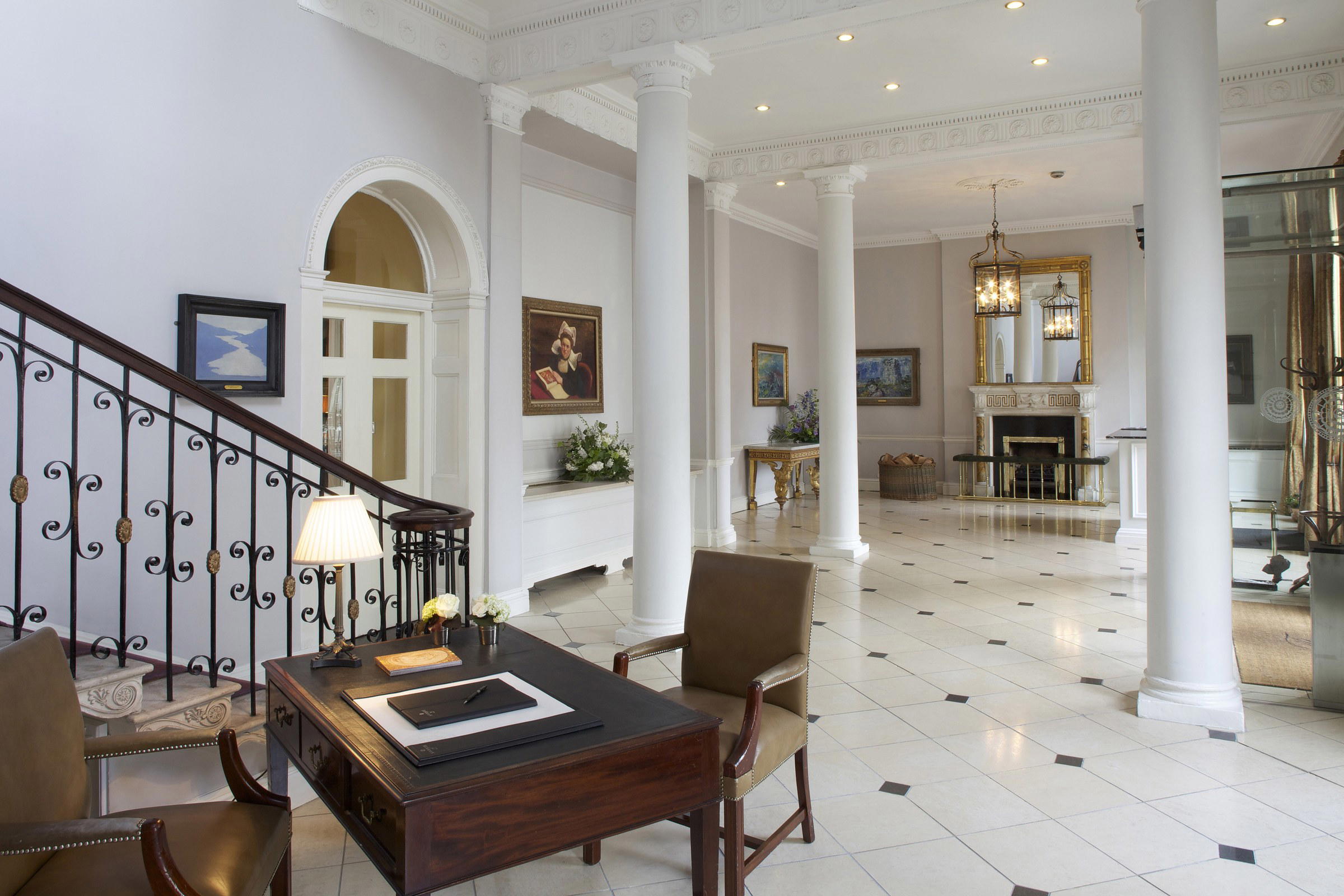
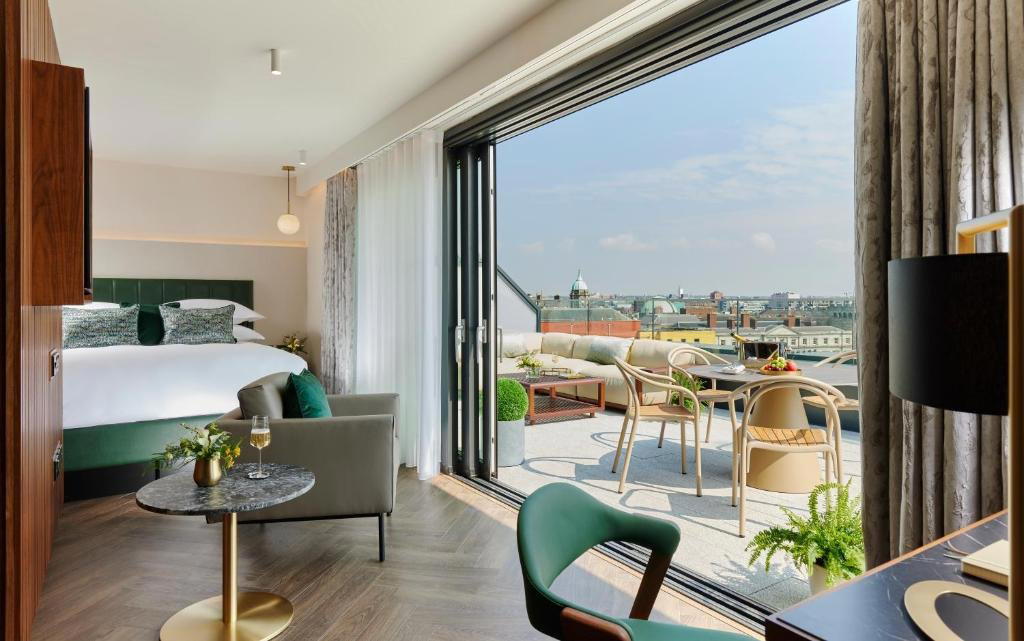
Hotels in Dublin
Browse all →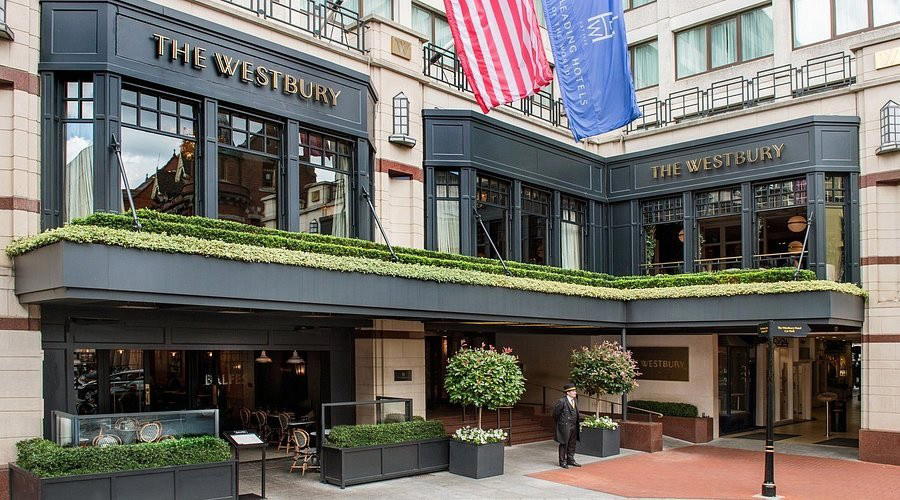
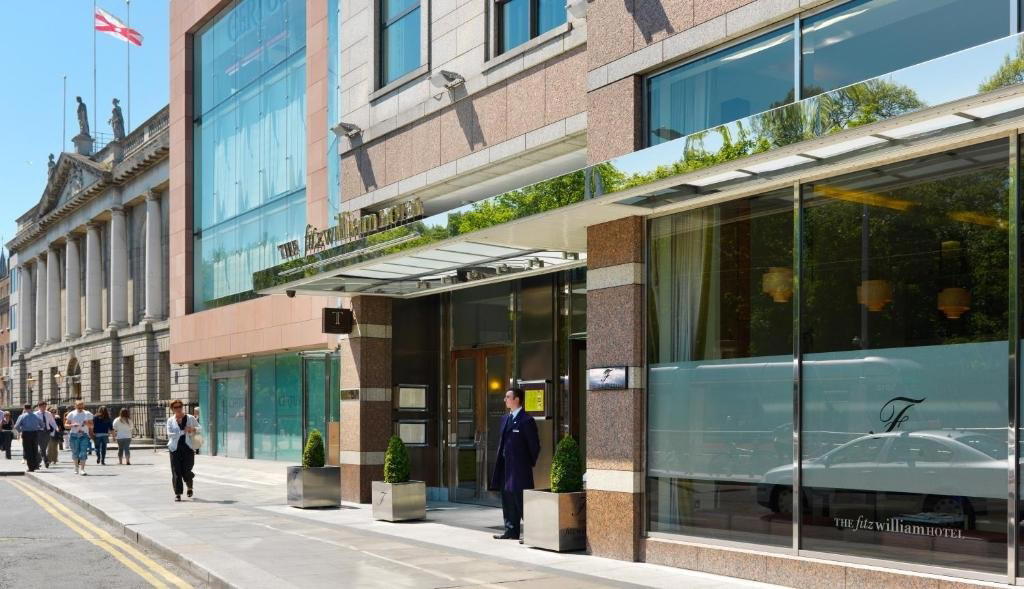
Wineries in Dublin
Browse all →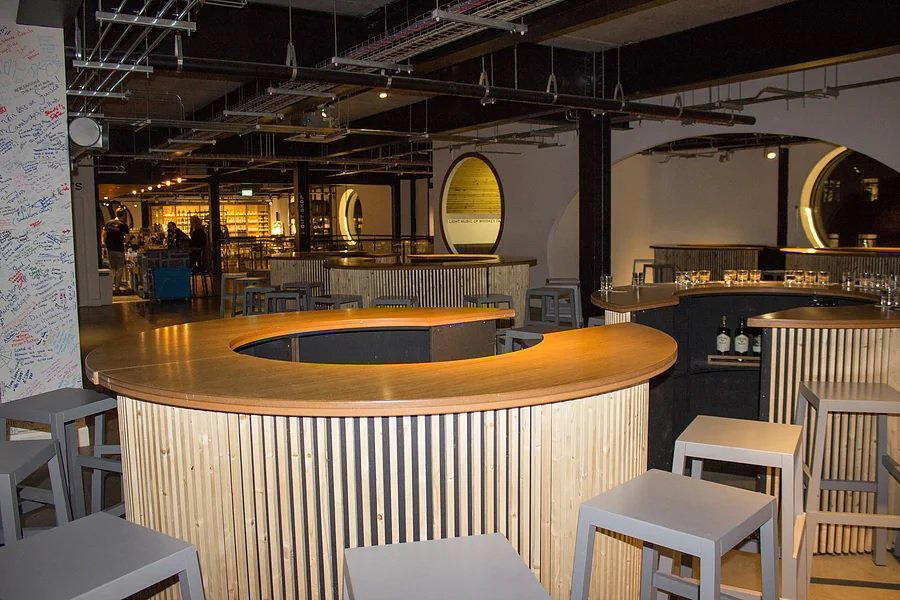
Details
- Lively
- Trendy
- Energetic
- Group Dining
- Celebration
- Late Night
- Private Dining
- Local Sourcing
- A La Carte
- Small Plates
- Vegetarian Friendly
- Vegan Options
Current opening hours
- Monday
- 12–10:30 PM
- Tuesday
- 12–10:30 PM
- Wednesday
- 12–10:30 PM
- Thursday
- 12–10:30 PM
- Friday
- 12–11:30 PM
- Saturday
- 12–11:30 PM
- Sunday
- 12–10:30 PM
Hours can change for holidays and private events. Last verified .
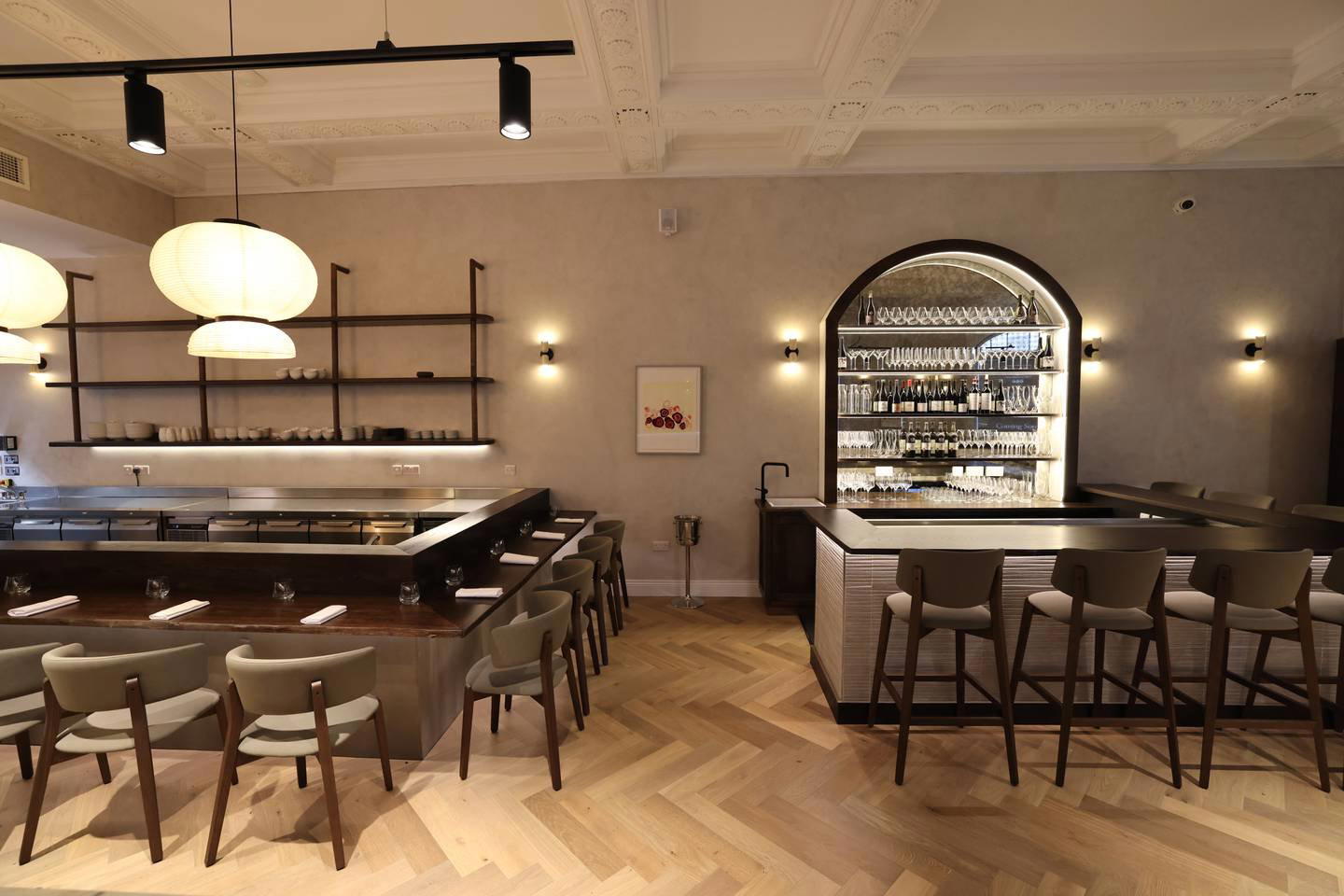
Lively atmosphere with earthy tones, hanging plants, and original building features in a stripped-back dining space.