Our verdict
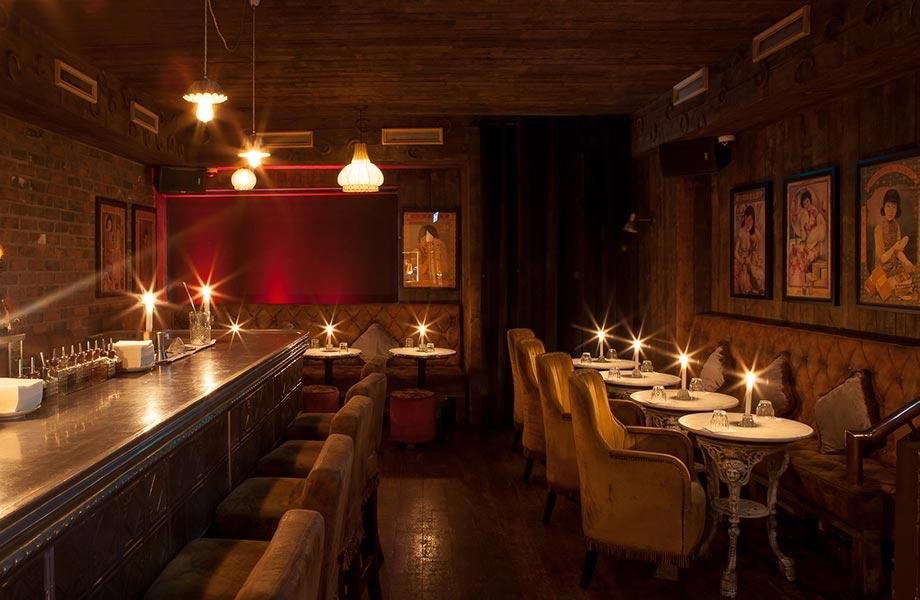
Balfes sits on Balfe Street in central Dublin, operating within a city that has spent the past decade building a serious case for itself as one of Europe's more interesting dining destinations. The address places it in easy reach of Grafton Street and St Stephen's Green, putting it inside the corridor where Dublin's mid-to-upper dining tier concentrates.

Pearl is the En Primeur Club membership app — saves, bookings, and concierge access live there. Same editors, same standards.
- Address
- 2 Balfe St, Dublin, D02 CH66, Ireland
- Phone
- +35316463353
- Hours
- Mon–Thu 8 AM–9:30 PMFri–Sat 9 AM–10 PMSun 9 AM–9:30 PM
- Website
- balfes.ie
- Directions
- Get directions
- Booking
- Book on OpenTable
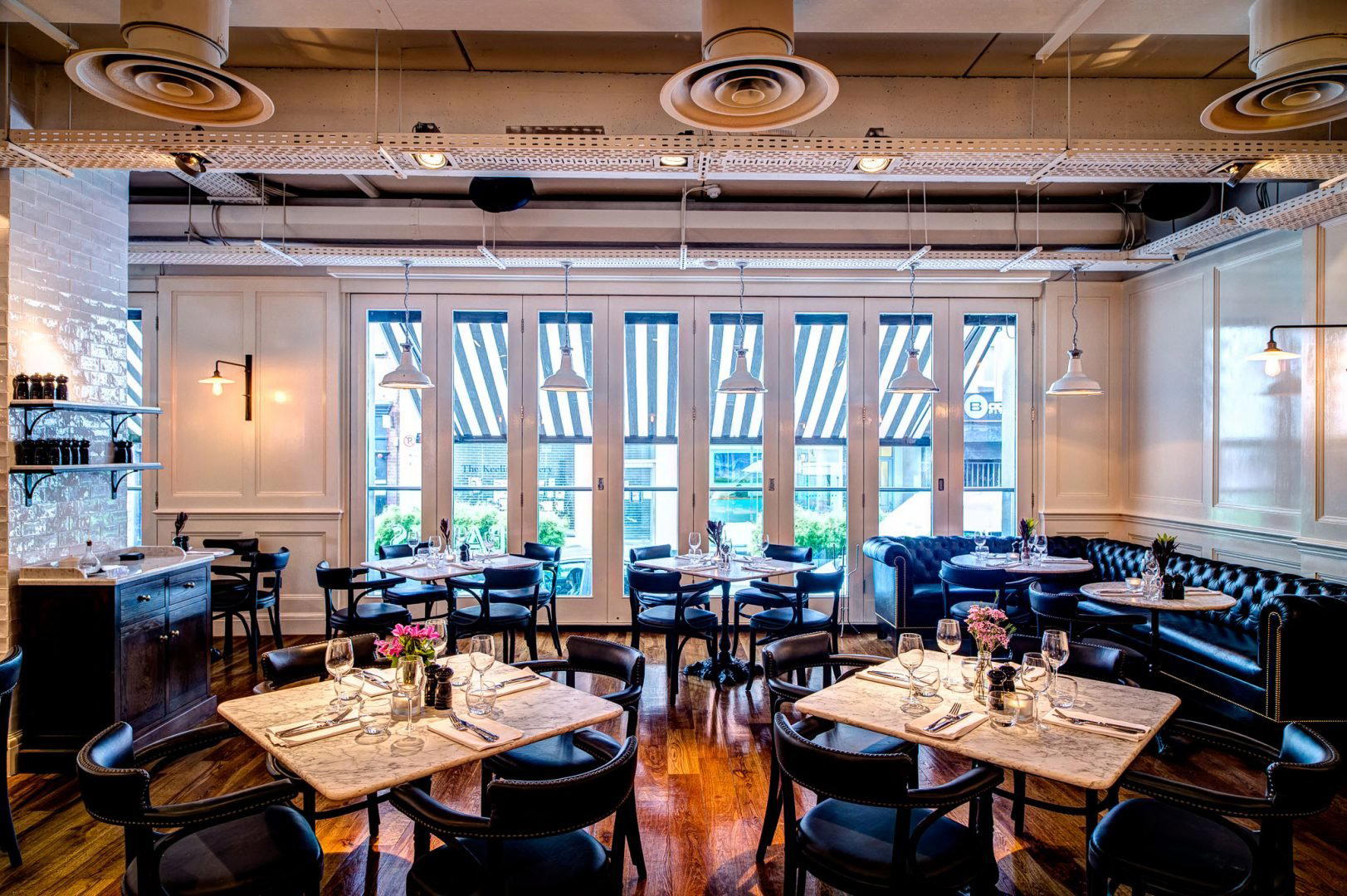
Where Balfe Street Meets the Broader Dublin Dining Story
The stretch around Balfe Street in Dublin 2 has a particular quality that distinguishes it from the louder end of the city's restaurant scene. It sits close enough to Grafton Street to capture foot traffic, but far enough from the tourist pressure of Temple Bar to attract a different kind of diner: one who has already decided where they want to eat before they left the house. That distinction matters in a city that has, over the past fifteen years, developed genuine depth across its dining tiers, from the two-starred formality of Patrick Guilbaud to the produce-forward ambition of Bastible on South Richmond Street.
Balfes occupies that central Dublin corridor where atmosphere and accessibility converge. The address, 2 Balfe St, Dublin D02 CH66, is direct to reach whether you are coming from the DART at Pearse Station or walking from the city centre. For visitors using Dublin as a base, the location puts the venue within a short distance of the hotels and cultural institutions that cluster around Kildare Street and Merrion Square, giving it a natural position as a before-or-after destination for theatre, gallery visits, or the kind of unhurried afternoon that a European capital rewards.
The Irish Kitchen Through a Global Lens
Dublin's most interesting restaurants right now are working through the same tension: Ireland has exceptional primary produce, and the question is what intellectual framework to apply to it. The French classical tradition, which shaped a generation of Irish kitchens through training pipelines running through Paris and Lyon, is now in conversation with Nordic restraint, Japanese precision, and American technique-first approaches. Chapter One by Mickael Viljanen represents one answer to that question, applying Nordic-inflected precision to Irish ingredients at a level that has earned sustained critical recognition. Glovers Alley and D'Olier Street occupy adjacent positions in the city's modern cuisine tier.
The broader pattern across this tier is consistent: Irish beef, lamb from the western counties, seafood from the Atlantic coast, and dairy products that carry genuine terroir are being handled with techniques that originate elsewhere. The result is a style of cooking that does not fit cleanly into any single national tradition, which is precisely what makes the Dublin dining scene worth paying attention to. Venues that can hold that tension without collapsing into either nostalgic Irish-stew territory or derivative European formalism are the ones generating real critical conversation.
This is the context in which Balfes operates. The Grafton Street neighbourhood has historically been stronger on convenience than on culinary seriousness, but that has shifted as the city's overall dining floor has risen. Venues are now opening in the area with full kitchens and genuine ambitions, rather than positioning themselves purely as after-work or pre-theatre stops.
Ireland Beyond Dublin: The Wider Network
Understanding Dublin's dining position requires some awareness of what is happening outside the capital. Ireland's most thought-provoking cooking is not exclusively concentrated in Dublin 2. Aniar in Galway has spent years building one of the country's most rigorous cases for terroir-led cooking, with a Michelin star to mark the recognition. Liath in Blackrock operates close enough to Dublin to function almost as a satellite of the city's premium tier. Further south, dede in Baltimore, Bastion in Kinsale, and Chestnut in Ballydehob are all working with West Cork produce in ways that reward the drive from the city.
The midlands and the east also have their entries: The Morrison Room in Maynooth, Campagne in Kilkenny, and The Oak Room in Adare each mark out their own position in a national picture that has become considerably more interesting over the past decade. Out west, Homestead Cottage in Doolin and Terre in Castlemartyr show how the country's leading produce is being handled outside the urban centres. For a full overview of where to eat across the capital, our full Dublin restaurants guide maps the city's tiers with more granularity.
Global Reference Points for the Technique Question
The intersection of local ingredients and imported method is not a problem unique to Ireland. It is, in fact, the central preoccupation of serious cooking in the 2020s across most of the English-speaking world. In the United States, it plays out in different registers: Le Bernardin in New York City has spent decades demonstrating what French classical technique can do when applied with absolute discipline, while Lazy Bear in San Francisco represents a different answer, using communal formats and American regional references to create something that does not look like European fine dining even when it borrows from its toolkit.
Dublin's version of this negotiation is still being worked out. The city has the ingredients, the training lineage, and increasingly the diner base to support serious cooking. What it is still developing is a consensus about which techniques leading serve its particular larder. That is an open question, and it is one that makes the current moment in Irish restaurants worth following more closely than it sometimes receives credit for.
Planning a Visit to Balfes
Balfes is located at 2 Balfe Street, Dublin D02 CH66, in the heart of Dublin 2. The address is within walking distance of major city centre landmarks and accessible from multiple public transport routes. For visitors arriving by DART, Pearse Station is the nearest stop. For those coming from further afield, the venue sits comfortably within the central area that most Dublin hotels cluster around, making it a practical choice without requiring significant planning. Current booking details, hours, and any specific reservation requirements are best confirmed directly with the venue before visiting, as operating formats in this part of the city can shift with demand and season.
Frequently asked questions
Where is Balfes located?
Balfes is located at 2 Balfe St, Dublin, D02 CH66, Ireland, Dublin.
Where exactly is Balfes located in Dublin, and what's nearby?
Balfes is at 2 Balfe Street, Dublin D02 CH66, in Dublin 2, a short walk from Grafton Street and the main cultural and commercial corridor of the city centre. The address places it within the cluster of considered independent restaurants that distinguish this part of Dublin from the louder tourist-facing stretches further north.
What's the must-try dish at Balfes?
The surrounding Balfe Street area draws kitchens that work with Irish primary produce alongside broader European technique, so expect the menu to reflect that tension.
Can I walk in to Balfes?
Walk-in availability at Balfes, 2 Balfe Street, Dublin D02 CH66, depends on the day and time. Dublin 2 restaurants in this part of the city tend to fill during Friday and Saturday evenings, so midweek or early evening visits give better odds without a reservation. check the venue's official channels to confirm current booking policy.
Awards and Standing
Comparable venues nearby, for context on price, style, and recognition.
| Venue | Cuisine | Price | Notes |
|---|---|---|---|
| BalfesThis venue — the venue you are viewing | French-Irish Brasserie | $30–50 | Not listed |
| La Peniche | French/Italian Bistro on Canal Barge | $50–100 | Pembroke West C |
| First Chapter | Modern French Fine Dining | $150–200 | Royal Exchange A |
| The Greenhouse | Modern French Fine Dining | $50–100 | Mansion House B |
| La Maison | Classic French Brasserie with Modern Irish Influences | $50–100 | Royal Exchange A |
| l'Gueuleton | Modern French Bistro | $50–100 | Royal Exchange A |