Mandolina Polanco
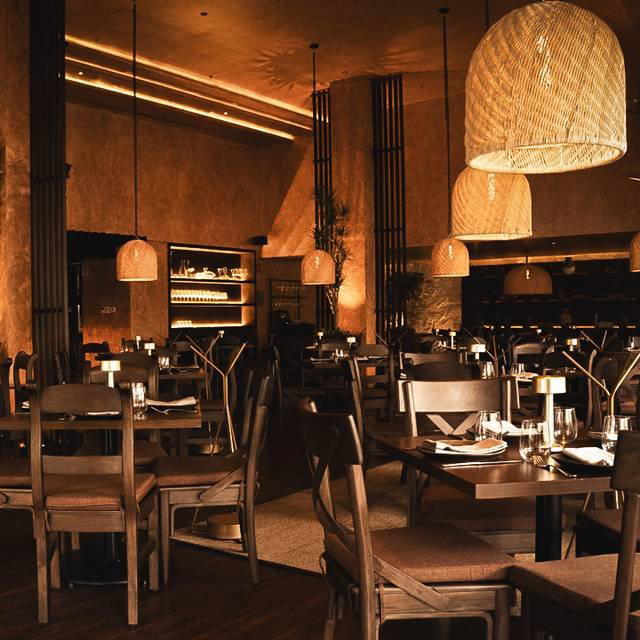
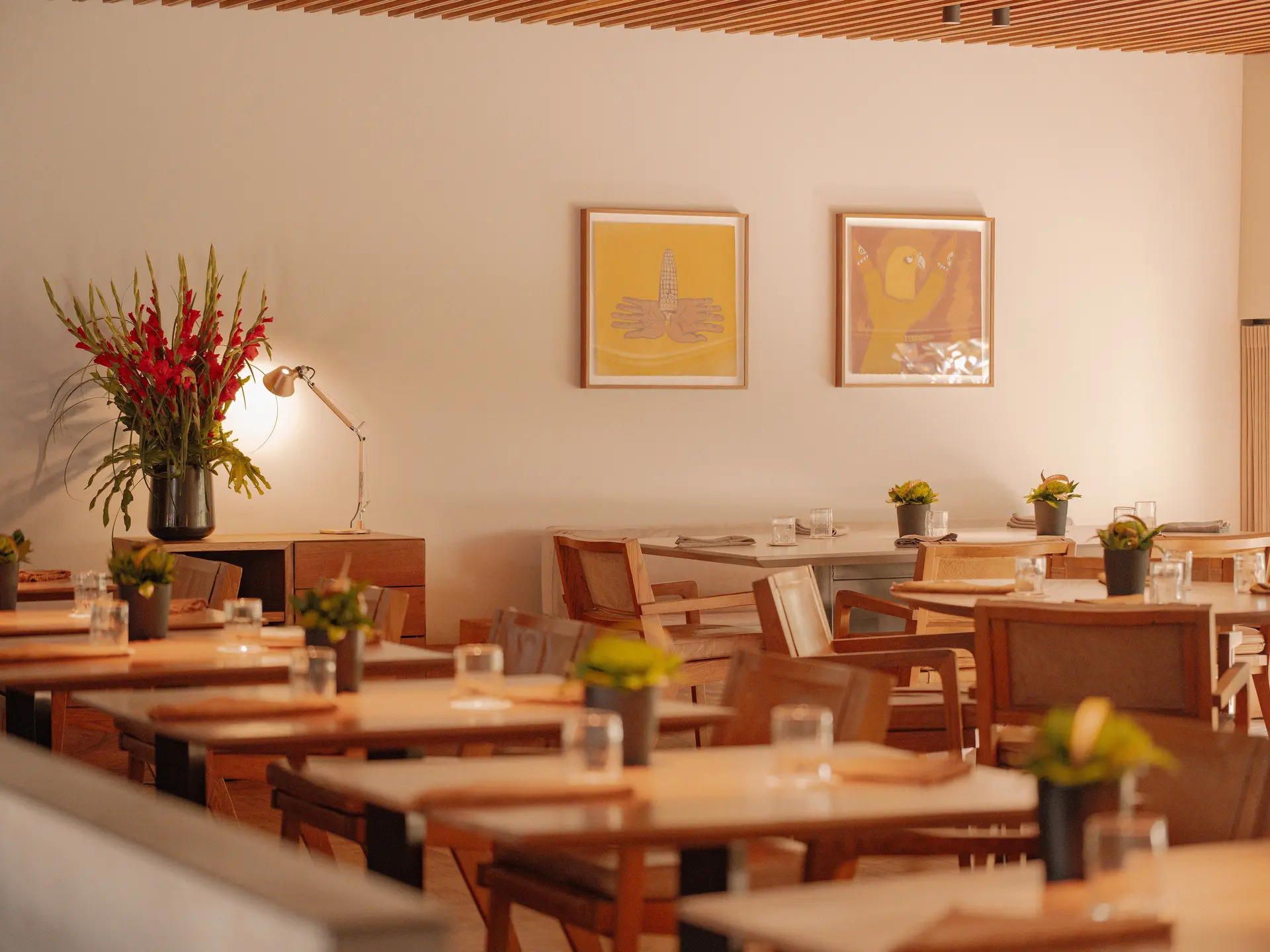
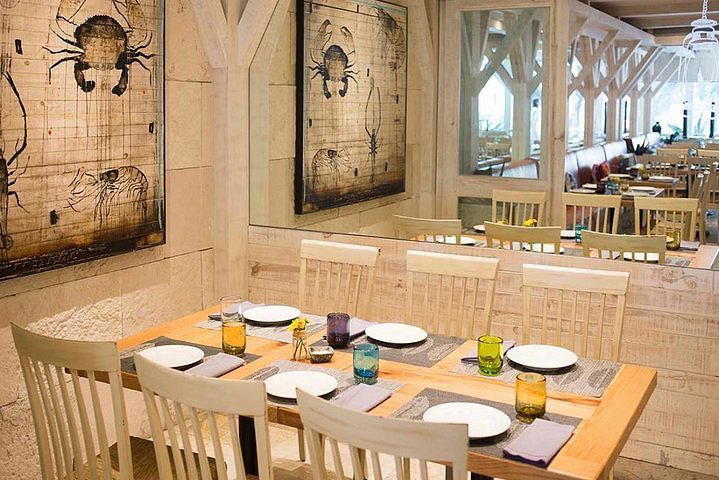
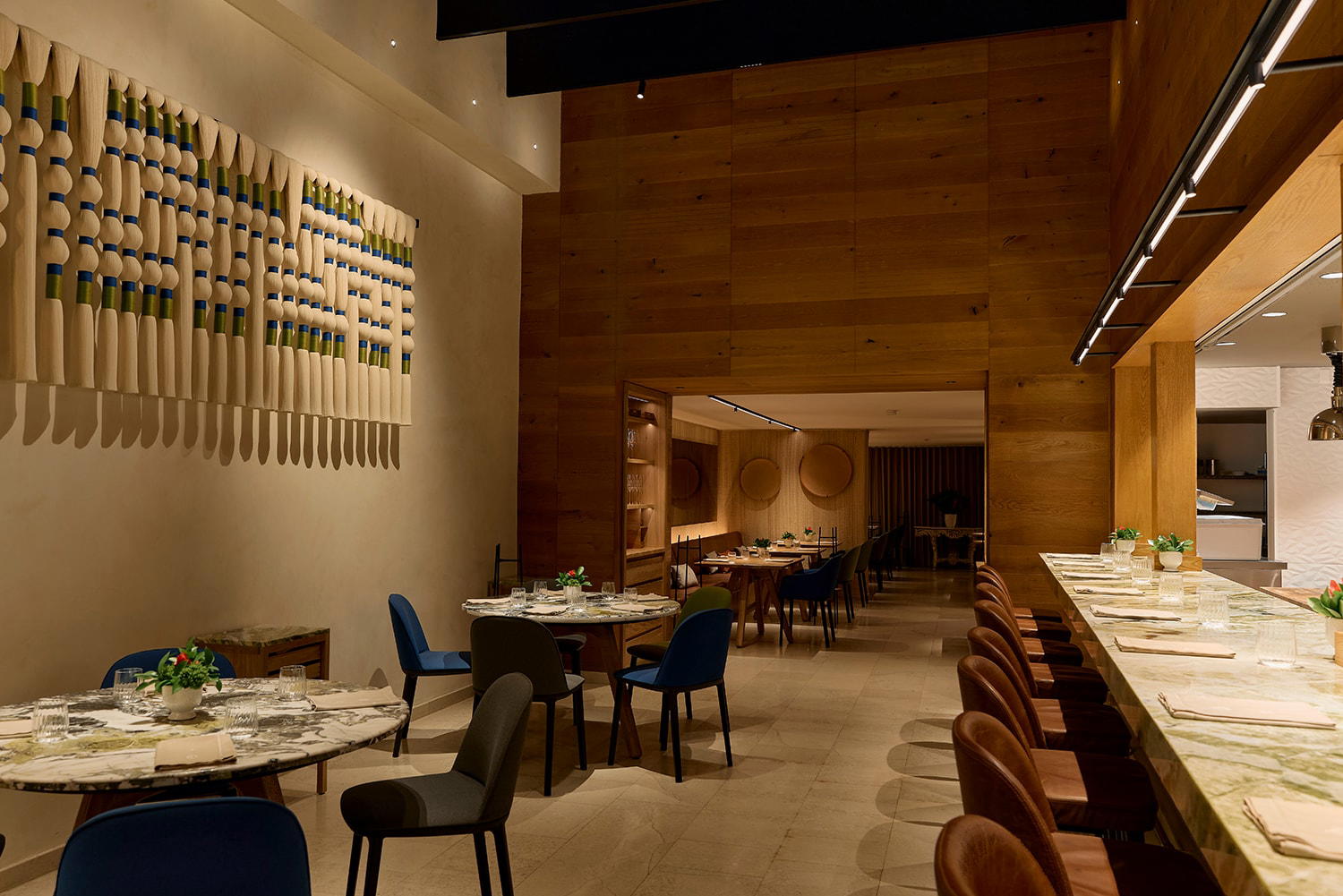
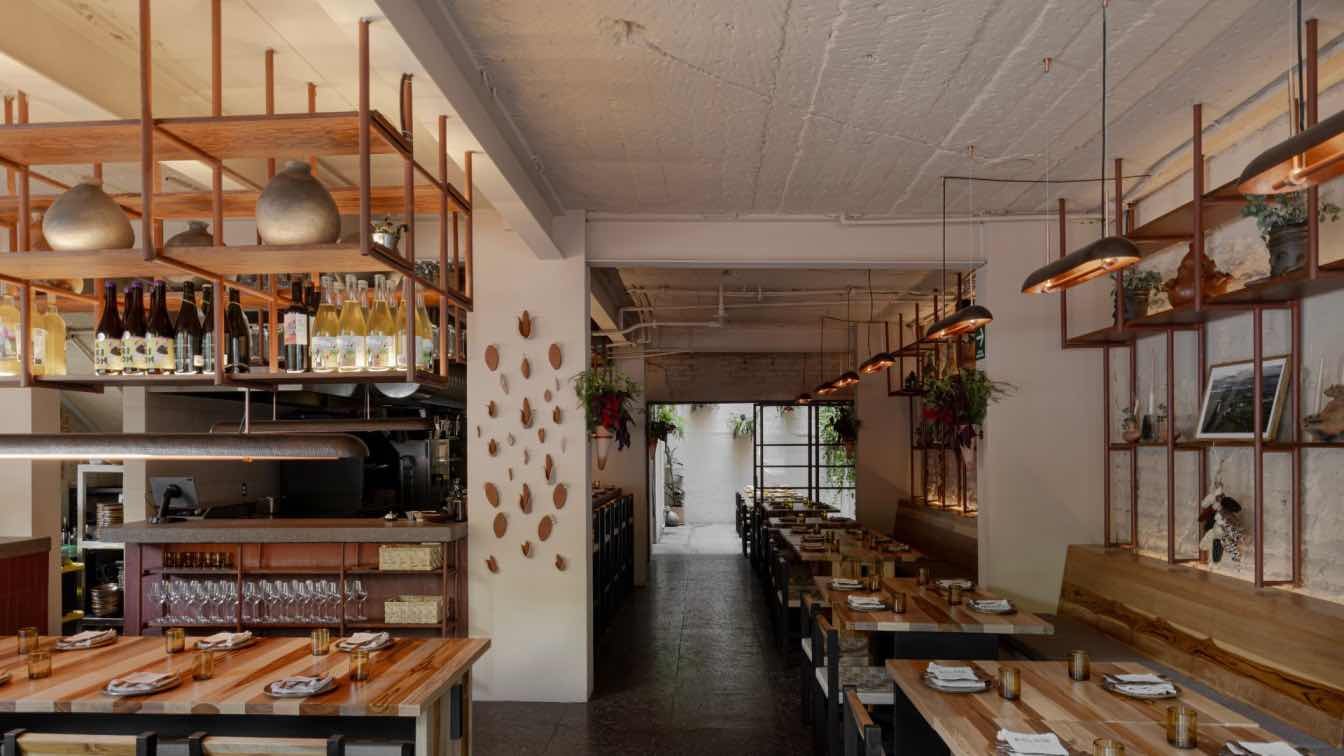
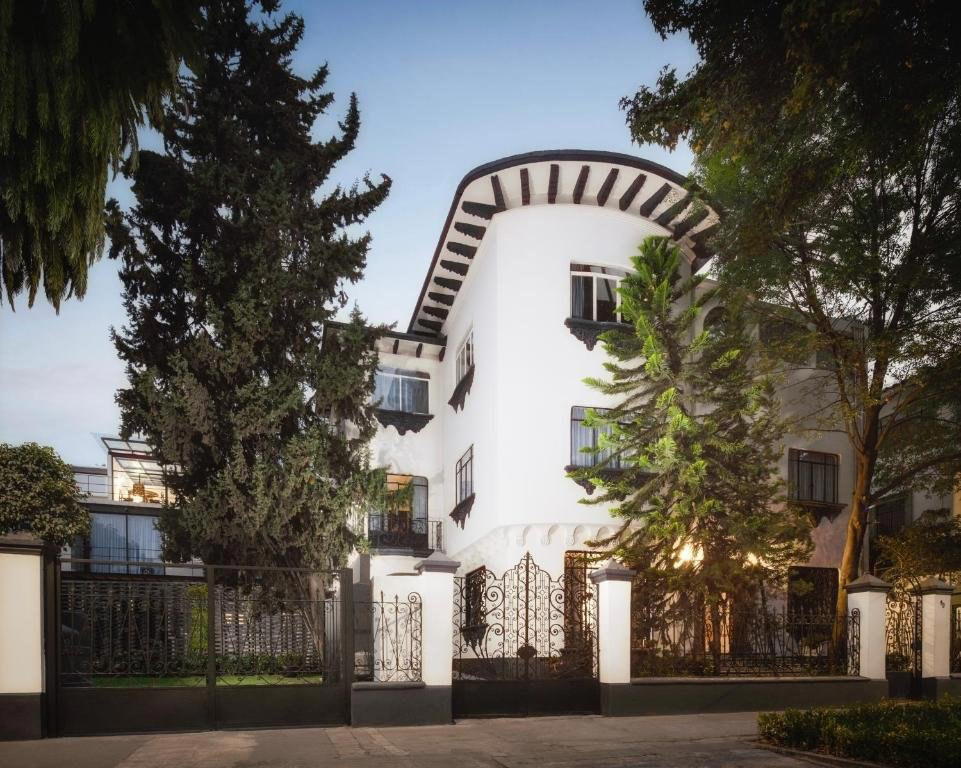
In Polanco, Mexico City's most international dining quarter, Mandolina brings a focused approach to occasion dining at Avenida Emilio Castelar 135. The address places it among a dense comparable set of serious restaurants where atmosphere and menu precision carry more weight than scale. For milestone meals in one of Mexico City's most consistent neighbourhoods, it earns its place in the conversation.
Pearl is the En Primeur Club membership app — saves, bookings, and concierge access live there. Same editors, same standards.
- Address
- Av. Emilio Castelar 135, Polanco, Polanco III Secc, Miguel Hidalgo, 11550 Ciudad de México, CDMX, Mexico
- Phone
- +525571599158
- Website
- mandolinapolanco.shop

Polanco's Occasion Dining Circuit and Where Mandolina Fits
Polanco is not Mexico City's most experimental dining quarter, that distinction belongs to Roma Norte and Condesa, where smaller rooms and lower rents allow chefs to take risks. What Polanco offers instead is consistency: well-dressed rooms, attentive service cadences, and a clientele that arrives expecting the meal to mark something. Anniversaries, business milestones, family reunions, this neighbourhood absorbs those occasions more fluently than any other in the city. Mandolina Polanco, a Contemporary European-Mexican Fusion restaurant at Avenida Emilio Castelar 135 in Polanco, sits inside that tradition rather than against it.
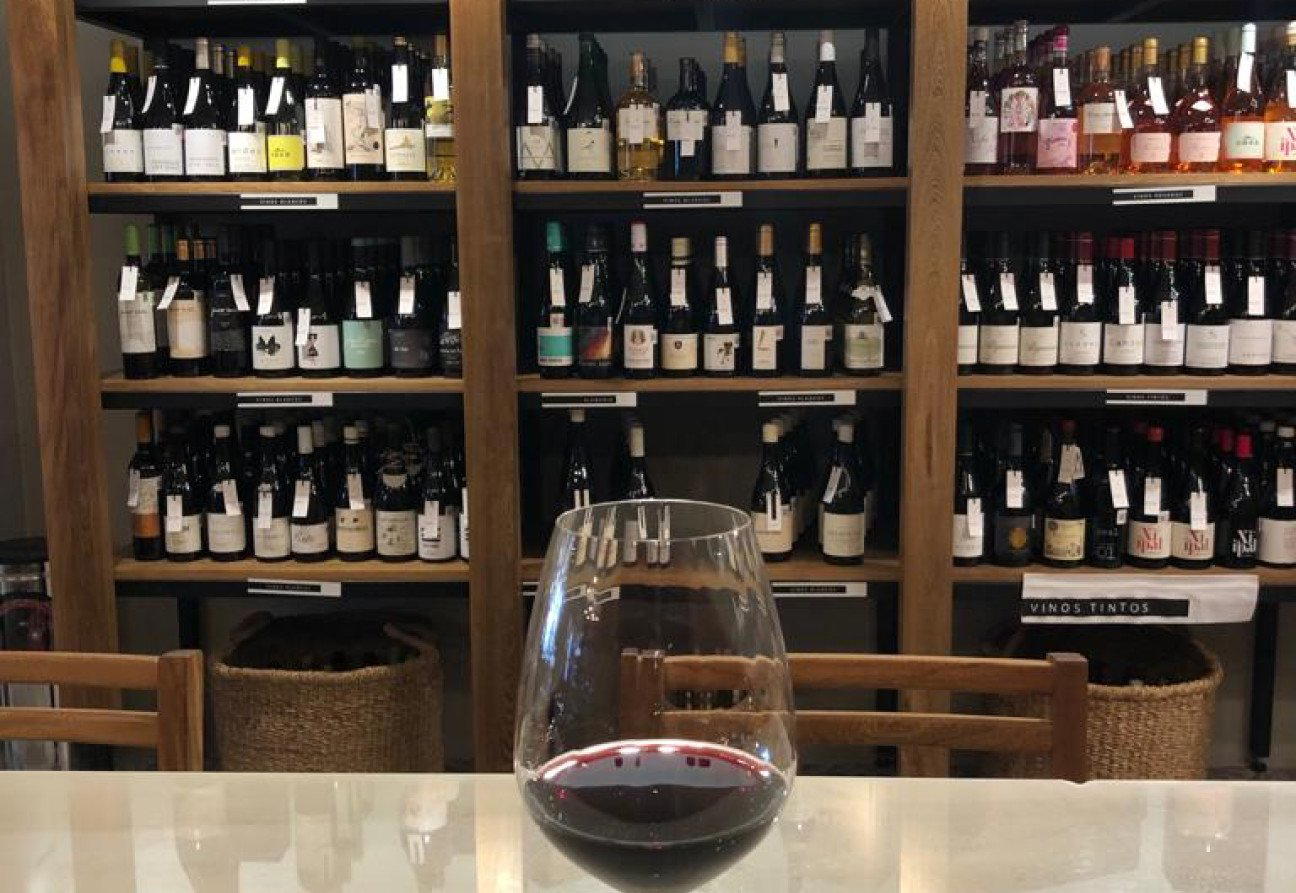
The address itself signals intent. Emilio Castelar is a central artery in a district where Pujol and Quintonil have set the benchmark for what a serious Mexico City dining room can be. Both carry Latin America's 50 Best recognition and Michelin-level scrutiny. A restaurant choosing this address and this neighbourhood is pricing itself into a specific conversation, one where the room's finish, the wine programme's depth, and the kitchen's consistency are evaluated against demanding neighbours.
The Case for Celebration Dining in a Dense Neighbourhood
Mexico City's premium restaurant tier has expanded sharply since 2016. Venues like Em, which brought a more intimate Mexican tasting format to the city's repertoire, and Sud 777, which pushed creative cooking toward the city's south, both demonstrated that occasion-worthy dining no longer required a Polanco postcode. Yet the neighbourhood has retained a specific cultural weight for milestone meals that is difficult to replicate elsewhere. Part of this is architectural, the wide tree-lined streets, the density of good hotels nearby, the proximity of Parque Lincoln, and part of it is simply accumulated expectation. Guests arrive to Polanco already primed for a significant evening.
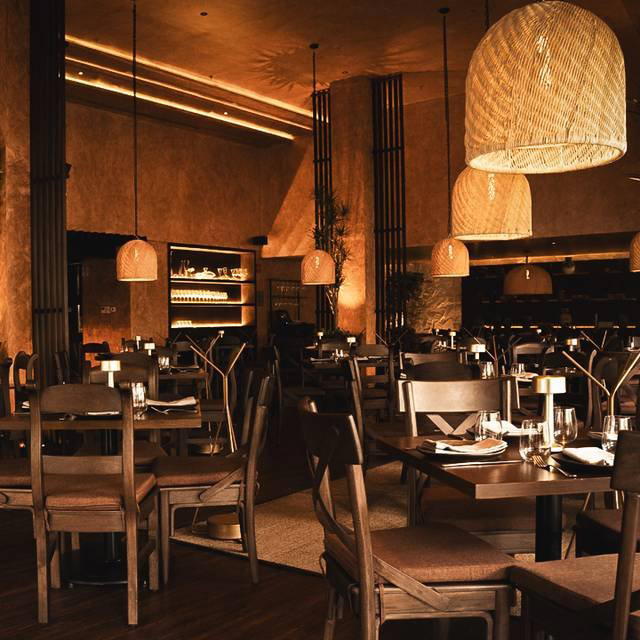
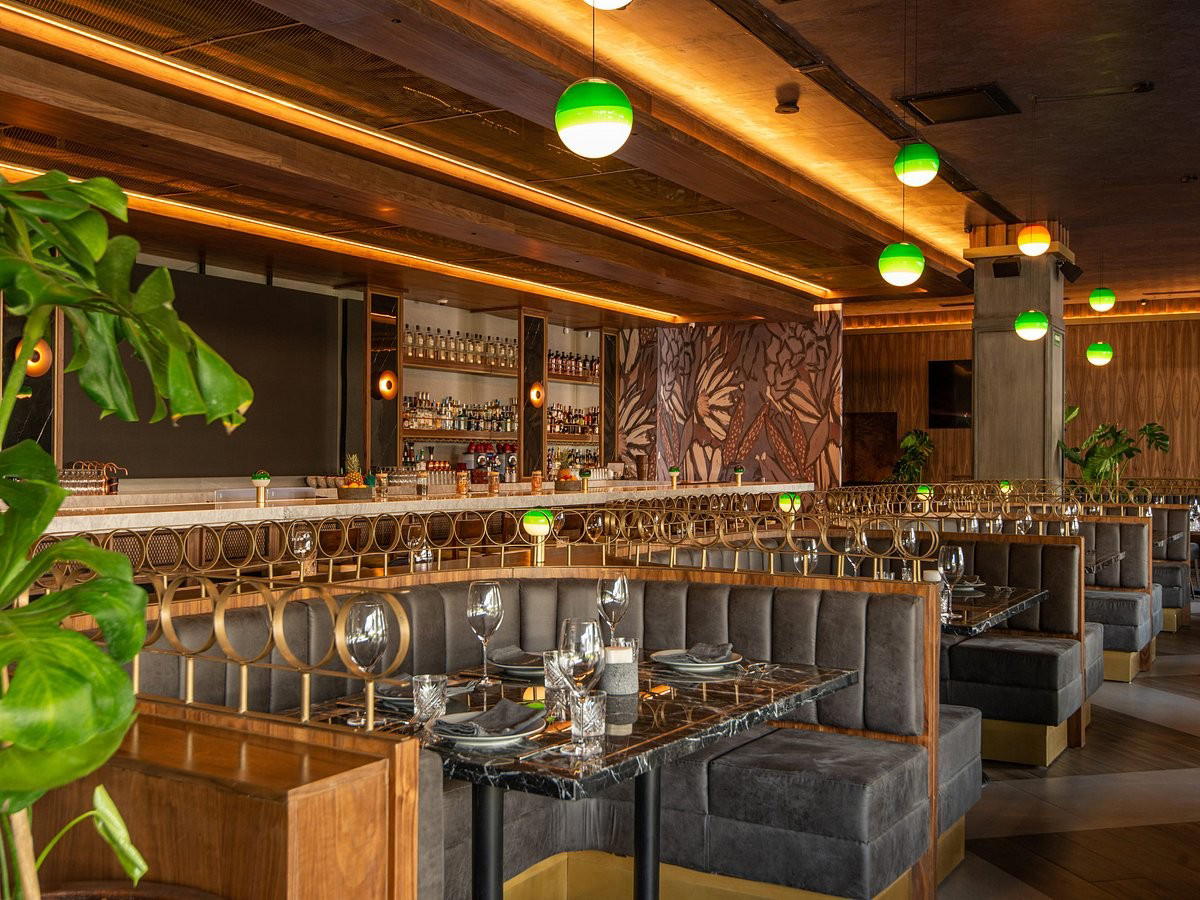
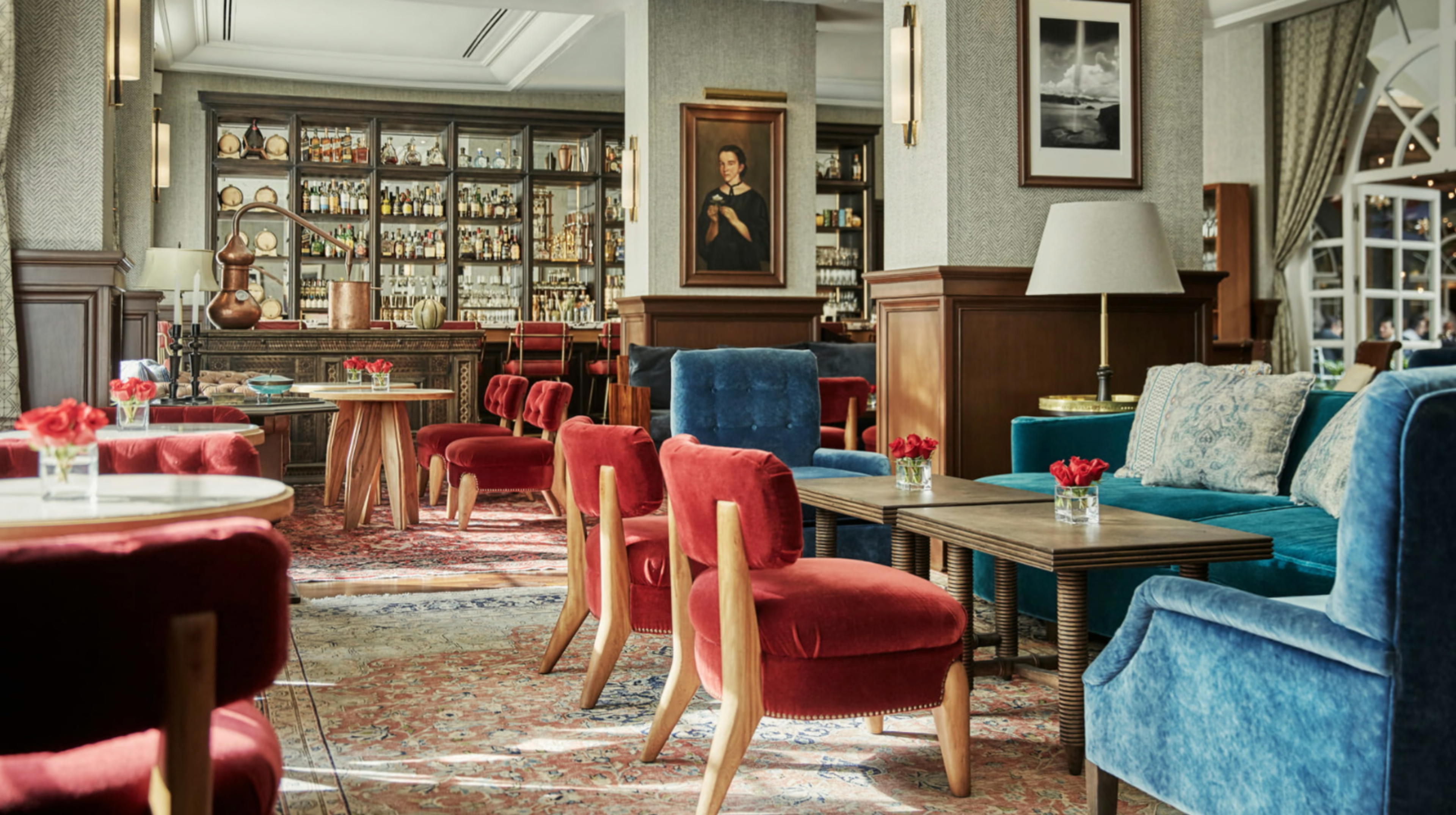
That priming works in a restaurant's favour when the room and kitchen can meet it. For an occasion meal, the atmosphere you encounter on arrival sets the contract for the evening. In a neighbourhood like Polanco, where several rooms within walking distance carry international recognition, the bar for that first impression is higher than in almost any other Mexico City district. Rosetta, operating in Roma Norte with its Italian-leaning creative menu, shows that strong occasion dining exists across the city, but Polanco remains the default for guests who want neighbourhood prestige to do some of the work.
Situating Mandolina in Mexico's Broader Restaurant Moment
Understanding Mandolina requires understanding how Mexico's restaurant sector has evolved beyond the capital. The country now produces serious destination restaurants from Oaxaca, where Levadura de Olla Restaurante has built a following around regional ingredient depth, to the Baja peninsula, where Animalón in Valle de Guadalupe and Olivea Farm to Table in Ensenada have positioned wine-country dining as a legitimate alternative to metropolitan options. In Guadalajara, Alcalde has pushed that city's profile upward, while in the Yucatán, Huniik in Merida and Le Chique in Puerto Morelos serve guests who have extended their trips south of the capital. Monterrey's scene, represented by KOLI Cocina de Origen and Pangea, has developed its own dining identity entirely separate from CDMX. Even in El Porvenir, Lunario has staked out a position in Mexico's wine country. This dispersal matters because it clarifies what Mexico City's leading restaurants must now offer that a regional alternative cannot: urban density, multinational clientele, and the accumulated symbolic weight of the capital.
Mexico City also competes for serious dining travellers with international reference points. For visitors who carry comparisons from New York, perhaps from Le Bernardin or Atomix, both of which operate at a technical level that benchmarks global fine dining, CDMX's Polanco restaurants are evaluated accordingly. That context shapes what a restaurant at Emilio Castelar 135 must deliver for guests arriving with international expectations. Similarly, visitors from the Caribbean coast who have experienced HA' in Playa del Carmen arrive in the capital expecting the city to exceed what a resort destination can offer.
Planning the Occasion
Polanco restaurants at the mid-to-upper price tier tend to fill Thursday through Saturday evenings by midweek, and fully committed rooms on those nights reflect a combination of resident regulars and visiting guests using the neighbourhood's hotel proximity as a logistical anchor. The area's walkability after dinner, to Parque Lincoln, to the hotel bars on Presidente Masaryk, makes it a practical choice for groups who want the meal to extend into an evening rather than conclude it. For occasion dining specifically, that post-dinner flexibility carries weight: a good milestone meal rarely ends with the bill.
Seasonal timing in Mexico City's dining context is less about ingredient availability than it is about crowd dynamics. December concentrates corporate dinners and family gatherings throughout Polanco, driving reservations pressure across the neighbourhood. January and February represent the clearest window for guests who want a Polanco table without the December premium on availability. The city's dry season, running broadly from November through April, also makes walking the neighbourhood before or after dinner more reliably pleasant than the afternoon-storm months of summer.
Peers Worth Knowing
Comparable venues nearby, for context on price, style, and recognition.
| Venue | Cuisine | Price | Notes |
|---|---|---|---|
| Mandolina PolancoThis venue — the venue you are viewing | Contemporary European-Mexican Fusion | $$$ | |
| Quinquela | Mexican-Italian-Argentine Bistro | $$$ | Centro Urbano Benito Juarez |
| müi Paladar | Modern Fusion Pop-up | $$$ | Condesa |
| Cafe Ó Bosques | French-Mexican Fusion Cafe | $$ | Cooperativa Palo Alto |
| Cocina Abierta - Reforma | Multi-Cuisine Fusion | $$$ | Nva Anzures |
| Blanco Castelar | Mexican-European Fusion | $$$ | Polanco Chapultepec |
Continue exploring
More in Mexico City
Restaurants in Mexico City
Browse all →Bars in Mexico City
Browse all →At a Glance
- Elegant
- Scenic
- Modern
- Sophisticated
- Brunch
- Date Night
- Family
- Celebration
- Terrace
- Panoramic View
- Standalone
- Craft Cocktails
- Local Sourcing
- Skyline
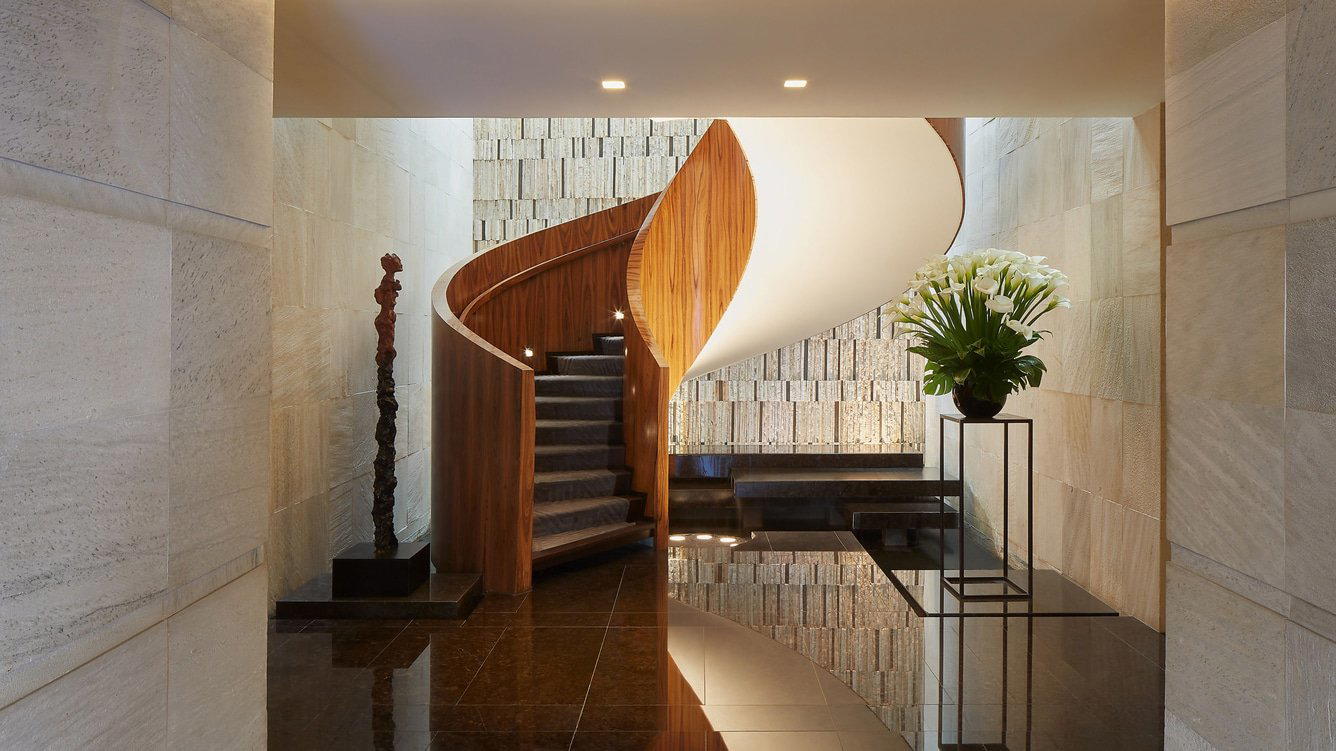
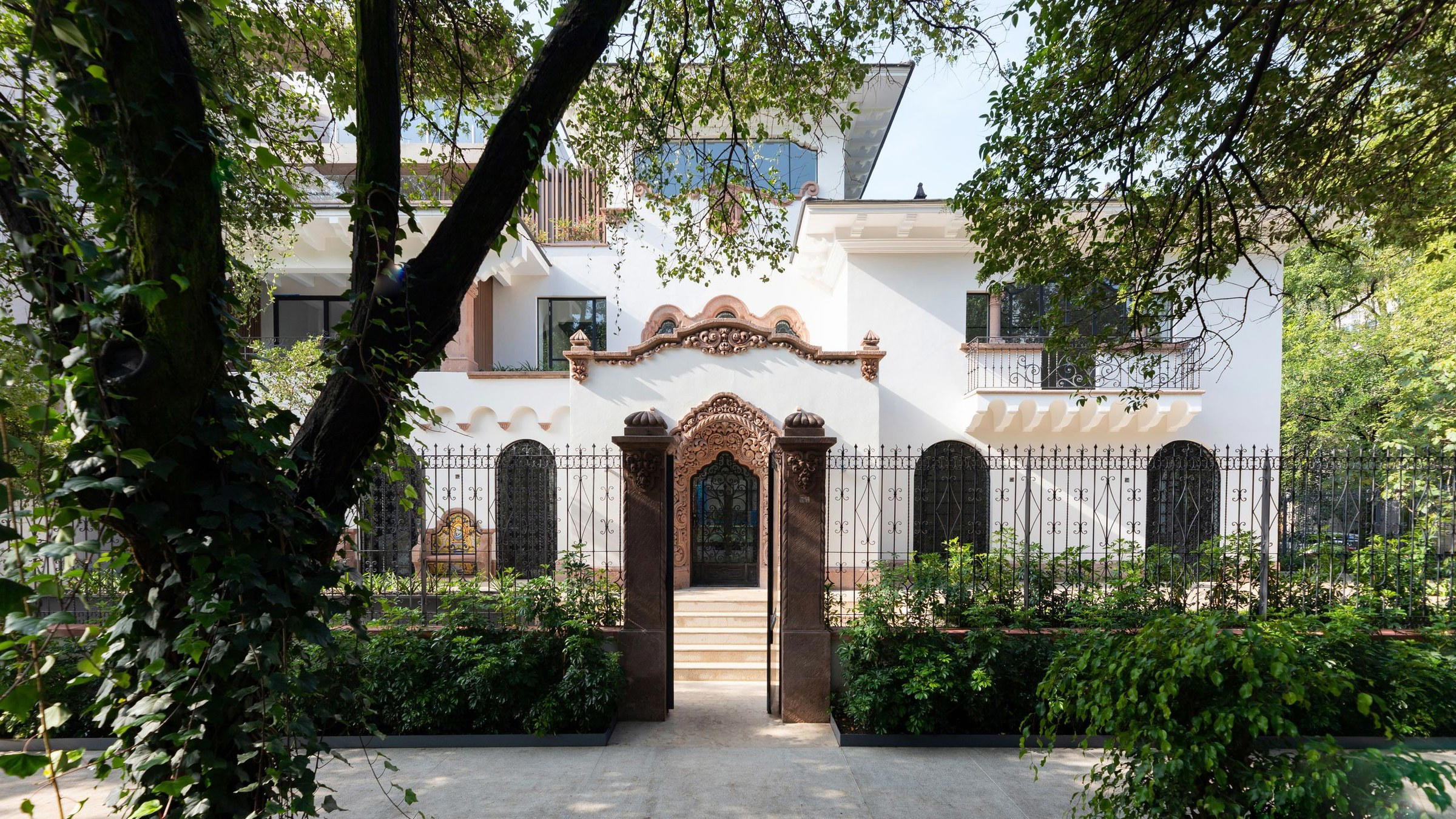
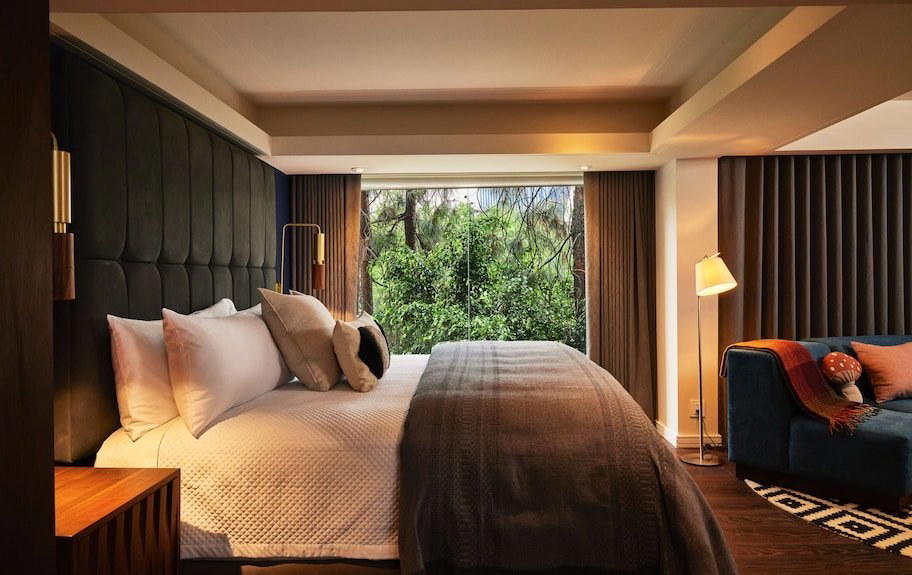
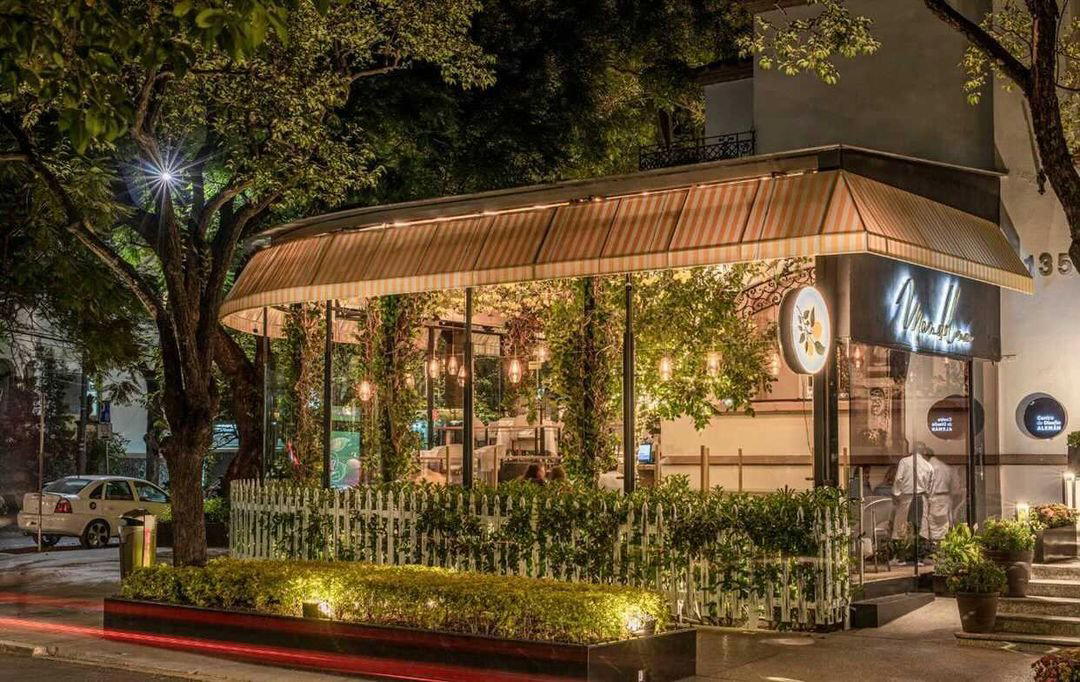
Bright, pleasant atmosphere with beautiful terrace seating, forest views, and thoughtful design elements including flower-shaped glassware; welcoming and friendly service creates an upscale yet approachable environment.