Cocina Abierta - Reforma
Our verdict
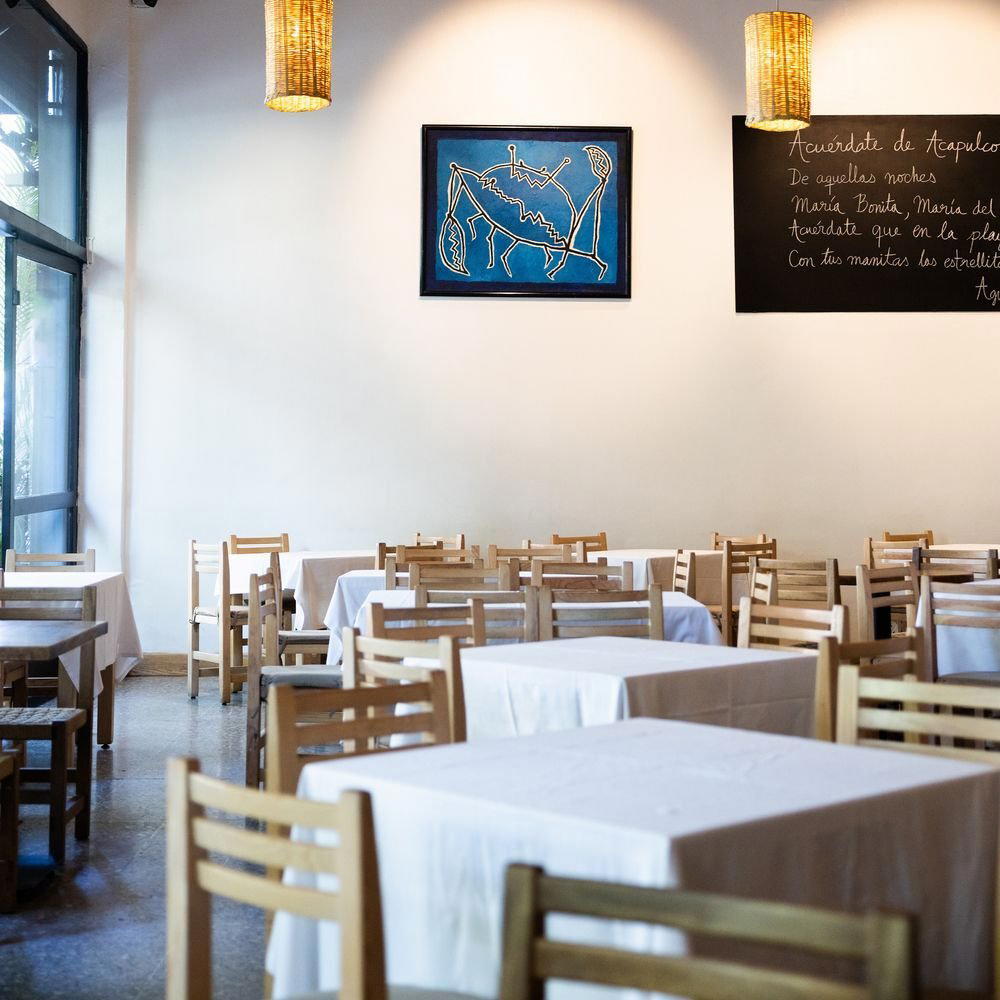
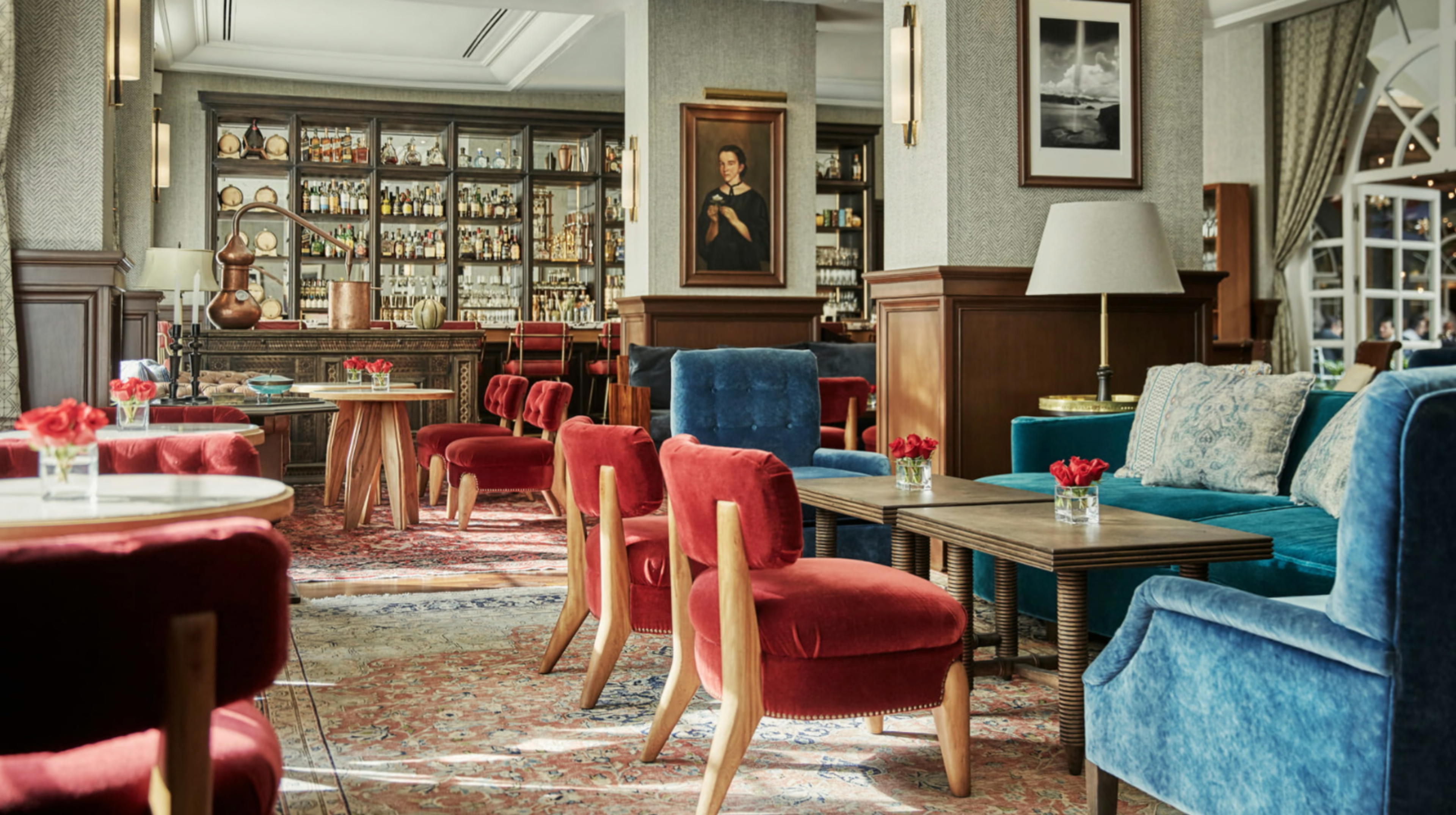
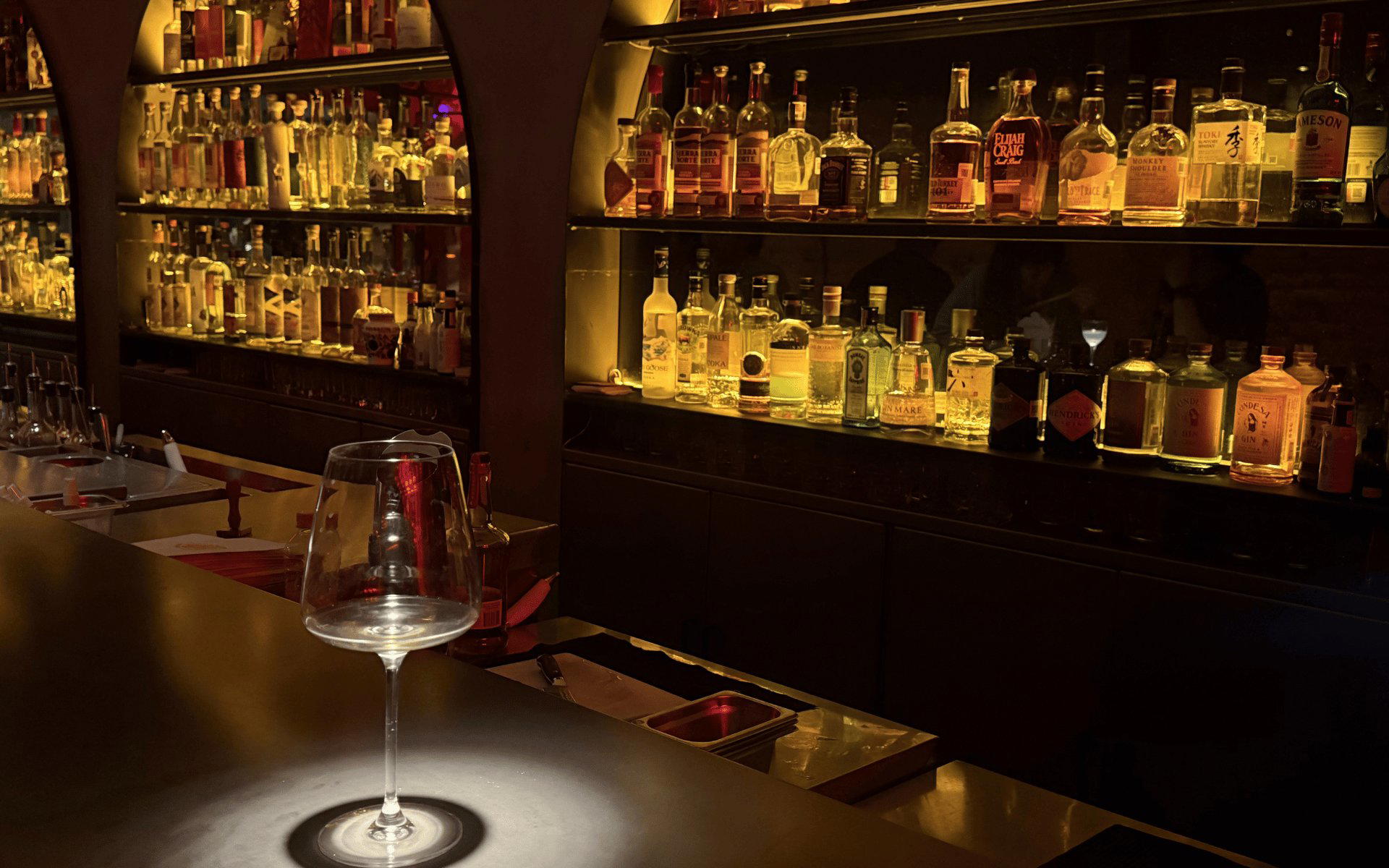
Cocina Abierta - Reforma on Av. P.º de la Reforma in Mexico City serves multi-cuisine fusion in an upscale casual, smart casual setting with lively energy for lunch, dinner, or late night.

Pearl is the En Primeur Club membership app — saves, bookings, and concierge access live there. Same editors, same standards.
- Address
- Av. P.º de la Reforma 483, Cuauhtémoc, 06500 Ciudad de México, CDMX, Mexico
- Phone
- +525578249126
- Hours
- Mon–Sat 1–10 PMSun 1–8 PM
- Website
- cocinaabierta.mx
- Directions
- Get directions
- Booking
- Book on OpenTable
Reforma's Open-Air Proposition
Paseo de la Reforma is Mexico City's most legible boulevard: a six-lane artery lined with jacaranda trees, financial towers, and rotating monument roundabouts that orient visitors the way that Broadway orients Manhattan. Along this corridor, the phrase "open kitchen" carries specific weight. In a city where dining rooms range from colonial courtyard concealment to clinical modernist boxes, a venue that advertises openness on its own nameplate is making a deliberate architectural and social statement. Cocina Abierta translates literally as "open kitchen" — and on Reforma, where the street itself is spectacle, that framing sets an expectation of visibility, movement, and a certain performative relationship between cook and diner.
Mexico City's dining register on Reforma skews toward the transactional: hotel restaurants capturing business travelers, terrace cafes serving the morning walk. Cocina Abierta - Reforma occupies the same address block as that traffic but signals something more considered, the kind of mid-format operation that has grown steadily in CDMX as the city's culinary middle tier strengthened over the past decade. For context on how that tier sits relative to the best of the market, Pujol and Quintonil anchor the city's highest bracket; the layer below them is where creative neighborhood cooking and accessible prix-fixe formats have multiplied most rapidly.
The Sensory Register of an Open Kitchen
The open-kitchen format, as a design philosophy, operates on a specific sensory contract. Sound travels first: the controlled percussion of a busy pass, pans moved across a flat-leading, the low verbal rhythm of a kitchen calling orders. In enclosed dining rooms, these sounds are absorbed by walls and soft furnishings. In an open configuration, they form a live ambient track — not loud, but present, giving the meal a pacing that mirrors what is happening behind the counter. On Reforma, where street noise from the boulevard competes with interior atmosphere, an open kitchen provides acoustic grounding, a focal point that the room organizes itself around.
Visually, the open kitchen inverts the typical hierarchy. The diner, rather than inferring what happens beyond a swing door, watches the sequence directly: mise en place giving way to plating, the small choreography of service. This transparency has become a standard expectation at the city's most-discussed restaurants, Em and Sud 777 both use open or semi-open kitchen designs to reinforce their cooking-as-craft positioning. Cocina Abierta makes that transparency its explicit identity rather than its background detail.
The olfactory dimension matters too, particularly on a boulevard where the outdoor environment is part of the dining frame. Mexican cooking at this register typically draws on chiles dried and fresh, slow-cooked proteins, and char from wood or carbon, aromatic profiles that reward proximity to the source. An open kitchen concentrates those signals in the dining room rather than channeling them through ventilation alone. The result is that the meal begins before the first plate arrives.
Where This Fits in Mexico City's Creative Dining Map
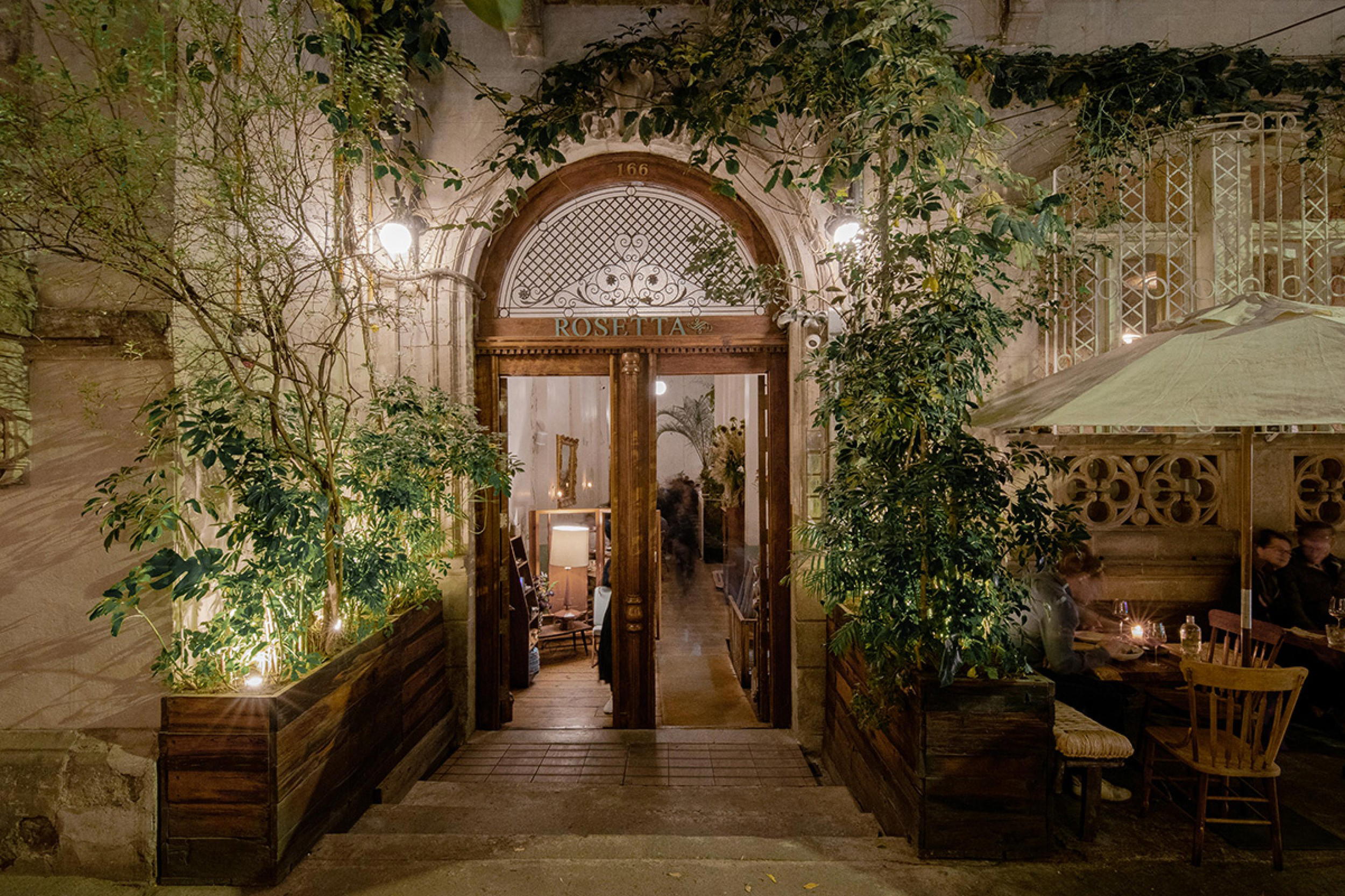
CDMX's dining scene has stratified meaningfully over the past fifteen years. At the leading, a small cluster of globally recognized addresses has put Mexican cuisine into international critical conversation. Immediately below that, a wider band of creative mid-range restaurants has developed, many of them in Roma Norte, Condesa, and Polanco, drawing on Mexican regional ingredients with contemporary technique. Rosetta in Roma, for instance, occupies a colonial mansion and works Italian and Mexican influences into a format that is both architectural and culinary. Reforma, as a corridor, is a different context: less residential, more transient, with a diner population that mixes local office workers with hotel guests and tourists moving between the city's northern and southern landmarks.
A restaurant named for its kitchen openness on this particular boulevard is making a specific positioning choice: it is reaching for the dining-destination audience that the street's monument walk and museum cluster (the Anthropology Museum sits two kilometers northwest along Reforma's continuation into Chapultepec) delivers naturally. That audience tends to be internationally oriented, likely to have comparison experience with open-kitchen formats elsewhere, and sensitive to whether a restaurant's identity matches its execution. For the broader Mexico City picture, our full Mexico City restaurants guide maps the relevant corridors and price tiers in detail.
Across Mexico, the open-kitchen and farm-anchored formats have taken distinct regional shapes. Animalón in Valle de Guadalupe builds its proposition around vineyard land and open fire; Alcalde in Guadalajara runs a market-driven format with significant local recognition; Olivea Farm to Table in Ensenada applies similar logic to Baja's agricultural output. In Mexico City, the same instinct toward transparency and sourcing specificity takes an urban form, where the supply chain is invisible but the cooking process is made visible instead.
Planning Your Visit
Reforma 483 sits in the Cuauhtémoc borough, within walking distance of several of the boulevard's major monuments and accessible by Metro (Sevilla and Insurgentes stations bracket the zone). The Reforma corridor is densely served by both Uber and the city's Ecobici bike network, making it direct to reach from Roma Norte, Polanco, or the Centro Histórico without relying on a car. Mexico City's dining peak runs Thursday through Saturday evenings, with Sunday lunch also drawing consistent traffic at mid-range addresses. Midweek visits, particularly Tuesday and Wednesday evenings, typically encounter shorter waits and more attentive service ratios.
For international comparison context, the open-kitchen counter format at this price position shares structural logic with venues like Lazy Bear in San Francisco, where kitchen visibility is built into the dining identity, though the tasting-menu formality differs considerably. At the haute end of the spectrum internationally, Le Bernardin in New York City demonstrates how much a kitchen can recede behind finished plates; the Cocina Abierta model is a deliberate inversion of that logic.
Elsewhere in Mexico, travelers building itineraries around open or process-forward cooking formats might also consider Le Chique in Puerto Morelos, KOLI Cocina de Origen in Monterrey, Levadura de Olla Restaurante in Oaxaca, Lunario in El Porvenir, HA' in Playa del Carmen, Pangea in San Pedro Garza Garcia, and Arca in Tulum as regional reference points across different price tiers and formats.
Quick-Reference Comparison
| Venue | Location | Price Tier | Format |
|---|---|---|---|
| Cocina Abierta - Reforma | Reforma, CDMX | Not confirmed | Open kitchen, boulevard |
| Pujol | Polanco, CDMX | $$$$ | Counter + dining room, tasting menu |
| Quintonil | Polanco, CDMX | $$$$ | Dining room, seasonal tasting |
| Rosetta | Roma Norte, CDMX | $$ | Colonial mansion, à la carte |
| Em | CDMX | $$$ | Open-influenced, creative Mexican |
Frequently asked questions
Is Cocina Abierta - Reforma a family-friendly restaurant?
The open-kitchen format at Reforma 483 works in families' favour — kitchens in plain view tend to hold children's attention and reduce the ambient pressure of formal service. Paseo de la Reforma's mid-corridor restaurant strip draws a genuinely mixed crowd in the evenings, including hotel guests and local families rather than an exclusively adult dining room. That said, confirm the specific setup directly before arriving with young children, as seating configurations vary.
Is Cocina Abierta - Reforma formal or casual?
The name itself signals intent: "cocina abierta" — open kitchen — belongs to a register that sits below the strict formality of Mexico City's tasting-menu rooms. On Reforma, where the crowd blends finance-district professionals with tourists from neighbouring hotels, the dress code is generally relaxed.
How does Cocina Abierta - Reforma compare to other open-kitchen restaurants on Paseo de la Reforma?
Reforma 483 places the venue in the Cuauhtémoc borough, a stretch of the boulevard where restaurant competition runs from hotel dining rooms to independent operators serving the financial district crowd. The open-kitchen format is a deliberate positioning choice in a corridor where many competitors keep their kitchens closed. Mexico City's open-kitchen scene has developed most visibly in Roma Norte and Condesa, making a Reforma-address entry into that format relatively distinct for the area.
What should I order at Cocina Abierta - Reforma?
As a practical orientation, open-kitchen restaurants on the Reforma corridor in the Cuauhtémoc borough frequently emphasise preparations where the cooking process is part of the draw — grilled proteins, composed plates, or dishes finished at the pass. Checking their current menu before arriving at Reforma 483 will give you the most accurate picture.
Where is Cocina Abierta - Reforma in Mexico City?
Cocina Abierta - Reforma is located at Av. P.º de la Reforma 483, Cuauhtémoc, 06500 Ciudad de México, CDMX, Mexico, Mexico City.
Do they take walk-ins at Cocina Abierta - Reforma?
On Paseo de la Reforma, where evening foot traffic from nearby offices and hotels runs high, walk-in availability tends to fluctuate sharply between weekday lunches and weekend dinner service. Contacting the venue at Reforma 483 directly before arriving is the more reliable approach than risking a wait.
What's the signature at Cocina Abierta - Reforma?
In the open-kitchen format, the signature is often structural rather than a single plate — the counter or pass becomes the focal point, and dishes finished in view of the dining room carry more weight than anything on the written menu. For Cocina Abierta specifically, the Reforma 483 address within the Cuauhtémoc corridor shapes the likely offer toward a broad, accessible range rather than a single calling-card dish.
Recognition, Side-by-Side
Comparable venues nearby, for context on price, style, and recognition.
| Venue | Cuisine | Price | Notes |
|---|---|---|---|
| Cocina Abierta - ReformaThis venue — the venue you are viewing | Multi-Cuisine Fusion | Not listed | Not listed |
| Bellini Restaurante Giratorio | International Cuisine with Mexican Influences | $30–50 | Napoles |
| Quinquela | Mexican-Italian-Argentine Bistro | $50–100 | Centro Urbano Benito Juarez |
| Cocina Abierta - Artz | Multi-Cuisine Food Hall | $30–50 | Jardines en la Montaña |
| Pietro el Pedro | Italian-Mexican Fusion | Not listed | Lomas de Virreyes |
| Artiano's | Mexican-American Fusion | $20–30 | Juarez |