
Michelin Plate
Our verdict
A Michelin Plate holder on Khon Kaen's Sri Chan Road, Mana has been serving Thai-Chinese seafood for over a decade at prices that sit firmly in the ฿฿ range. The oyster omelette and crispy salad with fish maw, shrimp, and cashews are the dishes most frequently cited by regulars. Dual dining areas, air-conditioned inside and open-air out, make it a workable choice year-round.

Pearl is the En Primeur Club membership app, where members save venues, book tables and use the concierge.
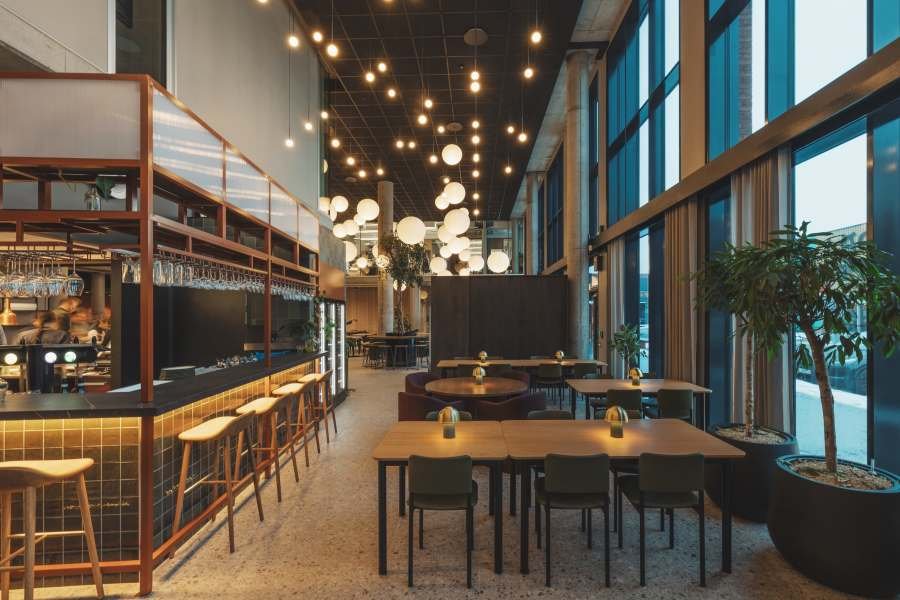
Sri Chan Road and the Thai-Chinese Table
Khon Kaen's food culture is predominantly Isan, grilled meats, fermented fish, sticky rice, but the city's Chinese-descended communities have maintained a parallel dining tradition that rarely makes it into travel coverage focused on the northeast. Sri Chan Road sits within this quieter register: a stretch where family-run shophouses and low-key local restaurants serve a constituency that isn't chasing novelty. Mana occupies a single-storey white building along this corridor, and the restaurant's physical modesty is part of the point. The Thai-Chinese format it represents, affordable seafood dishes built on Cantonese and Teochew-influenced technique, is precisely the kind of cooking that Bangkok's dining coverage tends to overlook in favour of fine-dining iterations. For context on how that style translates to Bangkok's more formal register, Chop Chop Cook Shop in Bangkok offers a useful comparison, as does Heng Khao Moo Daeng in Surat Thani for the provincial equivalent.
What the Michelin Plate Signals Here
Thailand's Michelin coverage has expanded steadily beyond Bangkok and Phuket in recent years, and Khon Kaen's inclusion in that orbit reflects a broader recognition that the country's most interesting eating is rarely confined to its capital. Mana holds a Michelin Plate (2025), a designation that signals consistent cooking worth a detour rather than a destination in itself. In Khon Kaen's context, that distinction carries weight: the city's Michelin-recognised venues cluster in a small group, and Mana's placement there positions it alongside restaurants operating at a different price tier and register. Compare it to Kaen, which represents Khon Kaen's Thai contemporary end of the spectrum, and the contrast sharpens what Mana is doing, namely, applying consistent technique to approachable, everyday Thai-Chinese cooking without repositioning itself as a destination restaurant. Nationally, the Michelin Plate category in Thailand encompasses a range from street-adjacent formats to more considered mid-range dining; Mana sits closer to the former in spirit, even if its space is more structured. For reference, Michelin-starred Thai cooking at the higher end of the national spectrum includes venues like Sorn in Bangkok and PRU in Phuket, restaurants operating at a fundamentally different price point and ambition level, which makes Mana's Plate recognition at the ฿฿ range more meaningful, not less.
The Dining Room Split and What It Means in Practice
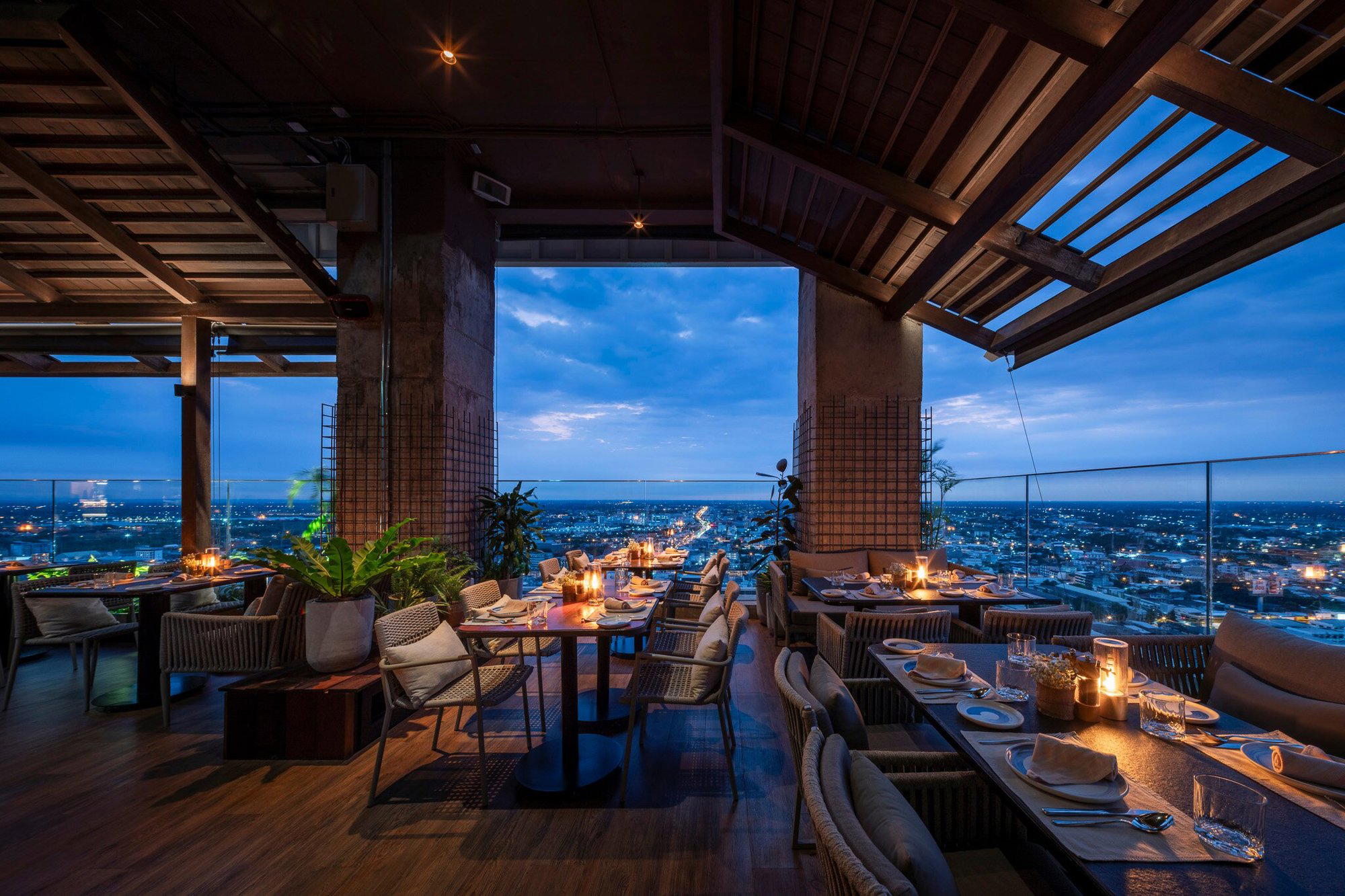
The building's layout divides into two areas: an air-conditioned interior and an open-air section. That division is common across provincial Thai restaurants and reflects practical rather than aesthetic thinking, the open-air option is viable in Khon Kaen's cooler season (roughly November through February), while the AC room handles the heat of March through May and the humidity of the rainy months. Neither space signals formality. The setup is consistent with the ฿฿ price range: functional, clean, and oriented toward groups and families rather than couples seeking atmosphere. Visitors arriving from higher-end properties covered in our Khon Kaen hotels guide should calibrate expectations accordingly, Mana's value lies in its cooking, not its room design.
The Thai-Chinese Seafood Format
Thai-Chinese cooking in the provincial northeast operates differently from its Bangkok counterparts. The Teochew and Cantonese influences that shaped Bangkok's Chinatown dining have, in cities like Khon Kaen, been absorbed into a more hybridised local style, one where Isan ingredients and tastes sometimes inflect what are nominally Chinese-origin dishes. The oyster omelette at Mana, cited in Michelin's own notes, is a dish with deep roots in Teochew cooking that has become naturalised across Thai coastal and urban menus. At this level of execution, the technique matters: the balance of egg to oyster, the crispness of the batter edge against a softer centre, and the freshness of the seafood. The crispy salad with fish maw, shrimp, and cashews is a more complex preparation, fish maw (dried swim bladder) is a high-value ingredient in Chinese cooking, typically associated with banquet dishes rather than casual dining, and its presence on a ฿฿ menu at a neighbourhood restaurant says something about Mana's sourcing priorities and its customer base's expectations. The combination of textural contrast, crisped exterior, gelatinous fish maw, crunchy cashews, is the kind of dish that rewards familiarity with Thai-Chinese flavour logic rather than those encountering it for the first time.
Khon Kaen's Broader Dining Picture
Mana sits within a city that has a more developed food culture than its regional reputation suggests. The Isan baseline, represented at the lower end by venues like Here Joi Beef Noodle and Jok Guay Jab Tom Sen Bat Queue for street-adjacent formats, runs alongside Chinese-influenced mid-range dining, of which Mana is one example, and a growing contemporary layer anchored by places like Kaen. The noodle tradition is separately strong, with Guang Tang Noodles representing another point on the Chinese-influenced dining map. For those building a more complete picture of what the city offers, Baan Heng is worth considering alongside Mana. The full picture is mapped in our Khon Kaen restaurants guide, and for those extending their time in the northeast, Agave in Ubon Ratchathani and Aeeen in Chiang Mai represent the regional range. Broader city planning resources include our Khon Kaen bars guide, experiences guide, and wineries guide.
Planning a Visit
Mana is located at 420 Sri Chan Road in Mueang Khon Kaen District. The ฿฿ price range places it in the accessible mid-tier for Thai provincial dining, a meal for two with seafood dishes is unlikely to exceed figures that would register as significant expenditure by any urban dining standard. No booking contact details are available through EP Club's data; arriving without a reservation is consistent with the format, though peak evening hours on weekends may require patience. For those comparing across the Thai-Chinese mid-market regionally, AKKEE in Pak Kret and The Spa in Lamai Beach offer contrasting takes on how the format plays out in different Thai contexts.
Frequently asked questions
Does Mana have a Michelin star or similar recognition?
Mana has received recognition including: After working for years at Thai-Chinese restaurants in Bangkok, chef-owner Mana returned home to open his own outlet. He’s now been serving flavoursome Thai-Chinese-style seafood dishes that are easy on the pocketbook for over a decade. Ins….
What price level is Mana?
Pricing at Mana is listed as ฿฿.
What should I eat at Mana?
Michelin's own notes single out two dishes: the oyster omelette and the crispy salad with fish maw, shrimp, and cashews. Both represent the core of the Thai-Chinese seafood format Mana has been running for over a decade at the ฿฿ price point.
How do I find Mana?
Mana is located at หมู่ที่ 21 420 Sri Chan Rd, Mueang Khon Kaen District, Khon Kaen 40000, Thailand, Khon Kaen.
How hard is it to get a table at Mana?
Mana is a walk-in-friendly neighbourhood restaurant on Sri Chan Road, priced at ฿฿ for a provincial Thai city, the Michelin Plate recognition adds profile without turning it into a reservation-driven venue. Arriving early or outside peak meal hours is a reasonable precaution, but advance booking pressure is minimal compared to Bangkok's Michelin-listed counters.
A Pricing-First Comparison
Comparable options at a glance, pulled from our tracked venues.
| Venue | Cuisine | Price | Awards | Notes |
|---|---|---|---|---|
| ManaThis venue (the venue you are viewing) | Italian, French, American | $20–30 | Michelin Plate | Not listed |
| Here Joi Beef Noodle | Thai Beef Noodles | $1–10 | Michelin Bib Gourmand | Noodles, ฿ |
| Jok Guay Jab Tom Sen Bat Queue | Thai Street Food Noodles & Porridge | $1–10 | Michelin Bib Gourmand | Street Food, ฿ |
| Kai Yang Rabeab (Khao Suan Kwang) | Not listed | Not listed | Not listed | Isan, ฿ |
| Khun Jaeng Guay Tiew Pak Mor Kao Wang | Thai Noodle Shop | $1–10 | Michelin Bib Gourmand | Thai, ฿ |
| Praprai | Authentic Isaan Thai | $10–20 | Michelin Bib Gourmand | Isan, ฿฿ |
Recognition history
Dated appearances from independent guides and award organizations, with the underlying list record or original source where available.
Michelin Plate
Michelin
Full recognition history (2 entries)
Michelin Plate
Michelin
Mana
Featured Guides
Continue exploring
More in Khon Kaen
Details
- Modern
- Elegant
- Cozy
- Business Dinner
- Date Night
- Hotel Restaurant
- A La Carte
Current opening hours
- Monday
- 12–1:30 p.m., 4–9:30 p.m.
- Tuesday
- 12–1:30 p.m., 4–9:30 p.m.
- Wednesday
- 12–1:30 p.m., 4–9:30 p.m.
- Thursday
- 12–1:30 p.m., 4–9:30 p.m.
- Friday
- 12–1:30 p.m., 4–9:30 p.m.
- Saturday
- 12–1:30 p.m., 4–9:30 p.m.
- Sunday
- 12–1:30 p.m., 4–9:30 p.m.
Hours can change for holidays and private events. Hours as of .
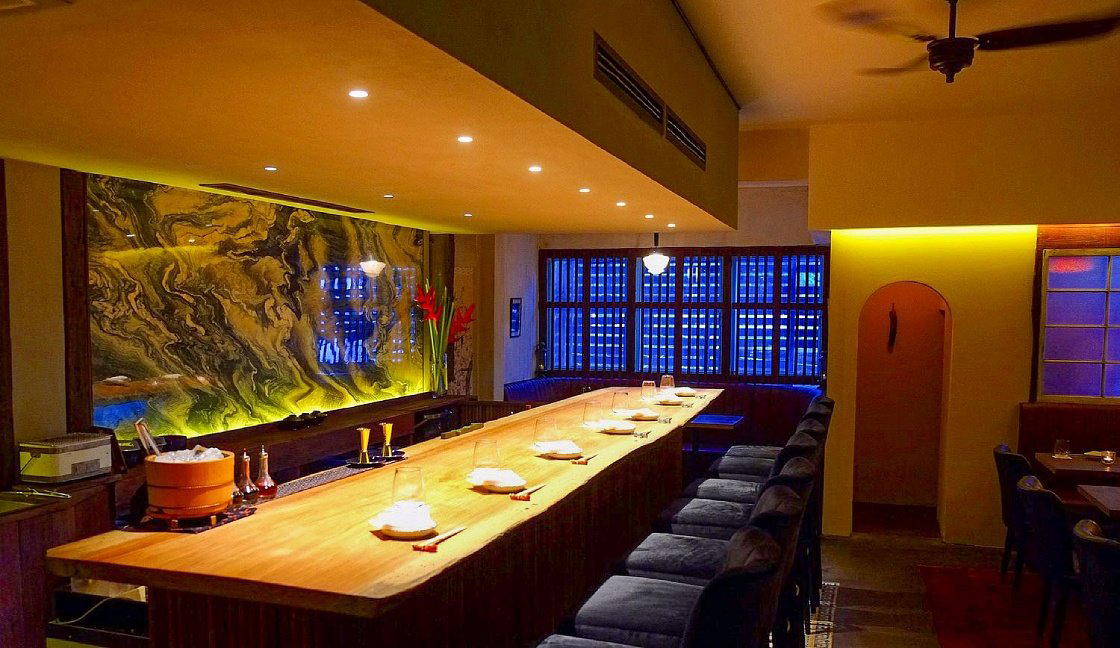
Elegant dining room with modern decor, bright and spotlessly clean spaces.