Google: 4.4 · 572 reviews
.png)
A Michelin Bib Gourmand recipient for 2024 and 2025, this Lang Mueang Road shop has built its reputation on rice dumplings and tapioca balls shaped by a Bangkok street-food lineage spanning three decades. The garlic chive dumplings and tom yum soup with egg are the orders that draw regulars back. At single-digit baht-sign pricing, it holds a clear position at the affordable end of Khon Kaen's dining map.
 Discover on Pearl
Pearl is the En Primeur Club membership app — saves, bookings, and concierge access live there. Same editors, same standards.
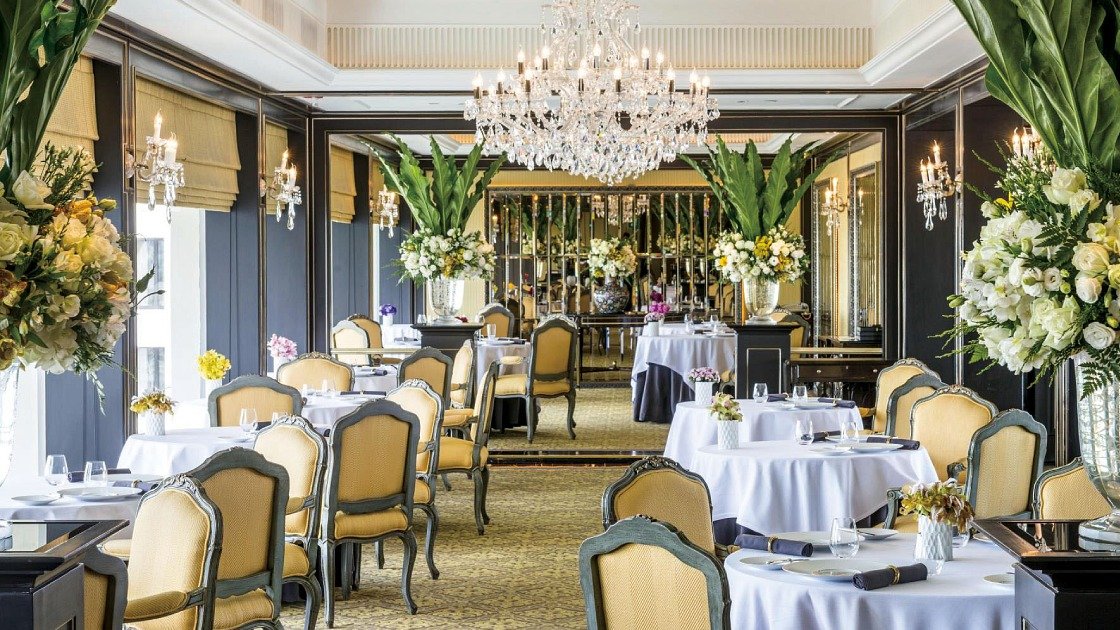
A Street Counter With Bangkok Roots in the Heart of Khon Kaen
Lang Mueang Road in central Khon Kaen does not announce itself as a dining destination. The stretch runs through a functional neighbourhood where shophouses trade in hardware, dry goods, and everyday food. Among them, Khun Jaeng Guay Tiew Pak Mor Kao Wang occupies the kind of counter-and-stool setup that defines affordable Thai eating at its most direct: no reservations, no dress code, no explanation of the menu in multiple languages. What it has earned, quietly and twice over, is the Michelin Bib Gourmand, awarded in both 2024 and 2025. That distinction places it in a small peer set of provincial Thai restaurants that Michelin's inspectors have judged to deliver cooking of clear quality at prices accessible to almost anyone.
The Bib Gourmand category is worth pausing on. It does not track fine dining or tasting menus. It tracks places where a full, satisfying meal costs the equivalent of around 45 USD or less, and where the cooking justifies the attention of a serious inspector. In Thailand, that tends to mean street-food specialists and shophouse kitchens where technique has been refined over years rather than assembled for a launch menu. Khun Jaeng sits squarely in that tradition. For context on how Thai restaurants at the higher end of the country's Michelin constellation operate, Sorn in Bangkok and Nahm — Thai in Bangkok represent the starred tier; Samrub Samrub Thai — Thai in Bangkok sits closer to the investigative mid-tier. Khun Jaeng's Bib Gourmand positions it as the regional equivalent of those Bangkok institutions that built credibility through consistency, not spectacle.
The Skill Behind the Dumpling
The editorial angle here is inheritance, and specifically what happens when a technique developed over decades in one city transfers to another. The shop's dumplings and tapioca balls trace directly to a Bangkok street-food practice that the chef's mother developed over thirty years. That kind of lineage matters in Thai dumpling-making because the craft is tactile and time-sensitive: the dough for pak mor (steamed rice flour parcels) must be worked to a specific consistency, the filling balanced between savoury and aromatic, and the steaming controlled to keep the wrapper translucent without turning rubbery. These are not skills acquired from a recipe card.
In Bangkok, pak mor counters cluster in older Chinese-Thai neighbourhoods where Teochew-influenced snack culture has been layered over decades of adaptation. Bringing that lineage to Khon Kaen, which has its own dominant street-food identity rooted in Isan cooking, positions this shop as something different from the region's baseline. Places like Kai Yang Rabeab and Baan Heng (Thai-Chinese) represent the local Thai-Chinese shophouse register; Khun Jaeng draws on a southern-origin Bangkok snack tradition that is less common this far northeast.
What to Order
The garlic chive dumplings are the item that Michelin's notes call out specifically, and they represent the shop's clearest technical statement. Garlic chive (gui chai) dumplings appear across Thai-Chinese snack culture but the execution varies widely. At their leading, the filling carries a clean, slightly pungent herbaceous note against a soft, yielding wrapper; at their weakest, they are dense and underseasoned. That this shop's version receives repeated inspector attention across two consecutive years suggests the execution falls consistently into the former category.
The tom yum soup with egg is the other anchor order. Tom yum at this price point and format is usually a simpler broth than the restaurant versions that appear on tourist menus across Thailand, but it can be sharper and more direct for that reason: the sourness from lime or tamarind, the heat from fresh chilli, and the aromatic backbone from lemongrass and galangal without the additions that blur the profile. The egg element is worth noting because it signals a specific, homestyle register rather than an attempt to dress the dish upward.
For those wanting to cross-reference Khon Kaen's broader noodle scene alongside these dumplings, Guang Tang Noodles offers a point of comparison within the same affordable bracket. The noodle-focused Here Joi Beef Noodle and street-food counter Jok Guay Jab Tom Sen Bat Queue occupy similar price positions without the Bib Gourmand credential.
Where This Fits in Khon Kaen's Dining Map
Khon Kaen is not a city that food journalists typically prioritise in the way they do Chiang Mai or Bangkok, but its restaurant scene has real range. At the affordable end, shophouse and street counters dominate. The mid-range is growing, with places like Praprai moving Isan cooking into a more considered setting, and Song 24 Nor occupying a different niche. Further along the register, Krua Supanniga by Khunyai Somsie represents a more formal Thai dining format. See Na Nuan Café handles a lighter, café-oriented slot.
Khun Jaeng sits at the bottom of that price spectrum and near the leading of its quality tier within that bracket, which is precisely what the Bib Gourmand is designed to identify. For regional comparisons elsewhere in Thailand's northeast and beyond, Agave in Ubon Ratchathani shows how a different city in the region approaches its eating-out culture, while Aeeen in Chiang Mai and PRU in Phuket illustrate how other provincial cities have developed distinct dining identities. AKKEE in Pak Kret and The Spa in Lamai Beach round out a picture of how Thai eating at different price points functions across the country's geography.
Planning Your Visit
The shop is at 246/4 Lang Mueang Road in the Nai Mueang district, the central part of Khon Kaen that most visitors will pass through. At a single-baht-sign price range, a full order of dumplings and soup should come in well under 200 baht per person. Arrival timing matters at this kind of counter: peak lunch hours tend to clear stock faster than it can be replenished, and the shop operates on walk-in terms with no booking infrastructure. Coming before or just after the main midday rush improves the odds of the full range being available. Google reviews stand at 4.4 across 540 ratings, a score that at this volume is a reliable signal of sustained consistency rather than a spike from a single moment of attention.
For a fuller picture of where to eat, drink, and stay around this part of the city, see our full Khon Kaen restaurants guide, our full Khon Kaen hotels guide, our full Khon Kaen bars guide, our full Khon Kaen wineries guide, and our full Khon Kaen experiences guide.
Awards and Standing
A small peer set for context; details vary by what’s recorded in our database.
| Venue | Awards | Cuisine | Notes |
|---|---|---|---|
| Khun Jaeng Guay Tiew Pak Mor Kao Wang | Bib Gourmand | Thai | This venue |
| Here Joi Beef Noodle | Noodles | Noodles, ฿ | |
| Jok Guay Jab Tom Sen Bat Queue | Street Food | Street Food, ฿ | |
| Kai Yang Rabeab (Khao Suan Kwang) | Isan | Isan, ฿ | |
| Praprai | Isan | Isan, ฿฿ | |
| Baan Heng | Thai-Chinese | Thai-Chinese, ฿ |
Continue exploring
More in Khon Kaen
At a Glance
- Lively
- Cozy
- Casual Hangout
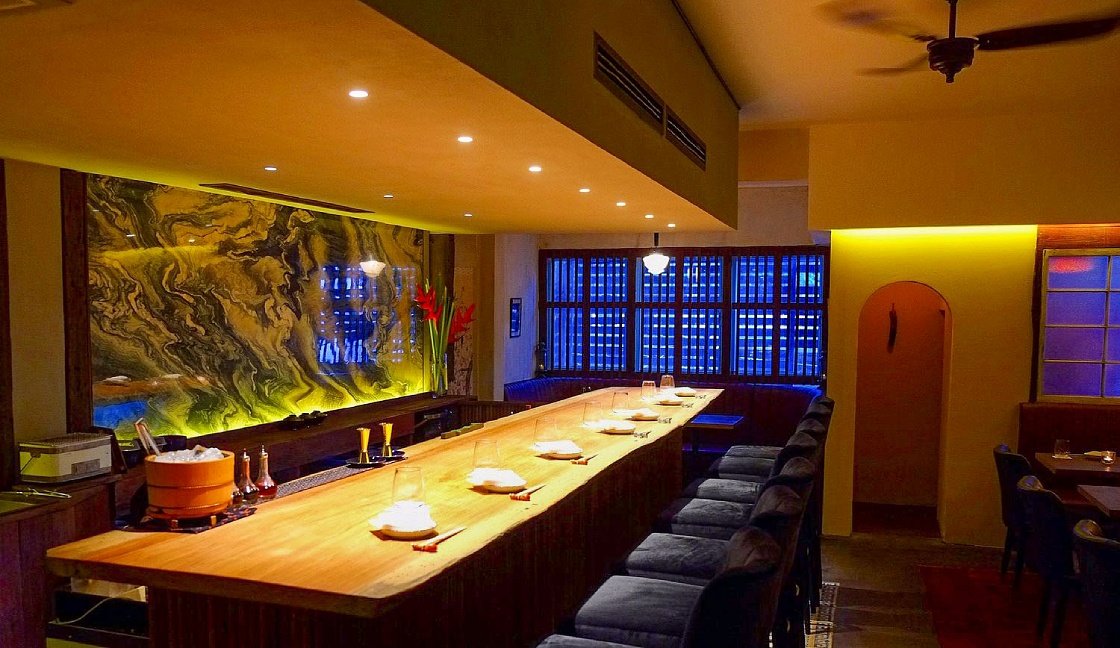
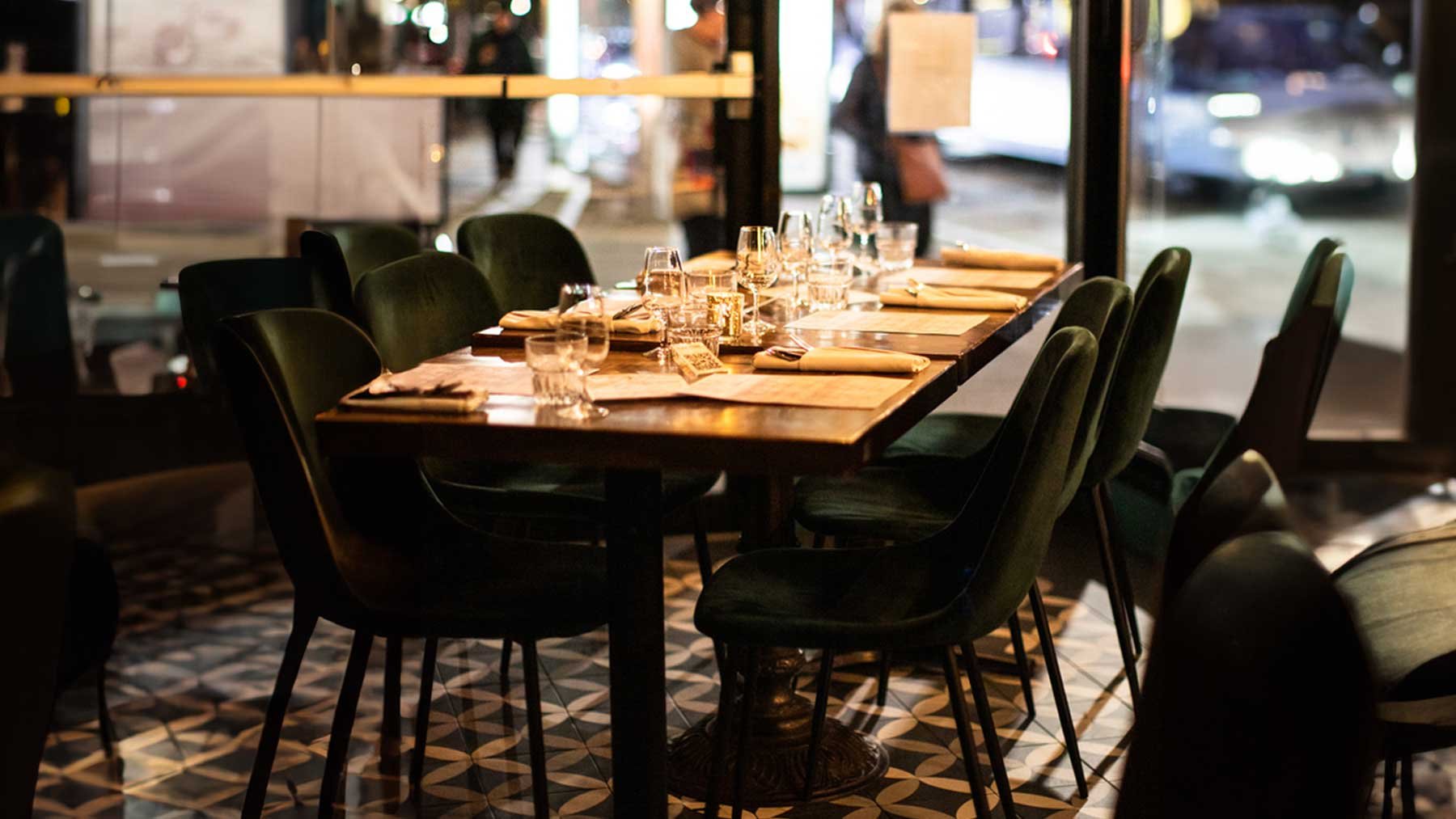
Lively atmosphere filled with sizzling woks and chatter of diners in a simple, welcoming small shop setting.