
Michelin Plate
Our verdict
Kaen brings a Michelin Plate-recognised approach to Isan cuisine, with Chefs Paisarn and Kanyarat sourcing rare ingredients from local small-scale farmers to build a casual fine dining menu around northeast Thailand's bold, earthy flavours. The kaeng ploe, a free-range chicken broth with yanang leaf and 20 varieties of hand-cut vegetables, is the clearest statement of what this kitchen does. Price range sits at ฿฿, making it one of the more accessible entries in Khon Kaen's serious dining scene.

Pearl is the En Primeur Club membership app, where members save venues, book tables and use the concierge.
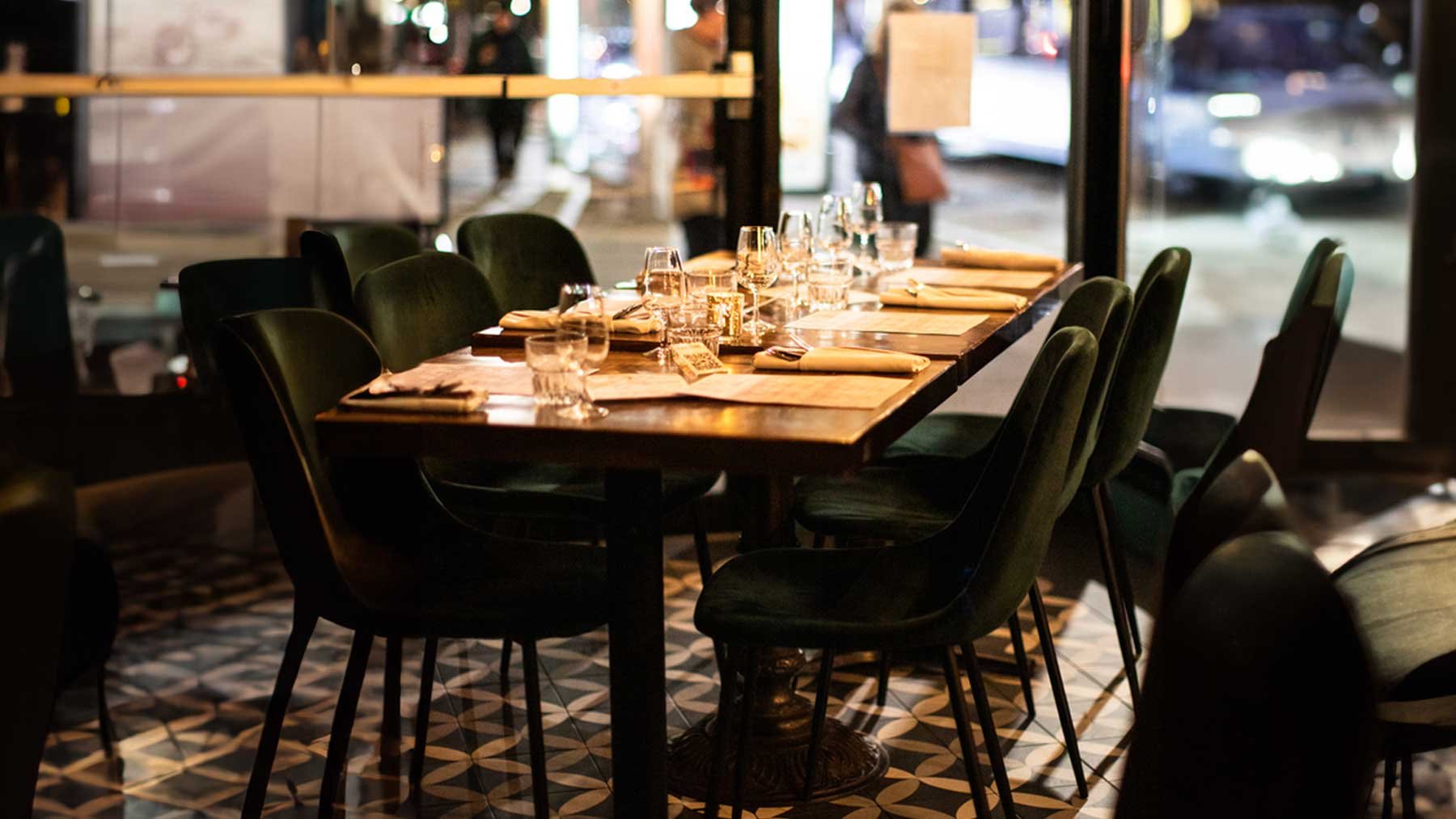
Khon Kaen sits at the centre of a region whose food culture has long been misread from the outside. In Bangkok restaurants and overseas Thai menus, Isan cuisine gets reduced to a shortlist: som tum, larb, grilled chicken, sticky rice. The actual cooking of the northeast is considerably more complex, built on fermented pastes, foraged leaves, bitter broths, and a roster of ingredients that rarely travel far from where they grow. What serious Isan-rooted kitchens in Khon Kaen are doing right now is not fusion or reinvention, it is the slower work of sourcing those ingredients with intent and presenting them in a format that forces the diner to pay attention.
Where Isan Cooking Gets Its Precision Back
Kaen operates at the sharper end of that project. Holding a Michelin Plate in 2025, it sits in the narrower tier of Khon Kaen's dining scene where the ฿฿ price point signals a step up from the city's exceptional street-food and noodle culture, places like Here Joi Beef Noodle and Jok Guay Jab Tom Sen Bat Queue represent the ฿ tier at its most accomplished, while the format stays casual rather than ceremonial. That positioning is deliberate: the kitchen works with rare ingredients sourced from local small-scale farmers, many of which are not available through conventional markets, and the menu is structured to highlight them without dressing everything up in the vocabulary of fine dining.
Chefs Paisarn and Kanyarat anchor the cooking in traditional Isan flavours while using techniques that give each ingredient room to read clearly on the plate. The approach has less in common with the urban Thai contemporary wave, the tasting-menu format explored by Baan Tepa and Wana Yook in Bangkok, or the hyperlocal sourcing model at PRU in Phuket, and more in common with the idea that northeast Thai cooking, given the right ingredients and handling, requires no narrative scaffolding to hold its own.
The Kaeng Ploe and What It Argues
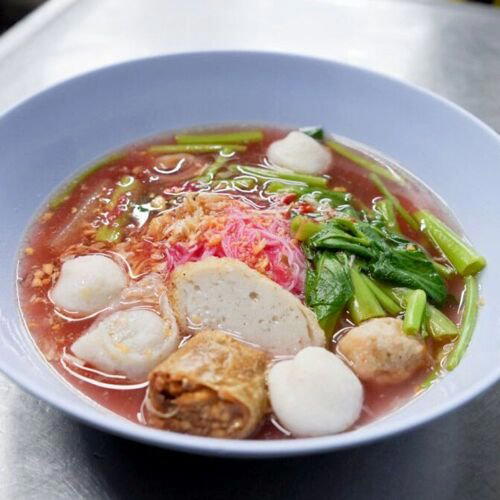
The kitchen's signature is the kaeng ploe: a broth made with yanang leaf and loaded with free-range chicken and twenty varieties of hand-cut vegetables. Yanang is a cooling, slightly bitter wild leaf that forms the base of several classic Isan soups, and it is not widely known outside the northeast. The dish has been described as an Isan minestrone, which is useful as an orientation point, but the comparison flattens what makes it distinctive: the yanang broth carries a depth and an earthiness that has no counterpart in European vegetable soups, and the sheer range of vegetables, many sourced from those small-scale farming partners, means no two spoonfuls read the same.
As a statement of method, the kaeng ploe does considerable work. It demonstrates the kitchen's sourcing relationships, its commitment to ingredient specificity, and its willingness to let a broth be the main event rather than a supporting role. In the broader Isan dining picture, where Kai Yang Rabeab represents the grilled-meat tradition at its most direct, and Agave in Ubon Ratchathani signals the region's willingness to absorb outside influences, Kaen occupies the space where traditional technique meets formal intention without apology.
Khon Kaen's Dining Position in the Wider Thai Scene
The Michelin Plate recognition places Kaen in a peer group that is thinner outside Bangkok and Chiang Mai. Across Thailand's serious regional dining scene, a handful of kitchens have built recognition around similar principles: Sorn in Bangkok with its southern Thai sourcing rigour, Aeeen in Chiang Mai with its northern Thai positioning, and AKKEE in Pak Kret working in its own regional register. Kaen is the Isan entry in that cohort, doing for northeast Thai ingredients what those kitchens have done for their respective regional traditions.
That matters for how a visitor should frame a meal here. Kaen is not a tasting-menu showcase of technical invention, nor is it a heritage restaurant performing tradition for tourist audiences. It is a working kitchen applying craft and sourcing discipline to a cuisine that has historically been underserved by the kind of institutional recognition that Michelin represents.
For Khon Kaen specifically, Kaen fits into a dining ecosystem that rewards some exploration. The city's Thai-Chinese lineage runs through places like Baan Heng, and its noodle culture extends to Guang Tang Noodles. Kaen represents a different register in the same city: the moment when local ingredients and local knowledge get the focused, slower treatment they merit. For everything beyond restaurants, the Khon Kaen hotels guide, bars guide, and experiences guide cover the rest of the city. The full Khon Kaen restaurants guide and wineries guide round out the picture.
Planning a Visit
Kaen is located at 140/64 Soi Adulyaram 3 in the Nai Mueang district of Khon Kaen. The ฿฿ pricing puts a meal here at a modest premium over the city's street-food tier, which remains an honest reflection of what goes into the sourcing. Booking details are best confirmed directly with the venue, as hours and contact information are not published centrally.
Frequently asked questions
How much does it cost to eat at Kaen?
Pricing at Kaen is listed as ฿฿.
Where exactly is Kaen?
Kaen is located at 140 64 ซ. อดุลยาราม 3 Nai Mueang, Mueang Khon Kaen District, Khon Kaen 40000, Thailand, Khon Kaen.
What distinctions does Kaen have?
Kaen has received recognition including: Chefs Paisarn and Kanyarat present a refined take on Isan cuisine, blending traditional flavours with modern presentation in a casual fine dining menu. Rare ingredients – many are sourced from local small-scale farmers and aren't available ….
What's the must-try dish at Kaen?
The kaeng ploe is the clearest argument for what this kitchen does. It is an Isan broth built on yanang leaf with free-range chicken and twenty varieties of hand-cut vegetables, a dish that reads as both deeply traditional and precisely constructed. Nothing else on the menu makes the sourcing philosophy as legible in a single bowl.
Do I need a reservation for Kaen?
Kaen carries a 2025 Michelin Plate and draws on rare ingredients sourced from small-scale local farmers, which constrains both covers and supply. In a city with limited competition at this tier, demand is not casual. Booking ahead is the practical approach, particularly on weekends or if you are visiting Khon Kaen specifically for the meal.
What has Kaen built its reputation on?
Kaen's reputation rests on sourcing access and technical specificity. Chefs Paisarn and Kanyarat work directly with small-scale local farmers to obtain ingredients that do not reach the open market, then apply contemporary technique to preparations rooted in Isan tradition. The 2025 Michelin Plate formalises what locals in Khon Kaen's dining scene had already recognised.
Recognition, Side-by-Side
| Venue | Cuisine | Price | Awards | Notes |
|---|---|---|---|---|
| KaenThis venue (the venue you are viewing) | Contemporary Isan | $20–30 | Michelin Plate | Not listed |
| Here Joi Beef Noodle | Thai Beef Noodles | $1–10 | Michelin Bib Gourmand | Noodles, ฿ |
| Jok Guay Jab Tom Sen Bat Queue | Thai Street Food Noodles & Porridge | $1–10 | Michelin Bib Gourmand | Street Food, ฿ |
| Kai Yang Rabeab (Khao Suan Kwang) | Isan | Not listed | Not listed | ฿ |
| Khun Jaeng Guay Tiew Pak Mor Kao Wang | Thai Noodle Shop | $1–10 | Michelin Bib Gourmand | Thai, ฿ |
| Praprai | Authentic Isaan Thai | $10–20 | Michelin Bib Gourmand | Isan, ฿฿ |
Recognition history
Dated appearances from independent guides and award organizations, with the underlying list record or original source where available.
Michelin Plate
Michelin
Full recognition history (3 entries)
Michelin Plate
Michelin
Michelin Plate
Michelin
Continue exploring
More in Khon Kaen
Details
- Modern
- Cozy
- Elegant
- Family
- Group Dining
- Special Occasion
- Open Kitchen
- Local Sourcing
- A La Carte
- Set Menu
- Vegetarian Friendly
Current opening hours
- Monday
- 11 AM–3 PM, 5–9 PM
- Tuesday
- Closed
- Wednesday
- 11 AM–3 PM, 5–9 PM
- Thursday
- 11 AM–3 PM, 5–9 PM
- Friday
- 11 AM–3 PM, 5–9 PM
- Saturday
- 11 AM–3 PM, 5–9 PM
- Sunday
- 11 AM–3 PM, 5–9 PM
Hours can change for holidays and private events. Hours as of .
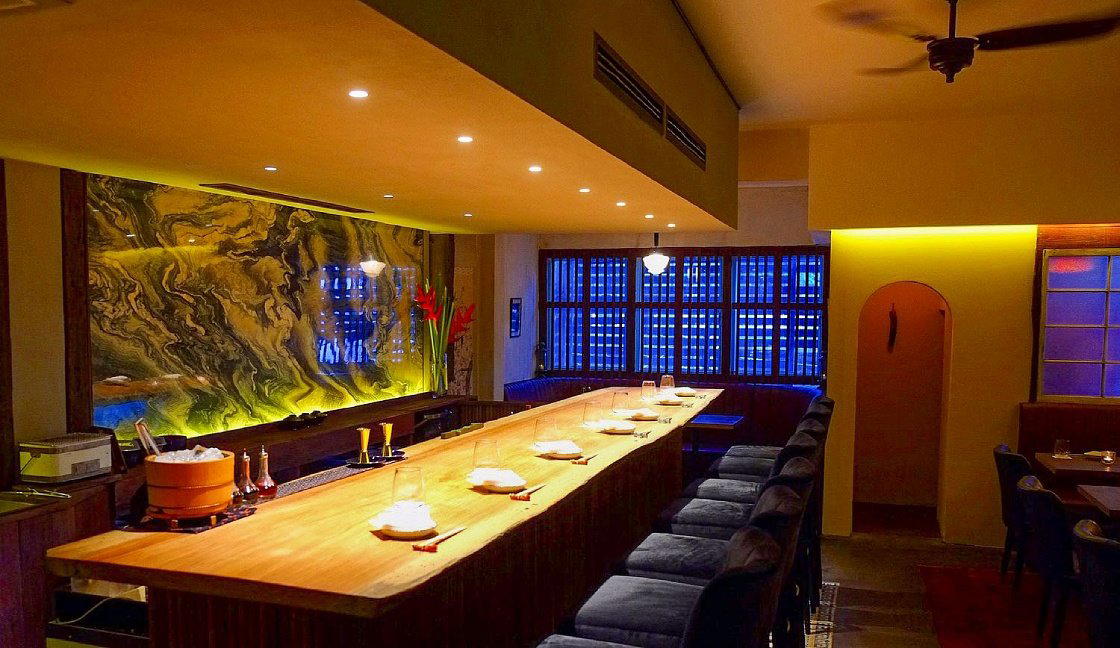
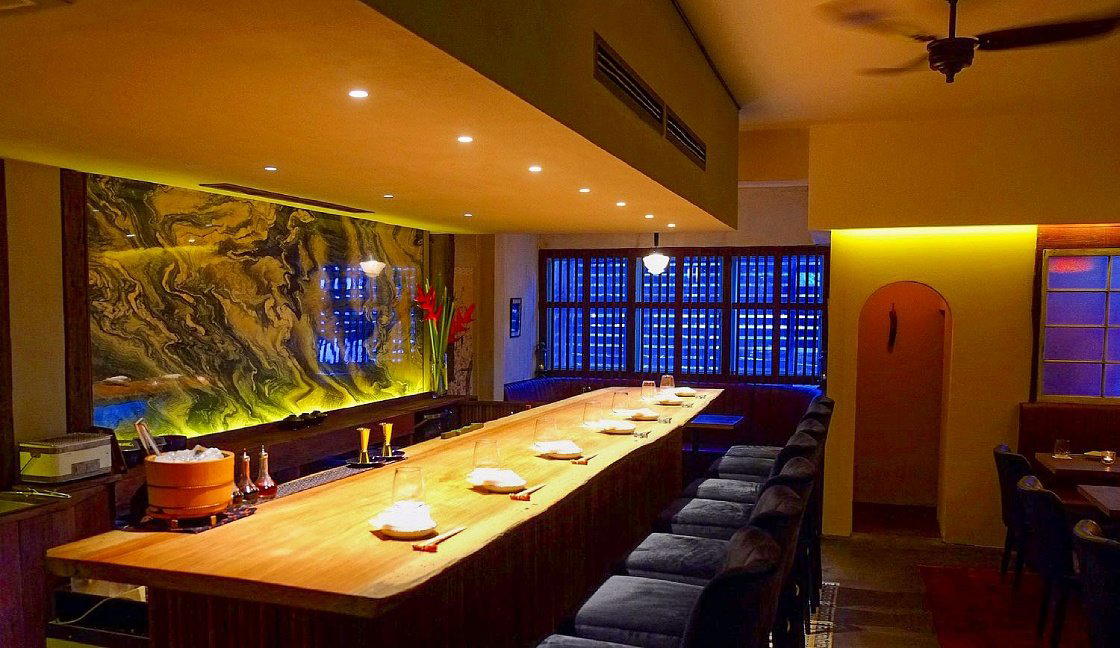
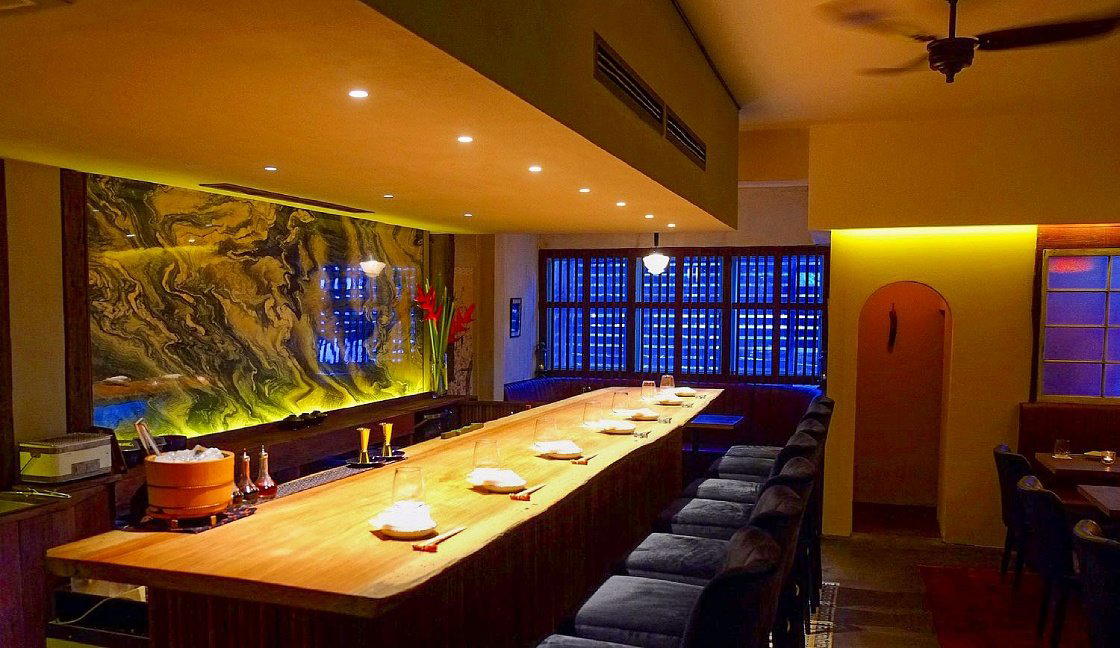
Cozy wooden house atmosphere with a heartwood family table near the pass-through kitchen, creating a sense of place for shared dining experiences.