

Man Ho brings Huaiyang cooking to a refined dining room at People's Square, holding a Michelin Plate and consistent Opinionated About Dining recognition across three consecutive years. Under Chef Jayson Tang, the kitchen applies classical technique to a cuisine defined by delicacy and precision. At a mid-range price point for this calibre of recognition, it represents a considered choice for a celebratory meal in central Shanghai.
Pearl is the En Primeur Club membership app — saves, bookings, and concierge access live there. Same editors, same standards.
- Address
- 555 Xizang Rd (M), People's Square, Huangpu, Shanghai, China, 200003
- Phone
- +86 21 2312 9888
- Website
- marriott.com
- Directions
- Get directions
 Saves & bookings on Pearl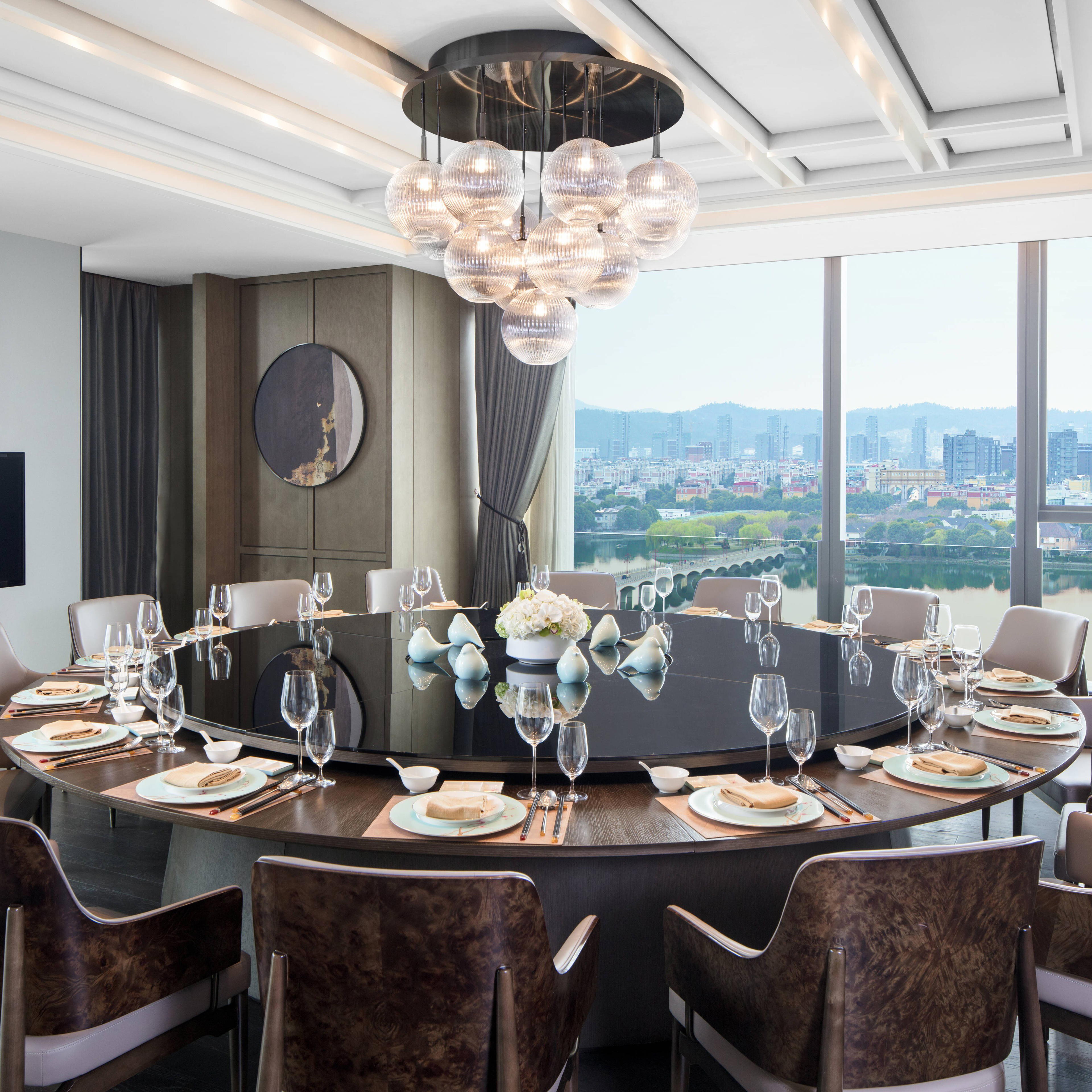
Where Huaiyang Tradition Meets Occasion Dining
There is a particular kind of Chinese restaurant that earns its place through restraint rather than spectacle. The dining rooms are quiet without being cold, the service measured without being remote, and the cooking draws on a culinary tradition old enough to predate most modern Chinese regional styles. Man Ho, a Shanghai restaurant at 555 Xizang Road in People's Square, serves Modern Huaiyang and Cantonese cooking at a price around US$80 per person. Walking into a room of this type, the absence of noise is itself a statement. Huaiyang cuisine, rooted in the lower Yangtze delta and historically associated with the imperial court, has never needed theatrical presentation to justify itself.
For milestone dinners, anniversaries, business occasions that carry real weight, family gatherings where the table matters as much as the food, this is the kind of setting that holds the moment without competing with it. The room does not perform. The meal does.
The Case for Huaiyang at Celebration Tables
Huaiyang cooking occupies a specific and demanding position in the Chinese culinary canon. Where Sichuan cuisine announces itself through heat and Cantonese cooking prizes the clean immediacy of the ingredient, Huaiyang technique is defined by knife work, stock-building, and the management of texture over time. Braised lion's head meatballs, soft-shell crab preparations, and the slow-cooked pork belly dishes the tradition produces are not quick food. They require patience in the kitchen, and they reward attention at the table.
That character makes Huaiyang a natural fit for occasions. A celebratory meal structured around this cuisine gives a table something to discuss course by course, not just something to consume. The technique is visible in the food without being showy. Comparing Man Ho to peers operating in this tradition, such as The Huaiyang Garden in Macau or Huaiyang Fu in Beijing's Dongcheng district, the genre attracts kitchens that treat precision as a baseline expectation rather than a differentiator.
Recognition and What It Signals
The restaurant has remained on the radar of diners and critics alike.
For a restaurant operating at the ¥¥ price point, that combination of Michelin recognition and OAD longevity positions Man Ho in a category that outperforms its price tier on critical metrics. Within Nanjing's Huaiyang dining scene, that gap between cost and recognition is notable. At the ¥¥¥¥ end of the local market, Jiangnan Wok · Yun sets the ceiling for Huaiyang fine dining in the city; Man Ho operates at a different price register while still carrying verifiable external validation.
Other strong tables in the Nanjing scene worth considering alongside Man Ho include Hou Pin Xiao Yuan, Jiangnan Wok, and Lantchen Reserve, as well as the more rural setting of Longyin Shanfang in Jiangning. For a broader orientation to eating well across the city, the full Nanjing restaurants guide covers the range.
Chef Jayson Tang and the Kitchen's Positioning
Chef Jayson Tang leads the kitchen at Man Ho. The broader context here matters more than biography: Huaiyang cuisine at this level of recognition demands a chef who understands the cuisine's internal logic, which is fundamentally about respecting the ingredient through technique rather than transforming it through intervention. The OAD voter base that has sustained Man Ho's ranking across three years is drawn largely from serious food professionals and experienced diners. Their endorsement is not decorative. It reflects consistent kitchen performance over time.
For comparison elsewhere in the region, Xin Rong Ji in Beijing and Xin Rong Ji in Chengdu demonstrate how Jiangnan-influenced Chinese cooking has expanded its footprint across major Chinese cities. 102 House in Shanghai and Ru Yuan in Hangzhou show the range of approaches the broader lower-Yangtze tradition now supports. Chef Tam's Seasons in Macau and Imperial Treasure Fine Chinese Cuisine in Guangzhou illustrate how premium Chinese dining in other cities prices and formats its occasion offer. Man Ho's position within that regional map is of a credentialed Huaiyang kitchen operating below the price ceiling, with recognition that has persisted across multiple review cycles.
Planning the Visit
Man Ho is located at 555 Xizang Road (M) in Shanghai's Huangpu district, close to People's Square. The restaurant is in a high price tier, with an estimated spend of about US$80 per person, and reservations are recommended.
For those building a broader Shanghai or Nanjing itinerary around this kind of dining, the Nanjing hotels guide, bars guide, wineries guide, and experiences guide cover the surrounding context.
Credentials Lens
Comparable venues nearby, for context on price, style, and recognition.
| Venue | Cuisine | Price | Awards | Notes |
|---|---|---|---|---|
| Man HoThis venue — the venue you are viewing | Modern Huaiyang & Cantonese | $$$$ | Michelin Plate | Not listed |
| Pin Ning Fu | Modern Huaiyang & Nanjing Cuisine | $$$$ | Michelin Plate | Xuanwu District |
| Longyin Shanfang (Jiangning) | Modern Huaiyang Cuisine | $$$ | Michelin Plate | Jiangning |
| Hou Pin Xiao Yuan | Huaiyang Cuisine | $$ | Bib Gourmand | Jianye |
| Xin Fang Yuan | Authentic Nanjing Cuisine | $$ | Bib Gourmand | Qinhuai |
| The longyin | Modern Huaiyang fine dining | $$$ | Not listed | Jiangning |
Recognition history
Dated appearances from independent guides and award organizations, with the underlying list record or original source where available.
Michelin Plate
Michelin
Opinionated About Dining Top Restaurants in Asia Ranked #207
Opinionated About Dining
Opinionated About Dining Top Restaurants in Asia Ranked #181
Opinionated About Dining
Opinionated About Dining Top Restaurants in Asia Ranked #120
Opinionated About Dining
At a Glance
- Elegant
- Sophisticated
- Modern
- Scenic
- Business Dinner
- Group Dining
- Celebration
- Special Occasion
- Family
- Private Dining
- Rooftop
- Panoramic View
- Hotel Restaurant
- Open Kitchen
- Skyline
- Waterfront
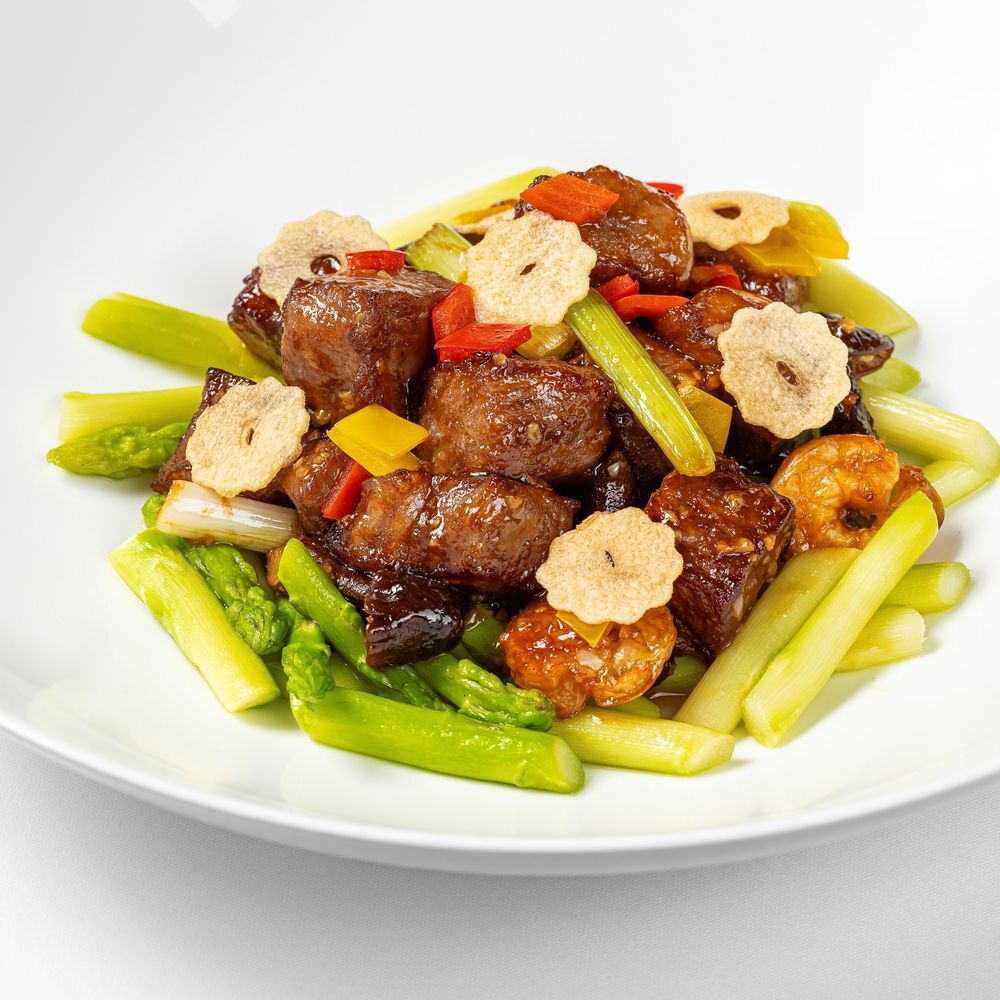
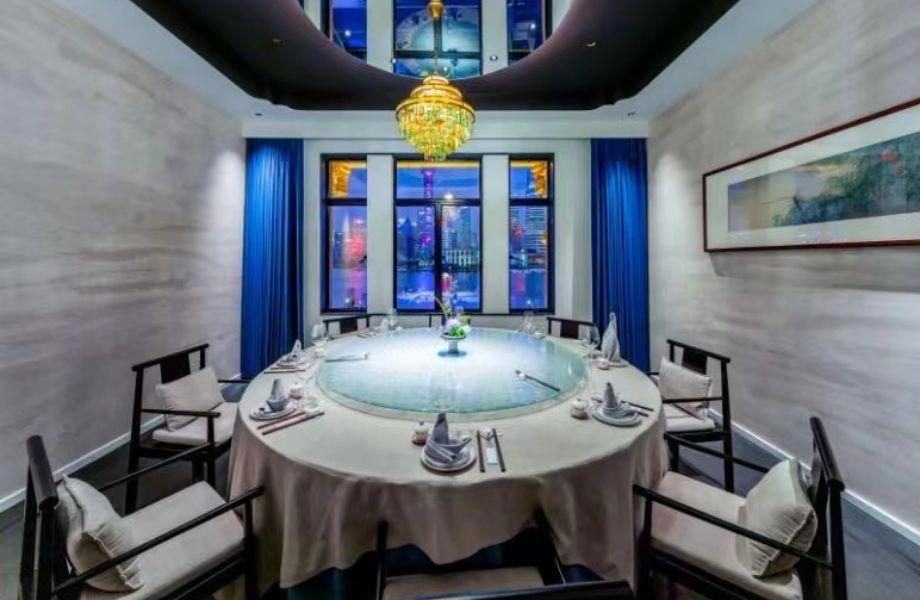
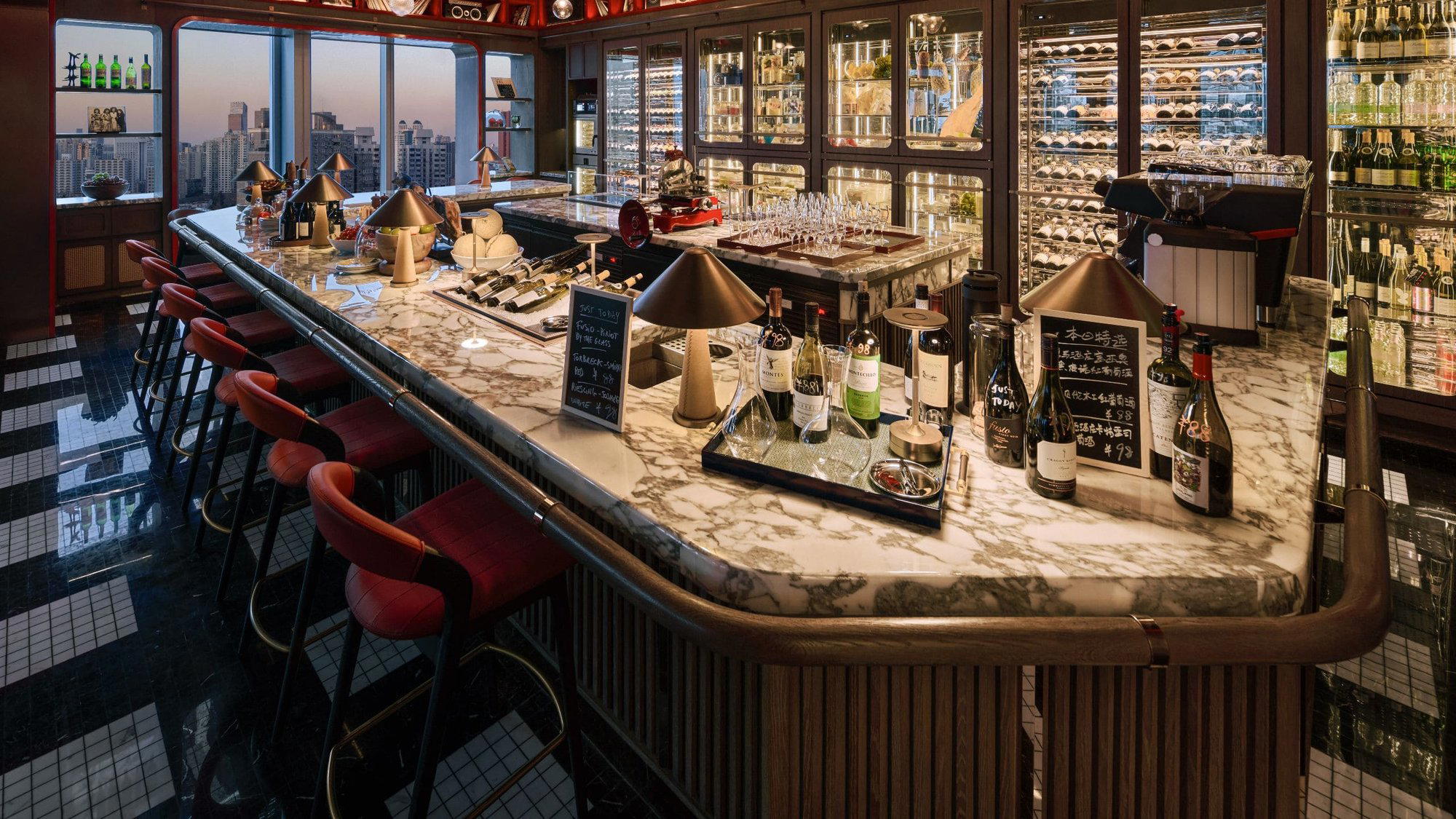
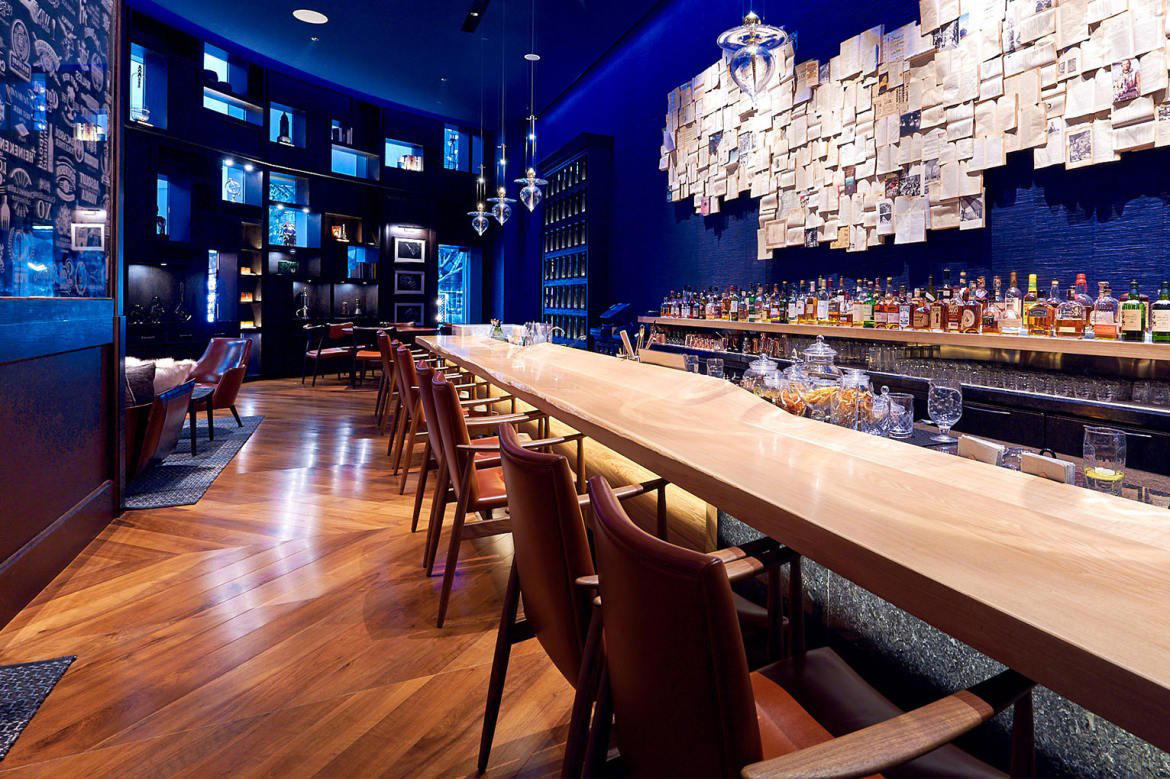
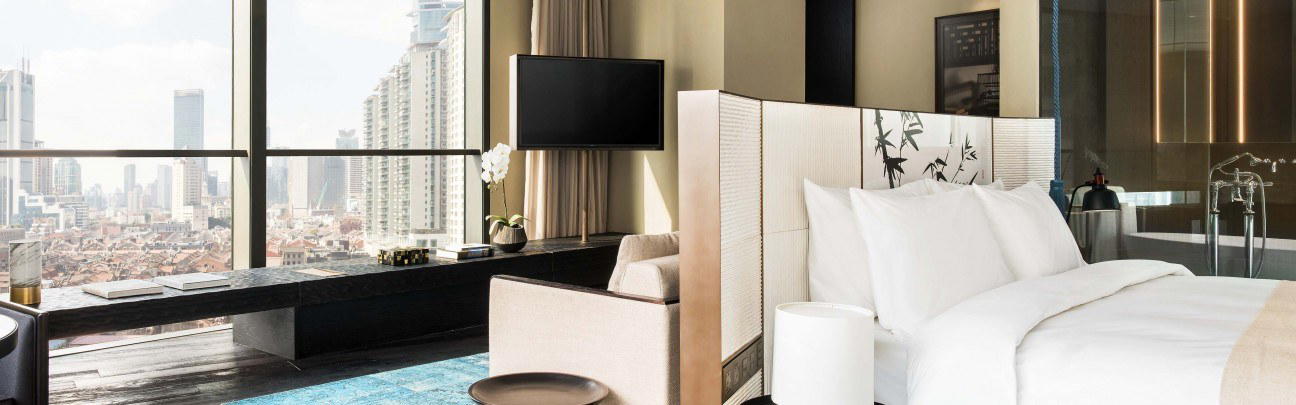
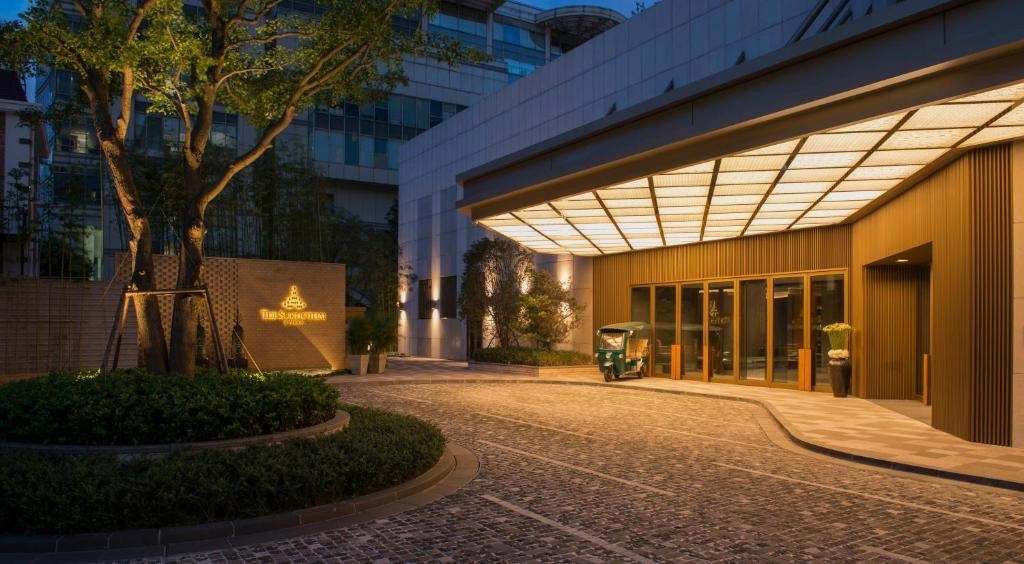
Modern, sophisticated dining room adorned with stylised Chinese motifs; polished location provides striking city and lake views with contemporary design elements.