
Lantchen Reserve holds a 2025 Michelin Bib Gourmand in Nanjing's Jiangning District, placing it among the city's recognised addresses for Huaiyang cooking at mid-range prices. The Bib Gourmand designation signals quality well above the price point, making it a reference stop for anyone tracing the cuisine that shaped imperial Chinese dining. Booking in advance is advisable given the recognition.
Pearl is the En Primeur Club membership app — saves, bookings, and concierge access live there. Same editors, same standards.
- Address
- VRM7+57V, Nan'gao W Rd, Jiangning District, Nanjing, Jiangsu, China, 211189
- Phone
- +86 25 8551 8855
- Directions
- Get directions
 Saves & bookings on Pearl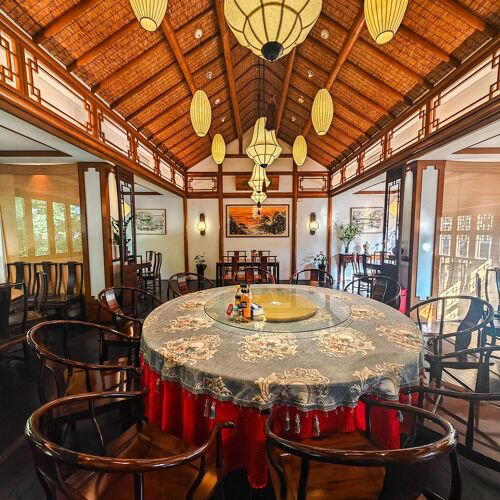
Where Huaiyang Discipline Shows Up at a Mid-Range Price
Jiangning District sits south of the old city walls, away from the tourist circuits around Fuzimiao and Xuanwu Lake. The area is residential and commercial in roughly equal measure, and its dining scene reflects that: fewer prestige addresses, more neighbourhood institutions where the cooking has to earn repeat business on its own terms. Lantchen Reserve operates in that context. The address on Nan'gao West Road is not a destination strip.
Huaiyang Cooking and Its Place in the Chinese Culinary Order
To understand what Lantchen Reserve represents, it helps to understand what Huaiyang cuisine is and why its practitioners take it seriously. The style emerged from the Huai River and Yangzi River delta region, centred historically on Yangzhou and Huai'an, and it formed one of the four pillars of classical Chinese gastronomy alongside Cantonese, Shandong, and Sichuan traditions. Its defining characteristics are knife work of unusual precision, a preference for natural sweetness over chilli heat, and a technique of slow-braising that extracts flavour without muddying texture. The cuisine supplied imperial kitchens during the Qing dynasty, and that heritage is part of why Nanjing, as the region's largest city, has sustained a serious Huaiyang dining culture long after the political centre moved north.
Within Nanjing's current Huaiyang scene, there is a clear price stratification. Jiangnan Wok · Yun sits at the ¥¥¥¥ tier, representing the formal, multi-course format aimed at business entertainment and special occasions. Man Ho and Lantchen Reserve both operate at ¥¥, which in Nanjing's dining context means accessible pricing without the abbreviated technique that often accompanies it. The Bib Gourmand is specifically designed to identify this tier: good cooking, reasonable prices, worth a detour. For Huaiyang cuisine, which at its upper end involves labour-intensive preparation and expensive ingredients like shad, lion's head meatballs, and soft-shell turtle, finding that standard at ¥¥ is the actual editorial story.
The Progression of a Huaiyang Meal
Huaiyang meals follow a logic that rewards attention. The sequence is not arbitrary. Cold dishes arrive first, not as filler but as a demonstration of knife craft: thinly sliced pressed tofu, precisely cut vegetable arrangements, and cured items where texture is the point rather than bold seasoning. These early plates establish a register of restraint that carries through the meal. A diner conditioned by Sichuan or Cantonese cooking may find the opening quiet; within the Huaiyang framework, it is deliberate.
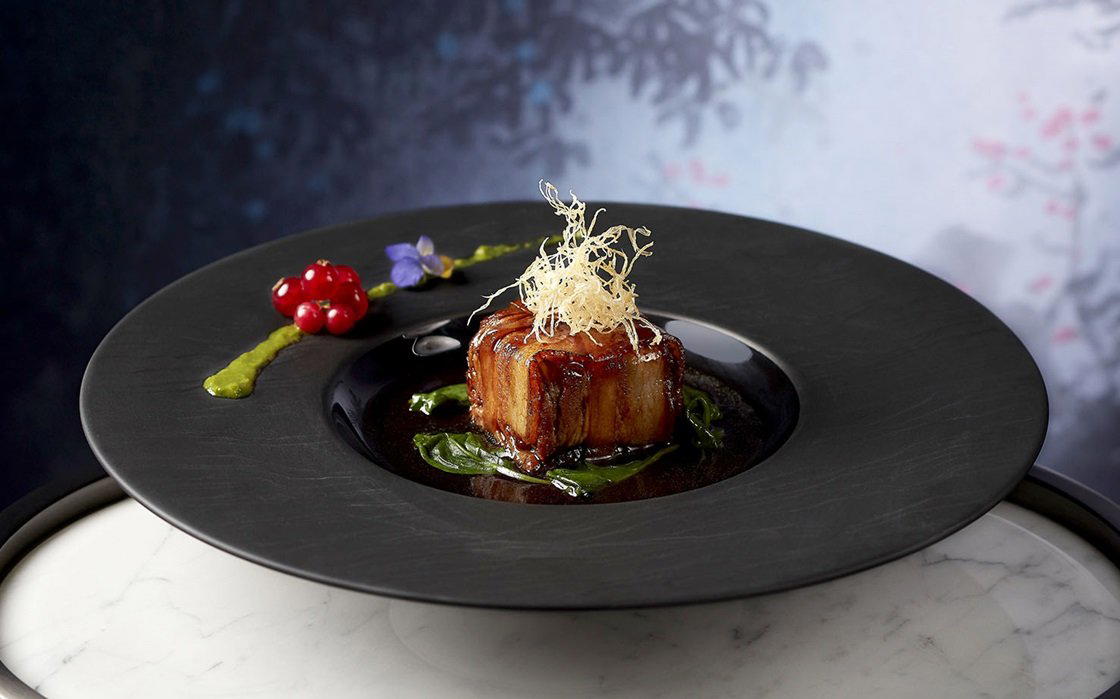
The middle courses build complexity through technique rather than ingredient escalation. Braised dishes in the Huaiyang canon tend toward long cooking times and subtle sweetness from rock sugar or Shaoxing wine, with the sauce reduced to a near-lacquer consistency that coats rather than floods. Steamed fish preparations, where the freshness of the ingredient is the entire argument, sit alongside braised pork belly variants where collagen and fat have been worked to a texture that holds form but yields immediately. At a Bib Gourmand address, these are the courses that justify the designation: technically demanding dishes rendered accessibly.
Later in the meal, soup courses carry significant weight in Huaiyang tradition. Clear broths built over hours are not background liquid but the clearest signal of kitchen discipline, since there is nowhere to hide poor stock work. The meal closes with lighter rice or noodle preparations and, in season, sweet soups built around local ingredients. The full arc from cold opener to warm close is a curriculum in what the tradition values.
For readers cross-referencing Huaiyang cooking across China's major cities, the style appears in different registers at The Huaiyang Garden in Macau and Huaiyang Fu (Dongcheng) in Beijing, both of which operate at higher price tiers and in more formal settings. Nanjing's mid-range Huaiyang addresses offer a different argument: that the cuisine's core disciplines survive outside the grand-dining format.
Jiangnan Cooking in Broader Context
The restaurant's cuisine connects to a wider Jiangnan tradition that has been attracting attention from Chinese food critics and international visitors in parallel. The Jiangnan region, broadly encompassing Jiangsu, Zhejiang, and Shanghai, has produced a cluster of serious addresses that share Huaiyang's emphasis on seasonal ingredients and technical precision over heavy flavouring. 102 House in Shanghai and Ru Yuan in Hangzhou represent the style in adjacent cities, while Xin Rong Ji in Beijing and Xin Rong Ji in Chengdu show how Jiangnan cooking travels when it moves outside its native geography. Nanjing's contribution to this picture is a concentration of mid-tier addresses that maintain technical standards without the pricing that accompanies formal prestige dining.
Within Nanjing specifically, Jiangnan Wok, Hou Pin Xiao Yuan, and Longyin Shanfang (Jiangning) each represent different nodes in the city's Jiangnan and Huaiyang dining ecosystem. The Jiangning District cluster, where the restaurant sits, is less covered than central Nanjing but has been drawing Michelin attention, which suggests the inspectors are looking at the city's full geography rather than confining themselves to obvious precincts.
Planning Your Visit
The restaurant holds a 2025 Michelin Bib Gourmand, which is the relevant benchmark for setting expectations: this is a restaurant that Michelin's team considers worth a visit specifically for the quality-to-price ratio. The ¥¥ price range positions it clearly below the formal Huaiyang tier while above casual canteen pricing. The Jiangning District location means allowing additional travel time from central Nanjing; the address at Nan'gao West Road is more accessible by car or ride-hail than by metro. Given the Bib Gourmand recognition and the relatively contained size typical of this type of address, reserving a table ahead of your visit is the direct approach, particularly for weekend lunches and dinners when demand from neighbourhood regulars and food-focused visitors will be highest.
In Context: Similar Options
Comparable venues nearby, for context on price, style, and recognition.
| Venue | Cuisine | Price | Awards | Notes |
|---|---|---|---|---|
| Lantchen ReserveThis venue — the venue you are viewing | Huaiyang Cuisine | $$ | Bib Gourmand | Not listed |
| Jin Ling Yang Jia Hun Tun Dian (Caodu Alley) | Traditional Chinese Wonton Soup | $$ | Bib Gourmand | Qinhuai |
| Xin Fang Yuan | Authentic Nanjing Cuisine | $$ | Bib Gourmand | Qinhuai |
| Hou Pin Xiao Yuan | Huaiyang Cuisine | $$ | Bib Gourmand | Jianye |
| Wan Guo Chun Chinese Restaurant | Traditional Huaiyang Cuisine | $$ | Michelin Plate | Gulou |
| Guang Ying Ju • Lao Zheng Xing | Classical Huaiyang Cuisine | $$ | Bib Gourmand | Qinhuai |
Recognition history
Dated appearances from independent guides and award organizations, with the underlying list record or original source where available.
Michelin Bib Gourmand
Michelin
At a Glance
- Classic
- Elegant
- Intimate
- Family
- Group Dining
- Casual Hangout
- Private Dining
- Historic Building
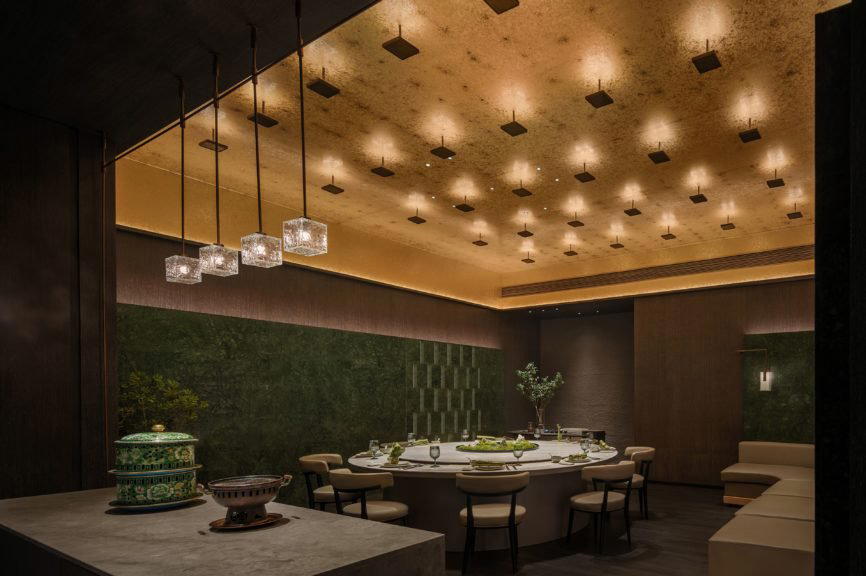
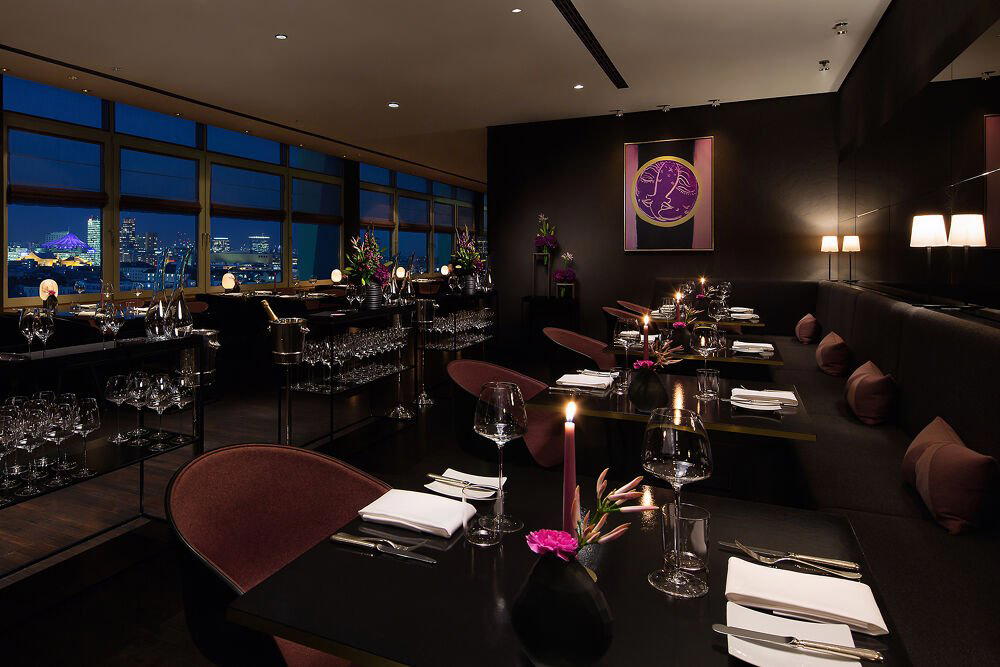
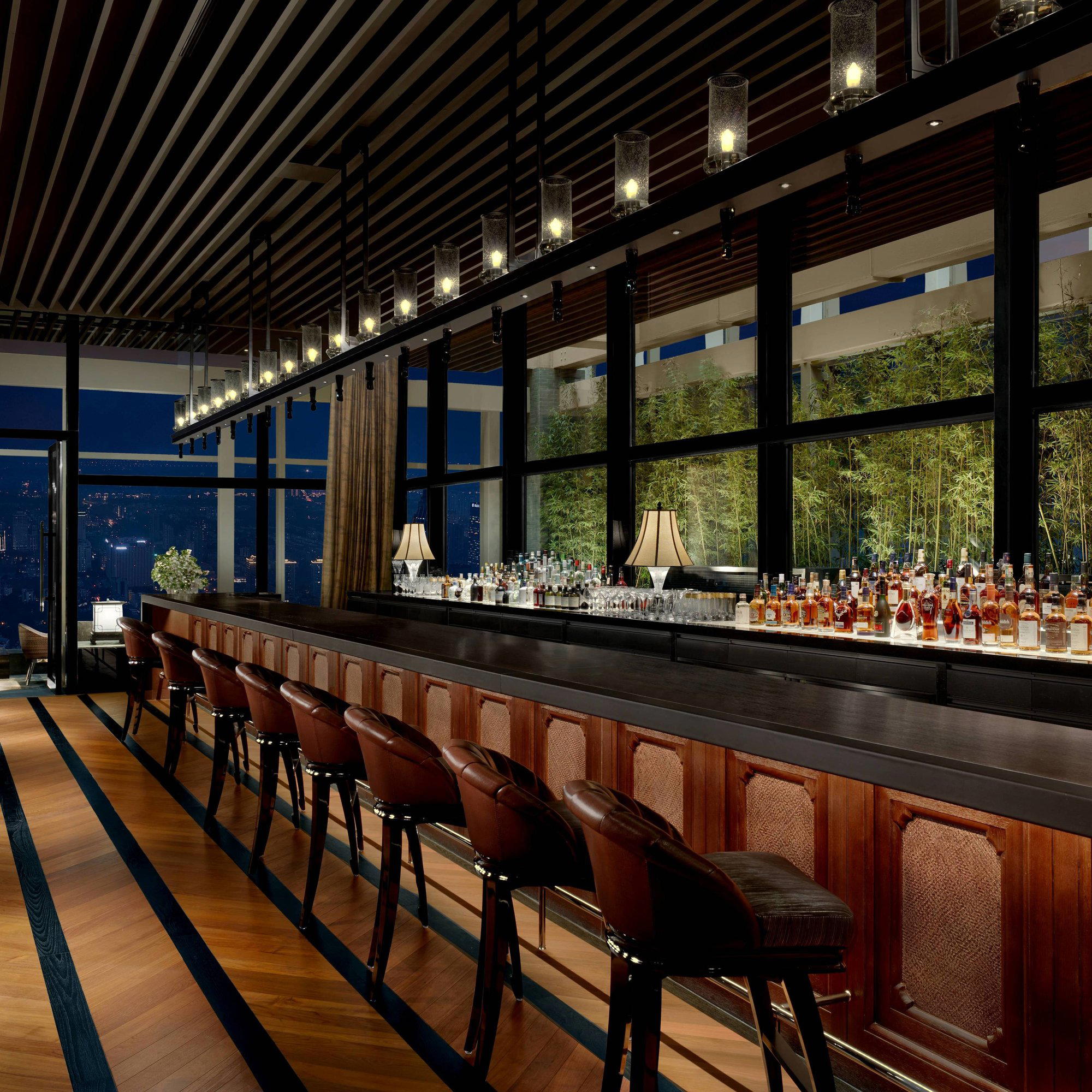
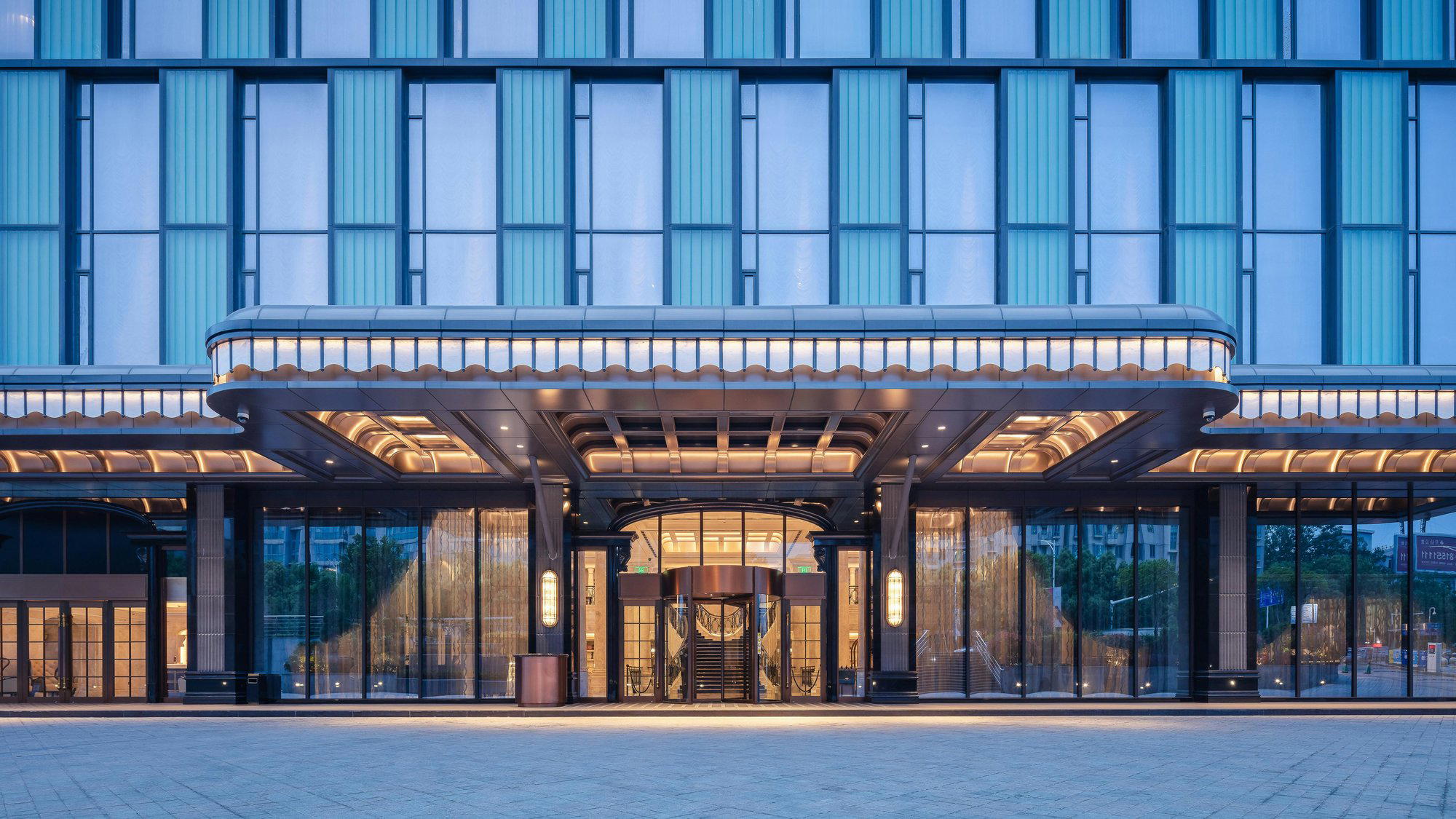
Quaint traditional Chinese decor with wooden façade, tiled roof, simple main dining room with wooden furniture, and elegant private rooms on the upper floor.