.png)

A Michelin Plate-recognised Chinese restaurant in Nanjing's Qinhuai District, Wan Guo Chun occupies a mid-range price point while delivering cooking that the 2025 Michelin guide singles out for its expression of terroir. The kitchen bridges regional ingredient logic with technique that reaches beyond provincial tradition, placing it in a small but growing tier of Jiangnan restaurants where local produce and imported method coexist on the same plate.
 Discover on Pearl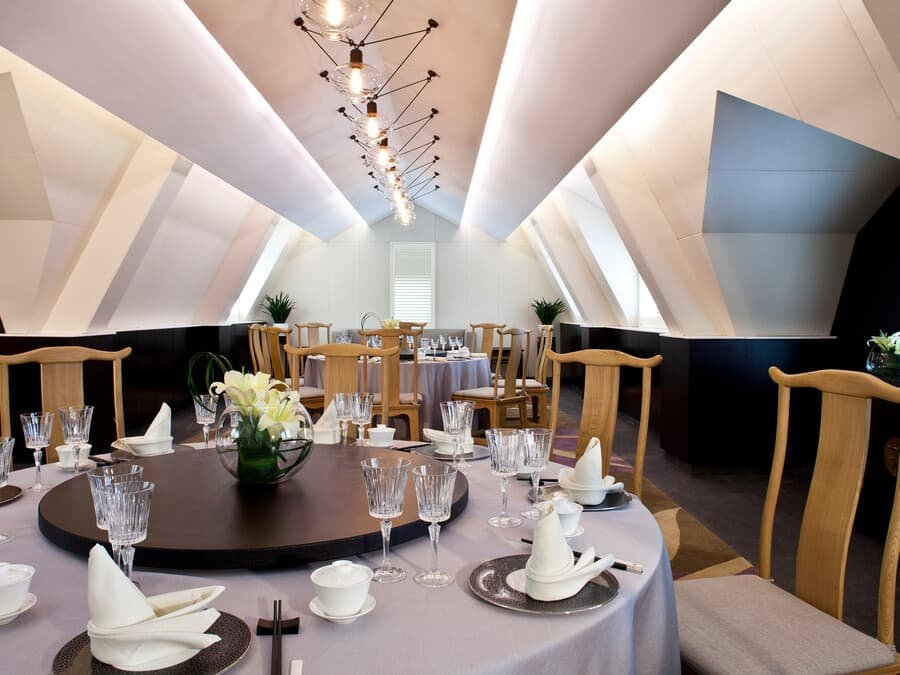
Where Qinhuai Atmosphere Meets a Kitchen Working at the Edge of Tradition
The Qinhuai District has long been Nanjing's most historically layered quarter, where canal-side lanes, Ming-dynasty remnants, and working neighbourhood life compress into a few dense blocks. Yanling Lane, where Wan Guo Chun occupies a ground-floor address at number 80, sits inside that texture rather than above it. The surrounding streets carry the particular character of older Nanjing: low-rise, lived-in, with the kind of foot traffic that belongs to residents rather than tourists. Approaching from the lane, the restaurant reads as part of the neighbourhood's rhythm rather than an interruption of it.
That grounding matters because the cooking at Wan Guo Chun makes most sense when you understand what surrounds it. Nanjing's food culture is shaped by its position at the northern edge of Jiangnan, drawing on the freshwater produce of the Yangtze delta, the salt-preserved traditions of Huaiyang cuisine, and the duck preparations that have defined local identity for centuries. A restaurant that earns a 2025 Michelin Plate in this city is being assessed against that weight of local specificity, and the guide's additional citation for "expression of the terroir" signals something more precise than generic quality: it names a relationship between cooking and place.
Local Ingredients, External Technique: A Growing Format in Jiangnan Dining
Across Jiangnan's restaurant tier, a specific kind of ambition has taken shape over the past decade. Chefs trained in European kitchens, or in Chinese restaurants that absorbed European culinary logic, have returned to work with the region's native ingredients: Yangtze fish, lake-grown vegetables, freshwater crayfish, the seasonal duck and pork preparations that define Nanjing's table. The results sit in a category that is neither fusion nor traditionalist, but something more like a technical upgrade applied to an existing ingredient story.
Wan Guo Chun fits that pattern in a direct way. Chef Luca Zecchin brings a name and background that signals non-Chinese culinary formation to a kitchen built around Chinese ingredients and framework. In the broader Jiangnan context, this is a recognisable configuration: the same dynamic operates at Xin Rong Ji (Xinyuan South Road) in Beijing, where Zhejiang ingredient orthodoxy absorbs a rigour more common in European kitchens, and at 102 House in Shanghai, where the framing is explicitly cross-cultural. What distinguishes the Nanjing version is the terroir citation: the Michelin guide's language implies that the external technique is being used in service of place, not in tension with it.
Internationally, the intersection of Chinese culinary identity and non-Chinese technical training has produced some of the most discussed restaurants of the past decade. Restaurant Tim Raue in Berlin and Mister Jiu's in San Francisco both approach Chinese food through training that sits outside its traditional lineage. What separates Wan Guo Chun from those addresses is geography: this is a kitchen applying that cross-trained perspective from inside China, in a city with a deep and specific culinary identity, rather than translating Chinese food for an external audience.
Positioning Within Nanjing's Michelin-Recognised Tier
Nanjing's Michelin guide covers a range of formats and price points, and the Plate recognition positions Wan Guo Chun in a specific bracket. At the ¥¥ price range, it operates below the formal tasting-menu tier occupied by addresses like Jiangnan Wok · Yun at ¥¥¥¥ or Dai Yuet Heen at ¥¥¥, but above the casual register of Fang Po or Chi Man. That mid-range position is significant: it suggests a kitchen making deliberate choices about cooking quality within an accessible price structure, which in Michelin's assessment framework often corresponds to strong technique applied without the overhead of a full formal service model.
For comparison within the broader Chinese dining circuit, Ru Yuan in Hangzhou and Xin Rong Ji in Chengdu represent what Jiangnan and Sichuan ingredient traditions look like when pursued at the higher end of the formality spectrum. Chef Tam's Seasons in Macau and Imperial Treasure Fine Chinese Cuisine in Guangzhou show what Cantonese traditions look like at maximum investment. Wan Guo Chun occupies a different register: serious enough to receive Michelin recognition, priced to remain in reach of a repeat-visit audience rather than a special-occasion one.
Among Nanjing's Jiangzhe-adjacent options, Du Shi Li De Xiang Cun represents the local-focused end of that tradition with a different price and format logic. Wan Guo Chun's terroir citation places it in similar ingredient territory, but with a kitchen that is explicitly processing those ingredients through a different technical lens.
Planning a Visit: What to Know Before You Go
Wan Guo Chun is located at 80 Yanling Lane in the Qinhuai District, postcode 210002, placing it in one of central Nanjing's most historically concentrated areas. The surrounding neighbourhood is walkable and well-served by Nanjing Metro, with Confucius Temple station providing the most convenient access for most visitors arriving from central or northern parts of the city. Qinhuai is also one of Nanjing's more navigable areas on foot, and arriving on foot from the canal-side streets is a reasonable approach if you are staying nearby.
The restaurant's phone and website details are not currently listed through EP Club's records, and booking logistics are leading confirmed through local reservation platforms or directly through the venue's listed address. Hours of operation are not available in the EP Club database at time of publication, so confirming service times before visiting is advisable, particularly for lunch service, which varies across the district's mid-range restaurants. For a complete view of the city's restaurant and hospitality options, see our full Nanjing restaurants guide, along with guides to Nanjing hotels, Nanjing bars, Nanjing wineries, and Nanjing experiences.
Comparable Spots, Quickly
A quick look at comparable venues, using the data we have on file.
| Venue | Cuisine | Price | Awards | Notes |
|---|---|---|---|---|
| Wan Guo Chun Chinese Restaurant | Chinese | ¥¥ | Michelin Plate (2025); HIGHLIGHTS: • EXPRESSION OF THE TERROIR | This venue |
| Dai Yuet Heen | Cantonese | ¥¥¥ | Michelin 1 Star | Cantonese, ¥¥¥ |
| Jiangnan Wok · Yun | Huaiyang | ¥¥¥¥ | Michelin 1 Star | Huaiyang, ¥¥¥¥ |
| Man Ho | Huaiyang | ¥¥ | Huaiyang, ¥¥ | |
| Chi Man | Jiangzhe | ¥¥ | Jiangzhe, ¥¥ | |
| Fang Po | Small eats | ¥ | Small eats, ¥ |
Continue exploring
More in Nanjing
Restaurants in Nanjing
Browse all →
At a Glance
- Classic
- Elegant
- Family
- Group Dining
- Special Occasion
- Garden
- Private Dining
- Local Sourcing
- Garden
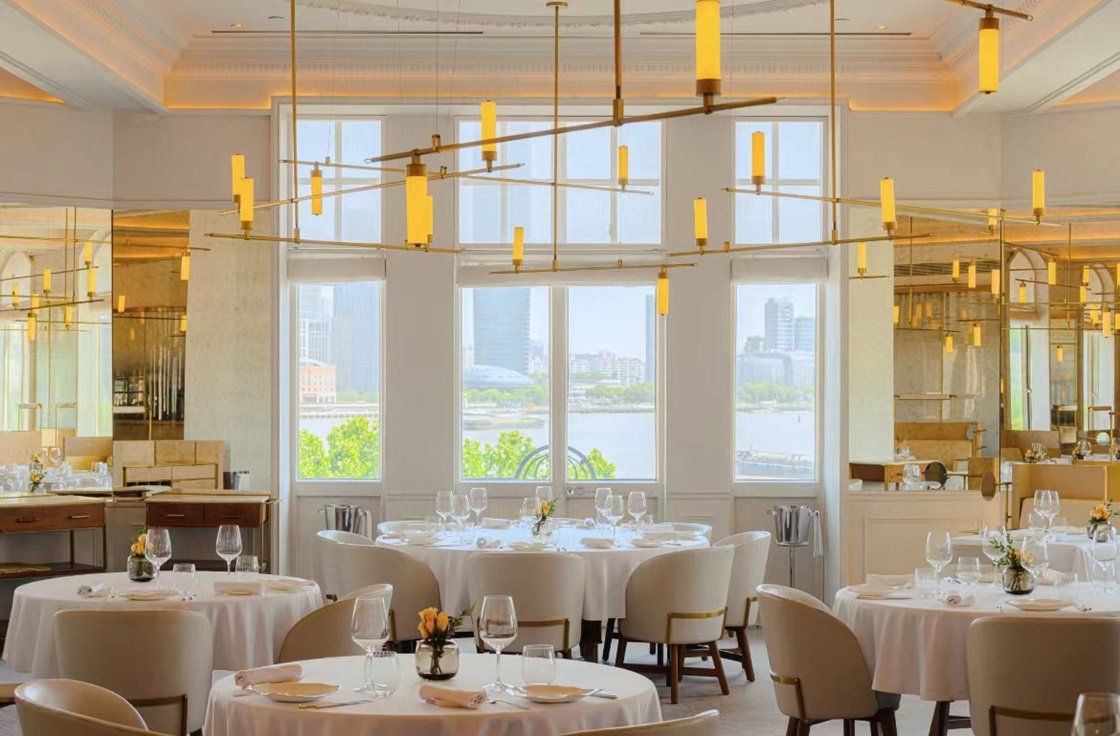
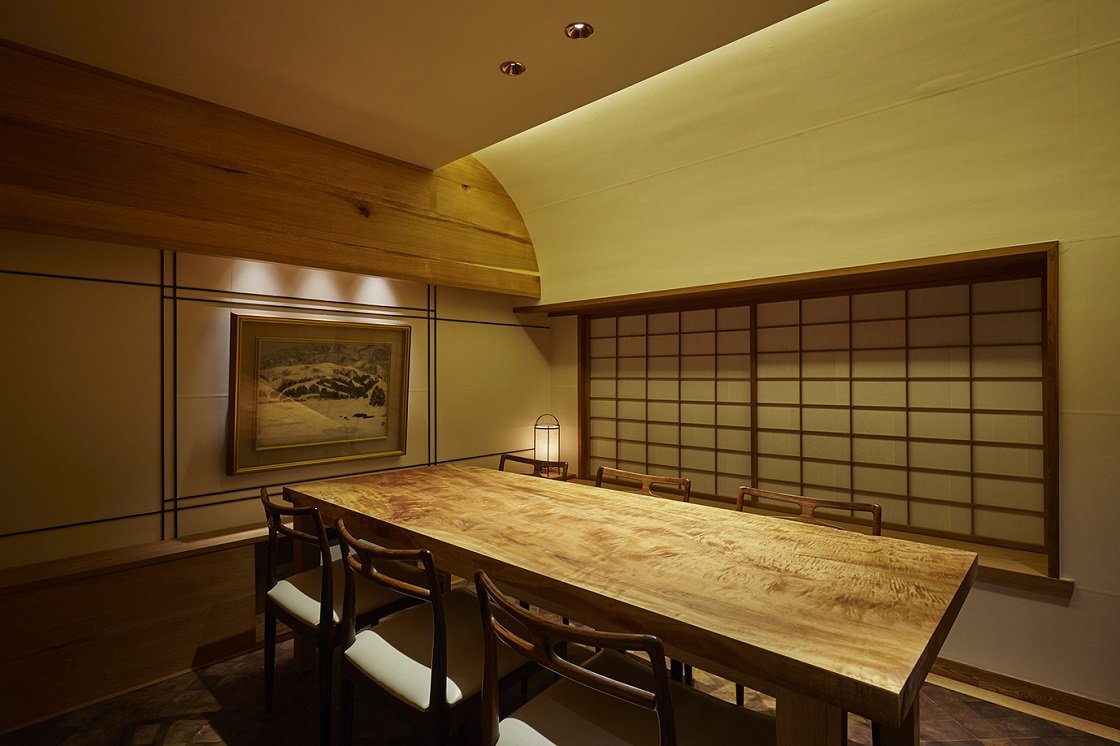
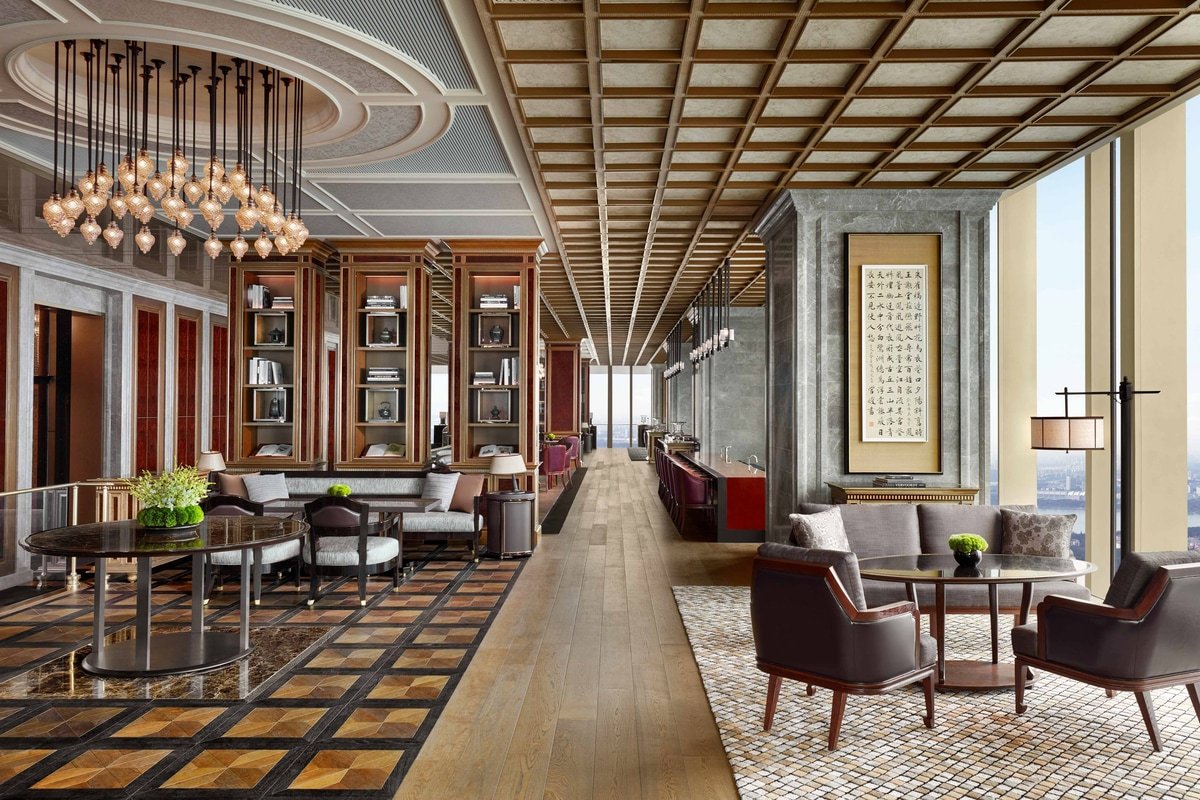
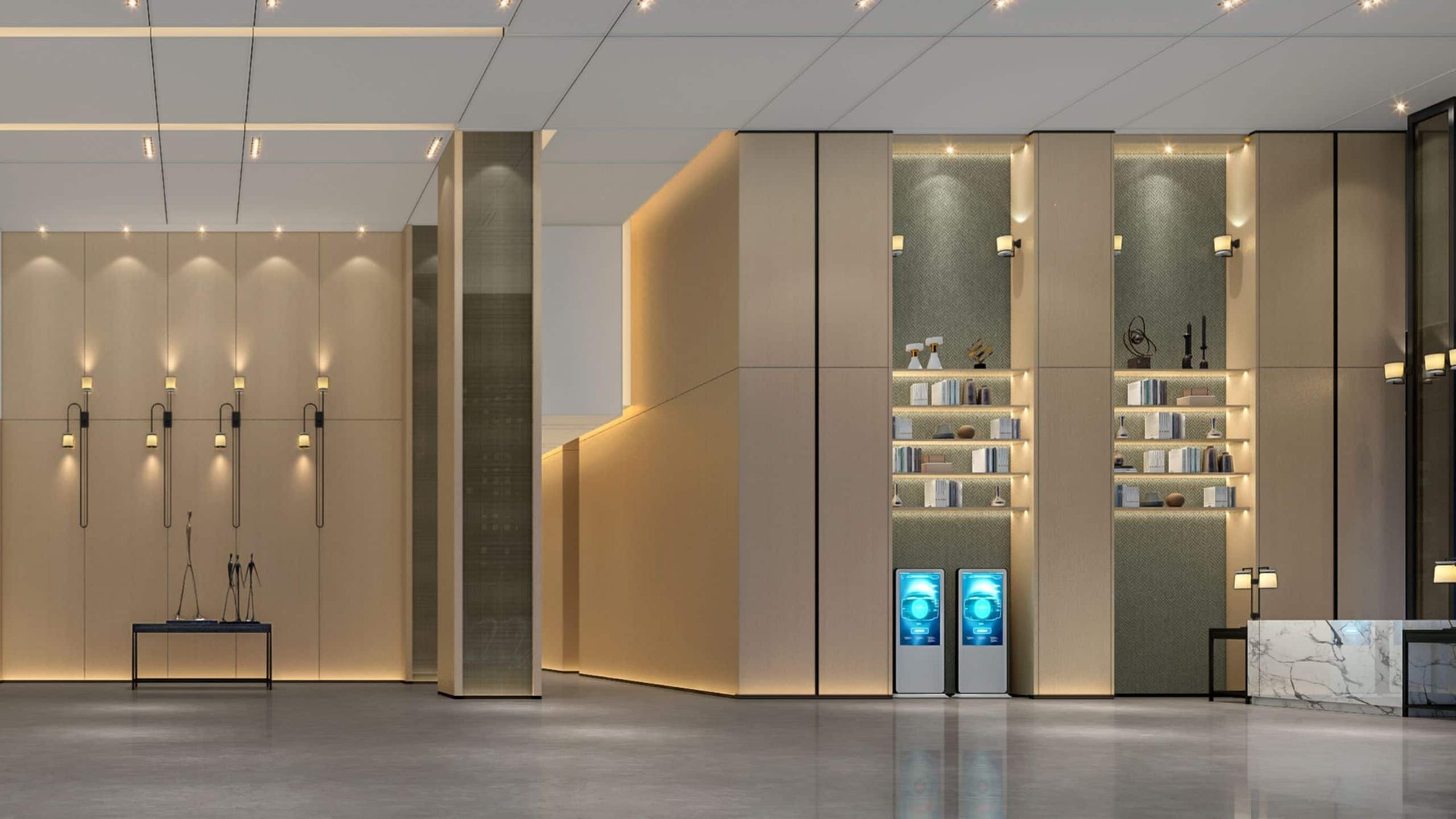
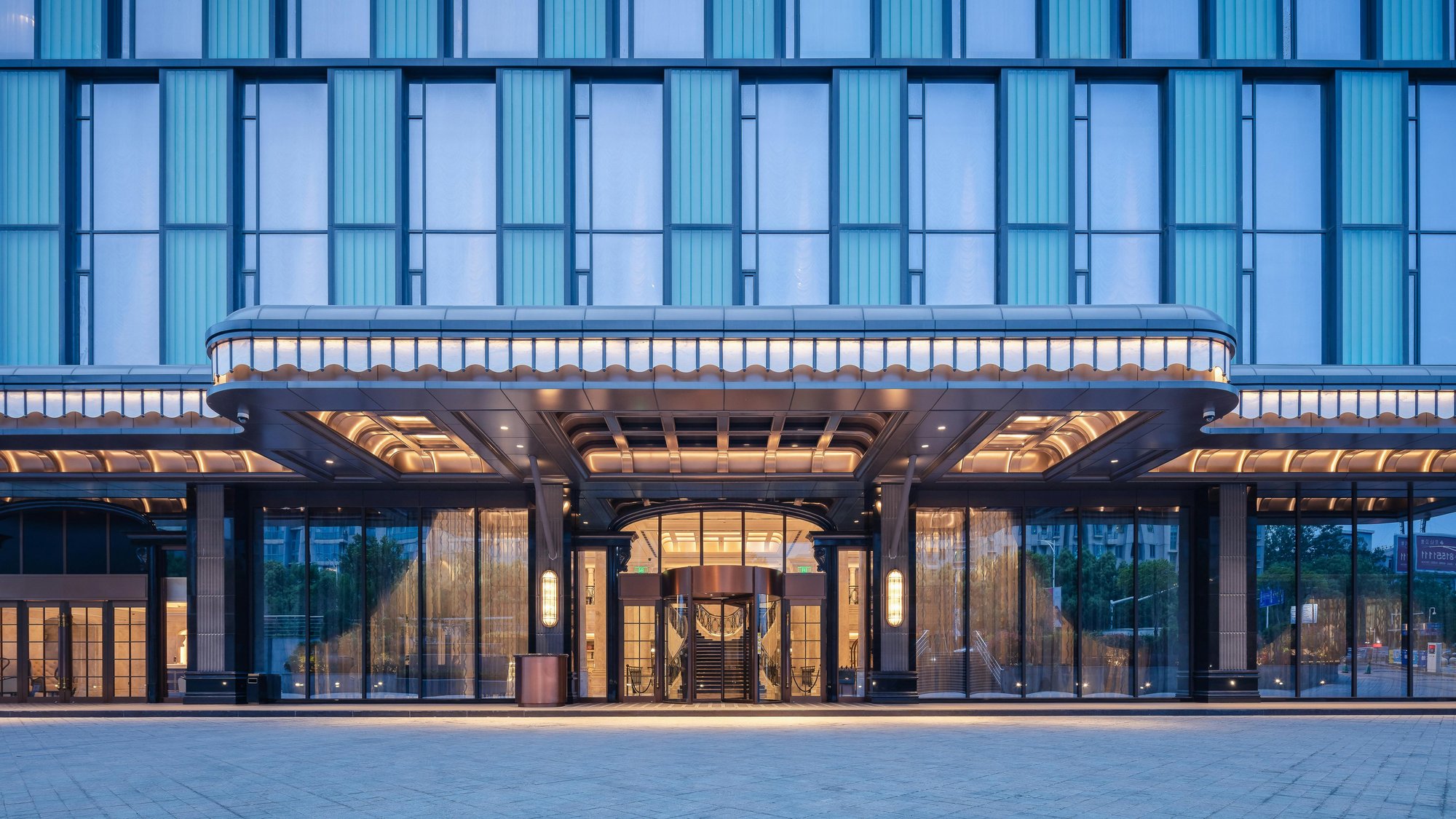
Elegant garden setting with refined, traditional Chinese interior reflecting Huaiyang culinary heritage.