


La Liste Top Hotels · Virtuoso Luxury Hotel Partner · World Travel Awards
A 1913 Art Nouveau palace in the Ciociaria hills, Palazzo Fiuggi operates at the intersection of medical precision and historic architecture, drawing on the town's celebrated thermal springs to anchor programs in diagnostics, nutrition, and physical restoration.

Pearl is the En Primeur Club membership app — saves, bookings, and concierge access live there. Same editors, same standards.
- Address
- Via dei Villini, 34, 03014 Fiuggi FR
- Phone
- +39 0775 7661
- Website
- palazzofiuggi.com
- Directions
- Get directions
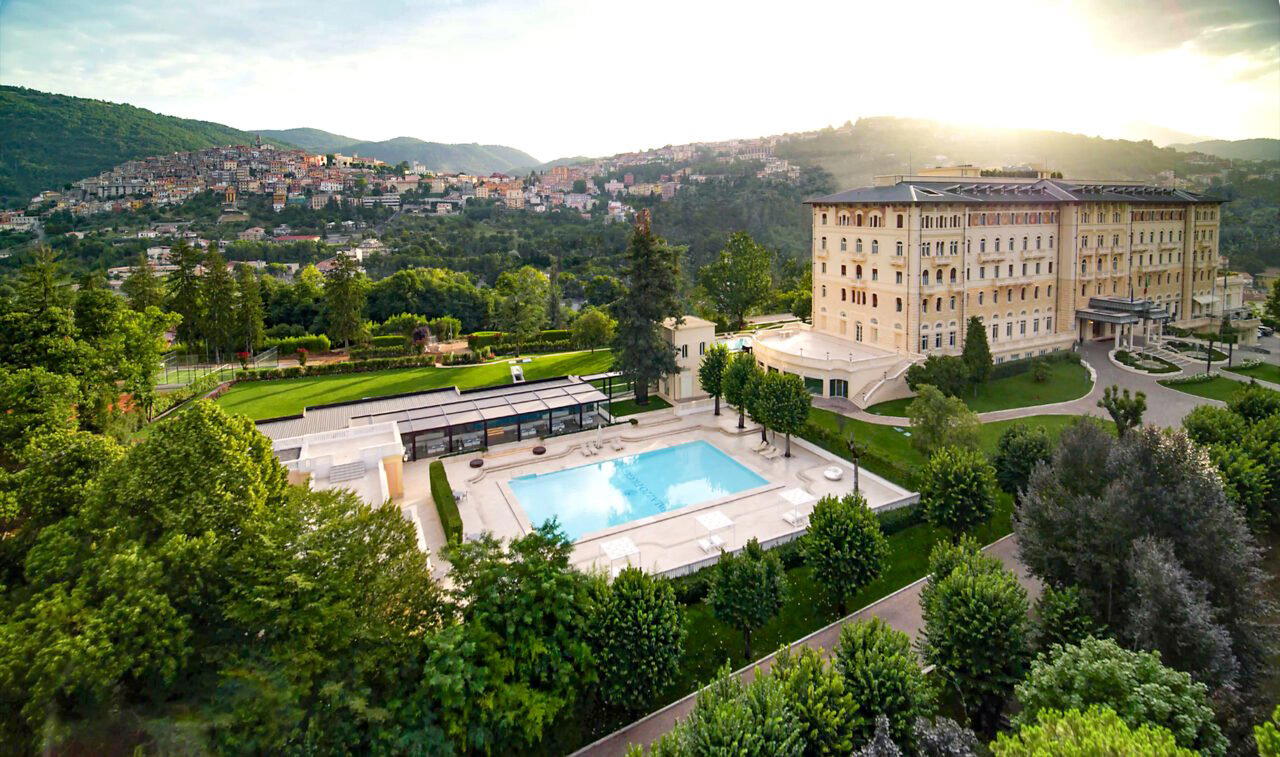
Liberty Stone and Healing Water: The Architecture That Shapes the Experience
The hill towns of Ciociaria, the rugged sub-Apennine territory southeast of Rome, have been producing thermal pilgrims for centuries. Fiuggi's springs drew popes and cardinals long before the town built the infrastructure to receive them at scale, and by the early twentieth century the area had attracted exactly the kind of grand civic confidence that produces Art Nouveau public buildings. Palazzo Fiuggi, constructed in 1913, is the most complete expression of that moment in the town's architectural history. The sinuous Liberty style, the Italian denomination of Art Nouveau, runs through the building's facades and interior volumes: curved ornamental lines, organic motifs, the particular quality of light that high-ceilinged Belle Époque rooms admit. The architecture is not decorative backdrop. It sets the operational register of everything that follows inside.
That relationship between physical environment and therapeutic intent is more considered here than at most European spa hotels. The building's proportions, its garden park, its spatial rhythm between public rooms and private treatment areas, all condition what the medical programs feel like to the guest. Properties that retrofit wellness into heritage shells often produce friction between the two; at Palazzo Fiuggi, the Liberty frame and the clinical program have been developed in alignment. The result is a property where the spa is not an amenity appended to a hotel, but the reason the hotel exists in its current form.
For reference points in Italian luxury hospitality, the range is wide. Aman Venice and Bulgari Hotel Roma occupy the design-heritage tier in major cities, while rural properties like Castello di Reschio in Umbria or Rosewood Castiglion Del Bosco in Montalcino convert agricultural heritage into contemporary luxury. Palazzo Fiuggi belongs to a smaller, more specific category: the European medically-led wellness property that uses its physical setting as integral to the therapeutic proposition, rather than as a selling point independent of it.
The Springs as Infrastructure, Not Amenity
Fiuggi's water has a documented reputation that predates modern medicine. The springs were already celebrated for their purifying properties by the medieval period, and the town became a structured thermal destination during the nineteenth century as Italian spa culture formalized. The water's mineral composition, low in dissolved solids and historically associated with kidney and urinary health, drew a clientele seeking measurable physical benefit rather than relaxation alone. That tradition of purposeful rather than recreational bathing is part of what Palazzo Fiuggi's medical program inherits and formalizes.
The property's treatment framework is built around four stated pillars: Purify, Nourish, Energize, and Connect. Each guest's program begins with diagnostic evaluation, and a team that includes physicians, scientists, and practitioners in holistic disciplines develops a customized pathway from that baseline. The follow-up protocol extends beyond the stay, which positions Palazzo Fiuggi closer to a medical clinic model than to the spa-hotel model dominant at properties like Four Seasons Hotel Firenze or Borgo Egnazia, where wellness is a significant offering but not the defining operating logic.
The location, roughly fifty minutes from Rome by road, is close enough to be accessible from a major international hub but far enough that the surrounding landscape functions as genuine decompression. Guests arriving from the capital enter a different pace before they reach the property. That geographical threshold matters for programs oriented toward stress physiology and systemic restoration, where the transition out of urban overstimulation is itself part of the treatment arc.
Nutrition as Program, Not Menu
Italian cuisine's relationship with ingredient provenance is well-established, but Palazzo Fiuggi's approach to food operates within a different frame from the regional cooking tradition that defines properties like Casa Maria Luigia in Modena or Borgo San Felice Resort in Tuscany. The Palazzo Fiuggi Food Line is a nutrition and exercise program developed by in-house specialists, individually calibrated per guest, and built around organic and biodynamic ingredients sourced from the Ciociaria region and from the property's own kitchen garden. Sustainable sourcing here serves therapeutic logic first, regional identity second.
This is a meaningful distinction. In the broader Italian luxury property market, food is frequently the primary cultural expression of place, the medium through which territory, season, and heritage are communicated to guests. At Palazzo Fiuggi, food is positioned explicitly as medicine, with nutrient profiling and program design preceding menu construction. The ingredients remain local and of high quality, but the governing framework is clinical rather than gastronomic. Guests at properties like Il Pellicano or Passalacqua are eating at the intersection of Italian hospitality tradition and luxury service; guests at Palazzo Fiuggi are eating as part of a designed health protocol.
Two recent recognitions define where Palazzo Fiuggi sits in the current European wellness market. The 2025 World Travel Awards named it Europe's Leading Wellness Hotel, a category that covers the continent's full range of spa and medical properties. La Liste's 2026 Leading Hotels rating of 91.5 points places it within that platform's upper tier, which aggregates data from multiple international guides and review sources.
That demand shift is visible across the Italian market. Properties from Forestis Dolomites in the Alto Adige to Castel Fragsburg in Merano have incorporated wellness more seriously into their offerings, and coastal properties like Borgo Santandrea and Il San Pietro di Positano address the category as an amenity tier. Palazzo Fiuggi's differentiation is that its medical-scientific structure and diagnostic entry point place it in a category where the comparison set is European clinic-hotels rather than Italian luxury properties with spa additions.
Planning a Stay
Palazzo Fiuggi is located at Via dei Villini, 34, in the hillside town of Fiuggi in the Frosinone province of Lazio. The drive from central Rome takes approximately fifty minutes, making it one of the more accessible destination wellness properties in the Italian market, closer than comparable rural retreats like Castelfalfi in Tuscany or EALA My Lakeside Dream on Lake Garda for guests arriving through Rome's Fiumicino or Ciampino airports. Given the diagnostic and program-design component at arrival, multi-night stays are the operative format; the property's clinical structure is not suited to single-night visits. Specific pricing, room configurations, and booking procedures are best confirmed directly through the property's channels, as program costs vary by treatment selection and duration. For guests comparing Italian wellness properties, our full Fiuggi guide provides additional regional context.
Comparable Spots, Quickly
Comparable venues nearby, for context on price, style, and recognition.
| Venue | Cuisine | Price | Awards | Notes |
|---|---|---|---|---|
| Palazzo FiuggiThis venue — the venue you are viewing | Historic 1913 villa hotel completely renovated with contemporary luxury finishes, blending classical architecture with modern wellness infrastructure. | $500–750 | La Liste Top Hotels · Virtuoso Luxury Hotel Partner | Not listed |
| NH Collection Firenze Porta Rossa | Historic 13th-century tower transformed into a 5-star luxury hotel blending Renaissance architecture with modern comforts. | $200–300 | Michelin Selected | Duomo |
| Tivoli Palazzo Gaddi | Historic palace blending Renaissance heritage with modern luxury | Not listed | Michelin Selected | Centro Storico |
| Abi d'Oru Beach Hotel&Spa | Historic beach resort with hexagonal pavilions and Mediterranean gardens | Not listed | Michelin Selected | Porto Rotondo |
| L'Olmo | Restored 17th-century Tuscan farmhouse with modern comforts. | $300–500 | Michelin Selected | Monticchiello |
| Sunny Valley Mountain Lodge | Exclusive alpine luxury retreat with contemporary design rooted in traditional mountain architecture and local craftsmanship. | $2,500+ | 1 Michelin Key | Valle dell'Alpe, Santa Caterina Valfurva |
Recognition history
Dated appearances from independent guides and award organizations, with the underlying list record or original source where available.
La Liste Top Hotels
La Liste
Virtuoso Luxury Hotel Partner
Virtuoso
World Spa Awards Italy's Best Wellness Retreat 2026 Nominee
World Spa Awards
World Travel Awards
World Travel Awards
Full recognition history (11 entries)
World Spa Awards World's Best Medical Spa 2026 Nominee
World Spa Awards
World Spa Awards World's Best Wellness Clinic 2026 Nominee
World Spa Awards
World Spa Awards World's Best Medical Spa 2025 Nominee
World Spa Awards
World Spa Awards Italy's Best Wellness Retreat 2025 Winner #1
World Spa Awards
World Spa Awards Europe's Best Wellness Retreat 2025 Winner #1
World Spa Awards
World Spa Awards World's Best Wellness Clinic 2025 Nominee
World Spa Awards
World Spa Awards World's Best Wellness Retreat 2025 Winner #1
World Spa Awards

Details
- Elegant
- Sophisticated
- Scenic
- Quiet
- Wellness Retreat
- Romantic Getaway
- Anniversary
- Destination Spa
- Garden
- Panoramic View
- Historic Building
- Private Dining
- Spa
- Pool
- Fitness Center
- Restaurant
- Room Service
- Concierge
- Sauna
- Tennis
- Golf
- Garden
- Mountain
- Elevator
- Accessible Restroom
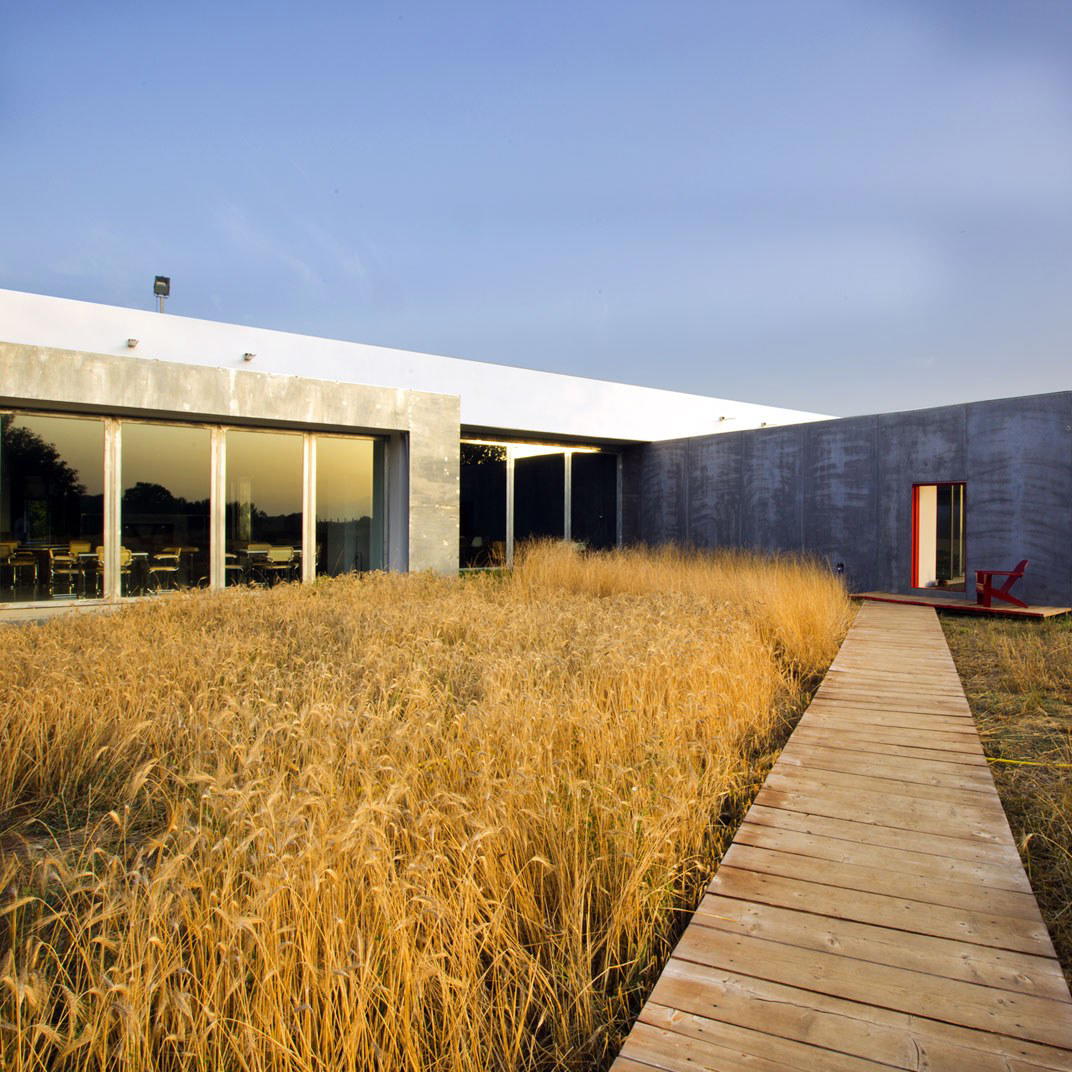
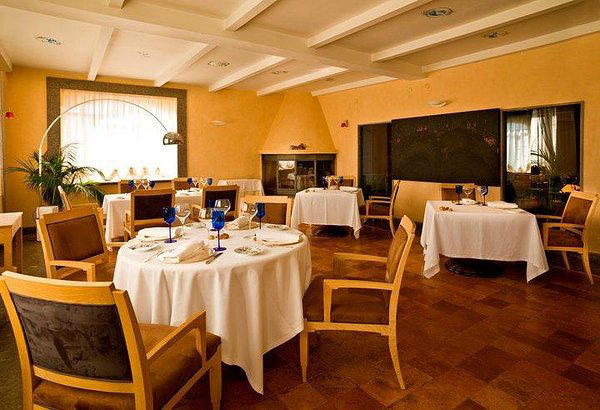
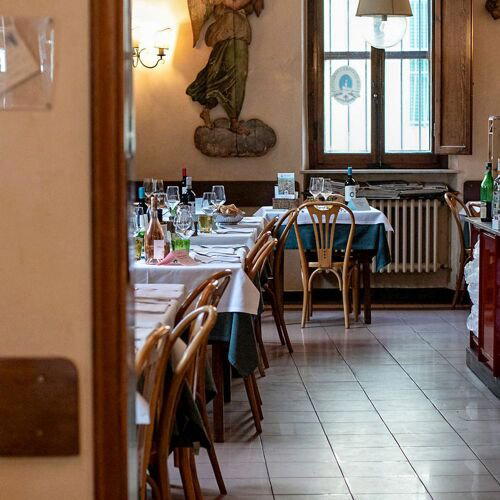
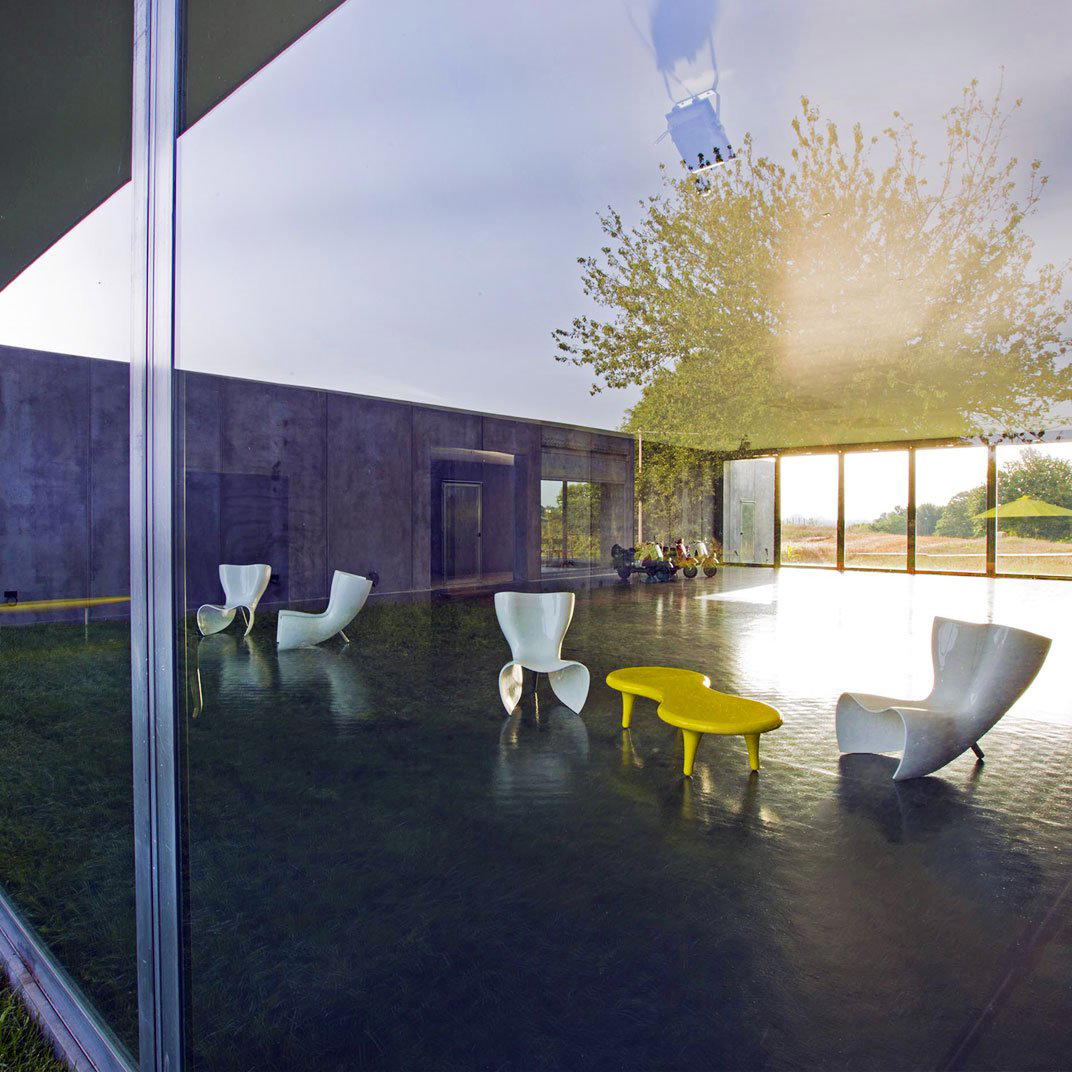
Palatial interiors with grand spaces featuring glass ceilings, crystal chandeliers and frescoes; light-filled spa areas with floor-to-ceiling windows overlooking gardens; marble hallways with indoor fountains creating a serene, luxurious atmosphere.