Mamma Lucia
Our verdict
Mamma Lucia sits on Rockville Pike in North Bethesda, positioning itself within the corridor's broad international dining mix as a representative of Italian-American home-style cooking. The address places it alongside a dense concentration of independent restaurants serving the area's diverse residential and commuter population. For the Rockville Pike stretch, it occupies the casual, neighborhood-anchor end of the dining spectrum.

Pearl is the En Primeur Club membership app — saves, bookings, and concierge access live there. Same editors, same standards.
- Address
- 12274 Rockville Pike M, Rockville, MD 20852
- Phone
- (301) 770-4894
- Hours
- Mon–Thu 11 AM–9 PMFri–Sat 11 AM–10 PMSun 11 AM–9 PM
- Website
- mammaluciarestaurants.com
- Directions
- Get directions
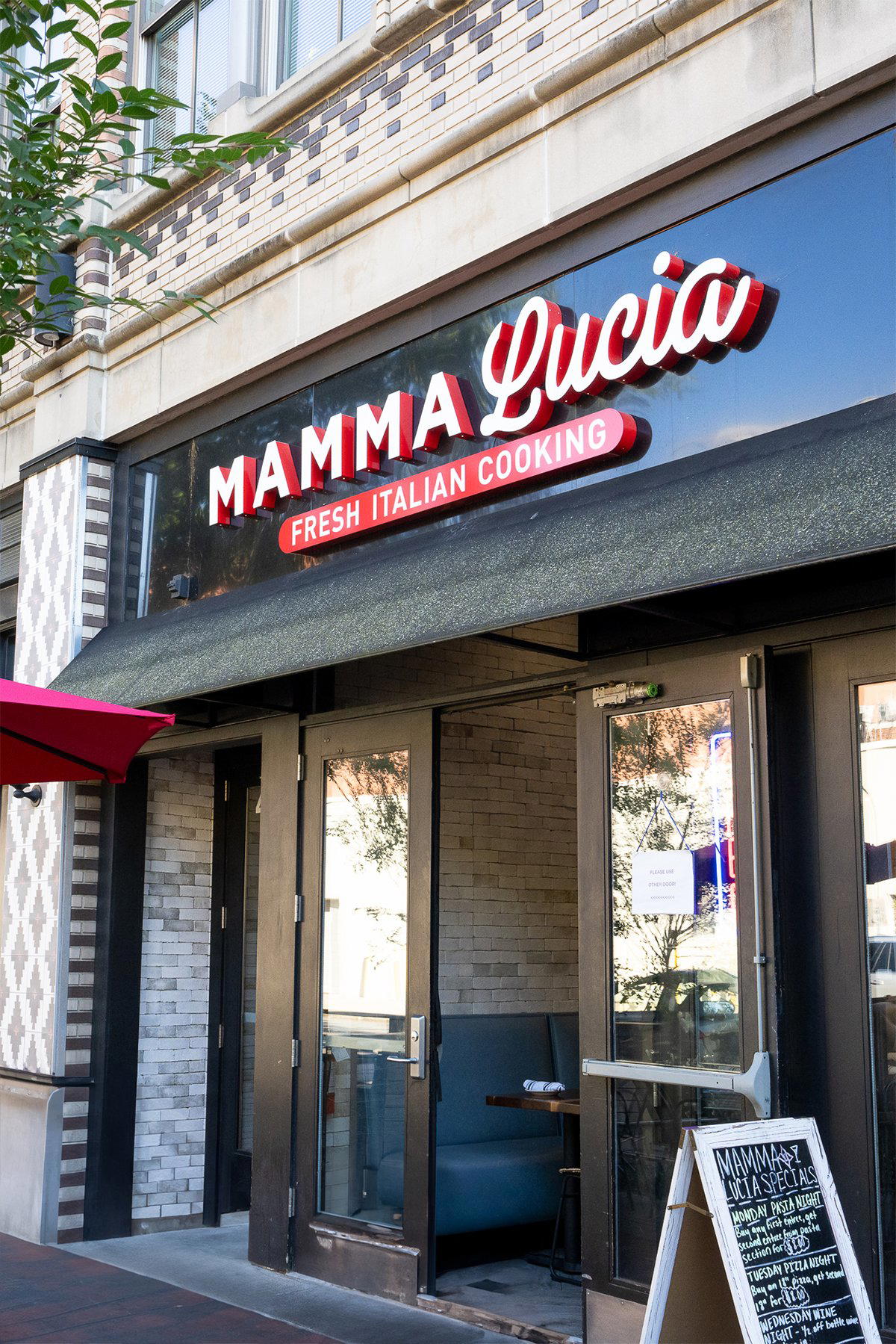
The menu
What to order
- 18” New York Style Pizza
- Penne Rose
- Calamari Fritti
Italian-American Cooking on the Rockville Pike Corridor
Rockville Pike runs through one of the most ethnically and culinarily varied stretches in the Washington, D.C. metro area. The corridor between North Bethesda and Rockville has accumulated, over several decades, a layered collection of independent restaurants that reflects successive waves of immigration and shifting suburban demographics. Italian-American kitchens were among the earliest fixtures in this pattern, arriving alongside the post-war suburban build-out and embedding themselves as neighborhood anchors long before the corridor's current international breadth took shape. Mamma Lucia, at 12274 Rockville Pike, fits that longer arc: a family-format Italian-American restaurant in a commercial stretch that now neighbors Thai, Latin, Ethiopian, Mediterranean, and seafood-focused independents.
To understand where this kind of restaurant sits today, it helps to look at what surrounds it. Amina Thai Rockville and Sheba Ethiopian Restaurant represent the corridor's more recent independent arrivals, while La Brasa Latin Cuisine, Mediterranean House of Kabob, and Fish Taco fill out a mid-tier casual dining picture that the area has built around convenience, price accessibility, and consistent neighborhood demand. Italian-American restaurants in this context compete less on novelty and more on reliability: the regulars who return for a familiar plate of pasta or a red-sauce classic that does not require research or a reservation window.
The Italian-American Tradition This Format Represents
Italian-American cooking is one of the most consequential immigrant cuisines in the United States, and it diverged from its Italian source material almost immediately upon arrival. The southern Italian families who settled in American cities during the late nineteenth and early twentieth centuries adapted their cooking to local ingredients, larger portion conventions, and the economics of feeding working households. Red sauce became heavier, pasta portions expanded, and proteins that would have been used sparingly in Campania or Sicily arrived as central plate components. The result was a distinct cuisine: neither authentically Italian nor generically American, but a hybrid with its own internal logic, its own canon of dishes, and its own deeply entrenched loyalties.
That tradition is what casual Italian-American restaurants along suburban corridors like Rockville Pike carry forward. The food at this tier is not trying to replicate what you find at a white-tablecloth trattoria in the Prati neighborhood of Rome, and it is not chasing the hyper-regional specificity that higher-end Italian restaurants in U.S. cities now pursue. It is operating within a different contract with its audience: comfort, familiarity, and a price point that allows regular return visits. That contract is legitimate, and it has sustained this category of restaurant for generations across American suburbs.
For a sense of how the broader fine-dining Italian tradition has evolved in contrast, venues like 8 1/2 Otto e Mezzo Bombana in Hong Kong demonstrate the formal end of Italian cuisine's global reach, while the American fine-dining scene, from Le Bernardin in New York City to The French Laundry in Napa, shows how European technique traditions have been absorbed and reconfigured at the top of the U.S. market. Mamma Lucia operates in an entirely different register from those venues, and that distinction is worth stating plainly: the Italian-American neighborhood restaurant serves a different function, answering a different dining occasion, for a different weekly rhythm.
North Bethesda's Dining Character and Where This Fits
North Bethesda's restaurant scene concentrates heavily along Rockville Pike and the White Flint area, with a mix of chain anchors and independent operators sharing the same commercial real estate. The independents in this stretch have survived by building local loyalty rather than destination traffic. Unlike Georgetown or Dupont Circle, which pull D.C.-wide dining audiences, the Rockville Pike corridor primarily serves residents of Montgomery County and the commuter population moving between Bethesda, Rockville, and points north on the Red Line.
Within that geography, Italian-American restaurants occupy a specific niche: they tend to draw multigenerational family dinners, weeknight regulars, and the kind of occasion where familiarity matters more than discovery. The competition for that audience on the Pike is less intense than it might appear, because the corridor's international options are drawing different customer intentions. Someone heading to Sheba Ethiopian Restaurant is not choosing between injera and a plate of penne. The competitive pressure for Mamma Lucia comes more from other Italian-American operations and from the national chain segment, where Olive Garden and similar brands set price and portion expectations across the suburban market.
The broader Washington, D.C. metro area has a strong fine-dining anchor in The Inn at Little Washington, which represents the ceiling of the region's culinary ambition, but that ceiling is largely irrelevant to the daily dining calculus on Rockville Pike. What matters here is the mid-tier independent, and whether a given kitchen can hold its ground against both chain competition and the general attrition of suburban restaurant turnover. For context on how the broader American dining scene has developed, the programming at venues like Alinea in Chicago, Lazy Bear in San Francisco, Providence in Los Angeles, Blue Hill at Stone Barns in Tarrytown, Addison in San Diego, Atomix in New York City, Single Thread Farm in Healdsburg, and Emeril's in New Orleans illustrates just how wide the American dining spectrum runs, from the neighborhood Italian-American standard to multi-course tasting formats with yearlong reservation queues.
Planning a Visit
Mamma Lucia is located at 12274 Rockville Pike in Rockville, MD 20852, accessible from the White Flint Metro station on the Red Line and from the Pike's commercial parking. The restaurant sits within the Pike's continuous strip of independent dining options, making it direct to combine with a broader evening in the area. For the full picture of the North Bethesda and Rockville Pike dining corridor, the EP Club North Bethesda restaurants guide covers the range of independent operators in the area.
Frequently asked questions
What's Mamma Lucia's location?
Mamma Lucia is located at 12274 Rockville Pike M, Rockville, MD 20852, North Bethesda.
Is Mamma Lucia a good option for a family dinner near the White Flint Metro in North Bethesda?
Mamma Lucia at 12274 Rockville Pike is accessible directly from the White Flint Metro station on the Red Line, making it a practical choice for Metro riders in the North Bethesda and Rockville area. Italian-American restaurants in this format — red-sauce, pasta-centric, neighborhood-rooted — have historically served as family dining staples across the D.C. suburbs. Specific seating arrangements and group booking options are worth confirming with the restaurant directly.
What should I order at Mamma Lucia?
Mamma Lucia operates within the Italian-American tradition, which means the menu gravitates toward the pasta, red-sauce, and baked dishes that define that canon. Given the address on Rockville Pike in the North Bethesda area, the kitchen serves a dense local population that returns regularly, so portion-forward comfort dishes tend to be the draw. Specific menu details are best confirmed directly with the restaurant before your visit.
Do they take walk-ins at Mamma Lucia?
The Rockville Pike corridor sees consistent foot traffic from the White Flint Metro area, so peak-hour waits are a reasonable expectation at independent operators of this type. Calling ahead or arriving at off-peak hours is the practical approach.
Cost Snapshot
Comparable venues nearby, for context on price, style, and recognition.
| Venue | Cuisine | Price | Awards | Notes |
|---|---|---|---|---|
| Mamma LuciaThis venue — the venue you are viewing | Italian Pizza & Pasta | $20–30 | Not listed | Not listed |
| Melina | Modern Greek | $50–100 | Washingtonian 100 Very Best Restaurants #95 | North Bethesda, Modern Greek |
| The Big Greek Cafe | Traditional Greek | $10–20 | Not listed | Bethesda, Traditional Greek |
| Taipei Tokyo Cafe | East Asian Fusion: Taiwanese, Chinese, Japanese & Thai | $10–20 | Not listed | North Bethesda, East Asian Fusion: Taiwanese, Chinese, Japanese & Thai |
| Mediterranean House of Kabob | Authentic Persian & Mediterranean | $10–20 | Not listed | North Bethesda, Authentic Persian & Mediterranean |
| Amina Thai Rockville | Homestyle Halal Thai | $20–30 | Not listed | North Bethesda, Homestyle Halal Thai |
Continue exploring
More in North Bethesda
Restaurants in North Bethesda
Browse all →
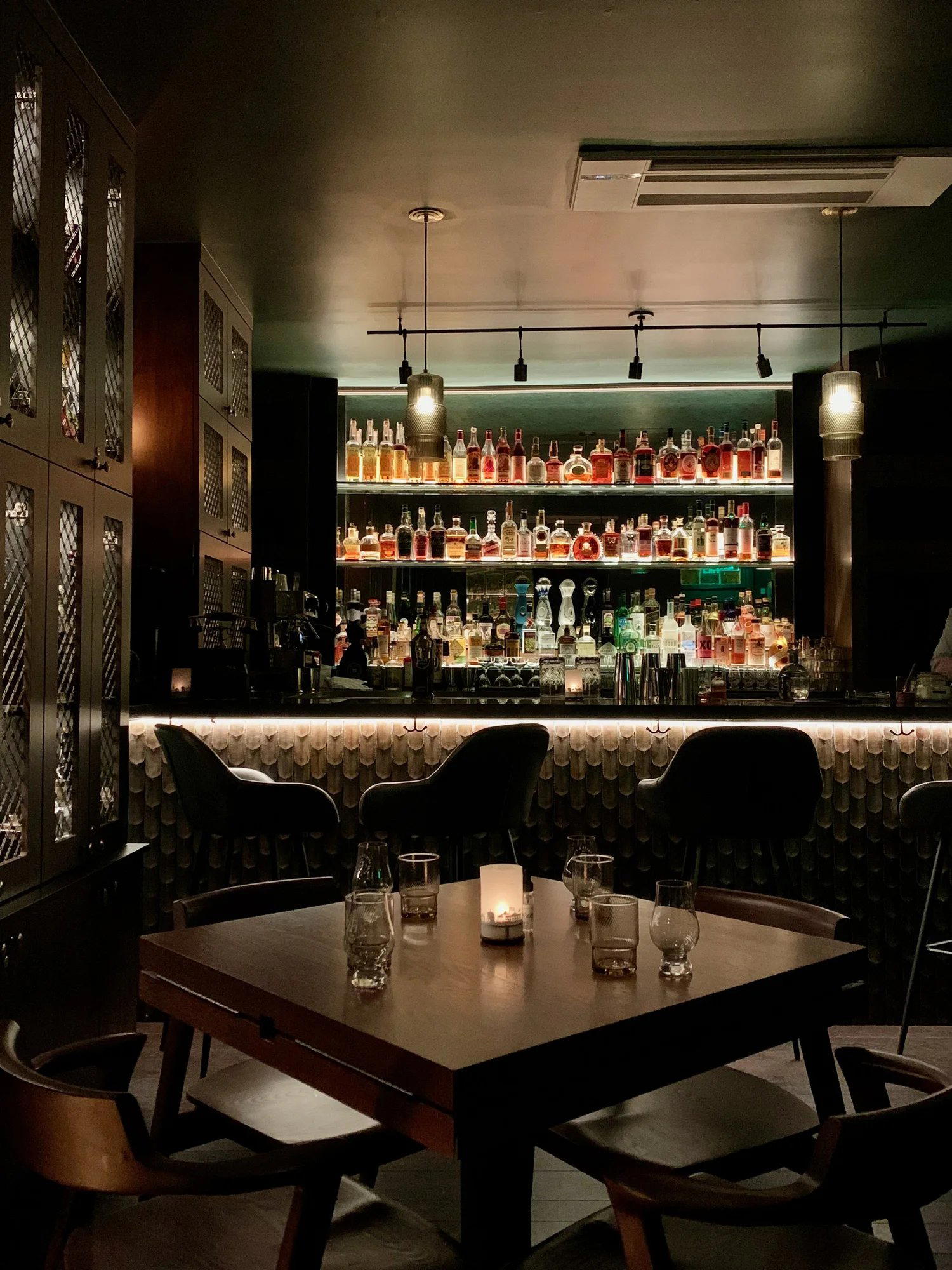
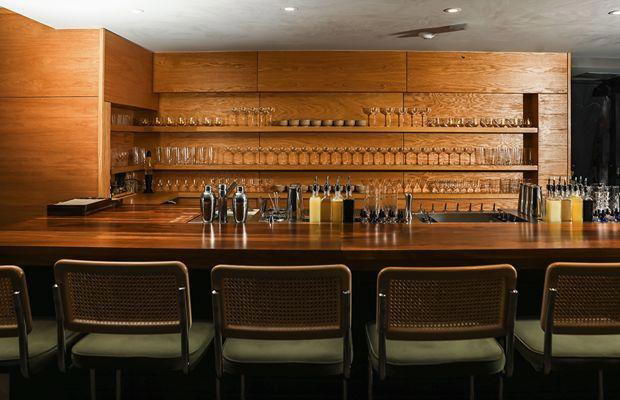
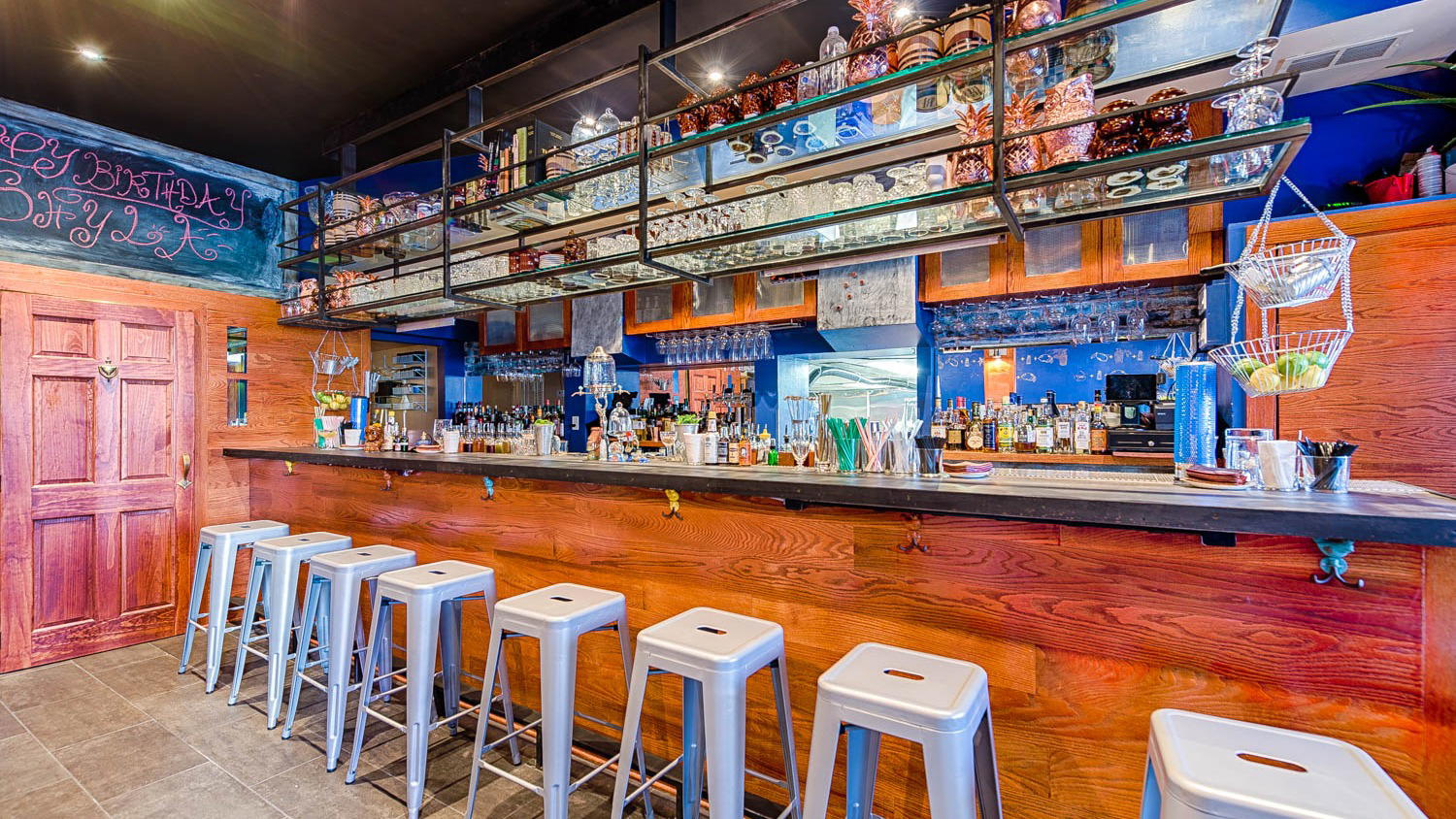
Bars in North Bethesda
Browse all →
Hotels in North Bethesda
Browse all →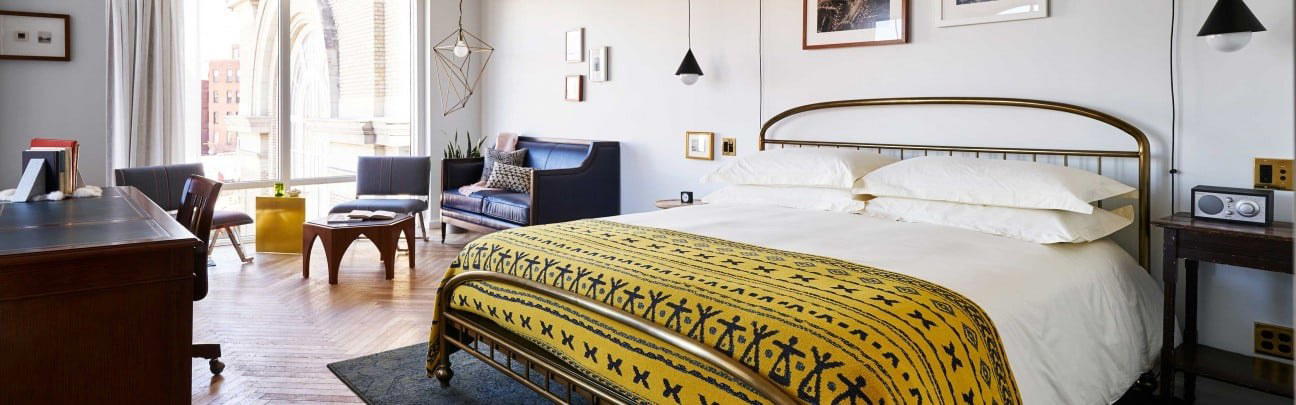
Details
- Classic
- Cozy
- Family
- Group Dining
- Casual Hangout
- A La Carte
- Vegetarian Friendly
- Vegan Options
- Gluten Free Options
Current opening hours
- Monday
- 11 AM–9 PM
- Tuesday
- 11 AM–9 PM
- Wednesday
- 11 AM–9 PM
- Thursday
- 11 AM–9 PM
- Friday
- 11 AM–10 PM
- Saturday
- 11 AM–10 PM
- Sunday
- 11 AM–9 PM
Hours can change for holidays and private events. Last verified .
Casual and welcoming with comfortable lighting suitable for family meals and group gatherings.