Diner
Diner at 85 Broadway in Williamsburg occupies the space where Brooklyn's casual-American dining scene first found its footing. The converted dining car format set a template that dozens of neighbourhood restaurants across the borough have since followed. For visitors reading the city's dining culture through its borough-level chapters, this address is a reliable reference point.
Pearl is the En Primeur Club membership app — saves, bookings, and concierge access live there. Same editors, same standards.
- Address
- 85 Broadway, Brooklyn, NY 11249
- Phone
- +1 718 486 3077
- Website
- dinernyc.com
- Directions
- Get directions
 Saves & bookings on Pearl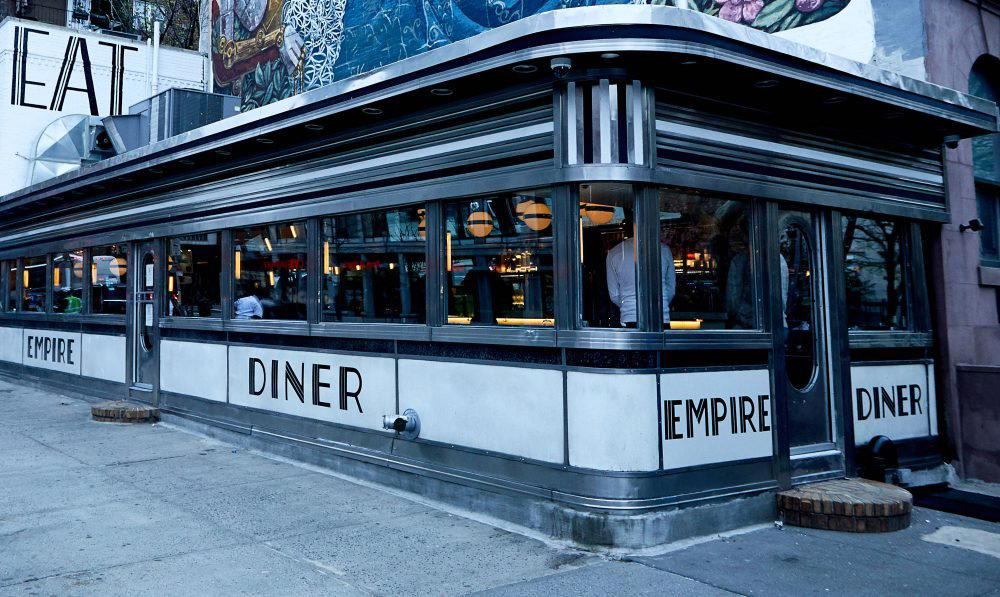
A Converted Rail Car and What It Says About Brooklyn's Dining Character
On Broadway in Williamsburg, just before the street bends toward the East River, Diner occupies a 1927 Kullman dining car that has been in place long enough to predate the borough's transformation into a destination for serious eating. The pressed-tin ceiling, the narrow counter stools, the windows that frame the Manhattan Bridge steel, these are not design choices assembled for atmosphere. They are what the space has always been, and that persistence is itself a form of editorial statement about what kind of dining this is.
Brooklyn's casual-American restaurant culture has, over the past two decades, split into two broad tracks: the self-consciously designed bistro that trades on aesthetic and provenance storytelling, and the older, plainer room that earns its place through repetition and neighbourhood trust. Diner belongs to the second track. Its position at the Williamsburg end of Broadway puts it at the edge of a district that now contains some of the city's most-discussed restaurants, but the dining car format resists the pressure to perform that distinction.
The Sensory Register of the Room
Walking into a converted dining car is a different physical experience from entering a purpose-built restaurant. The ceiling is lower, the acoustics harder, the light more direct. At Diner, the chalkboard menu written tableside by servers, rather than printed and distributed, is a detail that shapes the rhythm of the meal. Orders are described verbally, which forces a different kind of attention: you listen rather than scan, and the choices feel less like a catalogue and more like a conversation about what arrived that day.
The sounds of the kitchen are closer than in a larger dining room. The counter seats, positioned along the window line, catch late afternoon light differently from the interior tables. These are not incidental qualities. They are the product of a room that was built for function in an earlier century and has never been substantially altered to soften that fact. In a city where restaurant design has become increasingly elaborate, consider the production values deployed at properties in Midtown like Per Se or Eleven Madison Park, the unmediated materiality of a steel dining car is its own kind of sensory position.
Where Diner Sits in the Williamsburg Dining Context
Williamsburg's restaurant scene has matured into something more layered than the artist-neighbourhood cliché that defined it in the early 2000s. The Broadway corridor now draws diners who might otherwise stay in Manhattan, and the concentration of independently operated rooms in the surrounding blocks is high enough that the area functions as a genuine dining district rather than a secondary option. Within that district, Diner operates at the casual end of a spectrum that extends upward through more formally structured tasting menus and wine-forward rooms.
For context on the full range of New York City's dining options across price tiers and borough geographies, the EP Club New York City restaurants guide maps the competitive set more completely. At the refined end of the city's restaurant hierarchy, places like Le Bernardin, Atomix, and Masa represent a different tier entirely, built around tasting formats, reservation scarcity, and significant per-head spend. Diner operates on different terms and draws a different kind of regular.
The model Diner established, a neighbourhood room with a market-driven, handwritten menu and a no-ceremony service style, has been replicated across Brooklyn and, to varying degrees, across other American cities. The format appears at places like Lazy Bear in San Francisco and in the farm-sourcing ethos visible at Blue Hill at Stone Barns, though those operations carry more formal structures and higher price points. At the mid-market level, the handwritten, market-contingent menu is now a standard device. Diner was among the earlier New York addresses to make it central to the experience.
The Chalkboard Menu as a Dining Format
Restaurants that write their menus tableside or post them on chalkboards make a particular kind of claim: that what is available today reflects what was good enough to buy this morning. That claim carries credibility only when the sourcing relationships and kitchen execution support it. The format also shifts responsibility onto the server as a communicator, which changes the character of the service interaction. In rooms where this works well, the tableside menu recitation functions less like a sales presentation and more like a brief on available options, specific, confident, without unnecessary embellishment.
This approach shares a philosophical orientation with farm-to-table formats at properties like Single Thread Farm in Healdsburg and Smyth in Chicago, though those restaurants operate at considerably higher price points and with more elaborate sourcing infrastructure. At Diner's register, the handwritten menu is a practical signal rather than a luxury credential.
Planning Your Visit
Diner is at 85 Broadway, Brooklyn, a short walk from the Marcy Avenue subway stop on the J, M, and Z lines. The Manhattan Bridge is visible from the window seats. Those routing through other American cities before or after New York might consider how the casual-American dining format compares at properties like Emeril's in New Orleans, Providence in Los Angeles, Addison in San Diego, Frasca Food and Wine in Boulder, or The Inn at Little Washington. International visitors comparing the neighbourhood-bistro format across continents may find useful reference points at Atelier Moessmer Norbert Niederkofler in Brunico and Dal Pescatore in Runate, where a comparable emphasis on local sourcing operates inside quite different culinary traditions. For the American fine-dining ceiling, The French Laundry in Napa remains the clearest counterpoint to Diner's register.
Know Before You Go
- Address: 85 Broadway, Brooklyn, NY 11249
- Neighbourhood: Williamsburg, Brooklyn
- Nearest Subway: Marcy Avenue (J, M, Z lines)
- Format: Converted 1927 Kullman dining car; tableside chalkboard menu
Fast Comparison
Comparable venues nearby, for context on price, style, and recognition.
| Venue | Cuisine | Price | Notes |
|---|---|---|---|
| DinerThis venue — the venue you are viewing | Classic American Diner | $$ | Not listed |
| Tipsy Scoop | Boozy Ice Cream & Cocktail Barlour | $$ | Murray Hill-Kips Bay |
| Altar | Modern American Small Plates & Cocktails | $$ | Crown Heights (North) |
| sweetgreen - Healthy Salads, Bowls and Plates | Healthy Salads, Bowls and Plates | $$ | West Village |
| The Grey Dog, Flatiron | American Comfort Food & Brunch | $$ | Midtown South-Flatiron-Union Square |
| Bubby's | American Comfort Food & Homemade Pies | $$ | Tribeca-Civic Center |
Continue exploring
More in Brooklyn
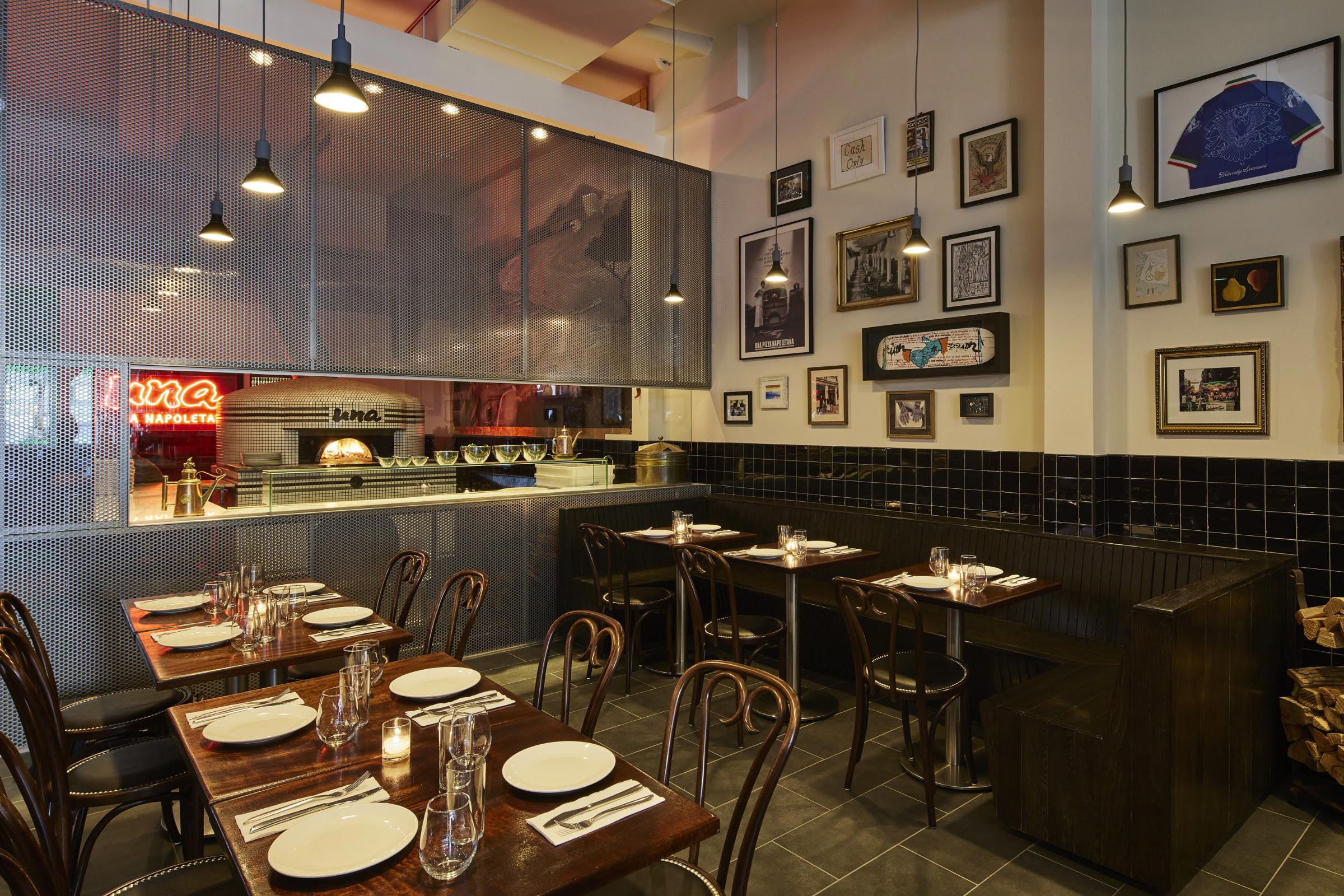
Restaurants in Brooklyn
Browse all →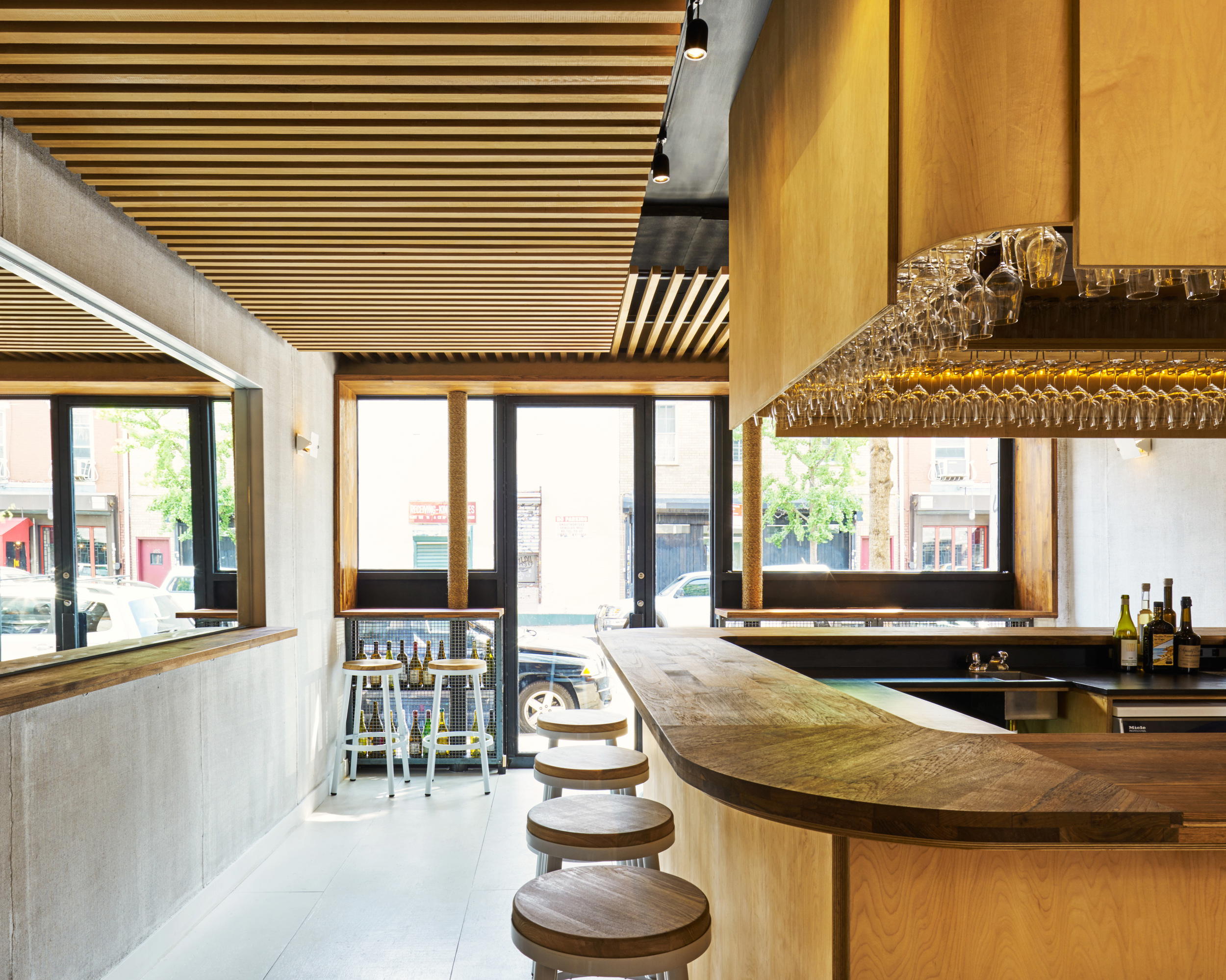
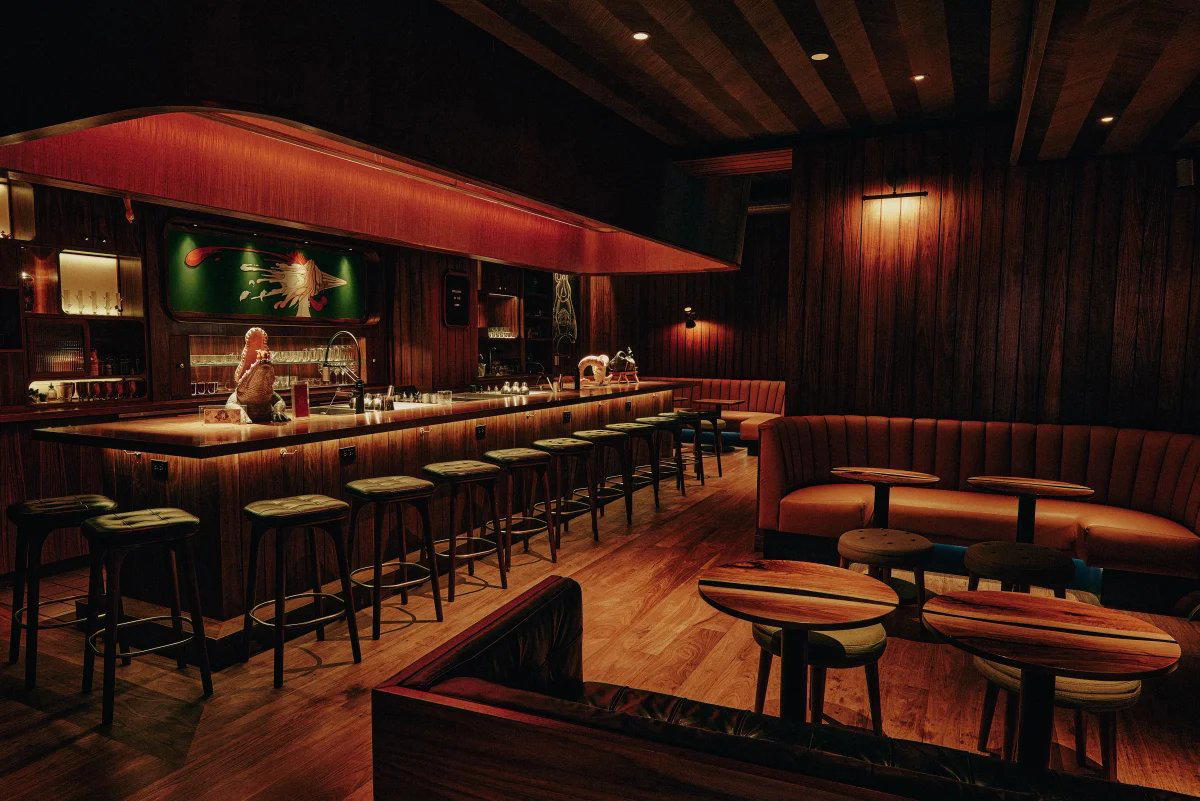
Bars in Brooklyn
Browse all →
Hotels in Brooklyn
Browse all →




At a Glance
- Retro
- Lively
- Well Known
- Family
- Casual Hangout
- Brunch
- Live Music
Current opening hours
- Monday
- 5–10:30 PM
- Tuesday
- 5–10:30 PM
- Wednesday
- 5–10:30 PM
- Thursday
- 5–10:30 PM
- Friday
- 10:30 AM–2:45 PM, 5–10:30 PM
- Saturday
- 10:30 AM–2:45 PM, 5–10:30 PM
- Sunday
- 10:30 AM–2:45 PM, 5–10:30 PM
Hours can change for holidays and private events. Last verified .
Retro 1950s diner atmosphere with bright lighting, lively energy, and lively musical performances.