Malaysia Boleh
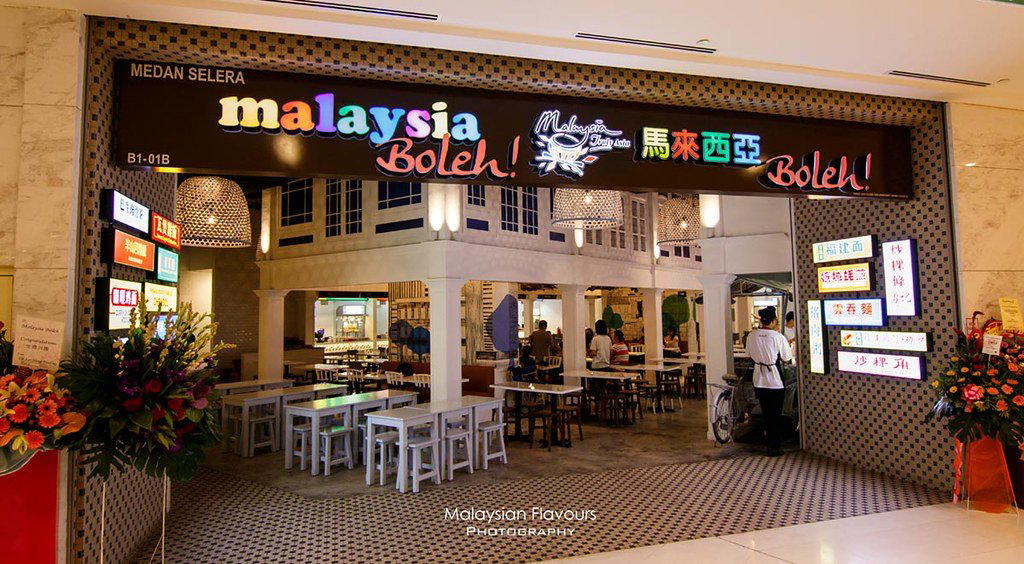
Malaysia Boleh is a Kuala Lumpur dining destination that channels the full breadth of Malaysian regional cooking under one roof, making it a natural choice for group meals, celebrations, and occasions where a single cuisine style would feel too narrow. The format suits tables looking to range across hawker classics, kampung staples, and East Malaysian specialities without committing to one regional register.

Pearl is the En Primeur Club membership app — saves, bookings, and concierge access live there. Same editors, same standards.
The Occasion for Going Wide
Kuala Lumpur's dining room is, by any measure, one of Southeast Asia's more demanding places to make a restaurant decision. On any given evening, a table of four might contain a Penangite who considers char koay teow a matter of personal identity, a Sabahan with strong opinions on hinava, and two visitors from abroad who arrived expecting nasi lemak and got offered a twelve-course tasting menu instead. Dewakan works indigenous Malaysian ingredients through a fine-dining lens, Beta excavates heritage recipes with contemporary technique, and DC. by Darren Chin holds its French Contemporary ground at the higher price brackets. That tier is important and well-documented. But it does not solve the problem of the celebratory table that wants to eat broadly and recognisably Malaysian, the kind of meal where the point is plurality, not precision.
Malaysia Boleh operates in exactly that gap. The name itself is a signal: boleh, meaning "can" or "able," carries the weight of a national idiom that encompasses resourcefulness, adaptability, and a certain cheerful confidence. Applied to a dining format, it reads as a promise of range, that the kitchen will not restrict itself to one state's cooking, one ethnic tradition, or one price register. For occasions where that breadth is the point, it positions itself differently from the more focused rooms at Molina or Ling Long, both of which require the table to buy into an editorial premise before sitting down.
What Malaysian Breadth Actually Means at the Table
Malaysian regional cooking is not a unified tradition. It is a set of overlapping traditions, Malay, Chinese, Indian, Peranakan, Kadazan-Dusun, Iban, that share geography but not necessarily technique, ingredient logic, or even the same definition of what a meal is. The hawker stalls of Penang operate on different principles from the communal feasts of Sabah; the Nyonya cooking of Malacca, with its sour-sweet-spice architecture, requires different calibration than the rempah-heavy curries of the peninsula's interior. When a venue attempts to represent this range, the editorial risk is obvious: breadth can become shallowness, and a menu that claims everything frequently delivers little.
The more interesting Malaysian food venues in the country thread this carefully. Auntie Gaik Lean's Old School Eatery in George Town succeeds precisely because it narrows to Nyonya, and does that one thing with documented depth. Similarly, the street-food institutions tracked in our guide to Air Itam Asam Laksa, Chong Char Koay Teow, and 888 Hokkien Mee in Penang earn their reputations through repetition and obsession with a single dish. Malaysia Boleh takes a different structural bet: that the occasion itself, the group, the celebration, the desire to eat many things at once, justifies the range, and that KL's dense food culture gives it enough surrounding credibility to pull it off.
Kuala Lumpur as the Right City for This Format
Not every city can support a format built on national breadth. KL can, because its resident population already holds these regional loyalties in simultaneous tension. The city functions as a clearinghouse for Malaysian food traditions: East Malaysian cooking, represented in venues like Da De Bah Kut Teh in Borneo, sits alongside Klang Valley interpretations of Indian-Muslim mamak culture, the kind of multi-register eating documented at India Gate Restaurant in Klang. The appetite for range is already present in the city's DNA. A venue that channels it into a single dining room is not inventing a format so much as formalising what KL already does informally across its food courts, hawker centres, and coffee shops.
The Occasion Argument
Milestone meals carry specific pressures that tasting-menu restaurants are not always designed to absorb. The format that solves these problems leading tends to be one built around abundance, recognisability, and the ability to let different people eat different things without the meal feeling fractured.
That is the structural case for Malaysia Boleh as an occasion venue. It positions itself in a tier where the communal logic of Malaysian eating, sharing plates, ordering more than you can finish, the social rhythm of a table that keeps arriving food, maps naturally onto celebration formats. In this, it occupies a different competitive space from the destination-dining rooms that dominate KL's critical conversation. Venues like DIN by Din Tai Fung in Sepang have shown how a format built around shareable, recognisable food can hold a loyal audience without requiring critical apparatus around it. The logic travels.
Planning a Visit
The restaurant is a casual, walk-in-friendly Kuala Lumpur restaurant serving Malaysian Chinese Hawker Street Food at about $5 per person. The restaurant's format suggests it is better suited to groups and shared-table occasions than to quiet dinners for two; readers planning a private celebration may find the atmosphere tilts livelier than intimate.
Taiping, Malacca, Perai, Tuaran, and Georgetown, as well as internationally at Le Bernardin and Atomix in New York City for readers benchmarking against global fine-dining reference points.
- Curry Mee
- Penang Laksa
- Claypot Chicken Rice
- Char Kuey Teow
- Nasi Lemak
- Roti Canai
- Bak Kut Teh
- Cendol
Pricing, Compared
Comparable venues nearby, for context on price, style, and recognition.
| Venue | Cuisine | Price | Notes |
|---|---|---|---|
| Malaysia BolehThis venue — the venue you are viewing | Not listed | $ | Not listed |
| Restoran Wong Ah Wah (W.A.W) (Restoran Wong Ah Wah (W.A.W) 黄亚华烧鸡翅) | Bukit Bintang, Chinese BBQ Chicken Wings | $ | Not listed |
| Fook Heong Bak Kut Teh 福香肉骨茶 | Not listed | $$ | Taman Shamelin Perkasa, Traditional Bak Kut Teh |
| Soo Kee | Ampang, Classic Cantonese | $$ | Not listed |
| Asam Laksa Petaling Street | City Centre, Asam Laksa | $ | Not listed |
| Wong Ah Wah Restaurant | Jalan Alor | Bukit Bintang, Chinese Street BBQ | $ | Not listed |
Continue exploring
More in Kuala Lumpur
Restaurants in Kuala Lumpur
Browse all →
Bars in Kuala Lumpur
Browse all →
At a Glance
- Lively
- Cozy
- Casual Hangout
- Group Dining
- After Work
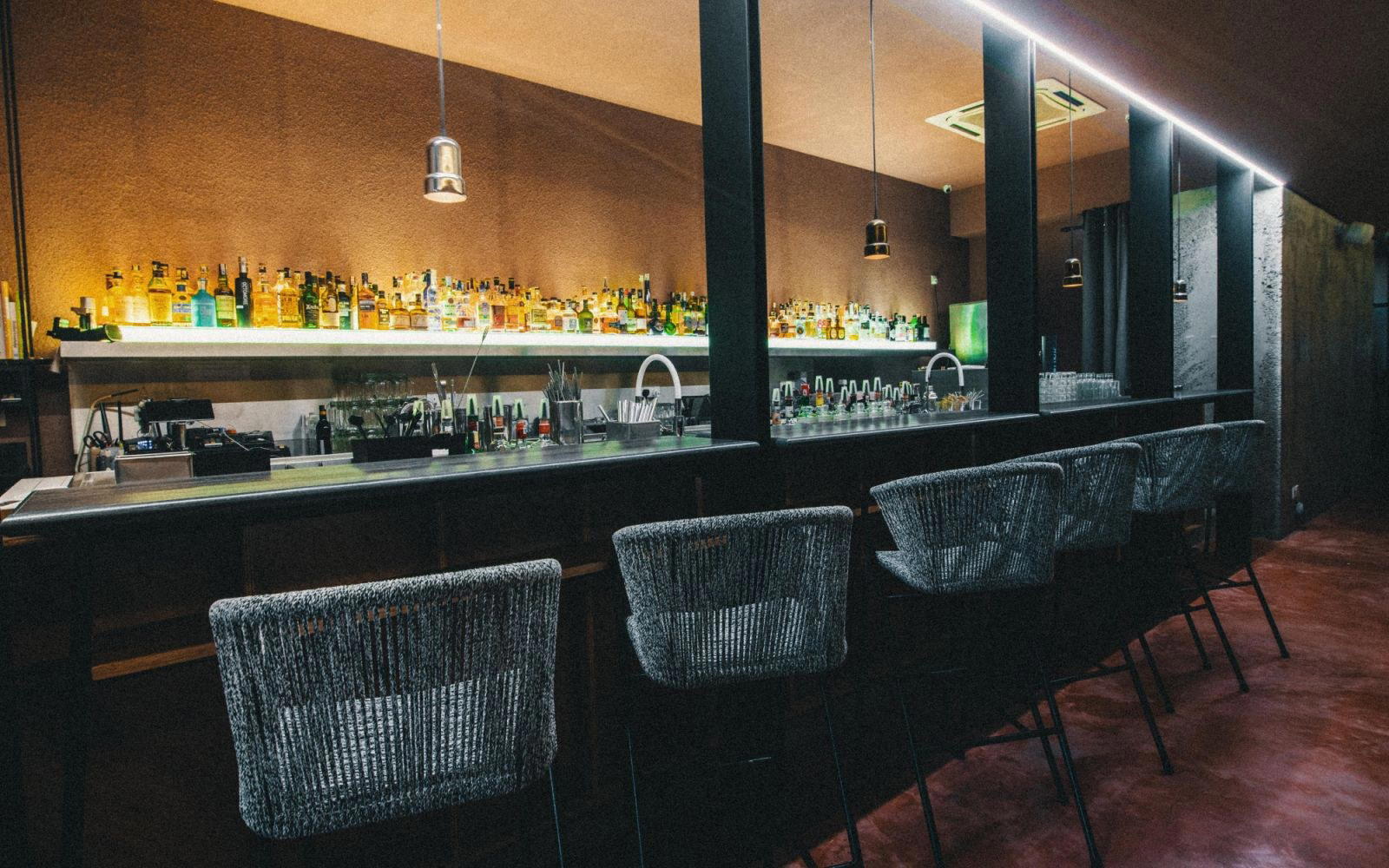
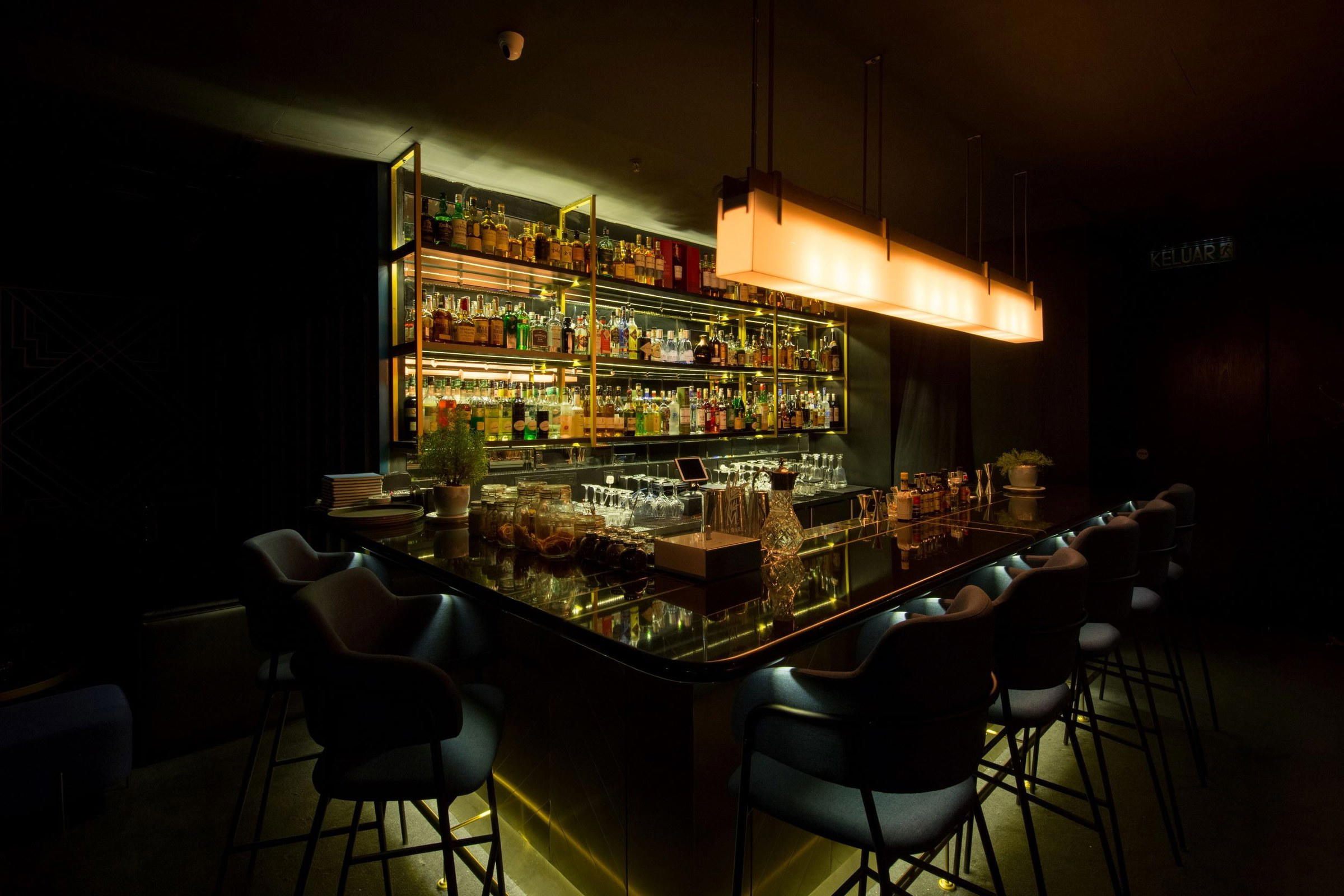
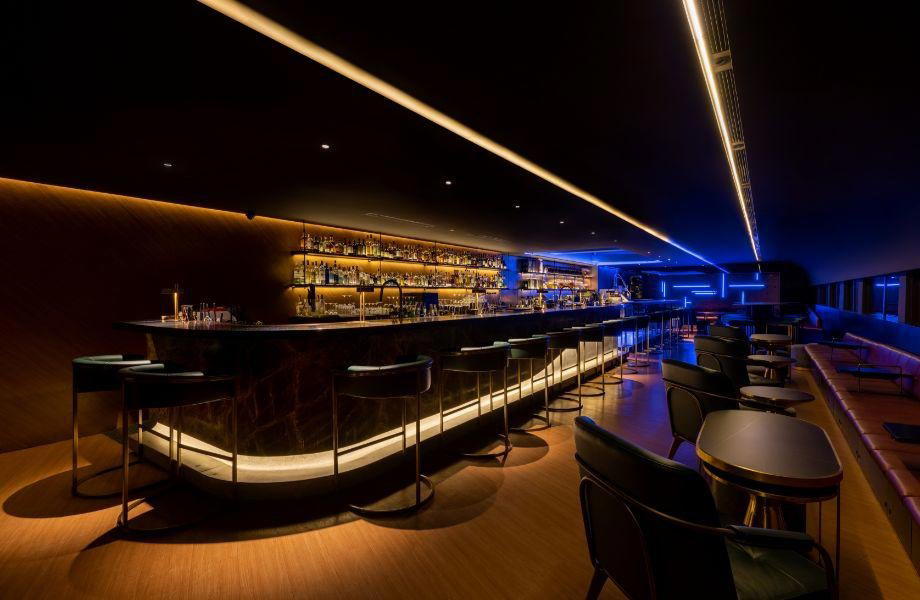
Well-designed, cozy air-conditioned food court environment with a bustling, lively atmosphere especially during weekday lunch hours when packed with office crowds.