Fook Heong Bak Kut Teh 福香肉骨茶
In the residential lanes of Cheras, Fook Heong Bak Kut Teh holds a quiet but firm place in Kuala Lumpur's bak kut teh circuit. The Klang-style pork bone broth tradition is the draw here, served in a neighbourhood setting far from the tourist trail. An address worth knowing for anyone serious about tracing KL's hawker heritage beyond the obvious stops.
Pearl is the En Primeur Club membership app — saves, bookings, and concierge access live there. Same editors, same standards.
- Address
- 83, Lorong 4/91, Taman Shamelin Perkasa, 56100 Cheras, Wilayah Persekutuan Kuala Lumpur, Malaysia
- Phone
- +60 10-360 2220
- Website
- facebook.com
- Directions
- Get directions
 Saves & bookings on Pearl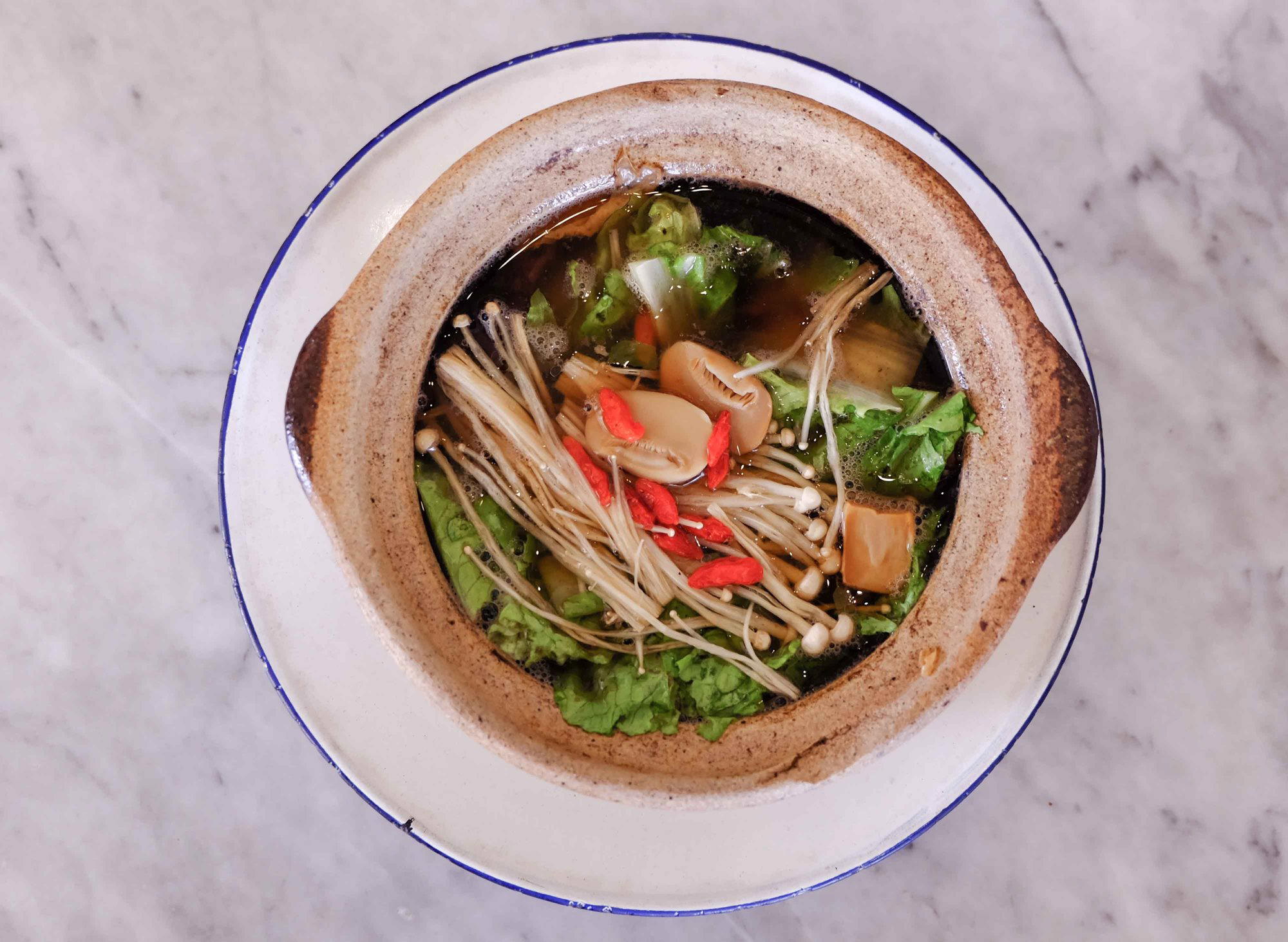
Finding Your Way to Lorong 4/91
Fook Heong Bak Kut Teh 福香肉骨茶 is a casual restaurant in Cheras serving Traditional Bak Kut Teh at about US$10 per person. Taman Shamelin Perkasa sits several kilometres southeast of KL's central food corridors, inside a warren of low-rise shophouses and terrace homes that most GPS devices treat as filler between arterial roads. Fook Heong Bak Kut Teh occupies a unit at 83, Lorong 4/91, and the address alone tells you something: this is a place built for regulars, not for foot traffic. There is no hotel concierge recommending it, and no website to consult before you go.
That logistical reality shapes the entire experience. Arriving in Cheras without a car is possible via the MRT (Chan Sow Lin station feeds into the area) but requires a ride-hailing top-up, and the side streets are not pedestrian-friendly by design. Grab remains the practical default for anyone without private transport, and building in directional flexibility matters more than usual given the address is not pinned across all map services with equal accuracy.
Where Fook Heong Sits in the Bak Kut Teh Tradition
Malaysia's bak kut teh scene divides along two broad lines: the Klang school, where pork ribs cook long in a dark, soy-heavy broth packed with garlic and spice, and the Teochew school more closely associated with Singapore, where the broth runs clear and peppery. Kuala Lumpur pulls from both traditions, and Cheras has historically leaned toward operators serving Klang-influenced preparations to the Cantonese-majority communities that settled the area across generations.
Fook Heong sits inside that local lineage. The dish format follows conventions familiar across dozens of Klang Valley operators: pork ribs and offcuts in a clay pot, accompanied by you tiao (fried dough sticks), steamed rice, and dark soy dipping sauce for the meat. What separates one bak kut teh table from another at this tier is almost always broth depth, the quality of the pork, and the restraint applied to MSG and salt. Those distinctions are earned through years of custom, not a single visit, and the regulars who return to Fook Heong weekly are one reliable indicator of where it lands on those variables.
For comparative framing: across Kuala Lumpur's food scene, the distance between a place like Fook Heong and the tasting-menu tier occupied by Dewakan (Malaysian) or DC. by Darren Chin (French Contemporary) is not just a price gap. It reflects two entirely different relationships between diner and dish: one mediated by ceremony and narration, the other by familiarity and repetition. Fook Heong belongs to the second category, where the leading thing you can bring is prior knowledge of what to order.
The Booking Reality
No reservations platform. Fook Heong operates on the walk-in model standard among Malaysian hawker-adjacent operators, where table turnover and early opening hours manage demand more naturally than advance booking. The practical consequence is that timing matters enormously. Bak kut teh in KL functions primarily as a breakfast and brunch dish, with most specialist operators drawing their crowds between 7am and noon. Arriving after that window at a well-regarded spot typically means either a wait or a sold-out broth.
This is not a model designed for the spontaneous late-morning arrival. Planning a visit to Fook Heong means committing to an early start, especially on weekends when Cheras residents treat the meal as a weekly ritual. The editorial recommendation is to treat the logistics seriously: confirm current hours before making the trip.
The contrast with the structured advance-booking experience required for KL's tasting-menu circuit, such as Beta (Malaysian) or Molina (Innovative), is sharp. Those rooms require weeks of forward planning. Fook Heong requires none, but rewards the visitor who arrives informed rather than assuming casual access will deliver the full experience.
Reading the Room
The physical environment at a Cheras shophouse bak kut teh spot follows a template: fluorescent lighting, tiled floors, folding tables, the ambient percussion of clay pots and ceramic spoons. This is a working-meal setting, not a place where the interior design carries editorial weight. The draw is the broth and the company of the regulars around you, which on a busy weekend morning means multi-generational family tables alongside solo tradespeople eating before the working week begins.
That social texture is part of what makes the hawker tier of KL dining worth documenting alongside the city's growing fine-dining circuit. Places like Ling Long (Innovative) represent one direction KL's food identity is moving. Fook Heong represents a different kind of continuity: a neighbourhood institution maintained by local demand rather than critical attention. Both matter to a full picture of the city.
Malaysia's breadth of hawker tradition extends well beyond KL. Auntie Gaik Lean's Old School Eatery in George Town operates in a similar register of neighbourhood authenticity, and Bismillah Cendol in Taiping demonstrates how far a single-dish specialist can travel on local reputation alone. The pattern across all three is the same: no awards citations, no booking infrastructure, and a customer base that self-selects for commitment.
Planning Your Visit
Getting to Taman Shamelin Perkasa from central KL takes roughly 20 to 30 minutes by car depending on traffic, with the Cheras-Kajang Expressway one direct route. Grab availability in the area is reliable. The address at Lorong 4/91 is navigable but worth loading into your map application before leaving cellular coverage areas. No phone contact is publicly confirmed, and there is no website, so verification of current trading status via Google Maps review activity or a local recommendation is advisable before the trip. No dress code applies; the setting is entirely casual. Pricing sits at about US$10 per person.
For anyone building a broader Kuala Lumpur food itinerary, the full Kuala Lumpur restaurants guide maps the city across tiers and cuisines. Those interested in the Malaysian fine-dining tier can also reference Lavo and Lavo Gallery in Petaling Jaya and Al-Sultan Restaurant in Shah Alam for context on the broader Klang Valley dining circuit. Further afield, The Dining Room at The Datai Langkawi represents a completely different register of Malaysian hospitality, and Christoph's in Penang is worth noting for those extending travel northward.
Comparable Venues
Comparable venues nearby, for context on price, style, and recognition.
| Venue | Cuisine | Price | Notes |
|---|---|---|---|
| Fook Heong Bak Kut Teh 福香肉骨茶This venue — the venue you are viewing | Traditional Bak Kut Teh | $$ | Not listed |
| Souper Tang 汤师父 | Chinese Herbal Soup | $$ | Mid Valley |
| Kim Soya | Traditional Chinese Soya Bean Speciality | $ | Chinatown |
| Malaysia Boleh | Malaysian Chinese Hawker Street Food | $ | Golden Triangle / KLCC |
| Wong Ah Wah Restaurant | Jalan Alor | Chinese Street BBQ | $ | Bukit Bintang |
| Din Tai Fung (Din Tai Fung (鼎泰豐)) | Taiwanese Dim Sum | $$ | Bukit Bintang |
Continue exploring
More in Kuala Lumpur
Restaurants in Kuala Lumpur
Browse all →
Bars in Kuala Lumpur
Browse all →

At a Glance
- Classic
- Casual Hangout
- Family
Current opening hours
- Monday
- Closed
- Tuesday
- 11 AM–10 PM
- Wednesday
- 11 AM–10 PM
- Thursday
- 11 AM–10 PM
- Friday
- 11 AM–10 PM
- Saturday
- 11 AM–10 PM
- Sunday
- 11 AM–10 PM
Hours can change for holidays and private events. Last verified .
Casual dining atmosphere suitable for rainy days and hot soupy meals.