Three hawker addresses in Penang's Air Itam township that collectively define the neighbourhood's street food identity: a tamarind-sour asam laksa, char koay teow with wok hei to spare, and a Hokkien mee built on a dark prawn shell broth. Together they form a working itinerary for anyone serious about tracing Penang's Hokkien and Nyonya food traditions back to source.

Pearl is the En Primeur Club membership app — saves, bookings, and concierge access live there. Same editors, same standards.
Air Itam and the Grammar of Penang Hawker Food
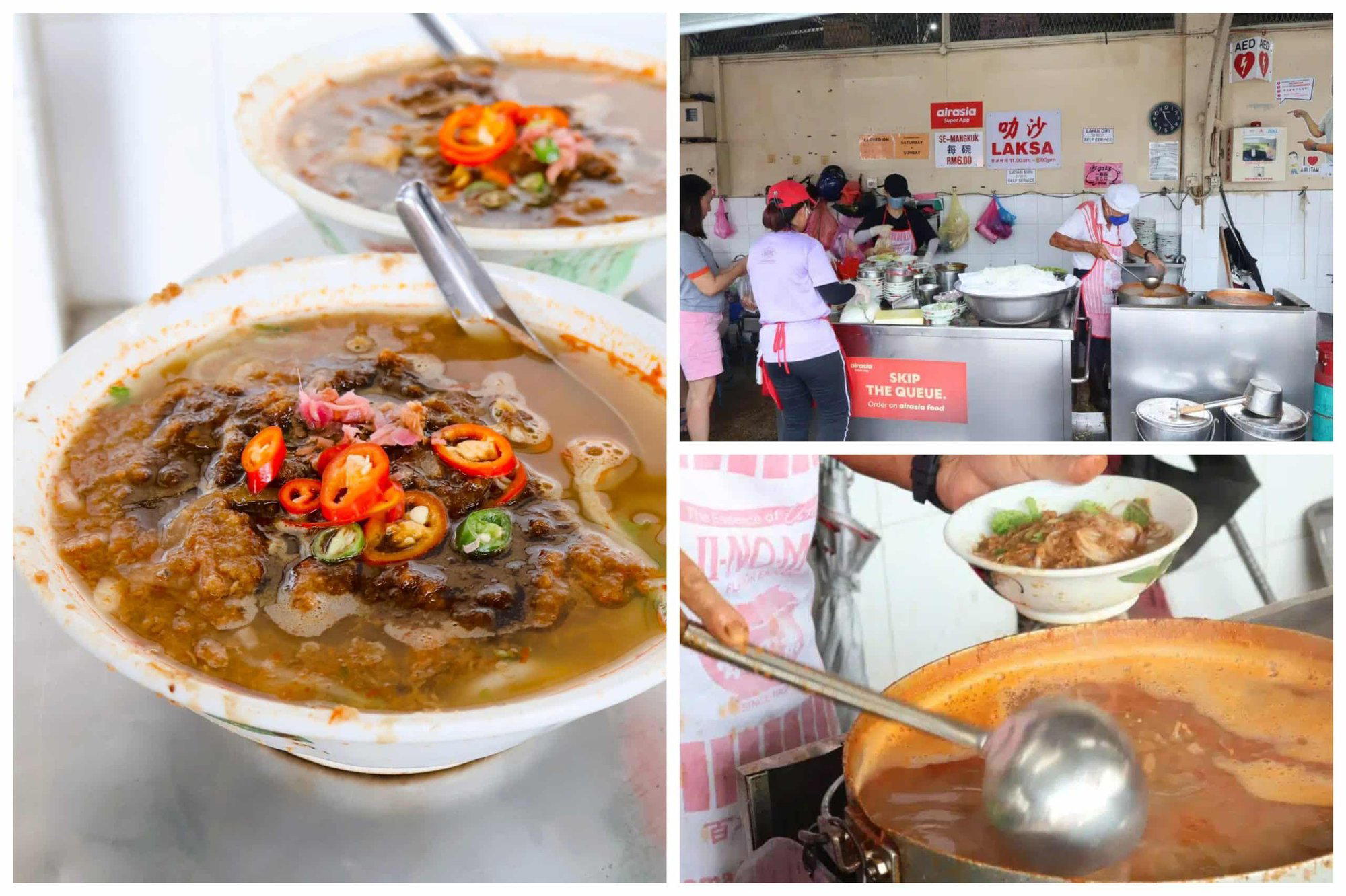
The road into Air Itam township climbs gently away from George Town's heritage grid, and by the time the market comes into view the air already carries something different: the acidic, fermented-shrimp pungency of shrimp paste and the faint char of a wok running at full heat. This is where Penang's most discussed hawker dishes are not presented as attractions but consumed as routine, by market stallholders on a breakfast break, by school-run parents, by retirees who have been eating at the same table for decades. The three addresses named here, Air Itam Asam Laksa, Chong Char Koay Teow, and 888 Hokkien Mee, sit inside that everyday architecture, and that is exactly what gives them weight.
Penang's hawker culture is routinely framed around the question of authenticity, but a more useful frame is sourcing. The dishes that have endured in this township have done so partly because the ingredient chains feeding them remain shorter and more local than those supplying the tourist-facing stalls along Gurney Drive or Lebuh Armenian. That proximity to source shapes flavour in ways that are specific and traceable, not abstract.
Asam Laksa: What the Broth Is Actually Made Of
Penang asam laksa occupies a different category from the coconut-milk laksas of Johor or Singapore. The broth is built on mackerel, typically ikan kembung or ikan parang, simmered with tamarind pulp, torch ginger flower, lemongrass, and daun kesum (Vietnamese coriander). No coconut milk enters the equation. The result is a broth that is sour, herbaceous, and faintly oceanic, coloured dark by the tamarind and finished at the table with a spoonful of petis udang, the thick prawn paste that provides the fermented counterpoint the soup requires.
The Air Itam asam laksa stall operates within this tradition at a level that draws visitors from across the island specifically to compare it against the better-publicised stall at the Ayer Itam market and the versions served in George Town coffee shops. The sourcing logic here is direct: fish comes from wet market suppliers in the surrounding township, torch ginger flower from the gardens and small farms that still ring the hillside district, and the petis udang from producers whose paste has the correct density and salinity rather than the blander commercial versions that have crept into many stalls. The thick rice noodles, fresh, not dried, carry the broth rather than diluting it, which is the structural test that separates competent versions from the ones worth returning to. For a comparative read on how Nyonya cooking traditions intersect with hawker-level sourcing elsewhere in George Town, Auntie Gaik Lean's Old School Eatery in George Town provides a useful reference point at a different register.
Char Koay Teow: The Wok as the Primary Ingredient
If asam laksa is about the broth's ingredient chain, char koay teow is about heat management. The flat rice noodles, koay teow, are fried in lard over charcoal or high-output gas at temperatures that most domestic kitchens cannot replicate, and the flavour compound that results, what Cantonese cooking calls wok hei, is not a technique so much as a chemical event: the Maillard reaction running at the edge of what the noodle can survive without becoming carbon.
Chong Char Koay Teow operates in the Penang-Chinese tradition of the dish, which means dark soy, egg, bean sprouts, cockles, and Chinese sausage, with the cockles added at the last moment so they carry some residual brine into the finished plate. This version is fried to order in single-portion quantities, which is the only way to preserve the wok temperature required. Penang's version of the dish is distinguished from its Kuala Lumpur or Singapore counterparts by the cockle inclusion and the lard base, both of which have become harder to maintain as health regulations and supply chains shift. The stall represents a format under demographic pressure, the generation running these woks at this skill level is thinning, which gives the visit a temporal specificity that guidebook framing tends to miss. For those exploring the broader Malaysian Chinese dining tradition at a restaurant level, CRC Restaurant in Georgetown offers a different vantage on the same culinary inheritance.
888 Hokkien Mee: The Prawn Shell Broth Argument
Penang Hokkien mee, not to be confused with the stir-fried Hokkien mee of Kuala Lumpur, is a soup dish built on a broth made by roasting prawn shells and heads until they caramelise, then simmering them for several hours. The result is a broth that is deep amber, sweet from the crustacean sugars, and savoury from the pork bone secondary stock that is typically blended in. Served over yellow noodles and thin rice vermicelli with sliced pork, prawns, kangkung, and a sambal that each diner adjusts to their own tolerance, it is a dish where the broth-to-noodle ratio is the central editorial decision.
888 Hokkien Mee has a local reputation anchored in the broth's depth, which comes from the sourcing and reduction time applied to the prawn shell base. The prawns used in the final dish and those roasted for the stock come from the same supply chain, this matters because the freshness of the shells affects the flavour of the broth more directly than most diners realise. Stale shells produce a flat, faintly fishy stock; fresh shells caramelise into something genuinely complex. This is the sourcing detail that separates the Penang Hokkien mee worth seeking out from the serviceable versions available island-wide.
The dish also illustrates a broader pattern in Penang's hawker economy: the dishes with the longest ingredient preparation times, stocks that start before dawn, noodles that are ordered fresh rather than bought dried, are concentrated in neighbourhood markets rather than tourist corridors, because the economics of high footfall do not reward the labour. Air Itam functions as one of those concentration points. For a fuller map of Penang's dining register, from hawker to contemporary, our full Penang restaurants guide covers the range. Those interested in how Malaysian Chinese cooking has been reframed at a fine-dining level elsewhere in the country will find Dewakan in Kuala Lumpur a useful comparative read.
Planning a Visit to Air Itam
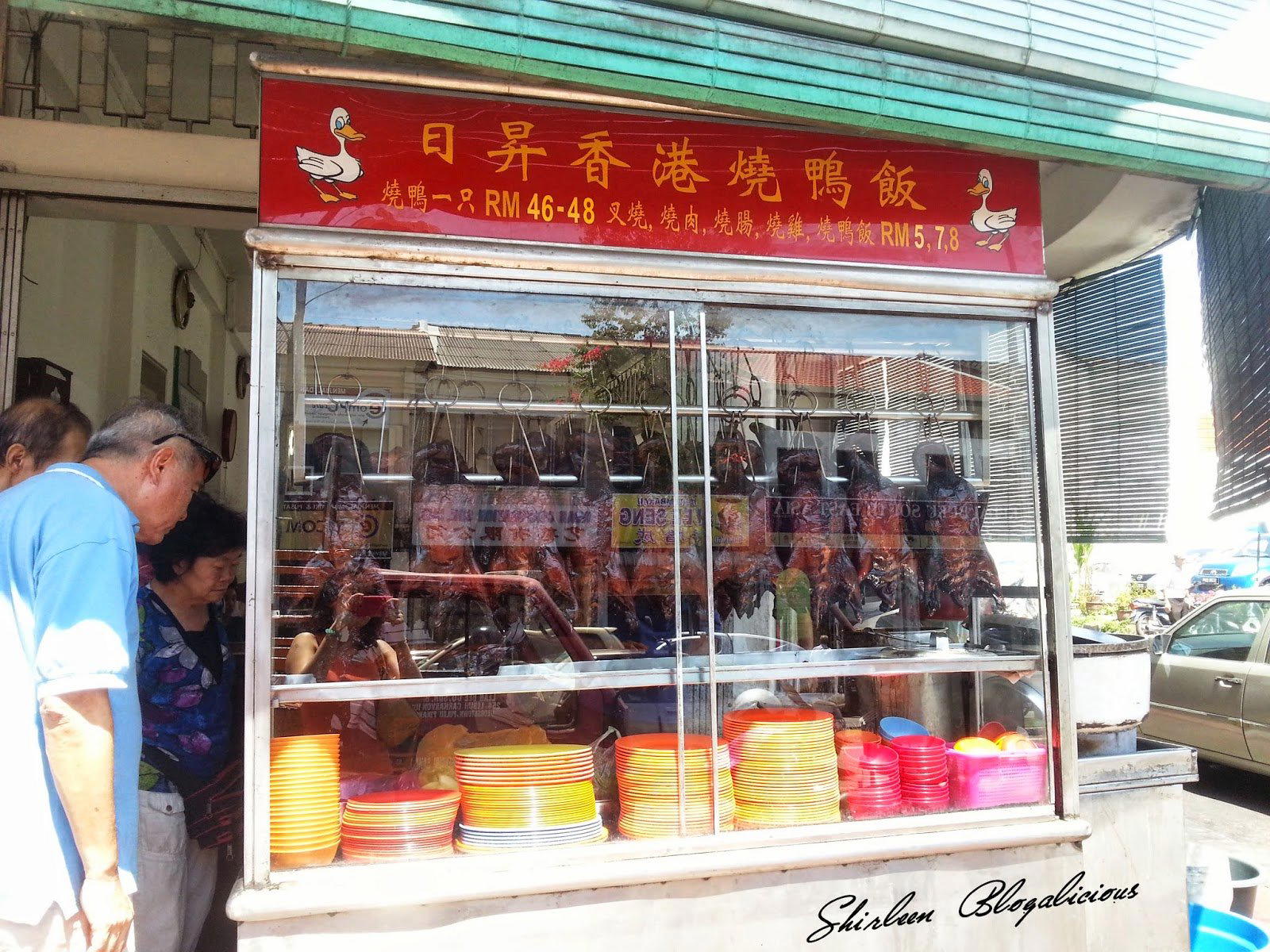
All three stalls operate on hawker hours, which means early morning through to early afternoon, with some running a second service in the evening. The market area around Jalan Air Itam and the surrounding lanes is walkable once you are there, and the practical approach is to arrive before 10am on a weekday, when queues are shorter and the ingredients, particularly the cockles at Chong Char Koay Teow and the morning's prawn allocation at 888, have not yet run out. Cash is standard. Seating is communal and turnover is rapid. No booking exists or is required. The combined spend across all three dishes sits well inside what a single main course costs at the George Town restaurants on the opposite end of Penang's dining register, such as La Vie or Christoph's. For those building a wider morning itinerary in George Town, Ka Bee Cafe and Laksa Mamu and Jit Seng Roasted Duck Rice extend the hawker survey into a full half-day without leaving the Chinese-heritage food traditions that define the island's culinary reputation. For something entirely different in the afternoon, ChinaHouse provides a shift in register without leaving George Town.
Comparison Snapshot
Comparable venues nearby, for context on price, style, and recognition.
| Venue | Cuisine | Price | Notes |
|---|---|---|---|
| Air Itam Asam Laksa, Chong Char Koay Teow, and 888 Hokkien MeeThis venue — the venue you are viewing | Traditional Penang Hokkien Noodles & Asam Laksa | $ | Not listed |
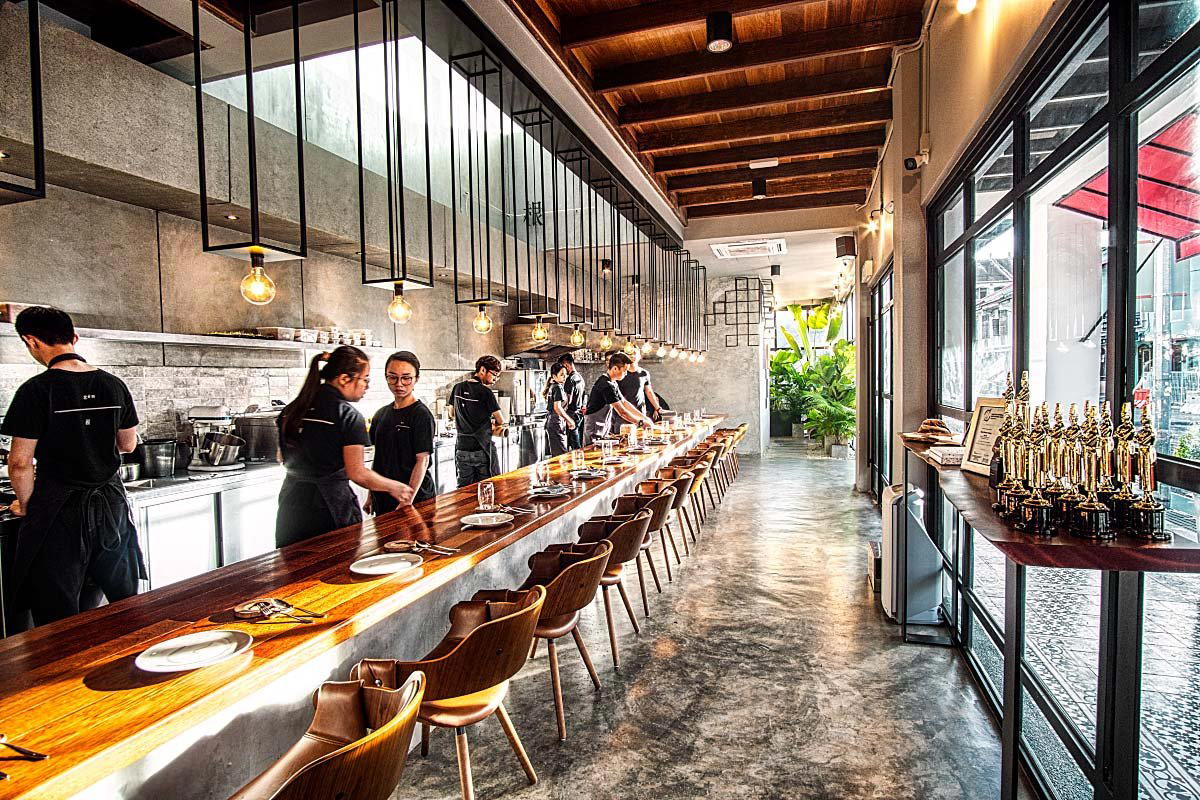
| Woong Kee Beancurd and Tong Sui Po | Traditional Chinese Beancurd Desserts | $ | Penang |
| Jit Seng Roasted Duck Rice | Peking Roast Duck Rice | $ | George Town |
| Loong Fong Cafe | Pork-Free Traditional Penang Cafe | $ | George Town |
| OO White Coffee, Tiger Char Kway Teow, Gow Thew Chik Hainana Chicken Rice | Traditional Penang Kopitiam Breakfast | $ | George Town |
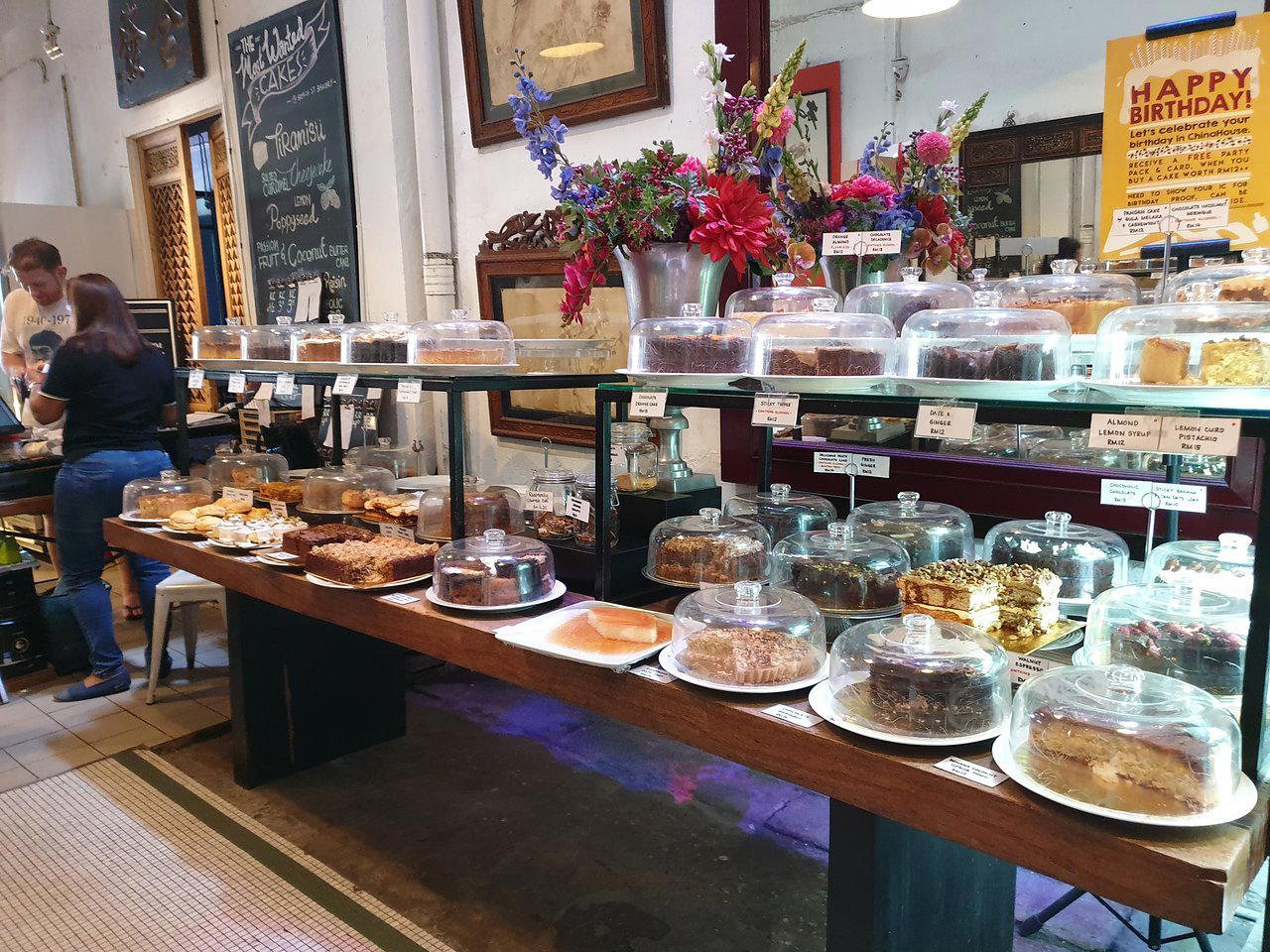
| ChinaHouse | Trendy Fusion Cafe & Bakery | $$ | George Town |
At a Glance
- Well Known
- Lively
- Rustic
- Casual Hangout
- Family
- Solo
- Group Dining
- Late Night
- Standalone
- Local Sourcing
- Street Scene
Casual hawker-stall atmosphere centered on distinctive Penang street-food specialties: sour-tamarind asam laksa, wok-hei char koay teow, and rich prawn-broth Hokkien mee.