CRC Restaurant (CRC Restaurant (美麗華魚翅海鮮酒家))
CRC Restaurant, operating as 美麗華魚翅海鮮酒家 and located within the North Malaya Cheah Clan Association building in Georgetown, represents a category of Chinese seafood dining that ties its identity to clan hall heritage and traditional ingredient traditions. Shark's fin and fresh seafood remain the anchors of the menu, placing it in a specific tier of Penang Chinese fine dining with deep roots in the Straits Chinese community.
Pearl is the En Primeur Club membership app — saves, bookings, and concierge access live there. Same editors, same standards.
- Address
- North Malaya Cheah Si Chong Soo (北馬謝氏宗祠), 10050 Georgetown, Pulau Pinang
- Directions
- Get directions
 Saves & bookings on Pearl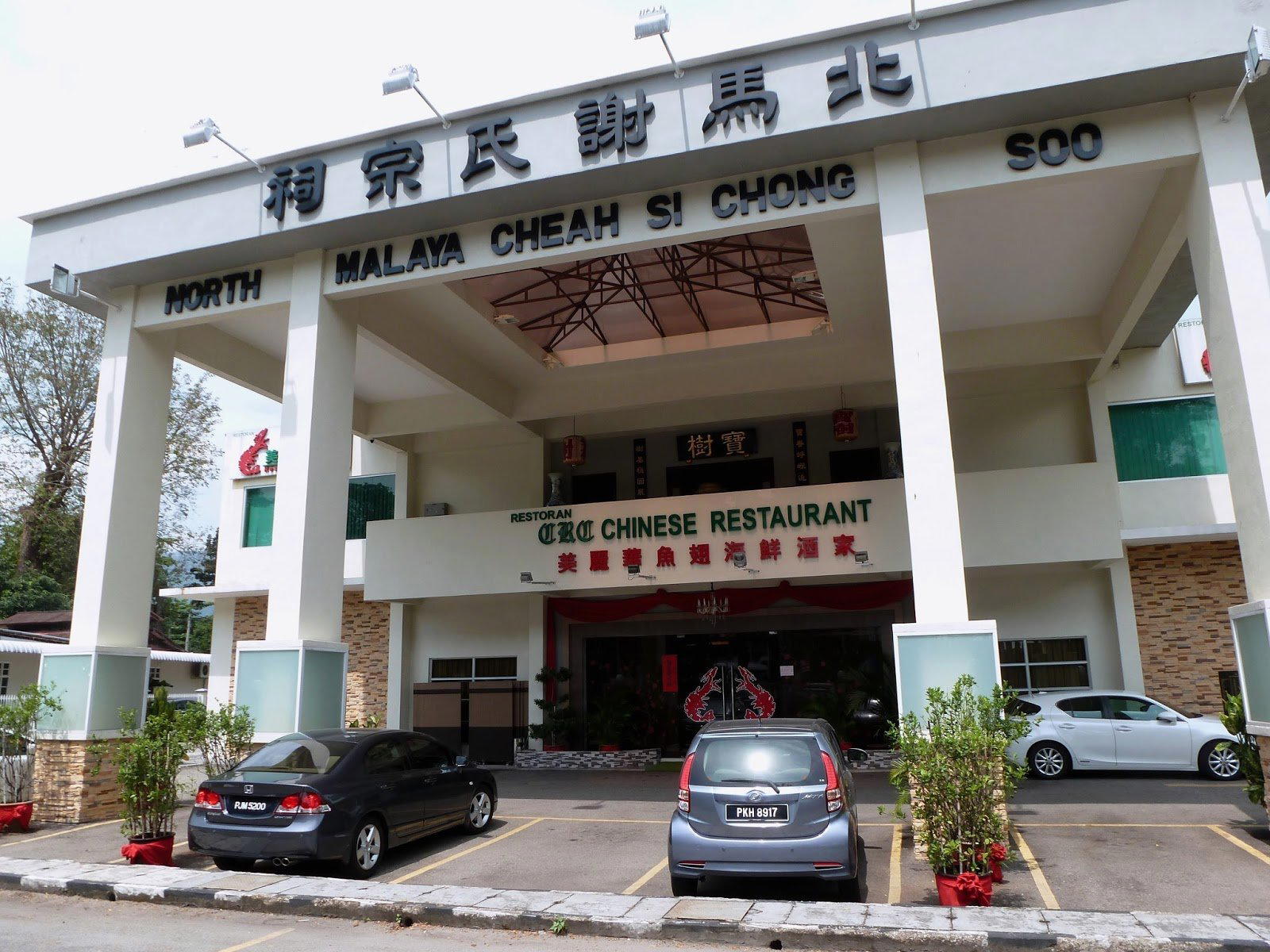
A Clan Hall Address in Georgetown's Chinese Seafood Tradition
Georgetown's Chinese seafood dining operates across several distinct registers. At one end sit the open-air hawker stalls and coffee shops that define the city's international reputation; at the other, a smaller and less-discussed tier of formal Cantonese and Hokkien seafood houses that serve live tank ingredients, multi-course banquet formats, and, in some cases, traditional luxury items whose place on contemporary menus has become increasingly contested. CRC Restaurant, known in Chinese as 美麗華魚翅海鮮酒家, occupies the latter category and does so from an address that adds a layer of historical weight: the premises of the North Malaya Cheah Si Chong Soo, the Cheah clan ancestral hall in the Georgetown heritage core.
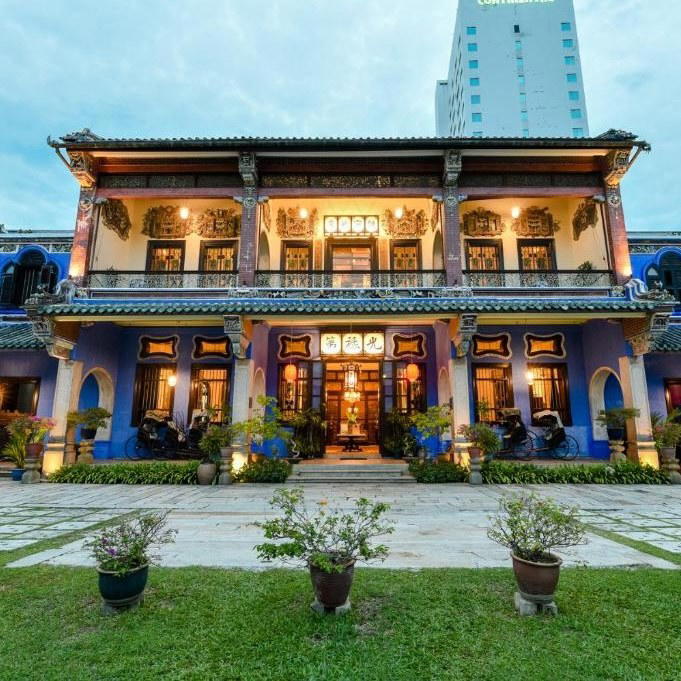
Clan association buildings have long served dual purposes in Penang's Straits Chinese community, as places of ancestral veneration and as social gathering spaces that naturally extended into formal dining. The Cheah hall on this stretch of Georgetown's conservation zone is consistent with that pattern. Dining within a functioning clan hall positions CRC in a specific cultural context that no standalone restaurant building can replicate: the setting is institutional rather than commercial, which shapes everything from the spatial scale of the dining rooms to the expectation of the clientele.
Ingredient Sourcing as Identity
The restaurant's full name, 美麗華魚翅海鮮酒家, is a direct statement of sourcing priorities. 魚翅 (shark's fin) and 海鮮 (fresh seafood) are the twin anchors that define this category of Chinese restaurant, and both carry procurement stories that matter to the dining proposition. Shark's fin has been the subject of well-documented conservation pressure globally, and its continued presence on menus of this type reflects a tension that Penang's traditional Cantonese and Hokkien banquet houses have navigated differently over the past decade. Some have quietly removed it; others have retained it as a signal of traditional banquet completeness for a clientele that views the dish as inseparable from formal occasion dining.
The seafood side of the equation connects to a sourcing geography that has defined Georgetown's Chinese seafood houses for generations. Penang sits at the northern end of the Strait of Malacca, and the variety of marine produce available through the state's fishing industry and regional wholesale markets gives restaurants in this category access to live and day-boat fish, crustaceans, and cephalopods that simply do not exist at this quality in landlocked dining contexts. The argument for eating in a place like this is partly the cooking tradition and partly the proximity to source: a live mud crab or grouper purchased from Penang's wholesale markets reaches the table on a timeline that most international seafood cities cannot match. For visitors comparing Georgetown's seafood offer to, say, the technically polished but geographically remote sourcing model at Blue by Eric Ripert (French), the contrast in supply-chain distance is considerable.
Where CRC Sits in Georgetown's Dining Hierarchy
Georgetown's formal dining tier is a smaller and more varied field than the city's hawker reputation suggests. The city has attracted international attention and serious culinary investment, and the competition set now includes addresses ranging from long-established colonial-era dining rooms such as Grand Old House to newer concepts like Aagman and casual seafood specialists like Five Islands Lobster Co. CRC operates in a different register from all of these: its comparable set is not the contemporary dining scene but rather the shrinking tier of traditional Chinese seafood banquet houses that serve extended family gatherings, wedding dinners, and business banquets in a format that has changed relatively little since the 1980s.
That format carries specific implications for the solo or couple traveller. Banquet-oriented Chinese seafood restaurants in Penang are calibrated for tables of eight to twelve, with dishes designed for sharing across a large group. Minimum spend thresholds for private rooms and the portion logic of the menu both favour larger parties. Visiting as a pair is possible but requires some navigation of the ordering structure. This is broadly true across Auntie Gaik Lean's Old School Eatery in George Town and similar heritage-format venues in the city: the dining architecture is social and communal by design.
The Broader Malaysian Seafood Context
Understanding CRC requires locating it within Malaysia's wider Chinese seafood tradition, which extends well beyond Penang. Kuala Lumpur's contemporary dining scene, represented by addresses like Dewakan in Kuala Lumpur, has moved decisively toward modern Malaysian cooking with indigenous ingredient sourcing. Langkawi's luxury resort dining, as practised at The Dining Room at The Datai Langkawi in Langkawi, pursues a different premium entirely. CRC represents neither of these directions. It is the continuation of a specific Straits Chinese banquet tradition that treats elaborate multi-course seafood service as a form of social ritual, where the meal is a vehicle for family gathering rather than individual gastronomic exploration.
Within Penang specifically, the survival of this format is worth noting because the economics are difficult. Operating a live seafood kitchen with high-turnover tanks, handling premium ingredients with the care that traditional preparation demands, and maintaining a venue appropriate for formal occasions requires significant fixed costs. The clan hall setting here partially addresses the real estate component, which may be one reason CRC has maintained its presence in a part of Georgetown where commercial rents in the heritage conservation zone have risen substantially over the past decade. For comparison, newer concepts like Fireside Grill n Chill operate under entirely different cost structures and dining formats.
Planning a Visit
The address at the North Malaya Cheah Si Chong Soo places the restaurant within Georgetown's core heritage zone. The practical recommendation is to plan ahead for lunch or dinner service, especially on weekends and during Chinese festival periods when banquet demand peaks. Larger party bookings, which represent the format this kitchen is designed around, will generally require advance arrangement.
Comparable Spots, Quickly
Comparable venues nearby, for context on price, style, and recognition.
| Venue | Cuisine | Price | Awards | Notes |
|---|---|---|---|---|
| CRC Restaurant (CRC Restaurant (美麗華魚翅海鮮酒家))This venue — the venue you are viewing | Cantonese Seafood | $$ | Not listed | Not listed |
| Penang Air Itam Laksa | Penang Asam Laksa | $ | Not listed | Air Itam |
| Loh Kei Duck Meat Koay Teow Th'ng (羅記鴨肉粿條湯) | Duck Meat Koay Teow Th'ng | $ | Not listed | Georgetown |
| Jit Seng Hong Kong Roasted Duck Rice | Hong Kong Roasted Duck Rice | $$ | Michelin Plate | George Town |
| Ka Bee Cafe 佳味餐室 | Chinese Seafood Noodles | $$ | Not listed | George Town |
| Bee Hwa Cafe | Halal Chinese Malaysian Noodles | $ | Bib Gourmand | George Town |
Continue exploring
More in George Town
Restaurants in George Town
Browse all →
Bars in George Town
Browse all →
At a Glance
- Classic
- Family
- Group Dining
- Celebration
- Private Dining
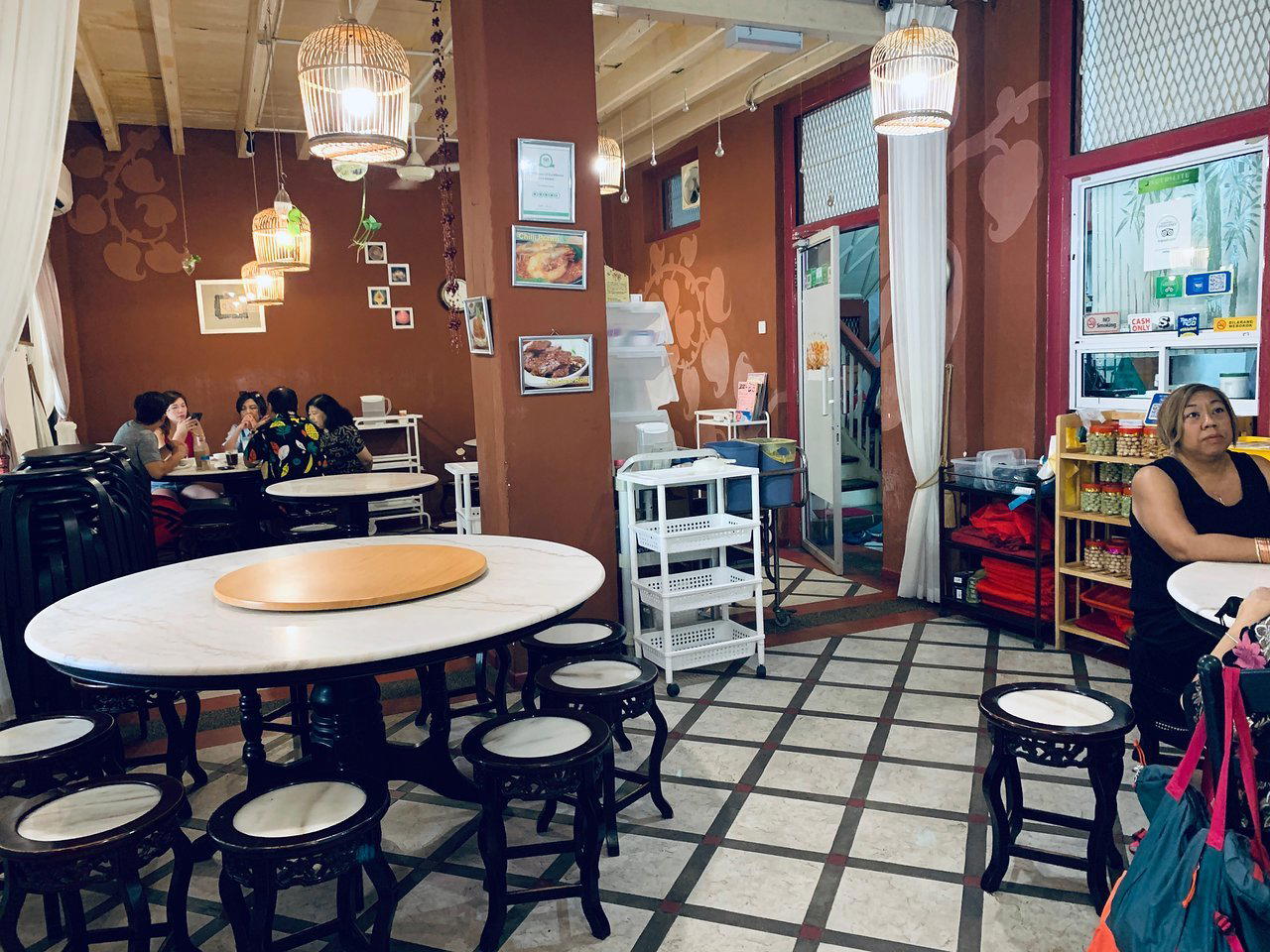
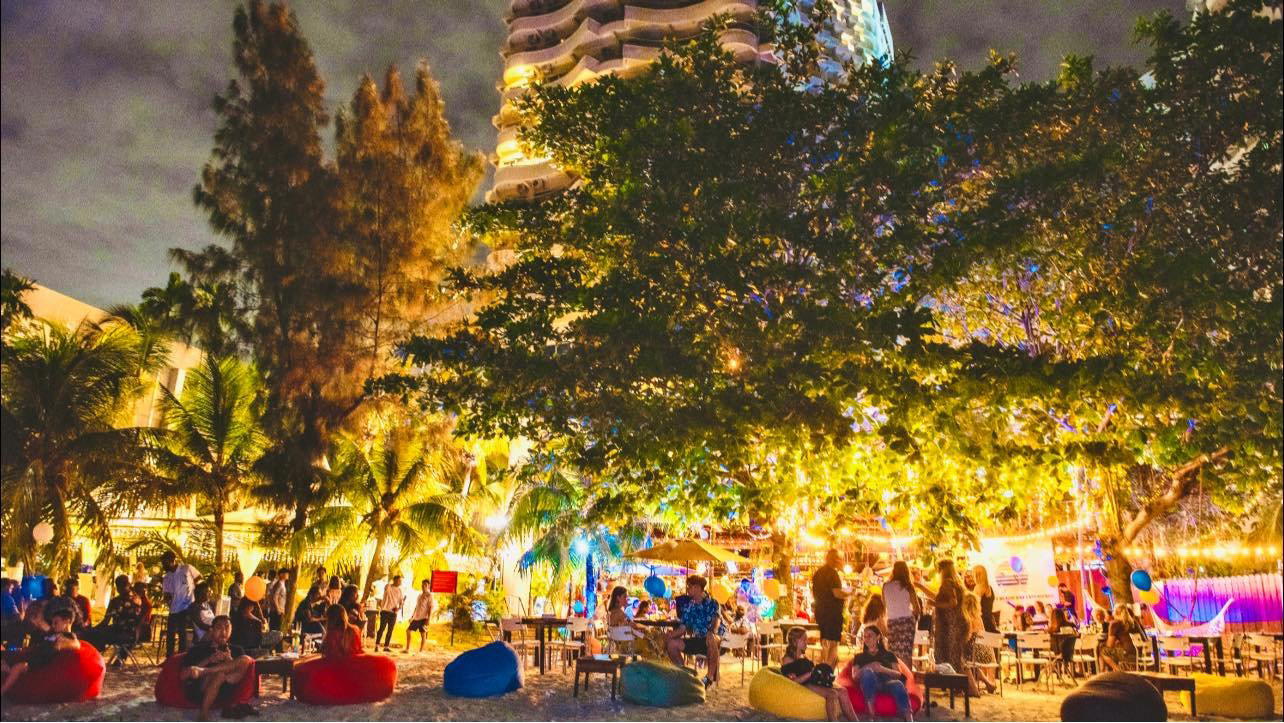
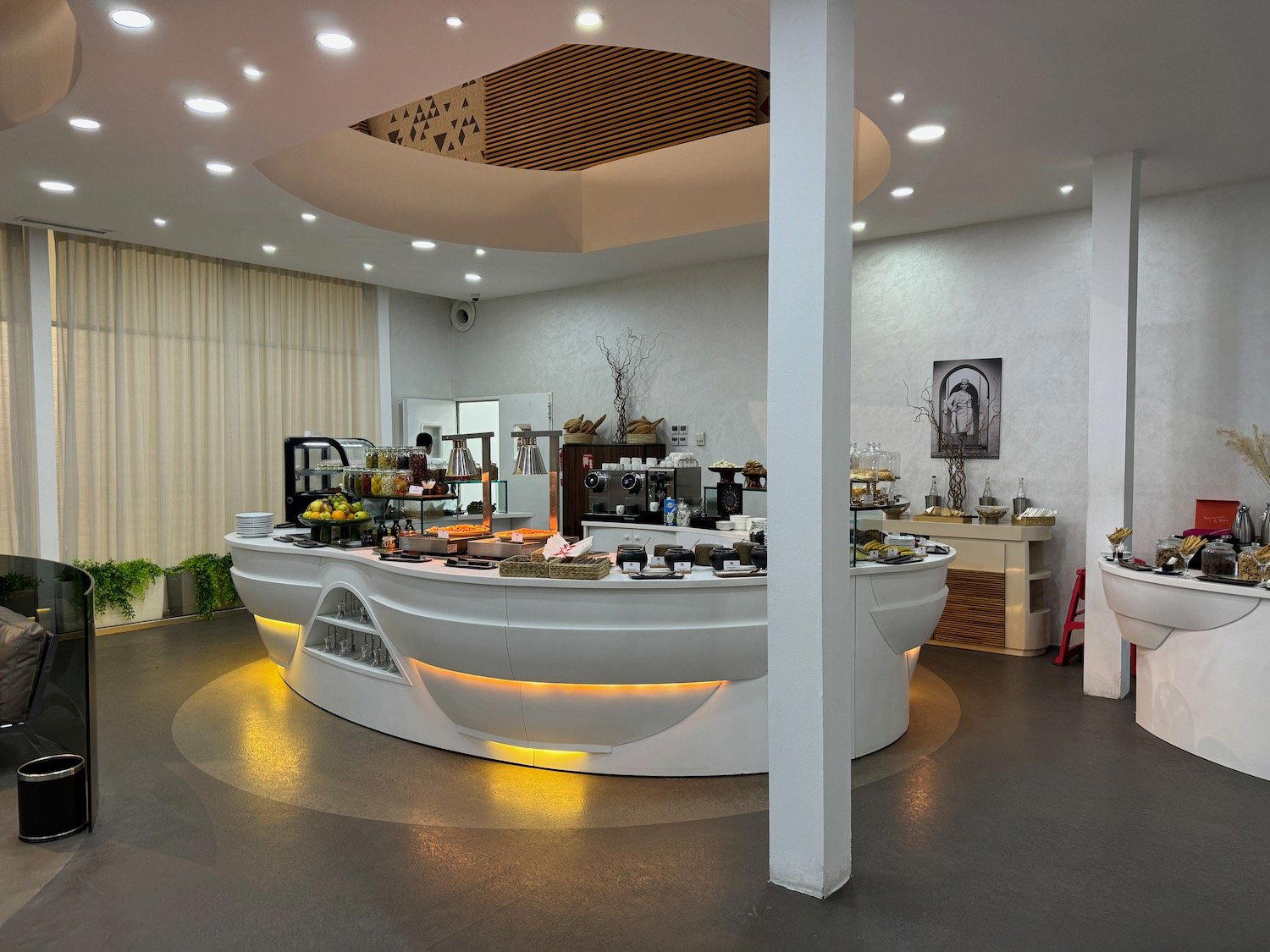
Classic, comfortable atmosphere suitable for family gatherings with a casual club-like setting.