Soo Kee
Soo Kee sits inside Kuala Lumpur's long tradition of Chinese kopitiam cooking, where generations of hawker culture have shaped the city's identity at the table. The restaurant draws on that lineage with the kind of unpretentious directness that defines Malaysian Chinese dining at its most grounded. For readers tracing the city's food culture from street-level origins upward, it belongs on the itinerary.

Pearl is the En Primeur Club membership app — saves, bookings, and concierge access live there. Same editors, same standards.
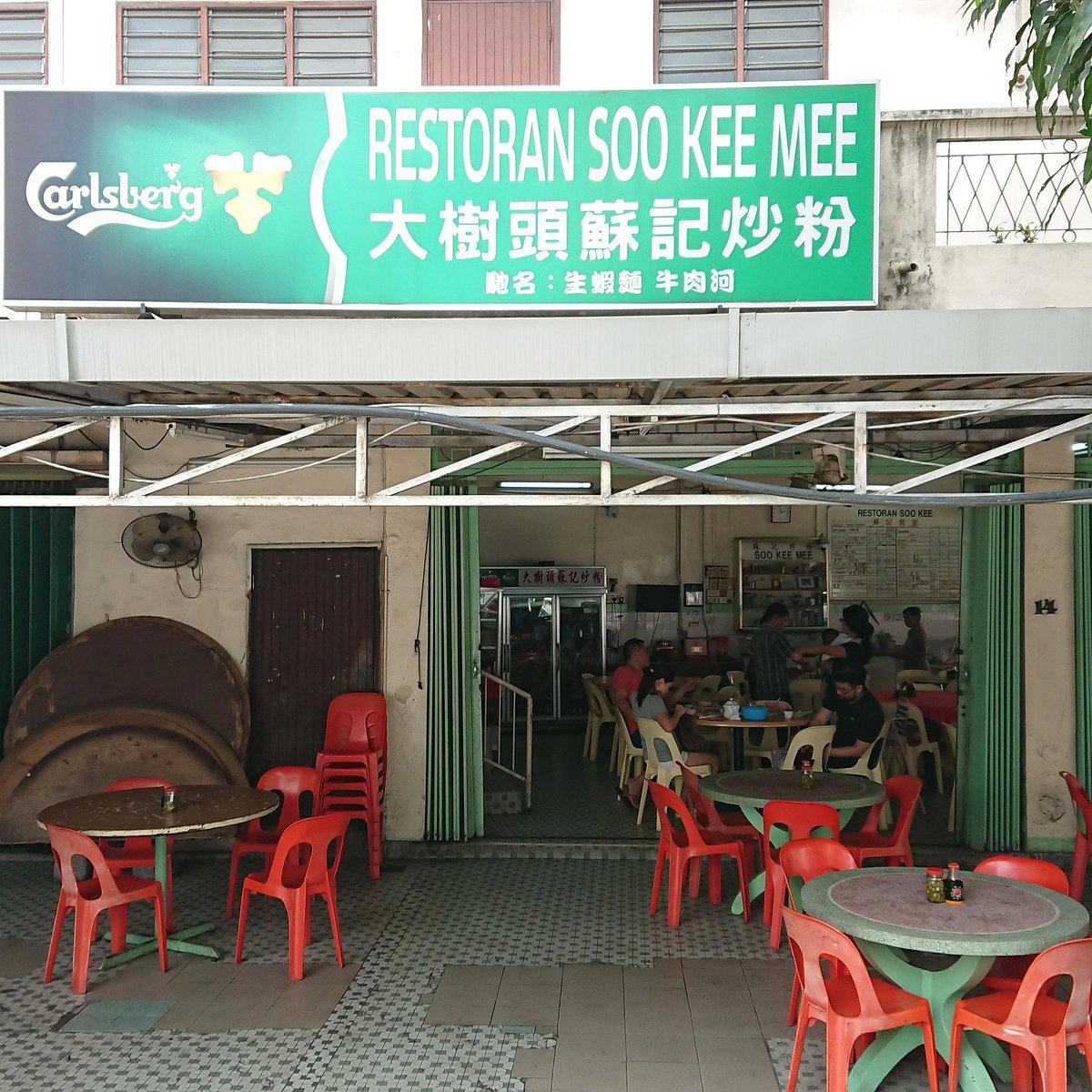
Where Kopitiam Culture Meets the Kuala Lumpur Table
Kuala Lumpur's Chinese dining tradition does not begin in hotel ballrooms or tasting-menu restaurants. It begins in the kind of room where ceiling fans run at full speed, where orders are taken fast and food arrives faster, and where the cooking carries the accumulated weight of generations rather than the signature of a single chef. Soo Kee occupies that register of the city's food culture, grounded in Classic Cantonese cooking and built for casual, walk-in dining.
Understanding what a place like Soo Kee represents requires some context on how Malaysian Chinese food culture is structured. The community traces its cooking roots primarily to southern Chinese provinces: Cantonese, Hokkien, Hakka, and Teochew traditions all arrived with successive waves of migration and gradually hybridised with local ingredients and neighbouring culinary influences. The result is a food culture that is simultaneously regional Chinese and distinctly Malaysian, producing dishes that exist nowhere else in quite the same form. Bak kut teh, char koay teow, wonton noodles, and claypot rice are not merely dishes here; they are cultural documents, each carrying the specific history of a community that built a new culinary language from the materials it had available.
The Hawker Lineage Behind the Cooking
Kuala Lumpur's Chinese kopitiam and hawker tradition operates on a logic entirely different from the tasting-menu circuit. At the upper end of the city's restaurant spectrum, venues like Dewakan and Beta are engaged in a formal reconsideration of Malaysian ingredients and technique, while DC. by Darren Chin, Molina, and Ling Long bring international frameworks to the city's dining conversation. Soo Kee belongs to a different and older lineage, one that has no interest in that conversation and does not need to be part of it.
The value of this tier of eating in Kuala Lumpur is that it preserves technique and flavour profiles that are genuinely difficult to reconstruct at higher price points. The broth-based cooking, the wok hei that requires specific equipment and years of repetition, the precise calibration of sweetness and salt that defines a good char siu, these are not things that can be approximated by ambition alone. They require accumulated practice and, often, a clientele that will immediately notice when something is wrong. The regulars keep standards honest.
For parallel examples of this philosophy elsewhere in Malaysia, the same principle holds at Auntie Gaik Lean's Old School Eatery in George Town, where Peranakan cooking is preserved in a similarly untheatrical format. In Penang, the hawker culture documented at venues including Air Itam Asam Laksa, Chong Char Koay Teow, and 888 Hokkien Mee operates on the same logic of daily repetition as the foundation of quality. Across Malaysia, from Jia Yi Dao Vegetarian Restaurant in Taiping to the bak kut teh houses of Borneo, including Da De Bah Kut Teh, the pattern repeats: community-rooted cooking, high volume, and institutional memory as quality assurance.
Reading the Room: What Chinese Malaysian Dining Actually Looks Like
The physical environment of Chinese Malaysian kopitiam and casual dining operates by conventions that reward a little advance knowledge. These are not rooms designed for extended stays or elaborate ritual. The transaction is clear on both sides: the kitchen produces food that has been refined over years, and the diner receives it efficiently and at a price point that assumes return visits rather than singular occasion spending. Compare this to the extended omakase logic of something like Atomix in New York City or the elaborate tasting formats at Le Bernardin, and the contrast illuminates not a hierarchy but a fundamentally different theory of what a meal is for.
In the broader Malaysian context, this also means navigating a food culture where geography matters more than prestige tiers. A great seafood preparation in a waterfront town in Sabah and a claypot chicken rice in a KL shophouse are both operating at the outer limits of their respective forms, even if neither will appear in a glossy hotel guide. The CRC Restaurant in Georgetown and the Haidilao Huo Guo in Malacca represent other nodes in this distributed, non-hierarchical eating culture.
Planning Your Visit
The restaurant sits within Kuala Lumpur's established Chinese dining zones, where shophouse rows and old-school eateries continue to operate at the pace they always have. The restaurant is walk-in friendly, though peak hours and weekend visits can mean waits at the door. Arriving slightly before or after the main lunch and dinner rushes typically resolves that without any planning complexity.
Those interested in the regional Malaysian picture can also trace the tradition through stops at venues including India Gate Restaurant in Klang, Kopi Ping Cafe in Tuaran, and DIN by Din Tai Fung in Sepang, each representing a different register of Malaysian eating. Haidilao Hot Pot in Perai rounds out the picture for those interested in the chain-format end of the Chinese dining spectrum in Peninsula Malaysia.
Comparable Spots, Quickly
Comparable venues nearby, for context on price, style, and recognition.
| Venue | Cuisine | Price | Awards | Notes |
|---|---|---|---|---|
| Soo KeeThis venue — the venue you are viewing | Classic Cantonese | $$ | Not listed | Not listed |
| Souper Tang 汤师父 | Chinese Herbal Soup | $$ | Not listed | Mid Valley |
| Loke Yun Chicken Rice | Hainanese Chicken Rice | $ | Not listed | Ampang |
| Wong Ah Wah Restaurant | Jalan Alor | Chinese Street BBQ | $ | Not listed | Bukit Bintang |
| Kim Soya | Traditional Chinese Soya Bean Speciality | $ | Not listed | Chinatown |
| Teochew Lao Er | Authentic Teochew | $$ | Michelin Plate | Pudu |
Continue exploring
More in Kuala Lumpur
Restaurants in Kuala Lumpur
Browse all →
Bars in Kuala Lumpur
Browse all →
At a Glance
- Classic
- Well Known
- Casual Hangout
- Standalone
Unpretentious and old-school, with a casual kopitiam-style atmosphere rooted in Kuala Lumpur Malaysian Chinese dining tradition.