Asam Laksa Petaling Street
On Petaling Street, Kuala Lumpur's Chinatown artery, asam laksa represents one of Malaysia's most debated hawker preparations: thick rice noodles pulled through a tamarind-sour, mackerel-based broth that carries none of the coconut richness of its curry laksa cousin. The stalls here operate in a hawker tradition that stretches back generations, drawing both locals and visitors into a ritual of ordering, waiting, and eating that has its own unhurried pace.
Pearl is the En Primeur Club membership app — saves, bookings, and concierge access live there. Same editors, same standards.
- Address
- 63, Jalan Petaling, City Centre, 50000 Kuala Lumpur, Wilayah Persekutuan Kuala Lumpur, Malaysia
- Phone
- +60 12-311 5987
 Saves & bookings on Pearl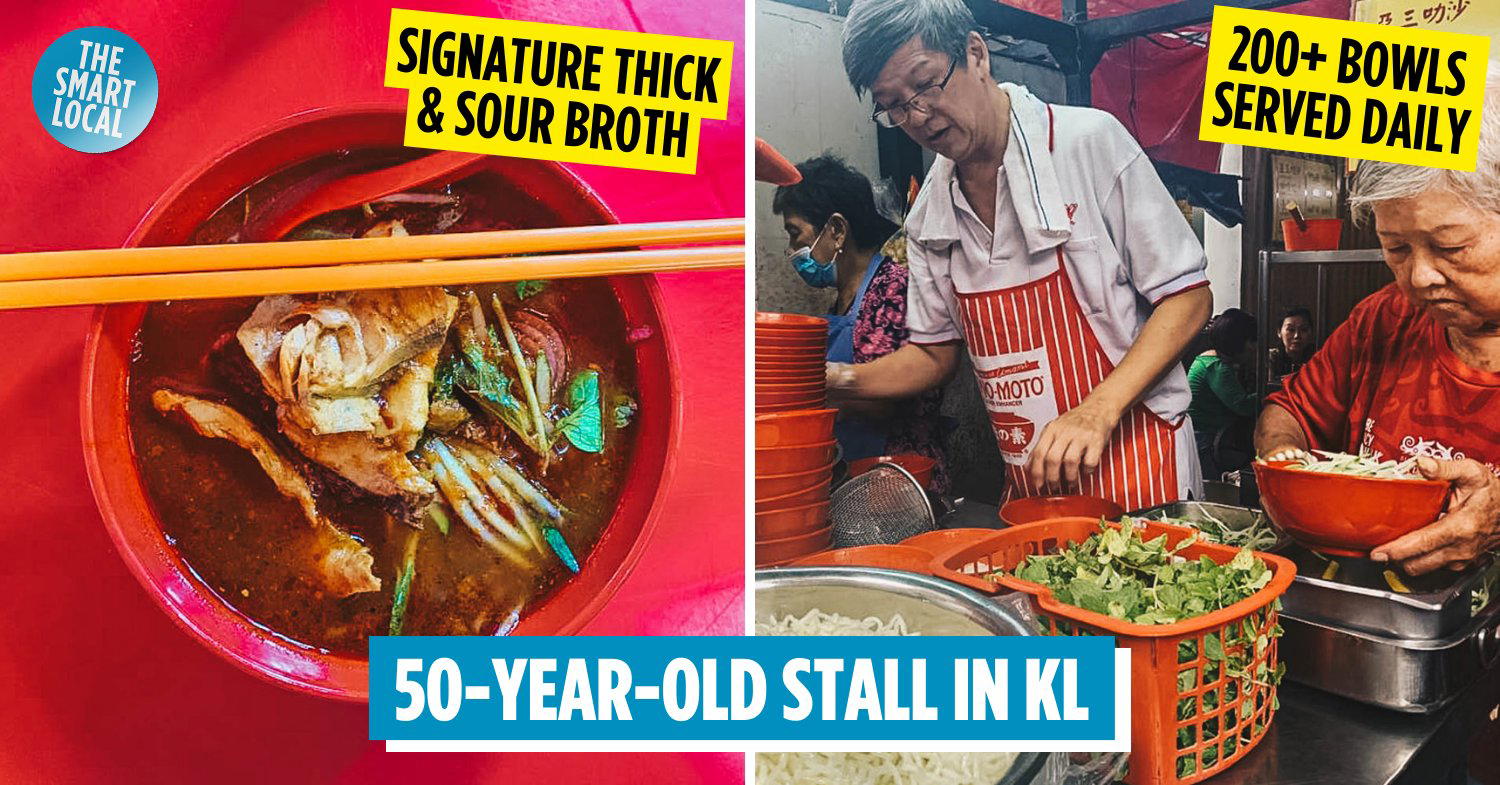
The Bowl That Defines the Street
Petaling Street operates on a different register from Kuala Lumpur's air-conditioned mall food courts and hotel dining rooms. The covered walkways, the overlapping vendor calls, the heat that sits low over the pavement even in the morning, all of it sets the conditions for a very specific kind of eating. Asam laksa here is a dish you seek out for its broth and its place in Petaling Street's hawker culture. It is a dish you encounter, pulled into by the steam rising off the broth and the particular sour-fish smell that signals the stall before you see it.
That approach, sensory before rational, is part of how hawker eating in Kuala Lumpur works. You don't evaluate the menu; you read the crowd. A queue forming around a plastic stool says more than any review, and on Petaling Street, the stalls serving asam laksa have been building that kind of local signal for decades.
The Broth: What Separates Asam Laksa from Everything Else
Malaysian laksa divides into two primary camps, and the division matters. Curry laksa, the version that dominates Kuala Lumpur's Chinese-majority hawker stalls, is coconut-based, relatively mild in its acidity, and finished with bean curd and shrimp. Asam laksa is its structural opposite. The broth is built on flaked mackerel and tamarind, with torch ginger flower, lemongrass, and shrimp paste giving it a fermented, sour depth that has no analogue in the sweeter laksa family. The colour runs a murky amber-red. There is no coconut milk to soften the edges.
This is the version that Penang made famous, and the version that Petaling Street serves. Penang's hawker reputation for asam laksa is widely cited, and the variant from Air Itam market is frequently referenced as a benchmark. Air Itam remains a useful reference point for the style. What Petaling Street provides is a Kuala Lumpur reading of the same tradition: slightly adapted for a city audience, but anchored in the same tamarind-mackerel logic.
The Ritual of Ordering and Eating
Hawker dining in Kuala Lumpur follows conventions that first-time visitors sometimes misread as disorder. On Petaling Street, the asam laksa ritual has a structure. You approach the stall, communicate your order, almost always verbally, often with minimal English required since pointing at the bowl in front of another customer is sufficient, and you are handed a numbered ticket or simply told to sit. Plastic chairs and laminate tables, either at the stall itself or spilling onto the covered five-foot way, are the setting. No one takes a coat. No one pours water.
What arrives is the bowl, and the bowl is the event. The thick rice noodles (laksa noodles, distinct from the thin bee hoon or the flat kuey teow used elsewhere) sit submerged in the broth. It arrives with shredded mackerel, sliced cucumber, pineapple, red onion, mint, and hae ko, the thick prawn paste stirred in to taste. That act of stirring, adjusting the paste ratio to your preference, is the closest thing hawker asam laksa has to tableside service. A generous hae ko swirl darkens the broth further and pushes the fermented note into something close to overwhelming for the uninitiated.
Pacing here is direct. Asam laksa is not a dish designed for lingering. The bowl comes hot and the noodles absorb the broth quickly, so the window between ideal eating temperature and overcooked is shorter than a fine-dining tasting course. Locals eat fast. The table turns fast. The whole transaction from order to departure is usually brief.
Petaling Street in the KL Hawker Context
Kuala Lumpur's hawker scene operates across a wide register, from morning kopitiam culture to night market stalls. Petaling Street sits at a particular intersection: it is both a functioning neighbourhood food street and a tourist-facing commercial zone, which means the asam laksa stalls here absorb visitors from multiple contexts. That dual audience has not homogenised the offer in the way it sometimes does in heavily touristed food precincts; the broth recipe, the noodle type, and the condiment set remain consistent with what the dish demands technically.
For those building a wider picture of KL's food culture, the contrast between Petaling Street hawker eating and the city's tasting-menu tier is instructive. Beta and Ling Long operate in a register that explicitly references Malaysian ingredients and traditions within a contemporary fine-dining structure. Molina sits in the innovative tier at the $$$$ price point. Asam laksa at Petaling Street sits at the opposite end of that spectrum, where the tradition itself is the format and there is no interpolation. Both ends of that range are worth understanding to read Kuala Lumpur's dining character accurately.
Malaysia's hawker culture extends well beyond the capital. Auntie Gaik Lean's Old School Eatery in George Town represents one model of how heritage Nyonya cooking survives in a restaurant format. Further afield, Jia Yi Dao Vegetarian Restaurant in Taiping and Da De Bah Kut Teh in Borneo illustrate how regional Malaysian food traditions diverge significantly even within the same country. CRC Restaurant in Georgetown, India Gate Restaurant in Klang, Kopi Ping Cafe in Tuaran, and DIN by Din Tai Fung in Sepang complete a picture of Malaysia's diverse mid-range and casual dining across states.
Planning a Visit
Petaling Street runs through Kuala Lumpur's Chinatown district. The stalls typically operate through the afternoon; arriving before noon helps with fresh stock and seating. No reservation is possible or expected. Payment is cash, and portions are priced at hawker rates that place them well below the $$ tier of any sit-down restaurant. Dress code is casual.
Cuisine Lens
Comparable venues nearby, for context on price, style, and recognition.
| Venue | Cuisine | Price | Awards | Notes |
|---|---|---|---|---|
| Asam Laksa Petaling StreetThis venue — the venue you are viewing | Asam Laksa | $ | , | |
| Penrose | Modern Cocktail Bar | $$ | , | City Centre |
| Ah Weng Koh Hainan Tea | Hainanese Tea & Kaya Toast | $ | , | Pudu |
| Osteria Emilia | Authentic Italian Osteria | $$ | Mont Kiara | |
| Malaysia Boleh | Malaysian Chinese Hawker Street Food | $ | , | Golden Triangle / KLCC |
| Wong Ah Wah Restaurant | Jalan Alor | Chinese Street BBQ | $ | , | Bukit Bintang |
Continue exploring
More in Kuala Lumpur
Restaurants in Kuala Lumpur
Browse all →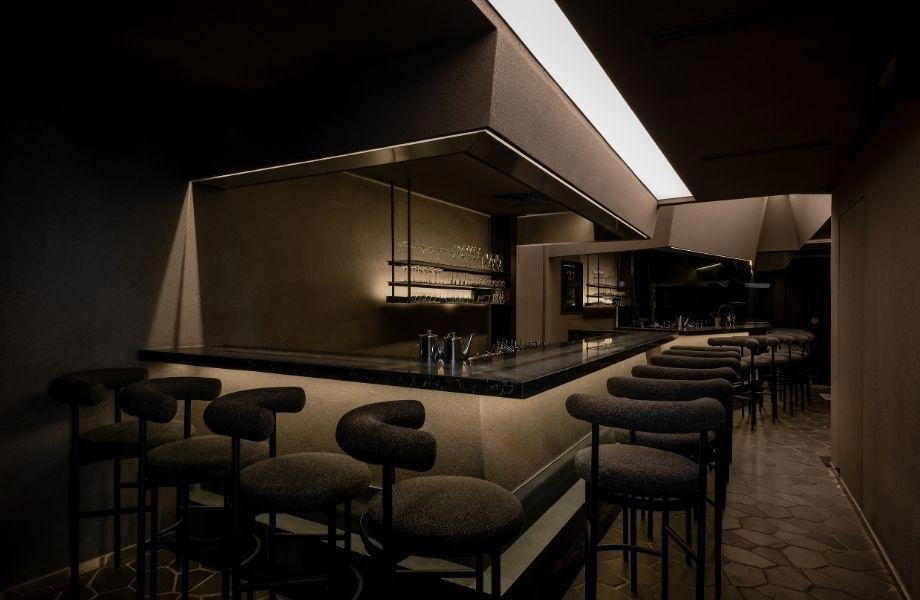
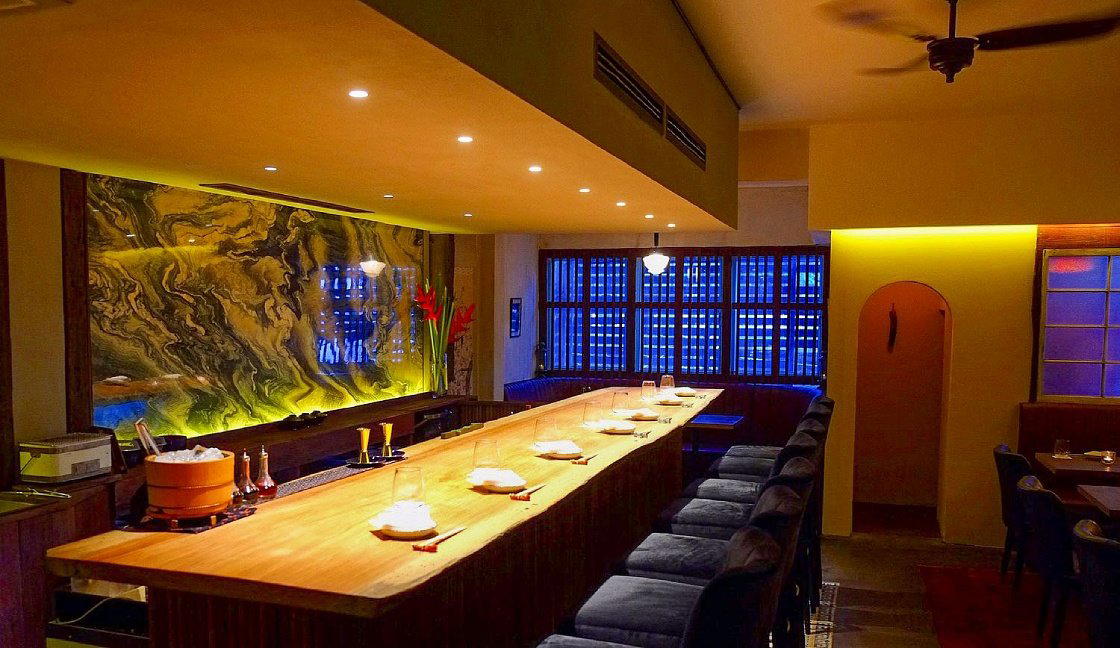
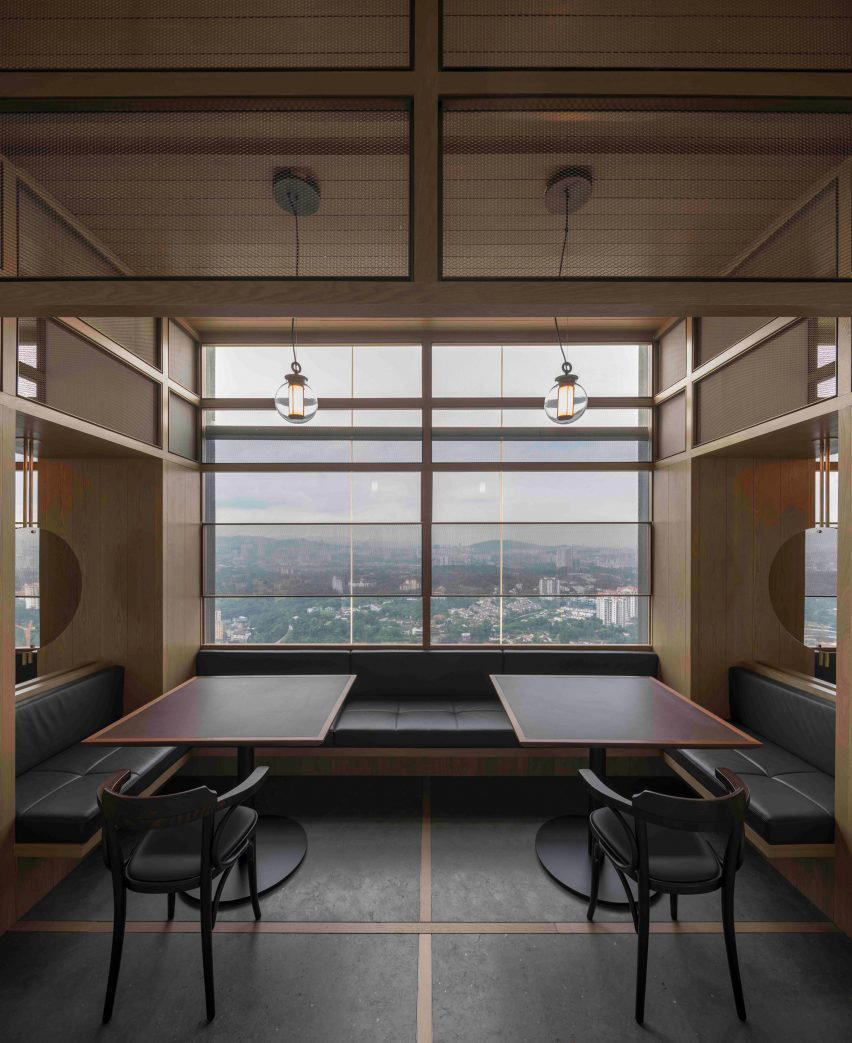
Bars in Kuala Lumpur
Browse all →
At a Glance
- Hidden Gem
- Iconic
- Casual Hangout
- Historic Building
Casual wet market setting amid bustling street food scene with basic seating and lively hawker atmosphere.