Jia Yi Dao Vegetarian Restaurant serves Chinese vegetarian dishes in Taiping, with a casual, conversational setup for lunch or dinner on Jalan Lim Swee Aun.
Pearl is the En Primeur Club membership app — saves, bookings, and concierge access live there. Same editors, same standards.
- Address
- 9, Jalan Lim Swee Aun, 34000 Taiping, Perak, Malaysia
- Phone
- +60 5 805 9999
- Website
- facebook.com
- Directions
- Get directions
 Saves & bookings on Pearl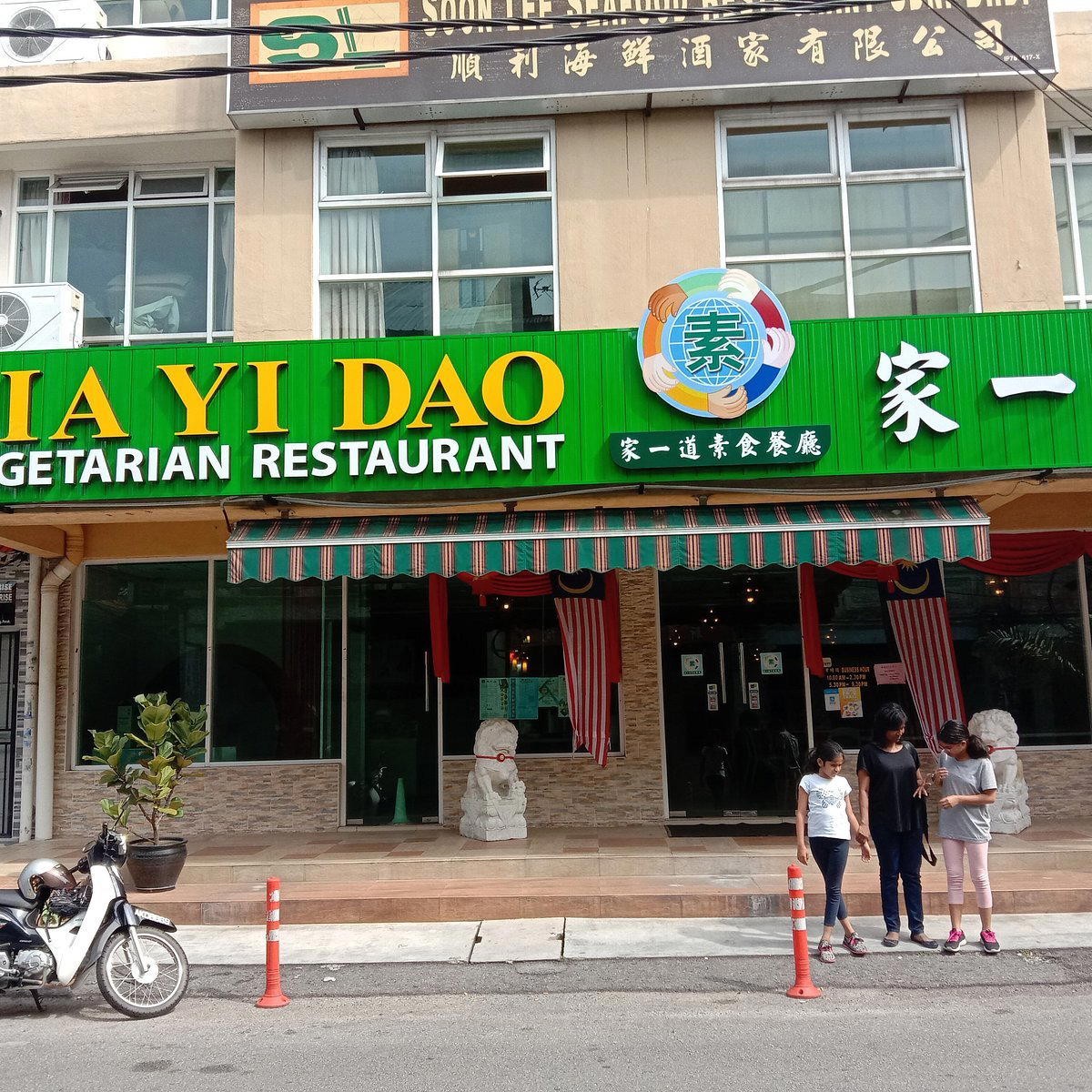
Vegetarian Eating in a Town That Still Cooks the Old Way
Taiping moves at a different pace from Malaysia's louder cities. The market streets off Jalan Kota fill early, the coffee shops run on pre-noon logic, and the town's Buddhist and Hindu communities have maintained a vegetarian dining culture that stretches back generations. Along Jalan Lim Swee Aun, that tradition finds a quiet anchor in Jia Yi Dao Vegetarian Restaurant, a shophouse address at number 9 that fits the broader pattern of Chinese-Buddhist vegetarian houses found throughout the older towns of Perak.
These establishments occupy a specific and often underappreciated niche in Malaysian food culture. They are not health-concept restaurants or plant-forward bistros in the contemporary sense. They trace their lineage to temple kitchens and Buddhist lay communities, where abstaining from meat, garlic, and sometimes onion is a spiritual practice rather than a dietary preference. The cooking that emerges from this tradition is distinctive: deeply flavoured through technique and fermentation rather than animal protein, often anchored by mock-meat preparations that have been refined over decades, and shaped by the rhythms of the lunar calendar rather than seasonal menus designed for critical attention.
Where This Fits in Taiping's Eating Pattern
Taiping's food scene is frequently discussed in terms of its Hokkien and Cantonese street food, the hawker stalls around the padang, and the old coffee shops whose interiors have barely changed since the tin-mining era. Vegetarian restaurants operate as a parallel network within that scene, drawing a steady local clientele that includes temple-going families, practitioners observing monthly vegetarian days, and an older generation for whom this style of cooking is simply ordinary lunch. Visitors who come to Taiping primarily for the lake gardens, the prison museum, or the colonial-era architecture often encounter the town's vegetarian houses by proximity rather than intention, and find them more interesting than expected.
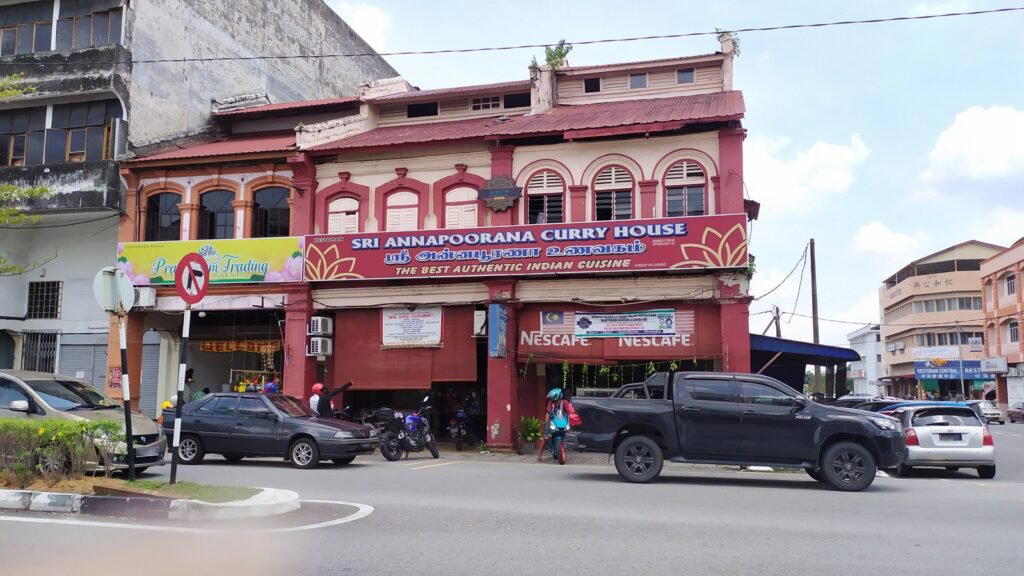
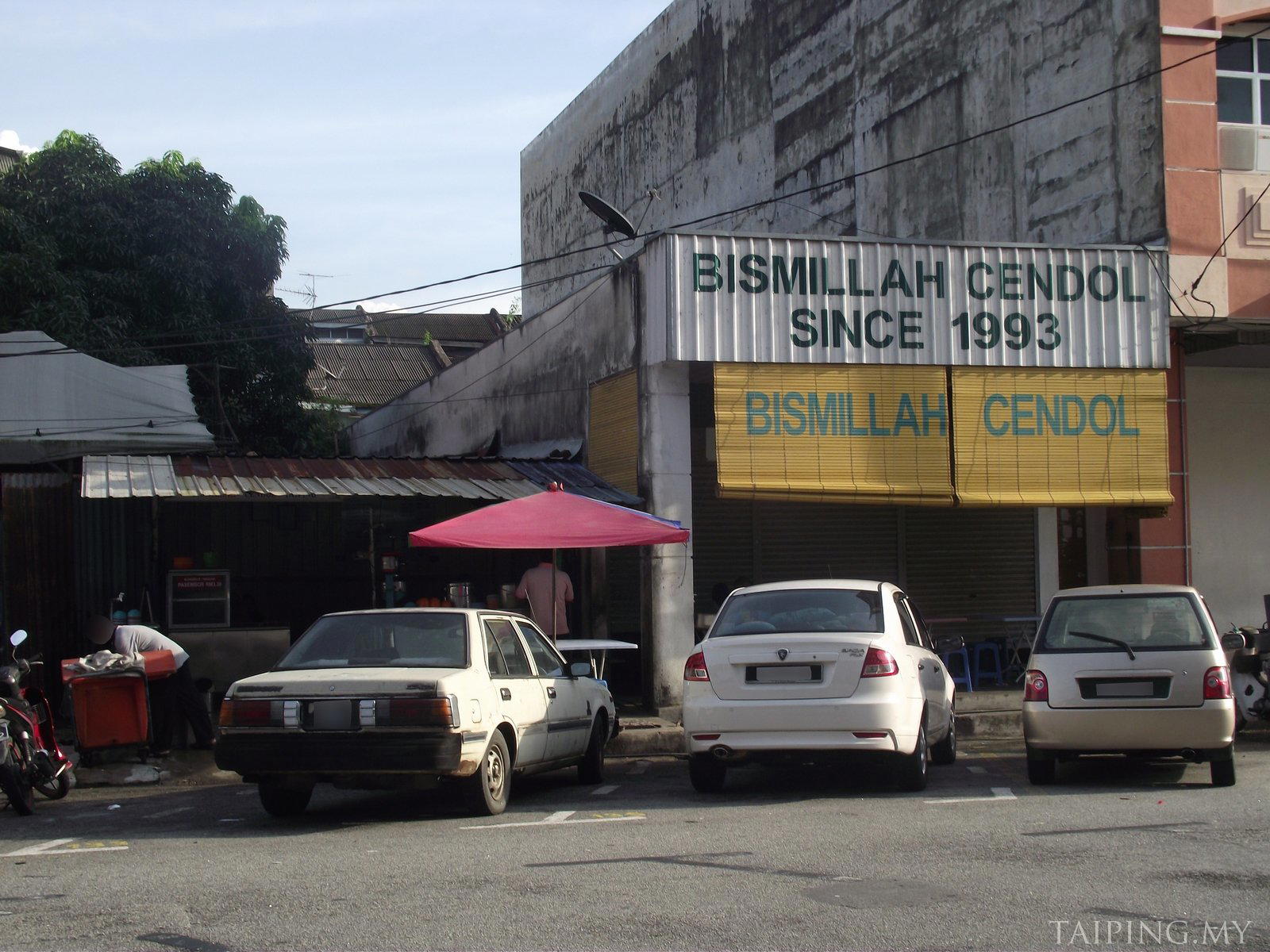
The address on Jalan Lim Swee Aun places Jia Yi Dao within walkable range of several of Taiping's reference eating spots. Bismillah Cendol and Lian Thong Restaurant represent the town's Malay and Chinese coffee-shop traditions respectively, while Sri Annapoorana Curry House covers the South Indian vegetarian end of the spectrum with a different cultural frame. Together, these addresses map a town whose eating culture reflects the layered communities that built it. Sin Kuan Kee Restaurant adds another data point in the town's older Chinese cooking tradition. For a full orientation, our full Taiping restaurants guide covers the broader spread.
The Cultural Roots of Chinese Buddhist Vegetarian Cooking
Understanding what a restaurant like Jia Yi Dao is doing requires some context about the tradition it sits within. Chinese Buddhist vegetarian cuisine, known in Mandarin as zhai cai, developed alongside the spread of Mahayana Buddhism through East and Southeast Asia. In peninsular Malaysia, it took on local characteristics as Chinese immigrant communities adapted the cooking with regional ingredients while preserving the core theological framework: no killing, no consumption of animals, and in stricter interpretations, avoidance of the five pungent roots (garlic, onion, shallots, leeks, and chives) believed to agitate the mind.
The result is a cuisine that looks, at first glance, like it is imitating meat-based cooking through mock preparations, but is better understood as a complete system of flavour-building in its own right. Fermented bean curd, mushroom stocks, tofu skin worked into complex textures, and soy-based proteins processed through methods that predate contemporary food technology by centuries form the backbone. Malaysian Chinese vegetarian houses often serve a mix of cooked-to-order dishes and a spread of pre-prepared items displayed at the counter, priced by weight or by plate. The format prioritises accessibility over ceremony.
This contrasts sharply with the direction taken by plant-forward fine dining in Malaysia's larger cities. Dewakan in Kuala Lumpur represents a tasting-menu approach grounded in indigenous ingredients and modernist technique, operating in an entirely different register. Similarly, Auntie Gaik Lean's Old School Eatery in George Town draws on Peranakan heritage within a sit-down format that courts a specific kind of culinary tourism. The Buddhist vegetarian house in a town like Taiping operates without those aspirations, and that is precisely what makes it a more accurate window into everyday Malaysian food culture.
Malaysian Towns as Vegetarian Eating Contexts
Perak's older towns, including Taiping, Ipoh, and Teluk Intan, share a demographic and architectural heritage that supports a dense network of temple-adjacent businesses, including vegetarian restaurants. The vegetarian house in this context is rarely a destination in the way that a hawker stall serving a famous dish becomes one. It earns its place through reliability, through the specific needs of its community, and through the accumulated trust of a regular clientele who return not for novelty but for consistency.
This stands in contrast to the dining formats that generate editorial attention across the region: the hotel restaurant with a tasting menu, the heritage property dining room, the high-end multi-course format. The Dining Room at The Datai Langkawi, and its sibling listing in Pulau Langkawi, and The Datai Langkawi in Kedah represent a category of resort dining that serves a specific international traveller. The Chinese Buddhist vegetarian house in Taiping serves a completely different reader, one who is eating in the town rather than through it.
The contrast is worth holding in mind when reading across EP Club's Malaysian coverage. Lavo and Lavo Gallery in Petaling Jaya, Christoph's in Penang, and BM Cathay Pancake in Seberang Perai each represent a specific niche in the regional dining spread. So does a shophouse vegetarian restaurant in a Perak lakeside town, and it tells you more about the texture of daily life in that town than a hotel dining room would.
Planning a Visit
Jia Yi Dao Vegetarian Restaurant is located at 9, Jalan Lim Swee Aun, 34000 Taiping, Perak. The address sits within the older commercial district of the town, accessible on foot from the main lake gardens precinct. As with most independent vegetarian houses of this type in Malaysian towns, visiting during the morning or lunch window typically gives the widest selection of prepared dishes.
Vegetarian houses like this one sit alongside the town's Malay, Indian, and Chinese hawker formats as part of a coherent, historically layered eating scene that rewards a full day rather than a single meal stop. Those interested in how Malaysian vegetarian cooking fits within a wider Southeast Asian context may also find it useful to read against contrasting formats such as Haidilao in Malacca or Haidilao in Bayan Lepas, both of which represent the large-format, high-volume end of Chinese food culture in Malaysia. The gap between those and a quiet Buddhist vegetarian shophouse in Taiping is the gap between the country's commercial food industry and its everyday culinary traditions.
Budget and Context
Comparable venues nearby, for context on price, style, and recognition.
| Venue | Cuisine | Price | Notes |
|---|---|---|---|
| Jia Yi Dao Vegetarian RestaurantThis venue — the venue you are viewing | Taiping, Chinese Vegetarian | $$ | Not listed |
| Lian Thong Restaurant (Taiping) | Not listed | $ | Jalan Kota, Larut Matang dan Selama District, Traditional Halal Chinese & Nyonya Kopitiam |
| Sri Annapoorana Curry House | Taiping, Southern Indian Curry House | $$ | Not listed |
| Sin Kuan Kee Restaurant • Taiping | Not listed | $$ | Taiping town, Traditional Cantonese Pastries & Dim Sum |
| Bismillah Cendol | Taiping, Traditional Malaysian Cendol | $ | Not listed |
| Haidilao Hot Pot | Perai, Chinese Hot Pot | $$ | Not listed |
Continue exploring
More in Taiping
Restaurants in Taiping
Browse all →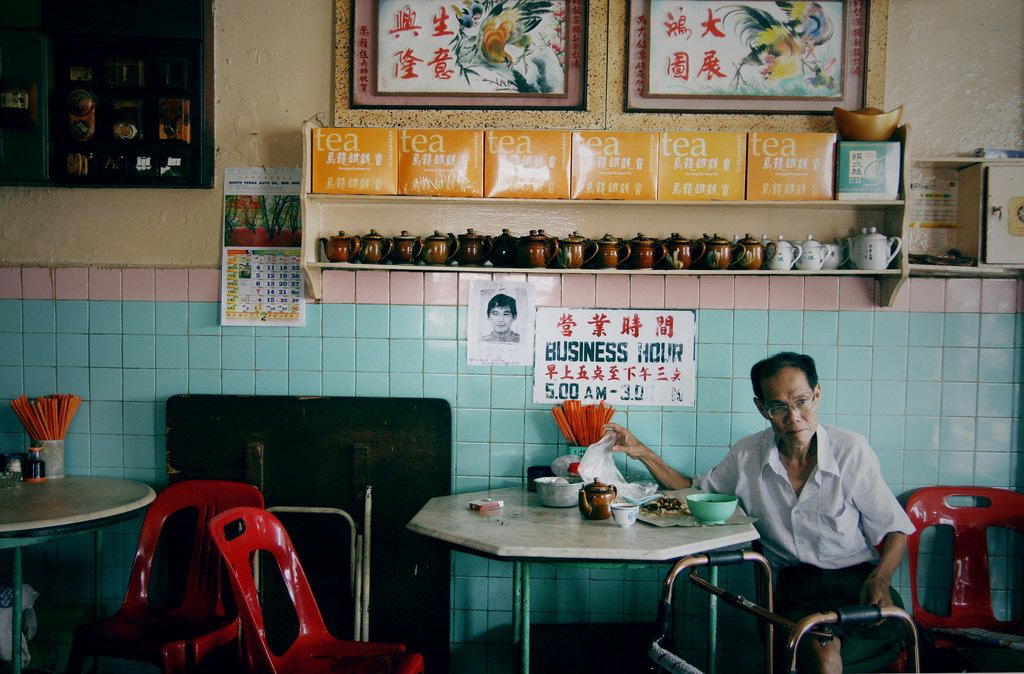
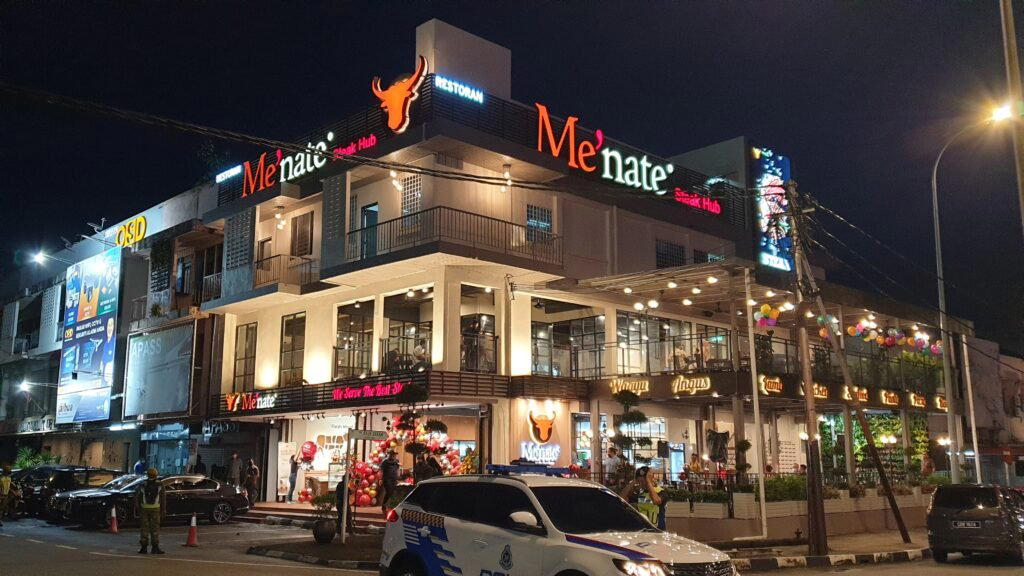

Bars in Taiping
Browse all →
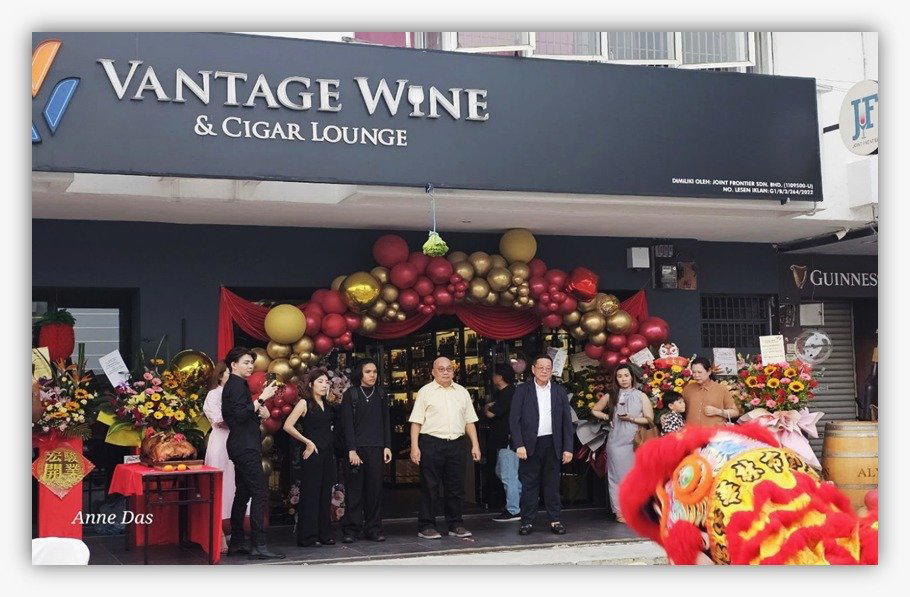
Hotels in Taiping
Browse all →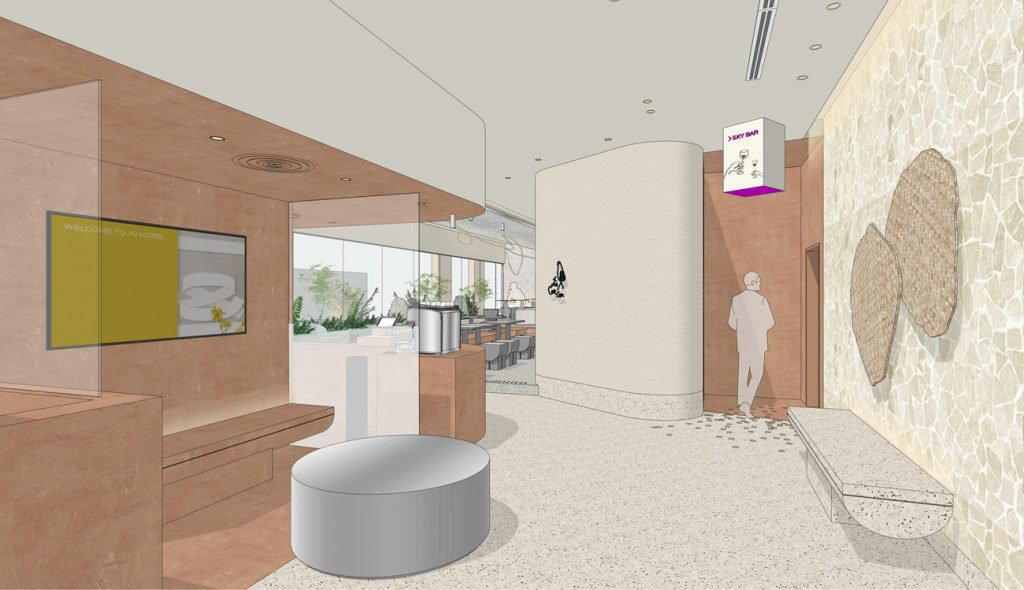
At a Glance
- Cozy
- Family
- Casual Hangout
- Standalone
Current opening hours
- Monday
- 9:30 AM–2 PM, 5:30–9 PM
- Tuesday
- Closed
- Wednesday
- 9:30 AM–2 PM, 5:30–9 PM
- Thursday
- 9:30 AM–2 PM, 5:30–9 PM
- Friday
- 9:30 AM–2 PM, 5:30–9 PM
- Saturday
- 9:30 AM–2 PM, 5:30–9 PM
- Sunday
- 9:30 AM–2 PM, 5:30–9 PM
Hours can change for holidays and private events. Last verified .
Spacious dining room with delightful decor and traditional Chinese atmosphere.