Din Tai Fung's airport outpost at KLIA Main Terminal puts one of Asia's most recognised dumpling brands directly in the departure hall, making it a practical but genuinely considered stop before a flight. The Taiwanese chain's reputation for precision folding and consistent broth-to-wrapper ratios travels intact to this Sepang location. For transit passengers weighing their pre-departure options, it sits comfortably above standard airport fare.
Pearl is the En Primeur Club membership app — saves, bookings, and concierge access live there. Same editors, same standards.
- Address
- Level 5, Departure Hall, Kuala Lumpur International Airport - Main Terminal, Kuala Lumpur International Airport, 64000 Sepang, Selangor, Malaysia
- Phone
- +60 3-8703 3029
- Website
- din-my.com
- Directions
- Get directions
 Saves & bookings on Pearl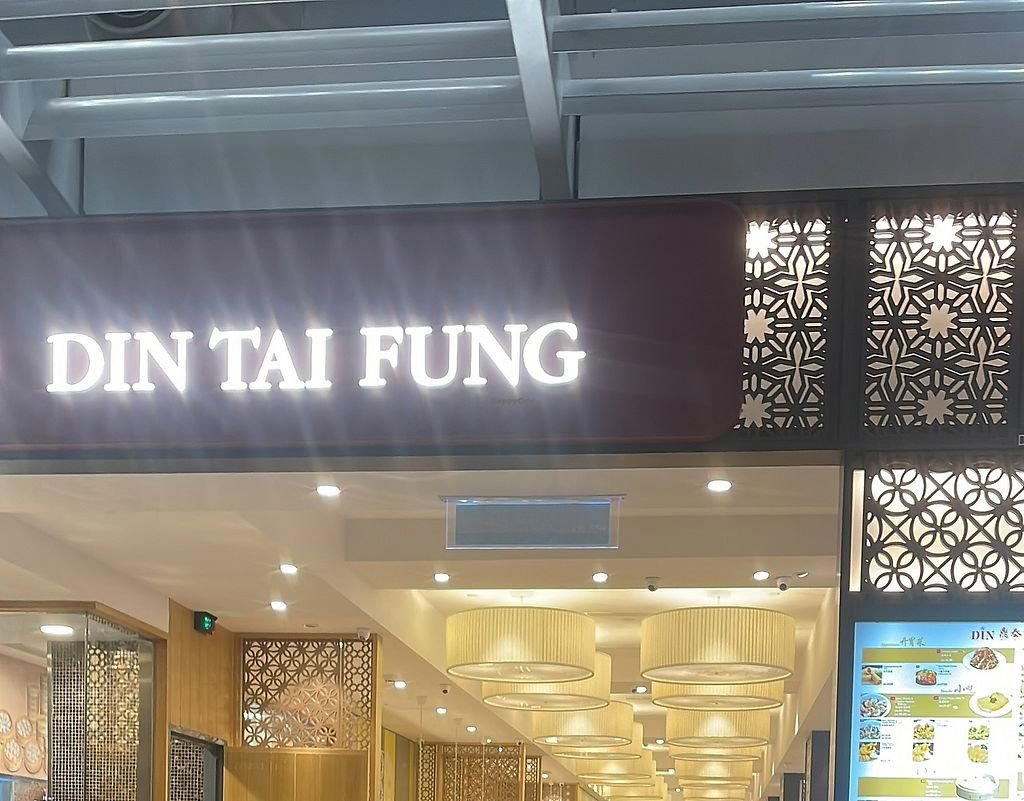
When the Departure Hall Becomes a Dining Decision
DIN by Din Tai Fung is an airport restaurant in KLIA Main Terminal, Sepang, serving Halal Taiwanese Dumplings at a casual, walk-in-friendly counter on Level 5 of the Departure Hall. Where transit food once meant cellophane-wrapped sandwiches and reheated noodle soups, major hub airports now host outposts of chains with serious culinary pedigrees. KLIA's Main Terminal, on Level 5 of the Departure Hall, reflects that shift. Among its food options sits DIN by Din Tai Fung, the airport expression of a Taiwanese dumpling institution that has spent decades building a reputation for technical consistency across its global network.
That credential matters in the airport context, where the usual trade-off between convenience and quality is treated as a given.
What the Brand Brings to the Terminal
Across airport dining categories globally, the tension is always between brands that dilute their offer for a captive audience and those that maintain operational standards regardless of location. Din Tai Fung has built its international expansion on the latter premise. The chain's defining product, the xiao long bao, demands precise execution: skin thickness calibrated so it holds the broth without tearing, pleating consistent enough that each dumpling steams evenly. These are not outcomes that survive careless sourcing or rushed assembly.
The ingredient sourcing matters particularly for a format like this. Din Tai Fung's operational model across its international network emphasises centralised quality controls and standardised ingredient specifications, which is how a brand with locations across Taiwan, Japan, Singapore, Australia, and the United States maintains recognisable output. For transit diners at KLIA, that system means the produce going into the dumplings has been subject to the same procurement logic as any other outpost in the network, not sourced opportunistically for an airport concession. That distinction separates DIN from many airport food concepts that carry a recognisable name but operate with a separate, lower-specification supply chain behind the counter.
The broader regional context supports the kind of ingredient freshness that a dumpling format requires. The xiao long bao's broth is the first indicator of ingredient quality: a broth made from bones simmered over extended periods without shortcuts has a clarity and depth that a concentrate-based version cannot replicate.
The Airport Dining Tier This Occupies
Within KLIA's food and beverage offer, DIN by Din Tai Fung occupies a middle tier that is neither the quick-service grab-and-go end nor the sit-down full-service restaurant category. It functions as a recognisable, fast-casual brand with a credentialled product, which makes it particularly useful for passengers with limited time but a preference for something more considered than a food court default. The Departure Hall position means it is accessible post-security, which is logistically relevant for passengers who have already cleared immigration.
For context on where this sits within Malaysia's wider dining conversation, the country's restaurant scene ranges from street-level hawker operations of genuine culinary depth, like Auntie Gaik Lean's Old School Eatery in George Town, to fine-dining rooms using Malaysian ingredients in a contemporary framework, as at Dewakan in Kuala Lumpur. DIN occupies a different category from both: it is a globally standardised brand operating in a transit environment, judged by the standards of its own format.
Comparable chain formats across Southeast Asian airports suggest that the Taiwanese dumpling category generally holds better than other Asian food formats in transit settings, partly because the product is portion-controlled, does not suffer from heat-lamp aging the way rice dishes can, and reads clearly to international travellers already familiar with the brand. At airports serving as regional hubs, like KLIA with its significant East Asian transit traffic, a Din Tai Fung outpost also functions as a familiar reference point for passengers from markets where the brand already has deep presence.
Planning Your Visit
The restaurant is located on Level 5 of the Departure Hall at KLIA's Main Terminal, meaning access requires a valid boarding pass and cleared security. For passengers connecting through KLIA rather than departing, terminal access logistics will depend on whether the connection routes through the Main Terminal or KLIA2. Hours and current menu specifics are available daily at the terminal. It is walk-in friendly.
For passengers with longer layovers at KLIA who want to compare the airport offer against Kuala Lumpur proper, Lavo and Lavo Gallery in Petaling Jaya and Al-Sultan Restaurant in Shah Alam represent the kind of destination-specific options the city-side dining scene offers that an airport concession cannot replicate. Further afield in Malaysia, Bismillah Cendol in Taiping and BM Cathay Pancake in Seberang Perai illustrate how the country's regional food traditions operate at a completely different register from international chain dining. The contrast is useful for understanding what DIN is and is not: it is not a Malaysian dining experience, but it is a competent, credentialled one for the format it occupies. Those heading to island destinations afterward might consider The Dining Room at The Datai Langkawi or Christoph's in Penang as the kind of sit-down dining that a layover stop cannot substitute for.
Comparable Spots, Quickly
Comparable venues nearby, for context on price, style, and recognition.
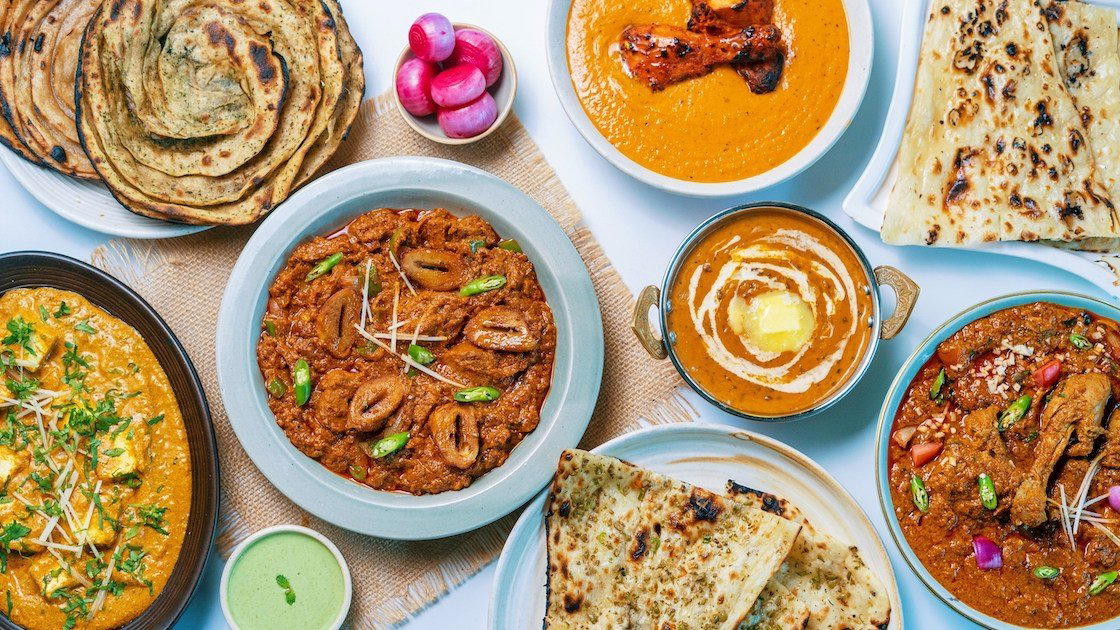
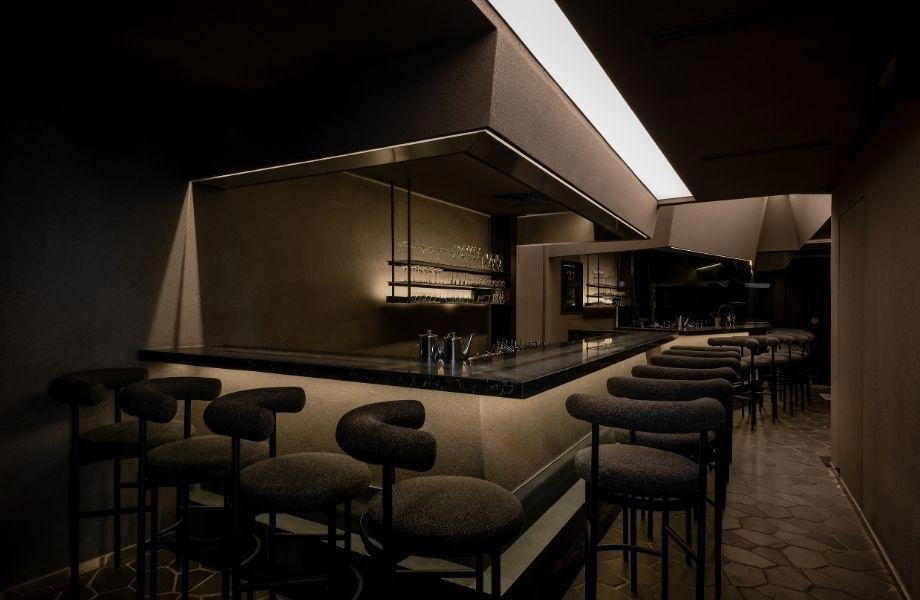
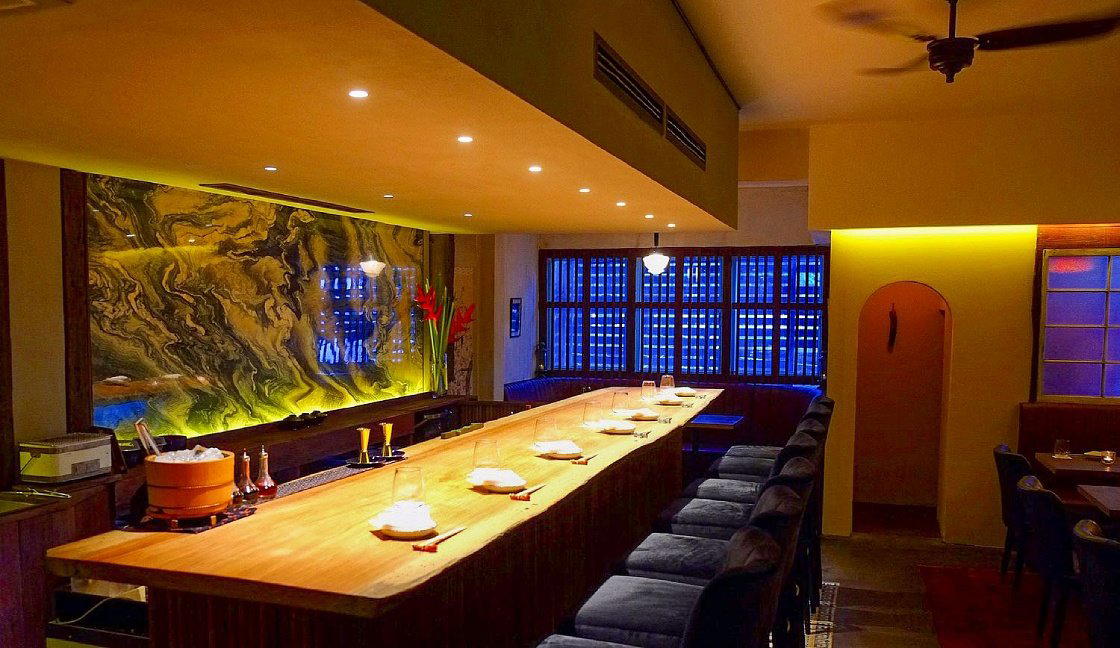
| Venue | Cuisine | Price | Notes |
|---|---|---|---|
| DIN by Din Tai FungThis venue — the venue you are viewing | Halal Taiwanese Dumplings | $$ | Not listed |
| Soo Kee | Classic Cantonese | $$ | Ampang |
| Souper Tang 汤师父 | Chinese Herbal Soup | $$ | Mid Valley |
| Tek Sen Restaurant | Penang Chinese Zi Char | $$ | George Town |
| Jia Yi Dao Vegetarian Restaurant | Chinese Vegetarian | $$ | Taiping |
| Mohd Chan by the Garden | Halal Chinese Muslim Cuisine with Southeast Asian Flavors | $$ | Ayer Keroh |
At a Glance
- Modern
- Trendy
- Casual Hangout
- Family
- Standalone
Current opening hours
- Monday
- Open 24 hours
- Tuesday
- Open 24 hours
- Wednesday
- Open 24 hours
- Thursday
- Open 24 hours
- Friday
- Open 24 hours
- Saturday
- Open 24 hours
- Sunday
- Open 24 hours
Hours can change for holidays and private events. Last verified .
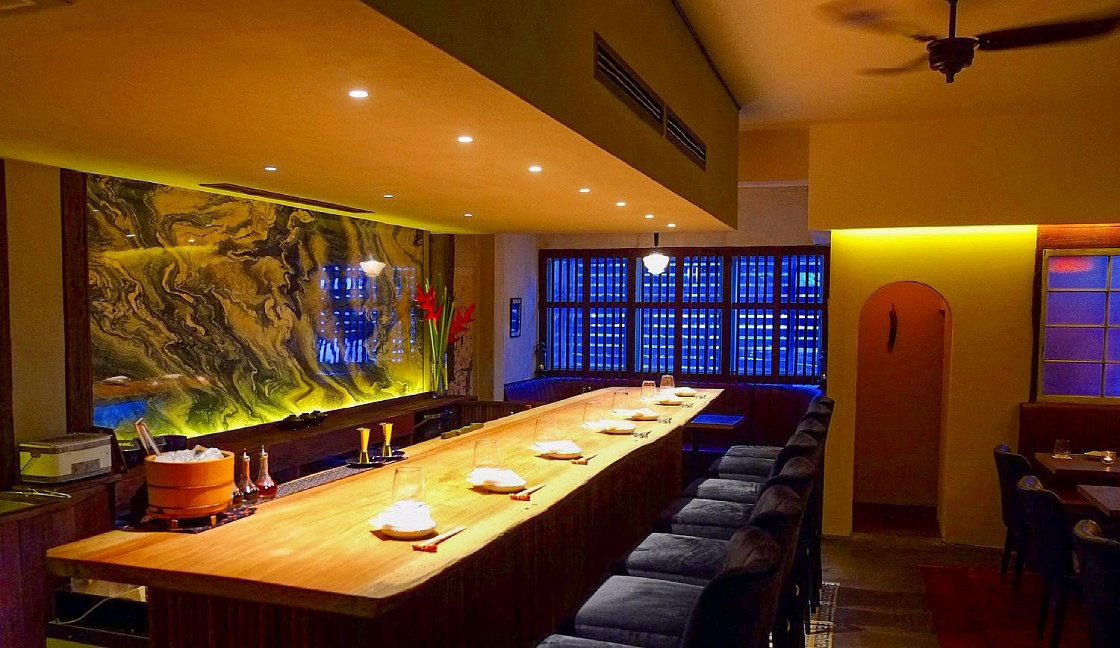
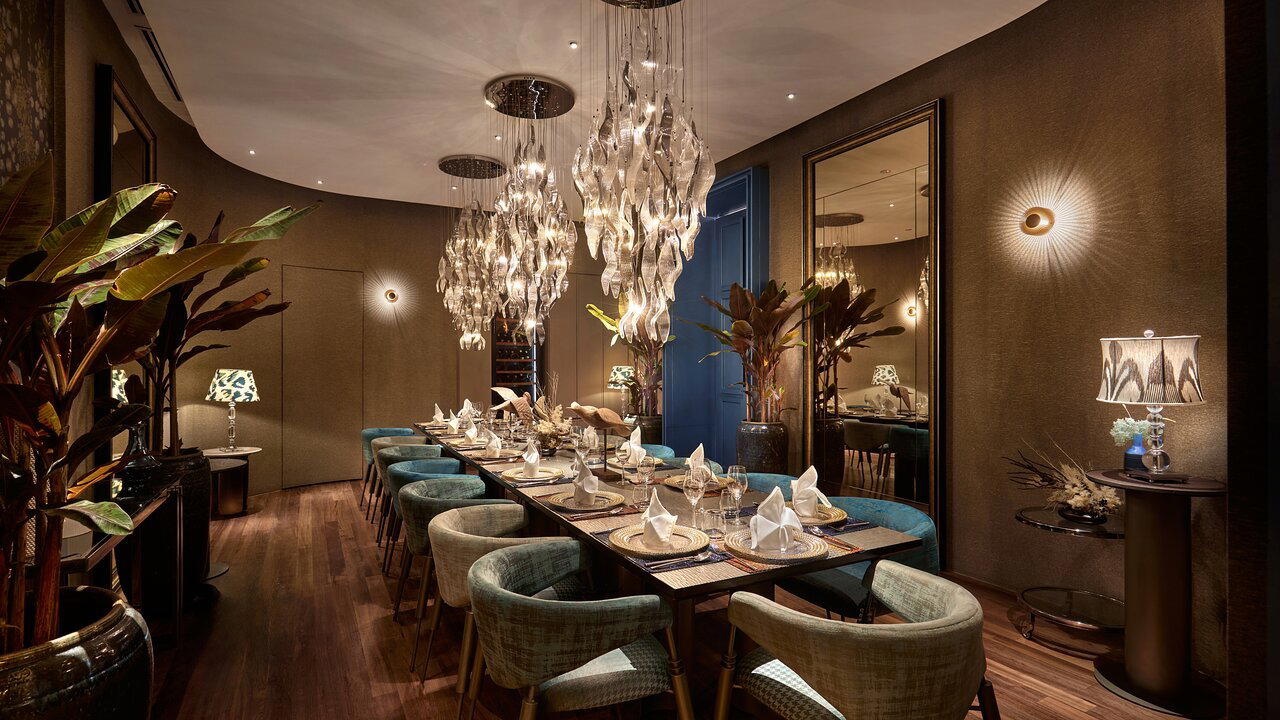
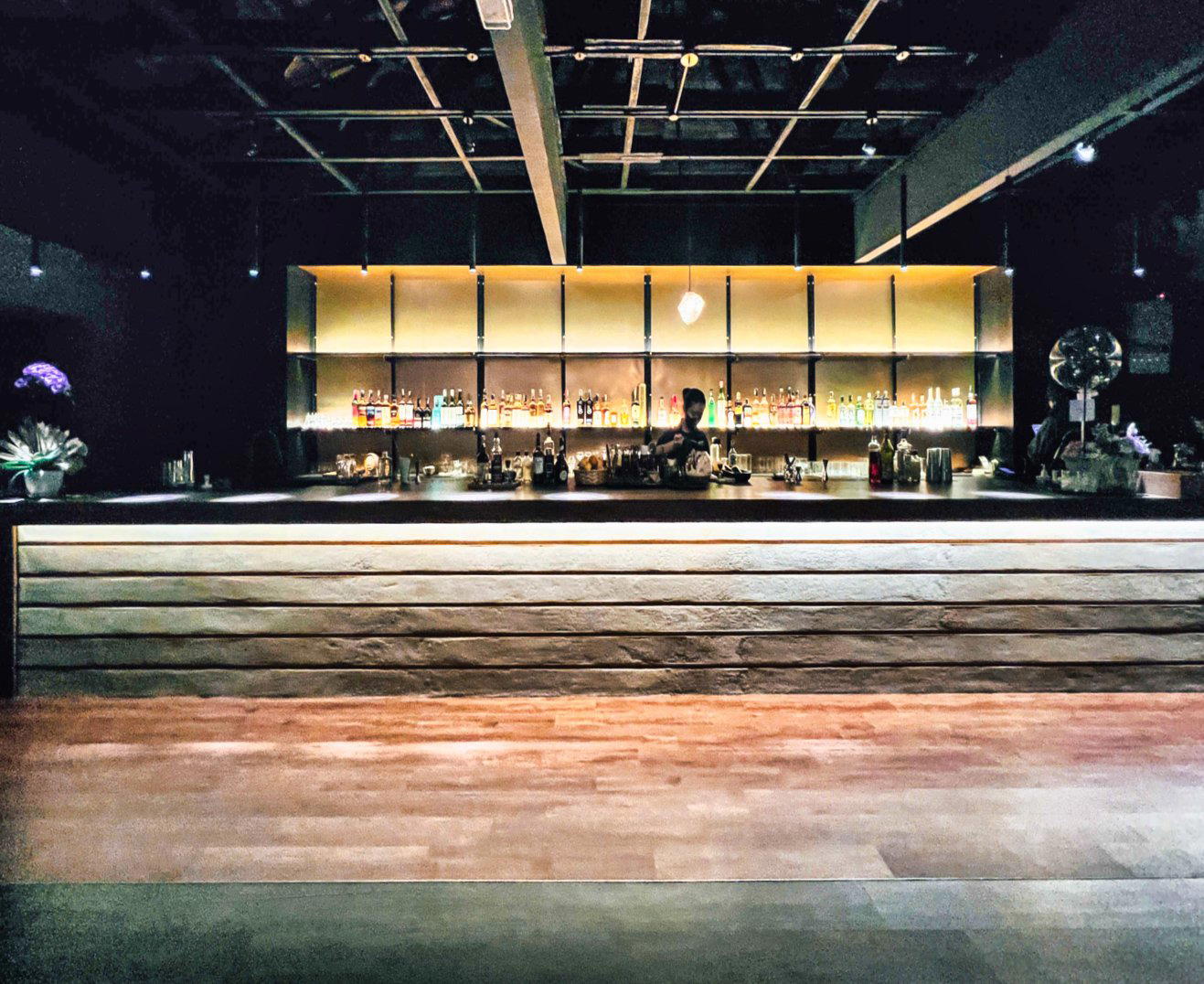
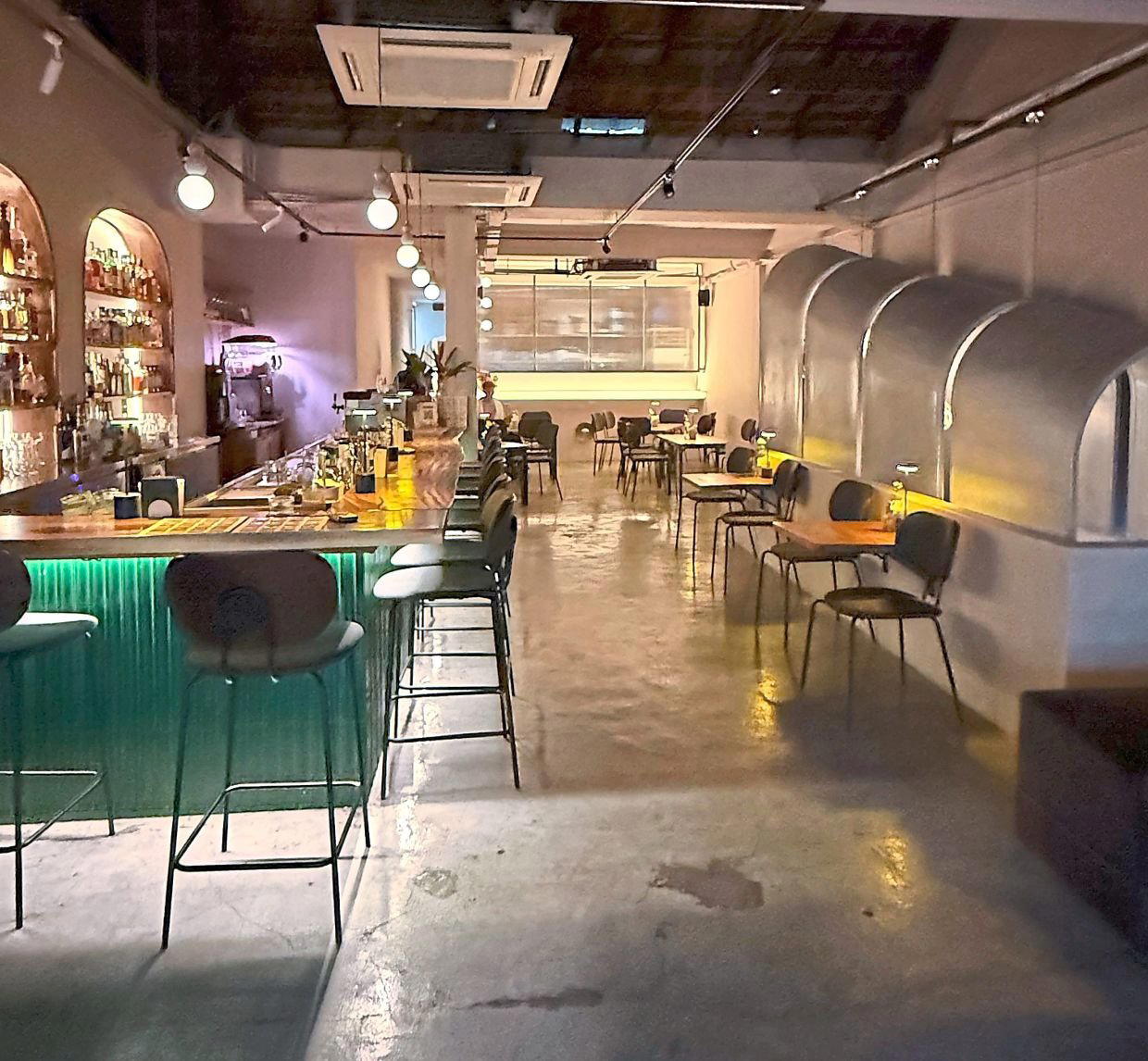
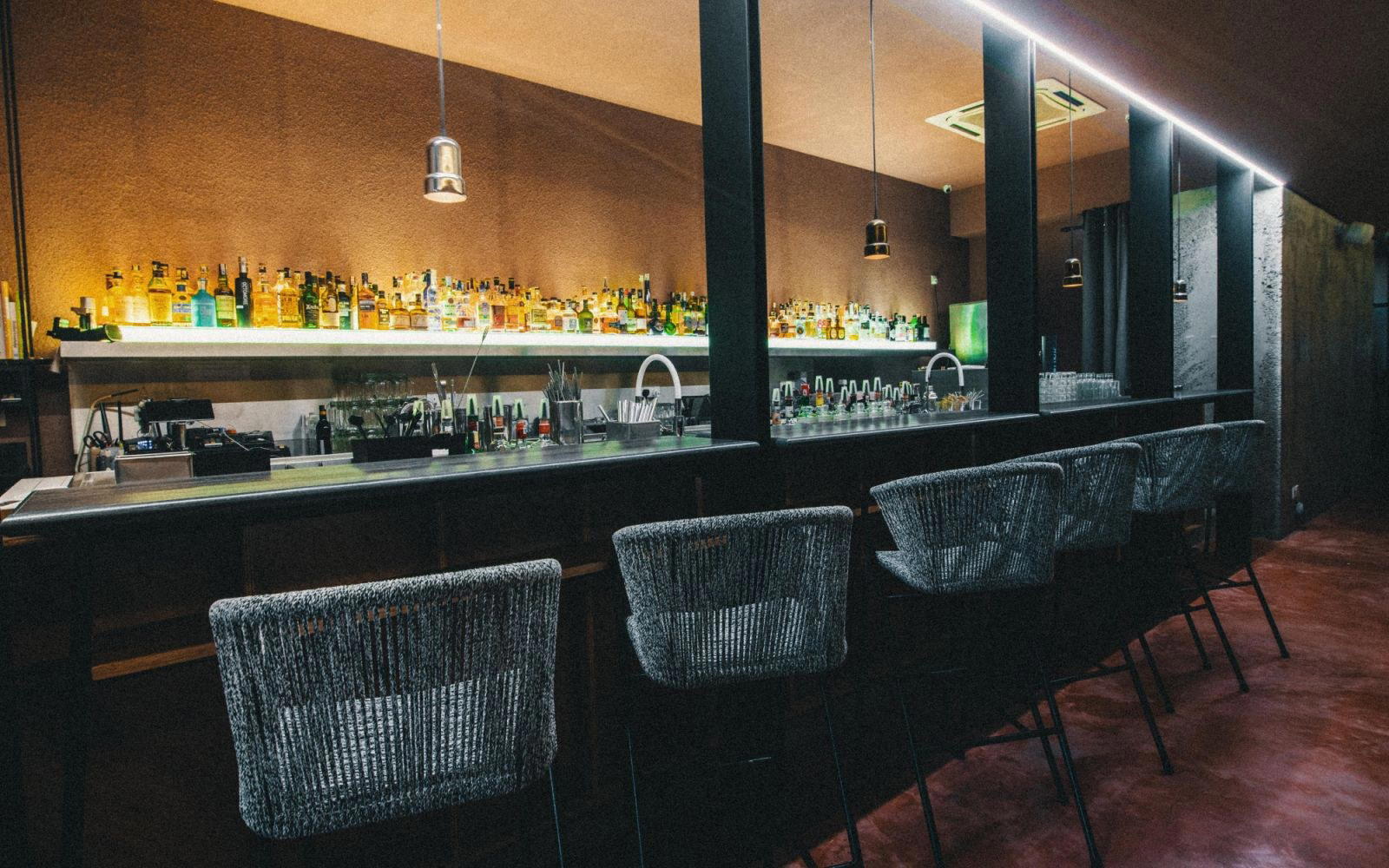
Sleek, modern ambiance with a relaxed environment ideal for travelers.