Where Tuaran Mornings Begin The stretch of road leading into Tuaran from Kota Kinabalu carries a particular quality of light in the early hours, when the Sabah interior still holds its mist and the roadside coffee shops draw their first crowd...
Pearl is the En Primeur Club membership app — saves, bookings, and concierge access live there. Same editors, same standards.
- Address
- Lot 5-0, 6-0, 7-0, Kopi Ping Cafe, The Gate, Lorong Gate, Jln Berungis, 89208 Tuaran, Sabah, Malaysia
- Phone
- +6088788892
- Website
- instagram.com
 Saves & bookings on Pearl
Where Tuaran Mornings Begin
Kopi Ping Cafe @ Tuaran is a Sabah Malaysian Coffee House in Tuaran, Sabah, with a 4.8 Google rating from 1,586 reviews and budget pricing. The stretch of road leading into Tuaran from Kota Kinabalu carries a particular quality of light in the early hours, when the Sabah interior still holds its mist and the roadside coffee shops draw their first crowd before the market stalls open. Kopi Ping Cafe, positioned along Lorong Gate within The Gate development on Jalan Berungis, occupies this rhythmic slot in the town's daily life. The address places it outside Tuaran's older shophouse core, in a newer commercial pocket that has drawn a range of food operators over the past few years. You arrive to the ambient percussion of ceramic cups on formica, the particular hiss of condensed milk meeting hot kopi, and the kind of unhurried conversation that defines the morning coffee culture across Sabah's interior towns. For broader context on what Tuaran's dining scene has to offer, see our full Tuaran restaurants guide.
Sabah's Coffee Shop Tradition and What It Represents
The kopitiam format is one of the most distinctive dining categories in Malaysia, and Sabah's version carries distinctions from its Peninsular counterpart. Where George Town's heritage coffee shops have been shaped by decades of Hokkien and Hainanese migration, as seen at places like Auntie Gaik Lean's Old School Eatery in George Town, Sabah's coffee shop culture blends indigenous Kadazan-Dusun ingredients and preferences with Chinese coffee shop conventions in ways that produce a locally specific outcome. Tuaran sits at the edge of the Crocker Range foothills and within proximity of farming communities that supply vegetables, fresh protein, and seasonal produce to town traders. This geography matters when you are thinking about ingredient provenance in any Tuaran eating house: the supply chain is often short, running from hillside farm to market to kitchen within a day or two, and that compression shows in what arrives on the table.
Kopitiam category across Malaysia has split, in recent years, into at least two distinct registers. One is the heritage-preservation tier, where the selling proposition is continuity, documented recipes, and the identity politics of old-school preparation. The other is the neighbourhood daily-use tier, where the proposition is reliability, familiarity, and price accessibility. Kopi Ping Cafe serves the kind of functional role that a well-run town coffee shop has always served in Sabah: a place to eat before work, to meet between errands, and to take a meal that does not require advance planning. That function is worth taking seriously on its own terms, separate from the aspirational register of restaurants that position themselves as destination dining. Compare this with the far end of the Malaysian dining spectrum, where Dewakan in Kuala Lumpur has spent years framing indigenous Malaysian ingredients inside a fine dining context, or where Air Itam Asam Laksa, Chong Char Koay Teow, and 888 Hokkien Mee in Penang represent the hawker-heritage category at its most concentrated. Kopi Ping Cafe operates in neither of those registers, and should not be evaluated against them.
The Sourcing Logic of a Sabah Town Cafe
What is interesting about a cafe in this position, in a town like Tuaran, is the sourcing proximity that small interior Sabah towns still maintain. The Tuaran area is known across Sabah for its mee (noodles), and Tuaran Mee has the kind of regional specificity that food geographers find instructive: hand-pulled, lard-fried, and assembled with a combination of dried and fresh elements that reflect the agricultural and trade patterns of the Tuaran River basin. Any coffee shop operating in Tuaran with ambitions toward local credibility will engage with this reference point, whether it sources noodles from local producers or positions its kitchen around the broader Sabah Chinese breakfast canon. Ingredients in this context are not curated for a menu narrative; they are sourced because the supply networks are local by default, and because Tuaran's residents know the difference.
This contrasts with the ingredient-sourcing model at the fine dining end of the Malaysian spectrum, where provenance is made explicit as part of the dining proposition. At a neighbourhood kopitiam, the equivalent logic operates quietly: the morning congee uses rice grown within the state, the eggs come from local farms, and the kopi is brewed from a roast that the proprietor has probably been buying from the same supplier for years. That quiet consistency is itself a form of sourcing discipline, even if it does not arrive with the vocabulary of farm-to-table. For a point of comparison at a different price tier and category, consider how Da De Bah Kut Teh in Borneo handles the question of regional ingredient identity within its own format. Elsewhere in Malaysian dining, the sourcing conversation takes very different forms: Jia Yi Dao Vegetarian Restaurant in Taiping navigates ingredient selection through a vegetarian lens, while the hot pot operators such as Haidilao in Malacca and Haidilao in Perai represent a centralised supply chain at the opposite end of that spectrum.
Planning a Visit
Kopi Ping Cafe is located at Lot 5-0, 6-0, 7-0, The Gate, Lorong Gate, Jalan Berungis, 89208 Tuaran. Tuaran itself sits roughly 35 to 40 minutes north of Kota Kinabalu by road, making it a realistic half-day excursion from the city for anyone already exploring the west coast corridor. The coffee shop format means that mornings and early afternoons are the natural visit window; this category of establishment typically winds down its kitchen activity after the lunch hour. Contact details and hours should be confirmed through local enquiry before making a dedicated trip.
For readers planning broader Malaysian dining itineraries across different cities and price points, examples include CRC Restaurant in Georgetown and India Gate Restaurant in Klang to DIN by Din Tai Fung in Sepang, Kuroma Buffet in Johor Bahru, Kay's Steak and Lobster in Subang Jaya, Al-Sultan Restaurant in Shah Alam, Haidilao at Queensbay Mall in Bayan Lepas, and Me'nate Steak Hub in Seremban. For a sense of what the destination dining tier looks like internationally, Le Bernardin in New York City and Atomix in New York City represent the formal tasting-menu register that sits at the far end of the spectrum from Tuaran's neighbourhood cafes.
Side-by-Side Snapshot
Comparable venues nearby, for context on price, style, and recognition.
| Venue | Cuisine | Price | Awards | Notes |
|---|---|---|---|---|
| Kopi Ping Cafe @ TuaranThis venue — the venue you are viewing | Sabah Malaysian Coffee House | $ | , | |
| Ka Bee Cafe and Laksa Mamu | Penang Café | $ | , | George Town |
| Sin Kee Bah Kut Teh (新記肉骨茶) | Traditional Chinese Bak Kut Teh | $ | , | Pusat Bandar Kota Kinabalu |
| OO White Coffee, Tiger Char Kway Teow, Gow Thew Chik Hainana Chicken Rice | Traditional Penang Kopitiam Breakfast | $ | , | George Town |
| Fatt Kee Restaurant | Chinese Seafood Noodles | $$ | , | Taman Far East |
| Padang Tembak Claypot Curry Mee | Claypot Curry Mee | $ | , | Ayer Itam |
Continue exploring
More in Tuaran
Restaurants in Tuaran
Browse all →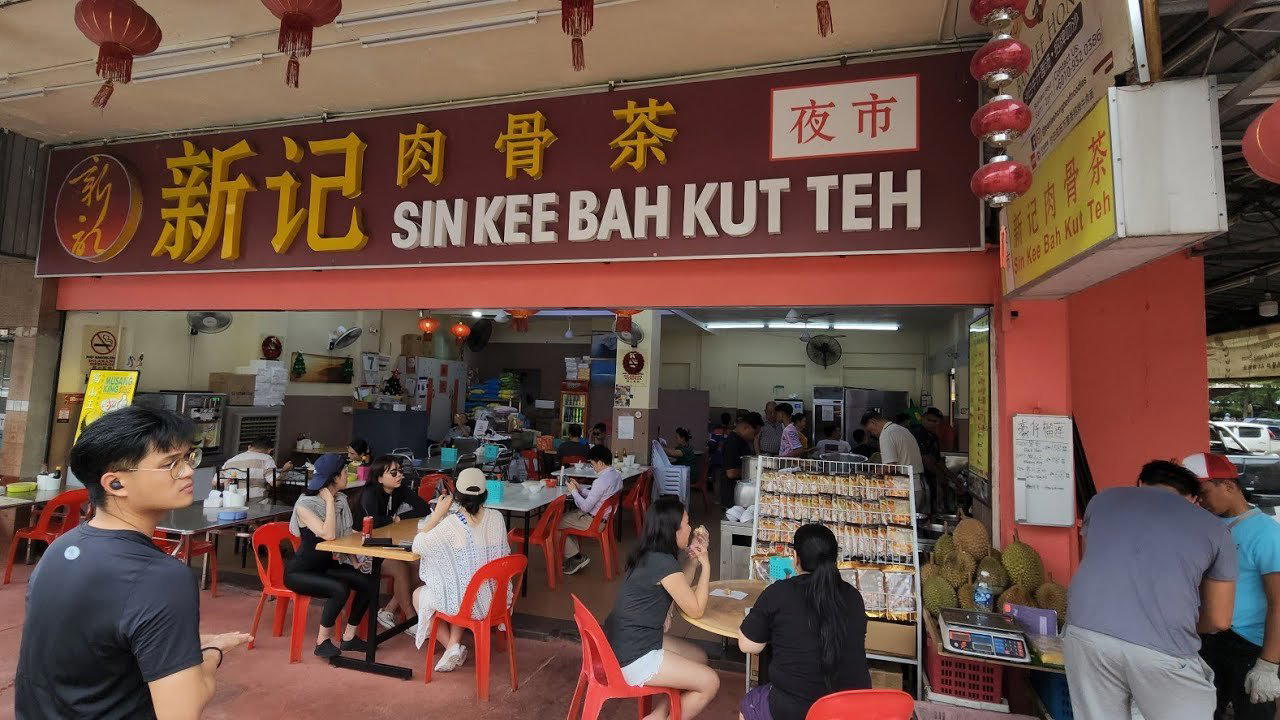

At a Glance
- Cozy
- Family
- Casual Hangout
- Brunch
- Local Sourcing
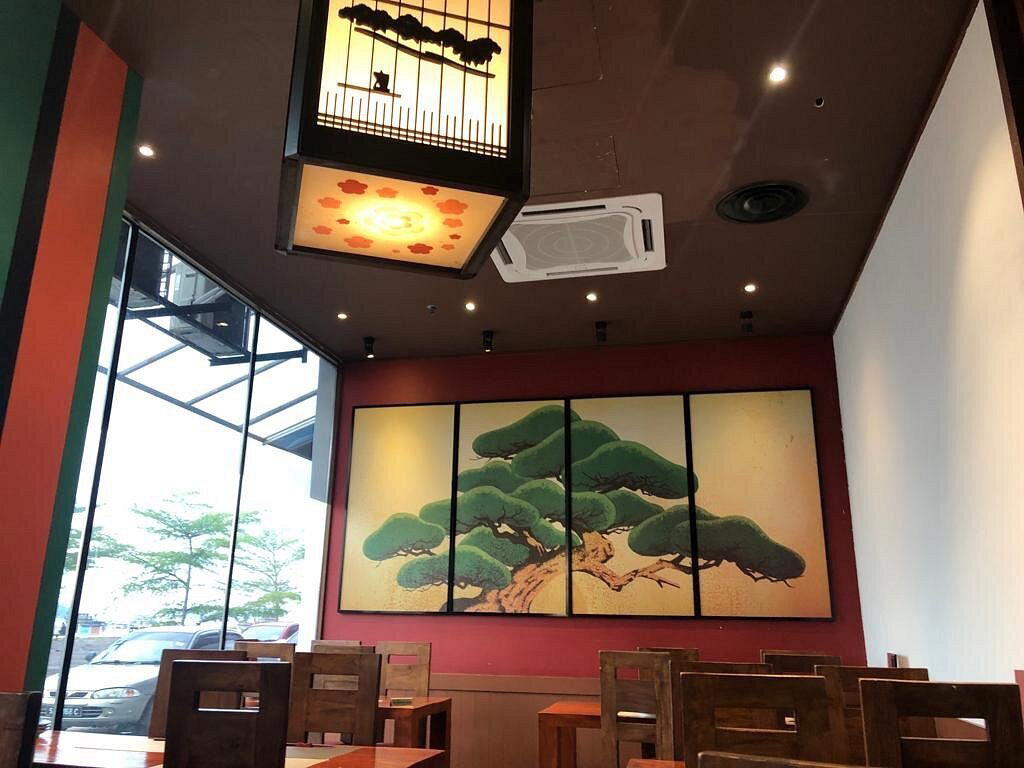
Warm, inviting, and cozy atmosphere perfect for family and friends.