Fish House Rovinj occupies a central address in Rovinj's old town, where the Adriatic fishing tradition and Istrian coastal cooking overlap most directly. Set against the stone-and-cobble character of De Amicis street, it positions itself within a dining scene that includes Michelin-recognised neighbours and a growing appetite for ingredient-led seafood. For visitors working through Rovinj's restaurant options, it represents the more direct, catch-focused end of the spectrum.
Pearl is the En Primeur Club membership app — saves, bookings, and concierge access live there. Same editors, same standards.
- Address
- De Amicis 2, 52210, Rovinj, Croatia
- Phone
- +385919332124
- Website
- fishhouserovinj.com
- Directions
- Get directions
 Saves & bookings on Pearl
Where the Adriatic Comes Ashore: Rovinj's Seafood Positioning
Rovinj's restaurant scene has developed along two distinct tracks over the past decade. One runs through creative and contemporary tasting menus, represented by addresses like Monte, Agli Amici Rovinj, and Cap Aureo, all of which frame Istrian ingredients through a modernist or Italian-contemporary lens. The other track stays closer to the water: grilled fish, shellfish platters, and the kind of cooking that makes sense only metres from an active harbour. Fish House Rovinj, addressed at De Amicis 2 in the old town, occupies this second category, where the sourcing logic is direct and the menu follows the catch rather than a creative programme.
That distinction matters in Rovinj more than in most coastal towns, because the competition at the summit of the market is genuine. Visitors choosing between a Michelin-level tasting format at Cave Lab By Monte and a direct seafood experience are making a different kind of decision, not just about price tier, but about what kind of evening they want the harbour town to give them. Fish House sits in the second category of that choice.
The Street, the Setting, and What It Signals
De Amicis is one of the old town's more quietly positioned streets, away from the immediate marina-front foot traffic but still within the limestone-paved core that characterises Rovinj's historic centre. Approaching along the narrow lanes from the waterfront, the shift from open harbour to enclosed stone architecture happens quickly. The building fabric in this part of town dates from Venetian occupation, and the proportions of the streets, low archways and tight junctions between structures, shape how restaurants function here as much as any interior design decision does.
For a venue focused on seafood, the address places Fish House inside the logic of the old town rather than outside it. Rovinj's best-regarded seafood restaurants have historically anchored themselves either to the harbour view or to the warren of streets just behind it, where rents and footfall patterns allow for a more focused operation. De Amicis 2 is consistent with the latter approach.
The contrast with broader Croatian coastal dining is worth establishing here. Along the Dalmatian coast, addresses like Pelegrini in Sibenik and LD Restaurant in Korčula have built reputations through a combination of location drama and menu ambition. In Istria, the dynamic is different: the peninsula's Italian culinary inheritance means that even direct fish restaurants operate in the shadow of a more elaborate regional food culture, one that incorporates truffles, olive oil of Istrian provenance, and wine from producers like those around Brtonigla, where San Rocco sits. A seafood address in Rovinj is never entirely separate from that broader Istrian context.
Reading the Seafood Category in Rovinj
Croatia's Adriatic catch has an established hierarchy that any serious seafood restaurant in Rovinj is implicitly working within. Sea bass and sea bream from Kvarner waters, Adriatic scampi, Istrian clams, and oysters from the Lim Fjord roughly 12 kilometres north of Rovinj define the upper tier of local sourcing. The fjord's oysters have a specific salinity profile that distinguishes them from Dalmatian alternatives, and their proximity to Rovinj means that restaurants with strong supply relationships can offer them at a quality that visitors from inland Croatia or from abroad are unlikely to have encountered in that condition.
For comparison, seafood-focused dining at the technical extreme, such as Le Bernardin in New York City, operates through a fundamentally different logic of sourcing breadth and kitchen transformation. The Rovinj seafood tradition is narrower in its ingredients and more direct in its cooking method, which is not a limitation so much as a different set of values. Grilling over wood or charcoal, salt-baking whole fish, and serving shellfish with minimal intervention are the techniques that define this end of the Adriatic coast's food culture, and they require fresh product above all else.
Experiential dining formats elsewhere in Croatia, from Korak in Jastrebarsko to Nebo by Deni Srdoč in Rijeka and Boskinac in Novalja, all demonstrate how the country's restaurant culture has moved toward more structured formats. Fish House, in its category positioning, represents the counterpoint: a more immediate, less mediated relationship between the sea and the plate.
Planning Your Visit
Rovinj operates on a pronounced seasonal rhythm. The town's population expands dramatically between June and September, when the old town streets fill with visitors from Germany, Austria, and Slovenia alongside Italian day-trippers arriving by ferry from Trieste and Venice. Seafood restaurants in the old town tend to run at capacity during this period, and the more centrally located addresses on De Amicis and the surrounding lanes see consistent demand through the evening hours.
Dream to the Michelin-recognised addresses. Comparable coastal seafood experiences further up the Adriatic can be found through Alfred Keller in Mali Lošinj, which operates in a similar island-and-sea context. Urban contrast comes from Dubravkin Put in Zagreb and Krug in Split, while the Dalmatian reference point sits at Restaurant 360 in Dubrovnik. For a comparison of how experiential formats have developed in a different national context, Lazy Bear in San Francisco illustrates how far the communal dining format can stretch from its original premise.
A Lean Comparison
Comparable venues nearby, for context on price, style, and recognition.
| Venue | Cuisine | Price | Notes |
|---|---|---|---|
| Fish House RovinjThis venue — the venue you are viewing | Not listed | $$ | Not listed |
| EL-NIRO,Seafood Restaurant | Rovinj Old Town, Croatian Seafood | $$ | Not listed |
| Segutra | Old Town, Mediterranean Seafood | $$ | Not listed |
| Škatuleta | American Burgers | $$ | Not listed |
| Giannino | Not listed | $$$ | Old Town, Fresh Istrian Seafood with Italian Influences |
| Kantinon | Old Town, Traditional Istrian Seafood | $$ | Not listed |
Continue exploring
More in Rovinj
Restaurants in Rovinj
Browse all →
Bars in Rovinj
Browse all →
Hotels in Rovinj
Browse all →

At a Glance
- Lively
- Modern
- Casual
- Casual Hangout
- Solo
- Open Kitchen
- Standalone
- Beer Program
- Local Sourcing
- Sustainable Seafood
- Street Scene
Current opening hours
- Monday
- 12–9 PM
- Tuesday
- 12–9 PM
- Wednesday
- 12–9 PM
- Thursday
- 12–9 PM
- Friday
- 12–9 PM
- Saturday
- 12–9 PM
- Sunday
- 12–9 PM
Hours can change for holidays and private events. Last verified .
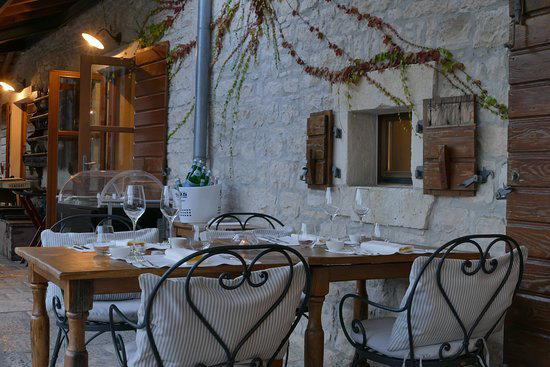
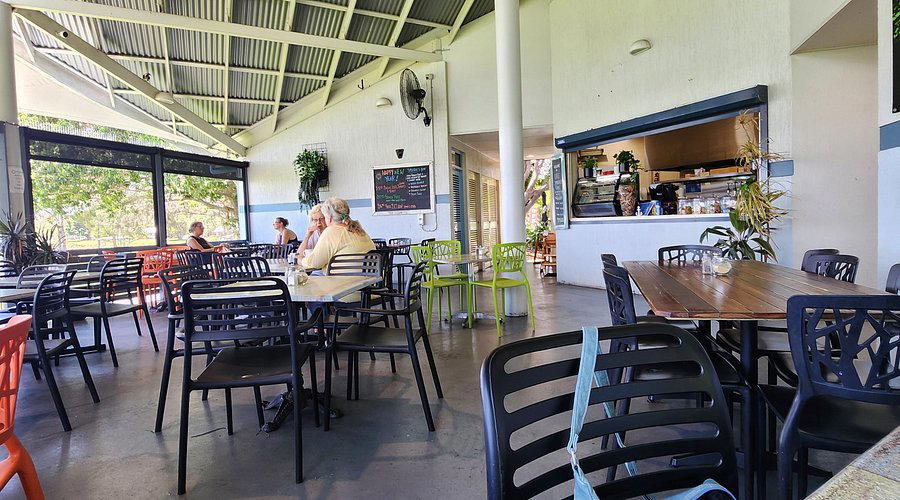
Bright, casual, and energetic with limited seating (approximately 10 seats total split between indoor and outdoor), featuring open windows and a counter-service setup that creates a lively, social atmosphere despite the small footprint.