

1 Michelin Star · We're Smart World 1 Radish
Our verdict
A Michelin-starred inn in the Normandy village of Valmont, Maison Caillet draws on an extensive kitchen garden and Pierre Caillet's Meilleur Ouvrier de France technique to argue a serious case for vegetable-forward French cooking. The 19th-century property sits beside a lake, with guestrooms extending the stay beyond a single meal. At €€€€, it prices alongside France's regional one-star tier but operates on a different philosophical register.

Pearl is the En Primeur Club membership app — saves, bookings, and concierge access live there. Same editors, same standards.
- Address
- 22 Rue André Fiquet, 76540 Valmont, France
- Phone
- +33 2 35 29 77 56
- Hours
- Mon 9:15 AM–1:15 PMTue–Wed ClosedThu–Sat 9:15 AM–1:15 PM, 7:30–8:30 PMSun 9:15 AM–1:15 PM
- Website
- maisoncaillet.com
- Directions
- Get directions
- Booking
- Book on Zenchef
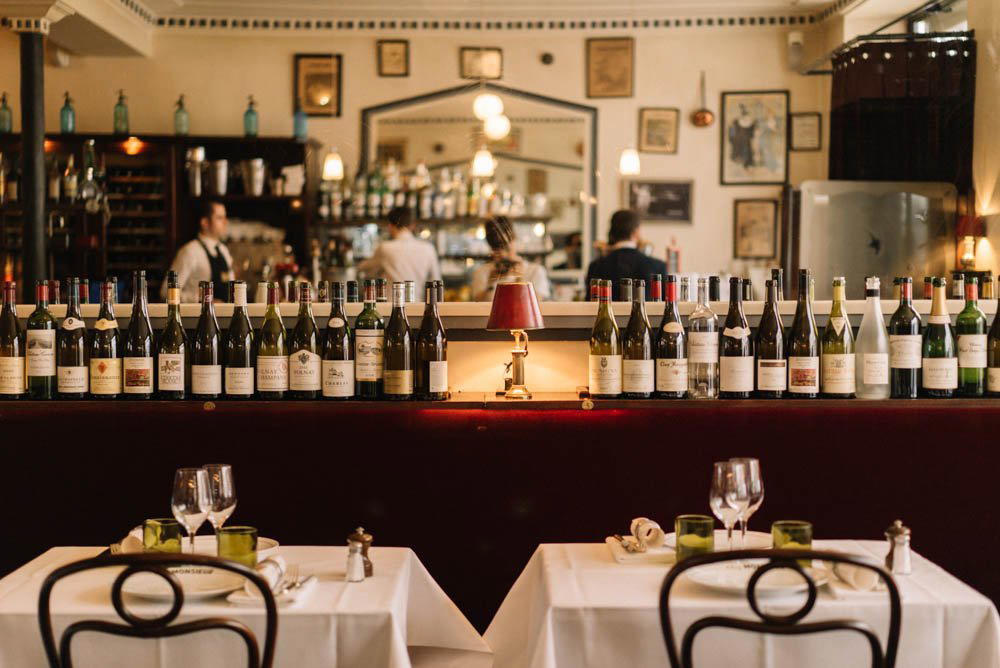
A Kitchen Garden as Kitchen Logic
In Normandy's broader restaurant story, the farm-to-table premise has often been decorative: a herb pot here, a chalkboard supplier credit there. What makes the sourcing model at Maison Caillet structurally different is that the kitchen garden is not a supplement to the menu — it is the premise of it. The restaurant sits at the edge of a large working vegetable garden in the village of Valmont (Seine-Maritime, 76540), and what Pierre Caillet can grow there determines what appears on the plate. That is a constraint most French kitchens at this price tier would find uncomfortable, and it is precisely what makes the proposition interesting.
This is not a marginal approach in global terms. At Mirazur in Menton, Mauro Colagreco built one of the most discussed tasting formats in Europe around a biodynamic garden and lunar calendar. At Bras in Laguiole, the gargouillou — a composition of seasonal plants, herbs, and flowers, redefined what a vegetable-centred dish could be in a French fine-dining context. Caillet's project sits within that tradition, though it operates at a more intimate regional scale and carries with it a specific tension: the dining room's clientele is largely local and traditionally French, which means the kitchen must make the case for vegetable primacy to an audience that arrived expecting otherwise. That negotiation between ambition and audience is one of the more honest culinary dramas currently playing out in provincial France.
The Garden, the Terroir, and What They Produce
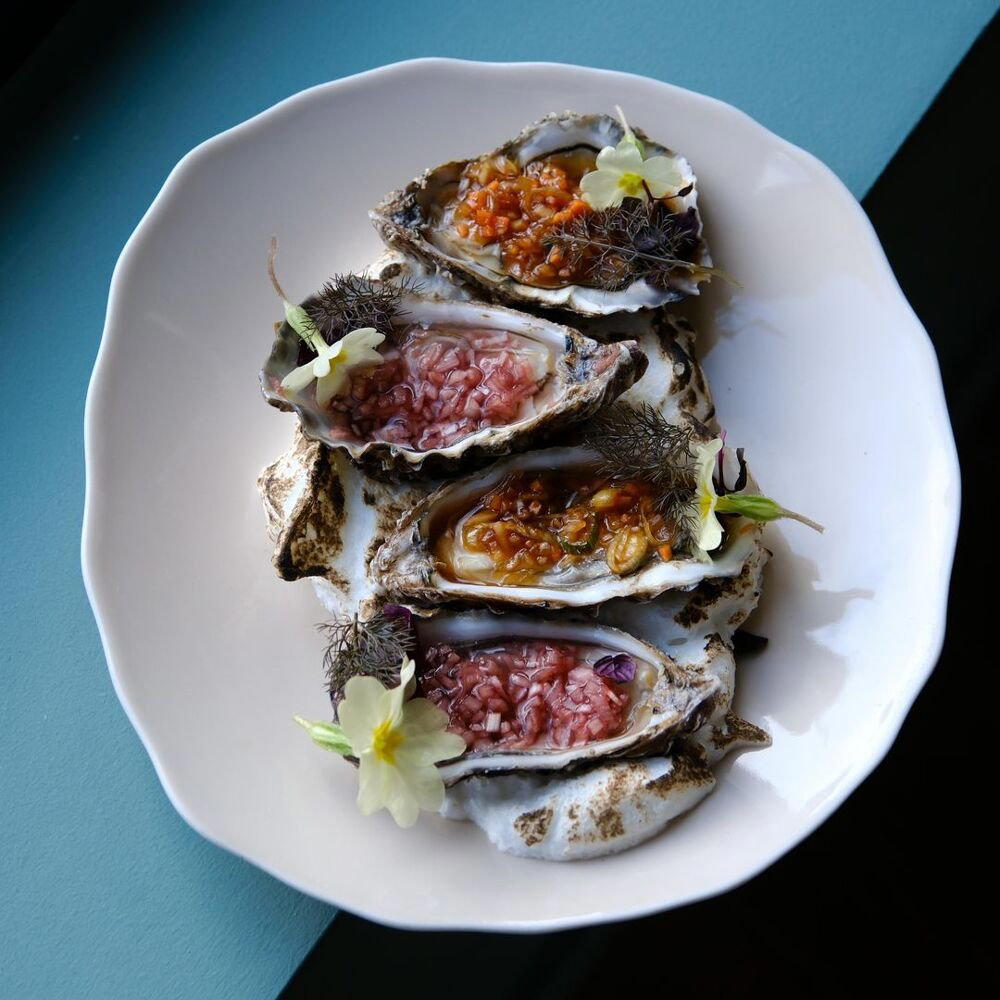
Normandy's agricultural credentials are not in question. The region produces dairy, apples, seafood, and vegetables at a scale and quality that have fed Paris for centuries. What Maison Caillet argues, and what Caillet's menus appear to test, is that the vegetable output of this specific parcel of Norman soil deserves the same technical attention as the cream, the Camembert, or the scallops. The scallops themselves have not disappeared from the menu: a preparation involving passion fruit crust has drawn attention as one of the kitchen's more discussed compositions, demonstrating that protein remains in play. But the framing places vegetables and herbs from the kitchen garden as the load-bearing ingredients rather than the garnish.
Herbs, in particular, function differently in cooking that originates in a garden rather than a supplier order. When a cook has access to fifteen varieties of thyme or can harvest sorrel at multiple growth stages, the decision-making around acidity, bitterness, and aromatic weight shifts. What reads on a plate as sophisticated flavour interplay often begins as a practical consequence of abundance and proximity. The judicious use of herbs noted by critics reviewing Maison Caillet is not incidental to the kitchen's sourcing logic, it is one of its clearest expressions.
For a broader map of where Maison Caillet sits within Norman and northern French dining, see our full Valmont restaurants guide.
Technique in Service of the Garden
Pierre Caillet received the title of Meilleur Ouvrier de France in 2011, a credential that positions him in a specific tier of French culinary expertise. The MOF competition, held roughly every four years and judged by a panel of peers, tests classical technique at an extremely precise level. It is not a marketing designation; it is a professional certification that carries weight in France's culinary hierarchy in the way that a conservatoire degree carries weight in music. Holders of the title include some of the most technically rigorous practitioners in the country.
That technical foundation matters here because vegetable-forward cooking at the fine-dining level is harder to execute than it appears. Without the structural anchors of meat and rich sauces, a kitchen must rely on texture contrast, cooking precision, and seasoning discipline to build courses with genuine weight. The interplay of textures noted in critical assessments of Maison Caillet's menu is not an aesthetic choice so much as a technical requirement: if a dish of roasted celeriac, garden herbs, and reduced whey is going to hold a table's attention through a full service, it has to work across multiple registers simultaneously. MOF-level knife work and temperature control are not decorative in that context, they are structural.
Comparable technical rigour at the €€€€ tier in France appears at properties including Assiette Champenoise in Reims and Au Crocodile in Strasbourg, both of which operate within the regional fine-dining model that Maison Caillet occupies. At the urban end of the creative spectrum, AM par Alexandre Mazzia in Marseille and Alléno Paris au Pavillon Ledoyen operate at higher price points with similar emphasis on technique and ingredient transformation, while mountain-set Flocons de Sel in Megève represents the alpine equivalent of the terrain-anchored tasting format. For those tracing the longer arc of French regional fine dining, Auberge de l'Ill in Illhaeusern, Troisgros - Le Bois sans Feuilles in Ouches, and Paul Bocuse - L'Auberge du Pont de Collonges in Collonges-au-Mont-d'Or remain the reference points against which ambitious auberge cooking gets measured. For creative cooking outside France, Enrico Bartolini in Milan and JAN in Munich offer relevant comparison at a similar creative register. And Auberge du Vieux Puits in Fontjoncouse is perhaps the most instructive parallel: another deeply rural French auberge, another chef with serious credentials, another dining room that asks whether a village address limits or clarifies a kitchen's ambitions.
The Setting and the Stay
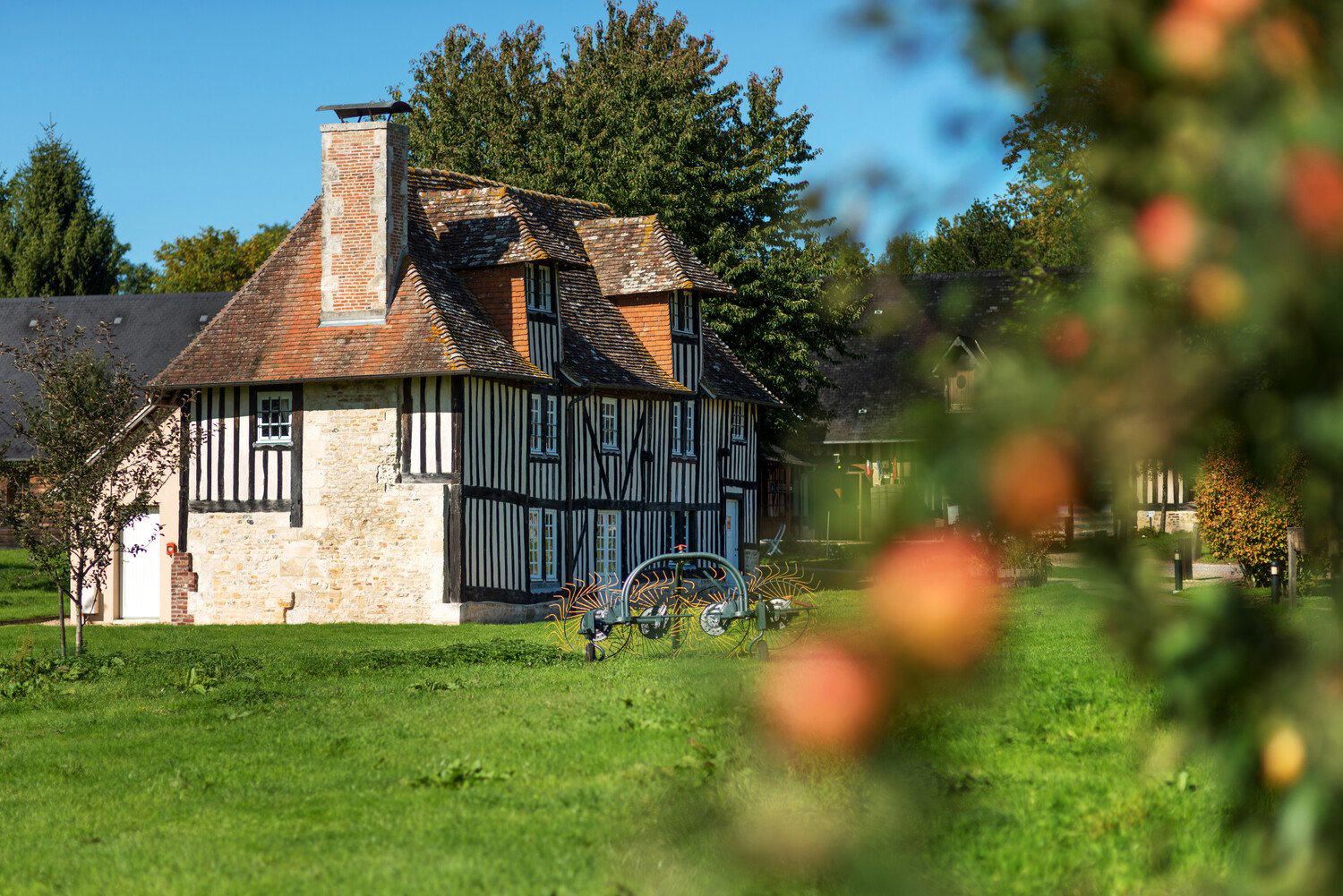
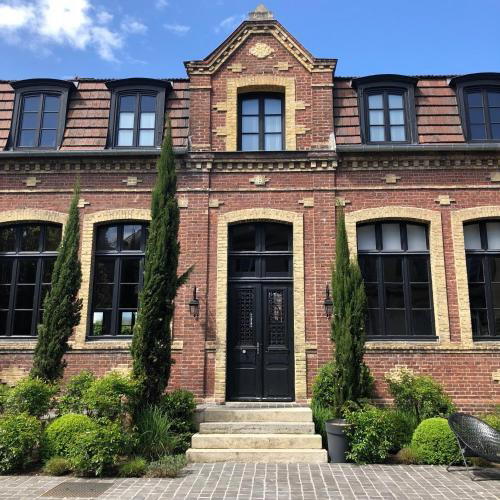
The 19th-century inn that houses the restaurant carries the material logic of a long-established property: stone, accumulated character, grounds that took decades to reach their current state. The kitchen garden belongs to that same temporal register, it was not installed as a concept but developed as a working part of the property. The lake adjacent to the building informs the guestrooms, several of which have private terraces oriented toward the water.
That physical arrangement, restaurant, garden, lake, rooms, creates a particular kind of visit. A dinner at Maison Caillet is completable in an evening, but the overnight option changes the relationship to the food. A guest who walks the kitchen garden before dinner, eats a menu substantially drawn from it, then sleeps with the lake outside the window is experiencing the sourcing logic of the kitchen in a way that a drive-in, drive-out diner cannot. At the €€€€ price point, the room adds cost but also adds coherence to what the kitchen is trying to argue.
For those building a wider Valmont itinerary, our full Valmont hotels guide, our full Valmont bars guide, our full Valmont wineries guide, and our full Valmont experiences guide map the surrounding options.
Planning Your Visit
Maison Caillet is at 22 Rue André Fiquet, 76540 Valmont, a village in Seine-Maritime roughly between Fécamp and Dieppe, accessible by car from Rouen in under an hour and from Paris in under two and a half. The €€€€ pricing places it at the upper register of Norman dining, consistent with a Michelin one-star property offering a tasting format anchored in fine produce and MOF-level execution. Visiting in late spring through early autumn gives the kitchen garden its widest seasonal range and the lake terrace its obvious appeal. Given the rural location and limited keys, advance booking is advisable, particularly for weekend stays that include a room.
Frequently asked questions
What's the pricing like at Maison Caillet?
Pricing at Maison Caillet is listed as €€€€.
How It Stacks Up
| Venue | Cuisine | Awards |
|---|---|---|
| Maison CailletThis venue — the venue you are viewing | Creative French Fine Dining with Garden Produce | 1 Michelin Star · We're Smart World 1 Radish |
| Alléno Paris au Pavillon Ledoyen | Creative | Michelin 3 Star |
| Kei | Contemporary French, Modern Cuisine | Michelin 3 Star |
| L'Ambroisie | French, Classic Cuisine | Michelin 3 Star |
| Le Cinq - Four Seasons Hôtel George V | French, Modern Cuisine | Michelin 3 Star |
| Plénitude | Contemporary French | Michelin 3 Star |
Recognition history
Dated appearances from independent guides and award organizations, with the underlying list record or original source where available.
Michelin 1 Star
Michelin
We're Smart World 1 Radish
We're Smart World
Full recognition history (4 entries)
Michelin 1 Star
Michelin
Michelin 1 Star
Michelin
Continue exploring
More in Valmont
Restaurants in Valmont
Browse all →
Bars in Valmont
Browse all →

Hotels in Valmont
Browse all →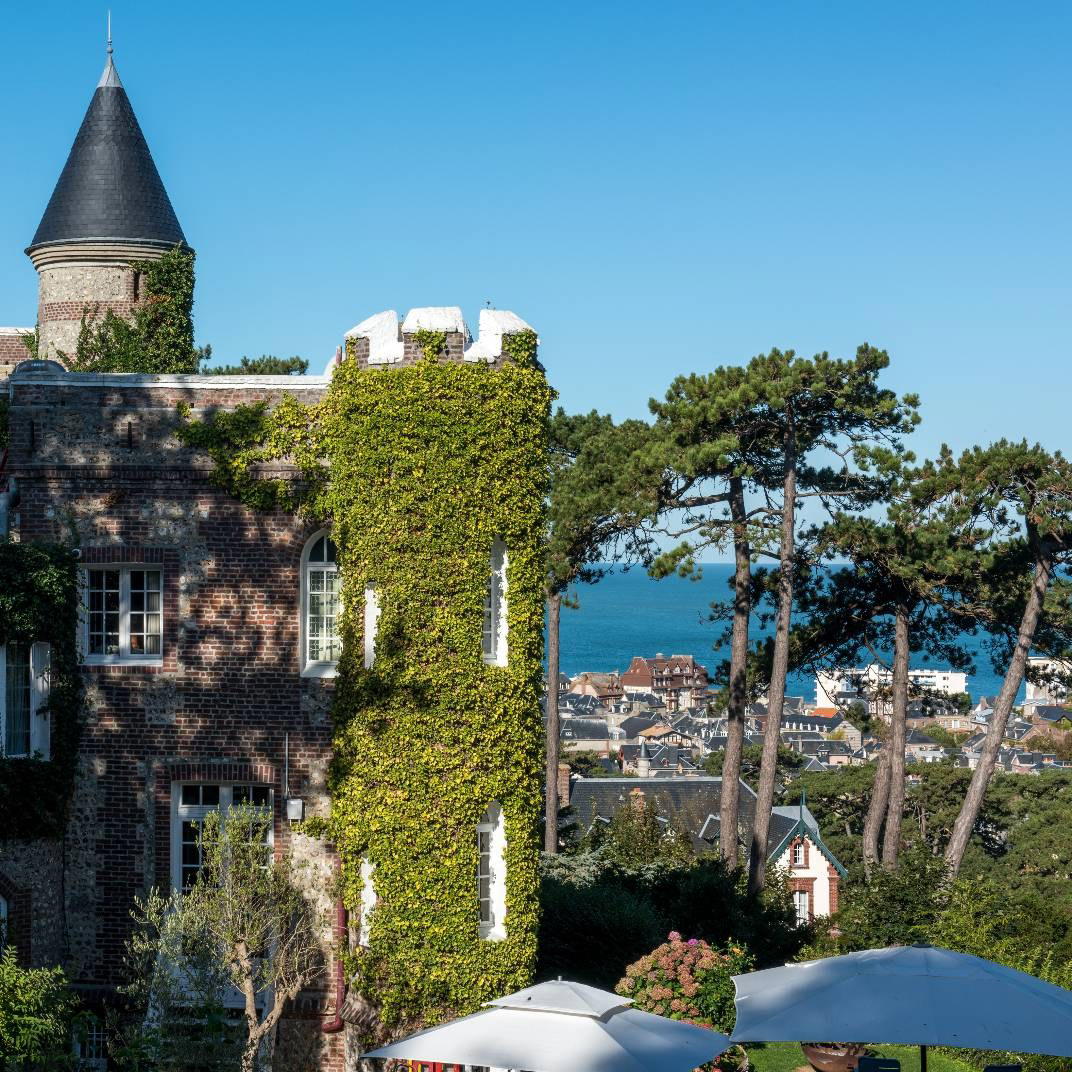
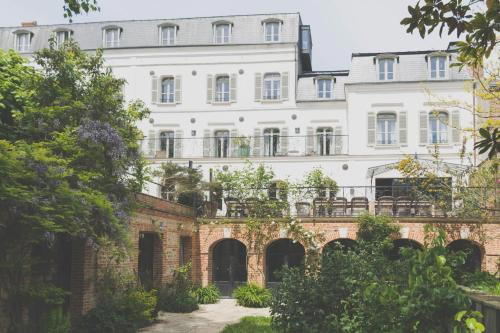
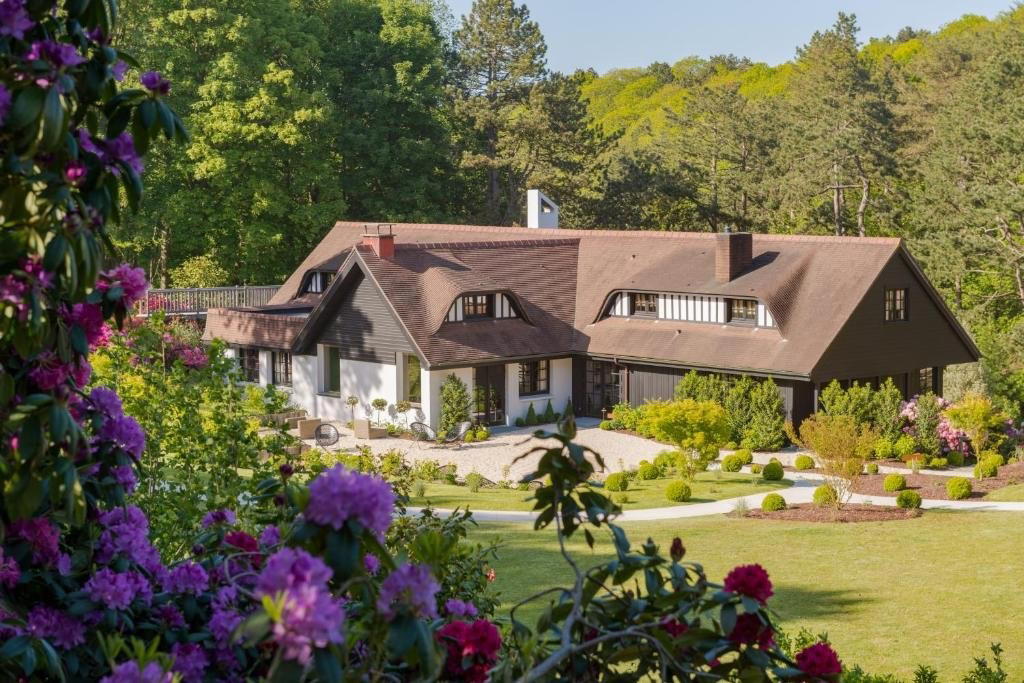
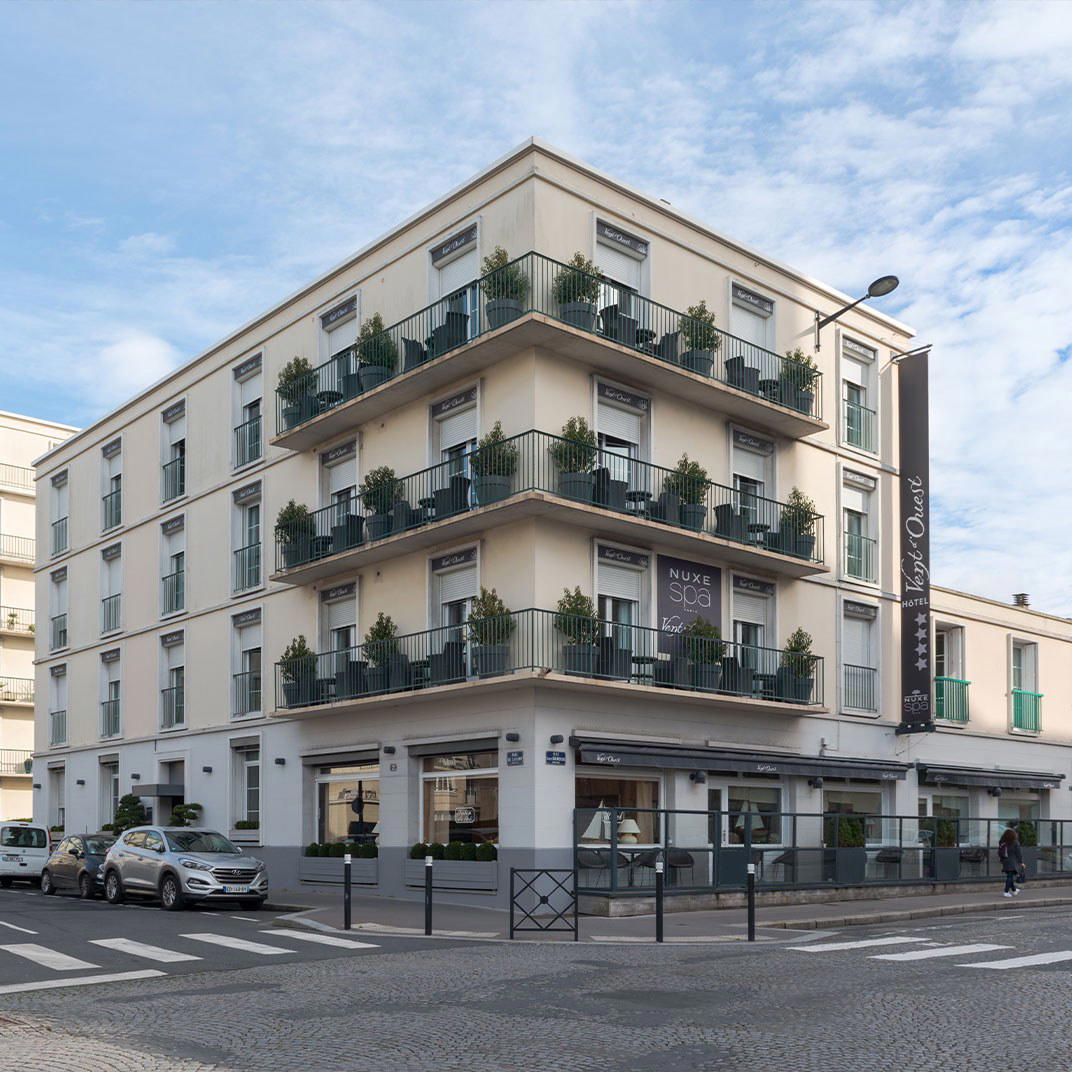
Wineries in Valmont
Browse all →
Maison Caillet
The wine
- Wine program
- Curated wine list
- Extensive wine list
Details
- Elegant
- Cozy
- Intimate
- Sophisticated
- Scenic
- Date Night
- Special Occasion
- Open Kitchen
- Garden
- Extensive Wine List
- Farm To Table
- Local Sourcing
- Garden
- Tasting Menu
Current opening hours
- Monday
- 9:15 AM–1:15 PM
- Tuesday
- Closed
- Wednesday
- Closed
- Thursday
- 9:15 AM–1:15 PM, 7:30–8:30 PM
- Friday
- 9:15 AM–1:15 PM, 7:30–8:30 PM
- Saturday
- 9:15 AM–1:15 PM, 7:30–8:30 PM
- Sunday
- 9:15 AM–1:15 PM
Hours can change for holidays and private events. Last verified .
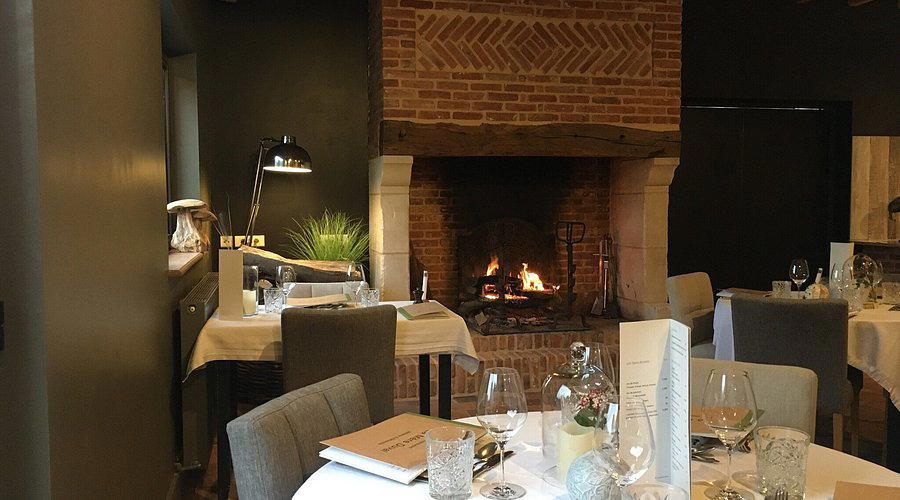
Feutrée and raffinée atmosphere in an 18th-century bâtisse with ancient beams, a grand fireplace, contemporary furniture, and art, creating a warm yet elegant dining space.