Google: 4.6 · 376 reviews
Drakes Hotel | A Curious Group of Hotels
Drakes Hotel sits on Brighton's Kemptown seafront as part of A Curious Group of Hotels, occupying a Georgian terrace on Marine Parade. The bar draws attention for its spirits curation in a city where cocktail culture has grown steadily more serious. For those cross-referencing Brighton's drinking scene against a broader UK bar circuit, Drakes provides a seafront reference point with genuine bottle depth.
 Discover on Pearl
Pearl is the En Primeur Club membership app — saves, bookings, and concierge access live there. Same editors, same standards.
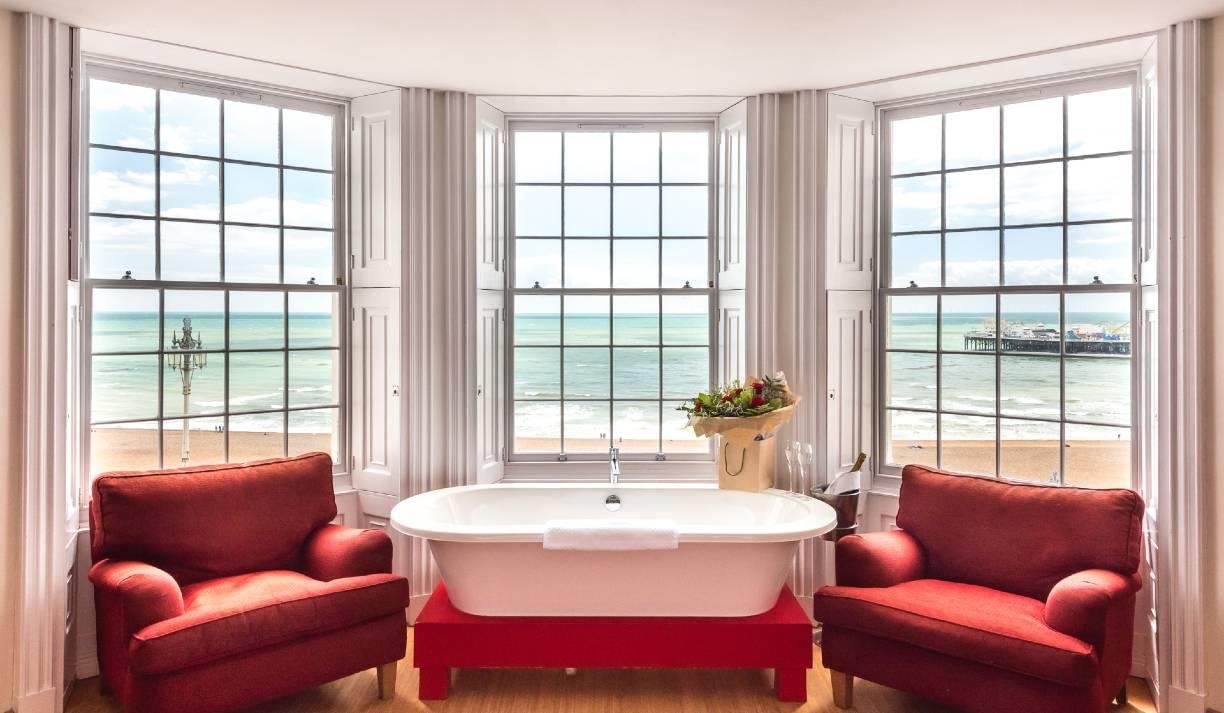
Kemptown, the Seafront, and Where Drakes Sits in Brighton's Drinking Geography
Brighton's bar scene has always split along a clear fault line: the dense, eclectic blocks around North Laine and the Lanes on one side, and the seafront strip of Kemptown on the other. The former draws the louder, more experimental crowd; the latter tends toward properties where the room itself does much of the work. Marine Parade is Georgian in bones and cosmopolitan in character, and a hotel bar along this stretch competes less on novelty and more on consistency, depth, and the quality of what sits behind the counter.
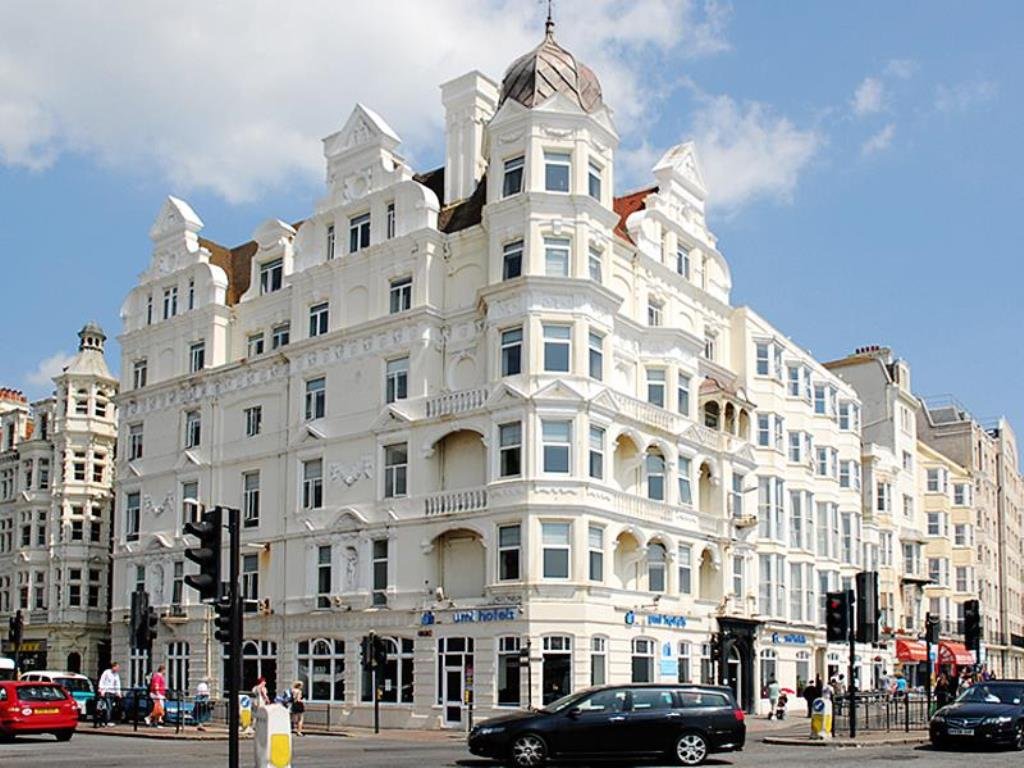
Drakes Hotel, part of A Curious Group of Hotels, occupies a terrace position on Marine Parade that faces the English Channel directly. Approaching from the east along the seafront, the building's Georgian facade fits the architectural rhythm of Kemptown without announcing itself aggressively. That restraint carries inside: this is a property that positions itself through atmosphere and curation rather than spectacle. For anyone mapping Brighton's drinks options against a wider UK bar circuit, the hotel bar format here belongs to a cohort that includes Merchant Hotel in Belfast, where the draw is as much the room and the bottle selection as the cocktail programme itself.
The Back Bar as Editorial Statement
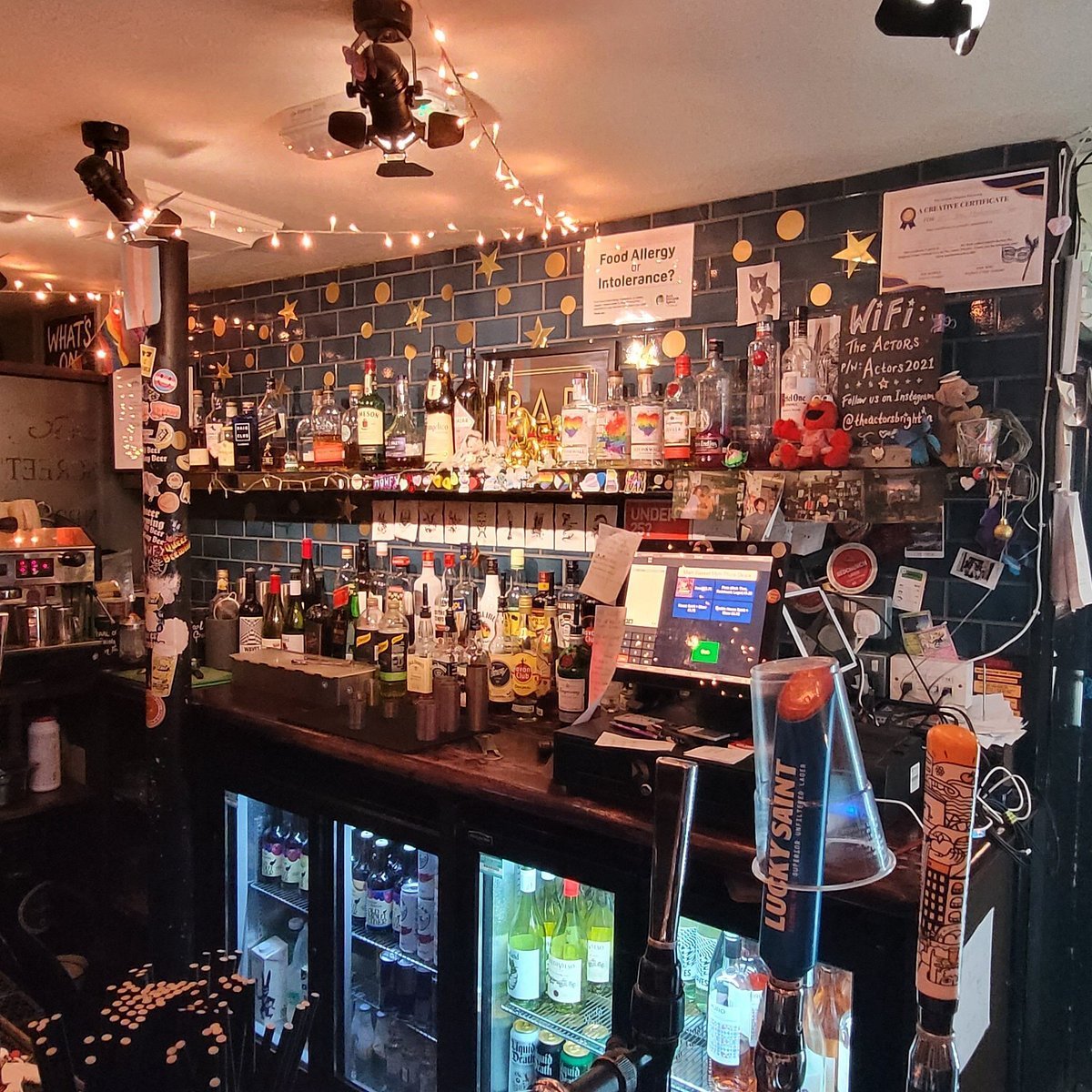
In British hotel bars that take spirits seriously, the back bar functions as a kind of argument: it tells you what the programme believes in, which categories it prioritises, and whether the selection has been assembled with any genuine editorial intent or simply filled to look impressive. Drakes sits in the tradition of hotel bars where that curation matters. The Kemptown location, with its proximity to a wealthier, older residential demographic alongside Brighton's well-travelled visitor base, creates conditions where a serious spirits list finds an audience.
Brighton's cocktail bars have grown more technically precise over the past decade. Venues like 48 Trafalgar St and Black Dove operate in the independent bar format, building their identities around specific programme philosophies. L'Atelier Du Vin Wine and Cocktail Bar leans into the wine-bar adjacency. Marwood Bar and Coffeehouse plays a different register entirely, mixing coffee culture with an irreverent aesthetic. The hotel bar format that Drakes occupies is a distinct tier in this city: it serves guests who are already on property, but it also functions as a destination for residents who want the atmosphere of a well-appointed room with a reliable spirits selection, without the scene-driven energy of the Lanes.
What a Serious Spirits Collection Means in Practice
The category of hotel bar with genuine bottle depth is a smaller cohort in the UK than it might appear. Outside London, where programmes like 69 Colebrooke Row set a high technical benchmark, the standard varies considerably. In Scotland, Bramble in Edinburgh and Horseshoe Bar Glasgow have built reputations through different models, the former through programme depth and the latter through heritage and scale. In the north of England, Schofield's in Manchester and Mojo Leeds represent opposite ends of the spectrum between precision and energy. Against this map, a seafront hotel bar in Brighton that invests in its back bar occupies a specific niche: it is the kind of place where a whisky drinker or an amaro enthusiast can find something worth sitting with, in a room that earns the time.
Internationally, programmes like Bar Leather Apron in Honolulu demonstrate how seriously a hotel-adjacent bar can take its spirits philosophy. The discipline there, around Japanese whisky and precise technique, reflects a broader global shift toward bars that treat the back bar as a collection rather than an inventory. That sensibility, applied to a British coastal hotel context, is what separates a property like Drakes from the average seafront hotel offering.
The Room, the Setting, and When to Visit
The physical environment of a hotel bar on Marine Parade is shaped by its orientation. The Channel light changes throughout the day, and the quality of an early evening drink in a seafront room in this part of Brighton is different from the same drink taken on a Friday night when the property fills with weekend visitors from London. Brighton operates on a pronounced seasonal rhythm: summer weekends bring significant visitor volume, while the autumn and winter months offer a quieter, more local crowd. For a spirits-led experience where the conversation between guest and back bar matters, the quieter mid-week visits between September and March tend to reward more than the high-season rush.
For those planning around the bar specifically, Kemptown is walkable from Brighton station in approximately twenty minutes along the seafront, or a short taxi ride. The neighbourhood also connects naturally to the Old Steine and the eastern edge of the Lanes, making it a logical anchor point for an evening that moves across different parts of the city's drinking scene. See our full Brighton and Hove restaurants guide for a broader map of where the city's food and drink offer concentrates.
Planning Your Visit
Drakes Hotel sits at Marine Parade, Kemptown, Brighton BN2 1PE. As a hotel bar, it serves both residents and walk-in guests, though during peak Brighton weekends, competition for seating in seafront properties increases considerably. Arriving early in an evening session, particularly Thursday through Saturday between May and September, is the practical approach for anyone who wants space to work through a spirits list without the pressure of a busy room. The hotel's position within A Curious Group of Hotels suggests a property philosophy oriented toward character and specificity rather than scale, which typically translates to a bar operation run with similar intent.
Budget and Context
A quick look at comparable venues, using the data we have on file.
Continue exploring
More in Brighton and Hove
Bars in Brighton and Hove
Browse all →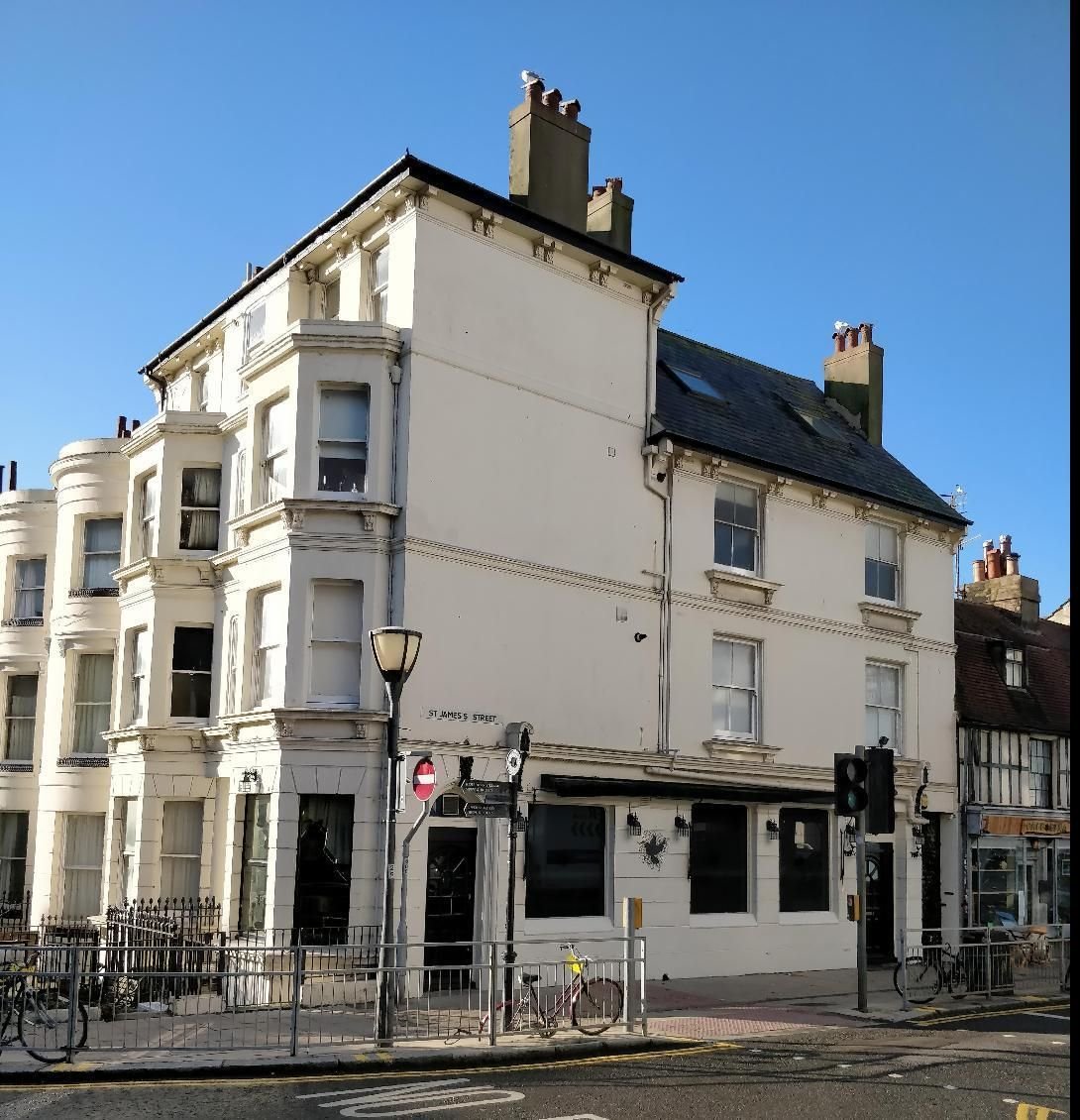
Restaurants in Brighton and Hove
Browse all →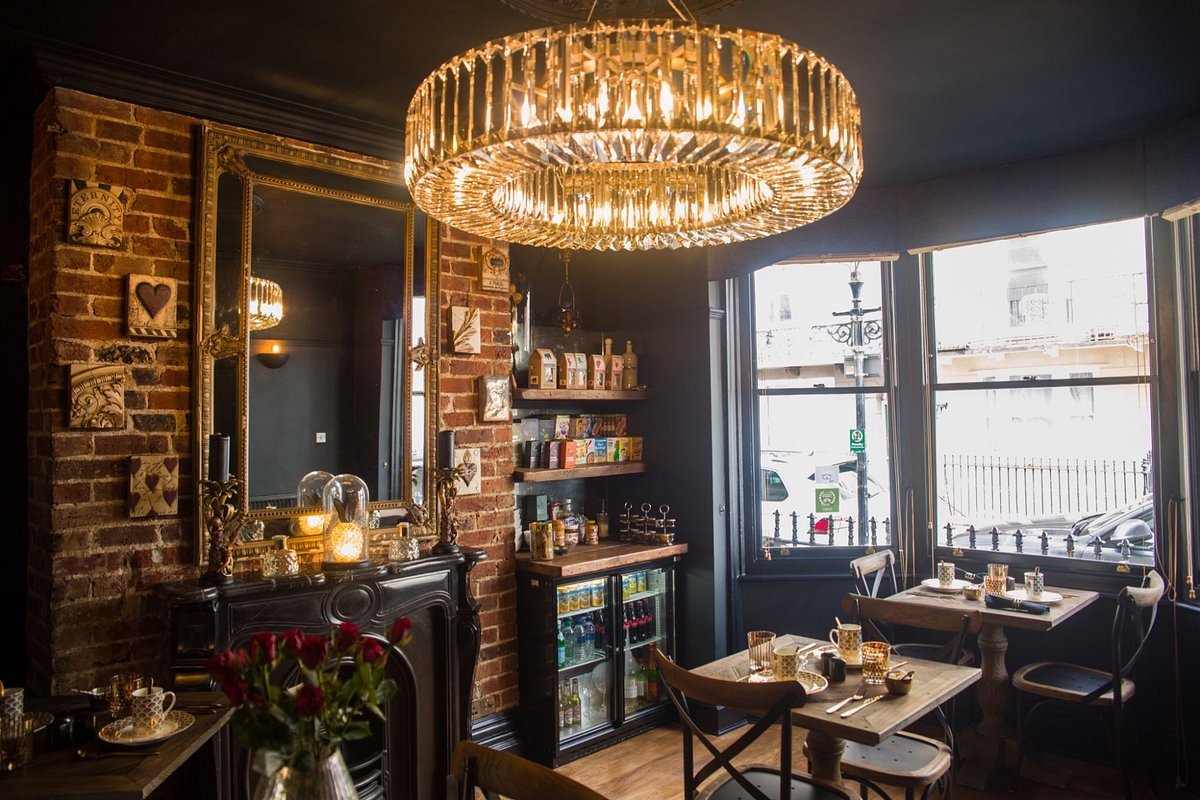
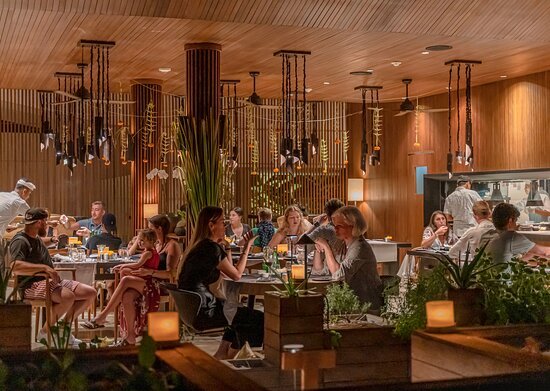
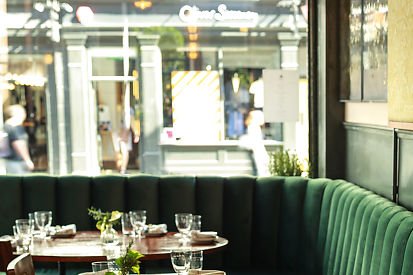
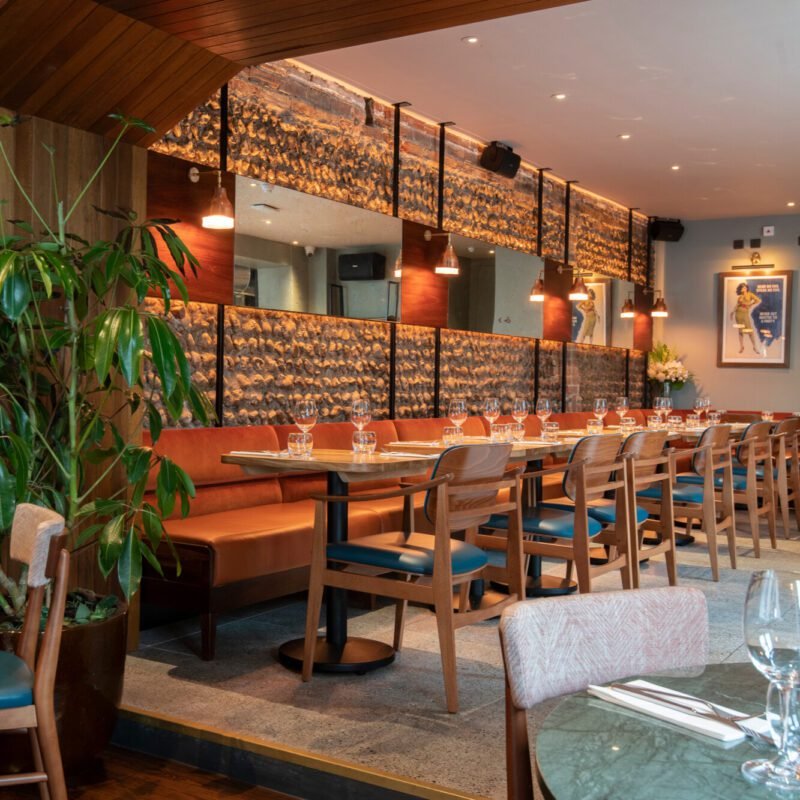
Hotels in Brighton and Hove
Browse all →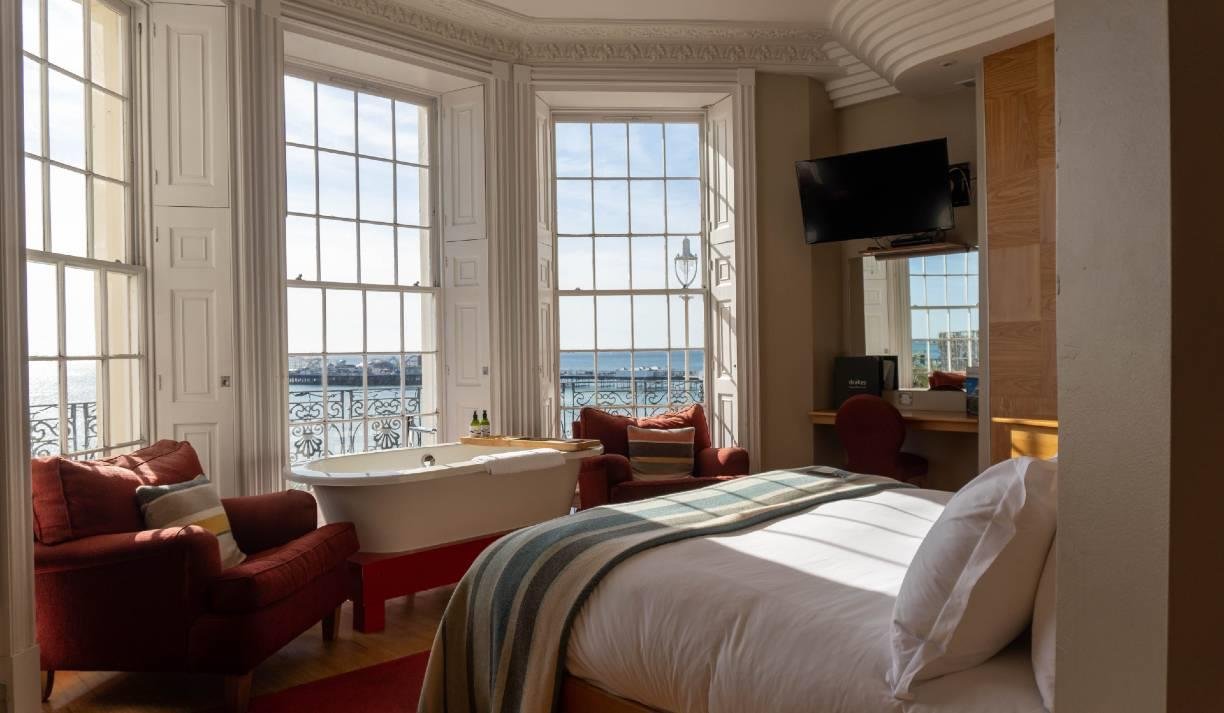
Wineries in Brighton and Hove
Browse all →
At a Glance
- Romantic
- Elegant
- Sophisticated
- Cozy
- Date Night
- Casual Hangout
- Special Occasion
- Waterfront
- Hotel Bar
- Historic Building
- Lounge Seating
- Seated Bar
- Classic Cocktails
- Craft Cocktails
- Waterfront
- Street Scene
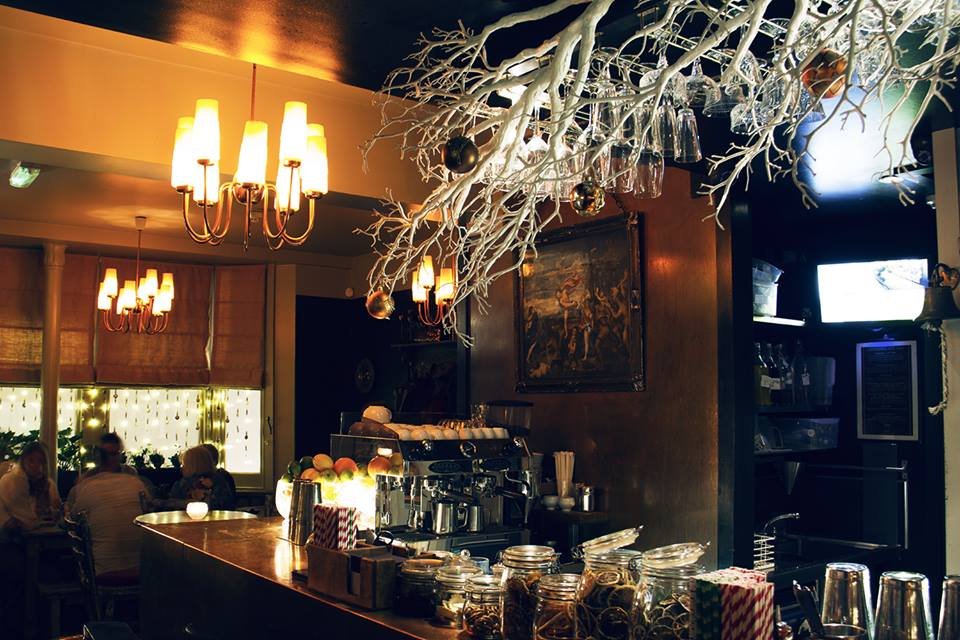
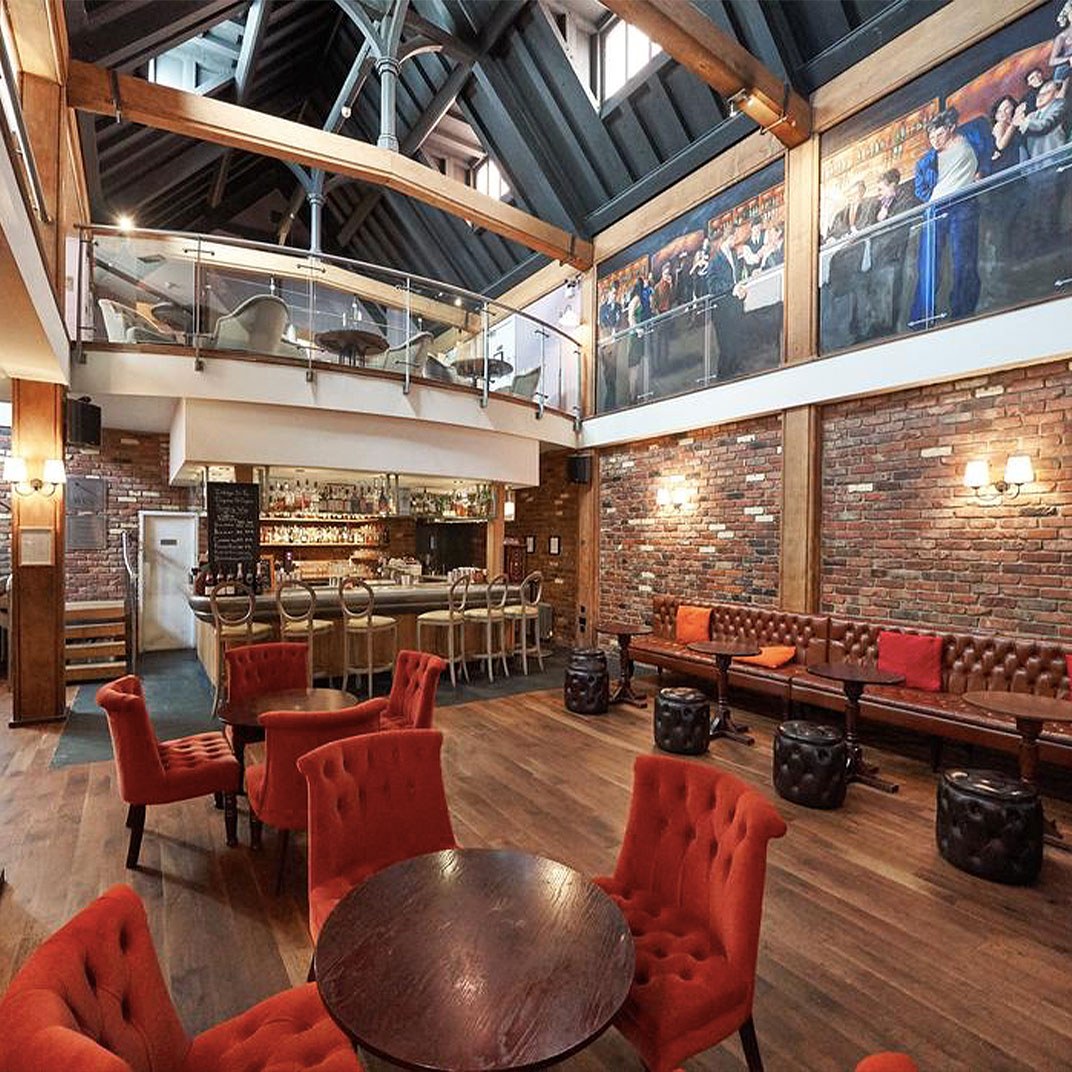
Chilled and romantic atmosphere with double aspect windows offering unsurpassed sea views, perfect for sunset drinks in a stylish boutique setting.