Les Manoirs des Portes de Deauville

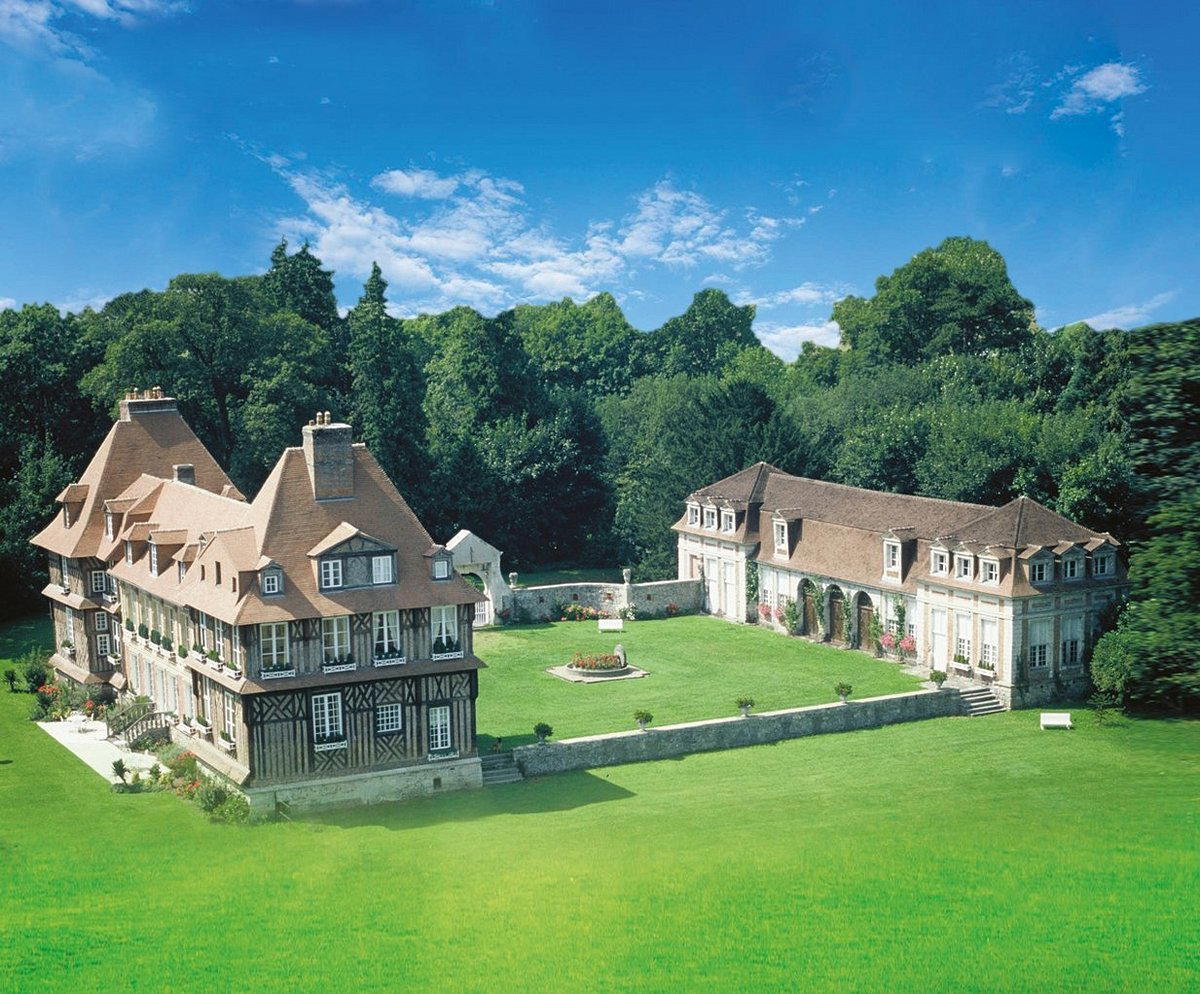
A restored Norman manor house in Canapville with a documented connection to playwright Pierre Corneille, Les Manoirs des Portes de Deauville sits within six acres of Normandy countryside between the Pays d'Auge interior and the Deauville coast. The property represents a particular strain of French heritage hospitality, architectural preservation as the primary act of curation, with history embedded in the fabric of the building itself.
Pearl is the En Primeur Club membership app — saves, bookings, and concierge access live there. Same editors, same standards.
- Address
- 30 Rte de Pont-l'Évêque, 14800 Canapville
- Phone
- +33 2 31 65 65 18
- Website
- portesdedeauville.com
- Directions
- Get directions
 Saves & bookings on Pearl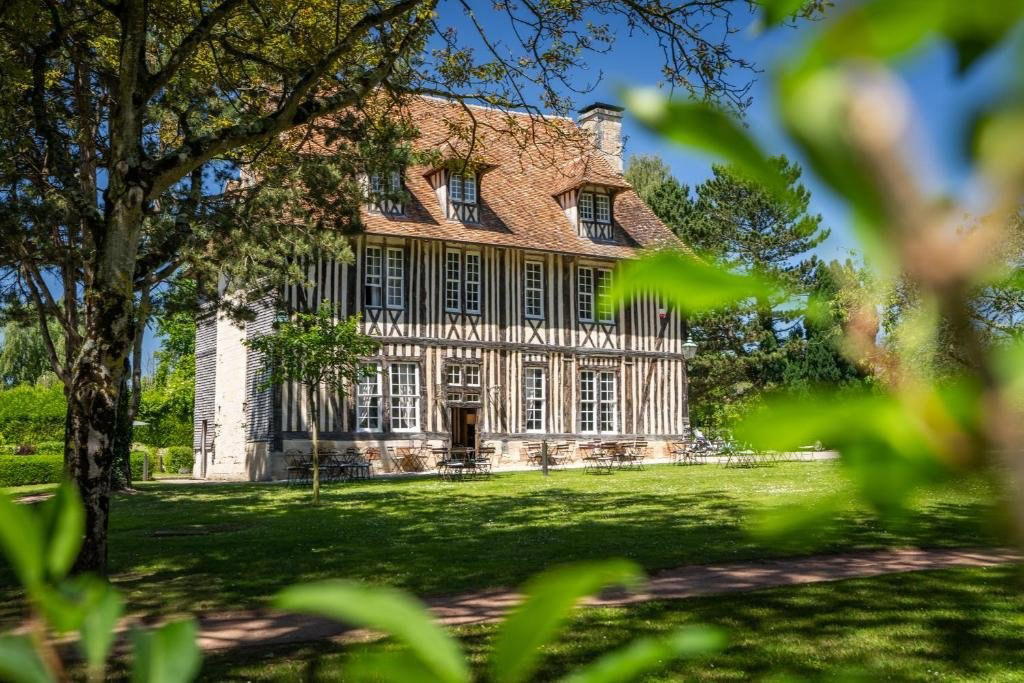
Norman Stone and the Weight of History
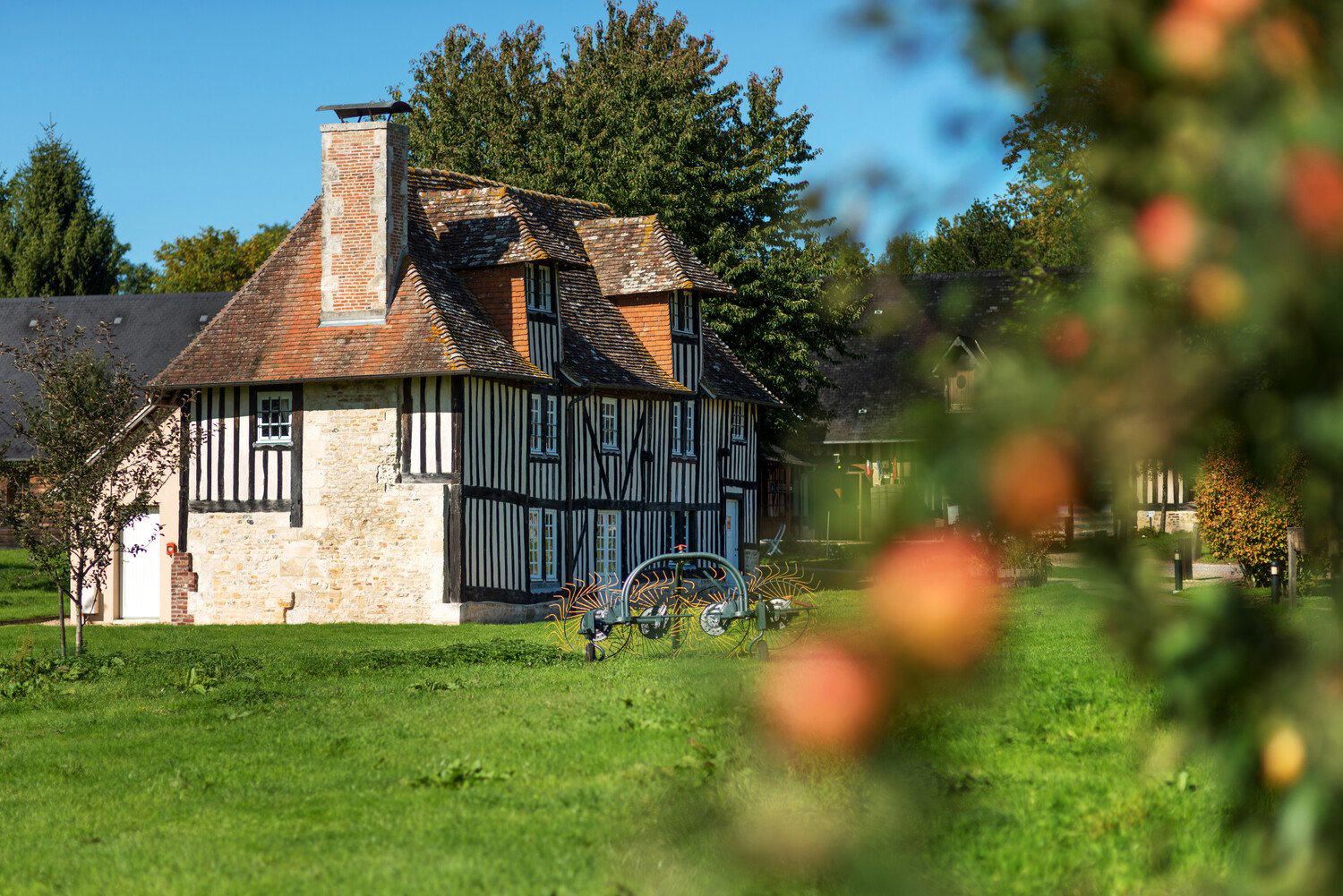
Les Manoirs des Portes de Deauville is a 4-star hotel in Canapville, near Deauville, with 25 rooms and a nightly rate from $220. The approach to Les Manoirs des Portes de Deauville does not announce itself with a grand gate or a manicured forecourt. What meets the eye instead is the language of authentic Norman vernacular: timber framing, stone, steeply pitched roofs, and an unhurried relationship with the surrounding land. This is not a manor house that has been packaged for tourism. It is a working example of the regional architectural tradition that defined prosperous Normandy estates through the sixteenth and seventeenth centuries, heavy materials, restrained ornamentation, buildings that read as products of climate and geography rather than aesthetic ambition.
Positioned in Canapville, in the Pays d'Auge, the property sits in among the more architecturally coherent pockets of Normandy. The area between Pont-l'Évêque and Deauville has not been heavily modernised; the road patterns, the bocage hedgerows, and the manor farms that punctuate the landscape remain broadly legible as they would have been two or three centuries ago. That broader context matters when reading the Manoirs. Its six acres of grounds are not an isolated feature, they are a continuation of a landscape character that makes the Pays d'Auge among the more architecturally legible rural zones in northern France. For those accustomed to French château hospitality in more manicured southern settings, Château de la Chèvre d'Or in Èze or Baumanière Les Baux-de-Provence in Les Baux, this Norman register reads as more rooted in agricultural reality than in theatrical grandeur.
The Corneille Connection and What It Implies
Heritage properties across France frequently invoke historical associations, but the connection between Les Manoirs and Pierre Corneille is worth treating seriously rather than as decorative background. Corneille, the seventeenth-century dramatist whose work defined French classical theatre alongside Racine and Molière, was a Norman himself, born in Rouen. His association with this part of the Pays d'Auge is geographically plausible and historically grounded in the broader Norman cultural milieu of his era. When a property of this type carries a documented connection to a figure of Corneille's stature, it signals something about the building's age, its social standing in its own period, and the durability of its architecture. These are not minor credentials. In a country where heritage status is regulated and documented, a Corneille association is not the kind of claim that survives scrutiny unless it is verifiable.
That cultural anchor places the Manoirs in a different category from country hotels that simply occupy old buildings. The peer comparison here is less Cheval Blanc Paris, a project of contemporary luxury applied to a historic shell, and more the strand of French hospitality represented by Domaine Les Crayères in Reims or Château du Grand-Lucé in Le Grand-Lucé: properties where the building itself is the primary experience, and where the hospitality format is built around preserving rather than transforming the original character.
Architecture as the Primary Act
The restoration of a Norman manor house requires a specific discipline. Unlike Provençal or Périgord stone buildings, which weather into relatively stable surfaces, the timber-framed colombage construction of Normandy is demanding to maintain. The half-timbering must be repointed, the infill panels, traditionally a mixture of clay and straw, monitored against moisture, and the structural oak managed against the wet Atlantic climate. When a property describes itself as beautifully restored, the operative question in this region is always: restored to what standard, and at what cost of authenticity? Properties that have undergone heavy commercial renovation often replace original materials with modern equivalents that read as period approximations rather than the genuine article. The leading Norman restorations preserve the unevenness, the slight lean of a door frame, the variation in floor levels, that signals real age rather than reproduction.
From the evidence available, Les Manoirs sits within the tradition of preservation-first restoration rather than the hospitality-first renovation more typical of brands seeking to homogenise comfort across their portfolio. That is a meaningful distinction for the traveller who is choosing between atmospheric fidelity and seamless modern convenience. Properties like La Bastide de Gordes in Gordes or Château de Montcaud in Sabran offer a southern French equivalent, historic shells that have been brought to a high polish, but the Norman climate and vernacular produce an entirely different sensory register: cooler light, denser materials, a more subdued palette.
The Deauville Orbit and How the Property Fits It
Canapville's position on the Route de Pont-l'Évêque places Les Manoirs in the inland agricultural Normandy that most Deauville visitors pass through but rarely stop in. The Deauville-Trouville coastline, with its casino architecture, its race weeks, and its film festival associations, attracts a specific seasonal crowd whose priorities are rarely architectural or historical. The Manoirs exists in a different register entirely: it draws visitors who are using the Pays d'Auge as a destination in its own right rather than as a hinterland for the coast. That distinction shapes the experience. The six acres of grounds, the silence of the bocage, and the absence of the beach-town energy that defines high-season Deauville are not incidental features but the core of what this property offers. For reference to how luxury hospitality performs in a similarly coastal-adjacent but landscape-focused mode, Castelbrac in Dinard in Brittany offers a useful parallel, a property where the position relative to a famous resort town is understood as deliberate separation rather than proximity.
Normandy's calendar shapes access in practical terms. The apple blossom period in late April and early May, and the golden autumn of October when the cider-apple harvest runs, are the two moments when the Pays d'Auge landscape is at its most compelling for visitors whose interest extends beyond the built environment. Both periods coincide with manageable visitor numbers relative to the July and August coastal peak. Pont-l'Évêque, the nearest town of scale and the source of its famous washed-rind cheese, is within easy reach for provisioning and local orientation.
Planning a Stay
Advance contact is advisable and direct communication one reliable route. Properties in this category, independent, heritage-focused, operating on a limited-key model, frequently work on a seasonal or request basis rather than through real-time online inventory. Those accustomed to the scale and operational consistency of French palace hotels, Hotel Du Cap-Eden-Roc in Cap d'Antibes or The Maybourne Riviera in Roquebrune-Cap-Martin, should calibrate expectations accordingly: this is a property whose value proposition is architectural and historical rather than operational breadth.
Comparable Spots, Quickly
Comparable venues nearby, for context on price, style, and recognition.
| Venue | Cuisine | Price | Awards | Notes |
|---|---|---|---|---|
| Les Manoirs des Portes de DeauvilleThis venue — the venue you are viewing | Luxury boutique hotel blending historic Norman architecture with contemporary comfort, positioned as an independent member of Small Luxury Hotels of the World. | $$$$ | 4-Star | Not listed |
| Riva Beach | Coastal boutique overlooking gulf | $$$$ | 4-Star | Porto-Vecchio |
| Villa Seren | Lakefront boutique hotel with spa | $$$$ | 4-Star | Soorts-Hossegor |
| Les Dromonts | Well-known 1960s alpine architecture with fan-shaped pine-cone design. | $$$$ | 4-Star | heart of Avoriaz |
| Fahrenheit Seven Courchevel | neo-vintage lifestyle hotel | $$$$ | 4-Star | Courchevel 1650 |
| L'Aiguille Grive | Contemporary chalet hotel with eco-friendly low-energy constructions. | $$$$ | 4-Star | Charmettoger |
Recognition history
Dated appearances from independent guides and award organizations, with the underlying list record or original source where available.
Michelin Selected
Michelin
Small Luxury Hotels of the World Member
Small Luxury Hotels of the World
Continue exploring
More in Canapville
Hotels in Canapville
Browse all →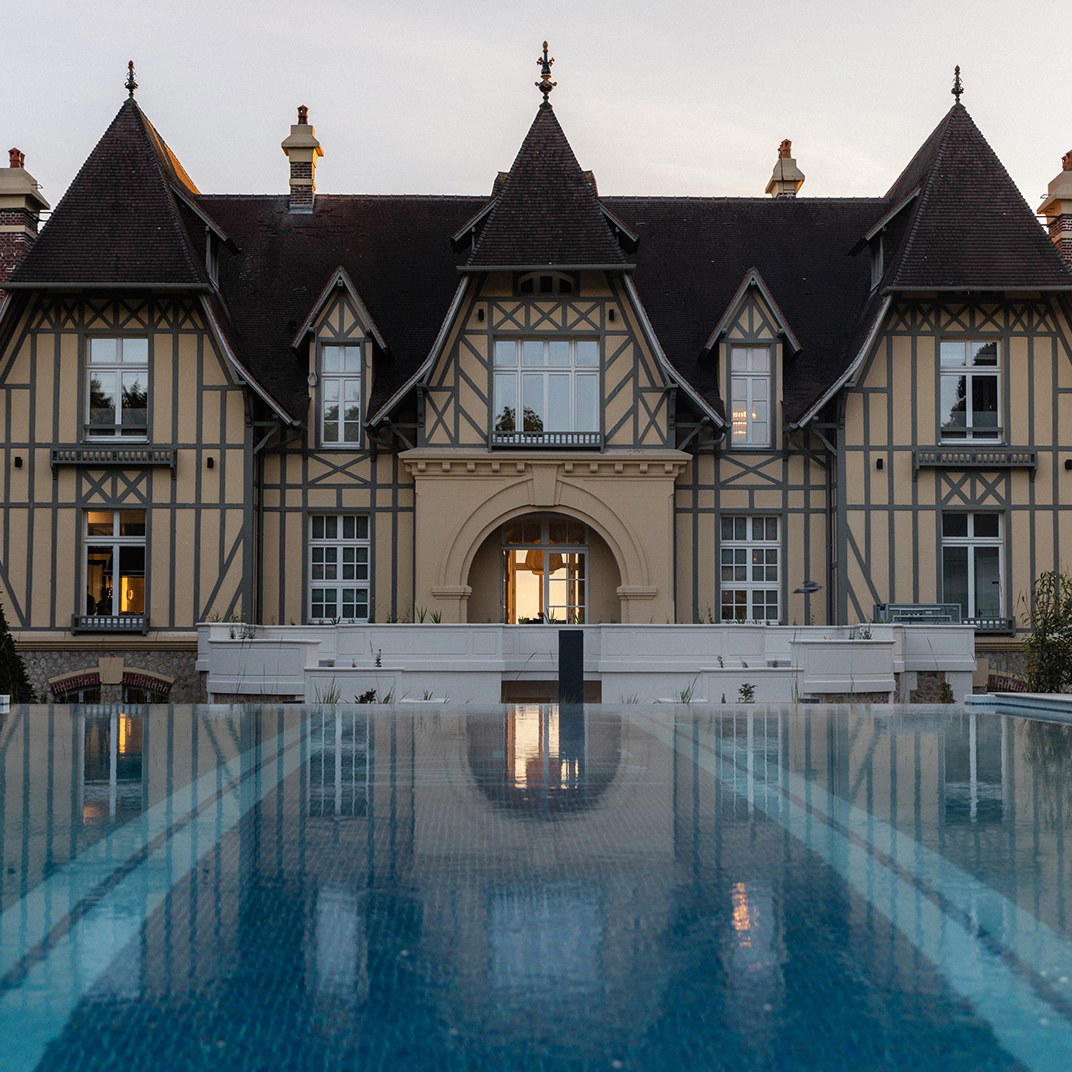
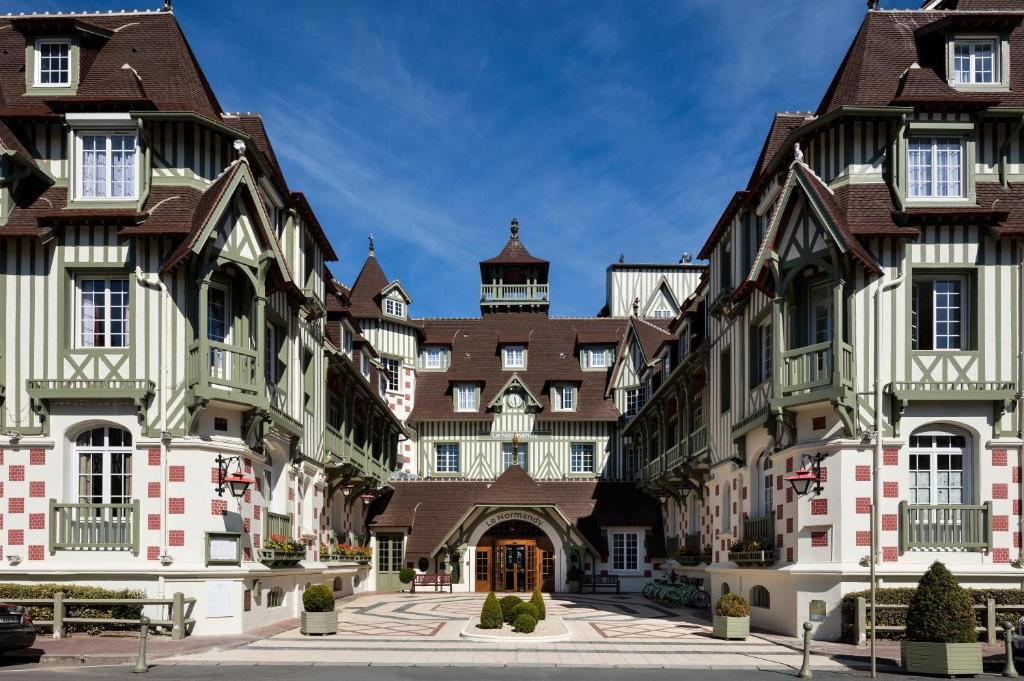
Bars in Canapville
Browse all →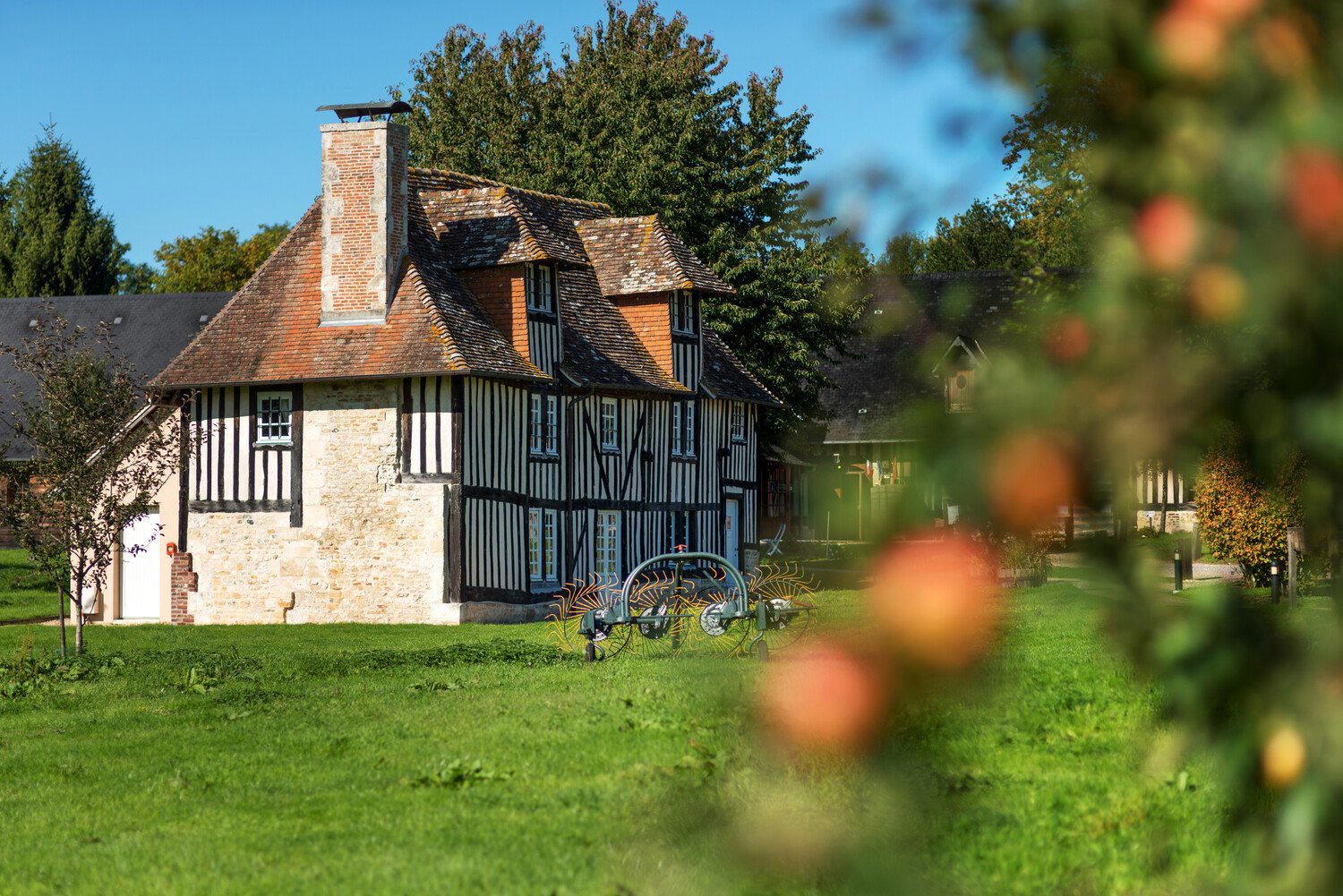
Restaurants in Canapville
Browse all →
At a Glance
- Romantic
- Quiet
- Elegant
- Scenic
- Cozy
- Sophisticated
- Romantic Getaway
- Wellness Retreat
- Family Vacation
- Weekend Escape
- Anniversary
- Garden
- Terrace
- Historic Building
- Destination Spa
- Private Dining
- Wi Fi
- Pool
- Spa
- Sauna
- Fitness Center
- Concierge
- Room Service
- EV Charging
- Bicycle Rental
- Massage
- Hot Tub
- Garden
- Wi Fi
- Pool
- Spa
- Sauna
- Fitness Center
- Concierge
- Room Service
- EV Charging
- Bicycle Rental
- Massage
- Hot Tub
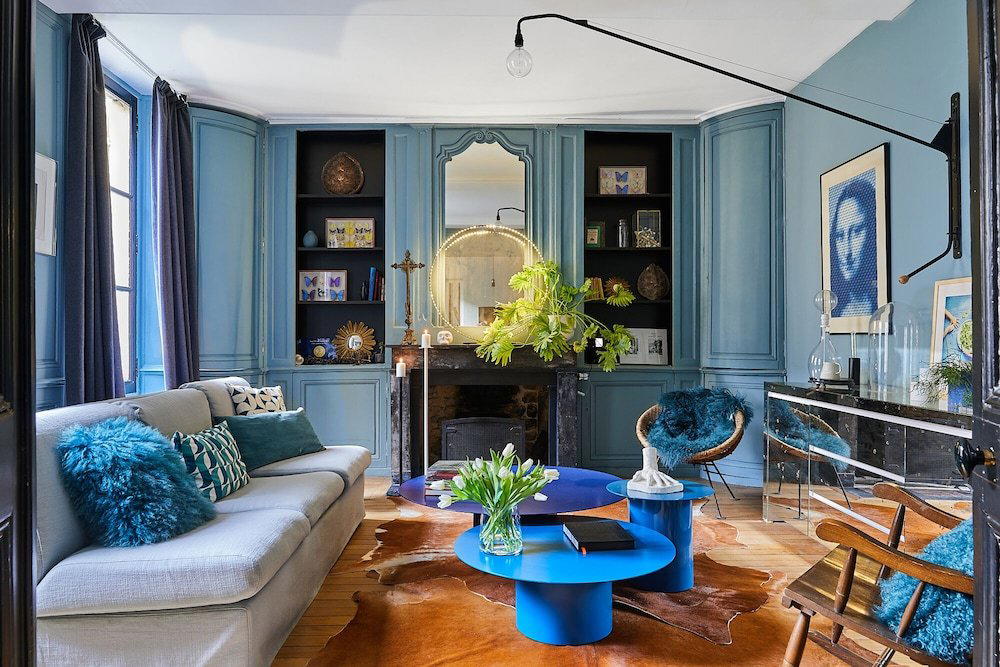
Refined and serene with warm, inviting spaces including a Great Lounge with fireplace, individually decorated rooms with period charm, and peaceful grounds that evoke countryside elegance.