
Tabelog 100 #78
Our verdict
Tonkatsu Azuma places Nikko’s pork-cutlet tradition in a serious, craft-led register rather than a tourist-snack lane. Its Tabelog 100 Tonkatsu selections in 2022, 2024, and 2026 give it a clear signal in a city better known to many visitors for shrine routes, lakeside hotels, and yuba sweets.

Pearl is the En Primeur Club membership app, where members save venues, book tables and use the concierge.
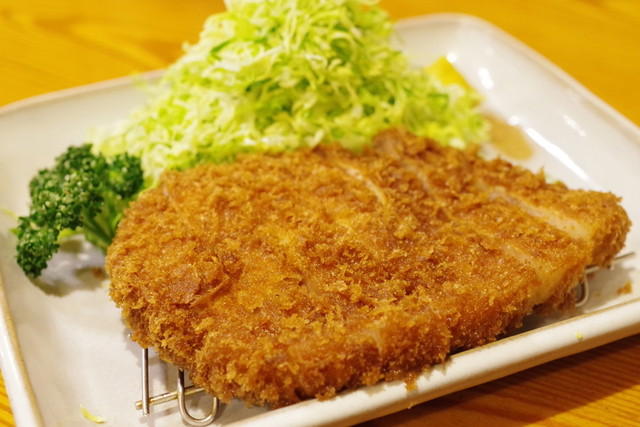
Approaching Nikko’s eating culture through tonkatsu changes the tempo of the city. The shrine precincts pull attention toward cedar avenues and formal pilgrimage routes, but the workaday pleasure of breaded pork cutlet belongs to a different Japan: lunch counters, family tables, crisp batter, shredded cabbage, rice, miso soup, and a format built on timing rather than ceremony. Tonkatsu Azuma sits in that register, not as a luxury detour but as a serious local address for a dish that rewards focus.
That matters in Nikko because the city’s food identity is often flattened into travel shorthand. Yuba, wagyu, hotel dining, and café stops all have their place, yet tonkatsu offers a useful counterpoint: it is modern Japanese comfort food with a craft standard, shaped by yoshoku influence and refined through specialist shops. A Tabelog 100 Tonkatsu selection in 2026 places this room inside a national conversation around the category, where frying technique, cut selection, oil management, and pacing separate a routine cutlet from a destination-worthy one.
Nikko's tonkatsu lane, away from shrine-route snacking
The more familiar visitor circuit in Nikko tends to orbit light meals and sweets between temple visits. Fudaraku Honpo Ishiya chou ten fits that lower-spend, quick-stop pattern, while Main Dining Room speaks to Nikko’s long-running hotel and heritage dining culture. Tonkatsu belongs elsewhere: it asks for a proper meal break, not a grazing pause, and its appeal is in repetition, portion, heat, and texture rather than scenery.
Within that spread, the specialist cutlet shop occupies a useful middle ground. It is more structured than a snack stop, less formal than hotel dining, and more narrowly focused than a general Japanese restaurant. That focus is the point. Japan’s serious tonkatsu culture treats pork cutlet as a technical dish: the breading needs enough crunch to frame the meat without turning heavy, the rice and cabbage are not afterthoughts, and the meal succeeds or fails in minutes. In a mountain city where visitors often plan around transport and temple hours, that directness has value.
Nikko’s higher-spend dining addresses, including Gourmands Wagyu, work in another category entirely, with a different expectation of time and budget. Tonkatsu Azuma is better understood beside the city’s everyday specialists: places where the format is familiar, the audience is mixed, and the bar is set by execution rather than theatre. For a wider map of that range, our full Nikko restaurants guide is the useful starting point.
A specialist cutlet shop in a city of split dining identities
Nikko is not a single dining story. Some dining rooms point toward resort-style meals and longer stays. Elsewhere in Nikko, the rhythm is more practical: local regulars, day-trippers, drivers, and visitors fitting a meal between train schedules. Tonkatsu Azuma belongs to the second rhythm. Its appeal sits in a full, focused meal rather than a tasting format, giving diners a clear landing point when they want substance without ceremony.
The award signal is useful because tonkatsu can look deceptively simple from the outside. A pork cutlet set is one of Japan’s familiar restaurant forms, but national specialist recognition narrows the field. The Tabelog 100 Tonkatsu list is category-specific, so inclusion does not reward general popularity across every cuisine; it places the restaurant within a defined craft tradition. For readers deciding where to spend a limited Nikko meal slot, that distinction carries more weight than broad online enthusiasm.
The city’s dining options also separate by occasion. Our full Nikko hotels guide helps for stays built around ryokan or resort dining, while our full Nikko bars guide, our full Nikko wineries guide, and our full Nikko experiences guide cover the broader trip structure. The cutlet meal fills a different need: quick enough for a day itinerary, substantial enough to anchor it.
How to read it against Japan's wider comfort-food culture
Tonkatsu’s cultural roots are hybrid. The dish came through Western-style breaded cutlets, then became thoroughly Japanese through set-meal structure, rice pairing, cabbage, sauce, and specialist technique. That evolution is why a serious tonkatsu shop can feel both casual and exacting. The format is democratic, but the difference between ordinary and disciplined is immediately apparent in frying, portion balance, and how the meal holds together from first bite to last.
For international travelers building a Japan food itinerary, Nikko’s cutlet culture can be read beside other single-focus formats across the country: sukiyaki, charcoal-led seafood, curry specialization, café culture, and modern casual dining. The common thread is not luxury; it is compression, with one format doing the heavy lifting.
That lens also helps separate tonkatsu from a broader “Japanese food” checklist. A meal here is not about collecting rare ingredients or tasting-menu novelty. It is about a standard dish executed within a specialist framework, in a city where many visitors otherwise default to sweets, noodles, or hotel rooms. Readers extending the comparison beyond Japan might see similar single-format confidence in other casual specialists: each asks diners to take a familiar category seriously.
The editorial case for Tonkatsu Azuma is therefore clear. In Nikko, it gives the pork-cutlet tradition a credible address backed by category recognition, while avoiding the stiffness that can make some destination meals feel detached from the city around them. It is a smart choice for travelers who want one grounded, local-feeling meal between the region’s shrine, mountain, and hotel circuits.
Frequently asked questions
Would Tonkatsu Azuma be comfortable with kids?
Yes. Tonkatsu Azuma’s focus on a familiar cutlet-meal format points to a low-formality Nikko dining option rather than a stiff destination setup.
Is Tonkatsu Azuma formal or casual?
Casual. Tonkatsu Azuma in Nikko sits within the listed budget of Dinner: JPY 2,000 - JPY 2,999; Lunch: JPY 3,000 - JPY 3,999, which keeps the experience in everyday dining territory. The 2026 Tabelog 100 selection for tonkatsu adds credibility without making the room feel formal.
What's the price range at Tonkatsu Azuma?
Pricing at Tonkatsu Azuma is listed as JPY 2,000 - JPY 2,999 JPY 3,000 - JPY 3,999 View spending breakdown.
What is Tonkatsu Azuma known for?
Tonkatsu Azuma is known for tonkatsu in Nikko, with a 2026 Tabelog 100 Tonkatsu selection and a listed score of 3.75.
Price and Positioning
Nearby venues at a similar price tier for orientation.
| Venue | Cuisine | Price | Awards | Notes |
|---|---|---|---|---|
| Tonkatsu AzumaThis venue (the venue you are viewing) | Japanese Tonkatsu | $10–20 | Tabelog 100 #78 | Not listed |
| Shogetsu Himuro | Traditional Japanese Kakigori (Shaved Ice) | $10–20 | Tabelog 100 #40 | Imaichi, Traditional Japanese Kakigori (Shaved Ice) |
| Sakaeya | Traditional Japanese sweets & age yuba manju shop | $1–10 | Tabelog 100 #92 | Not listed |
| 三たてそば 長畑庵 | Traditional Soba Noodles | $10–20 | Not listed | 長畑, 三たて蕎麦 |
| Meiji no Yakata | Not listed | Not listed | Not listed | Nikko Fudoson Park, Yoshoku (Japanese-Western Fusion) |
| Myogetsu Bo | Grill & Steak | $50–100 | Tabelog 100 #66 | Sannai, Grill & Steak |
Recognition history
Dated appearances from independent guides and award organizations, with the underlying list record or original source where available.
Tabelog 100 #78 · No. 78
Tabelog · Tabelog 100 - Tonkatsu - 2026
Continue exploring
More in Nikko
Details
- Cozy
- Classic
- Family
- Casual Hangout
- Standalone
- Sake Program
- Beer Program
- A La Carte
- Set Menu
- Sake
- Beer
Current opening hours
- Monday
- 11:30 AM–2 PM, 5:30–9 PM
- Tuesday
- Closed
- Wednesday
- 11:30 AM–2 PM, 5:30–9 PM
- Thursday
- 11:30 AM–2 PM, 5:30–9 PM
- Friday
- 11:30 AM–2 PM, 5:30–9 PM
- Saturday
- 11:30 AM–2 PM, 5:30–9 PM
- Sunday
- 11:30 AM–2 PM, 5:30–9 PM
Hours can change for holidays and private events. Hours as of .
Simple, casual Japanese neighborhood restaurant atmosphere with a cozy, no-frills feel.