Maguro Sushi
Maguro Sushi sits along Florida Mall Avenue in Orlando's south side, where the name alone signals a kitchen built around the discipline of bluefin tuna. In a city where Japanese dining ranges from conveyor-belt casual to omakase-only counters, this address occupies the sushi-focused middle tier that Orlando's scene has needed for some time. For visitors and locals mapping the city's Japanese options, it belongs on any serious shortlist.
Pearl is the En Primeur Club membership app — saves, bookings, and concierge access live there. Same editors, same standards.
- Address
- 1311 Florida Mall Ave, Orlando, FL 32809
- Phone
- +14074402163
- Website
- magurolatinfusion.com
- Directions
- Get directions
 Saves & bookings on Pearl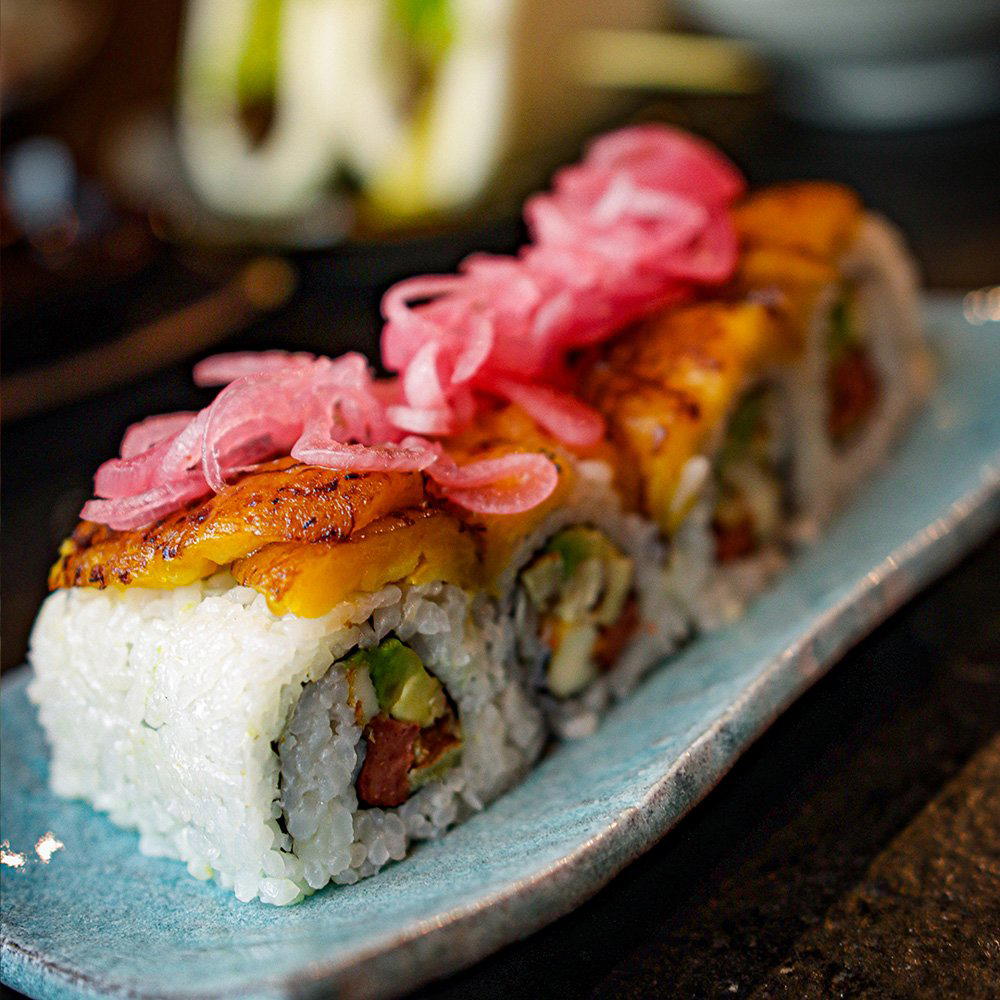
Sushi in Orlando: Where Maguro Sushi Fits the Map
Maguro Sushi is a restaurant in Orlando serving Latin Asian Fusion Sushi. At the serious end of that spectrum sit omakase counters like Kadence and Natsu, where reservation windows close weeks in advance and the format is dictated entirely by the kitchen. Further along sit Japanese restaurants with broader ambitions, such as Sorekara, which brings a $$$$ price point and a more expansive menu to the Japanese category. Maguro Sushi, positioned on Florida Mall Avenue in the city's south side, occupies a different tier in this picture: a sushi-forward address built around the ingredient its name announces.
The name itself is a point of orientation. Maguro is the Japanese term for bluefin tuna, the closely watched and culturally weighted fish in the sushi tradition. A restaurant that leads with this word is signaling something about where its kitchen places its attention. In Japan's sushi culture, the quality and handling of maguro has historically served as the primary benchmark by which a counter is judged. That tradition does not belong exclusively to Tokyo's Tsukiji-adjacent counters, it travels wherever the discipline does.
The Cultural Weight Behind the Tuna Counter
To understand what a sushi restaurant named for maguro is reaching toward, it helps to understand how bluefin tuna became the prestige fish in Japanese culinary culture in the first place. For much of the Edo period, fatty tuna belly, what we now call otoro, was considered undesirable, its high oil content a liability before the era of refrigeration. It was the development of modern cold-chain infrastructure and changing taste preferences in the twentieth century that repositioned toro as the coveted and expensive cut at any serious sushi counter. The transformation is one of the more striking reversals in food history: a fish once given away is now the price-setting item on the menu.
This context matters for how a restaurant like Maguro Sushi positions itself in Orlando, a city that has historically attracted Japanese dining investment around convenience formats rather than craft-focused ones. The city's proximity to major theme park infrastructure means that high-volume, casual Japanese concepts have long dominated the market. The more disciplined end of the sushi spectrum, restaurants where the rice temperature, the knife work on the fish, and the sourcing of the tuna are the actual product, represents a smaller, more specific niche. For context on how that niche plays out at the far end of the quality spectrum nationally, consider the approach taken at Le Bernardin in New York City, where raw and barely-cooked seafood technique has been refined over decades into something that defines a category benchmark. Or look at Providence in Los Angeles, where the serious treatment of fish as a central subject rather than a supporting ingredient has earned sustained critical recognition. The restaurant operates at a different scale and in a different format, but the cultural orientation, sushi as a discipline organized around a particular fish, connects to the same lineage.
Orlando's South Side and What It Offers
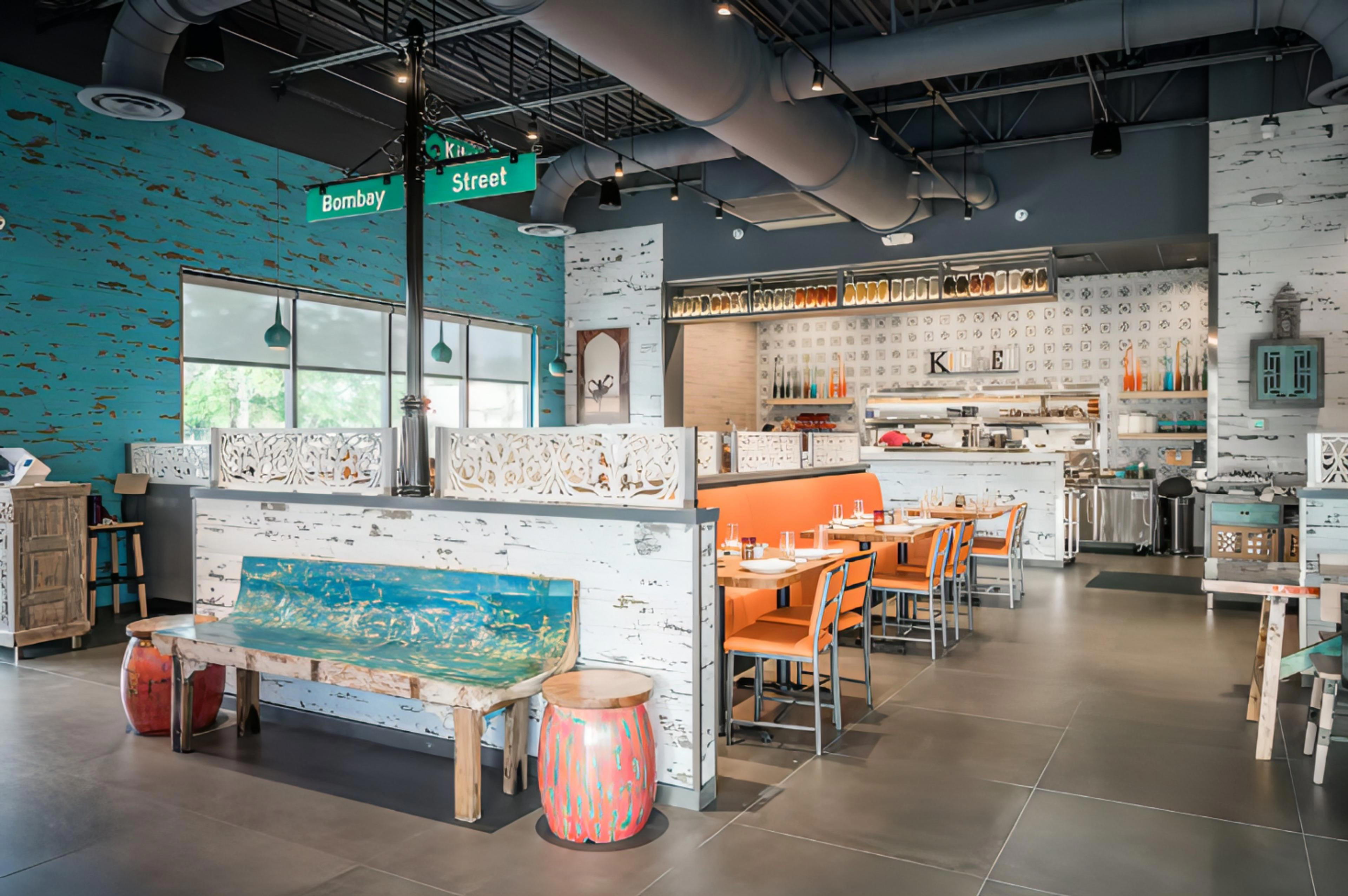
Florida Mall Avenue is not a dining-destination street in the way that, say, the restaurants clustered around downtown Orlando or the Dr. Phillips corridor are. The Florida Mall anchor and the commercial density around it create a different kind of foot traffic: people with time between purchases, families looking for something accessible, and the surrounding residential and hotel population in the 32809 zip code. This is a practical location rather than a scene-driven one, which tends to shape what kind of restaurant succeeds there. In other American cities, the sushi restaurants that survive and develop loyal followings in non-destination commercial strips tend to do so on the basis of consistency and value-for-format rather than spectacle. The dining rooms are typically unfussy; the menu does the work.
That dynamic exists across the Japanese-American sushi tradition more broadly. Neighborhood sushi in the United States has always operated as a parallel track to the high-end omakase counter: different price expectations, different pacing, different interaction model with the chef. Neither track is inherently inferior. A well-run neighborhood sushi restaurant that sources carefully and handles its fish correctly is serving the same culinary tradition as the twelve-seat counter charging several hundred dollars per person. The craft is the same; the context and economics differ. For a fuller view of what the higher-end omakase end of that spectrum looks like in a fine-dining context, Atomix in New York City offers one reference point for how Korean-Japanese fine dining has raised the bar for precision-focused tasting formats in the United States.
How Maguro Sushi Sits Among Orlando's Japanese Options
Among Orlando's Japanese-focused addresses, the differentiation comes down to format and focus. Kadence operates as a strict omakase counter with a set number of seats and no à la carte option. Natsu similarly prioritizes the counter experience and seasonal sourcing. These are the city's reference points for the upper end of Japanese dining. The restaurant, by name and location, suggests a more accessible format, one where the menu is organized around sushi as a category rather than a single tasting progression. Within that broader sushi-restaurant tier, the defining questions are sourcing, knife discipline, and rice quality: the three variables that separate a sushi restaurant that understands the craft from one that is simply serving a familiar format.
The restaurant also sits in broader Orlando dining context that includes high-end steakhouse formats like Capa, contemporary Vietnamese at Camille, and the full range of options mapped in our full Orlando restaurants guide. For national reference points in how serious restaurants treat fish and seafood at the tasting-menu level, Single Thread Farm in Healdsburg, Alinea in Chicago, Blue Hill at Stone Barns in Tarrytown, Addison in San Diego, The Inn at Little Washington, The French Laundry in Napa, Lazy Bear in San Francisco, Emeril's in New Orleans, and 8½ Otto e Mezzo Bombana in Hong Kong each illustrate how the treatment of premium ingredients defines a restaurant's position in its category.
Planning a Visit
The restaurant is located at 1311 Florida Mall Ave, Orlando, FL 32809, in the commercial corridor adjacent to the Florida Mall. The address is accessible by car from the surrounding area and sits within the cluster of hotels and retail that characterizes the south Orlando zone. The restaurant is recommended for reservations and serves lunch and dinner Monday through Sunday, with later hours on Friday and Saturday. The location within a busy commercial district suggests walk-in access is possible, but demand patterns at sushi-focused counters can vary significantly depending on time of day and day of week.
Comparison Snapshot
Comparable venues nearby, for context on price, style, and recognition.
| Venue | Cuisine | Price | Notes |
|---|---|---|---|
| Maguro SushiThis venue — the venue you are viewing | Latin Asian Fusion Sushi | $$ | Not listed |
| Thai Thani - Orlando | Authentic Thai Cuisine | $$ | International Drive |
| Mangia | Modern Italian | $$ | Avalon Park |
| Mi Casa Tequila Taquería | Authentic Mexican Taqueria | $$ | Convention Center |
| Kobé Japanese Steakhouse - International Drive | Japanese Teppanyaki Steakhouse | $$ | Convention Center |
| Little Saigon | Authentic Vietnamese | $$ | Mills 50 |
At a Glance
- Trendy
- Lively
- Casual Hangout
- Group Dining
- Open Kitchen
- Sake Program
- Craft Cocktails
Current opening hours
- Monday
- 11:30 AM–10 PM
- Tuesday
- 11:30 AM–10 PM
- Wednesday
- 11:30 AM–10 PM
- Thursday
- 11:30 AM–10 PM
- Friday
- 11:30 AM–11 PM
- Saturday
- 11:30 AM–11 PM
- Sunday
- 11:30 AM–10 PM
Hours can change for holidays and private events. Last verified .
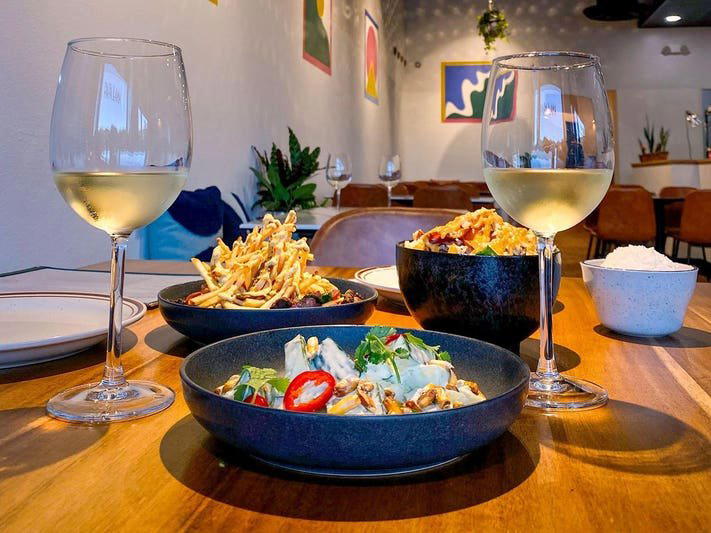
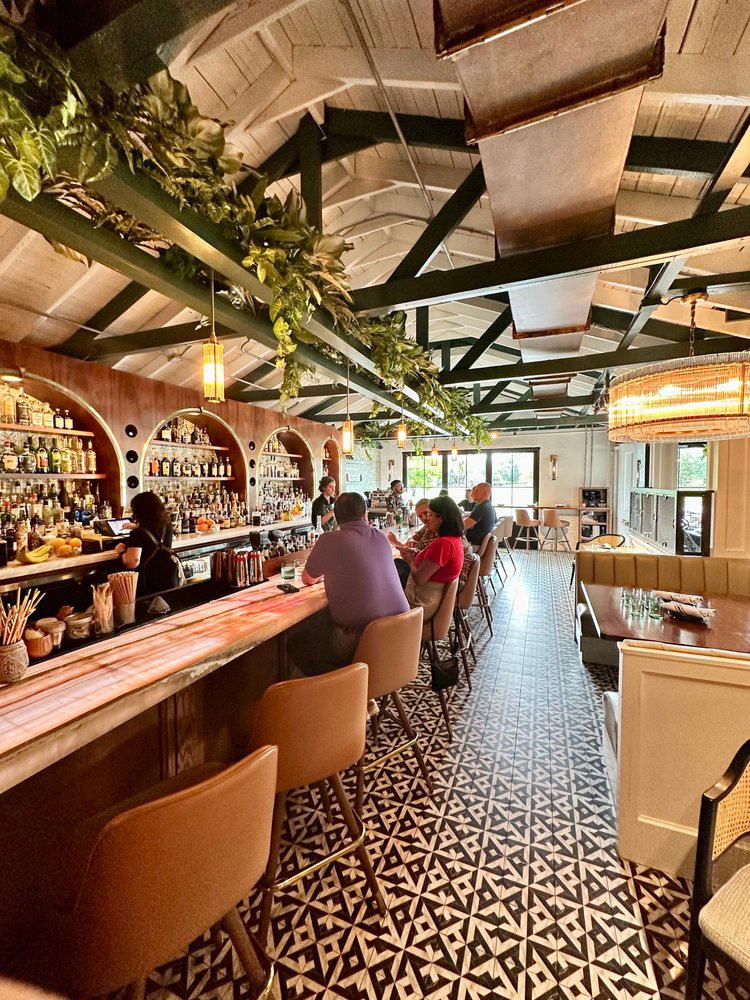
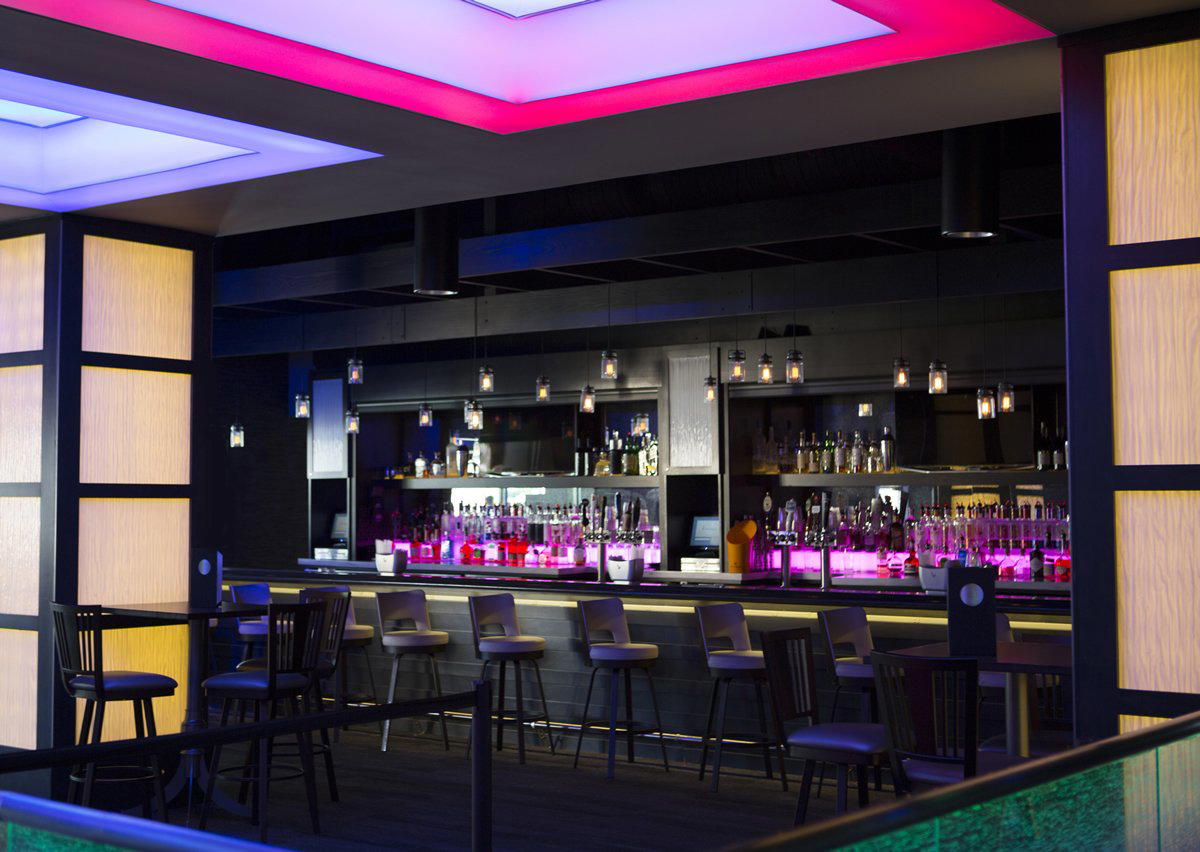
Casual and lively atmosphere highlighting bold fusion flavors in a modern mall setting.