Little Saigon
Little Saigon on East Colonial Drive sits at the centre of Orlando's Vietnamese dining corridor, where the neighbourhood's density of pho houses and bánh mì counters gives way to a more considered reading of the cuisine. Against the high-end Vietnamese positioning of peers like Camille, this address operates in a different register, community-rooted, unpretentious, and worth understanding on its own terms.
 Discover on Pearl
Pearl is the En Primeur Club membership app — saves, bookings, and concierge access live there. Same editors, same standards.
- Address
- 1106 E Colonial Dr, Orlando, FL 32803
- Phone
- +14074238539
- Website
- little-saigon.com
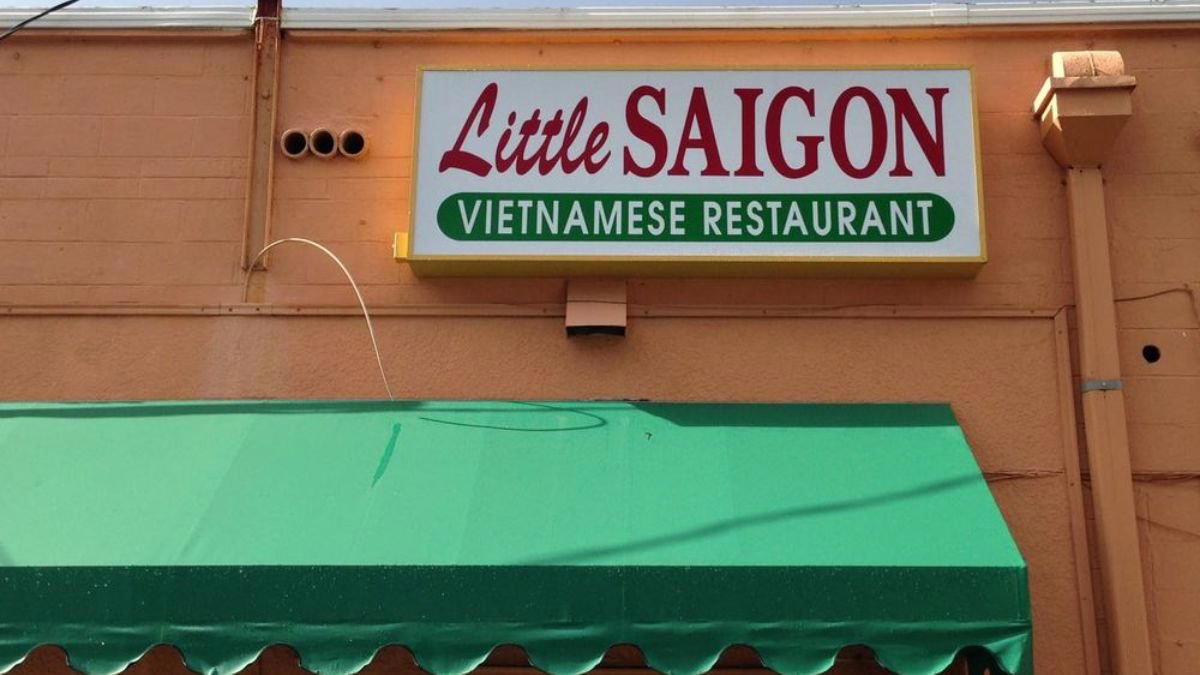
East Colonial Drive and What It Tells You About Orlando's Vietnamese Scene
East Colonial Drive between Mills Avenue and Bumby is one of the few stretches in Central Florida where Vietnamese food isn't an outlier on a broader Asian dining strip, it's the strip. The corridor has accumulated enough density over several decades that it functions less like a restaurant row and more like a neighbourhood institution, where regulars cycle between addresses not based on occasion but on craving. Little Saigon is an Authentic Vietnamese restaurant at 1106 E Colonial Dr in Orlando, with a casual dress code, a walk-in-friendly policy, and an average Google rating of 4.4 from 1,241 reviews. It occupies a position inside that ecosystem that is worth understanding before you walk through the door. This is not the context of Camille, Orlando's upmarket Vietnamese entry with a $$$$ price point and a tasting-menu sensibility. This is the other end of the continuum, where the room itself does most of the communicating.
The Physical Room as Editorial Statement
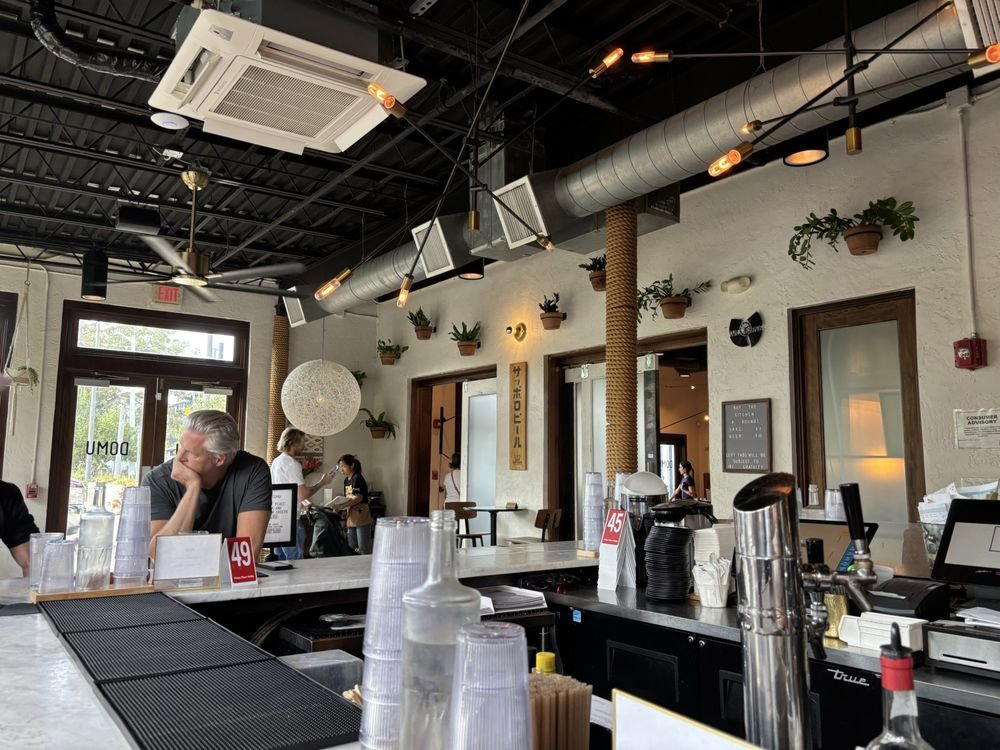
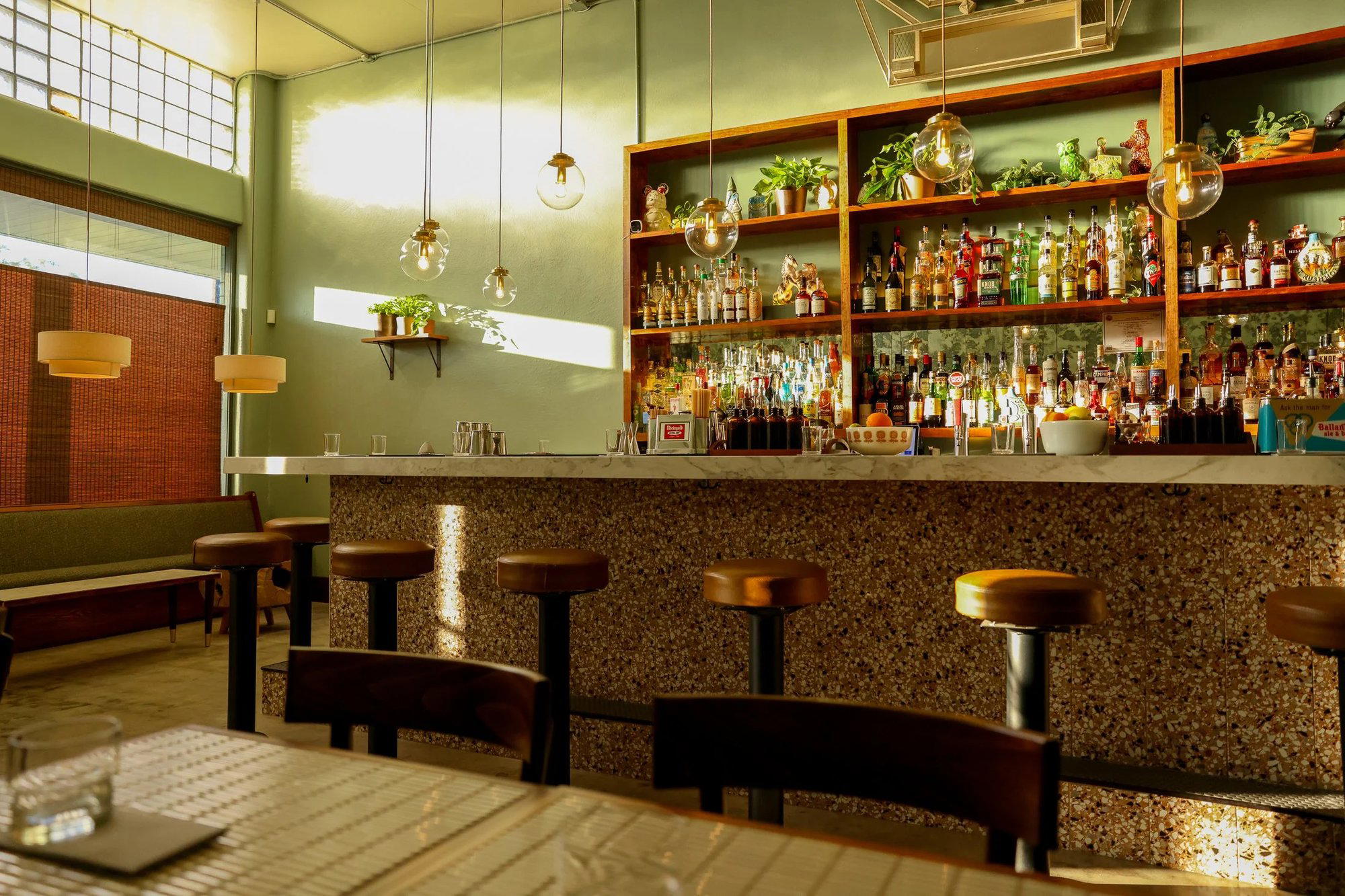
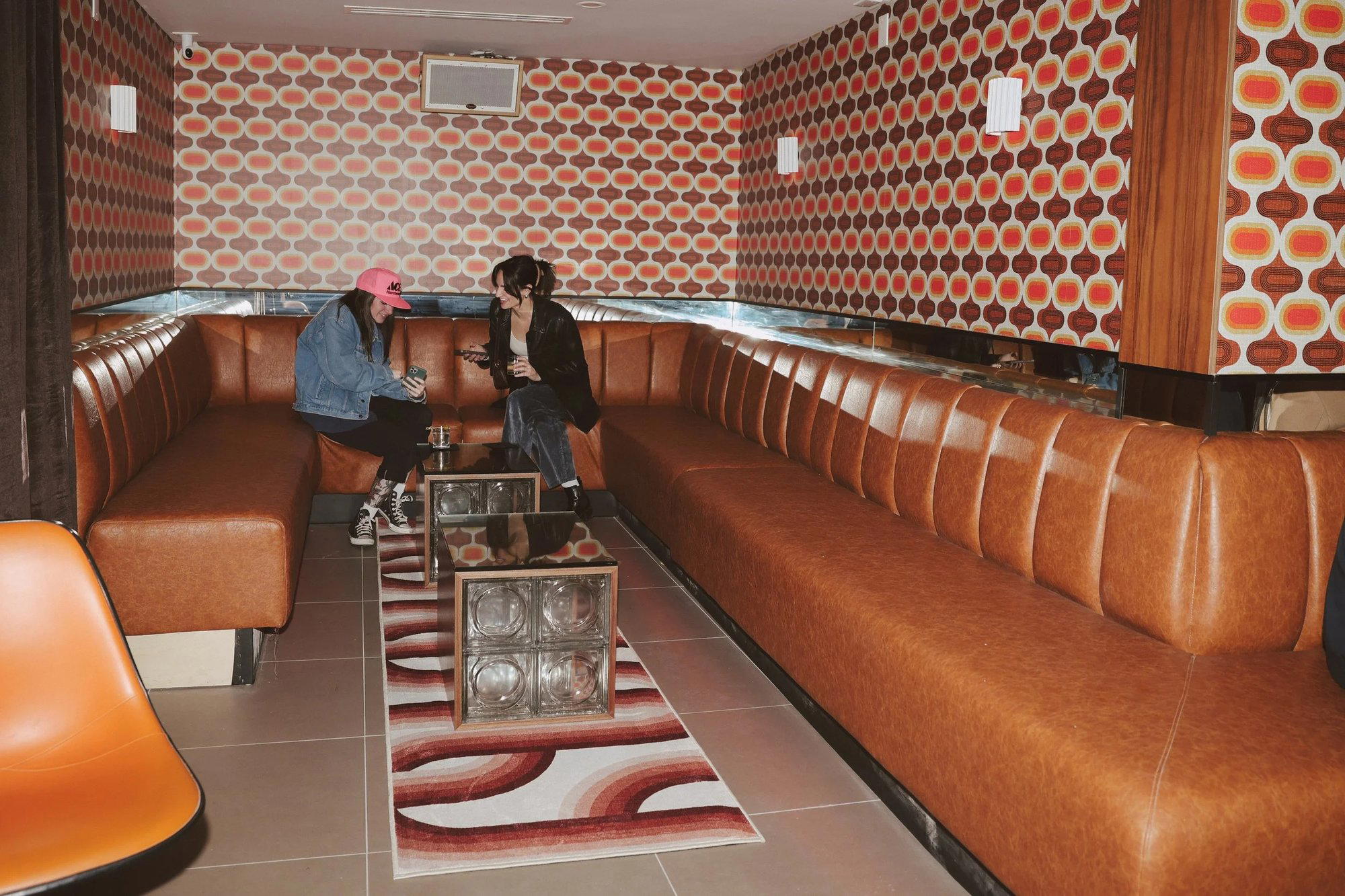
In Vietnamese dining in the American South, the interior language of a restaurant is often the clearest signal of its intentions. The high-end tier, the kind of positioning you find in cities like New York with Atomix's Korean precision or in San Francisco with Lazy Bear's deliberately theatrical mise-en-scène, communicates ambition through the room before the menu arrives. The other tier communicates something different: volume, generosity, and a kind of institutional confidence that comes from not needing the room to do any convincing. Little Saigon belongs to the latter tradition. The space on East Colonial is functional in the way that long-running neighbourhood anchors tend to be, designed around throughput and comfort rather than spectacle, with the seating arrangements built for groups rather than couples on occasion dining. The lighting is practical. The layout prioritises table turns and family-scale portions. None of this is a criticism. It is, in fact, the architecture of a place that has decided its energy belongs on the plate.
This stands in notable contrast to the premium design-forward dining that has defined much of Orlando's restaurant growth over the past decade. Operations like Capa at Four Seasons Orlando have invested heavily in the visual container, rooftop sightlines, theatrical open kitchens, considered material palettes. Even Japanese counter dining in Orlando, represented by addresses like Kadence and Sorekara, uses the architecture of the counter itself as a structuring device for the meal. Little Saigon makes no such gesture. The room is a vessel, not a performance space, and for a segment of Orlando diners that has grown tired of paying for the container, that is precisely the appeal.
The Cuisine and Its Place in the Broader Vietnamese Dining Spectrum
Vietnamese cooking in the United States has, over the past two decades, split into roughly three public-facing categories. The first is the neighbourhood anchor, high-volume, low-price, built around pho, bún bò Huế, and bánh mì, sustained by regulars rather than destination diners. The second is the modern-Vietnamese format, which applies fine-dining technique to traditional flavour profiles, sometimes with tasting menus, often with natural wine lists. The third, increasingly common in cities with established Vietnamese communities, is the regional specialist: a restaurant that focuses on a specific geographic or culinary tradition within Vietnam rather than the pan-Vietnamese greatest-hits approach.
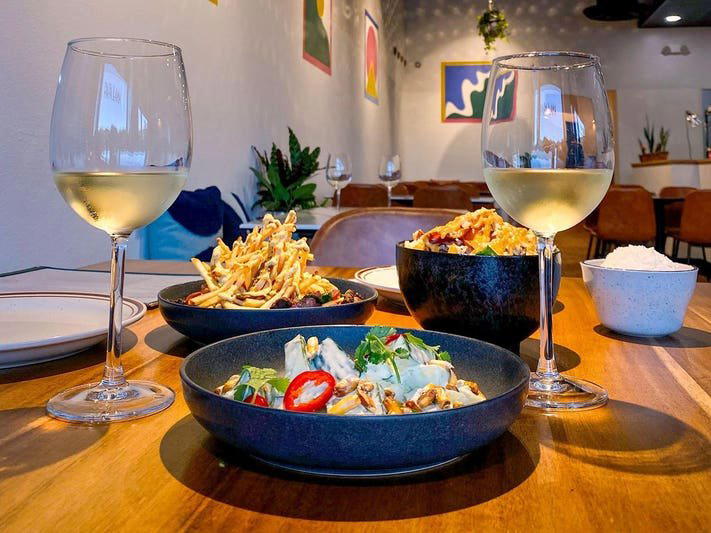
East Colonial Drive's corridor operates primarily in the first category, and Little Saigon's address fits that profile. The dishes that anchor Vietnamese-American restaurants of this type, slow-cooked broths, char-grilled protein plates, fresh herb accompaniments, the full assembly of condiments that Vietnamese dining demands as a table standard, are the draws here. The comparison set is not The French Laundry or Alinea. It is not even the mid-tier of American fine dining represented nationally by Le Bernardin or locally by Victoria and Albert's. The comparable set is the Vietnamese dining corridor itself, and within that corridor, longevity and consistency are the metrics that matter.
Planning a Visit: What to Know Before You Go
Little Saigon sits on East Colonial Drive, accessible from downtown Orlando and reachable by car in under ten minutes from most of the city's central neighbourhoods. The corridor is best approached with a general expectation of casual, walk-in dining rather than advance reservation strategy; the format of the space and the price positioning suggest a drop-in model rather than a pre-planned occasion. For visitors also exploring the city's broader restaurant range, the area pairs naturally with adjacent Orlando dining destinations further along the Colonial Drive corridor or in the Mills 50 district, which has become one of the city's most concentrated pockets of Southeast Asian and East Asian cooking.
For context on how Orlando's Vietnamese food sits against wider American Vietnamese dining, it's worth noting that cities like Houston, San Jose, and New Orleans have longer-established Vietnamese corridors with more institutional depth. East Colonial Drive is not that scale, but it functions as the closest equivalent in Central Florida, and within that narrower frame, it carries real neighbourhood authority. New Orleans, for instance, has the Vietnamese influence of its Versailles neighbourhood; Orlando's version is smaller but follows a similar dynamic of community-driven culinary identity rather than destination-driven marketing.
For diners accustomed to the kind of premium dining environment represented by Providence in Los Angeles, Addison in San Diego, or Blue Hill at Stone Barns in Tarrytown, Little Saigon will register as a different kind of dining proposition entirely. The value is not in the room, the tasting format, or the critical apparatus. It is in the cooking's relationship to a specific community and a specific street. That is a legitimate form of culinary authority. Similarly, travellers familiar with Single Thread Farm in Healdsburg or The Inn at Little Washington will find a completely different set of values at play here, and that contrast is part of understanding what Orlando's dining range actually looks like when you move beyond the resort corridor. For a Hong Kong-inflected perspective on how Asian cuisines operate at fine-dining scale, 8½ Otto e Mezzo Bombana offers a useful reference point on how differently the same continental tradition can be expressed. And closer to home, Natsu in Orlando shows what Japanese dining looks like when it moves toward the premium end of the local market.
A Tight Comparison
Comparable venues nearby, for context on price, style, and recognition.
| Venue | Cuisine | Price | Notes |
|---|---|---|---|
| Little SaigonThis venue — the venue you are viewing | $$ | ||
| White Wolf Cafe | Ivanhoe Village, American Bistro Cafe | $$ | |
| East End Market | $$ | Audubon Park Garden District, Diverse Food Hall | |
| Maguro Sushi | Florida Mall, Latin Asian Fusion Sushi | $$ | |
| Thai Thani - Orlando | $$ | International Drive, Authentic Thai Cuisine | |
| Hawkers | $$ | Mills 50, Asian Street Food |
At a Glance
- Classic
- Cozy
- Casual Hangout
- Family
- Standalone
Classic, cozy neighborhood spot beloved for authentic Vietnamese comfort food.